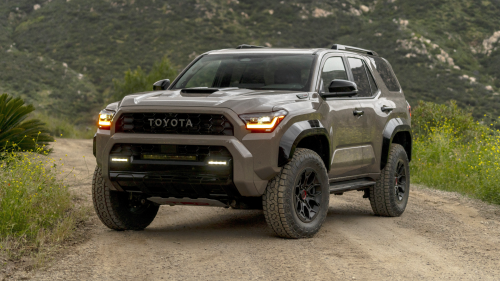
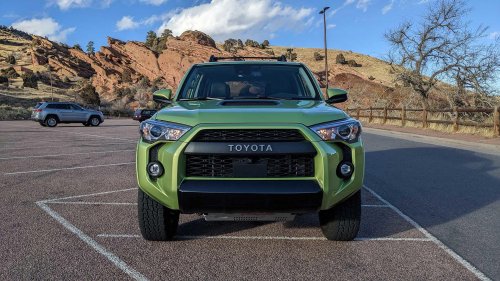
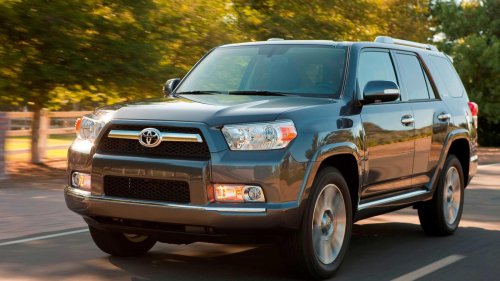
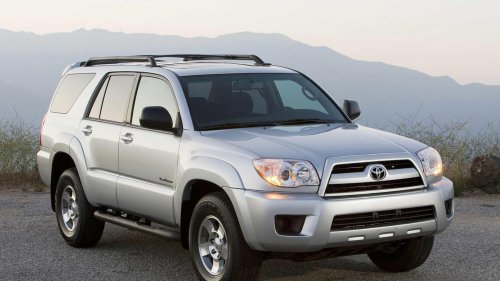
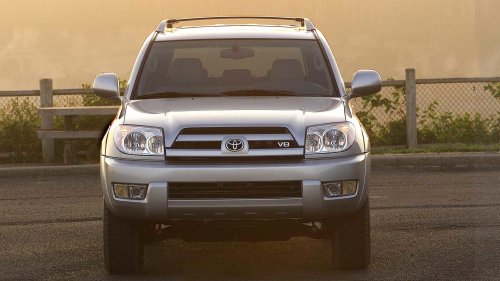
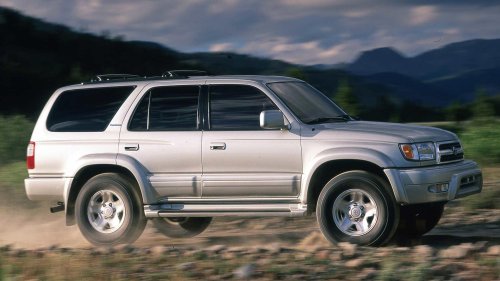
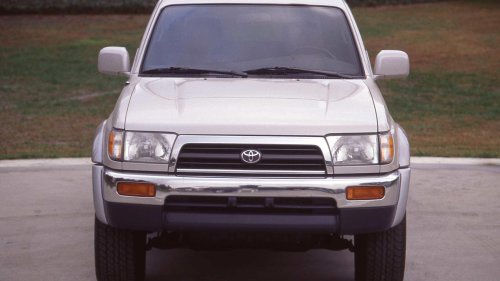
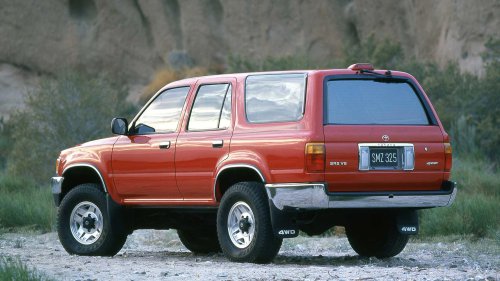
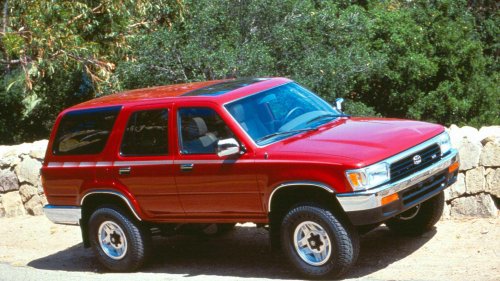
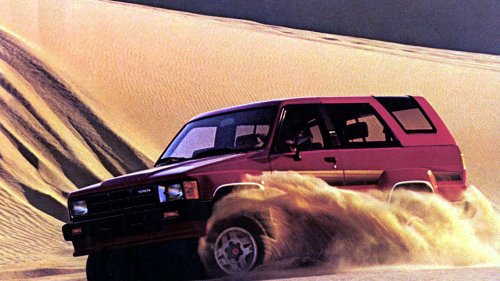
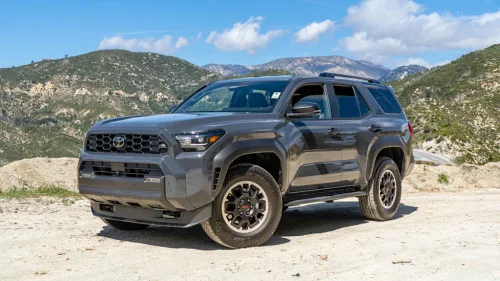
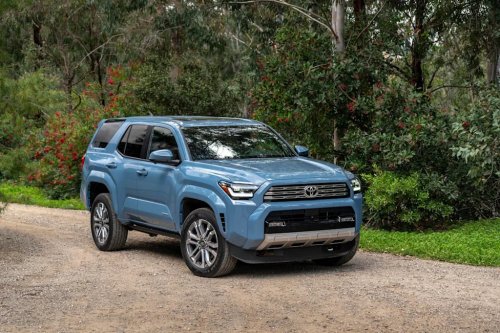
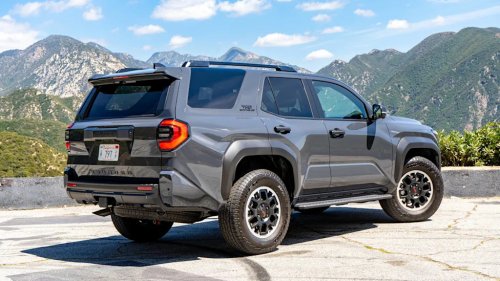
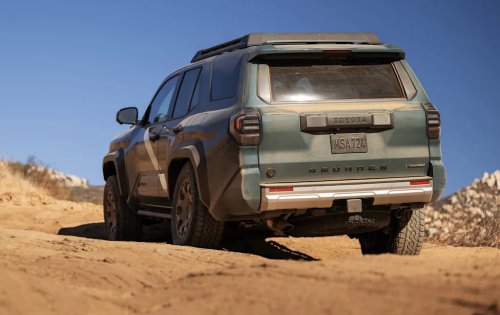
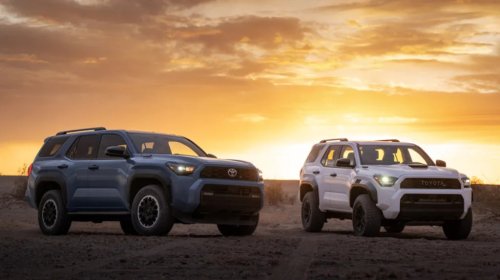
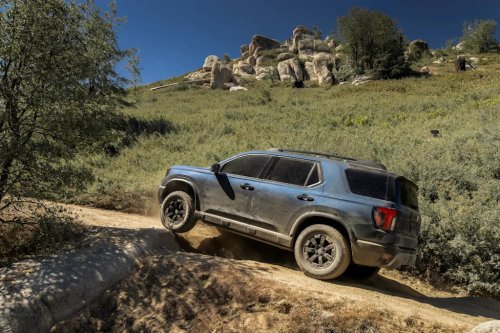
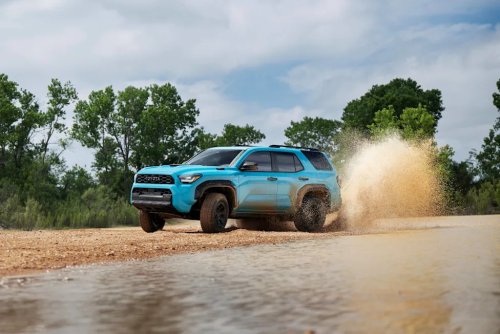
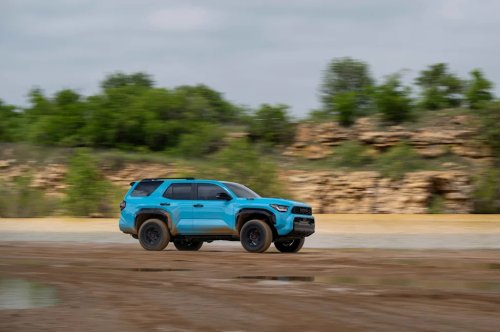
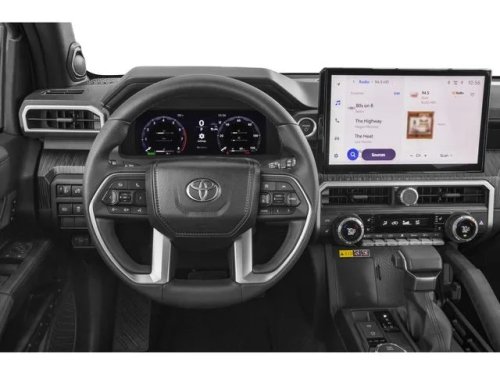
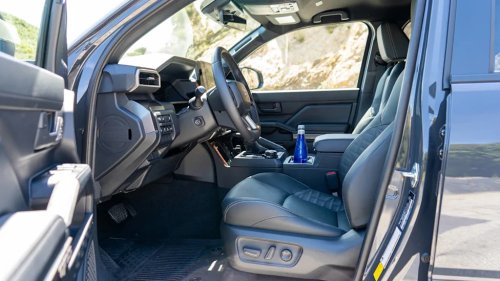
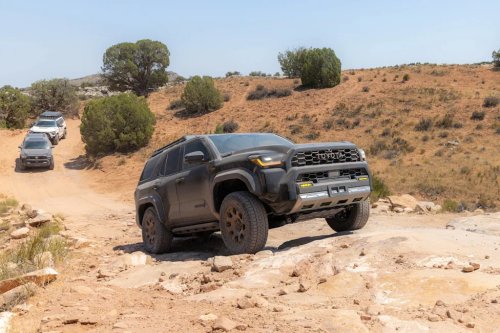
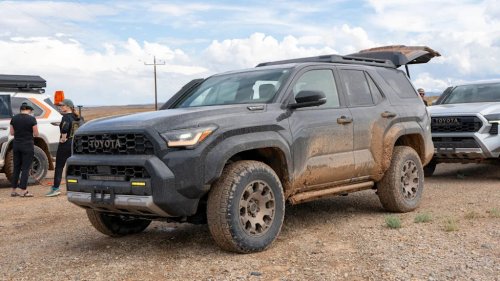
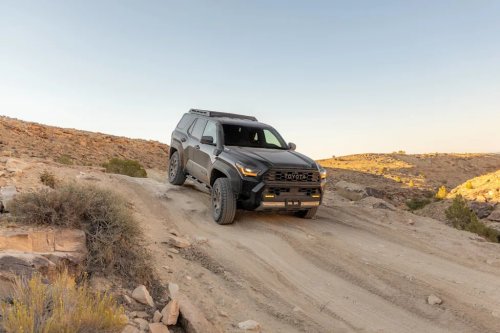
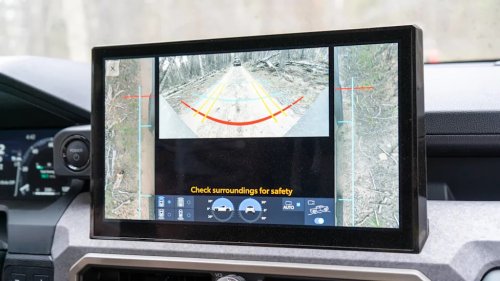
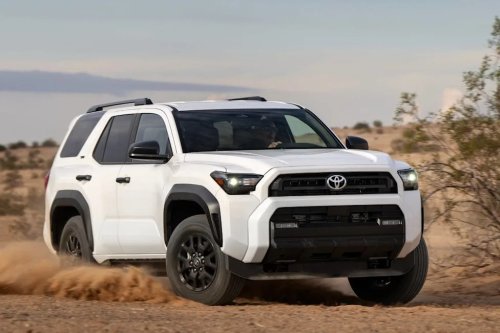
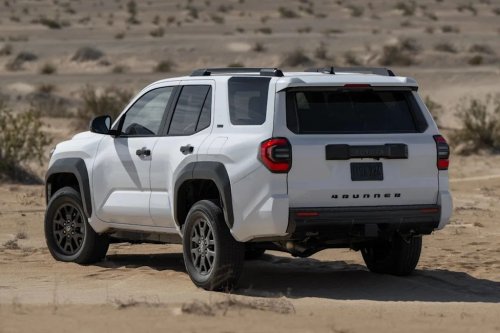
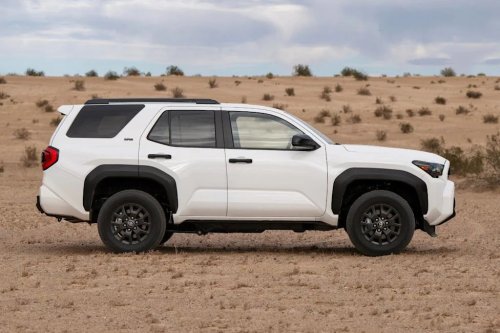
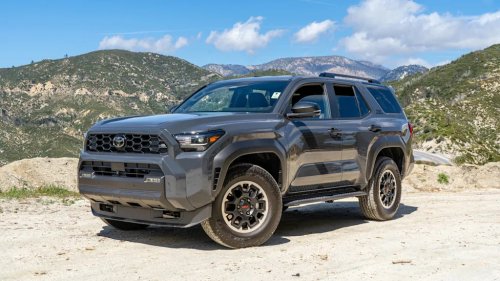
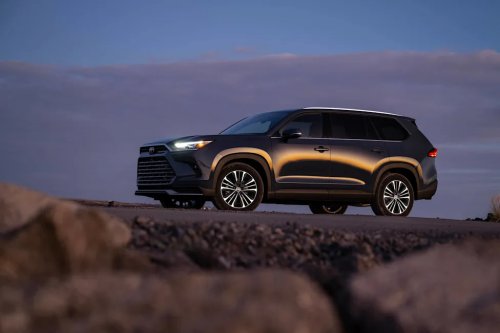
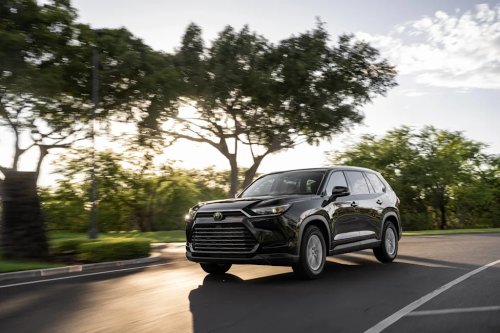
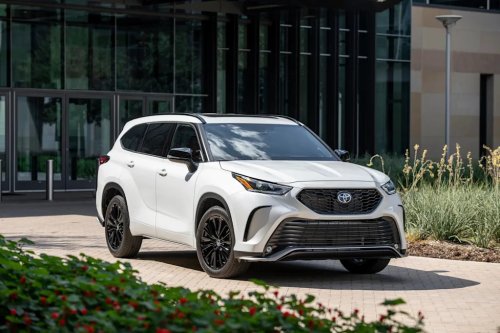
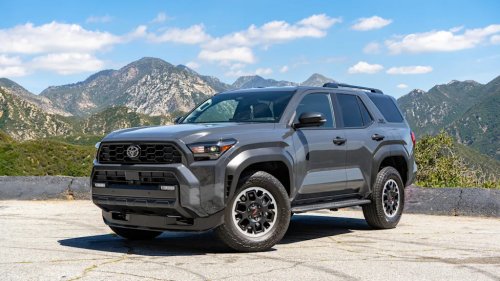
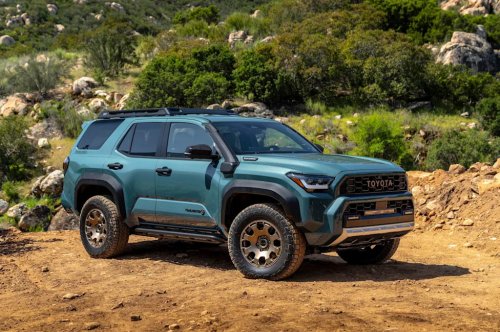
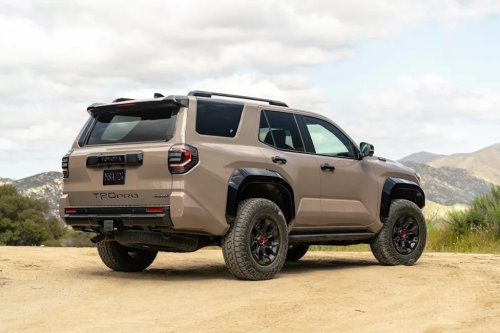
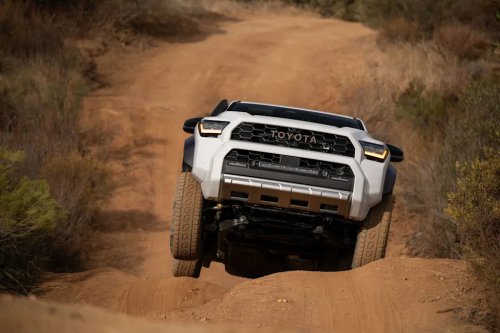
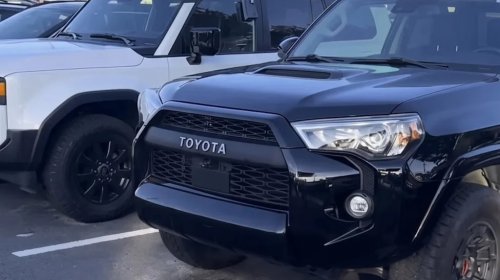
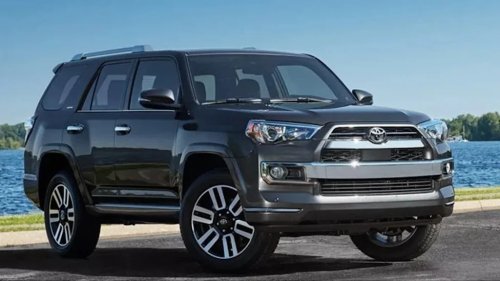
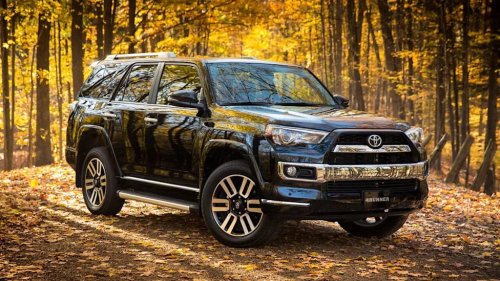
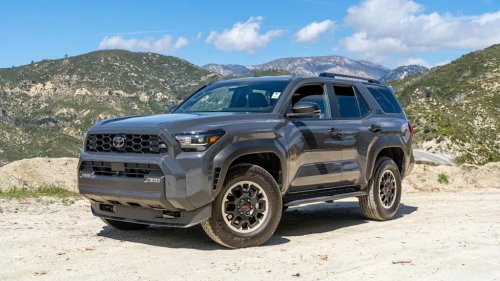
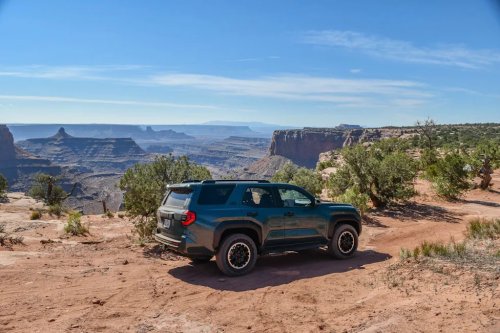
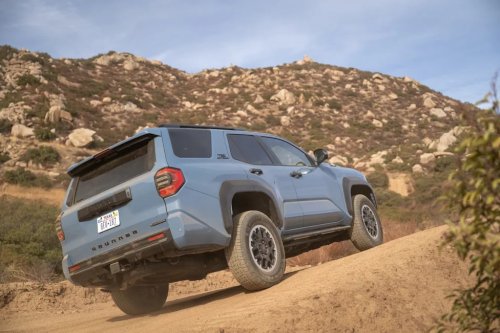
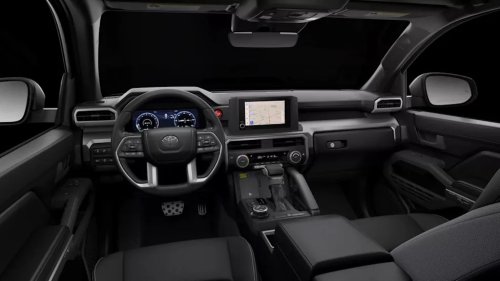
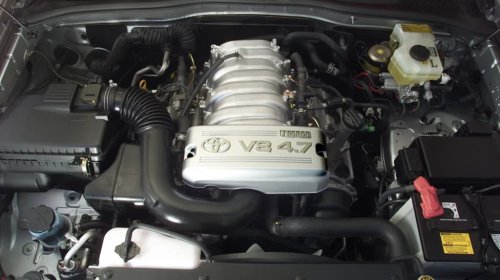
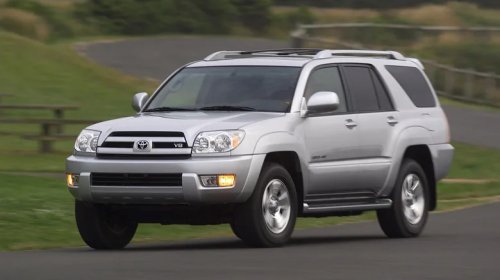
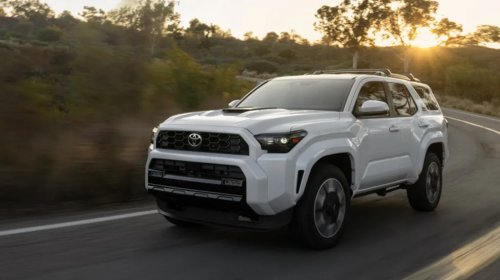
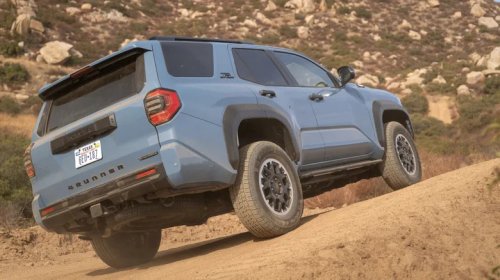
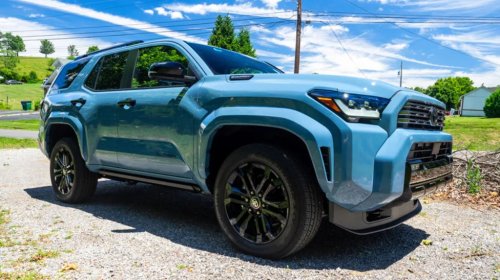
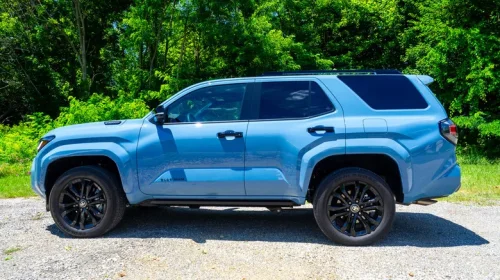
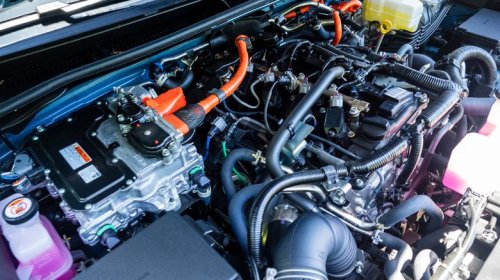
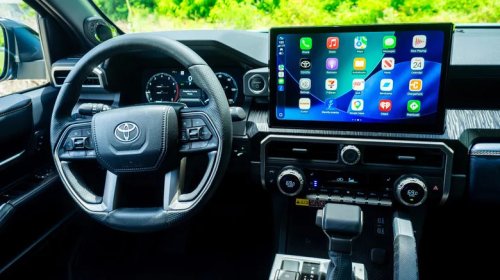
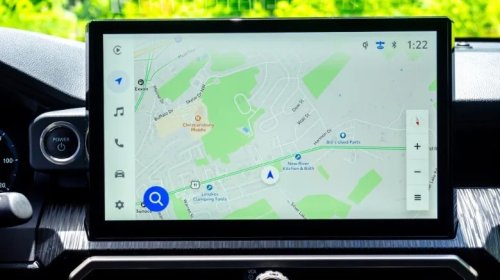
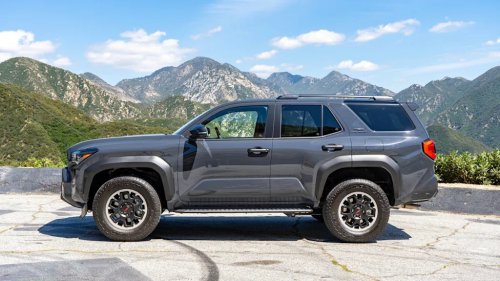
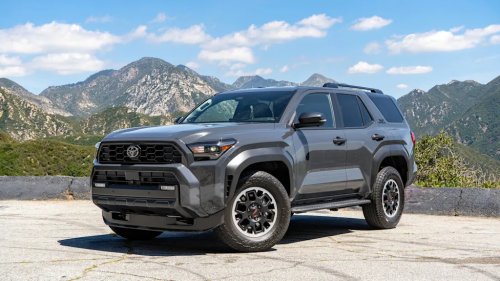
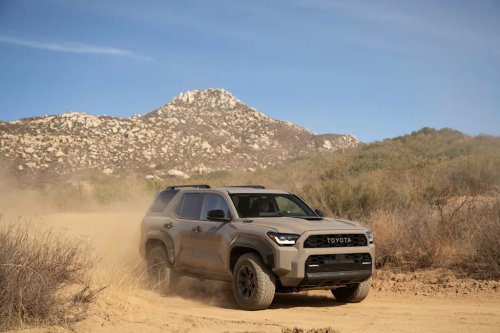
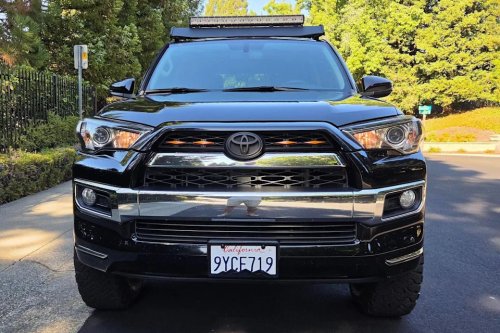
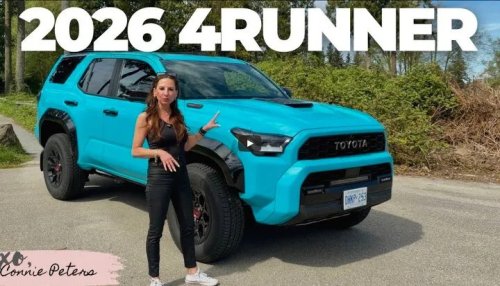
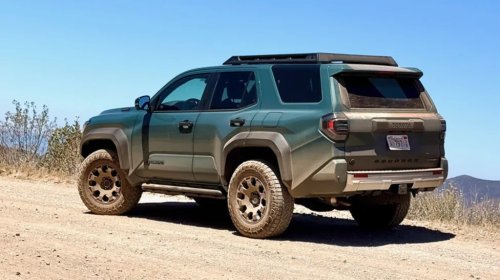
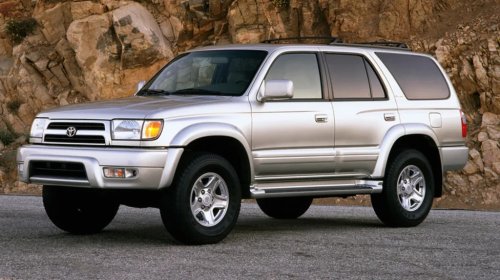
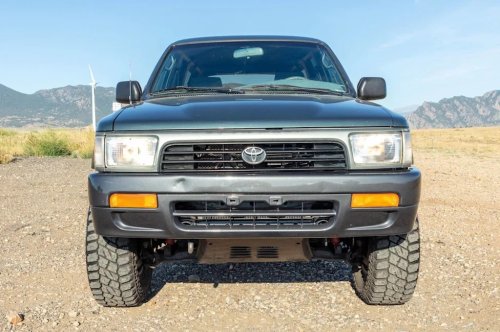
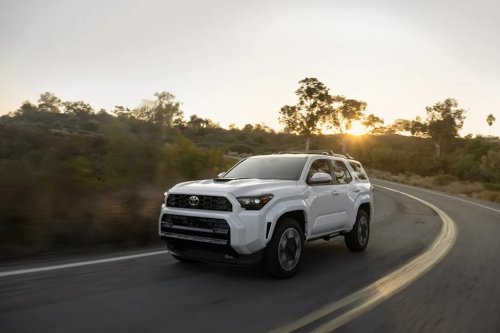
Jump LinksSixth Generation 4Runner Production YearsFifth Generation 4Runner Production YearsFifth Generation 4Runner Production YearsFourth Generation 4Runner Production YearsThe evolution of the Toyota 4Runner shows how a vehicle can adapt to different market needs. And over its 40-year run, it went from utilitarian farm equipment to suburban overland status symbol. The Toyota 4Runner generations begin with the 1981-1983 Toyota Trekker - a Hilux converted into a makeshift SUV by Winnebago. This experiment catalyzed the first true 4Runner, the N60 (1984-1989), an in-house design featuring a Ford Bronco-style removable fiberglass canopy over two doors. The N130 second generation (1990-1995) discarded the canopy for a conventional all-steel body and eventually abandoned the two-door configuration entirely.Moving upmarket, the N180 third generation (1996-2002) was a ground-up redesign that migrated to the J90 Land Cruiser Prado platform. The N210 fourth generation (2003-2009) introduced V8 power to the Prado 120 architecture, but it was the N280 fifth generation (2010-2024) that became an anomaly of modern automotive product cycles, surviving 15 years through minor updates and a 2014 facelift. Now, the N500 sixth generation (2025) moves the goalposts again, adopting the global TNGA-F platform to modernize a historically stubborn, inherently capable lineage.This article highlights the Toyota 4Runner's tenure in the USA, and models on sale in this market. 2025-Present Toyota 4Runner 6th Gen (N500) 2025 Toyota 4Runner TRD ProThe N500 generation migrates to the TNGA-F global truck platform and abandons naturally aspirated V6 power for forced induction and electrification. The standard i-FORCE powertrain features a 2.4-liter turbocharged inline-4 generating 278 horsepower and 317 lb-feet of torque. Thei-FORCE MAXhybrid variant integrates a 48-hp electric motor, pushing output to 326 hp and 465 lb-ft. Both engines are mated to an 8-speed automatic transmission. The interior architecture is modernized with standard 8-inch or available 14-inch touchscreens running Toyota Audio Multimedia, alongside a 7-inch or 12.3-inch digital instrument cluster. Wireless smartphone integration and Toyota Safety Sense 3.0 are standard. Sixth Generation 4Runner Production Years 2014-2024 Toyota 4Runner 5th Gen (N280) Facelift Toyota 4Runner 5th Gen Front ViewThe 2014 facelift brought a highly aggressive front fascia, projector headlights, and LED taillights to the table. Under the hood, the 4.0L 1GR-FE V6 powertrain remained, producing 270 hp and 278 lb-ft, and was linked to a 5-speed automatic transmission. Interior revisions initially included standard Optitron gauges and updated Entune infotainment, but serious modernization was delayed until 2020, when Toyota finally integrated an 8-inch touchscreen with Apple CarPlay and Android Auto compatibility. This came alongside the standardization of Toyota Safety Sense P (TSS-P) driver aids. LED headlights became standard in 2021, and blind-spot monitoring was added across all trims by 2022. Fifth Generation 4Runner Production Years 2010-2013 Toyota 4Runner 5th Gen (N280) 2010 - 2013 Toyota 4Runner 5th Gen Front View DrivingLaunching with a blockier, truck-like aesthetic, the initial N280 generation standardized the 4.0L V6 with Dual VVT-i. This elevated output to 270 hp and 278 lb-ft, and the engine was linked to a 5-speed automatic. A 2.7L inline-4 (157 hp) mated to a 4-speed automatic was briefly offered for 2010 2WD models before being discontinued. The interior leaned heavily into utilitarianism, featuring oversized rotary dials, hard plastics, and a quirky "Party Mode" button that shifted audio EQ to the tailgate. Mechanical highlights included an available Kinetic Dynamic Suspension System (KDSS) on the off-road-focused Trail trim and the signature power roll-down rear liftgate window. Fifth Generation 4Runner Production Years 2006-2009 Toyota 4Runner 4th Gen (N210) Facelift 953308The mid-cycle N210 update refined the exterior with a reshaped bumper, a new grille, projector-beam headlights, circular fog lamps, and standard LED taillights. Powertrains continued with the 4.0L V6 (236 hp and 266 lb-ft) and the 4.7L 2UZ-FE V8 that was upgraded with VVT-i the prior year. The V8 produced 260 hp and 306 lb-ft. Both engines utilized a 5-speed automatic transmission. Interior upgrades introduced MP3-compatible audio systems and an auxiliary input jack, as well as an expanded safety suite. The latter included side curtain airbags and roll-sensing technology, which became standard equipment across all trim levels for the 2008 model year. Fourth Generation 4Runner Production Years 2003-2005 Toyota 4Runner 4th Gen (N210) 2003 - 2005 Toyota 4Runner 4th Gen Front ViewTransitioning to the Land Cruiser Prado 120 platform, the N210 grew in size and capability. It marked the introduction of an aluminum-block 4.0L V6 generating 245 hp and 282 lb-ft. This engine was initially paired with a 4-speed automatic before upgrading to a 5-speed in 2005. For the first time, a V8 was available: the iron-block 4.7L produced 235 hp and 320 lb-ft and was mated to a 5-speed automatic. The 4WD models also adopted a Torsen center differential. The redesigned cabin offered substantial volume increases, standard automatic climate control, a tilt/telescoping steering wheel, and optional third-row seating. 1999-2002 Toyota 4Runner 3rd Gen (N180) Facelift 1999 - 2002 Toyota 4Runner 3rd Gen Side View DrivingThe N180 mid-cycle revision introduced the distinct "fat lip" extended front bumper, updated grille inserts, and multi-reflector headlights. Engine options remained the 2.7L inline-4 (150 hp) and the 3.4L 5VZ-FE V6 (183 hp, 217 lb-ft). The 5-speed manual transmission was discontinued after 2000, leaving only the 4-speed automatic. Under the metal, the updates included the addition of Vehicle Skid Control (VSC), traction control (TRAC), and electronic brake-force distribution in 2001. The interior ditched the dashboard cupholders for center console variants, alongside a new digital odometer, standard auto-up/down front windows, and automatic climate control for the Limited trim. 1996-1998 Toyota 4Runner 3rd Gen (N180) 1996 - 1998 Toyota 4Runner 3rd Gen Front ViewThe N180 generation completely decoupled the 4Runner from the Hilux pickup platform, utilizing the J90 Prado chassis to improve on-road dynamics. The archaic leaf springs were replaced by a coil-spring suspension, and steering transitioned to a rack-and-pinion setup. Powertrains were modernized, too: a 2.7L inline-4 provided 150 hp, while the flagship 3.4L 5VZ-FE V6 delivered 183 hp and 217 lb-ft. Both could be paired with a 5-speed manual or 4-speed automatic. Inside, the 4Runner featured increased passenger volume, dual front airbags, a lift-up one-piece rear tailgate (replacing the drop-down tailgate), and optional leather upholstery. 1992-1995 Toyota 4Runner 2nd Gen (N130) Facelift 1992 - 1995 Toyota 4Runner 2nd Gen Rear Angle ViewThe N130 facelift traded sealed-beam headlights for flush composite headlamps with a revised grille assembly. By 1993, Toyota officially axed the slow-selling two-door body style, committing exclusively to the four-door layout. Powertrain options continued with the 2.4L 22R-E inline-4 that offered 116 hp, and the 3.0L 3VZ-E V6 with its 150 hp and 180 lb-ft. The transmission choices remained a 5-speed manual or a 4-speed automatic. The interior changes were strictly minor, introducing optional CD players, a high-mounted third brake light, and slightly upgraded upholstery materials. 1990-1991 Toyota 4Runner 2nd Gen (N120) 1992 - 1995 Toyota 4Runner 2nd Gen3-1The second-generation 4Runner abandoned the fiberglass canopy for a conventional, fully integrated all-steel wagon body. While a two-door variant existed initially, the introduction of a standard four-door configuration drove immense sales growth. The 4Runner still relied heavily on the Hilux pickup architecture and the powertrains carried over from the previous generation: a 2.4L inline-4 (116 hp, 140 lb-ft) and a 3.0L V6 (150 hp, 180 lb-ft). The interior transitioned from stripped-down truck utility to passenger comfort, adding rear-seat climate vents and optional power accessories. 1984-1989 Toyota 4Runner 1st Gen (N60) 1984 - 1989 Toyota 4Runner 1st Gen (N60) Side View DrivingConceived as a direct competitor to the Ford Bronco II, the N60 was essentially a modified two-door short-bed Hilux with a removable fiberglass canopy. Initial 1984 models featured a carbureted 2.4L 22R inline-4 producing 105 hp. Fuel injection arrived in 1985 (22R-E, 116 hp), alongside a solid front axle that was swiftly replaced by independent front suspension in 1986. A 135-hp turbocharged inline-4 appeared briefly before being eclipsed by the introduction of the 150-hp 3.0L V6 in 1988. The interior was uncompromisingly spartan, and was defined by an exposed structural roll bar, basic vinyl or cloth seating, and a power rear tailgate window.Source: Toyota