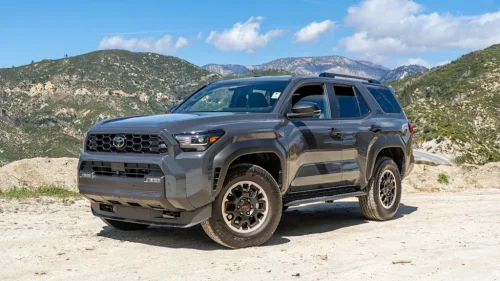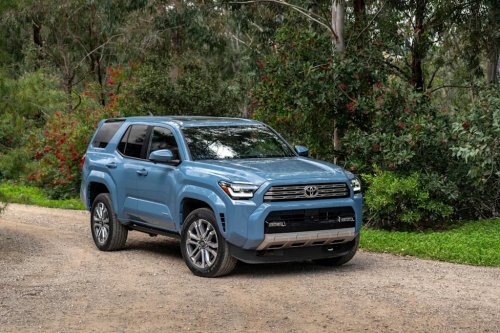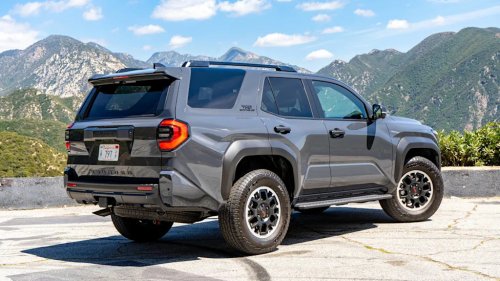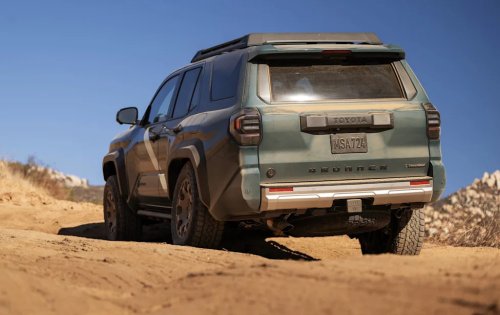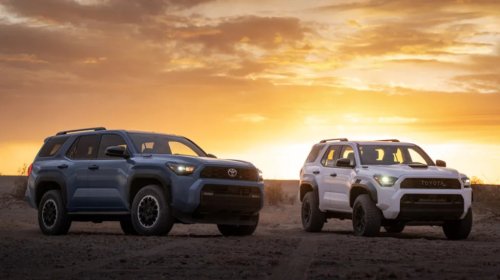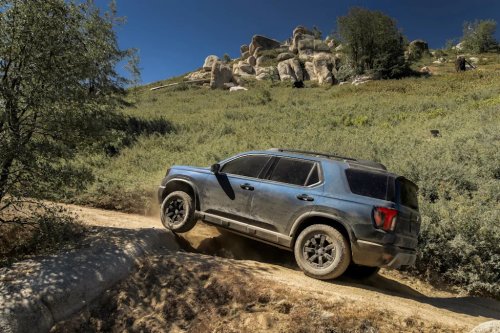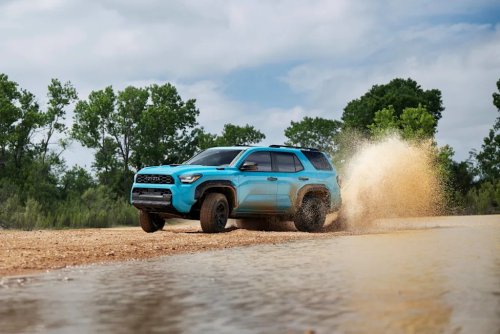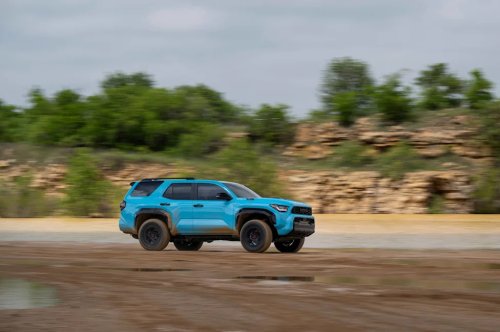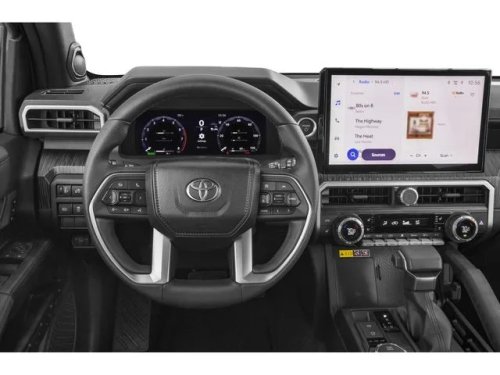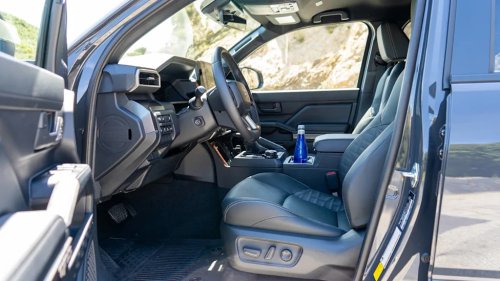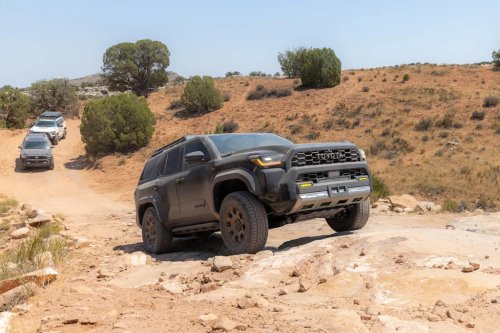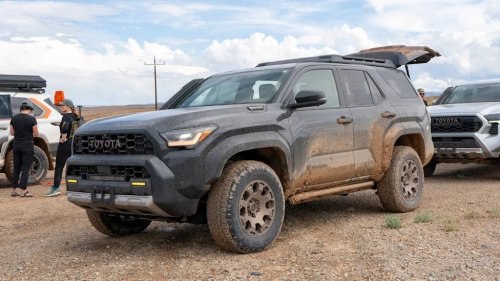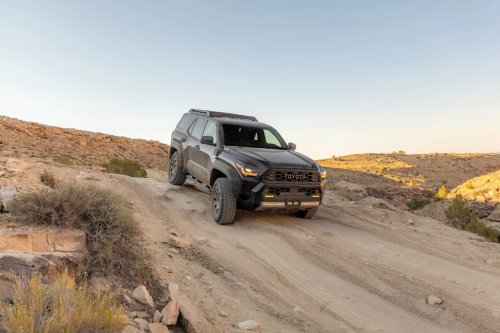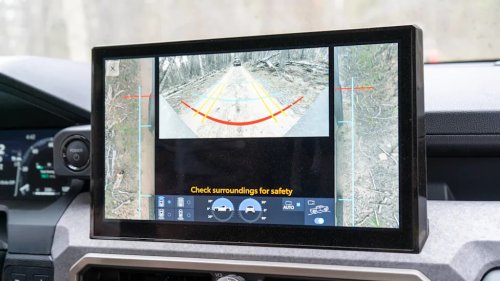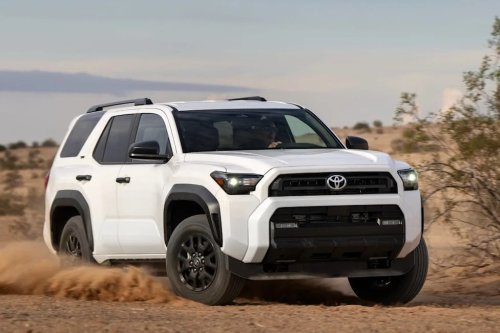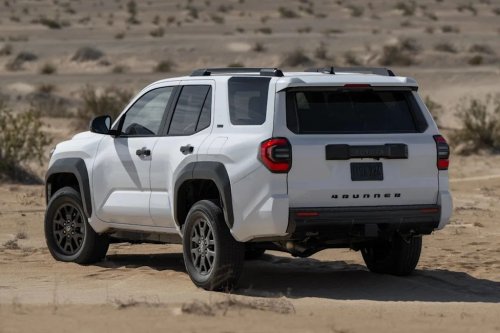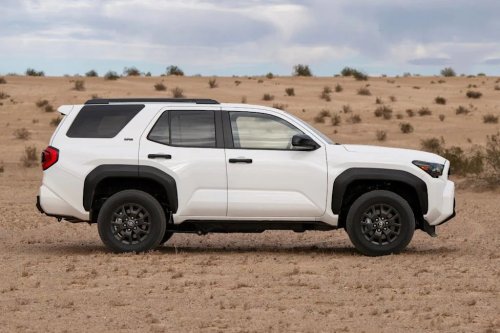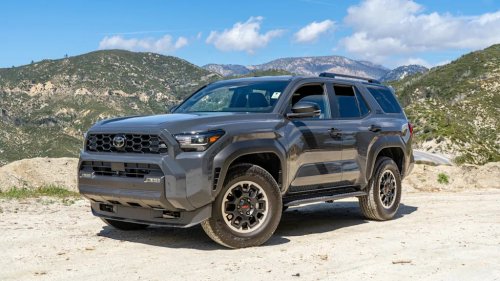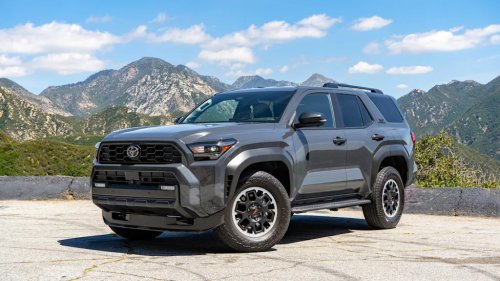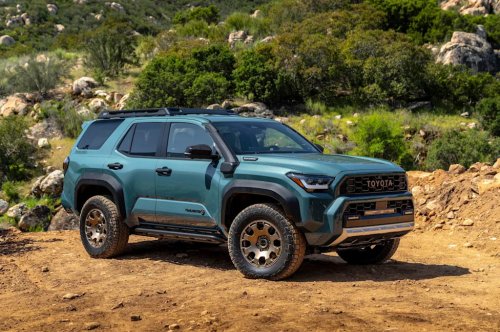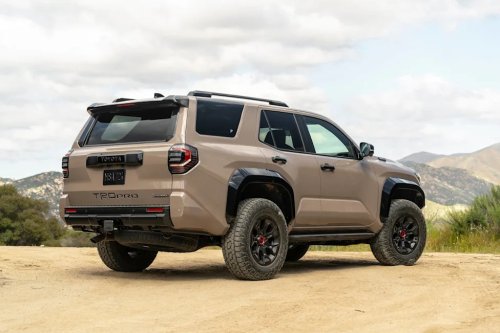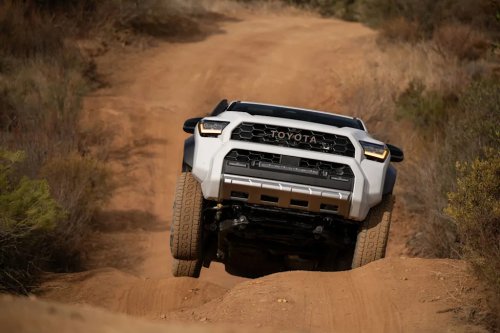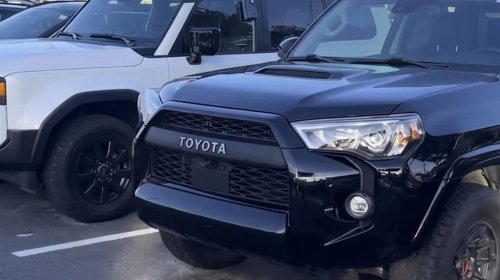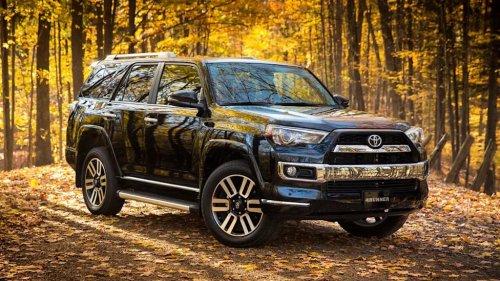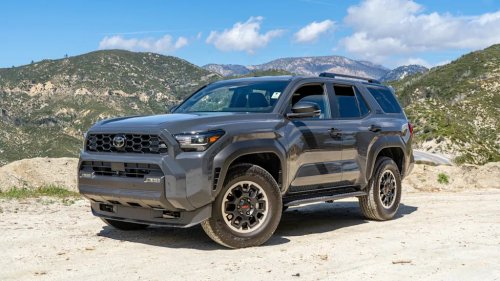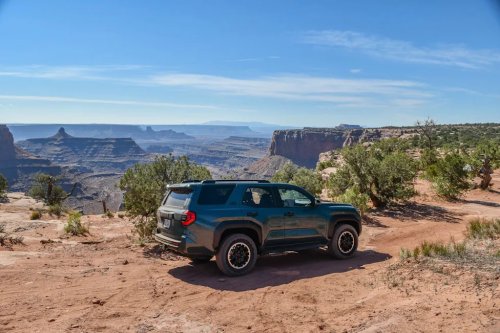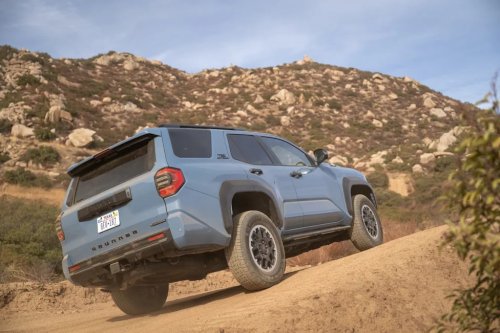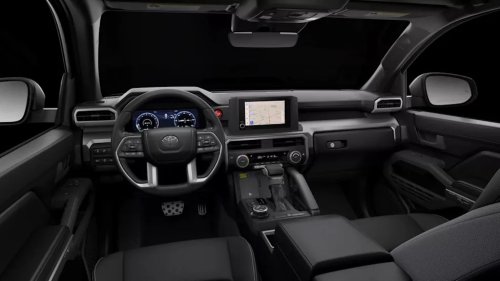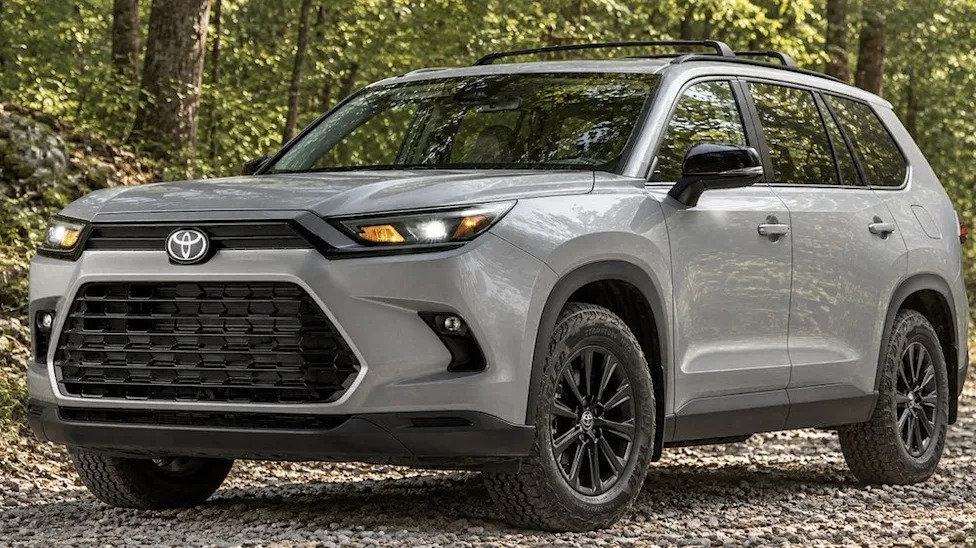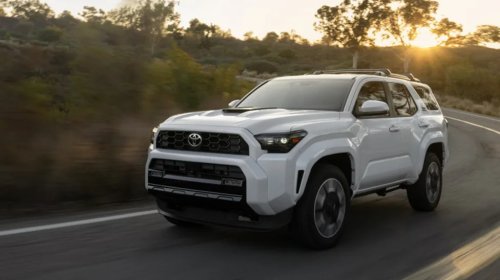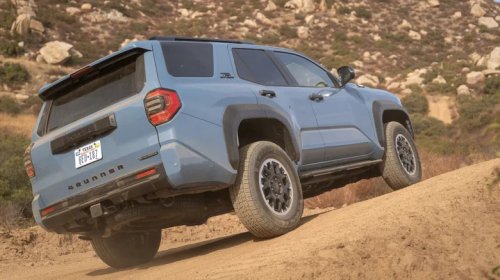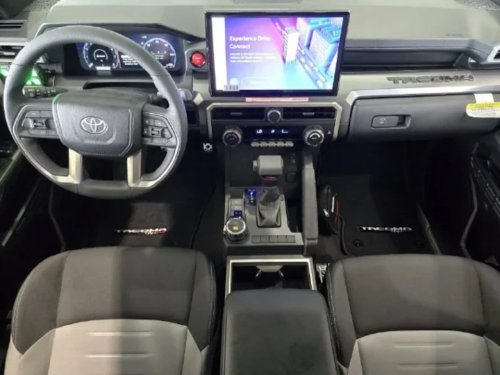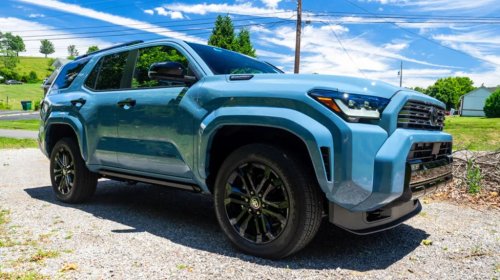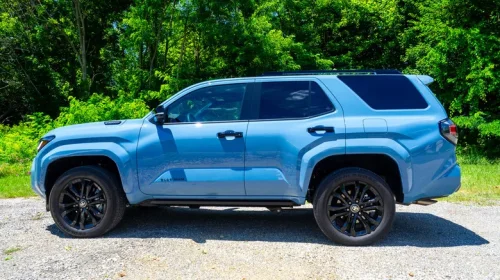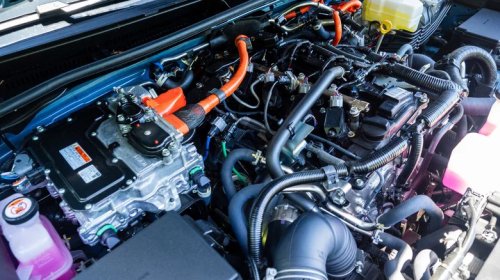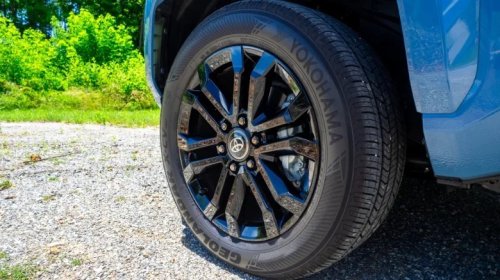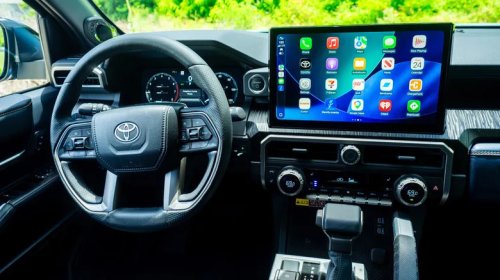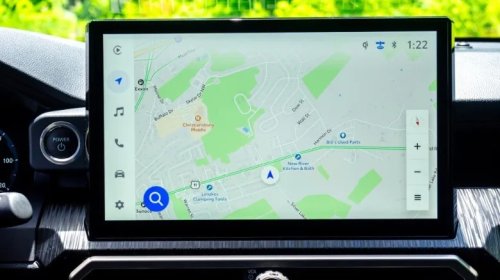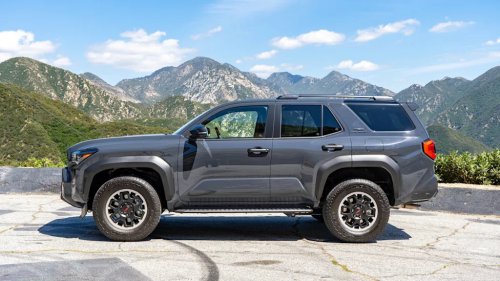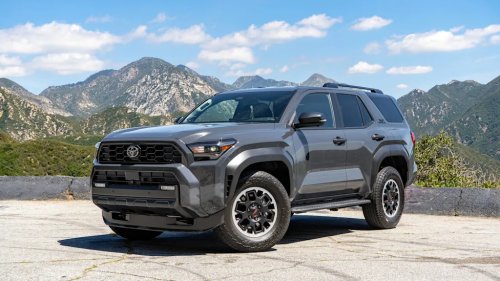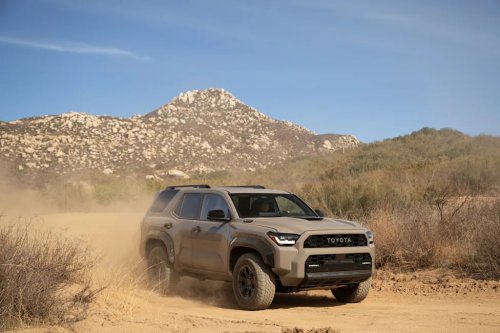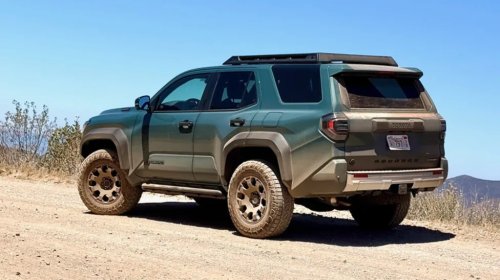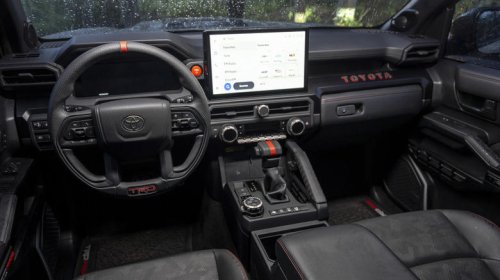
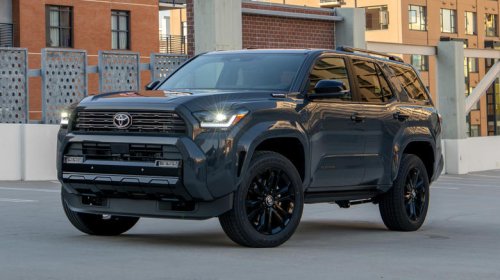
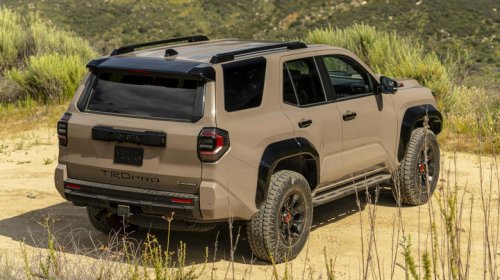
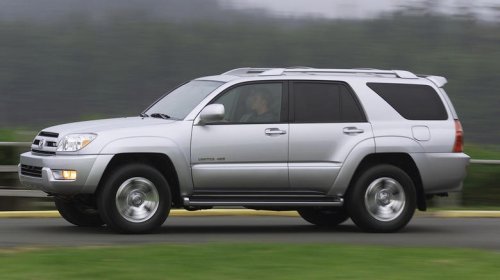



















Toyota has given the 4Runner a thorough overhaul for 2025For 2025, Toyota has launched an all-new sixth-generation of the 4Runner, featuring updates throughout the SUV. For example, adjacent to the revised infotainment system is a wireless charging pad with three USB-C charging ports. There's also the 14-speaker JBL audio system in the higher trim models, which incorporates a built-in water-resistant portable speaker. When it's undocked from the car, it can be used like any other portable speaker, at campsites or by the lake or beach. Once docked, it reintegrates with the 4Runner's in-car audio system.Another new feature available as standard on all 4Runner trims is the Smart Key, which allows a driver's smartphone to function as their vehicle key — meaning your smartphone can open and even start the SUV. The owner can share duplicate digital keys with family or friends for temporary access. To make use of this functionality, owners will need to sign up for a monthly Remote Connect subscription.The Trailhunter and Platinum trims are new for 2025In addition to the new features, the 2025 4Runner also launched with two trims that are new to the model. The Trailhunter trim is designed to turn the 4Runner into an adventure-ready overlander from the showroom, doubling down on its all-terrain capability with a set of third-party components that would previously have only been available through the aftermarket. The Trailhunter sports shocks from Old Man Emu, fog lamps by RIGID Industries, and 33-inch tires from Toyo. Plus, Toyota's off-road components feature as standard, including a higher-mounted air intake and an onboard air compressor.The second new trim available for 2025 is the Platinum, which adds an extra dash of luxury to the go-anywhere SUV. It builds on the features available in the Limited, but also includes exclusive leather-trimmed seats, a head-up display, and heated seats in the second row. Both the Limited and Platinum trims benefit from two new drive modes — Sport S+ and Comfort — that deliver either a sharper drive or a cosseting feel to the car's ride while it's on the road.The 4Runner's new powertrains are more efficient than beforeThe launch of the new generation 4Runner has seen the model receive two new powertrains dubbed the i-Force and i-Force MAX. The i-Force is a turbocharged 2.4L four-cylinder engine churning out 278 horsepower and 317 lb-ft of torque and is offered as standard in cheaper 4Runner trims. The i-Force MAX can be found under the hood of various mid- and high-spec trims and combines the same turbocharged 2.4L four-cylinder engine with the assistance of an electric motor. Toyota says it will deliver 326 horsepower and 465 lb-ft of torque.Both powertrains are more powerful than the 2024 4Runner's 4.0L six-cylinder engine, which produced 270 horsepower and 278 lb-ft of torque. They're both more efficient too — the 2024 model received an EPA rating of 17 mpg combined, while the most frugal 2025 4Runner can hit 22 mpg combined. During highway driving, the EPA reports a return of up to 26 mpg for the newest model.The 2003 and 2004 model years are worth steering clear ofA key part of the appeal of any older 4Runner is its perceived reliability. In general, the data backs up that perception, with many owners logging impressive mileage with few, if any, problems. However, there have been a few slight blips in the 4Runner's production quality, most notably in the 2003 and 2004 model years. These two models have attracted significantly more owner complaints to the NHTSA than other model years, with 2003 being the worst offender.The most common complaint for both model years is severe frame corrosion. A significant number of owners reported that the corrosion necessitated costly repairs or even rendered the vehicle unusable. Given the issue's prevalence, buyers considering a 4Runner from the affected model years should thoroughly inspect the vehicle for corrosion before they buy or, ideally, avoid the most troublesome model years altogether.