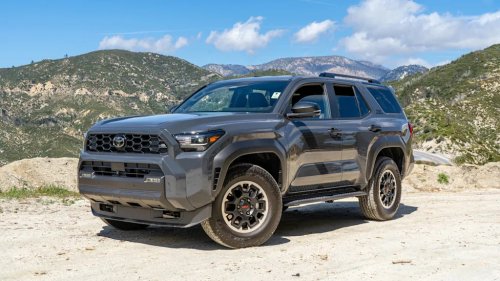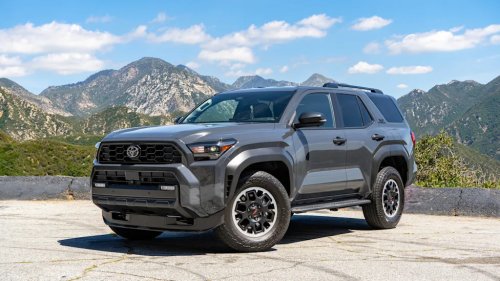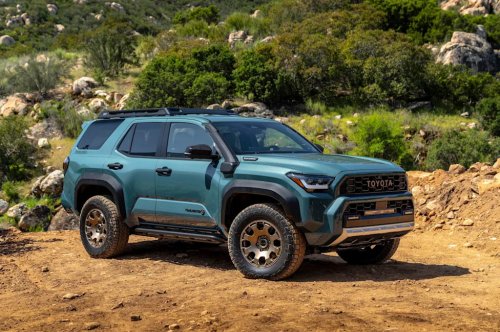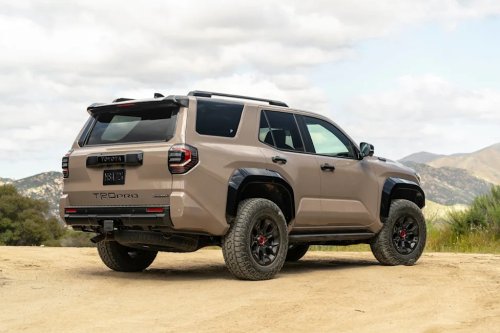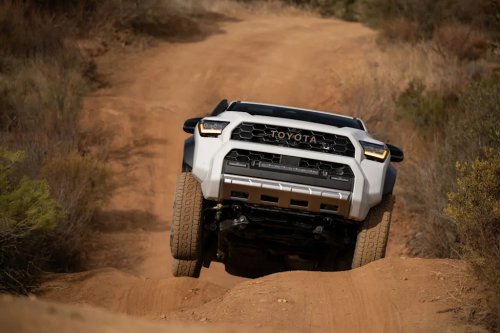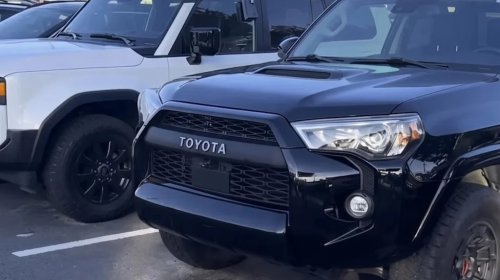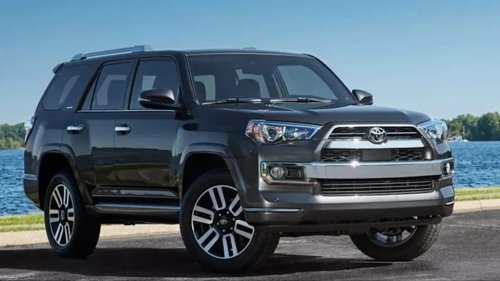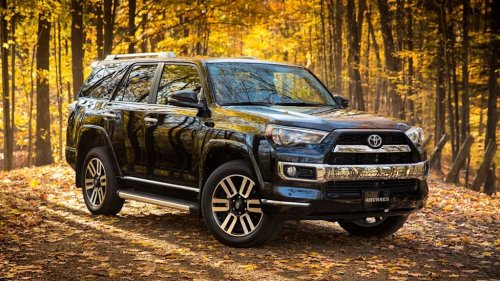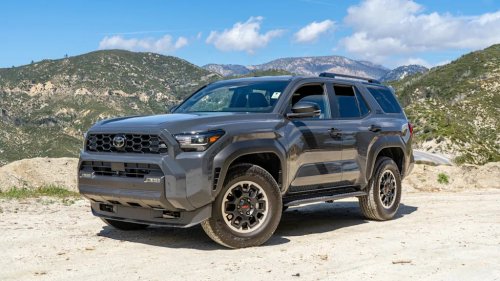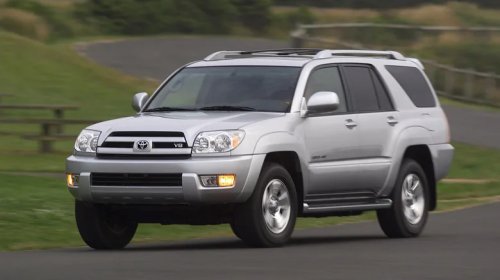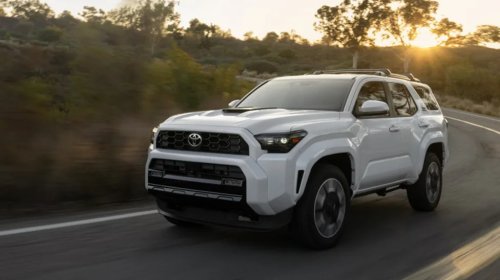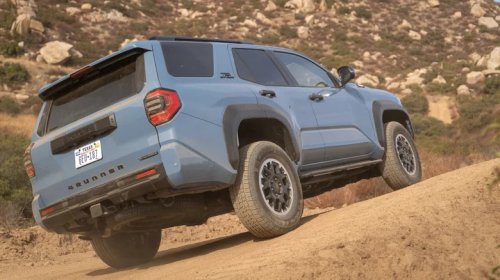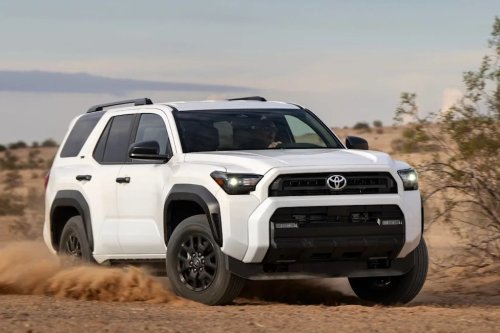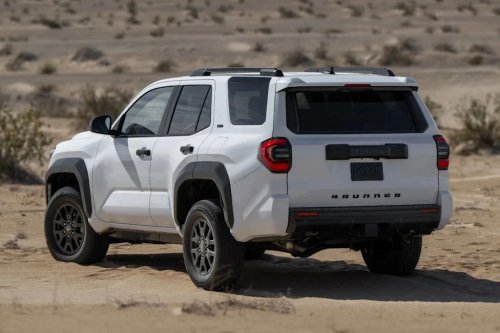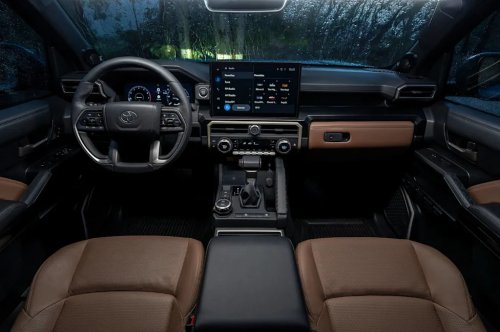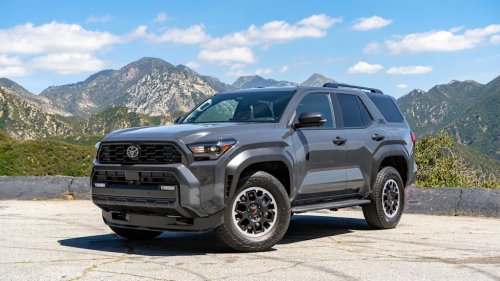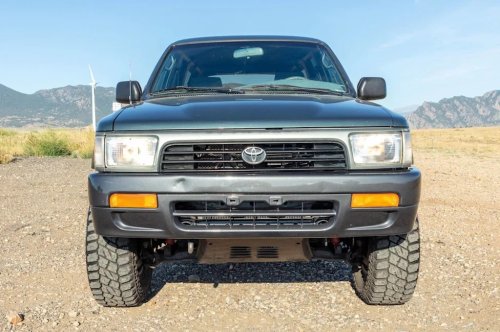
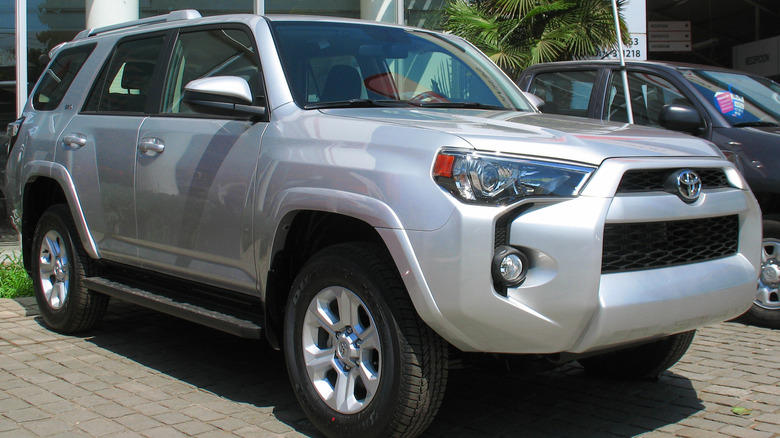
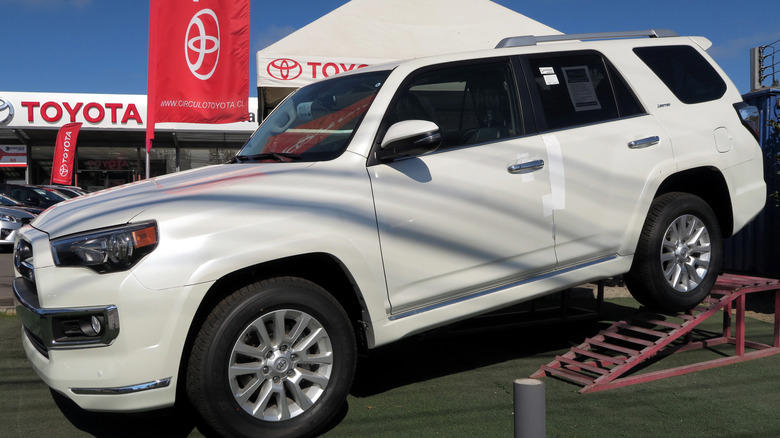



















Faulty airbags in 2022To speak highly of the Toyota 4Runner, the 2020s have not been a time when drivers have lodged many complaints about the SUV. Despite the fact that this same generation has been around since the 2010 model year, Toyota had clearly ironed out most of the kinks by the time this generation ended in 2024. However, there were still blips here and there of issues in the 2020s, and the most consistent of those would have to be a problem with the 4Runner's airbags in the 2022 model.According to the National Highway Traffic Safety Administration, the 2022 4Runner was subject to complaints of airbags not properly deploying when they were in a crash. Only six formal complaints with the airbags were made, but considering the overall complaint number is 29, that makes up a sizable percentage. This was a problem that affected both the steering wheel and side curtain airbags, meaning that the passengers were left totally unprotected in these crashes.Three recalls have been issued for the vehicle, but none of them have been to address this issue. That may mean that these are freak isolated incidents more so than a larger pattern for the 2022 Toyota 4Runner, but if you are in the market for a used model, it is probably better to be safe than sorry and go for the 2021 model, which doesn't have a single air bag complaint made against it.Electrical issues in the mid-2010sThe mid-2010s had a couple of issues that drivers faced with their Toyota 4Runners. The first of these issues was electrical. However, that is an umbrella term to encompass a number of different problems that the 4Runner faced, particularly when it comes to the model years from 2014 through 2016. For those first two years, a number of drivers had issues with their infotainment systems malfunctioning, either by freezing or randomly rebooting at certain points, according to CarComplaints. Making this even more frustrating is that the drivers on the site never really found a good solution to the problem, nor could they find the true cause.The 2014 4Runner model had another electrical system issue that it dealt with, completely unrelated to the infotainment system. That would be a malfunction with the electronic door locking for the vehicle. Drivers found that either the doors did not automatically lock when the car was parked, as they should, or they simply couldn't lock the doors without doing it manually.It is the 2016 model that has the weirdest common complaint of all, though. The most common problem drivers found with this model on CarComplaints was that rats or mice would chew through the car's wires. This seems like it would be a collection of isolated incidents, but the wires used here were soy-based. Because of this, they were particularly attractive to rodents chewing through them. The aim of soy-based wiring is to be more environmentally friendly, but this is just a design flaw that you have to deal with. The mid-2010s Toyota 4Runners just couldn't get their electrical systems in order.Brake complaints in the 2010s as wellWhile electrical issues were the primary complaints from drivers from 2014 through 2017, the Toyota 4Runner had quite a large number of complaints about the brakes for the two model years that bookended that stretch, 2013 and 2017. However, these two model years had different brake issues. Starting with 2013, the most common complaint from drivers on CarComplaints was that the brakes would lock up. On the road, drivers were faced with instances of skidding or not being able to properly come to a stop, particularly when it was needed to make a quick stop because of the vehicle in front of them.Fast forward to the 2017 4Runner, and we have a brake issue where the brakes failed to engage at all. This was the number one complaint submitted by drivers to the NHTSA, making up over one-quarter of the 32 total complaints about the model. For these drivers, the brake pedal would simply sink to the floor of the cabin when pressed. At least in 2013, drivers were having intermittent engagement with the brakes. Here, they were without one of the key pieces for safety.In the case of both 4Runner models, these problems occurred with relatively low mileage on the SUV, and no recall was made to address these issues, despite them receiving six and five recalls, respectively. So, to fix these problems, it falls on the driver to pay out of pocket for them. Between these brake issues and the electrical ones from the years in between, the mid-2010s were a problematic time for the Toyota 4Runner.