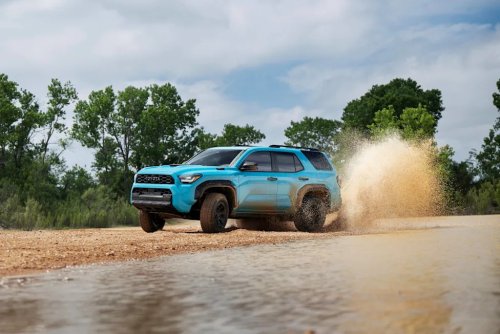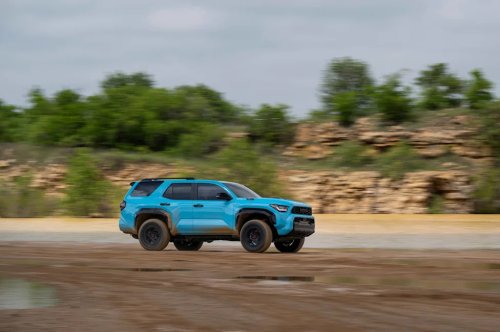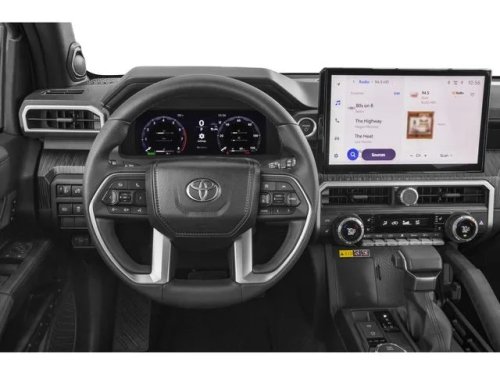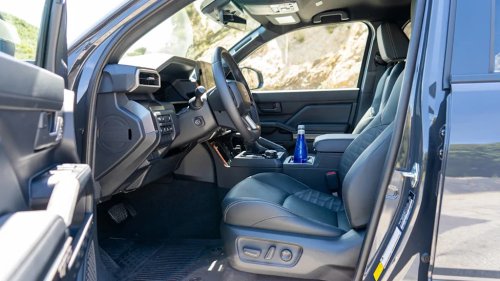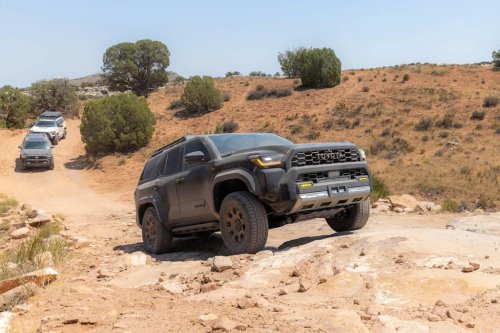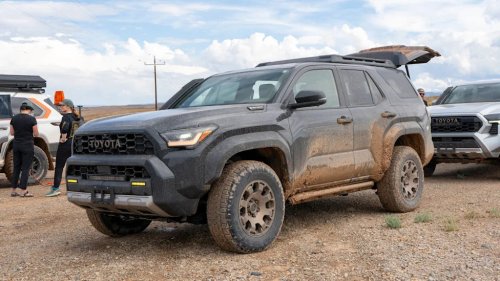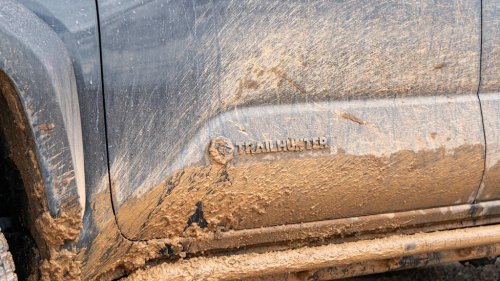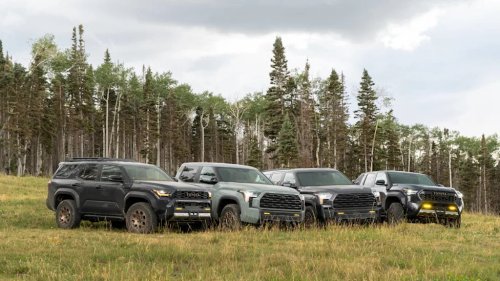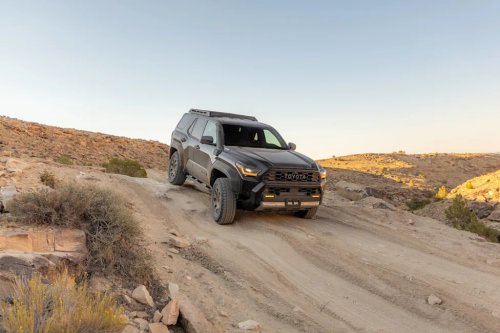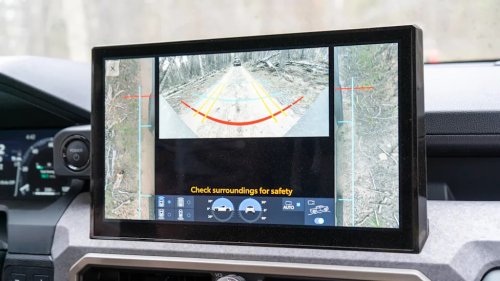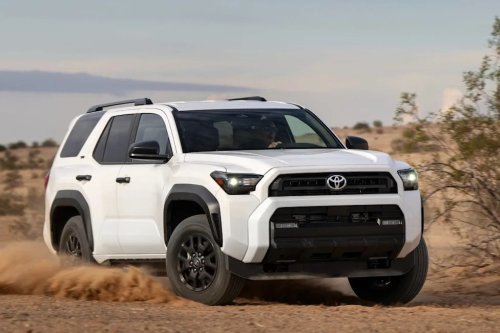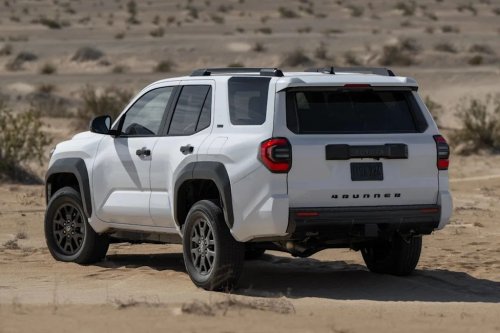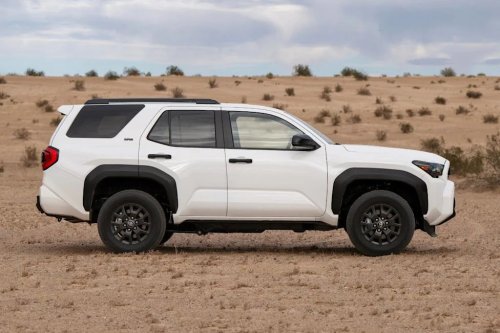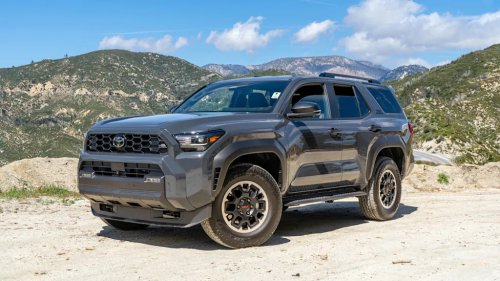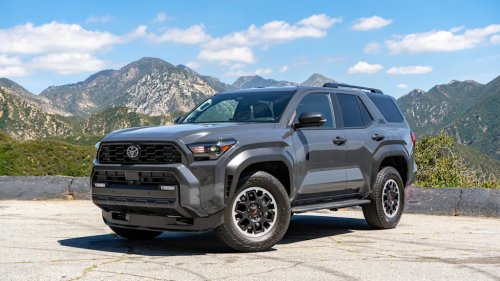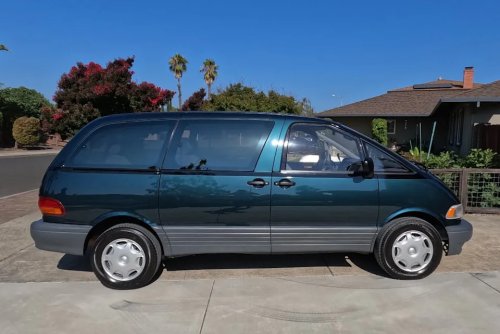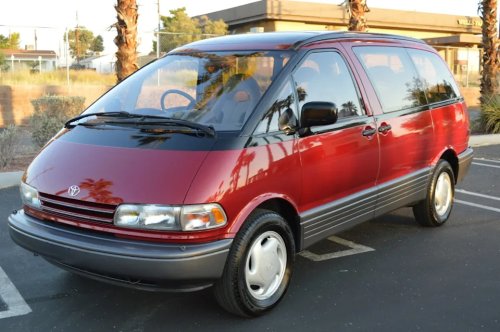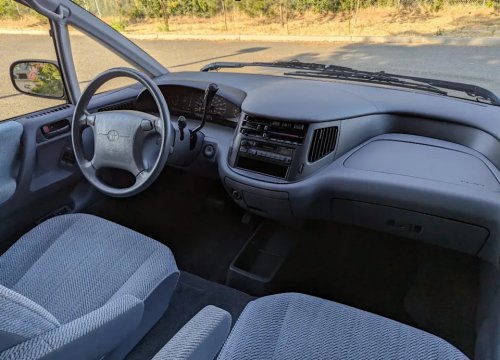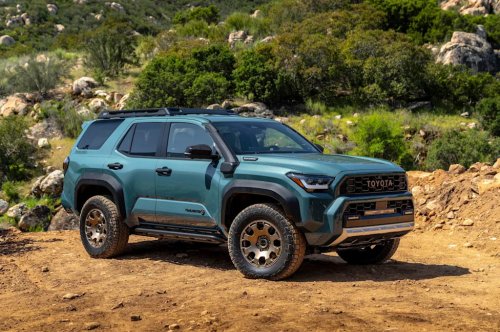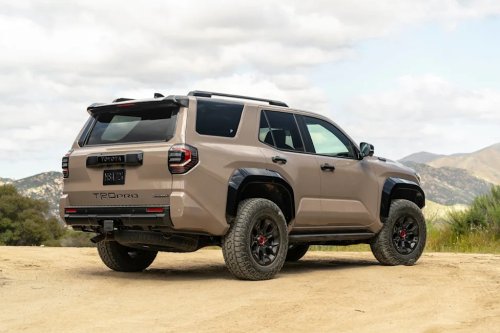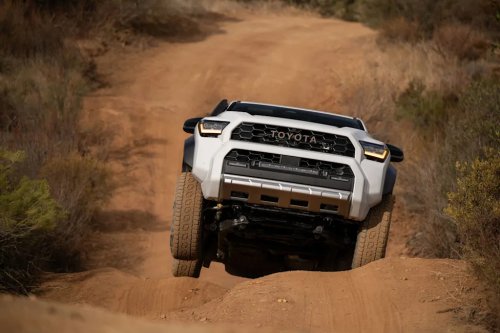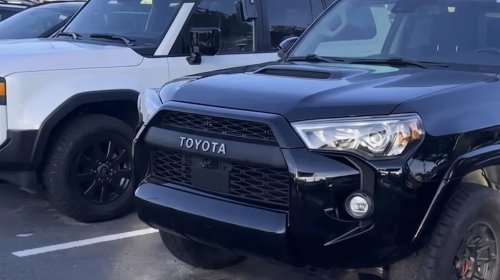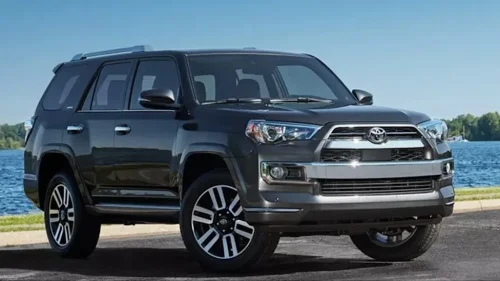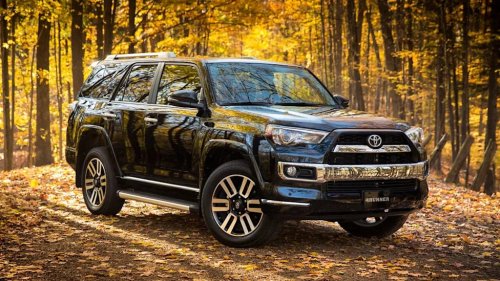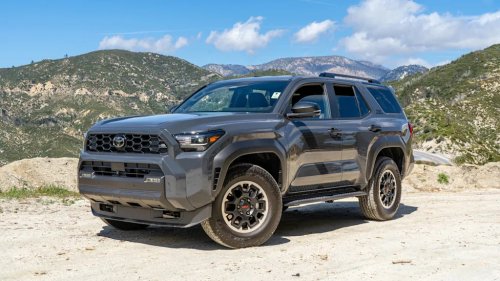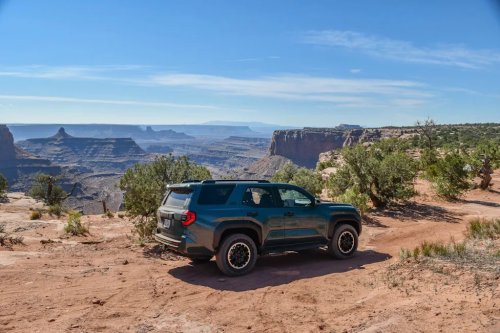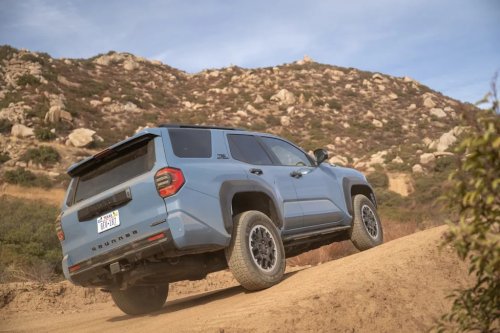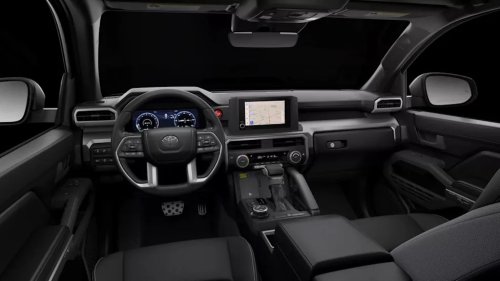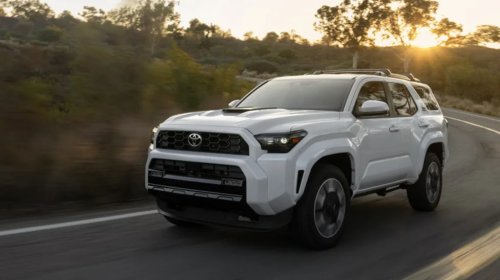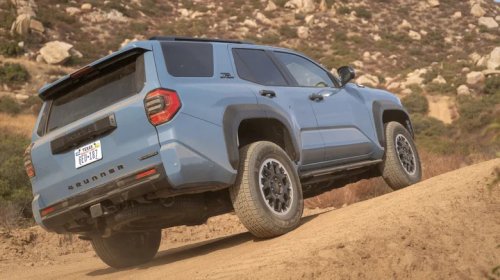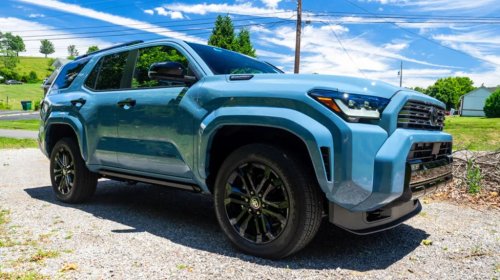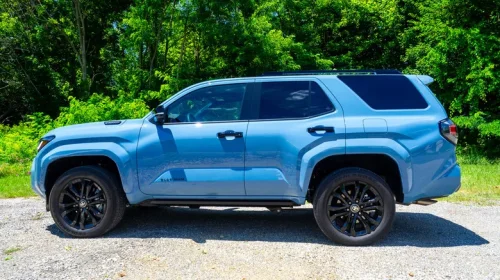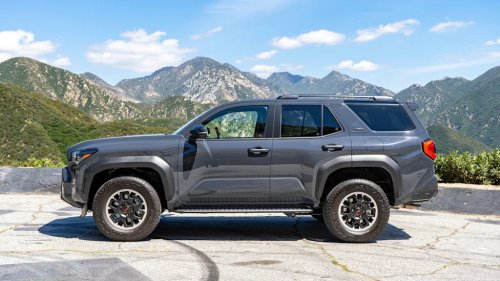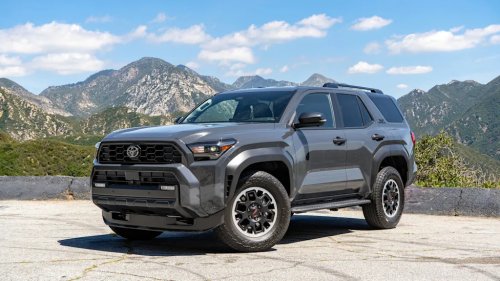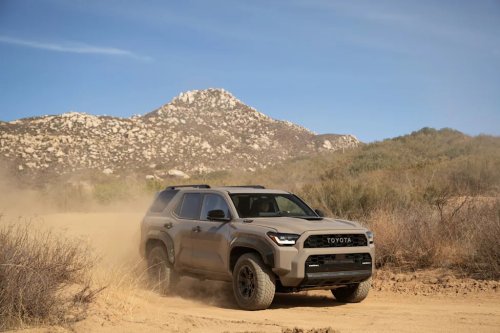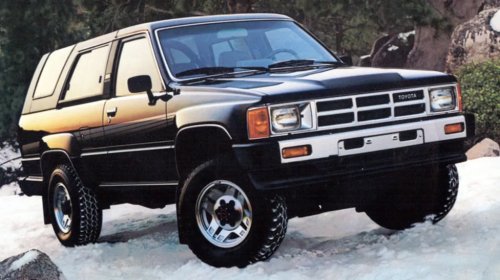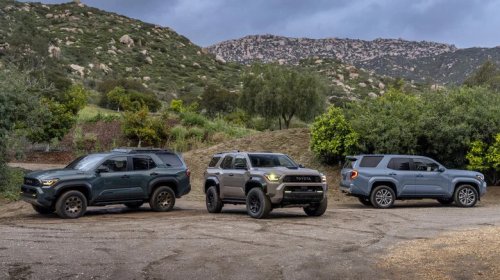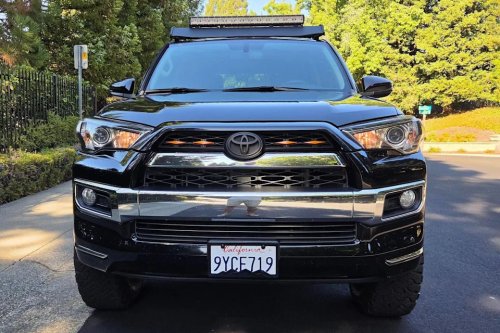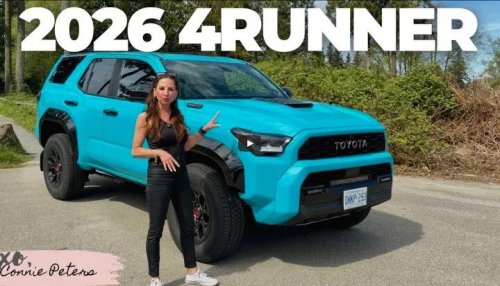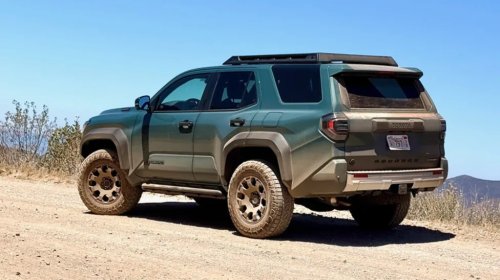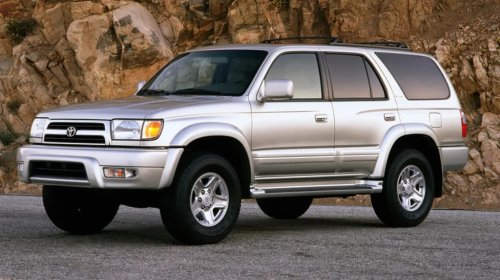


















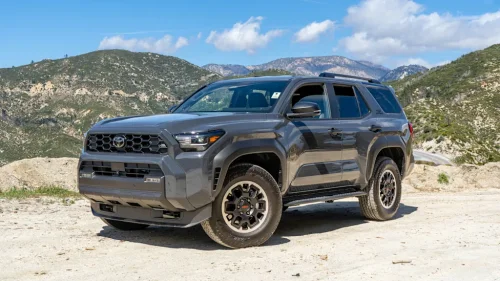
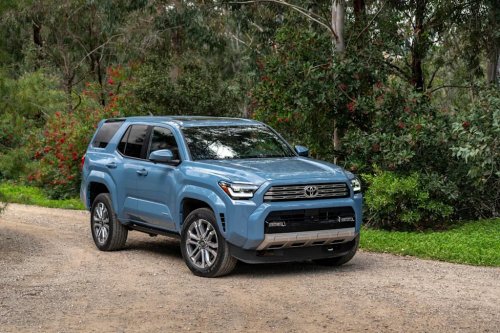
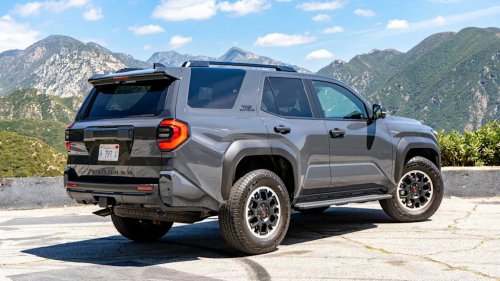
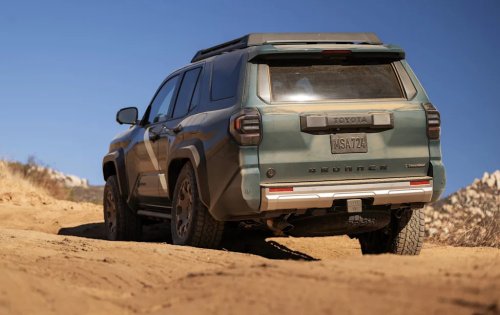
Toyota 4Runner earned its reputation the hard way off roadThe Toyota 4Runner did not inherit its off-road status through marketing or nostalgia alone. It built that reputation across four decades of mud, rock, and desert, where durability mattered more than showroom gloss. From its earliest pickup-based roots to the latest trail-focused trims, the SUV has repeatedly proven that its legend was earned the hard way, one difficult route at a time. That history helps explain why the model still commands loyalty even as crossovers dominate suburban driveways. Owners and engineers have treated the 4Runner less as a fashion accessory and more as a tool, refining it in races, on remote trails, and across long-distance expeditions until its off-road credibility became part of its identity rather than a line on a spec sheet. From pickup shell to purpose-built SUV The Toyota 4Runner began life in the mid-1980s as a relatively simple adaptation of a compact pickup, with a removable rear canopy and a clear bias toward utility rather than comfort. That first generation was closer to a truck with seats than a family SUV, featuring body-on-frame construction, a rugged rear axle, and a straightforward interior that could survive dust, water, and hard use. The design made sense for buyers who wanted a vehicle that could be hosed out after a weekend on the trail and then driven to work on Monday. Over the following years, Toyota gradually shifted the 4Runner from this spartan template into a more refined but still trail-ready machine. Later generations added four doors, more sophisticated suspension tuning, and improved safety equipment, yet they retained the ladder frame and off-road geometry that had defined the truck from the beginning. That continuity allowed the SUV to keep attracting drivers who needed real capability while adapting enough to remain usable as a daily driver for families and commuters. Unmatched off road heritage built in the dirt The 4Runner’s reputation off pavement comes from repeated proof that it can handle punishing conditions, not just from marketing language about adventure. Dealers and enthusiasts regularly emphasize this point by highlighting the model’s long record of trail performance, describing its history as unmatched off-road capability. That phrase reflects what owners have seen for decades: a chassis and drivetrain that tolerate repeated abuse on rutted tracks, rocky climbs, and deep sand without losing composure. Specific events have reinforced that perception. On Friday, when Toyota entered a 4Runner in a brutal 1,000-kilometer race that covered about 621 miles, the entry served as a rolling stress test for the platform. That effort showed that the same basic hardware sold to consumers could survive conditions closer to a rally raid than a weekend camping trip. Four decades of evolution without losing the plot Over forty years, the 4Runner has changed dramatically in size, styling, and technology, yet it has remained grounded in its original mission as a serious off-road vehicle. Analysts tracing the model’s timeline from the mid-1980s through multiple generations point out that Toyota repeatedly chose to keep a truck-style frame and genuine low-range gearing even as rivals migrated to softer car-based platforms. Historical overviews note that since its introduction in 1984, the SUV has balanced trail performance with everyday practicality and stayed remarkably close to its roots. In parallel, Toyota has layered modern features onto this old-school foundation to keep the 4Runner relevant. Corporate histories describe how the company embraced digital navigation and other technology as the new century arrived, as drivers began to rely on personal navigation devices. That progression from paper maps to digital guidance mirrored the SUV’s broader shift from bare-bones truck to tech-equipped explorer, yet the underlying mechanical formula remained familiar to long-time owners. Generational sweet spots and enthusiast favorites Within that long story, certain generations have become cult favorites among off-road enthusiasts who value a specific mix of size, simplicity, and capability. Commentators often single out the third generation, which arrived in the 1990s, as a particularly balanced version that combined relatively compact exterior dimensions with improved suspension design and a more refined cabin. Dedicated analyses of that era describe how the third-generation 4Runner earned praise for suspension tuning and body control that felt composed on rough tracks while remaining comfortable on pavement. Those same reports note that manual transmission availability and relatively simple electronics made these models attractive to drivers who prefer mechanical transparency over complex drive modes. Earlier first-generation examples also enjoy strong followings among enthusiasts for their simplicity and trail-focused design. Together, these eras illustrate how the vehicle has offered multiple interpretations of the same basic idea, giving buyers choices that range from bare-bones to relatively plush while keeping genuine trail performance at the center. Modern off road focus and the next chapter Recent model years have shown that Toyota is not content to let the 4Runner’s past carry its image without continued investment in real capability. Current analyses of the latest generation describe how the company has kept body-on-frame construction, generous ground clearance, and advanced traction aids even as it adds more comfort and safety features. Reviews of the newest versions observe that the off-road-focused theme still defines the SUV, with hardware such as locking differentials and crawl control aimed at drivers who plan to leave the pavement behind. That strategy extends beyond the core model into a broader ecosystem of off-road-oriented products and branding. Corporate platforms such as Toyota highlight dedicated trims, accessories, and long-distance trail packages that position the 4Runner alongside other adventure-focused vehicles in the lineup. Enthusiast coverage of special editions and trail packages reinforces the impression that the SUV is engineered first for difficult terrain and only secondarily for suburban errands. After four decades of proving itself in deserts, forests, and mountains, the 4Runner continues to earn its reputation where it started: off road, under real-world stress, far from the nearest dealership lot. More from Fast Lane Only Unboxing the WWII Jeep in a Crate 15 rare Chevys collectors are quietly buying 10 underrated V8s still worth hunting down Police notice this before you even roll window down