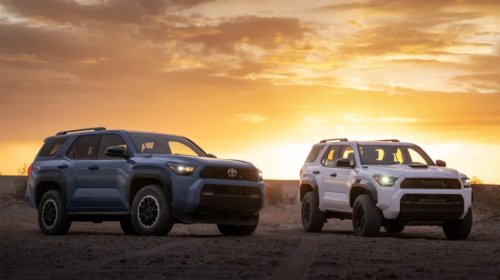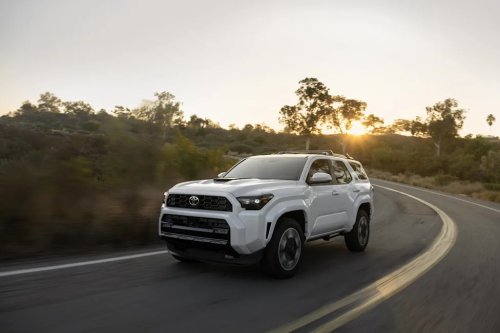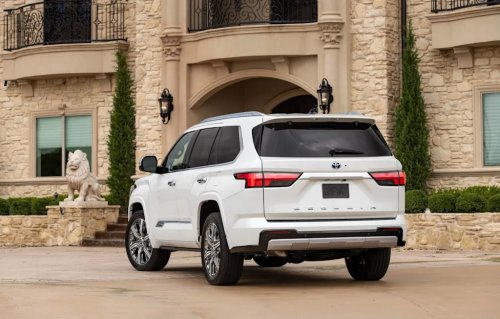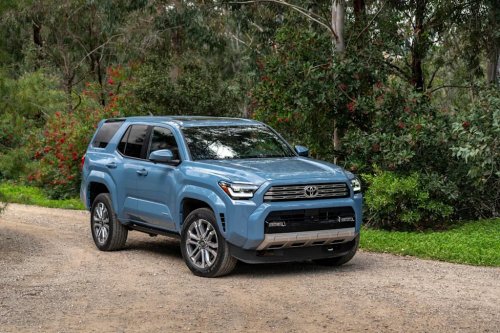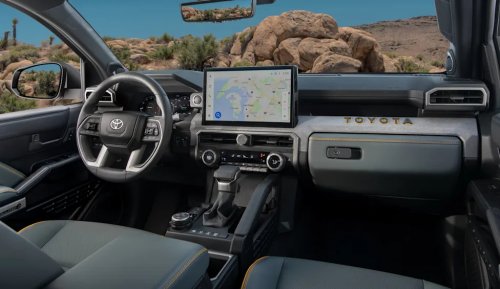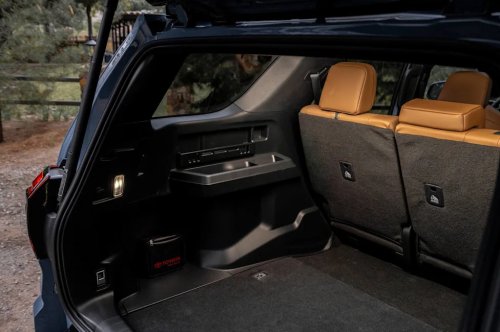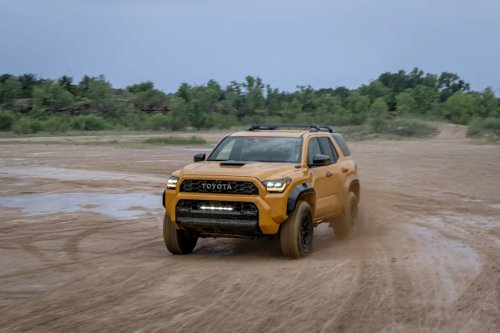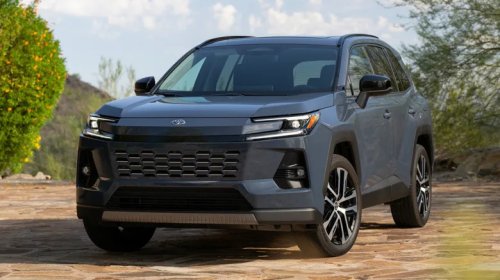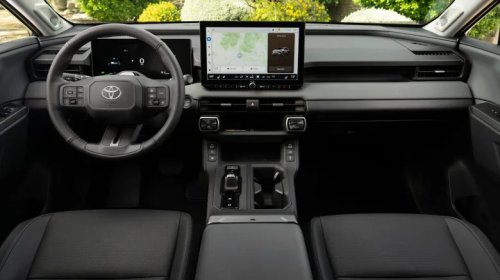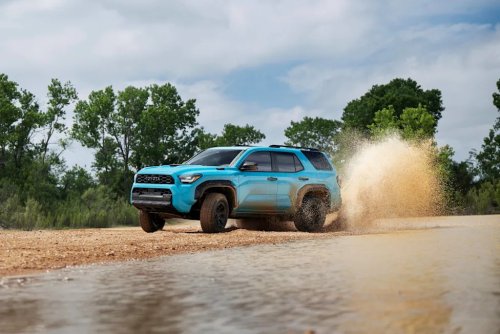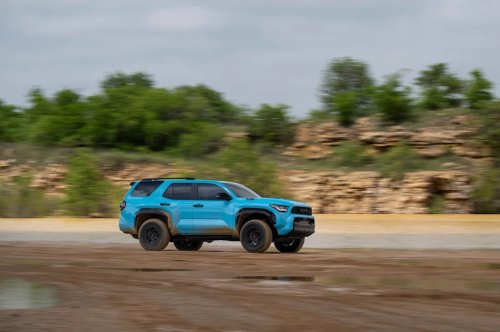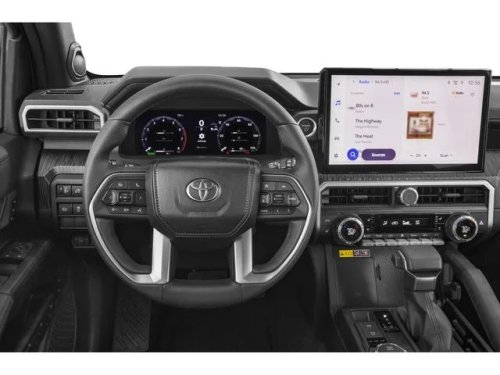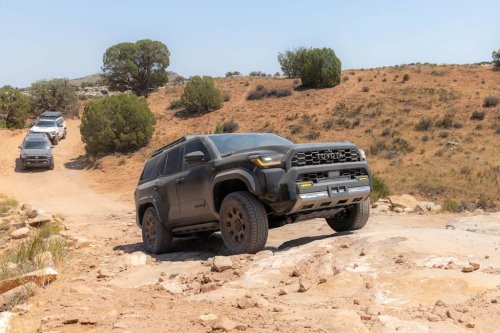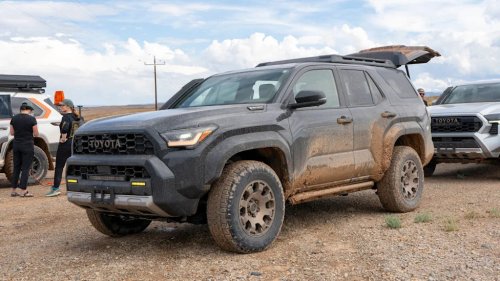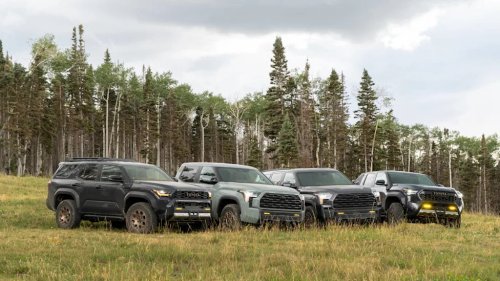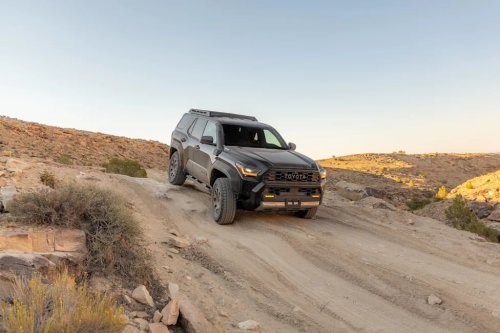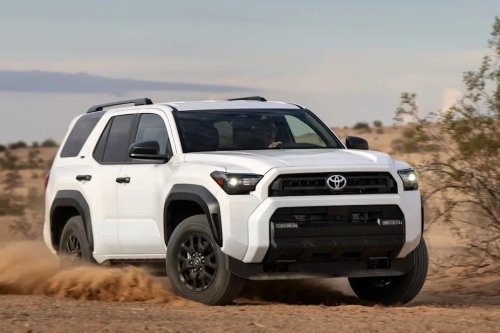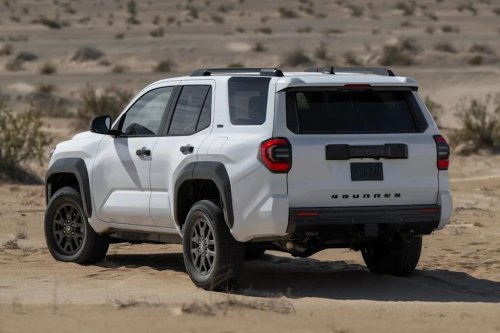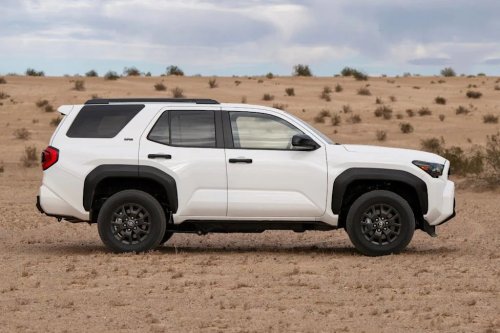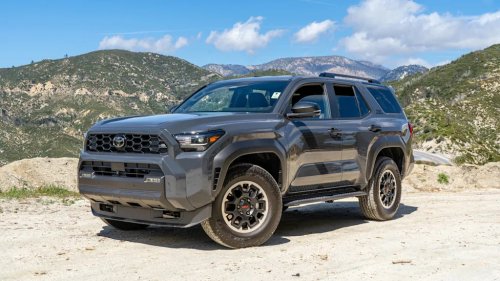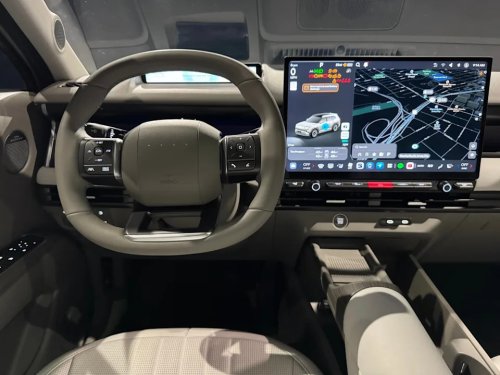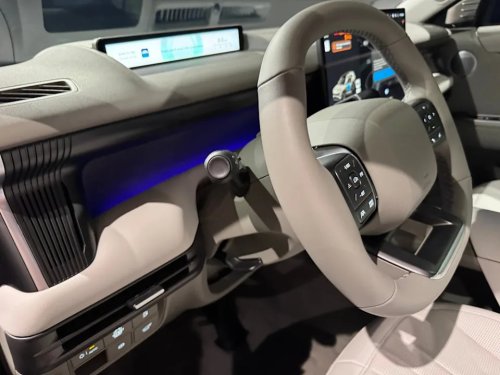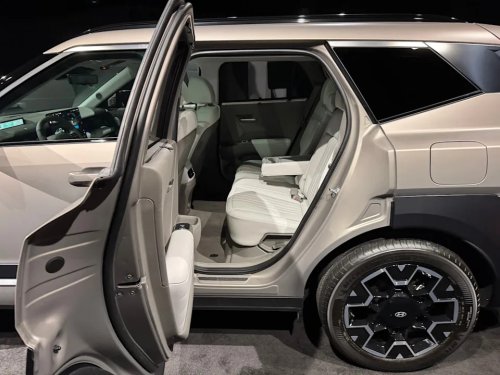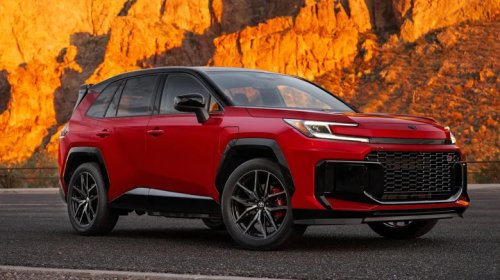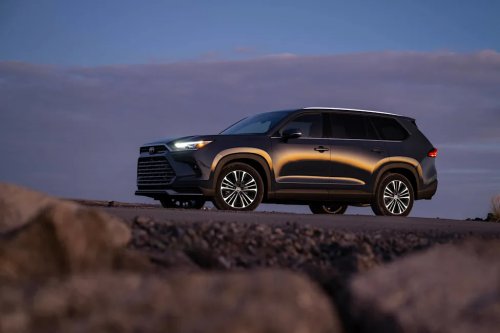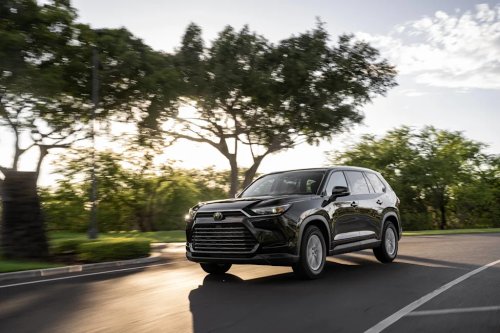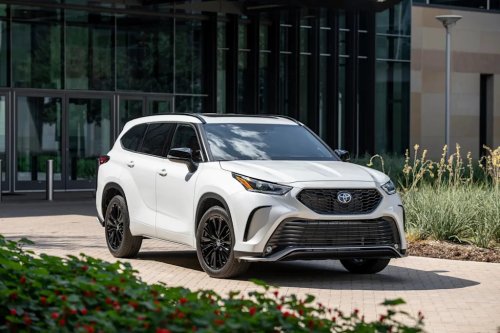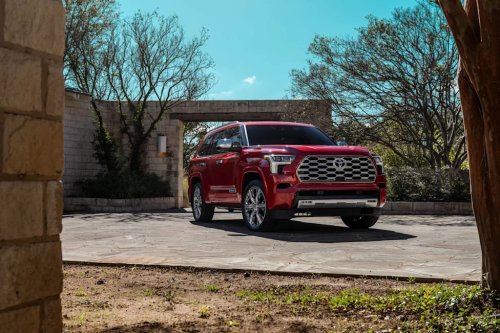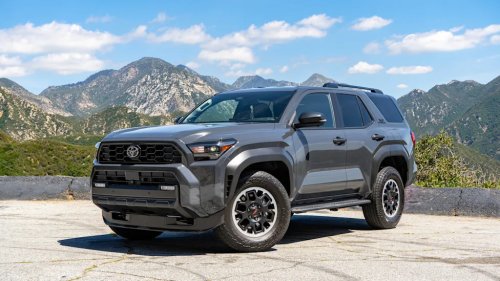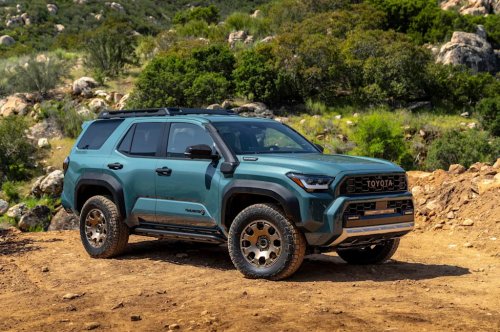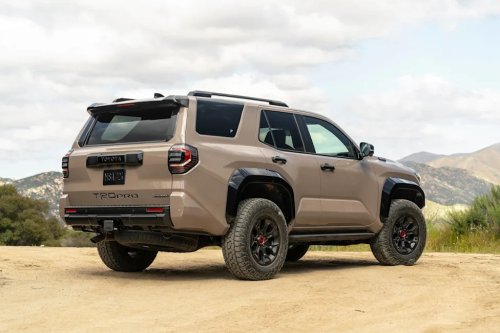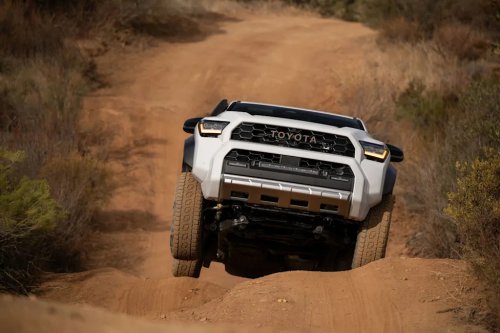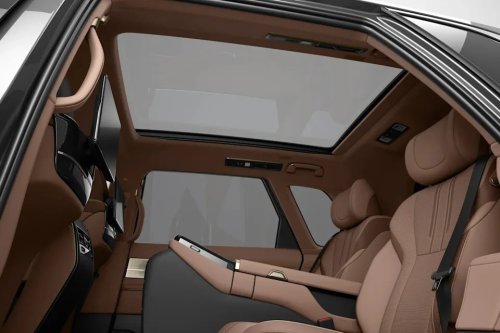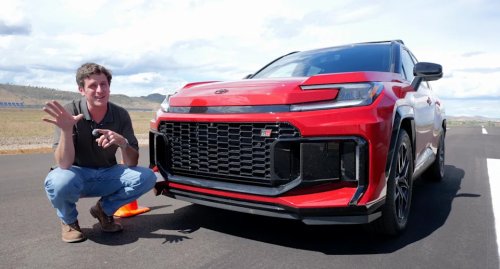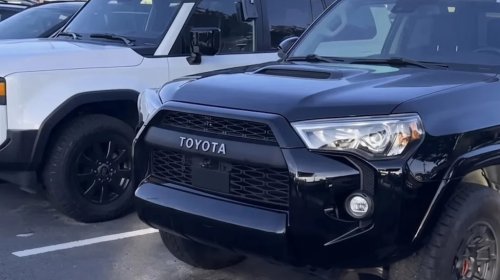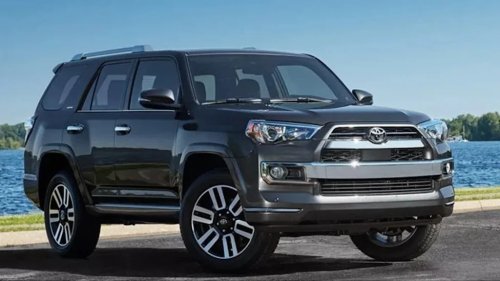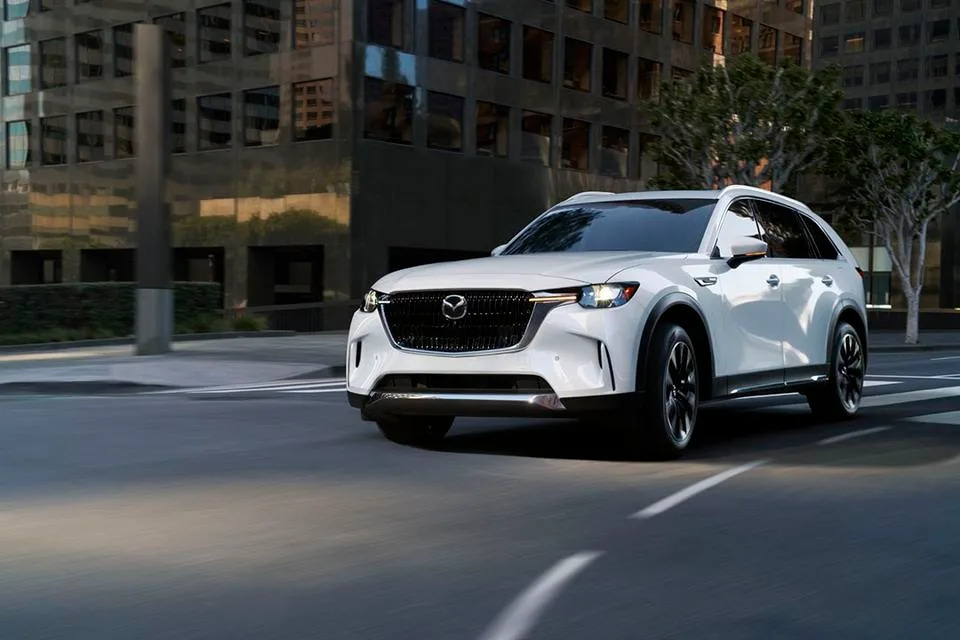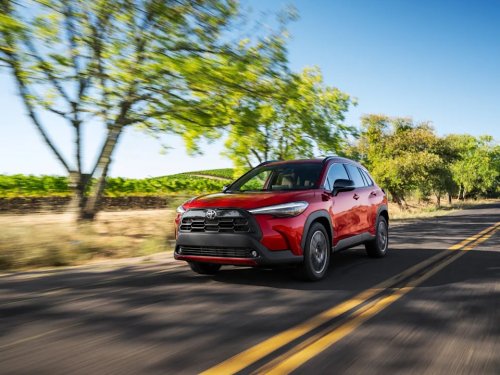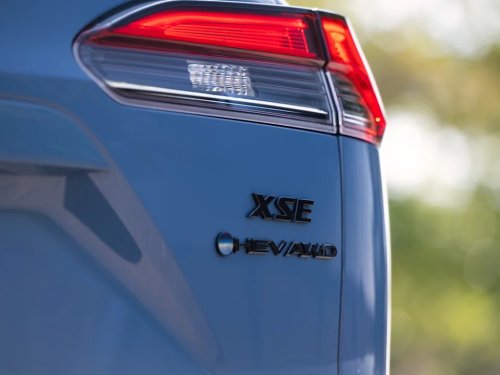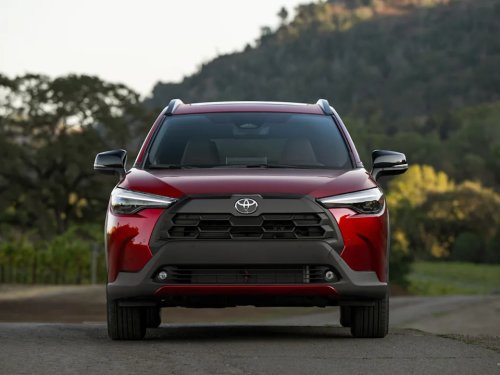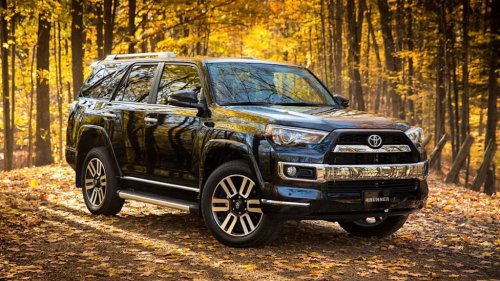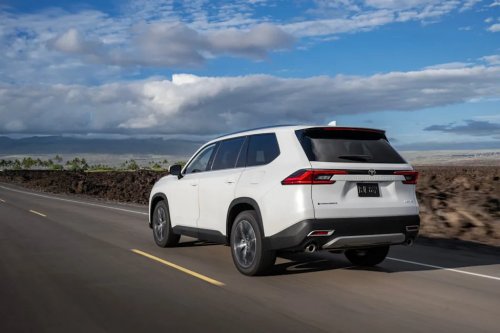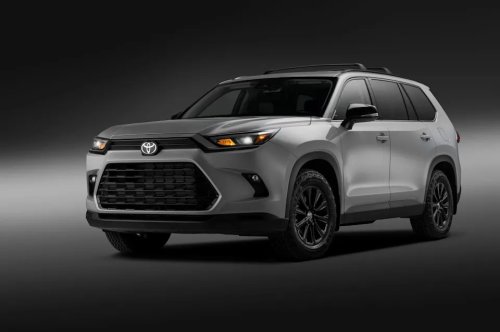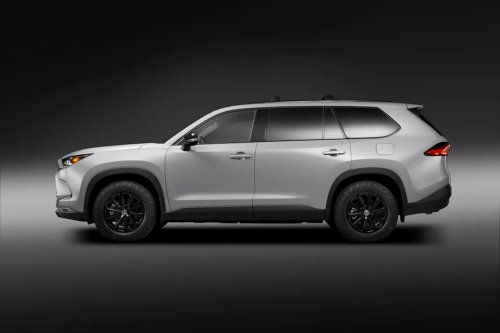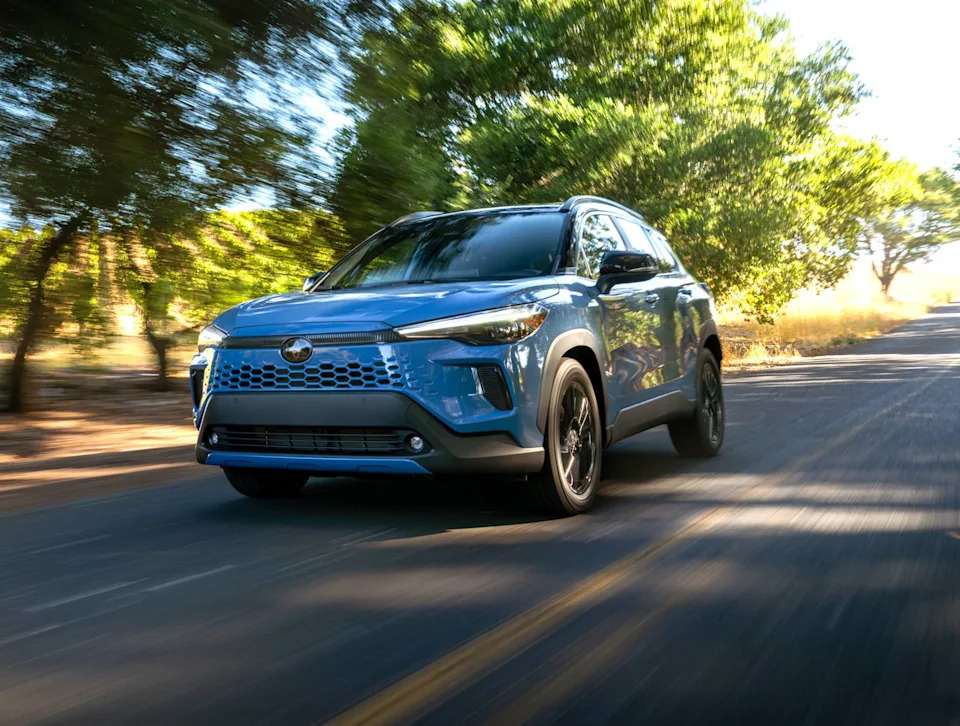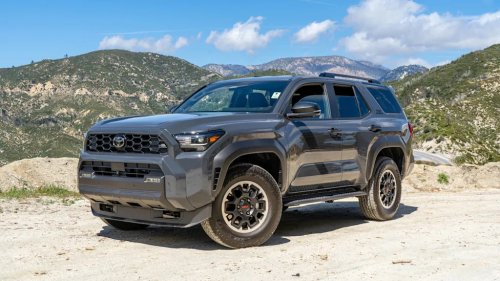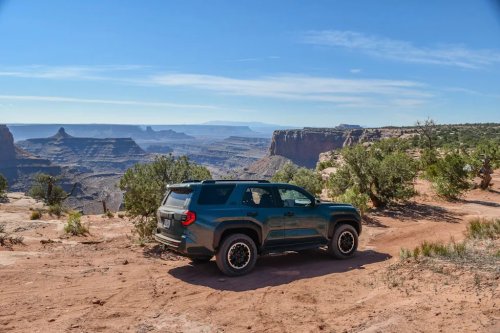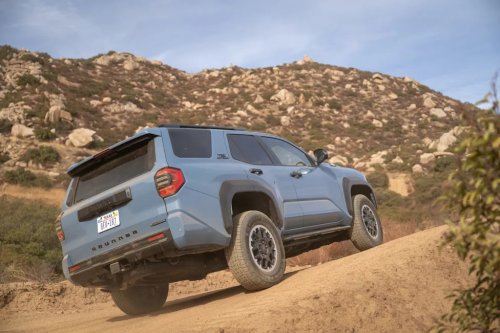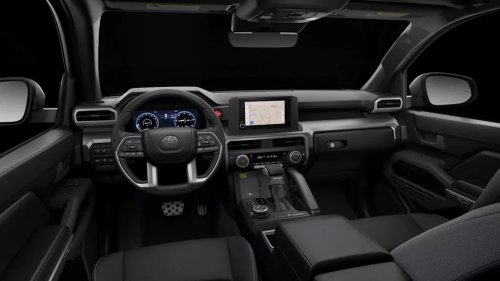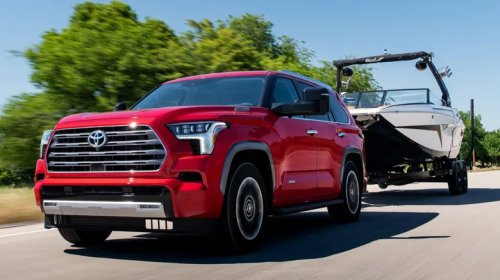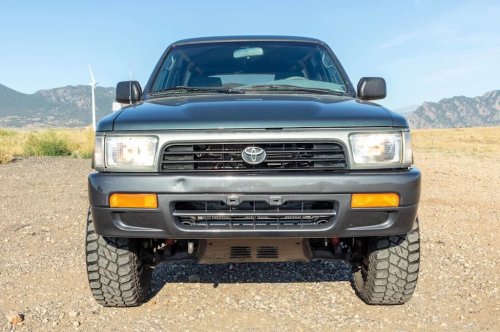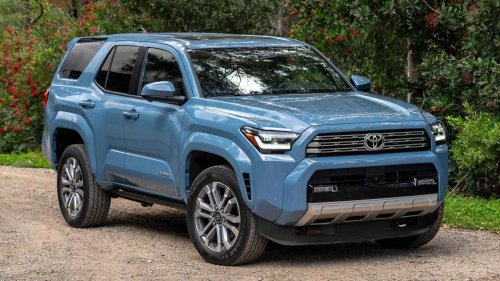
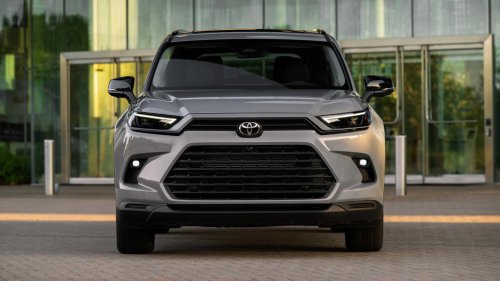
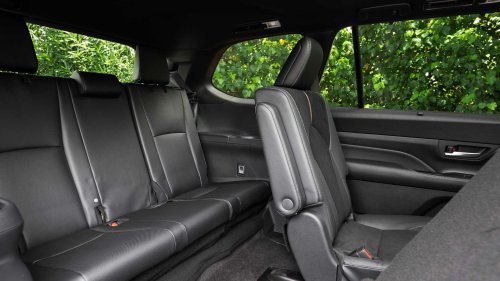
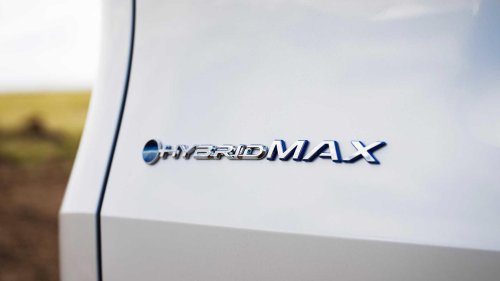
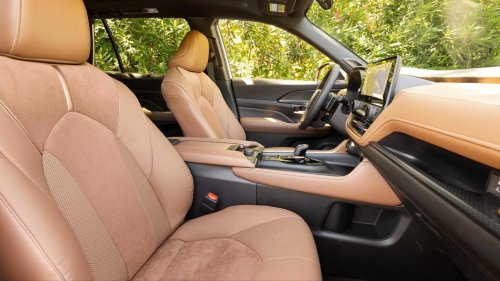



















If you ask your buddy out of the blue to name a Toyota SUV, chances are they’ll say the 4Runner. After all, this is the one that has proved itself for decades as something infinitely usable on a daily basis, and something that comes with a very endearing sense of adventure. They may not think of naming the Grand Highlander, as this tends to be far less romantic. While it’s a very solid and productive vehicle, it doesn’t seem to trade on heritage in quite the same way as the 4Runner.That makes early 2026 sales figures quite interesting, as they show that a newer three-row model can quietly beat one of Toyota’s most iconic SUVs. Those figures also come at a moment when the 4Runner is staging a dramatic comeback of its own, with good performance.So, it pays to take a look at why the Grand Highlander is performing like it is and to see if it tells us how Americans are actually buying SUVs in 2026. The 4Runner Still Owns The Image Toyota The Toyota 4Runner has long occupied a very special place in the company's US range. It's a rugged body-on-frame machine with excellent off-road credibility and a customer base that keeps coming back to buy replacement models when their older one wears out.In 2026, the 4Runner produces up to 278 horsepower and 317 pound feet from its standard turbo 2.4-liter engine, while an available i-Force Max hybrid pushes output up to 326 net combined hp and 465 lb-ft. This all shows that the modern 4Runner is very capable and seems to have much broader appeal than the V6 it replaced.The 4Runner is also doing rather well on the forecourt, with Toyota's March 2026 US sales summary showing 33,244 units to date, up a whopping 294% over the same post-refresh point last year. By any analysis, the 4Runner is booming, and that makes the Grand Highlander story even more interesting. The latter vehicle is not leading because the icon is fading or buyers suddenly stop caring about it, but despite the 4Runner's appeal. The Sales Sheets Deliver A Twist ToyotaPublished sales figures show that Toyota sold 34,607 Grand Highlanders in the US through the first quarter of 2026, against 33,244 4Runners. It's not a huge margin by any means, but it is a real one, and it does come while 4Runner is in the middle of its major resurgence. The Grand Highlander is up 34.6% year over year and growing in its own right, not merely holding its ground as a sibling catches up.All this suggests that Toyota's highest volume three-row SUV opportunity may be shifting toward the larger vehicle and not staying in the more specialized body-on-frame segment. The 4Runner hasn't lost its appeal, but the Grand Highlander may have something the broader market favors. It has three proper rows of adult seats, a large cargo area, reasonable efficiency, and a driving experience that feels more like a crossover than a big truck.Toyota also leans heavily on the Grand Highlander's family orientation and the fact that it has adult-sized third-row seating. It describes the Grand Highlander's cabin as something with everyday usability rather than niche capability. The Grand Highlander Majors On Family Calculations Not SUV Mythology Toyota When you look at family math, the Grand Highlander makes perfect sense. This isn't simply a stretched version of the original Highlander, but a real three-row crossover with packaging and dimensions that simply work. Toyota is aiming at buyers who may have grown tired of third rows that are only good for children or cargo holds that are not big enough if all the seats are full. And it has given the Grand Highlander 33.5 inches of third-row legroom, 37.2 inches of third-row headroom, and up to 97.5 cubic feet of cargo capacity if you fold down the seats.Toyota suggests that you can stow up to seven carry-on suitcases behind the third row, which is quite specific as a claim, but does suggest that Toyota was deliberately engineering this vehicle for practical family use. And this puts the Grand Highlander in a very specific sweet spot, as with all of that capability, it's still not one of those heavier full-size, body-on-frame vehicles. It also comes with several trim levels and a broad equipment spread, from mainstream family specifications to more premium versions. So, it's not something for those who find the Highlander too small, but it is a solution for mainstream families that want a three-row Toyota that genuinely behave like one. A Hybrid Mix Shows Toyota Found The Strongest Part Of The Market Toyota While the Grand Highlander appears to solve the space problem for the average family today, the company's powertrain strategy sharpens the marketing argument even further.Here, you have a choice of three, with a 265-hp 2.4-liter turbo gas engine, a 245-(net) hp hybrid, and a 362-hp hybrid Max setup. Buyers therefore have a broad spread under one nameplate, with strong fuel economy as the anchor on one end and genuinely quick performance on the other.This makes the Grand Highlander truly flexible, with those three powertrain choices, two drivetrain options, and all beneath a large family-focused cabin setup.Buyers also seem to love the hybrid specifically. Sales figures show 20,532 Grand Highlander hybrids sold through March 2026, out of 34,607 total Grand Highlander sales. That means 59.3% of Grand Highlanders sold were hybrids, which is in sharp contrast to the 4Runner hybrid, which accounted for only 22.3% of its total sales (7,421 out of 33,244) over the same period. The mix is a huge difference and suggests the Grand Highlander is connecting more broadly in the marketplace.The Grand Highlander can also make its case from an efficiency point of view. The 2026 Grand Highlander hybrid returns up to 37 MPG city, 34 MPG highway, and the hybrid Max gives a far stronger performance profile than most would expect from a three-row family crossover. Buyers don't have to choose between usefulness and efficiency the way they may have had to with larger SUVs. Even More Interesting Times Are Ahead For The Grand Highlander Toyota Toyota has revealed that the next generation 2027 Highlander will be a battery-electric SUV that should go on sale in late 2026. It will offer up to 338-hp net combined system in Limited AWD form and a manufacturer-estimated 320 miles of range with selected versions. It remains to be seen how this will affect Grand Highlander demand, but people could turn to the GH in greater numbers once the regular Highlander shifts into a BEV role.Buyers who still want a conventionally powered three-row Toyota, either in turbo gas or hybrid form, may increasingly see the Grand Highlander as a natural choice. And Toyota is investing about $200 million in Indiana to increase Grand Highlander throughput. Carmakers don't make that type of financial commitment unless they expect the vehicle to remain popular.In summary, the Grand Highlander may never have had the 4Runner's mythology to lean on, but it looks as if it doesn't need it. Its success comes from something more grounded, and for Toyota's business, arguably more important. The Grand Highlander seems to fit the real shape of American family demand, and in a lineup of competent SUVs, it's becoming the one that they actually buy.As the sales figures show, Toyota's iconic off-road 4Runner is enjoying its own resurgence, but the Grand Highlander still sits just ahead. And that suggests that the real story doesn't surround a vehicle with the strongest legend, but one with the best packaging, the smartest mix, and the clearest understanding of how families actually live.Sources: Toyota.