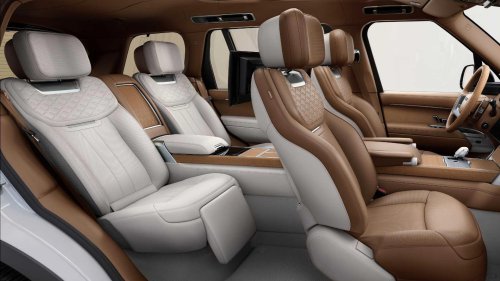
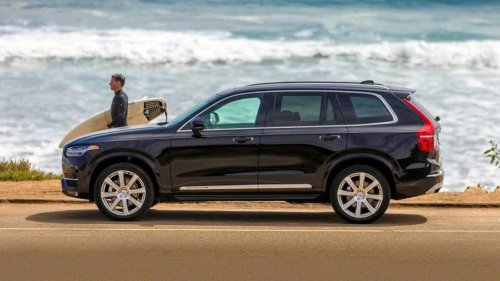
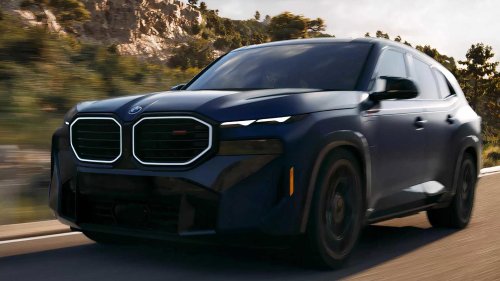
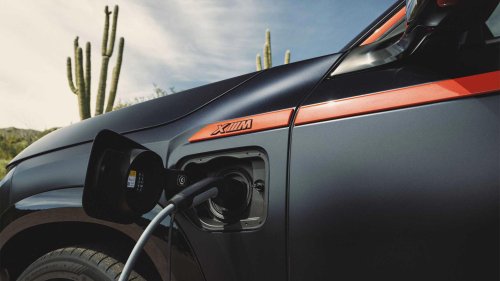
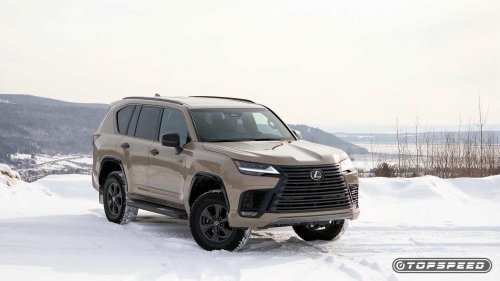
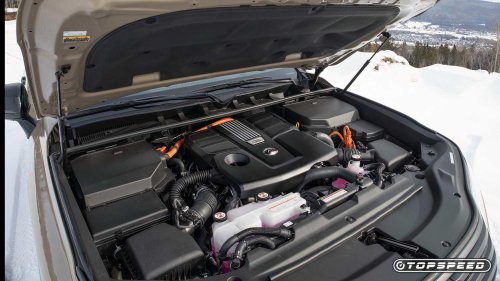
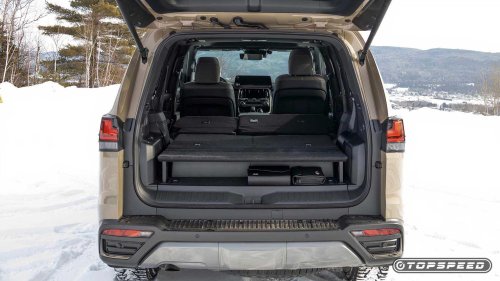
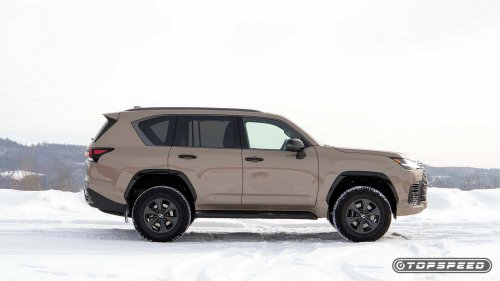
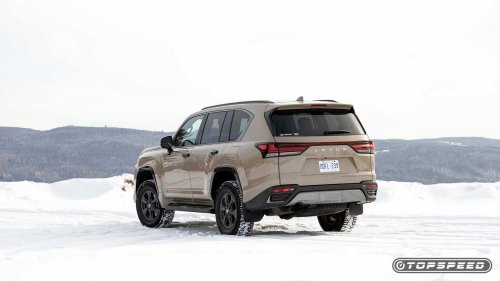
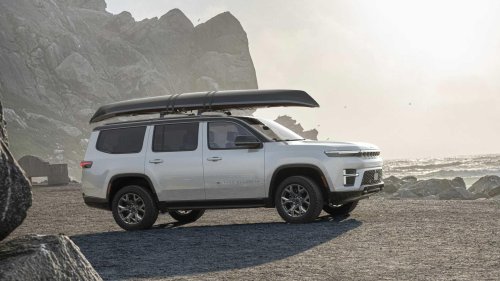
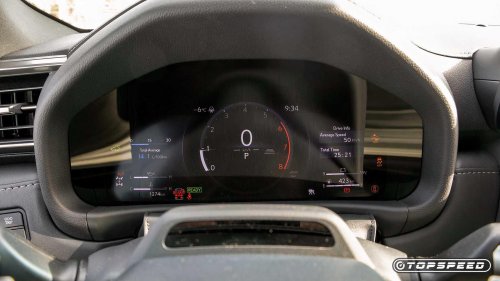
Despite continued hiccups since its introduction in the early 2000s, electrification remains at the forefront of automotive innovation. Over the past two decades, both hybrid and all-electric systems have only gotten more robust and reliable. However, the gamble of electrification becomes a bit more complicated when we consider the extreme expectations placed on hybrid SUVs. When we say hybrid SUVs, we are talking about real body-on-frame off-roaders, not consumer-focused crossovers like the Toyota RAV4 and Honda CR-V.The thing is, engineering a platform that features high-voltage battery systems and can comfortably wade through rivers is no ordinary feat. There is only one manufacturer that has managed to answer the question of what happens when the hybrid system fails in a remote area with little to no chance of immediate rescue. The result is undoubtedly the best hybrid SUV on the market today. Modern Hybrid SUVs Are Too Complex Land RoverOn paper, a hybrid SUV solves many different issues plaguing standard SUVs: torque, fuel economy, and a more refined driving experience. However, the execution is not that simple. With every part added as a result of electrification, a new point of failure is also introduced. Electrification Trade-Offs MERCEDES-BENZOnce you consider just how much engineering is required to make a hybrid system work, you'd realize that miracles do, in fact, happen daily. A hybrid system requires that the high-voltage battery pack, power control unit, regenerative braking hardware, electric motors, and thermal management components all be synchronized and work in perfect harmony.KiaThe issue is that every one of those components represents a point of failure. For off-road SUVs, sometimes you are in an environment where failure is not an option. Yet, think about how many delicate sensors and electronics there are on a modern SUV—too many to even count. Then there is the consideration of water intrusion into these electrical components, an inevitability for a vehicle that is used off-road. In the current hybrid SUV market, you are expected to sacrifice resilience for efficiency. Two Diametrically Opposed Ideas Mercedes-BenzA lot of hybrid SUVs on the market claim to be off-road capable. Yet, how many of them can actually handle legitimate water fording? Being safely able to cross a body of water is a requirement for a proper off-roader, but introducing a lithium-ion battery pack makes that difficult. These two factors create an engineering conflict that inherently will require some compromise or limitation. Land RoverIn recent times, automakers have resorted to limiting fording depth and claiming that this approach is a legitimate solution. Electrical systems and submersion are in direct conflict, and these systems become liabilities once the roads get rough. Most automakers advertise their electrified SUVs as a perfect solution to a complex problem, but they seldom tell you about their limitations when it matters the most. Hybrid SUV Capability Comes At A Cost Volvo It is safe to say that hybrid SUVs have never been more capable than they are now. Yet, this increased capability has come at the cost of complexity and fragility—two aspects that are cardinal sins among competent off-road rigs. Towing And Fording Limitations BMWA common misconception is that because hybrid SUVs tend to offer more power and torque than non-hybrid equivalents, their towing ratings increase as well. The reality is that for most hybrid SUVs, towing ratings either stay the same or decrease. Why? Battery systems carry a significant weight penalty that eats away at payload budgets, and fording depth ratings also tell a similar story. Many non-hybrid SUVs can wade through water to a depth that would immobilize most SUVs with high-voltage electrical systems. That won't matter to you much if you use your body-on-frame SUV for dropping off the kids at school and going to the grocery store. But if you actually need the genuine utility of a proper SUV, a lot of shoppers only discover the limitations after they buy a vehicle, not before. The Reliability Ceiling Of Hybrid Systems BMWThere is a fundamental problem embedded within hybrid SUV engineering. Too often, automakers assume that the hybrid system will work without issue, and they make further decisions based on that premise. Ensuring a hybrid system is as robust as possible requires redundancy, and redundancy is expensive. Adding fail-safe components also increases weight, not to mention complexity. That is why most automakers don't have an incentive to engineer their hybrid SUVs with failure in mind. Yet, the last place you want to feel vulnerable is in the wilderness with no alternative, help, or bail-out plan. That is why one automaker stands out as an outlier that designed a flagship SUV with the idea in mind that something, eventually, will fail. That automaker is Lexus, and the vehicle is the 2026 Lexus LX 700h. The Lexus LX Combines Hybrid Power And Off-Road Durability William Clavey | TopSpeedThe 2026 Lexus LX 700h might be a perplexing flagship concept for most consumers. The fact is, this incredible vehicle is not built to be understood by the average person. It solely exists for those rare individuals who are completely intolerant of compromise and have the means to back that preference. The Concept Of Paranoid Engineering William Clavey | TopSpeedThe LX 700h pairs a 3.4-liter twin-turbocharged V-6 with a parallel hybrid system that produces 457 horsepower and 583 lb-ft of torque. That performance is impressive, but what is even more interesting is the great lengths Lexus has gone to make this off-roading SUV truly capable of any task. Let's start with the battery enclosure. A specifically designed waterproof tray is divided into upper and lower sections to protect the hybrid battery from water intrusion. William Clavey | TopSpeedThis system even includes a sensor that can detect if water has breached the tray, alerting the driver before further potential damage can occur. Why though? Because this Lexus SUV is engineered from the ground up with a backup plan in mind. The result is that the LX 700h offers the same 27.5-inch water fording depth as the non-hybrid LX 600. The hybrid system isn't a compromise for this rugged luxury SUV—it's its greatest asset. The Fail-safe Nobody Is Talking About William Clavey | TopSpeedThe LX 700h is a flagship SUV built to exceed expectations. Some of the LX 700h's most impressive features are seldom mentioned in reviews because they aren't sexy details, per se. For example, Lexus also included a traditional starter motor and alternator in the LX 700h, just in case the hybrid system fails. That way, even if you experience an electrical catastrophe, the gasoline engine can still start and run the vehicle like a conventional non-hybrid vehicle. William Clavey | TopSpeedThese are the kinds of features you find on six-figure SUVs that emphasize longevity and survivability over fancy features that only look cool but serve no real purpose. The LX 700h's hybrid system couldn't be any more functional than it is because, as a secondary benefit, it also enables a 2,400-watt AC inverter. This effectively makes the LX 700h a mobile power station, which is invaluable for both you and your crew when camping out in remote territory. Why The LX 700h Has No Real Competition William Clavey | TopSpeedThe Lexus LX 700h is undeniably engineered to an obsessive standard of excellence, and there is no direct competitor to it in the competitive landscape. With 8,000 pounds of towing capacity, non-hybrid levels of fording depth, and a hybrid failsafe system unlike any other on the market, you will find the LX 700h stands alone. What The Competition Looks Like JeepThere is no shortage of luxury hybrid SUVs from brands like BMW, Mercedes-Benz, and Land Rover. If there were other vehicles worth considering in this category, maybe you could consider a Jeep Grand Wagoneer, Mercedes G-Class, or Land Rover Range Rover PHEV. However, no matter how you look at it, each one of those options will result in additional compromises when considering the luxury off-roading experience.Mercedes-BenzIf you want a three-row, heavy-duty, off-road luxury hybrid SUV, there is only one option: the Lexus LX 700h. That's before we consider all the bulletproofing and extreme endurance engineering. The LX 700h simply follows a fundamentally different design philosophy than any other vehicle in its market segment, so much so that it doesn't even have a true equivalent from a rival brand. The Price Is Justified William Clavey | TopSpeedThe $117,285 2026 Lexus LX 700h F Sport Handling is the most affordable trim... yet it remains expensive. The top-trim LX 700h Ultra Luxury is a $143,050 vehicle before any options, and even then, the price makes sense. Why? Because it should come as no surprise that a vehicle that is uncompromising and unlike any other in its segment is an experience that comes at a cost. We aren't here to argue that the LX 700h isn't expensive as hell, but most consumers misunderstand why that price is what it is. William Clavey | TopSpeedWhat you are getting is a luxury hybrid off-roader that gets 20 mpg combined and can tow 8,000 pounds. It can cross rivers like a conventional non-hybrid rig, and it even has an extra-protected battery system with a water-breach sensor. It has an extra starter and alternator for the gasoline engine, just in case anything goes wrong. The LX 700h is designed around the assumption that things don't always go according to plan. That's why it's smart to have a backup plan (or three). For the rare few that will actually use an LX 700h for the grueling environment it is designed for, that distinction is worth every dollar.Sources: Lexus






















 +73 others