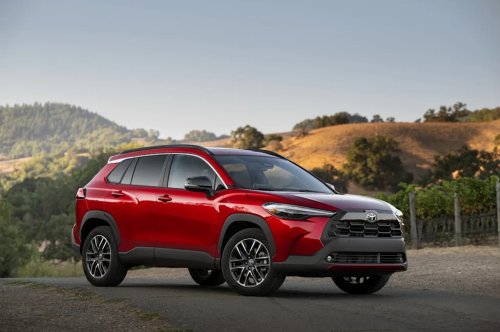
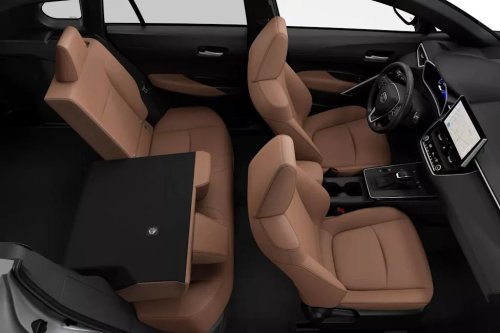
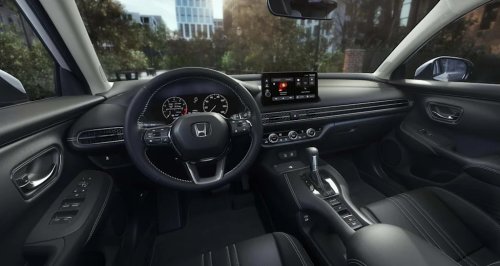
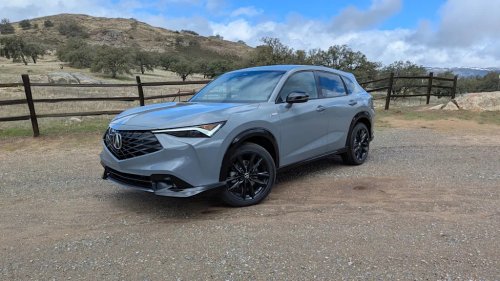
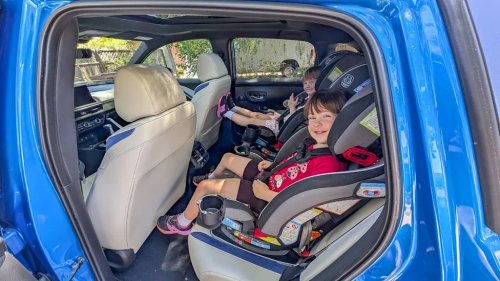
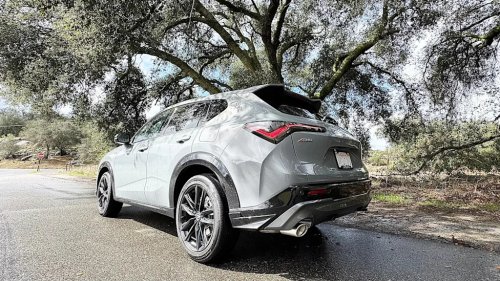
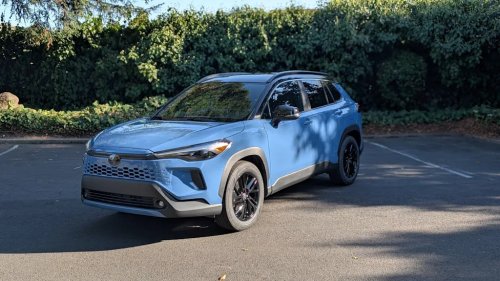
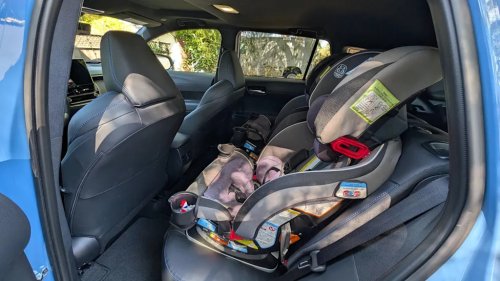
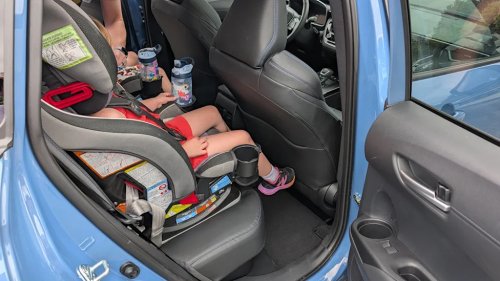
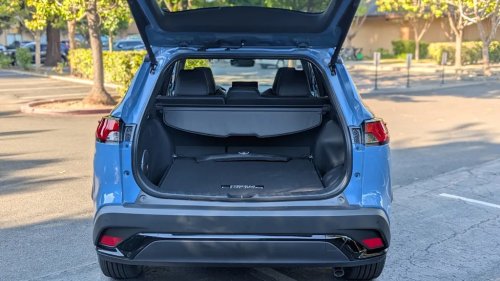
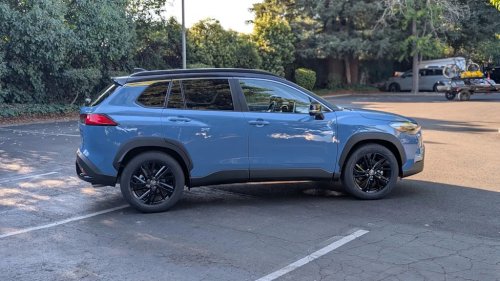
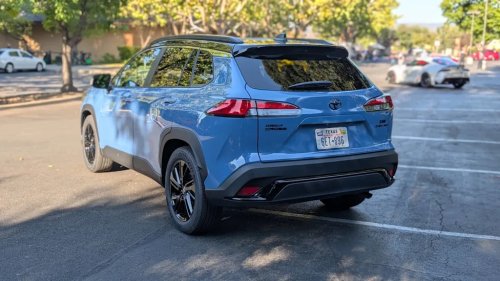
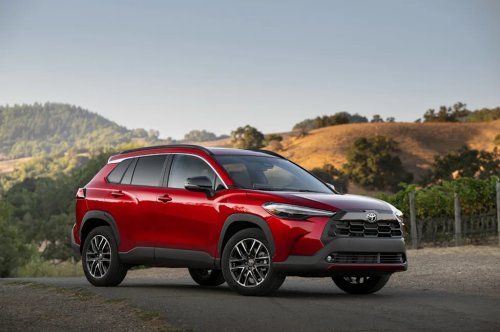
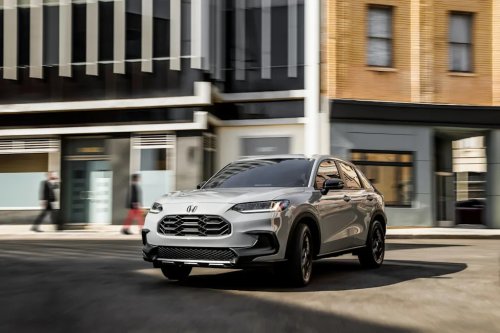
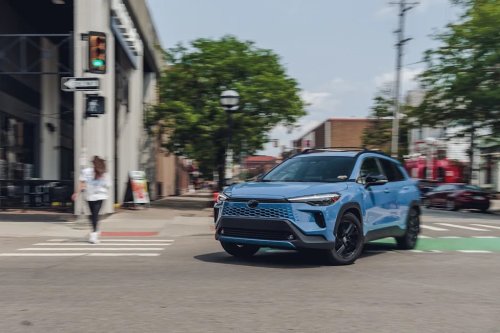
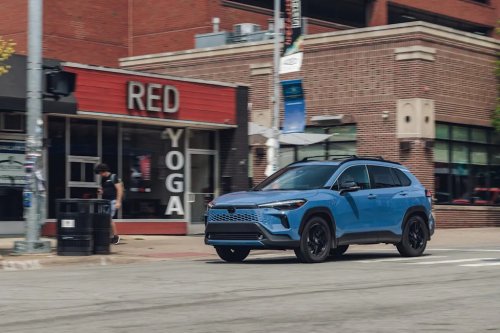
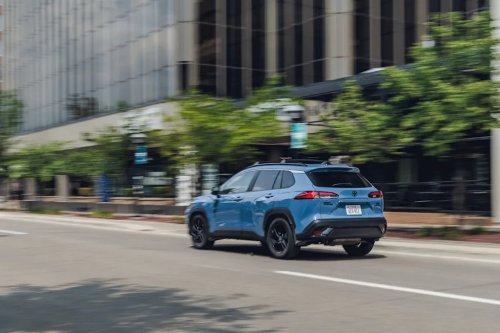
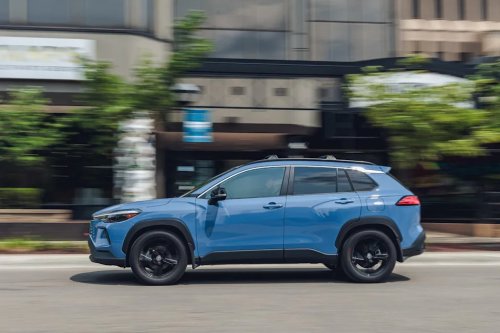
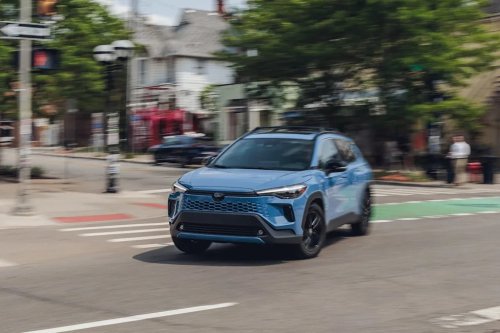
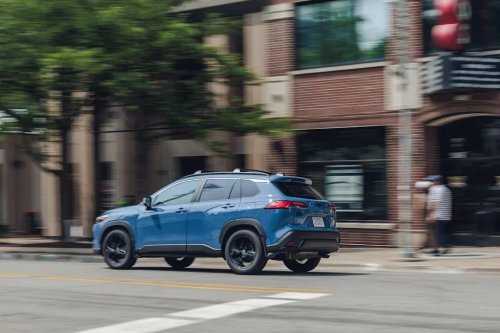
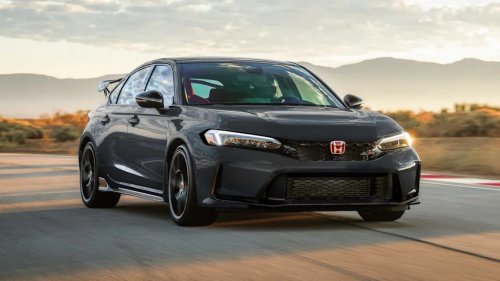
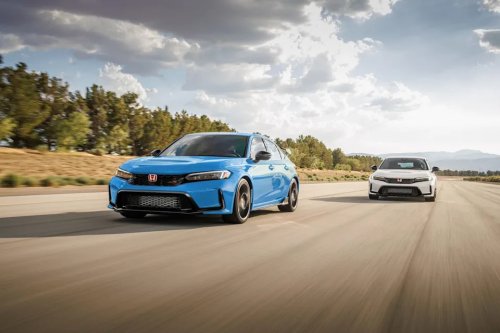
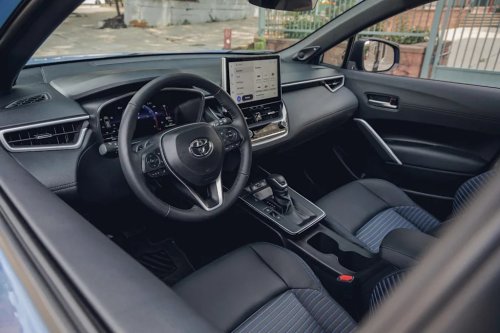
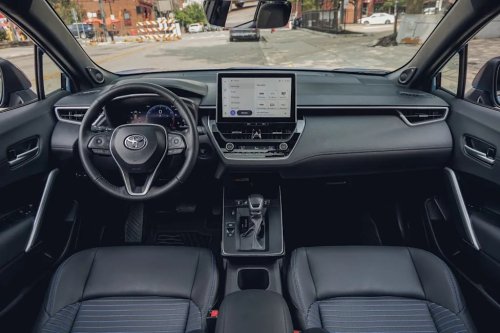
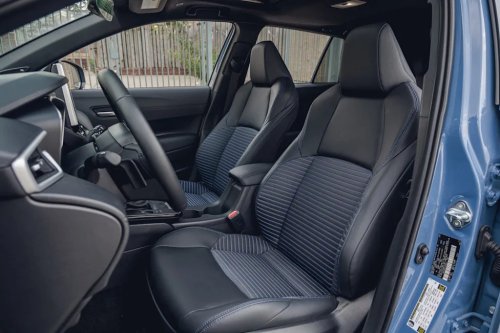
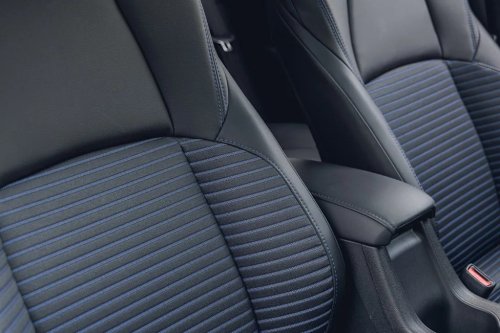
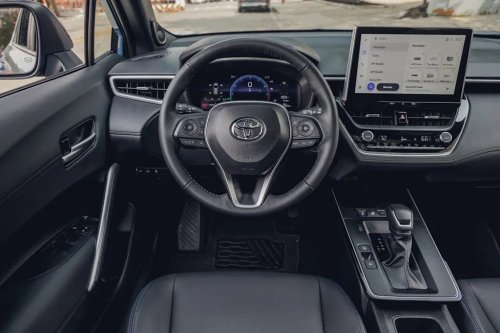
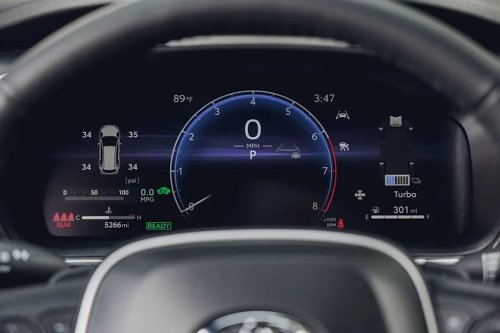
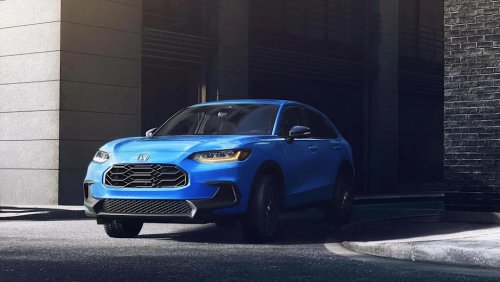
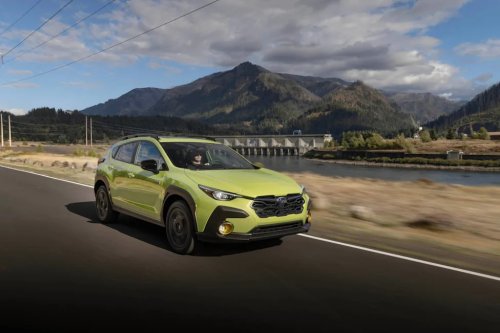
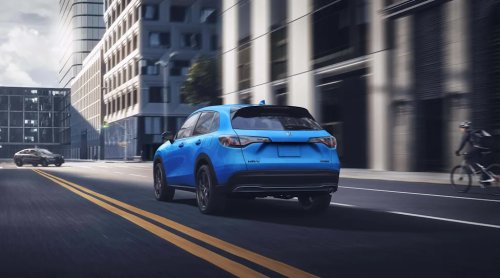
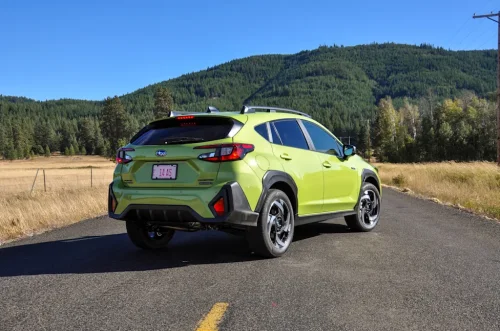
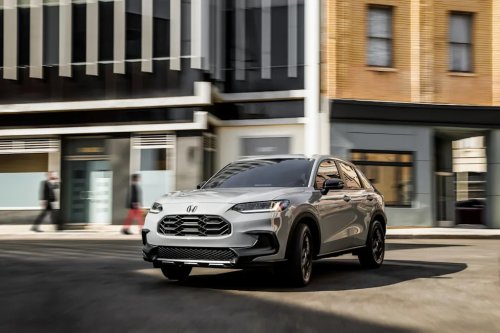
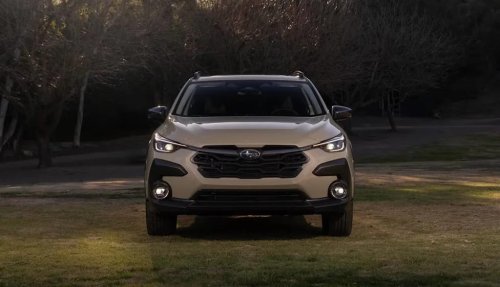
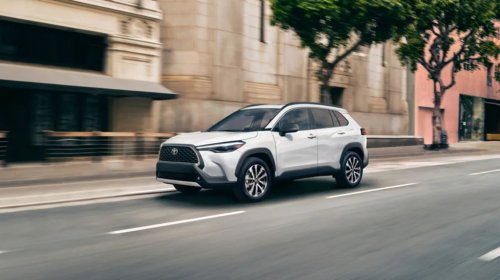
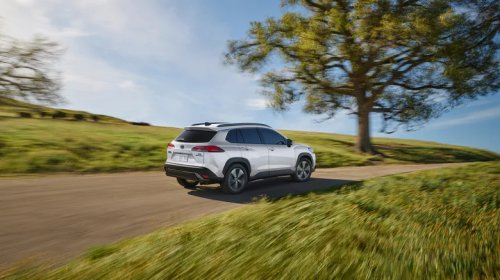
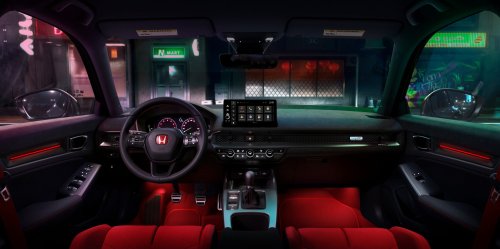
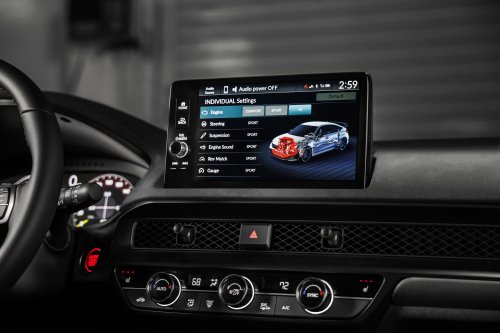
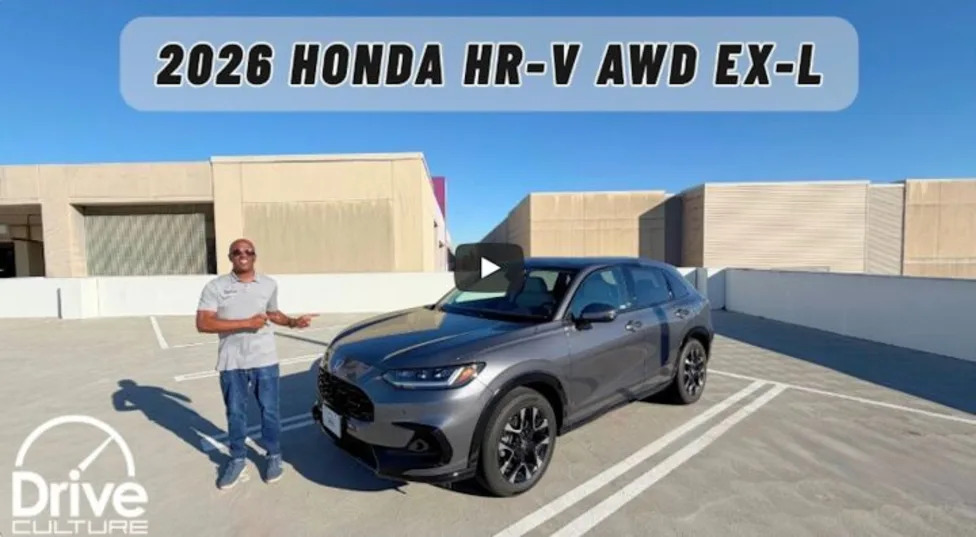
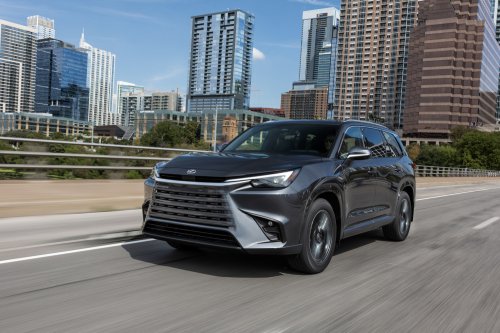
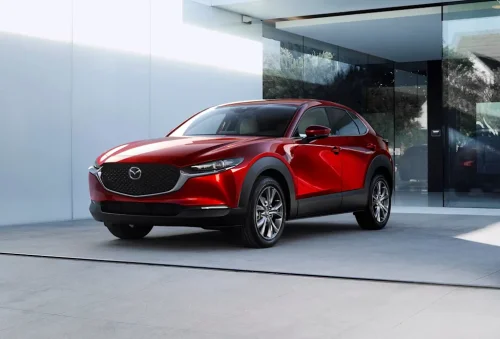
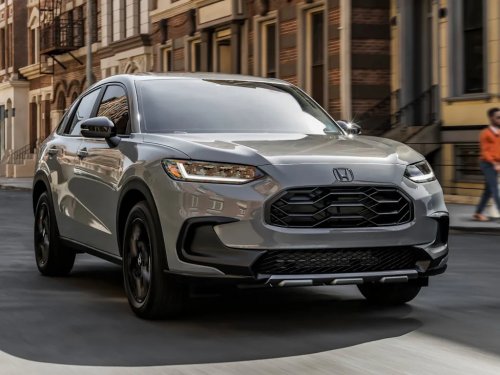
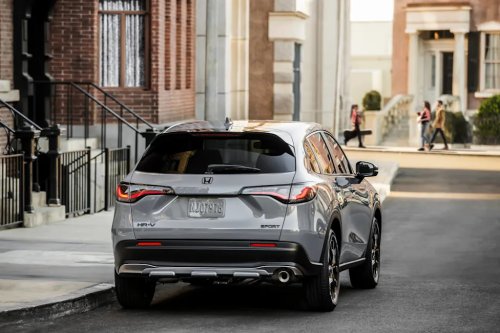
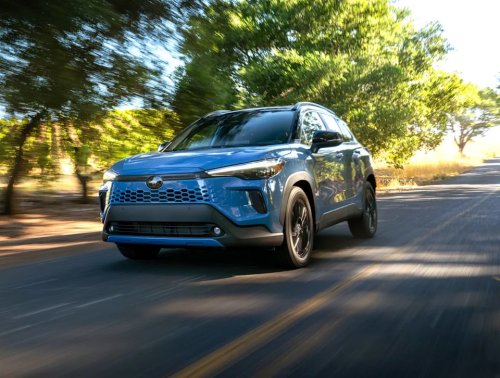
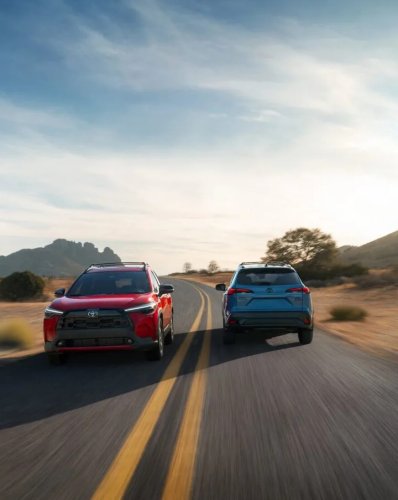
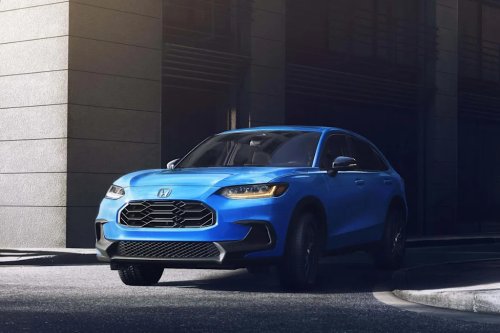
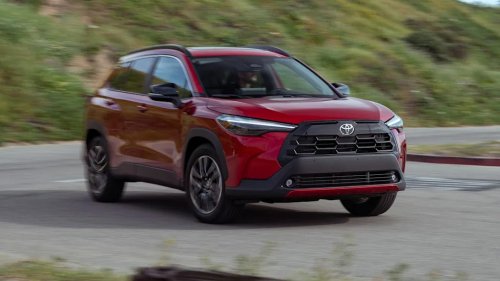
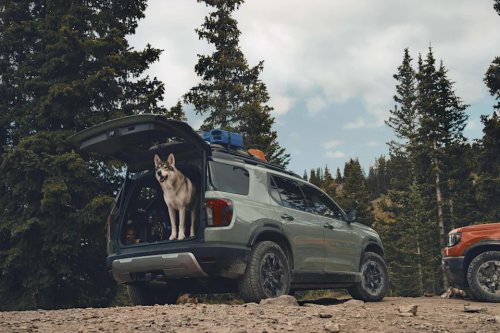
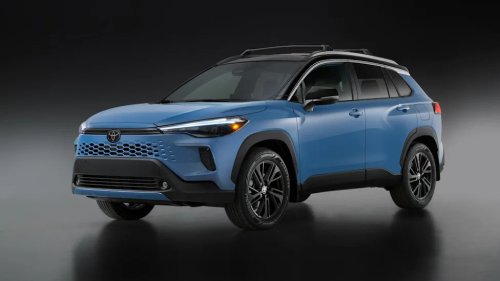
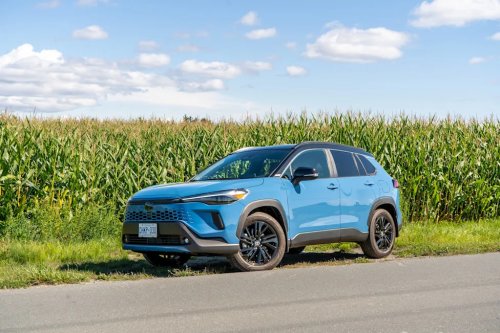
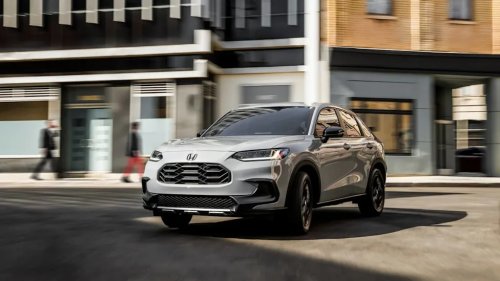
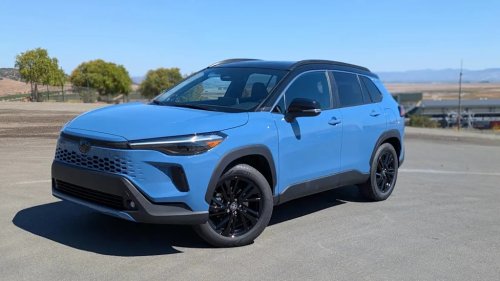
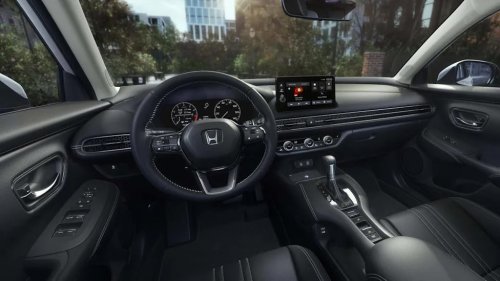
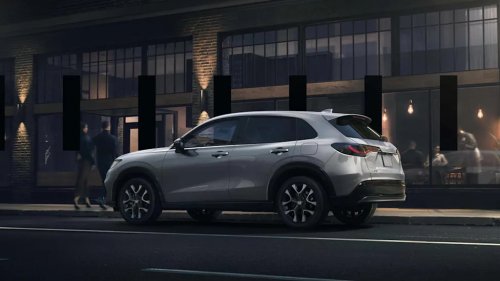
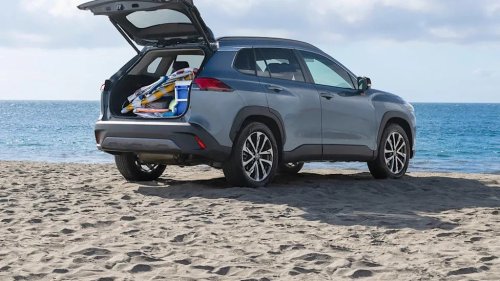
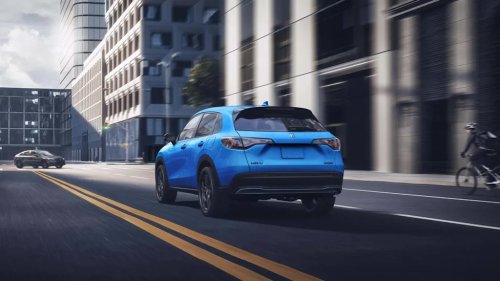
Autoblog and Yahoo may earn commission from links in this article.Outstanding Value, But Not for Off-RoadOn paper, these two are about as evenly matched as it gets. Same class, similar pricing, similar missions. Both are designed to be affordable, efficient, and easy to live with. In terms of numbers, they are very close, and, in many ways, they are super smart, competitive buys.HondaView the 2 images of this gallery on the original articleAdvertisementAdvertisementFor this comparison, I tested both vehicles in top trim for a week. Each model was equipped with optional all-wheel drive (AWD), and both vehicles have recently had a refresh. I have driven both vehicles several times before, so I was rather familiar with the duo.I would go as far as to say: these two vehicles are the most closely matched between these two automakers. If you look at the CR-V vs RAV4 or even the Pilot vs the Highlander, they are remarkably different vehicles. In terms of the Toyota Corolla Cross vs the Honda HR-V, they sure do go toe to toe.Because while they compete for the same buyer, they prioritize different things.Kristen BrownView the 2 images of this gallery on the original articleThe Basics: Power, Efficiency, and PriceLet's start with the 2026 Toyota Corolla Cross AWD (non-hybrid).AdvertisementAdvertisementWith a base price of $25,235 for the front-drive L, prices peak around $33,680 for a loaded XLE with AWD. Yes, that nibbles on the Toyota RAV4's entry price point. The Corolla Cross non-hybrid model features an available Dynamic Torque Control AWD system. It works by powering the front wheels and will automatically send up to 50 percent of torque to the rear wheels via an electromagnetic coupling when front-wheel slip is detected.The 2026 Toyota Corolla Cross (non-hybrid) is powered by a 169-horsepower 2.0-liter 4-cylinder engine producing 151 lb-ft of torque. It features a CVT transmission, available FWD or AWD. The Corolla Cross with AWD gets an EPA-estimated 29 MPG city and 31 MPG highway. When properly equipped, the Toyota Corolla Cross is rated to tow up to 1,500-lbs.Related: 2026 Jeep Cherokee vs 2026 Grand Cherokee: 5 Key DifferencesWith a starting base price of $26,600 for the HR-V LX, front-drive, the price peaks around $32,000 for a loaded EX-L AWD. It comes with a 158 hp, 2.0-liter 4-cylinder engine that makes 138 lb-ft of torque. It's bolted to a continuously variable transmission (CVT) and is EPA-rated at 25 mpg city and 30 mpg highway.AdvertisementAdvertisementAs for towing numbers, Honda does not recommend towing with their HR-V. The Real Time AWD With Intelligent Control System is similar to Toyota's setup. This electronic system can allocate power to the rear wheels during acceleration and climbing, or when rear wheel slippage is detected.The Corolla Cross wins the numbers game. It has more power and better fuel economy, but it's a smaller, less utilitarian vehicle. You'll see by how much later in this review. The HR-V, on the other hand, sticks with a simpler formula. Less power, lower efficiency, but also a more straightforward lineup.View the 4 images of this gallery on the original articleInterior: Space vs PracticalityThe 2026 Toyota Corolla Cross features an 8-inch infotainment touchscreen as standard, with a 10.5-inch display available on higher trims. The updated model also introduces a 7-inch digital instrument cluster as standard, with a 12.3-inch digital gauge cluster available on higher trims (XLE/XSE). Wireless Apple CarPlay and Android Auto are standard.AdvertisementAdvertisementKey features include 8.1-inch ground clearance, 21.5 cu. ft. cargo space, seats up, and 46.9 cu. ft. with seats folded. That's only a hair more than one the smallest in the class, the Mazda CX30. It also comes with Toyota Safety Sense 3.0.Related: 2026 Genesis GV80 vs 2026 Volvo XC90: I Drove Both Luxury SUVs—Here's My Honest Comparison ReviewThis is where the Honda punches back.Other than the base models, the Honda HR-V has a standard 9-inch color touchscreen display. Wireless Apple CarPlay and Android Auto compatibility are part of the deal as well. It's a shame a larger screen isn't available, not that I'm a big fan of massive screens, but they help sell cars. Honda Sensing, which is similar to the Toyota Safety Sense 3.0 system, adds a bevy of driving aids, is standard.AdvertisementAdvertisementThe HR-V has a lower cargo lift-over height, 28.6", as opposed to the Corolla Cross, 30.9", making loading easier. Its low 7.3" maximum ground clearance is one of the lowest in the class. That helps with the better load-in numbers. It's far larger inside, with 24.4 cu ft behind the 2nd row, and 55.1 cu ft with the seats folded. There's more usable passenger space, and gobs of legroom by comparison.HondaView the 2 images of this gallery on the original articleDriving: Calm vs EfficientThis is an odd mix of results for both vehicles. Being that the Toyota Corolla Cross has the power advantage, it's no mystery that it's quicker. A lot quicker. Yes, the Corolla Cross is a few pounds heavier, and it's a bit smaller, but that doesn't hurt the performance. It is also slightly more lively to daily drive.With that being said, the Honda HR-V is the better commuter. It only returns one mpg less altogether, yet it gives you the most comfortable ride. It's simply more roomy, holds more stuff, it's a bit quieter, and has a pleasant highway ride.AdvertisementAdvertisementNeither of these is exciting, and that’s kind of the point.The Corolla Cross feels lighter and a bit more efficient-minded. It’s tuned for commuting, not engagement.The HR-V feels more planted and refined, especially in ride quality and everyday usability.Both use CVTs. Both prioritize smoothness over speed. And both are slow. Very slow.If you’re expecting fun, look at the smaller Mazda CX30 turbo.ToyotaView the 2 images of this gallery on the original articleOff-Road (Yes I Did)I'm lucky enough to have locations in the Rocky Mountains and SoCal, where I can test vehicles on rough terrain. Often, I do just that. When it comes to vehicles like the Toyota Corolla Cross AWD and the Honda HR-V AWD, smaller obstacles and slippery terrain are called for.AdvertisementAdvertisementNeither vehicle can hope to articulate its suspension over hard obstacles. The Honda's long nose scrapes almost immediately, while the Toyota will bottom out its chin slightly later. Neither car likes deep sand nor high-speed rally driving. Any attempt to stick the rear out on an adventurous corner is often met with an awkward pause in forward momentum. Neither traction control system likes to play.Fortunately, they both perform well on snow and ice. Both run well on all-season tires, and their traction/terrain management setups are mostly automated. There is no low gear, no locking diffs, and there's not a ton of off-road rubber either.Thus, while they look like they could do some damage off-road, they will most likely damage themselves.HondaView the 2 images of this gallery on the original articleFinal ThoughtsThese are two of the smartest buys in the segment, but they are not adventure vehicles. They look different, and I find the Toyota's design to be less polarizing. Additionally, the Toyota is slightly more entertaining to drive. Still, the Honda makes slightly more sense for people who need those extra inches for cargo.AdvertisementAdvertisementIf your life involves pavement, parking lots, and the occasional slippery roads, both are excellent. If you’re even thinking about real off-roading, neither belongs on your shortlist. I guess the Corolla Cross is the rational choice, while the HR-V is the livable choice. But they're both a smart bet.And for most people, that distinction matters more than anything else.Related: 2026 Mitsubishi Outlander vs 2026 Toyota RAV4: I Drove Both Family SUVs—Here's My Honest Comparison ReviewThis story was originally published by Autoblog on May 29, 2026, where it first appeared in the Reviews section. Add Autoblog as a Preferred Source by clicking here.



















 +10 others