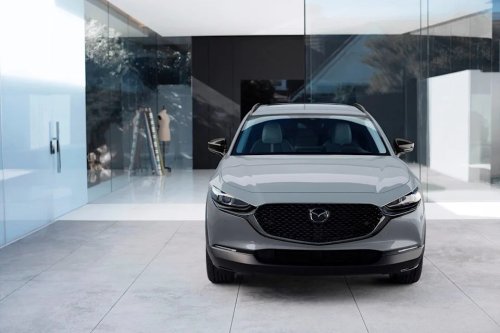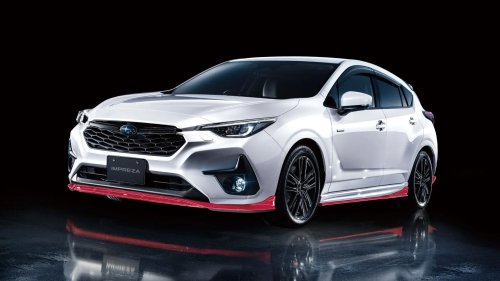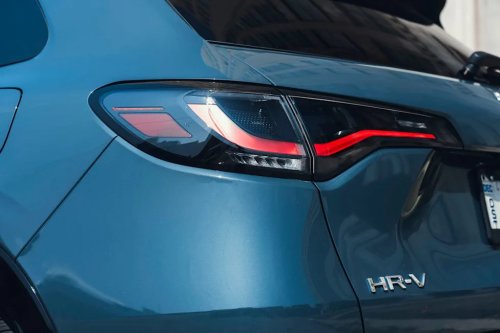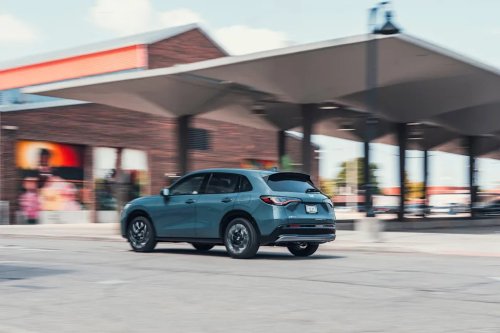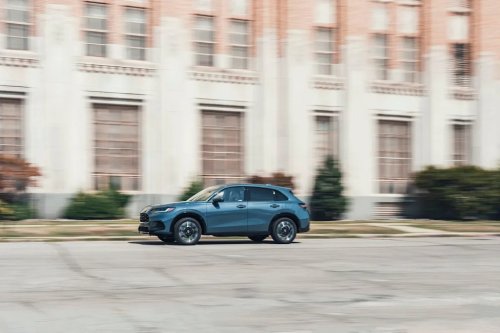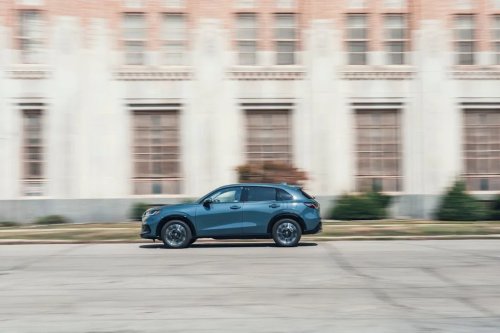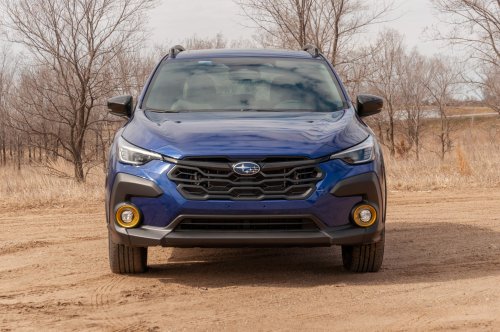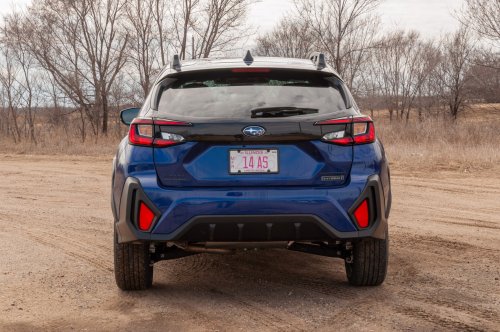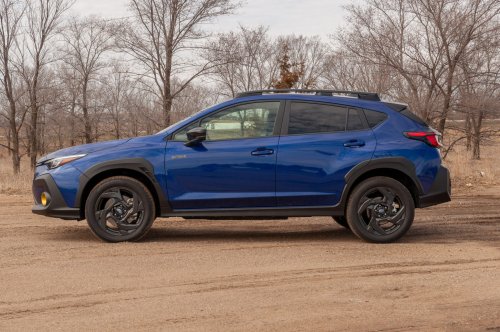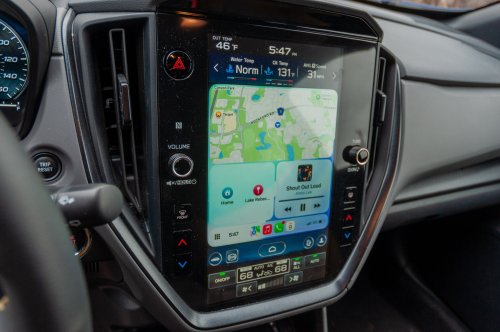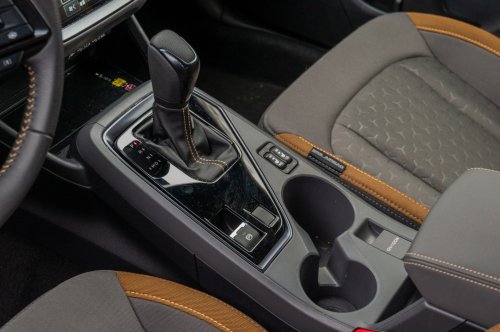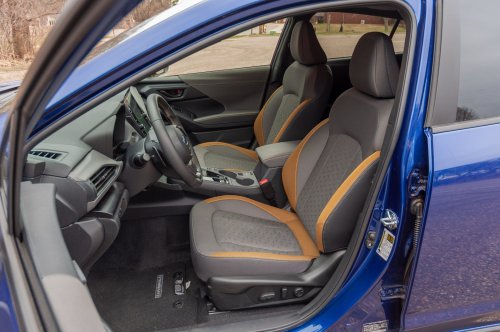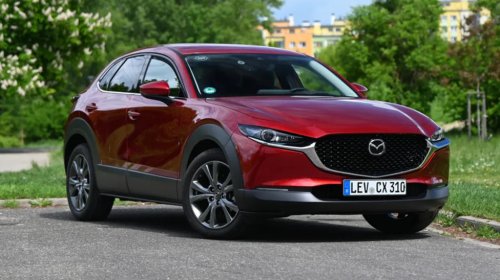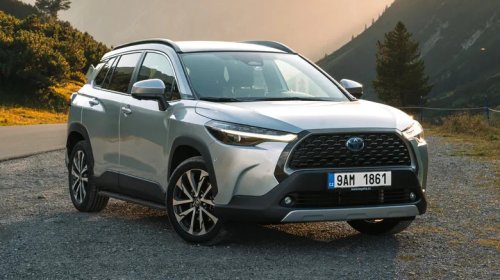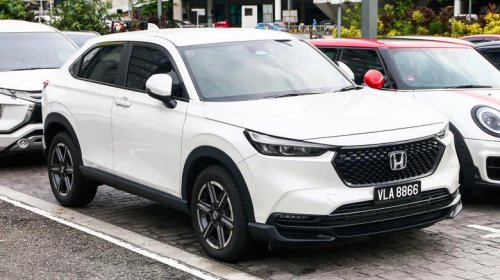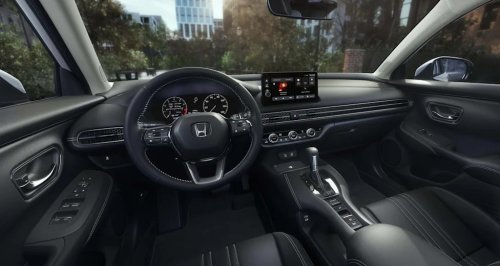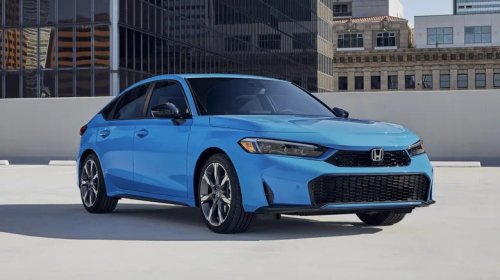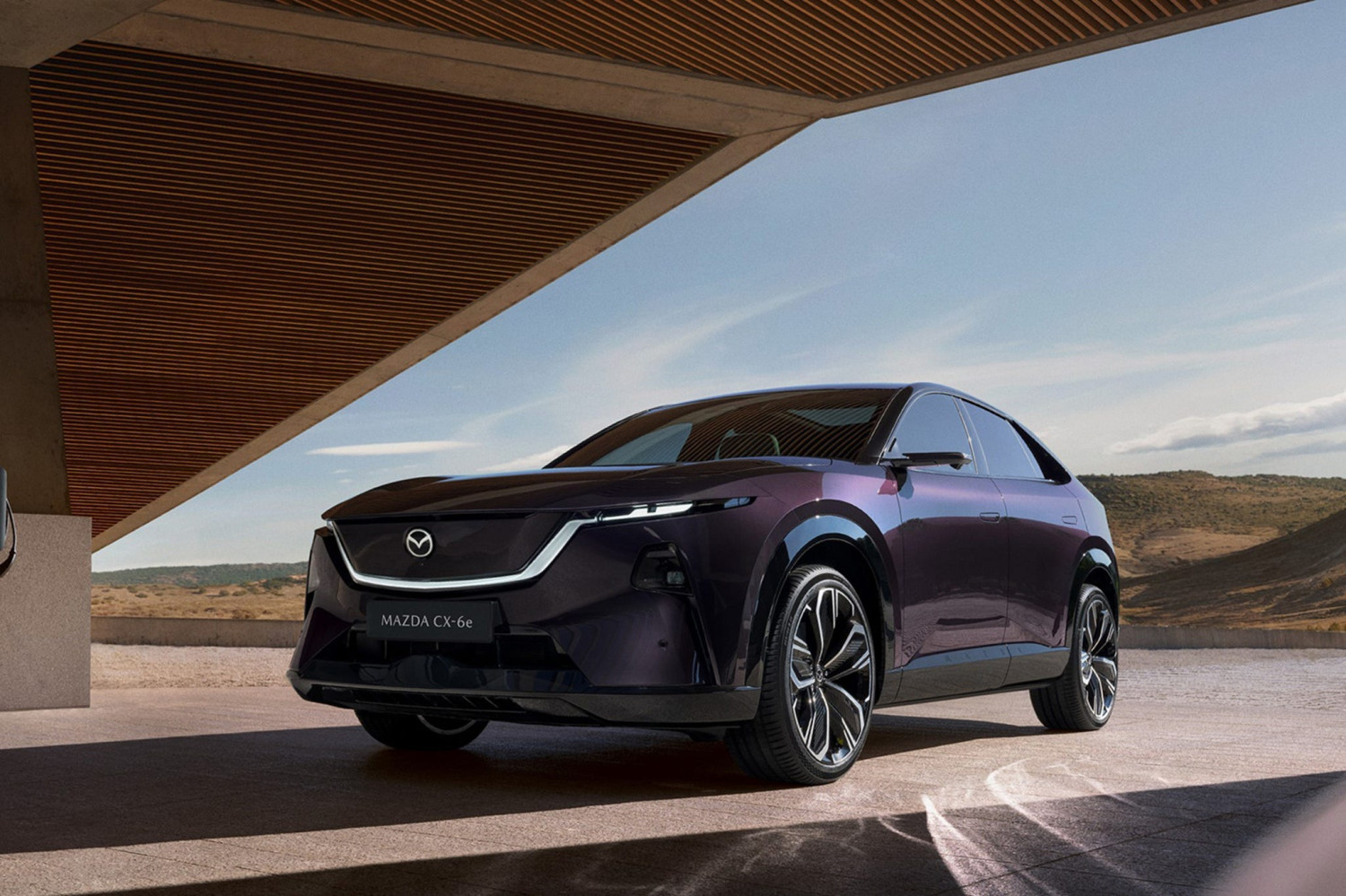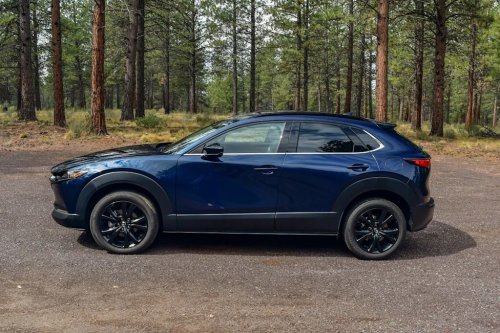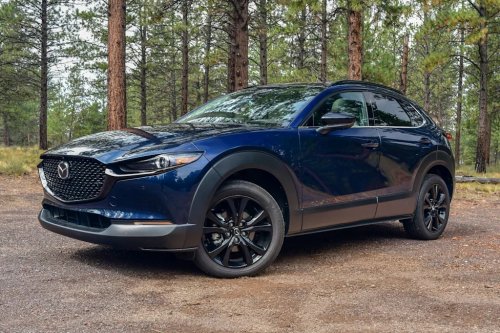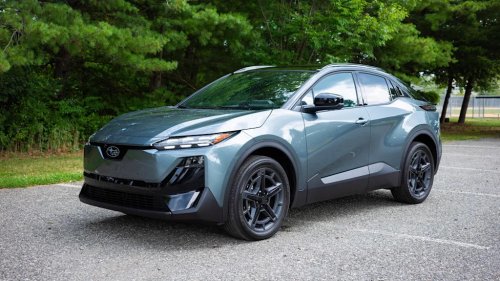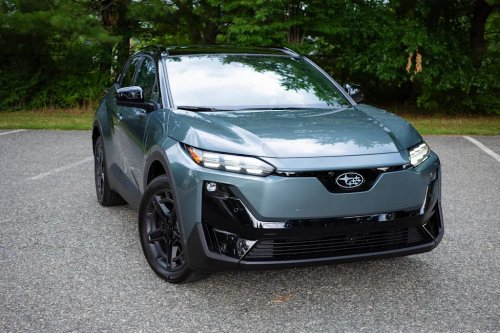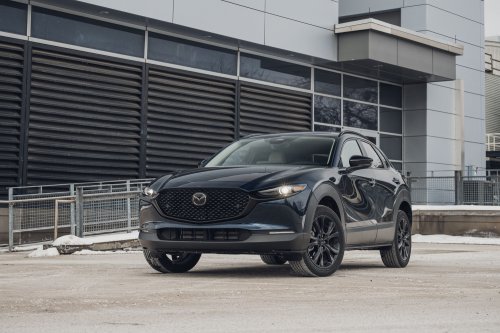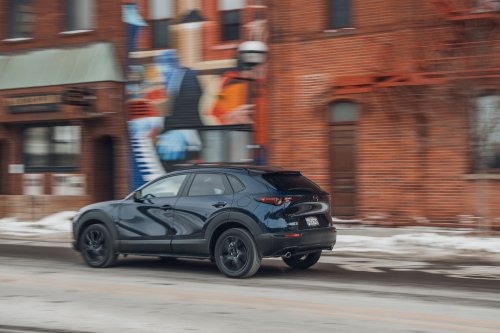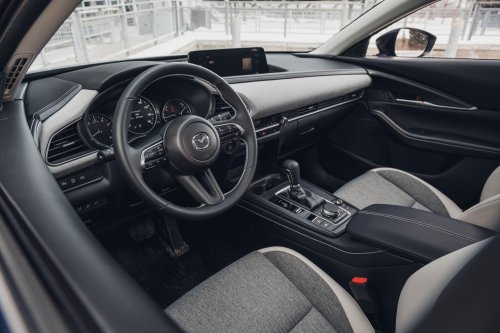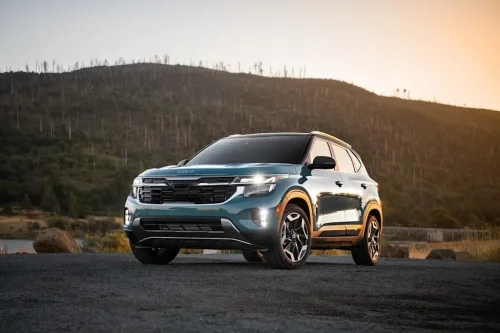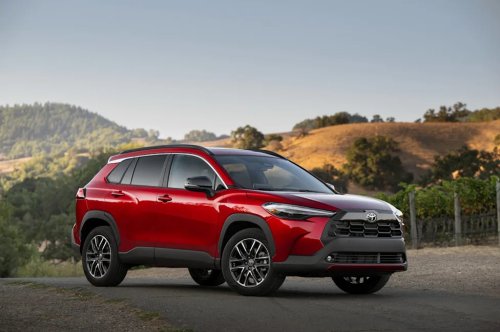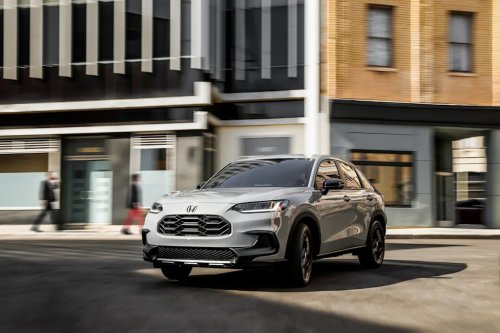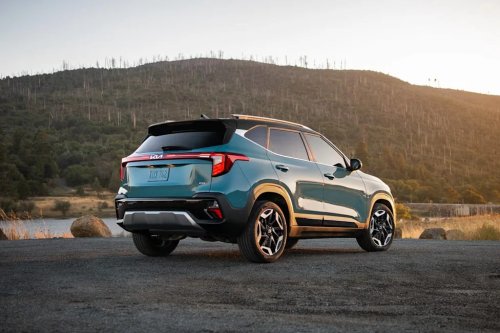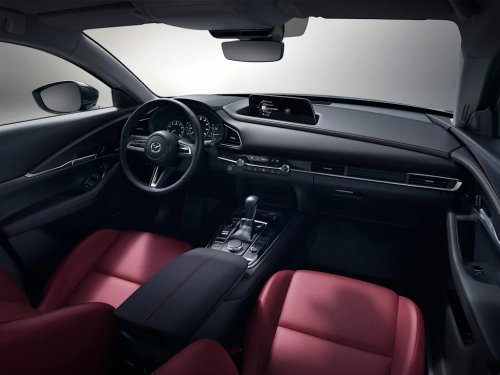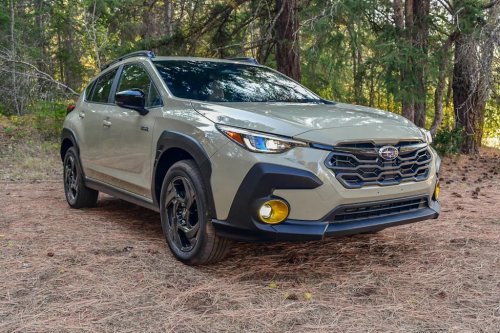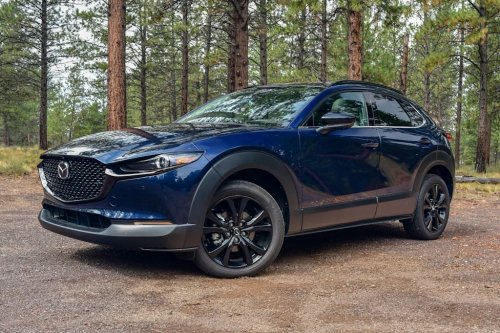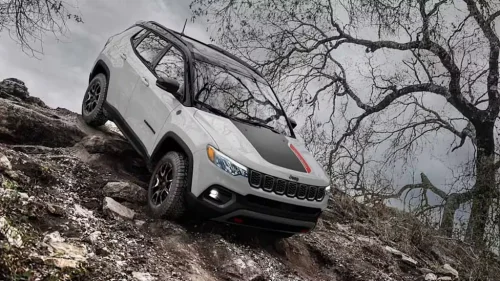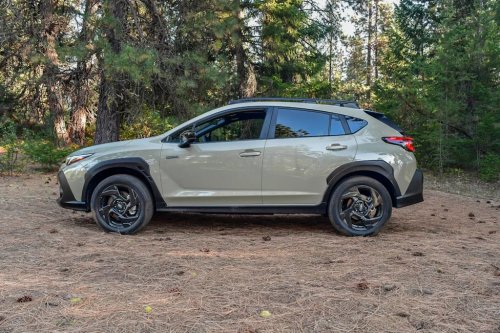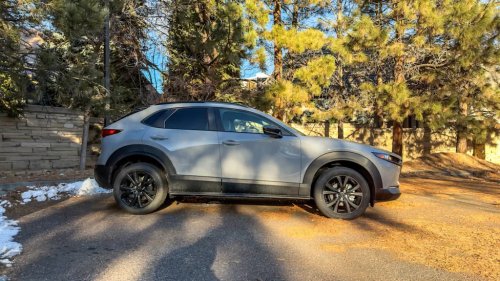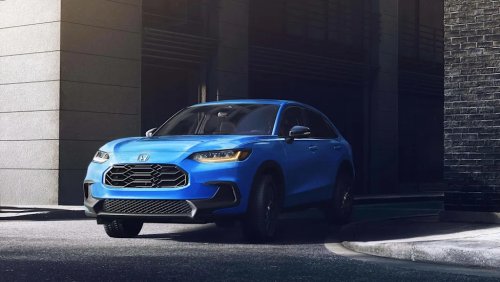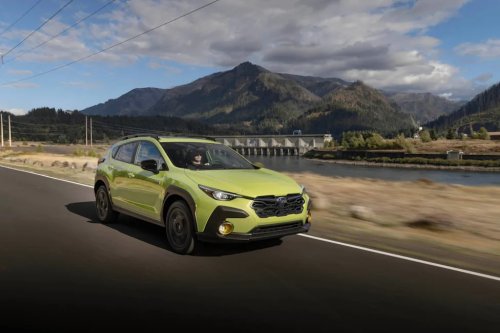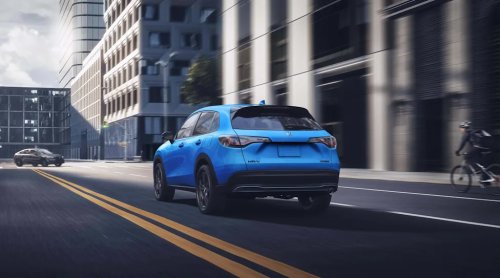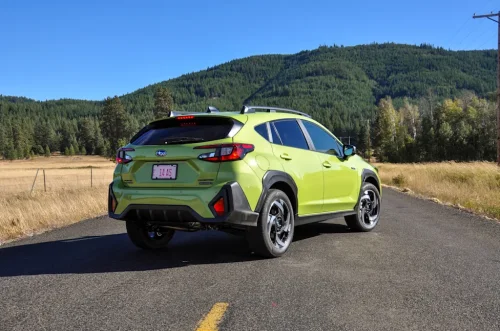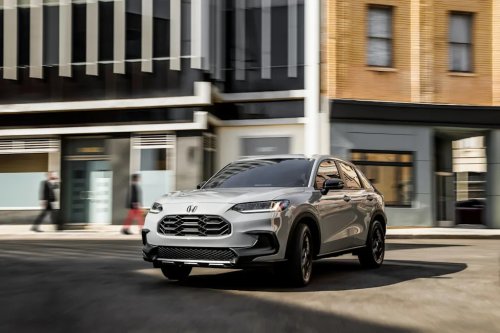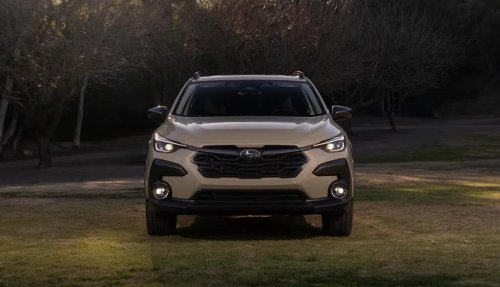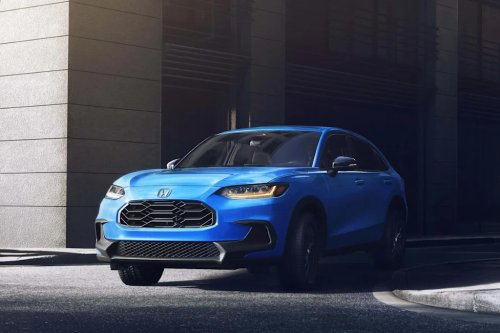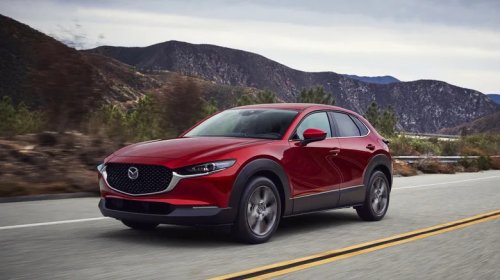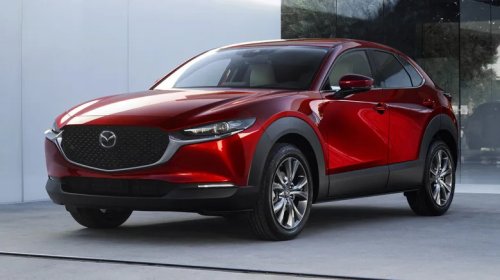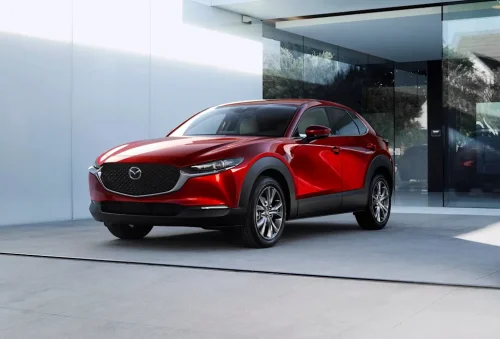
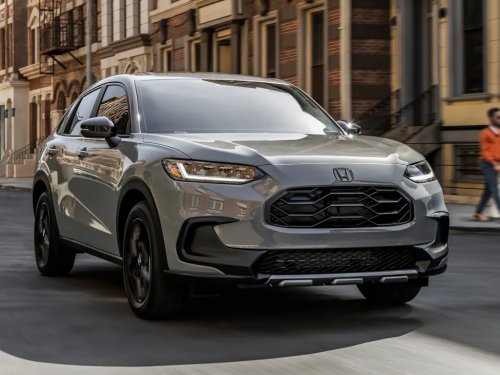
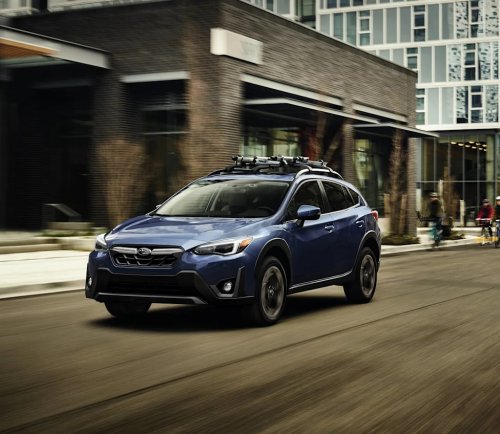
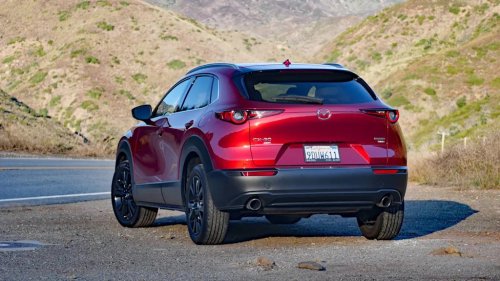
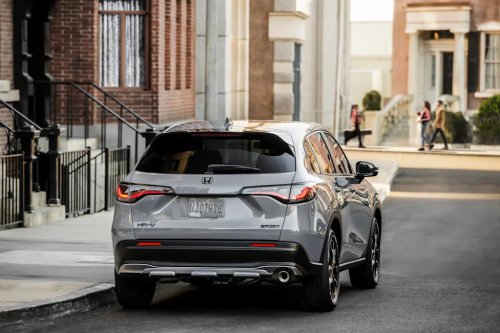




















Autoblog and Yahoo may earn commission from links in this article.Buying a used subcompact SUV usually means keeping it for the long haul, so dependability outweighs almost everything else. All three of these are fundamentally solid, but they differ in transmission design and in how proven each version is. Weighing complaint records, powertrains, and the typical problems of each, the Mazda CX-30 takes the win, with the Crosstrek close behind and the redesigned HR-V a dependable third.2023 Mazda CX-30MazdaReliability recordsThe CX-30's biggest advantage is mechanical simplicity where it counts. Alone among these three, it uses a conventional six-speed automatic rather than a continuously variable transmission, which removes one of the most common long-term worry points in the segment. Its Skyactiv engines are well proven, and it posts one of the lowest owner-complaint rates in the class, which is the core of its reliability case. Mazda's approach of sticking with tried-and-tested hardware rather than chasing the newest efficiency technology has paid off in durability, and the naturally aspirated four-cylinder in most CX-30s is a straightforward, long-lived engine with no turbocharger to complicate ownership.2023 Honda HR-VHondaThe Crosstrek of 2023 is a mature, well-sorted design in the final year of its generation, backed by standard all-wheel drive and a boxer engine that has been refined over many years. The HR-V, by contrast, was completely redesigned for 2023 on Honda's Civic-based platform. Its engine family is proven, and its build quality is strong, but as a first-year design, it has the least accumulated data, and first-year models historically carry a few more early issues than settled ones.2023 Subaru Crosstrek LimitedSubaruRepair costs and running costsOn running costs, the three are close, all inexpensive to maintain by any standard. The Crosstrek's average annual repair cost runs around $492, and the CX-30 and HR-V sit in a similar affordable range, so none is meaningfully cheaper to keep on the road than the others. Parts for all three are widely available, and none demands the premium-priced service a European rival in this price bracket might, so ownership stays cheap across the board.2023 Mazda CX-30AdvertisementAdvertisementThe one recurring caveat applies to the two SUVs with continuously variable transmissions. Both the Crosstrek and HR-V use CVTs that have proven reasonably durable, but owners get the best life out of them by ignoring any "lifetime fluid" guidance and changing the transmission fluid on a regular schedule. The CX-30's conventional automatic asks for no such vigilance, a small but real ownership advantage.2023 Honda HR-V SportHondaWhat goes wrong with eachThe typical trouble spots track the order. The CX-30 has the shortest list, with occasional infotainment quirks and a cluster of brake-related complaints in the data, but a very low overall complaint rate and a robust Skyactiv powertrain. Its conventional transmission avoids the CVT questions that hang over its rivals. The rotary-controlled infotainment system frustrates some owners who would prefer a touchscreen, but that is an ergonomic preference rather than a mechanical fault and has no bearing on how long the car will last.2023 Subaru Crosstrek SportSubaruThe Crosstrek's issues are limited and familiar for a Subaru, including some infotainment freezing and the CVT-fluid maintenance already noted, while the older head-gasket worries that once dogged the brand were resolved years ago. Its standard all-wheel drive adds capability with only modest added complexity. The HR-V's biggest asterisk is simply its newness for 2023, so buyers should confirm any early software or build items were addressed, and treat its CVT to regular fluid changes. Its engine is underpowered but mechanically proven, so the risk is teething trouble rather than a fundamental weakness. Neither of these SUVs is fragile, but both ask a little more attention to the transmission than the Mazda does.So which one is the most reliable?The 2023 Mazda CX-30 is the most reliable of the three. Its conventional, automatic, proven Skyactiv engines, and low complaint rate give it the cleanest long-term outlook, and its upscale cabin is a bonus that costs nothing in dependability. The Subaru Crosstrek is a very close second and the better choice for a buyer who wants standard all-wheel drive and genuine bad-weather capability, since it is a proven, mature design. The Honda HR-V is a dependable, well-built SUV and a fine choice for someone who values Honda's engineering and interior packaging, but as a first-year redesign, it carries the least track record, so reliability-first shoppers should start with the CX-30.AdvertisementAdvertisementThis story was originally published by Autoblog on Jul 10, 2026, where it first appeared in the Car Buying section. Add Autoblog as a Preferred Source by clicking here.