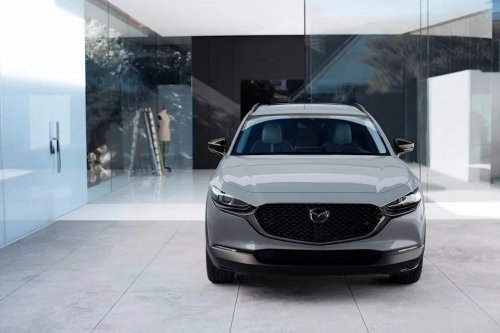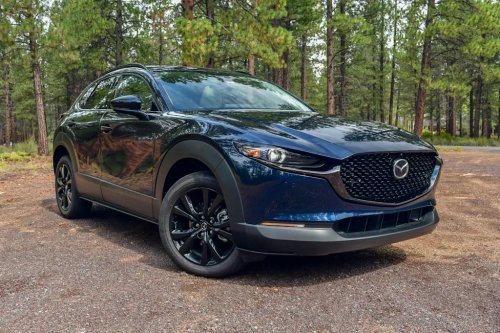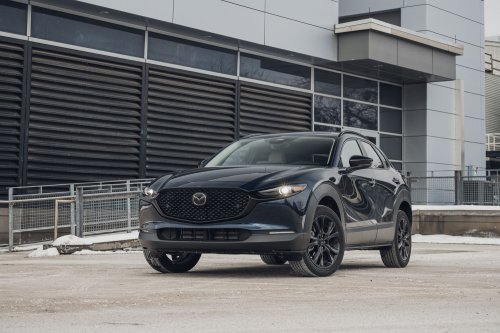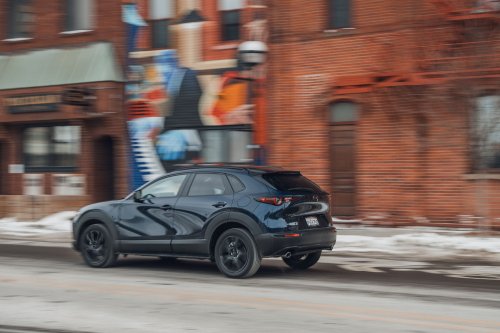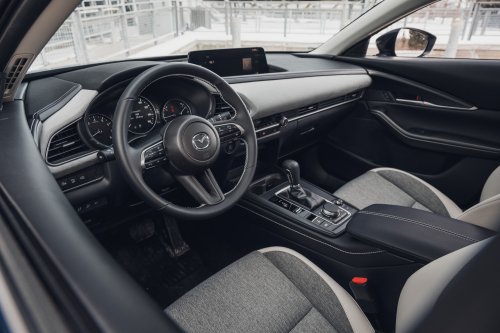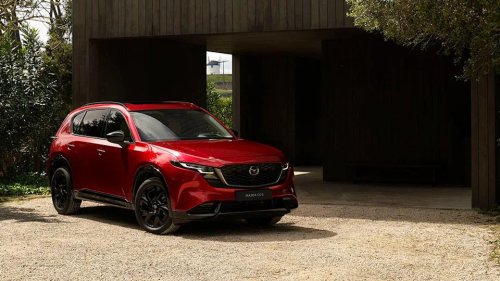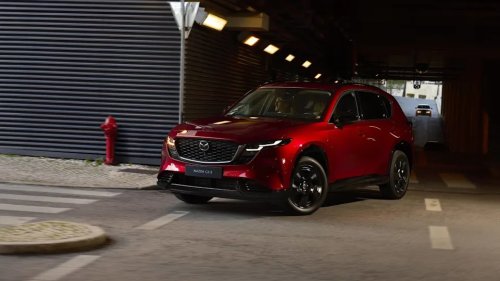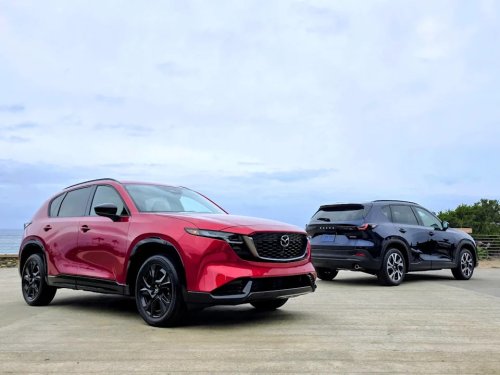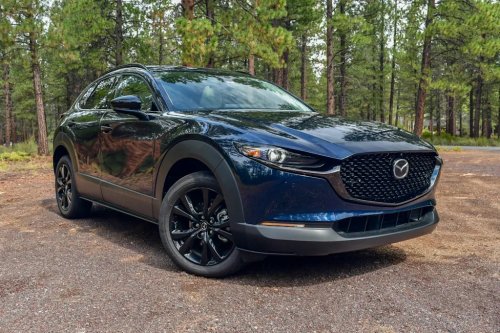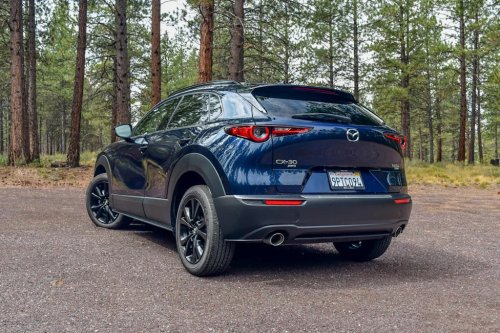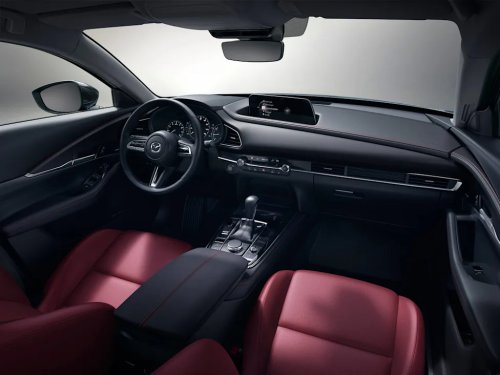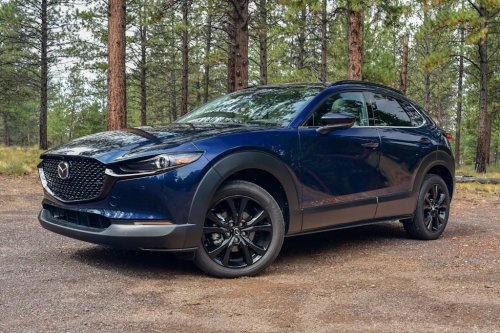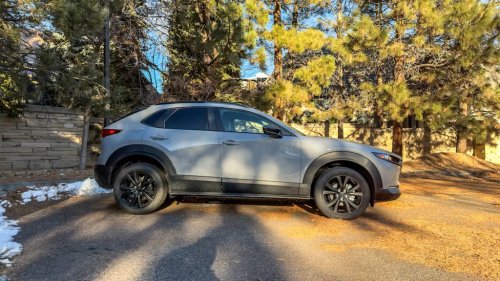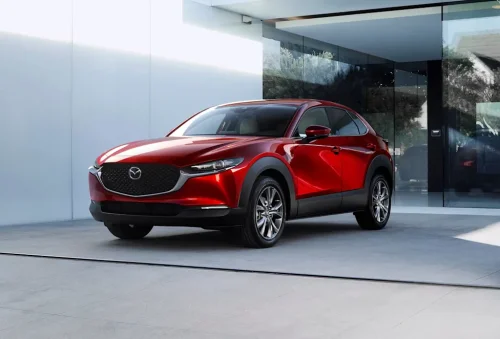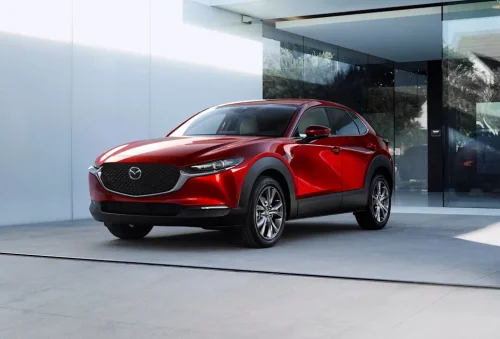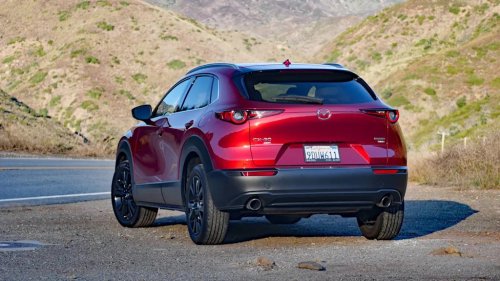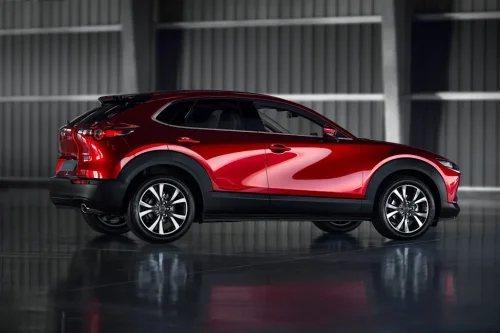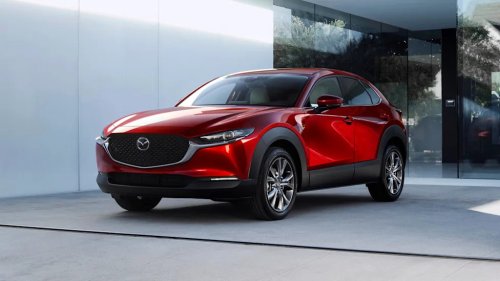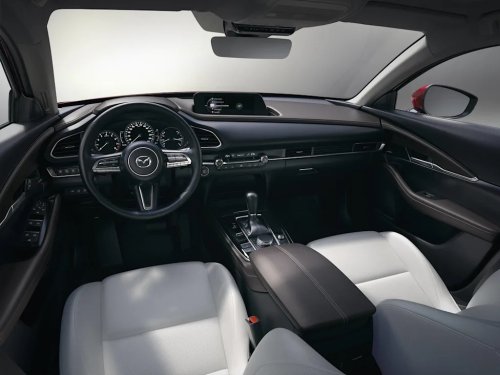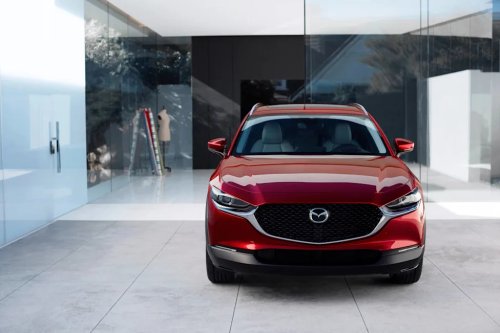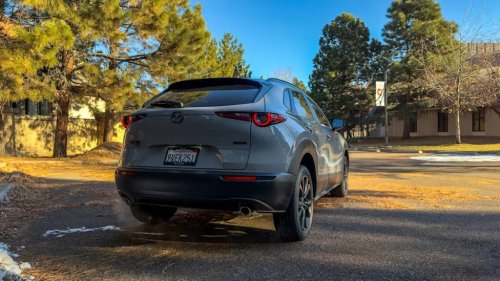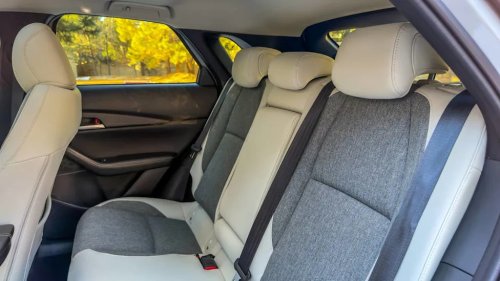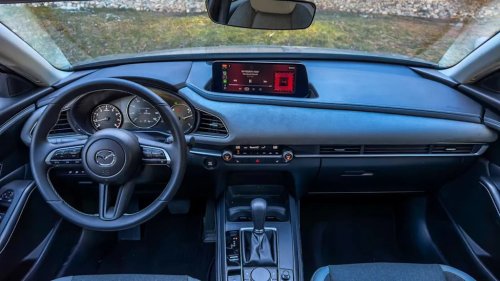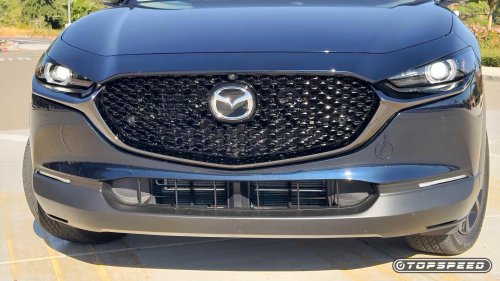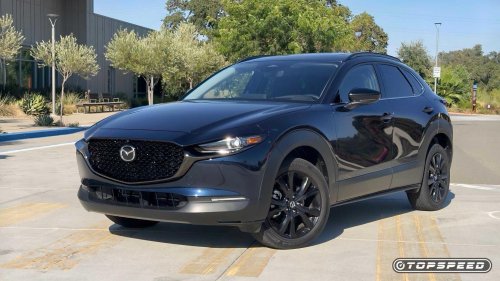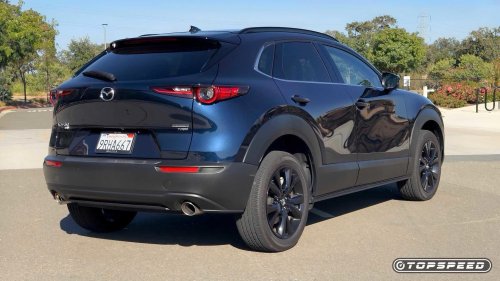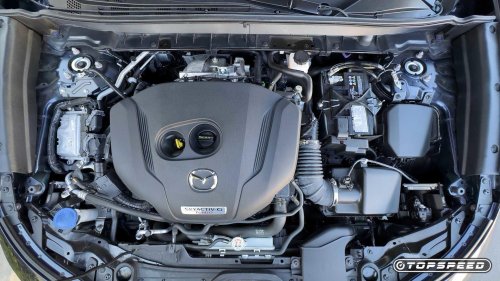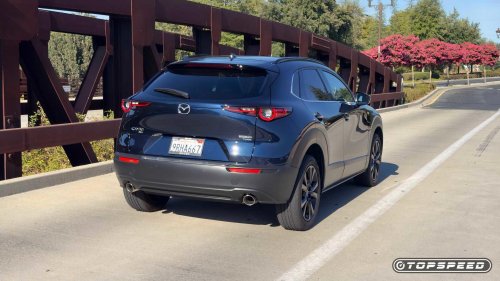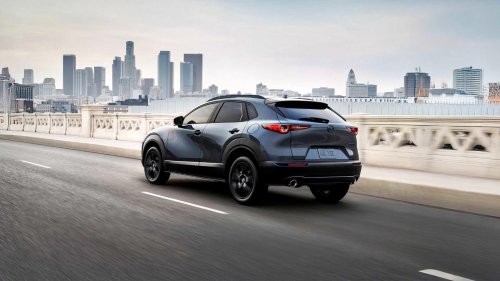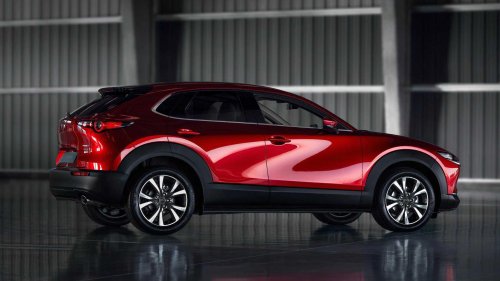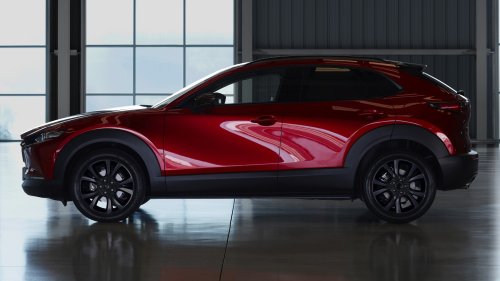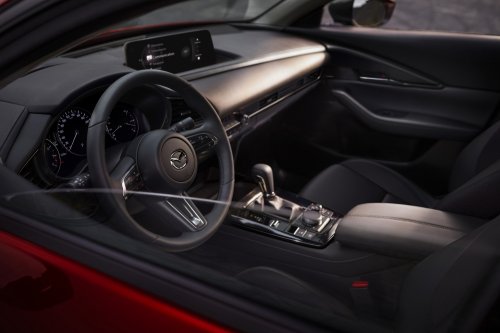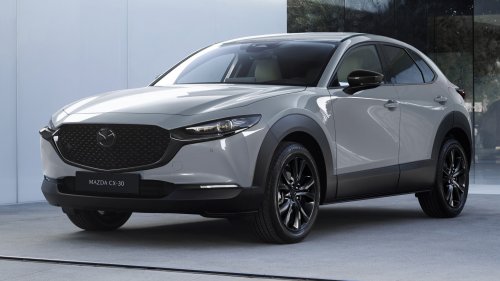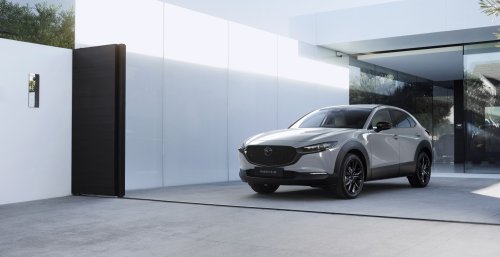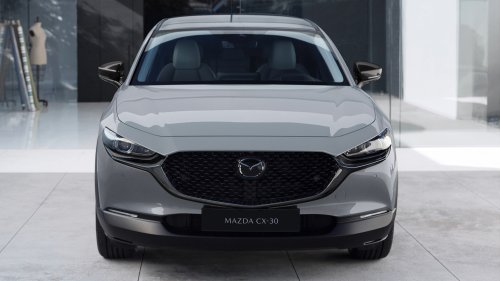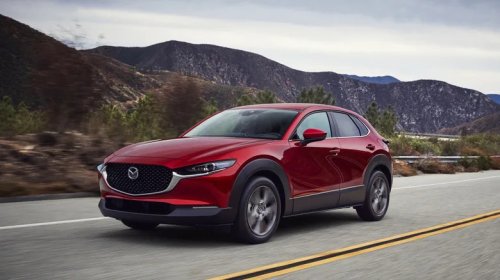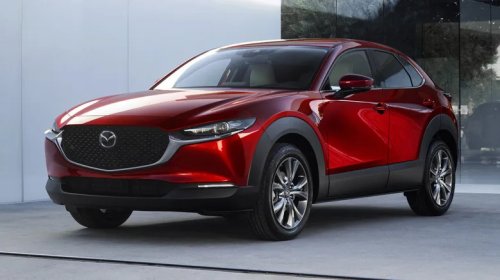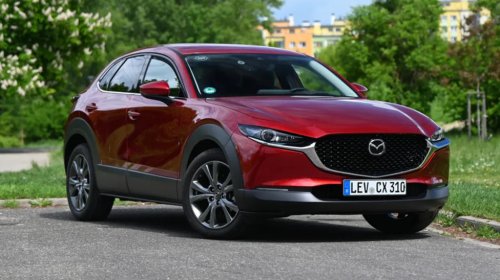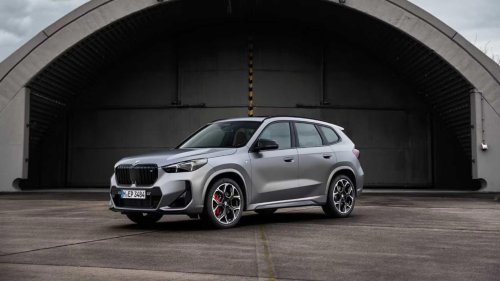
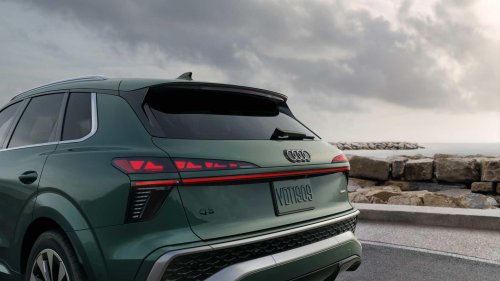
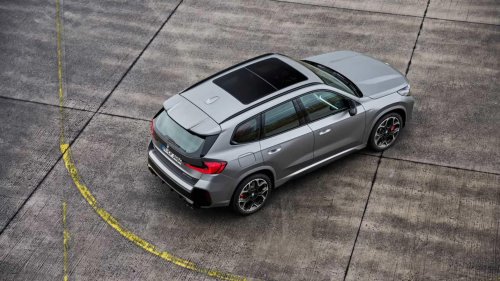
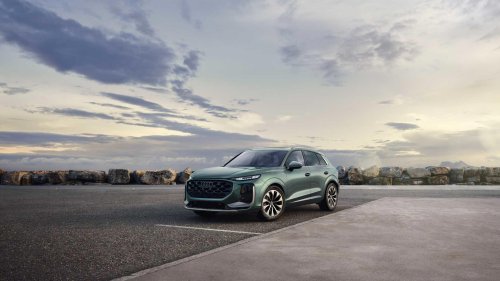
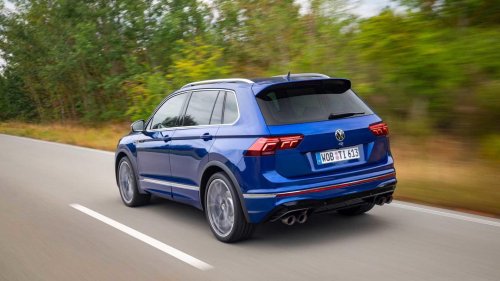
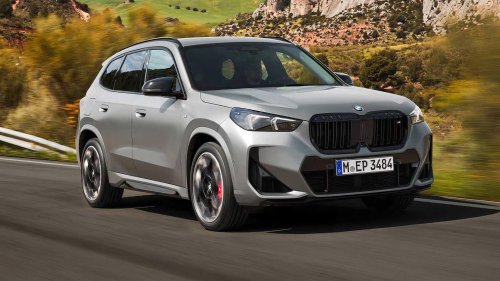
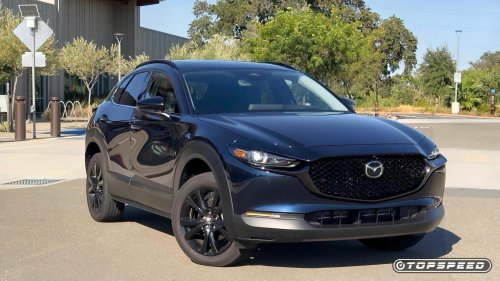
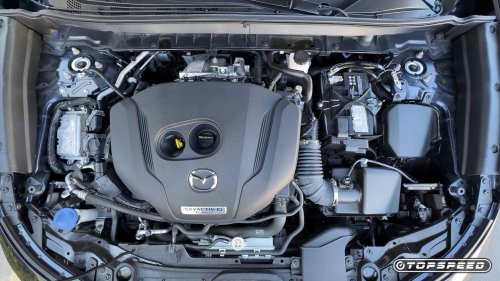
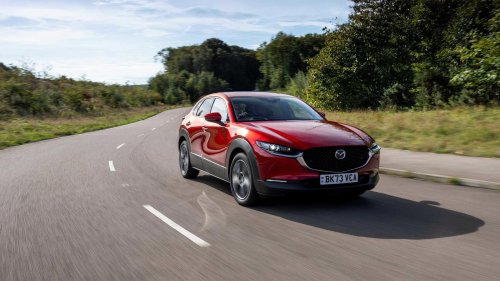
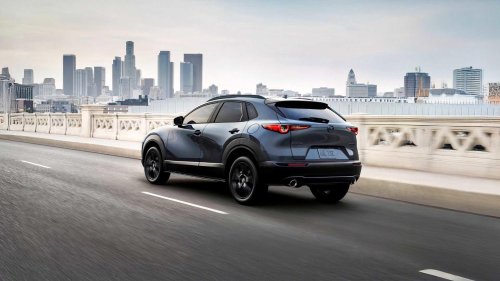
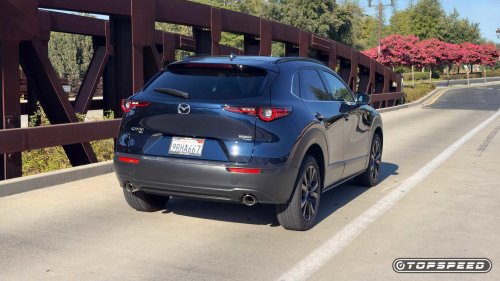
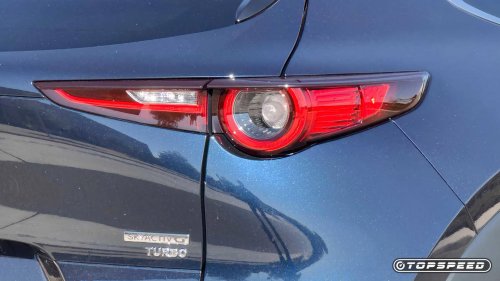



















At this point in the American automotive market, it is completely oversaturated with SUVs. There are so many choices that it can feel daunting, overstimulating, and altogether frustrating. If you want something that performs well on the road from a driving dynamic perspective as well, be prepared to drain your bank account. Not to fret, however, as the affordable SUV market has been quietly evolving to meet consumer needs.The other issue is the narrowing gap of differences between standard and luxury SUVs. This makes standard cars from Hyundai, Chevrolet, and the like exceedingly more expensive, while luxury cars lose their sheen. You can still find reasonably priced cars that offer everything you need and more, and we're going to let you know what that SUV is. The Problem With Paying More For Performance BMW The main belief, not only held by consumers but also by the majority of automakers, is that you have to pay a premium to get everything you want. German-engineered cars are usually the one-stop shop that will appease your dynamic driving desires. The Audi Q3 and the BMW X1 have long been benchmarks for the compact and subcompact segment, and while the price tag doesn't necessarily break the bank, it's still not what the average consumer is typically looking for in terms of pricing. That said, there are tons of alternatives to the BMW X1 that would scratch the itch. When Luxury Badges Stop Justifying Their Price Tags Audi The early 2000s into the 2010s were the last bastion of getting into a BMW, Audi, or Mercedes-Benz compact SUV that would deliver you the expected driving experience from something with a price tag of that prowess. Surprisingly, the Q3 and X1 don't make that much power in their base engines, with the Q3 sporting 255 horsepower and the X1 with 241 horsepower. Standard rivals, though, are now showing up with powertrains and options that are typically only optional on these German dreams for half the price. How The Affordable SUV Segment Is Closing The Gap BMW Of course, this shift isn't happenstance. Automakers have been deliberate in offering their customers a more premium experience for half the cost. They've focused on manufacturing vehicles that offer the same boisterous, turbocharged engines with poised suspensions that you can find in luxury rivals. For example, the Hyundai Santa Fe gives you 277 horsepower from its 2.5-liter four-cylinder, and the top ICE trim still comes in well below $50,000. What Actually Makes An SUV Fast Audi Horsepower isn't everything, actually. Torque is also an incredibly important number. It's what the actual rotational force an engine produces. It's quite literally what gets the tires moving, whereas horsepower just helps it determine the car's speed. A heavier SUV can have a bigger engine, but it can easily lose to a smaller SUV with a smaller engine because it's lighter. Not everything needs a big engine. Why Horsepower-To-Weight Ratio Beats Raw Numbers Volkswagen Horsepower-to-weight ratio is really important when it comes to sizing up an SUV (or any car, for that matter). A great example of this is the Volkswagen Tiguan R (available in Europe). It's crammed with a turbocharged 2.0-liter four-cylinder in the engine bay, but it makes an astonishing 315 horsepower, giving it zero to 60 MPH in just 4.9 seconds. By comparison, the Jeep Grand Cherokee has a 3.6-liter V6 that makes 293 horsepower and gets to 60 miles per hour in just under eight seconds. The Role Of Chassis Tuning And Driving Dynamics BMW There are so many dimensions of performance that you can't just count speed. Just because your SUV is fast doesn't mean it handles well. Tuning of the chassis makes something that goes well in a straight line all the better in a deep corner. Especially when it comes to an SUV, a lower center of gravity is key in making it a performer. That way, there's no noticeable body roll or a vague connection to the road. The CX-30 Turbo: Small Package, Big Punch Lyndon Conrad Bell | TopSpeed Everyone in the States loves an SUV; that much is clear. Everyone in the States really loves a compact SUV, and the automakers are happy to oblige. They offer a precision driving experience without the demand of a premium price tag. You can comfortably take it for a weekend with cargo space and legroom while getting better gas mileage than other SUVs. The Mazda CX-30 encompasses all of this in one small but mighty package. Small Car, Smaller Engine — Mighty Performance Lyndon Conrad Bell | TopSpeed While you can find this engine in practically every Mazda product on the market right now, it sits perfectly in this subcompact package. It squeezes every last drop of performance out of it thanks to its low center of gravity and sport tuning. 2026 Mazda CX-30 Turbo Performance Specs Corner Carving On A Budget Mazda Straight-line getaways can be fun, but they only tell half the story of a good performing vehicle (not just SUVs). Where the CX-30 really distinguishes itself from the competition is in how sharply it can take a corner and how deliberately the chassis is engineered to take such a beating.This little Mazda scoots when you punch its throttle. Even better, the CX-30 doesn’t have to surrender a lot of speed when approaching a corner. Accurate steering with good feedback, confident roadholding and resolute braking all harmonize to endow the little crossover with the road manners of a compact sports sedan.- Lyndon Conrad Bell, TopSpeed JournalistNew for 2026, the CX-30 comes standard with a limited-slip differential that further improves traction and stability. It is just as rewarding from a driving standpoint as anything else you'd expect. The CX-30 Vs. The Expensive Rivals MazdaAt this point, our argument against defaulting to a luxury SUV should be objectively clear. If it's not, we're happy to throw some price differences at you to really sweeten the incentive. The 2026 Mazda CX-30 Turbo starts around $34,410 for the Turbo Aire edition. The top-of-the-line Turbo Premium Plus starts at $37,900. The BMW X1 and the Audi Q3 start around $43,700 and $43,200, respectively, in comparison. You do the math. Head-To-Head: CX-30 Turbo Vs. Audi Q3 And BMW X1 Lyndon Conrad Bell | TopSpeed To continue this debate, let's look at the difference in powertrains. The 2026 Audi Q3 makes around 255 horsepower, and it achieves 60 miles per hour in 5.5 seconds, which is faster than the Mazda. The BMW X1 xDrive28i delivers 241 horsepower and has a zero-to-60 time of 6.2 seconds. Again, that is faster. The difference of two tenths of a second, however, is not something that you're really going to be able to feel, especially because we assume you'll be driving these daily, not tracking them. The Verdict Lyndon Conrad Bell | TopSpeed Of course, don't let us tell you what to do. If you want that extra tenth of a second and $10,000 more in MSRP for a more modern-looking and modern-feeling (from the interior, as you could argue, the Mazda's are outdated), then by all means, go for it! If you want something that you'll have just as much fun driving, and you don't really care about the badge (or you want to drive something more expensive-looking than it actually is), then the Mazda CX-30 is definitely one that you should not overlook.Sources: Mazda, Audi, BMW, Volkswagen