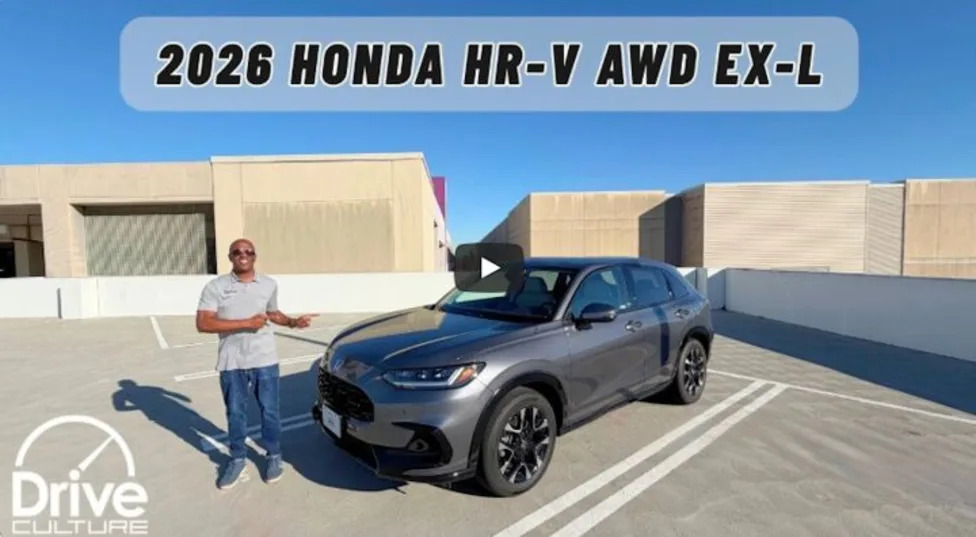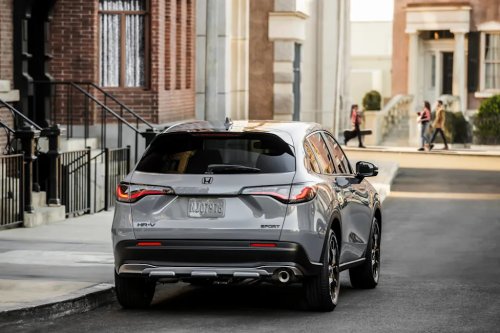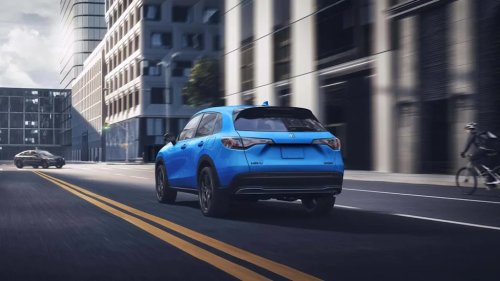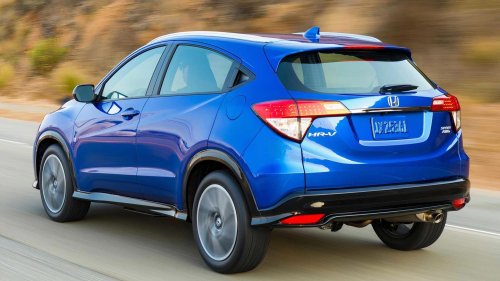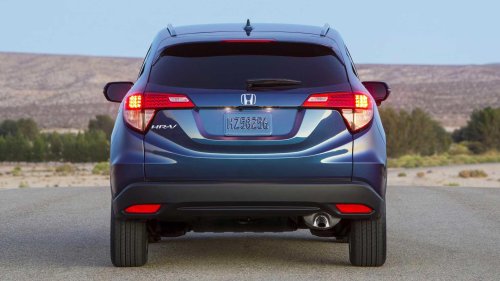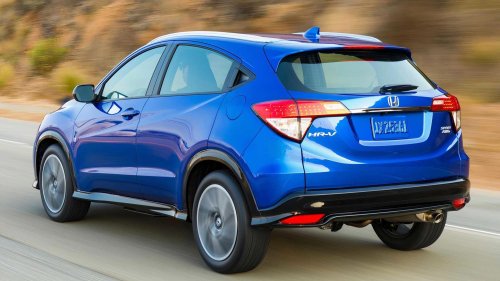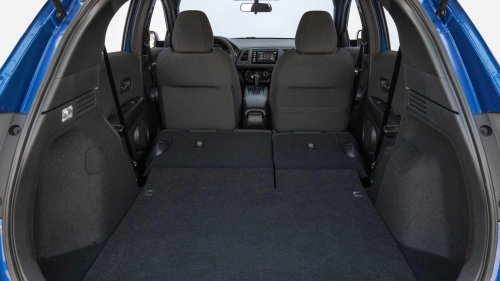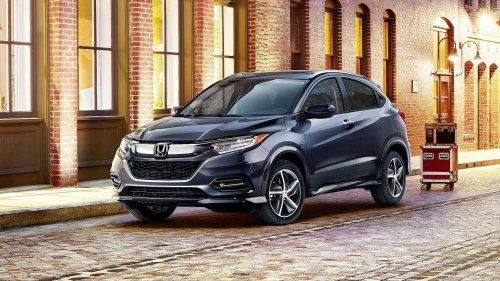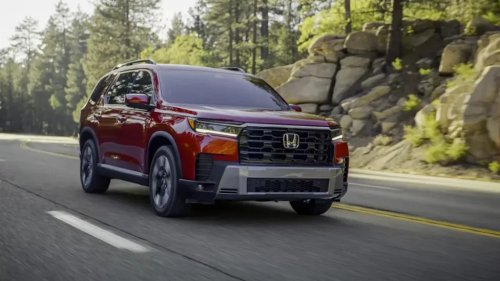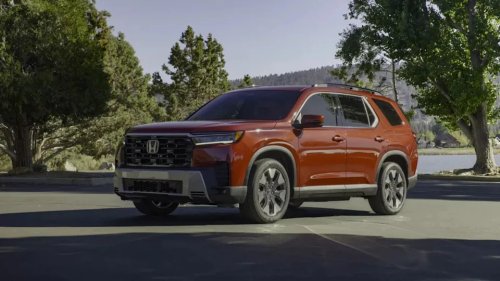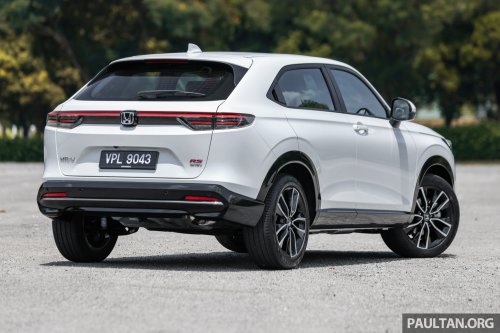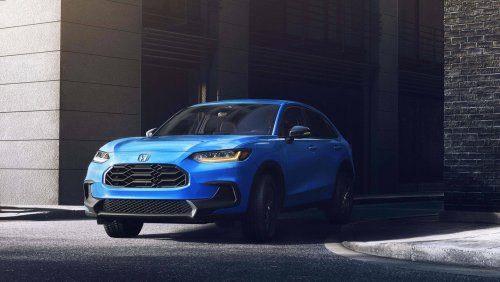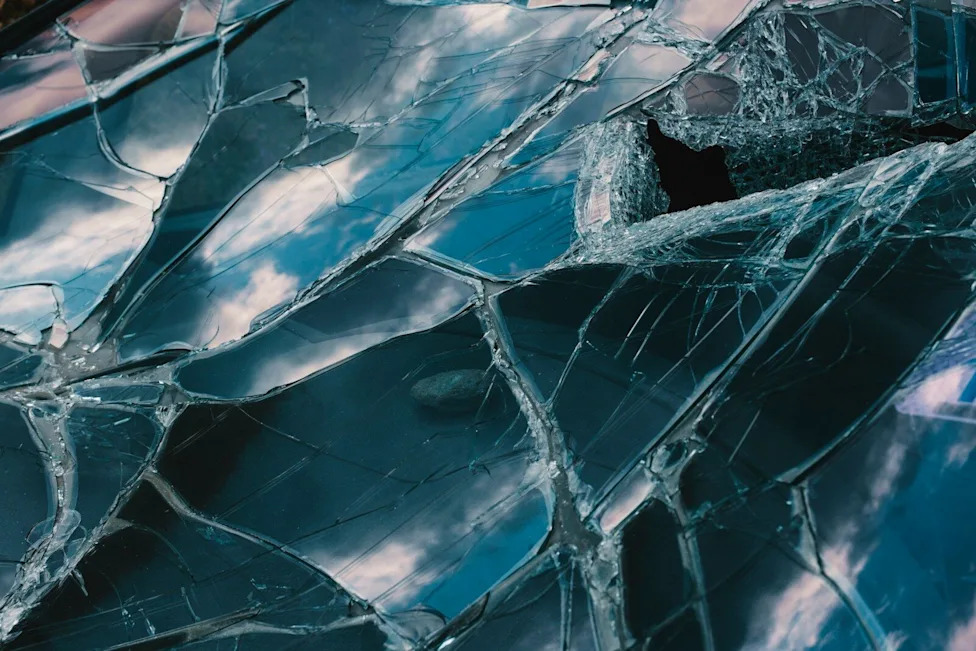



















The 2023 Honda HR-V's Rear Glass Keeps Exploding, and Honda Still Won't Call It a RecallHonda's 2023 HR-V has racked up 681 complaints in the federal government's public safety database, and going through them one by one reveals a startling pattern: nearly three out of every four describe the exact same part failing the exact same way. Owners describe a loud bang, a spray of pebbled glass across the cargo area, and a rear window that used to exist. No rock, no accident, no slammed tailgate. Just tempered glass calling it quits on its own.I pulled the raw complaint data straight from NHTSA's public complaints database rather than relying on anyone else's tally, and the math is hard to ignore. Of the 681 complaints filed against the 2023 HR-V, 521 explicitly use words like "shattered" or "exploded" to describe what happened to the rear glass. That's roughly 76 percent of everything owners have bothered to report to the government about this specific model year. For comparison, that ratio would be unusual even for a vehicle under a recognized safety recall, where complaints are typically split across a dozen different gripes. Here, the backglass problem doesn't just lead the pack. It basically is the pack.The complaints haven't slowed down with time, either. The most recent one in the database is dated July 11, 2026, three full years after the redesigned HR-V went on sale. Later model years show a dramatically smaller share of shattering reports: the 2024 HR-V has logged 107 total complaints with only 6 mentioning shattered glass, and 2025 and 2026 models show similarly low ratios. That points to Honda changing something on the assembly line, but whatever changed didn't retroactively fix the first-year trucklets already on the road.AdvertisementAdvertisementTempered glass is designed to do exactly what these owners are describing when it fails: it doesn't crack, it disintegrates almost instantly into a pile of small, rounded pebbles, because that's the entire point of tempering glass for occupant safety in a crash. The problem isn't that the glass shatters. That's the feature working as intended. The problem is what's triggering it to shatter with nobody around to cause an impact. Owners overwhelmingly report failures near the rear defroster, in cold weather, or shortly after using the defroster switch, which points toward a thermal stress issue at the spot where the glass bonds to the body.Honda's own paperwork backs that theory up. In a technical service bulletin filed with NHTSA, American Honda tells its dealers plainly what happened: during assembly, the urethane sealer used to bond the rear glass to the body made contact with the embedded defroster heating element on some vehicles. That contact point creates a localized hot spot, and repeated heating and cooling there is enough to fracture tempered glass that would otherwise sit there for years without issue. It isn't a rock. It isn't damage you can spot on a pre-purchase inspection. It's a manufacturing tolerance problem baked into the glass before the car ever left the factory.Here's the part that should actually bother HR-V owners: this never became a recall. NHTSA's own recall database lists exactly three safety recalls tied to the 2023 HR-V, covering a seat belt pretensioner missing a rivet, a fuel pump campaign shared across several Honda models, and a steering-related campaign. None of them touch the rear glass. Instead, Honda handled the shattering problem through a July 2024 dealer bulletin it labeled a voluntary product update, a category of repair campaign that sits entirely outside the legal machinery of the National Traffic and Motor Vehicle Safety Act. There was no public press release, no NHTSA-tracked completion rate, and no mailer that shows up when a future buyer runs a VIN through a standard recall check.It's the same regulatory gray area other automakers lean on when a problem doesn't clearly cross the line into an unreasonable safety risk. Land Rover recently used a stop-sale rather than a recall to freeze deliveries of the Defender, Discovery, and Range Rover over an unresolved airbag question, and NHTSA typically only forces the issue after the fact, the way it's currently doing with its investigation into the Tesla that plowed into a Texas home. Manufacturers get real latitude to make the first call on whether a defect is safety-related, and that latitude is exactly what keeps a problem like this one out of the recall system.AdvertisementAdvertisementThat distinction is not just semantics. A federally logged safety recall has to be free for the life of the vehicle regardless of who owns it, comes with mandatory owner notification timelines, and gets tracked by NHTSA until the repair rate is reported. A product update is a goodwill gesture Honda gets to define, limit to a specific VIN range, and close out on its own schedule. If you're shopping for a used 2023 HR-V, the standard NHTSA VIN lookup that most buyers rely on to check for open recalls will come back clean on this issue even if the rear glass has never been inspected. The move is to call Honda's campaign center directly at 1-888-234-2138 and have the dealer check the VIN against the July 2024 product update, because it won't turn up anywhere else.If your rear glass lets go while you're driving, don't assume you're stuck paying for it out of pocket. Comprehensive coverage, not collision, is what typically pays out for a shattered window with no impact involved, and some states waive the deductible entirely for glass claims. Coverage details vary enough by insurer and state that it's worth an actual conversation with your agent rather than a guess, especially if you're weighing whether a higher-deductible policy still makes sense for a car with a known glass problem.Whatever allowed sealant to migrate onto a live heating element for an entire model year, the bigger takeaway is how little visibility car buyers actually have into problems automakers choose to handle quietly. The HR-V's rear glass isn't an isolated fluke. It's a clear look at how much daylight exists between a recall and everything else automakers call instead, and why that gap is worth understanding before you're the one standing in a parking lot staring at a hole where your back window used to be.