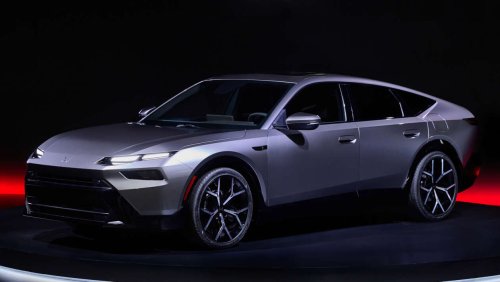
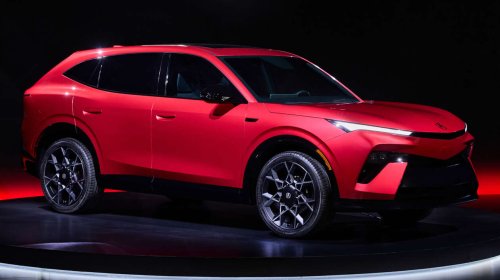
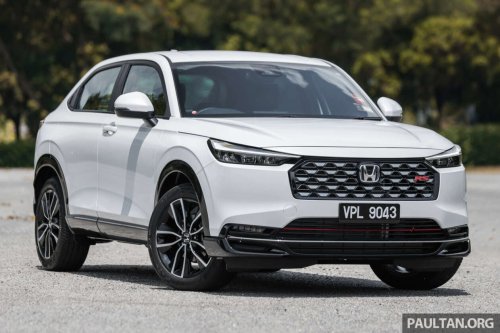
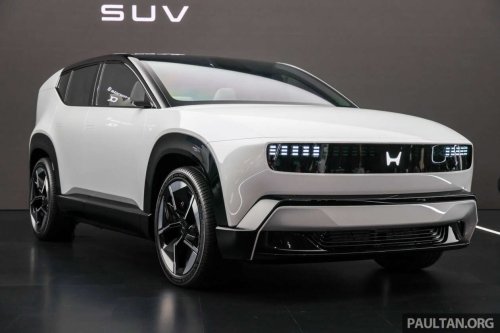
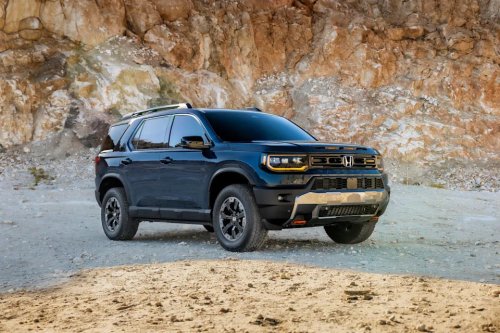
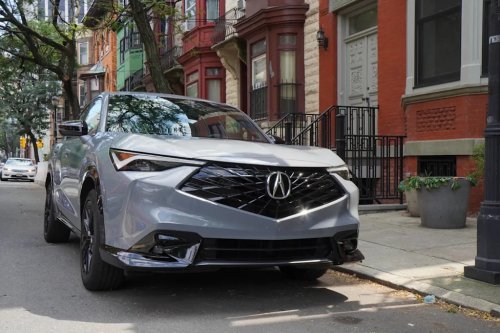
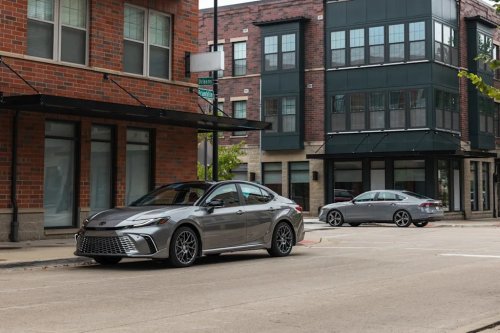
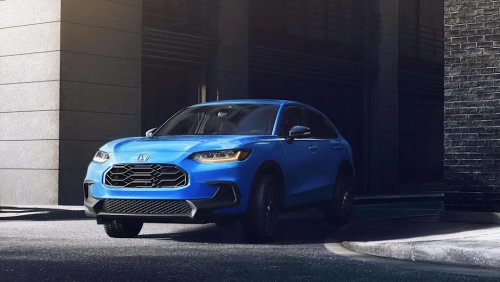
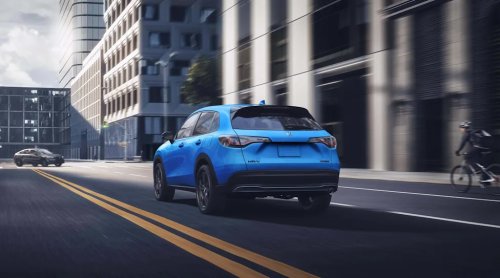
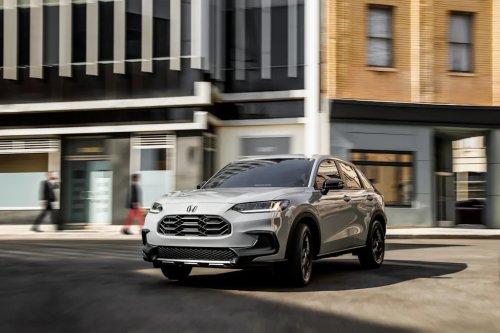
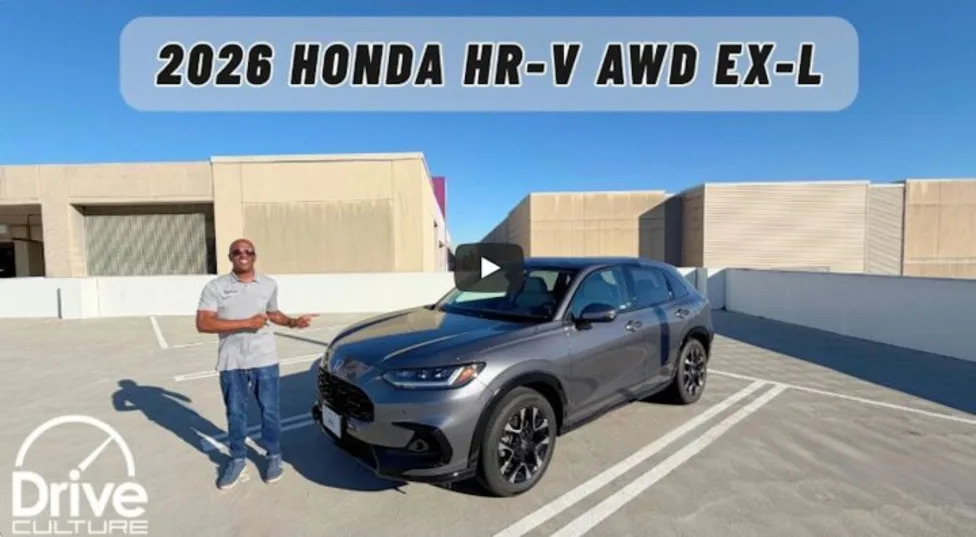
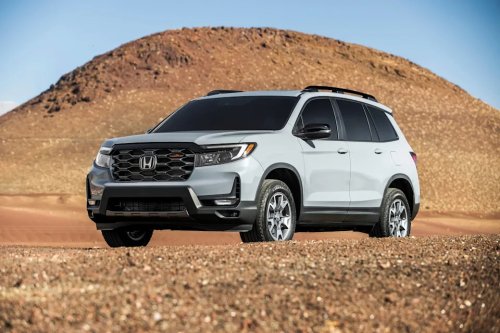
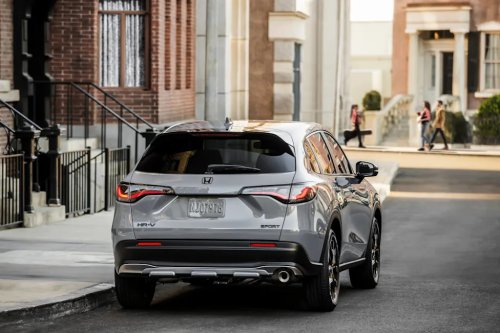
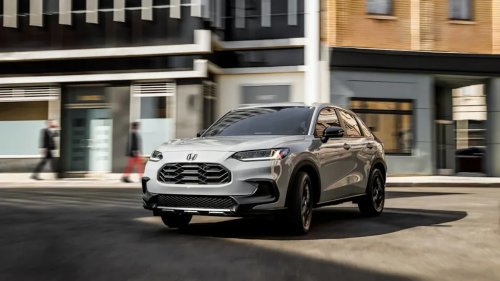
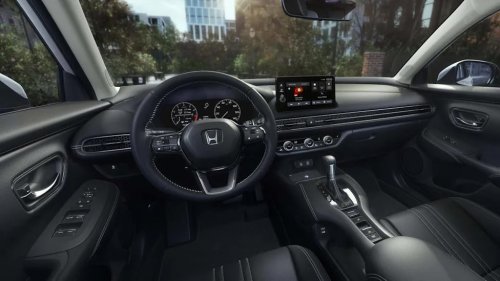
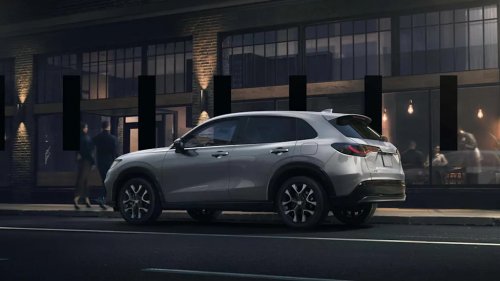
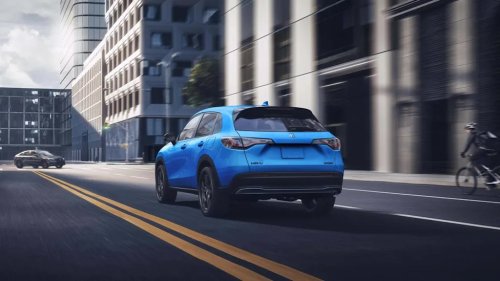
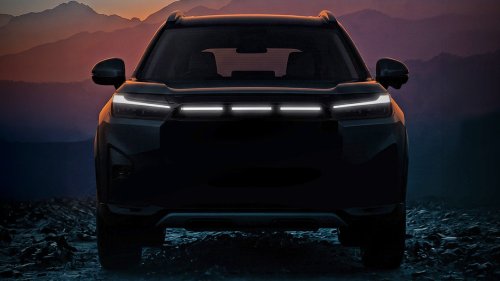
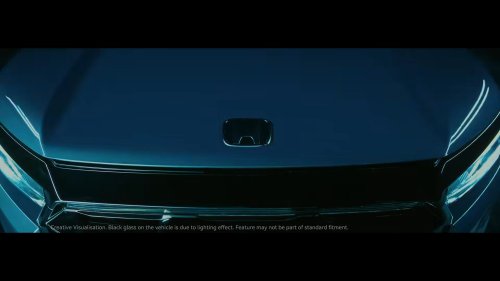
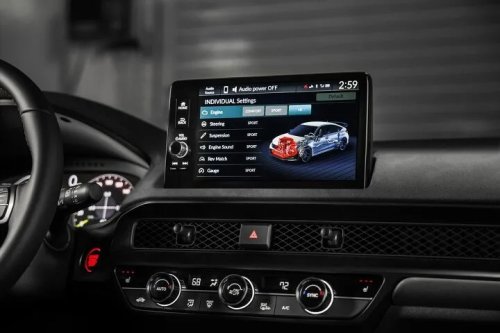
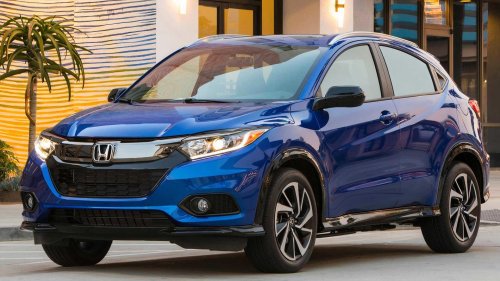
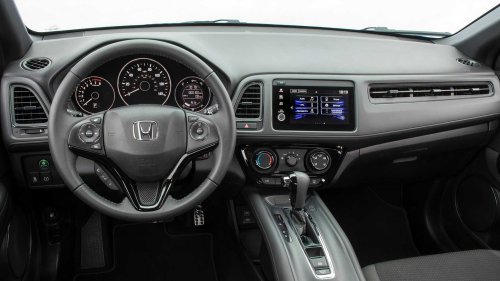
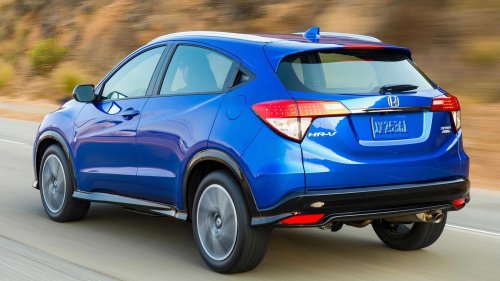
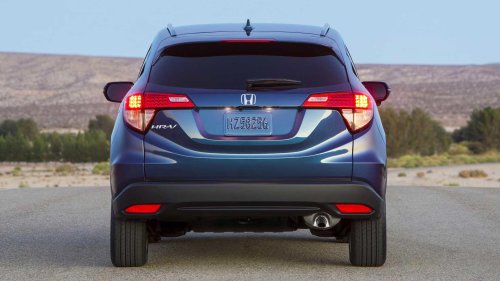
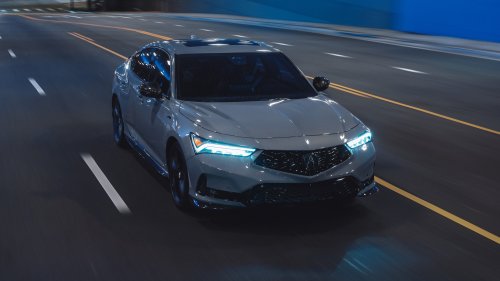
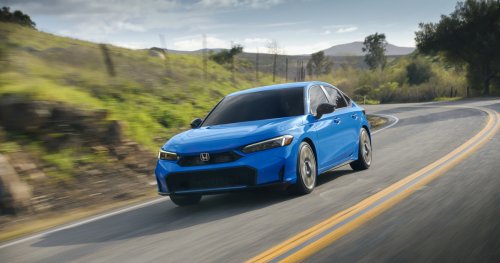
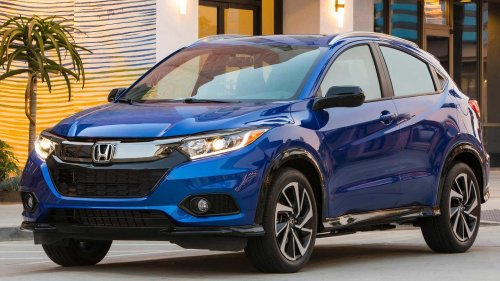
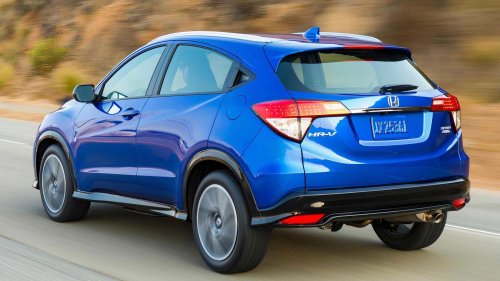
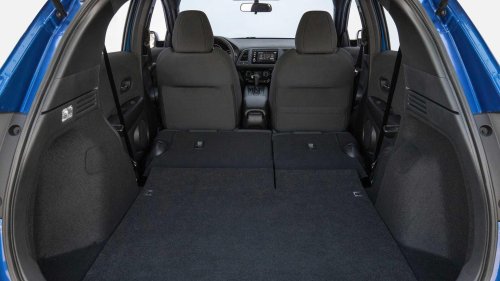
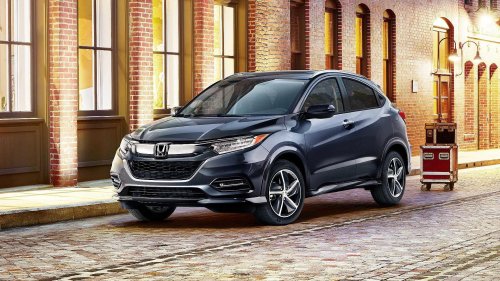
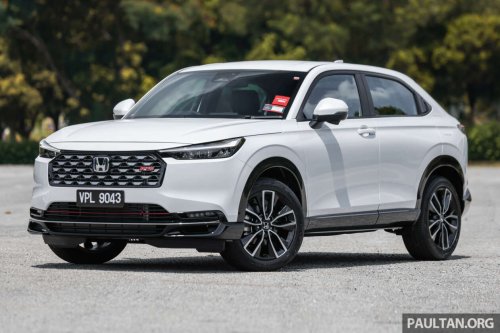
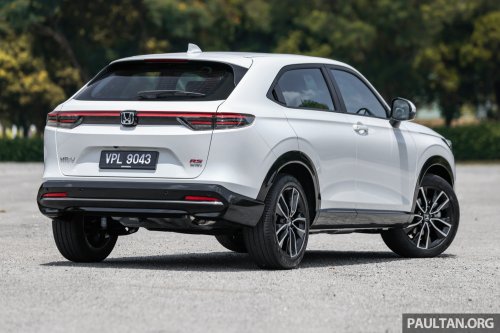
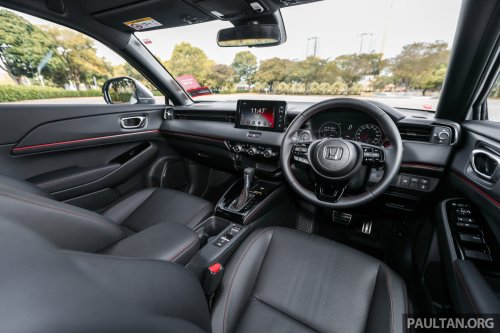
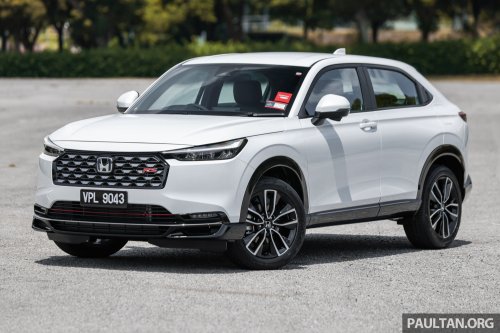
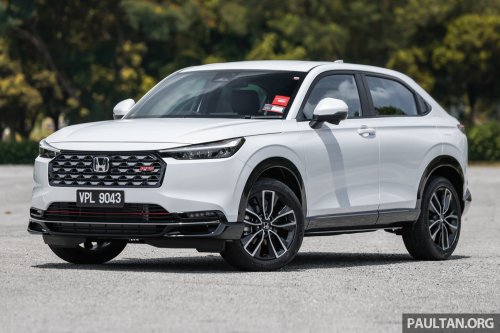
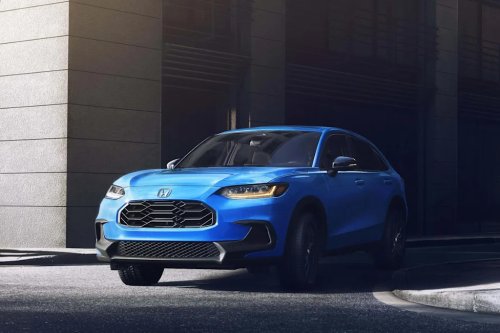
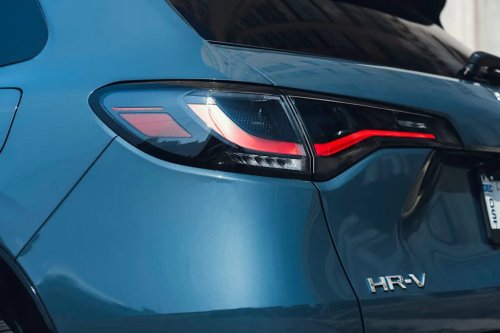
Honda is talking quite a big game for a carmaker reeling from a massive EV fiasco. At its business briefing in Japan today, the company revealed its three-year rebuilding plan that aims to turn around what was its first annual loss in its 70-year history to record profits by 2029. Instrumental to its revival is the funnelling of investments previously earmarked for EVs towards hybrid vehicles that are currently in demand. A total of 15 such models are set to be launched between 2027 to 2029, primarily in their priority market, the US. There, Honda will introduce D-segment and larger hybrid cars from 2029 onwards. One of these new models was shown off today in the form of the Hybrid Sedan Prototype, a sleek fastback four-door that will go on sale in the next two years. It sports the new H logo as well as in-vogue split headlights with quad eyebrow-style daytime running lights, a large trapezoidal lower grille, flush pull-up door handles and a sloping roofline that stretches all the way to the back. The car was displayed next to the Acura Hybrid SUV Prototype that aims to rejuvenate Honda’s premium brand in the US. While being the focus of the plan, North America won’t be the sole benefactor of all the new cars, with Japan also set to gain the N-Box EV next year to join the N-Van and N-One e:. Honda has also confirmed that an all-new HR-V (badged as the Vezel in Japan) will be launched in 2028, featuring the next generation of the firm’s hybrid powertrain and advanced driver assistance systems (ADAS). Acura Hybrid SUV Prototype In India, Honda will debut new “strategic” models starting in 2028, in both the country’s popular sub-four-metre segment and the mid-size market. The cars are part of the company’s push to upsell customers from its motorcycle arm, which sells nearly six million two-wheelers in the South Asian country annually. All these new models will benefit from Honda’s “Triple Half” that aims to halve development costs, timeframes and workload compared to 2025 levels. The company will cut costs by using standardised parts and reassessing its in-house standards, taking a leaf out of the playbooks of its Chinese and Indian rivals. This will go hand-in-hand with shorter development lead times, starting with minor model changes (facelifts) this year and full model changes from 2028 onwards. Honda also plans to improve production efficiency over the next five years by more efficiently allocating resource investments in new models and equipment. Honda is also striving to reduce costs on its next-generation hybrids by more than 30% compared to its current e:HEV system introduced in 2023. This is despite the company targeting a ten per cent fuel economy improvement with this powertrain, in combination with its next-gen platform and electric all-wheel drive. The next-generation HR-V will be revealed in 2028 The HR-V’s next-gen ADAS features are also set to be introduced in 2028, with 15 models set to gain the system over the next five years. Meanwhile, the Asimo OS infotainment system originally slated to debut on the now-cancelled 0 Series of EVs will instead make its way to hybrid models. More flexible and strategic resource utilisation will extend to relying on external suppliers, with Honda pausing in-house battery production and instead retooling L-H Battery – its EV battery joint venture with LG in Ohio – to build hybrid batteries. In China, the company will leverage its partnerships with local carmakers and build new energy vehicles (NEVs) on their platforms, similar to what Nissan is doing. The turnaround plan will benefit from the restructuring announced in February, with Honda’s R&D division reabsorbing the Automobile Development Operations and the Automobile Operations units that were spun off in 2020. This creates better integration, enabling the company to more quickly respond to changing market conditions. It also discontinued the development of software-defined vehicles (SDVs), with the changes having taken effect on April 1. The cancellation of the 0 Series EVs resulted in Honda’s first-ever annual loss These changes were needed given the quagmire Honda found itself after cancelling its 0 Series EVs in March, just months before the cars were due to launch in the US. The decision was made in response to unfavourable US tariffs and the decline in the company’s competitiveness in Asia; nevertheless, the need to draw down its EV investments resulted in an annual loss of 414.3 billion yen (RM10.3 billion) in the preceding financial year ending March 31. With this revamp, Honda aims to resolve its EV-related losses within the 2028 financial year, aiming to post record operating profits of over 1.4 trillion yen (RM34.8 billion) come March 31, 2029. It is also working on returning to its long-standing return on invested capital (ROIC) target of 10% by 2031. Despite the dramatic scaling back of its EV ambitions, Honda has not turned its back on these vehicles, pledging to invest a maximum of 800 billion yen (RM19.9 billion) on a “highly-competitive EV hardware platform” and solid-state batteries to be ready for demand when it eventually resurfaces. This investment, however, will be dwarfed by the one trillion yen (RM24.9 billion) it is putting into software technologies and a whopping 4.4 trillion yen (RM62 billion) into petrol and hybrid vehicles Looking to sell your car? Sell it with Carro. Compare prices between different insurer providers to save the most on your car insurance renewal compared to other competing services. Many payment method supported and you can pay with instalment using Atome, Grab PayLater or Shopee SPayLater. Use the promo code 'PAULTAN' when you checkout for 10% discount!