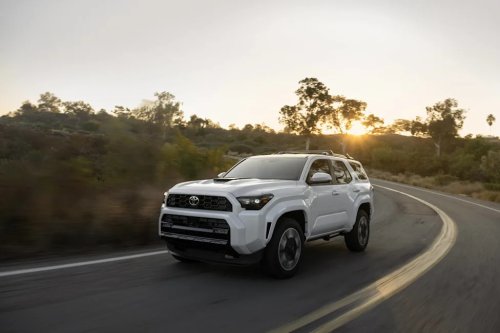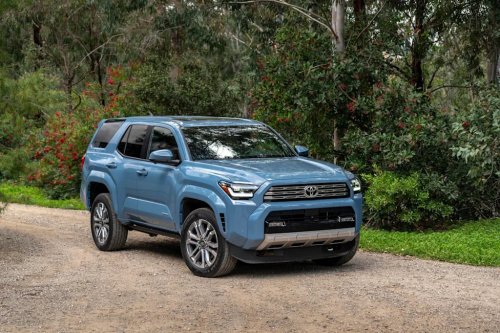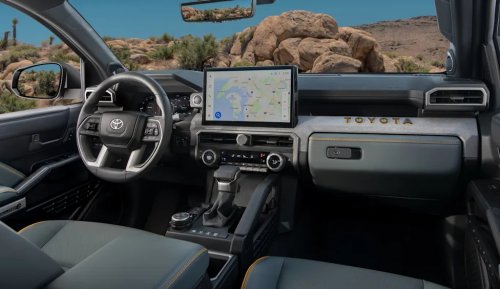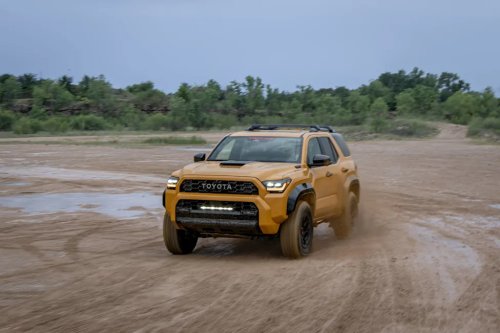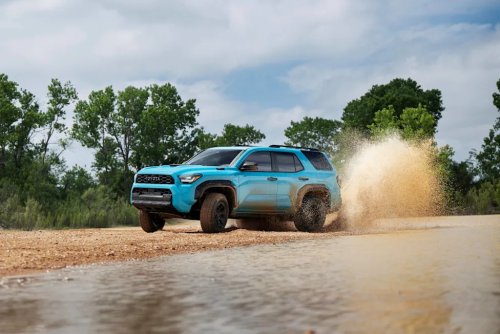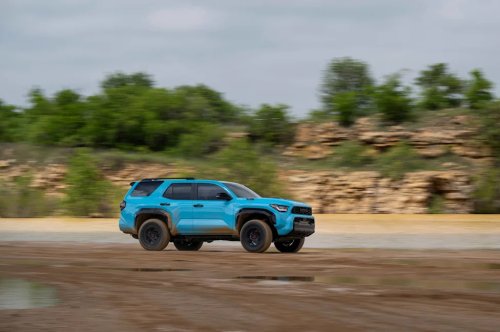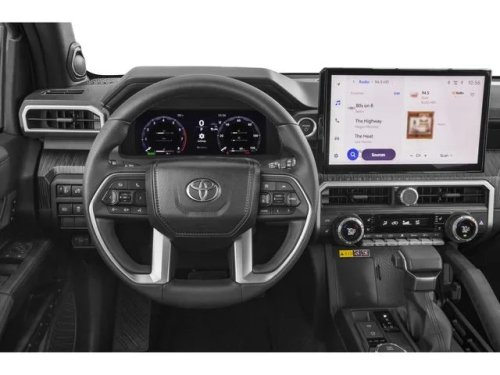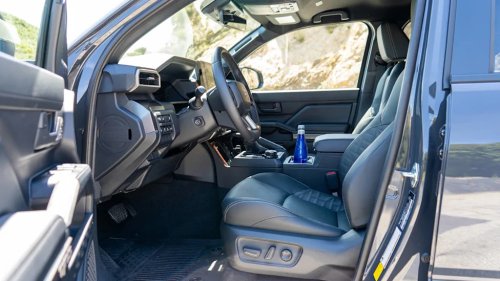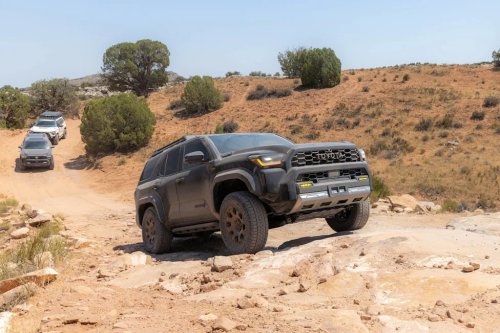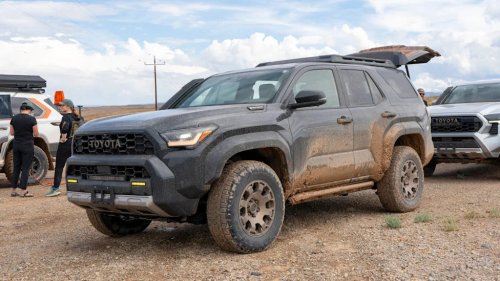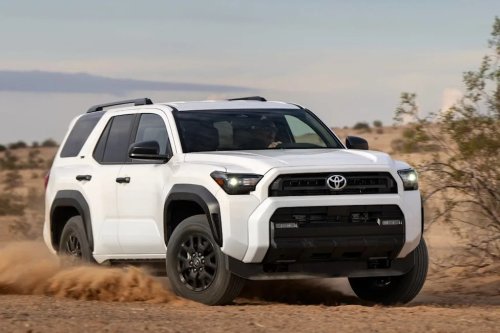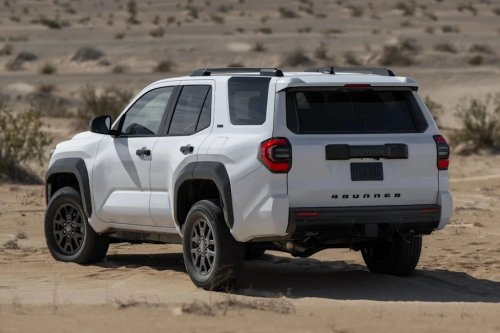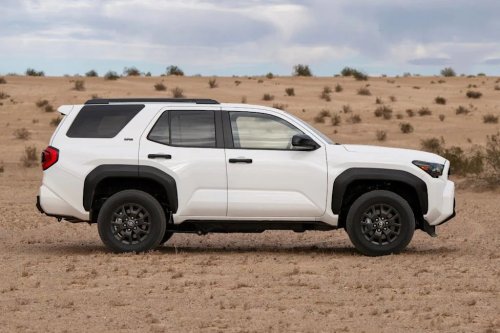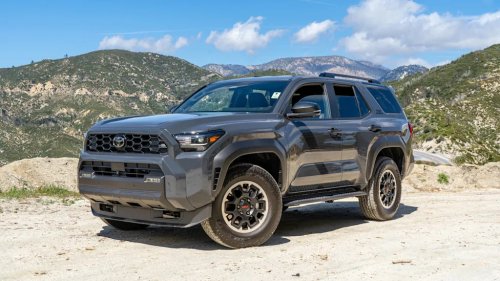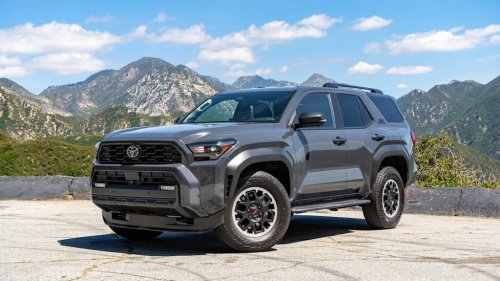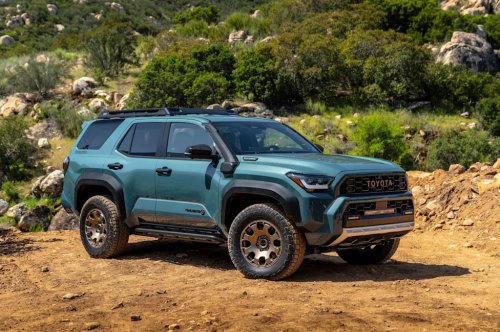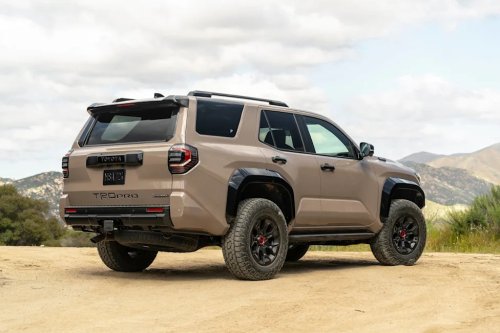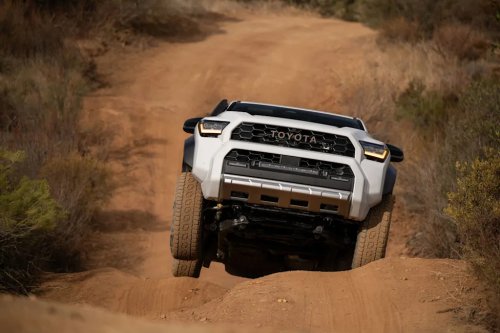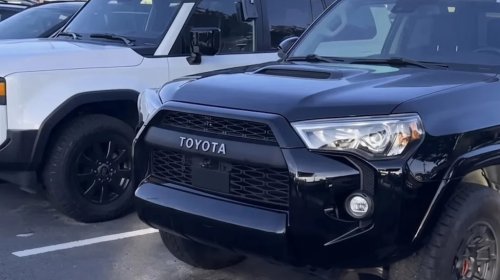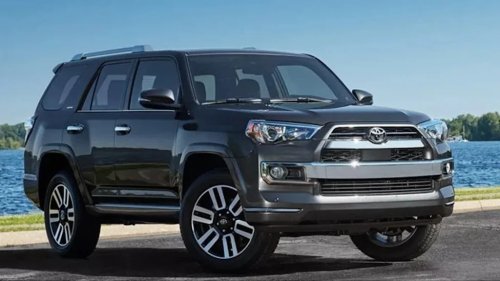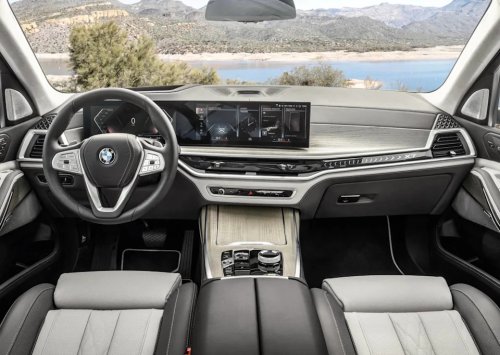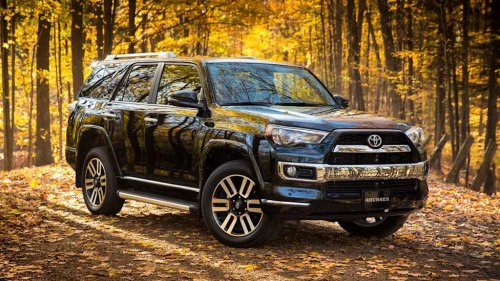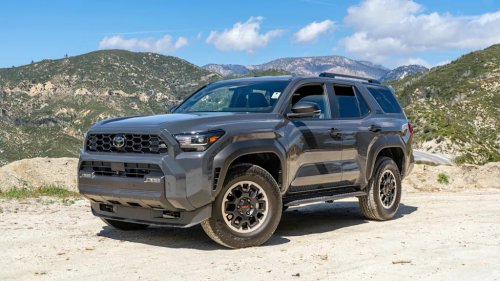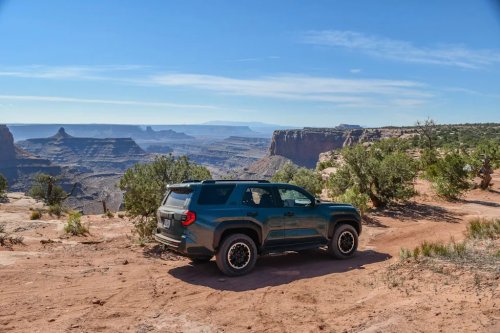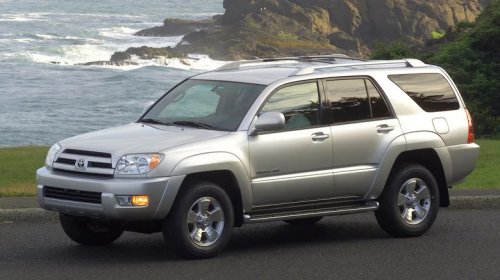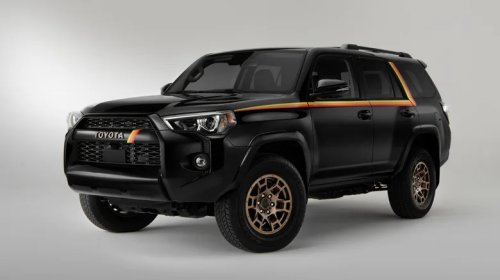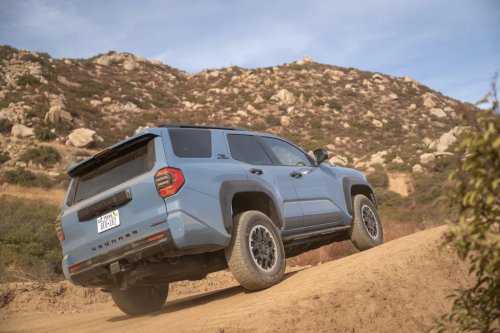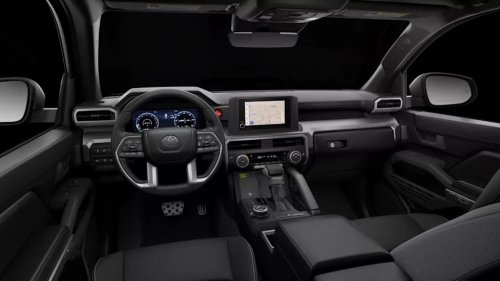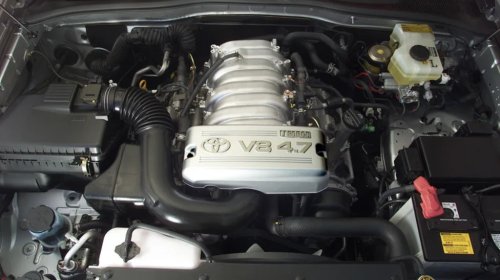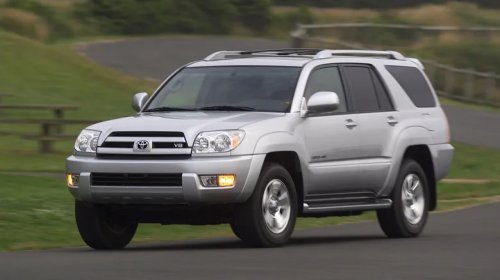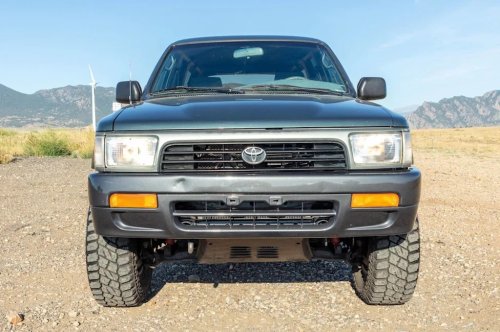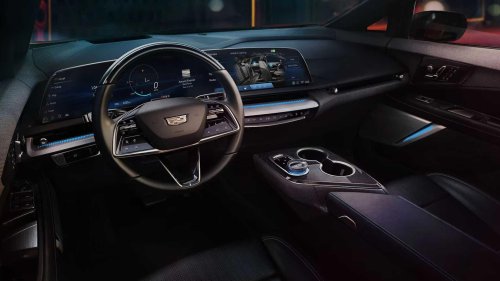
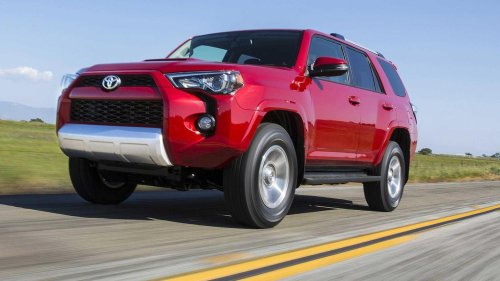
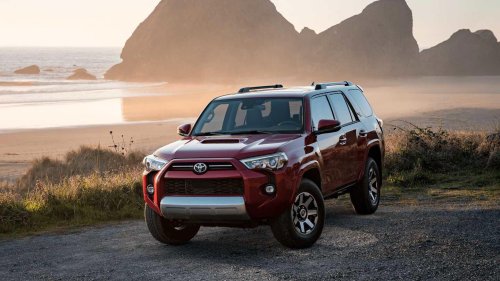
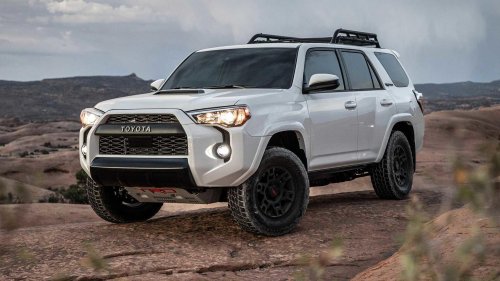



















SUVs in 2026 are many things. They are family haulers, off-roaders, and everything in between, but one thing that SUVs are not is simple compared to what they were 10 to 20 years ago. The SUV was the utilitarian workhorse, valued for its practicality and reliability.The SUVs today are expensive to buy and even more expensive to own, and depreciation hits like a brick. The SUV's appeal has somewhat diminished over the years.The simple, naturally aspirated (NA) engines have evolved into turbo-hybrids and dual-clutch transmissions, which have become more intricate. A simple, robust chassis is not enough these days. SUVs not only have to be rugged workhorses, but also make a luxury statement. By modern standards, cars back then seemed easier to own and maintain. Just twist the keys and go. Have SUVs Become Less Reliable Over Time? Cadillac In today's efficiency-driven market, manufacturers had to downsize the engines to six-cylinder turbocharged units to meet emission standards. These high-strung engines have low tolerances and run under more stress than a NA engine. These engines produce more thermal heat, which can lead to failure points. And the new complex hybrid systems run on high-voltage batteries and cables, which require specialized tools to work on and can't be repaired in your home garage.A simple rotary dial to adjust the air conditioning is also no longer found on the dashboard. With a hundred settings from radio to suspension and engine modes, if these screens were to break, the car would be a hassle to function. Almost everything is integrated into the screens. Large screens dominate dashboards today, with a plethora of electronics to monitor all the autonomous driving modes. Their radars, sensors, and LiDARs are nothing short of technological marvels.Again, these complex systems require a lot of money to repair should anything go wrong. These sensitive systems define the SUV in 2026, not just its off-road capabilities. With all these advancements in SUVs, it makes you wonder whether an SUV today can go 100k miles without breaking down, given that the complexities have increased over the years. The 5th Gen Toyota 4Runner: The SUV That Kept On Going Via: Toyota One SUV got it right 15 years ago. In 2010, Toyota launched the 5th-generation 4Runner, built on a body-on-frame chassis and powered by a naturally aspirated V6 with a five-speed automatic transmission. The interior was spacious and comfortable. Toyota made the car with one aim in mind: longevity. It features a locking differential in the four-wheel drive model. An inline-four engine was available just for the first model year. The interiors were minimal compared to those of today's cars, with simple rotary dials to control the radio and air conditioning. All that, paired with Toyota's reliability, made it a very popular choice.One of the key reasons the 4Runner remained so popular through the decade is the fairly hassle-free upkeep. Due to the car's relatively simple nature, regular checkups and oil changes are enough to keep the 4Runner running. Since small repairs won't break the bank, the engine requires only yearly maintenance to keep running well. Parts are available throughout the country. There is never a feeling of being stranded.Examples of the 4Runner running at 100k miles are not uncommon. J.D. Power has rated the 4Runner 82 out of 100 in the consumer ratings list and ranked it 4th among upper-mid-size SUVs in 2024. Owners frequently share their experience with the SUV on forums. A user on Reddit said, "Yes, the pre-facelift model! My favorite! I only have 178,000 miles, so I can keep my 2011 for about 30 more years before I get to 500,000 miles." Another user said, “I finally hit 330,000 miles this week. Still going strong.” Specifications The Platform Of The 4Runner Via: Toyota Toyota later introduced TRD Pro models, which came with a TRD-tuned Fox suspension for improved off-road performance. And in 2019, Toyota added Apple CarPlay and Android Auto, fitted with a bigger screen. To increase the convenience for the users. These were welcome updates to an aging car. Due to the car's solid build, it is not uncommon to find modified examples for various purposes. The 4Runner has been modified for overlanding, hill climbing, and desert adventures. The frame, being robust, can take on the beating.Owners have added big tires, lifted kits, and custom suspension setups, but it still goes on for miles. As aftermarket support for this SUV is well-established, there are still stock examples used for daily commutes. The 4Runner can do both extremes very well. The 4Runner does have its share of issues; the chassis is prone to rust in the country's salt belt. The serpentine belt tends to snap, but with regular maintenance, the issues can be easily mitigated.These modifications are possible due to the 4Runner's body-on-frame construction. SUVs today are unibody monocoque structures that cannot withstand these upgrades. The chassis flex helps with these modifications. A solid rear axle paired with the Kinetic Dynamic Suspension System (KDSS) makes it a dependable yet simple and effective solution for tackling terrain. Resale Value Over The Years Via: www.motortrendenespanol.com The 4Runner has always been in demand throughout its 14-year run. It sold around 92,000 units in its last model year, despite being “ancient” compared to modern rivals, and reached a total of 1.5 million sales over its lifespan. The average sales price of the 4Runner has been $42,752 according to Classic.com. The 4Runner has always been a trustworthy SUV, and the numbers back it up. Used examples with more than 100,000 miles can be seen on the used market as well, with prices ranging from $15,000 to $25,000, which is a good premium for a car that is almost 15 years old.Sources: Toyota Global, Classic.com, Mecum, Reddit