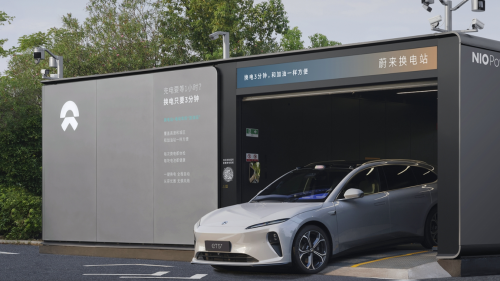
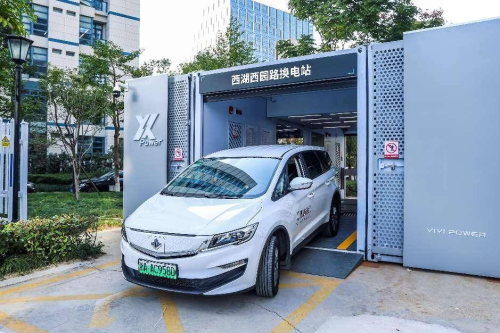
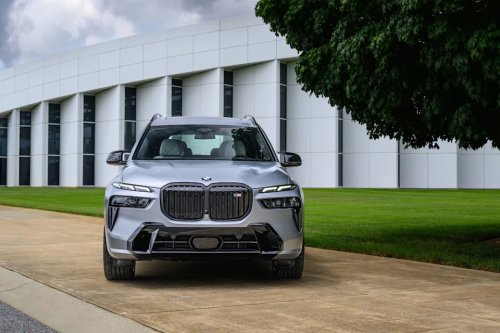
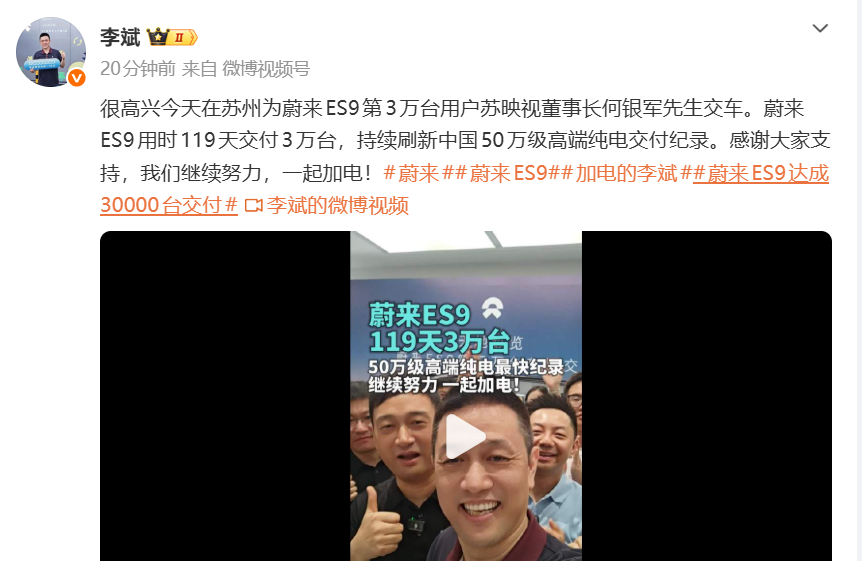
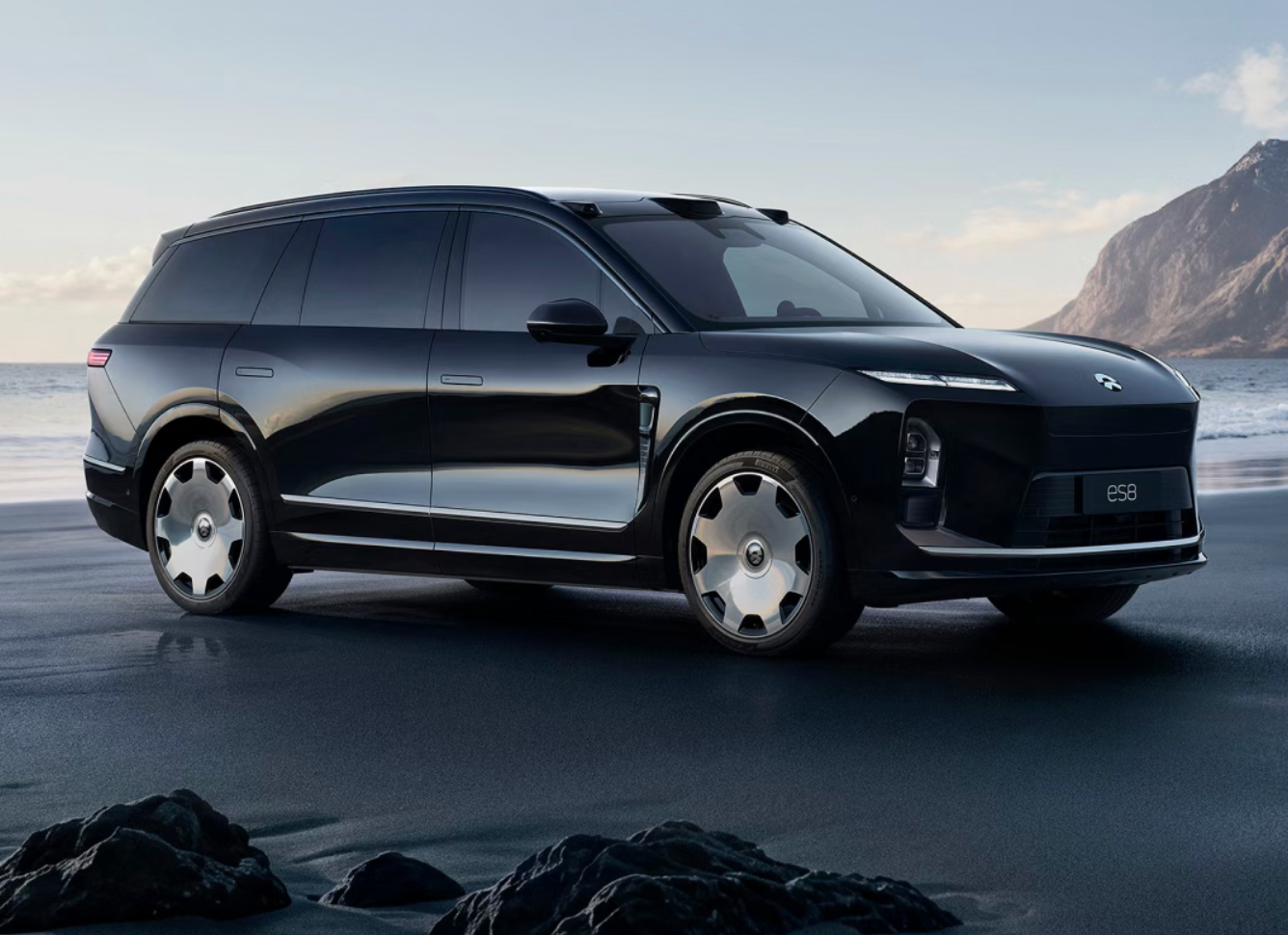
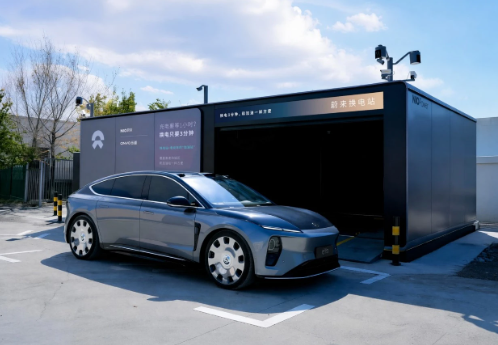
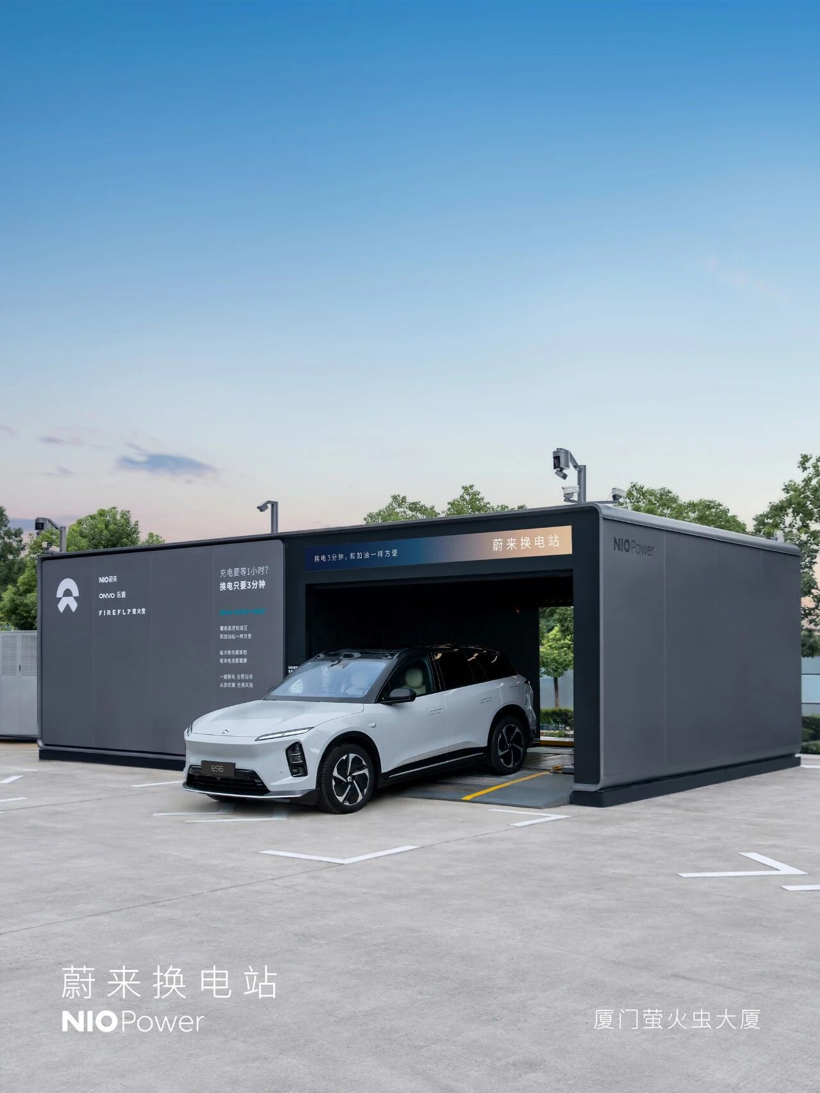
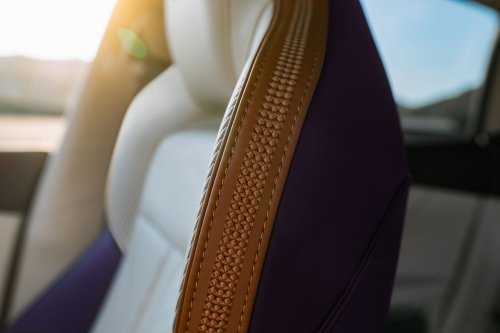
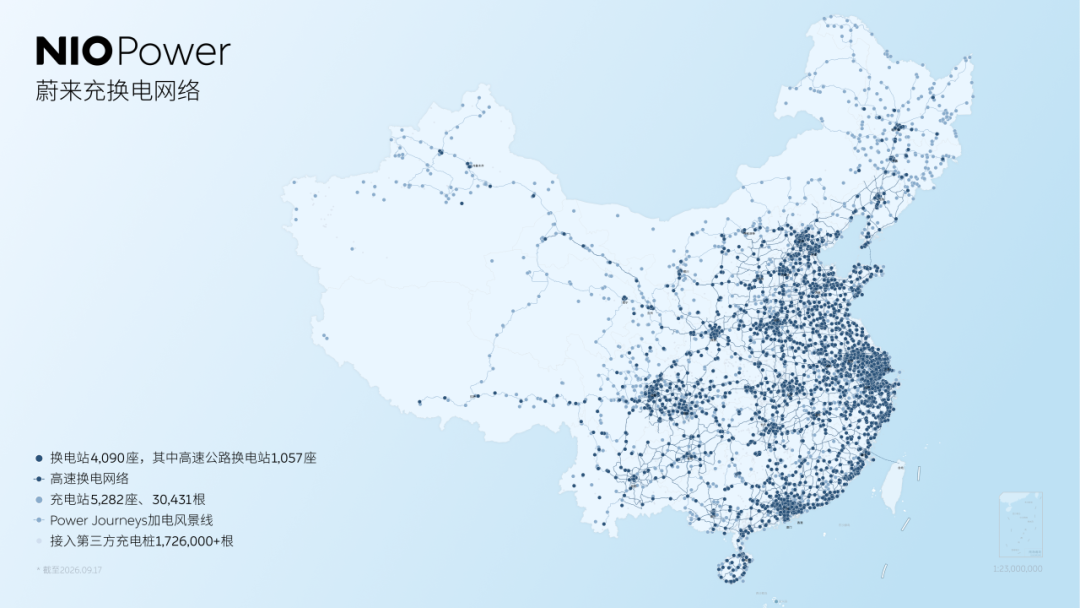
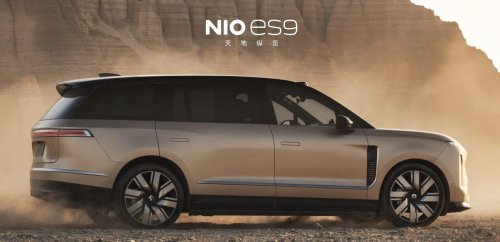
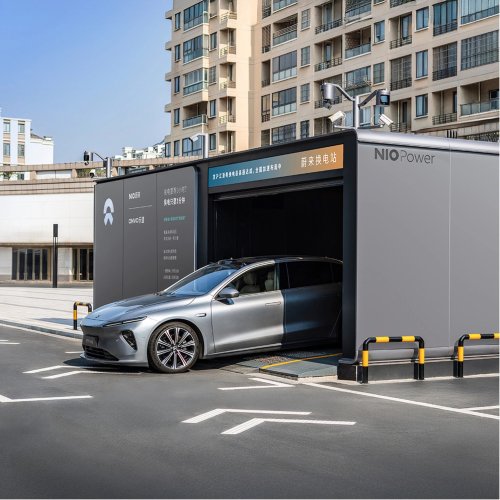
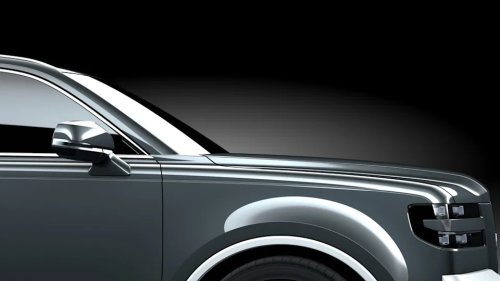
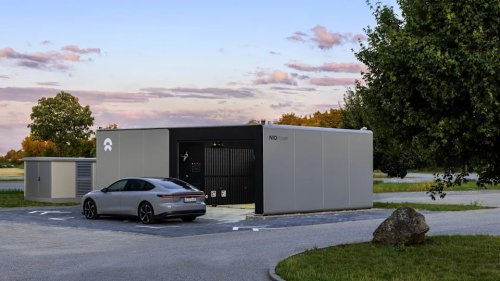
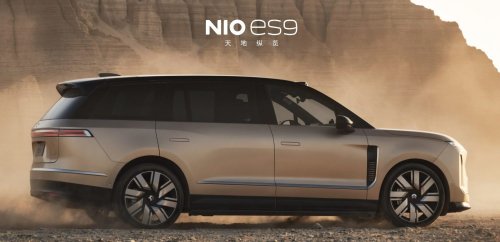
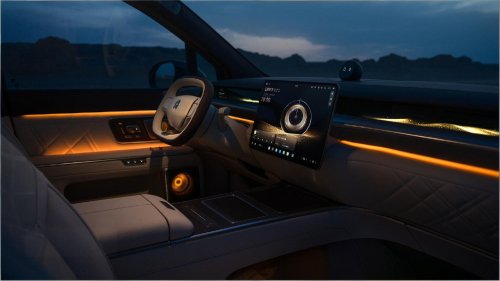
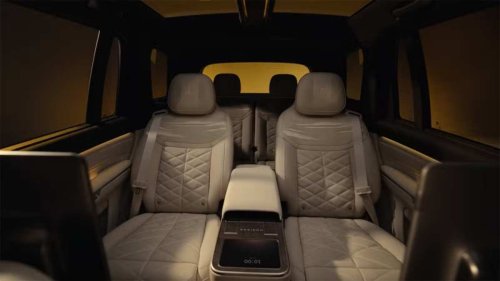
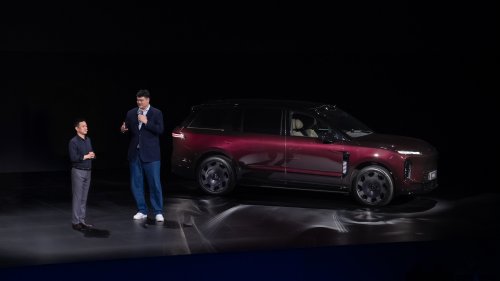
NIO officially launched the ES9 today, its flagship executive SUV and the largest battery electric SUV ever produced in China. The three-row SUV stretches 5,365 mm (17.6 ft) long on a 3,250 mm wheelbase, packing 520 kW (697 hp) and up to 620 km (385 miles) of CLTC range. Pricing came in below the pre-sale figures NIO announced in April, with the base Executive Premium Edition starting at RMB 498,000 (~$69,000) or RMB 390,000 (~$54,000) under NIO’s Battery-as-a-Service rental model. Deliveries begin tomorrow, May 28. NIO undercuts its own pre-sale pricing by RMB 30,000 When NIO opened pre-sales for the ES9 in April, the base trim started at RMB 528,000. The official launch prices are RMB 30,000 (~$4,100) cheaper across every trim level — a clear signal that NIO is pricing aggressively to drive volume in a fiercely competitive Chinese market. Here’s the full pricing breakdown: Advertisement - scroll for more content The Executive Premium Edition starts at RMB 498,000 (~$69,000), or RMB 390,000 (~$54,000) with BaaS. The Executive Signature Edition starts at RMB 558,000 (~$77,000), or RMB 450,000 (~$62,000) with BaaS. The range-topping Horizon Edition starts at RMB 628,000 (~$87,000), or RMB 520,000 (~$72,000) with BaaS. The BaaS option, which lets buyers rent the battery pack instead of purchasing it outright, cuts the entry price by RMB 108,000 (~$15,000). That’s significant — it brings the ES9 into a price range that directly challenges vehicles like the BMW iX and Mercedes-Benz EQS SUV, both of which start above $80,000 in most markets. Specs and technology The ES9 is built on NIO’s new-generation 900V high-voltage architecture, enabling 5C ultra-fast charging alongside NIO’s signature 3-minute battery swapping. NIO says it plans to deploy more than 1,000 new Power Swap Stations this year, with fifth-generation stations rolling out at scale in Q3 2026. Under the hood, a dual-motor all-wheel-drive setup produces 520 kW (697 hp) and 700 Nm of torque, pushing the ES9 from 0 to 100 km/h in 4.3 seconds. The 102 kWh CATL battery pack delivers up to 620 km of CLTC range — roughly 385 miles, though real-world range will be lower. NIO claims more than 40 industry-first technologies in the ES9. The highlights include a 5 nm automotive-grade smart driving chip (NX9031), a 48V integrated hydraulic fully active suspension system, steer-by-wire with rear-wheel steering enabling a 5.4-meter turning radius, and a 47-speaker LYRA sound system pumping 3,020 watts. The smart driving suite includes 31 sensing units and NIO’s WorldModel-powered Navigate on Pilot Plus (NOP+), which NIO says now handles tidal lanes and reversible lanes, a dynamic traffic management system that reverses the direction of a road lane based on peak commuting hours. China’s largest electric SUV At 5,365 mm long, the ES9 is China’s largest battery electric SUV — only 332 mm shorter than a Cadillac Escalade IQ, but with a wheelbase that’s actually 179 mm longer. The interior reflects that size advantage: NIO claims a 2,805 mm cabin length, over 1.5 meters of second-row legroom, and more than 1 meter of headroom across all three rows. The second row features zero-gravity executive seats with a 42-point massage system and what NIO calls the world’s first array-based liquid crystal smart dimming windows, which can switch from transparent to opaque in 17 milliseconds. A center executive console integrates dual 16-inch screens, a conferencing system, and a magnetic tea tray — clearly targeting the Chinese executive chauffeur-driven market. Storage stands at 816 liters plus a 216-liter front trunk. How it compares to the competition The ES9 occupies a unique position. In China, it competes directly with the BMW iX and the Li Auto L9 — but none of those match the ES9’s size. Globally, the closest comparisons are the Mercedes EQS SUV (starting around $85,000 in the US) and the Cadillac Escalade IQ ($130,000+). The BMW iX xDrive60 starts around $93,000 and tops out at roughly 364 miles of range — comparable to the ES9’s claimed figures. But the BMW is significantly smaller and doesn’t offer three-row seating. NIO’s battery swap network remains its biggest competitive moat. The company recently set a record of nearly 176,000 battery swaps in a single day and has surpassed 100 million cumulative swaps. For an SUV this size, the ability to swap a full 102 kWh pack in 3 minutes instead of waiting at a charger is a tangible advantage. However, there are still doubts about battery swapping taking off in markets outside of China. NIO needs the ES9 to reignite growth The launch comes at a critical moment for NIO. After posting 98% year-over-year delivery growth in Q1 2026, the company saw growth slow sharply to 22.8% in April. NIO CEO William Li has pointed to the ES9 and the ONVO L80 as the two models that will drive the second half of 2026. NIO has crossed 1.1 million cumulative deliveries, but profitability remains elusive. The ES9 targets the high-margin executive segment where pricing power is stronger — the kind of vehicle that could improve NIO’s average selling price and gross margin simultaneously. Basketball legend Yao Ming appeared at the launch event as the ES9’s “Chief Experience Officer,” underscoring NIO’s push to position the vehicle as a status symbol for China’s business elite. Electrek’s Take The ES9 is exactly the kind of flagship NIO needed right now. The specs are genuinely impressive — 520 kW, 620 km range, 900V architecture, 5C charging, and a 3-minute battery swap in a package that’s essentially the size of an Escalade. And the pricing is more aggressive than expected, coming in RMB 30,000 below what NIO announced at pre-sales just seven weeks ago. But we’ve been here before with NIO. The company consistently builds technically impressive vehicles that generate excitement at launch, then struggles to convert that into the sustained volume and profitability that investors are waiting for. The ES9 won’t be a volume play at RMB 498,000+, it’s a halo vehicle. The real question is whether it pulls buyers into the NIO ecosystem where the battery swap network and BaaS model create genuine long-term stickiness. If it’s anything like that ET9, the NIO I have driven, it’s going to be an incredibly comfortable and luxurious ride. The competitive context matters too. BMW and Mercedes aren’t standing still, and Chinese rivals like Li Auto have locked down the premium family SUV segment. NIO is betting that “executive” positioning — the chauffeur-ready back seat, the conferencing setup, the Su embroidery interior — differentiates the ES9 from more conventional luxury EVs. In China, where executive transport is a real and growing category, that bet could pay off. Outside China, the ES9 faces an entirely different set of challenges — if NIO even brings it to Western markets at all. If you’re looking to cut your energy costs alongside your transportation costs, home solar is a smart move. With electricity rates climbing nearly 10% last year, home solar protects you against future rate increases. And with lease and PPA options, you can go solar with zero upfront cost and start saving immediately. If you want to find the best deal, check out EnergySage. It’s a free service with hundreds of pre-vetted installers competing for your business, so you save 20 to 30% compared to going it alone. No sales calls until you pick an installer. Get your free quotes here. Stay up to date with the latest content by subscribing to Electrek on Google News. You’re reading Electrek— experts who break news about Tesla, electric vehicles, and green energy, day after day. Be sure to check out our homepage for all the latest news, and follow Electrek on Twitter, Facebook, and LinkedIn to stay in the loop. Don’t know where to start? Check out our YouTube channel for the latest reviews.



















 +22 others