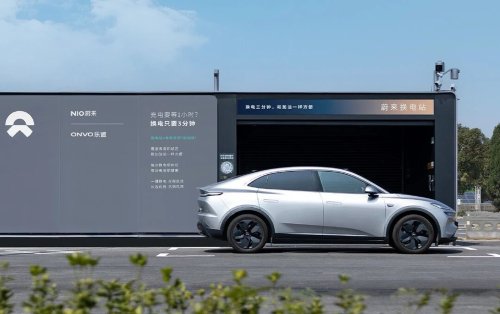
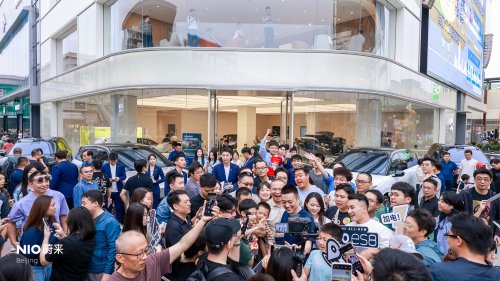
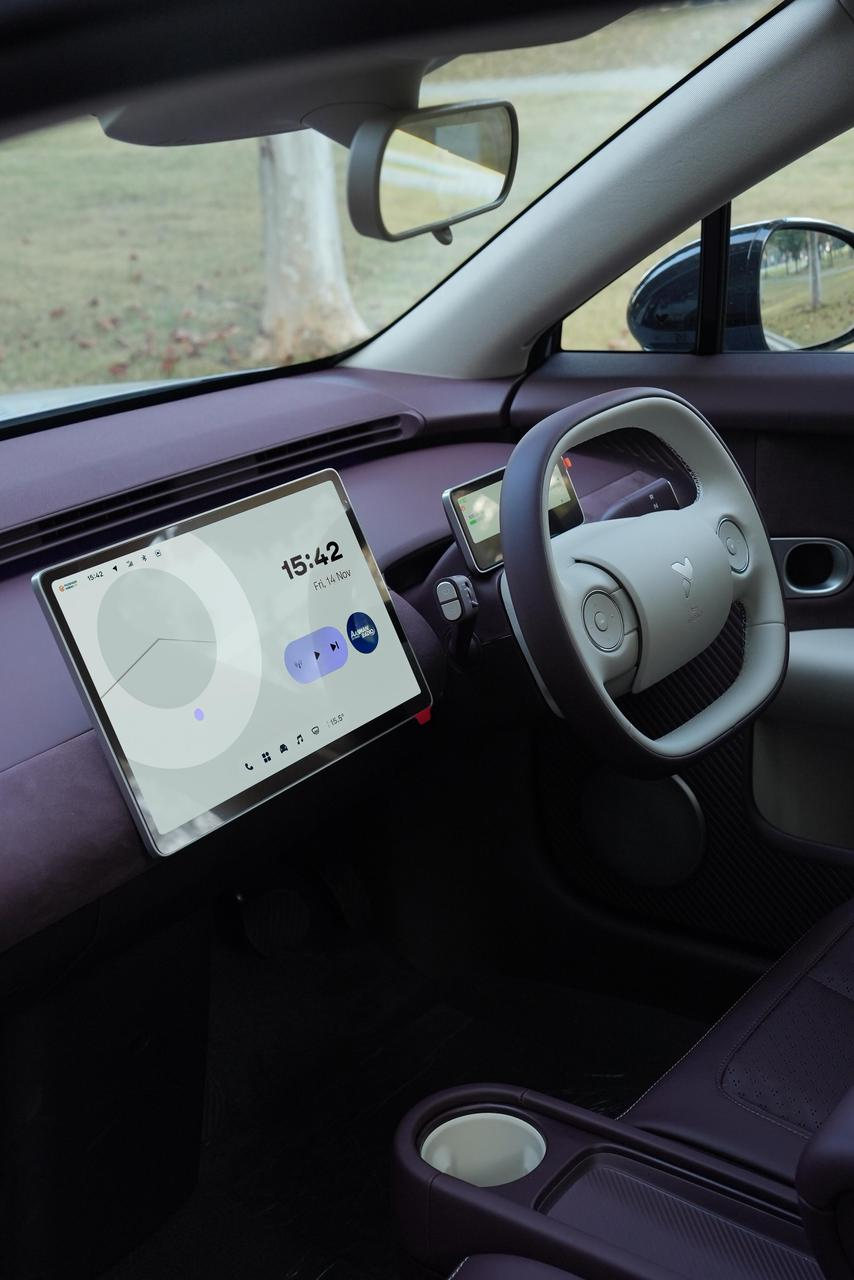
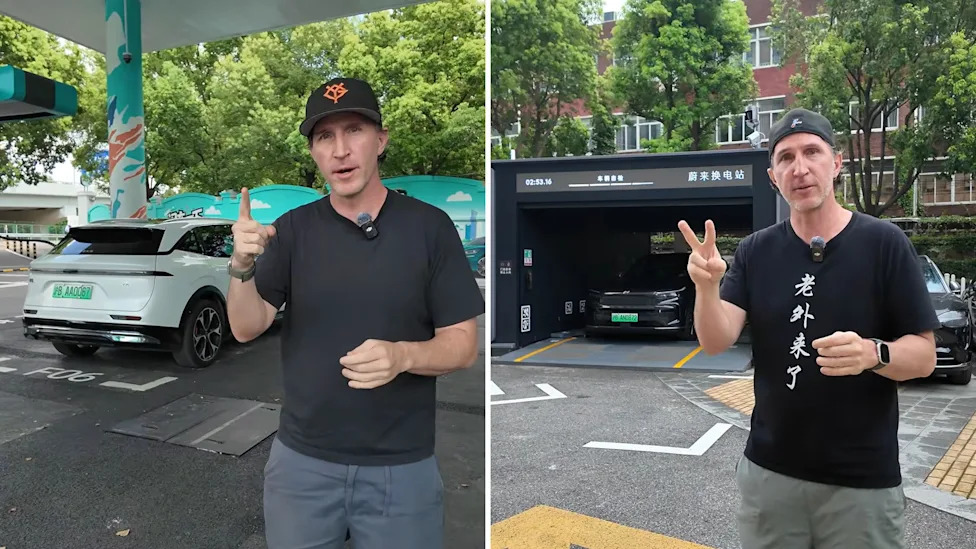
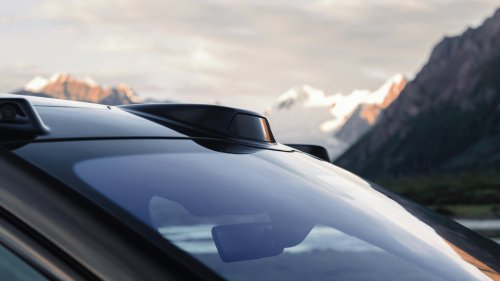
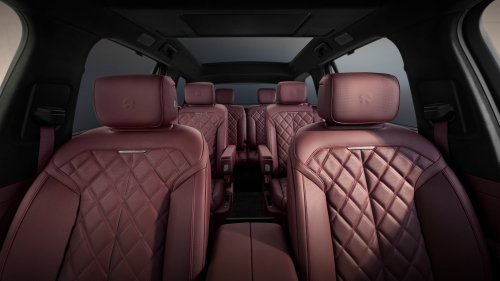
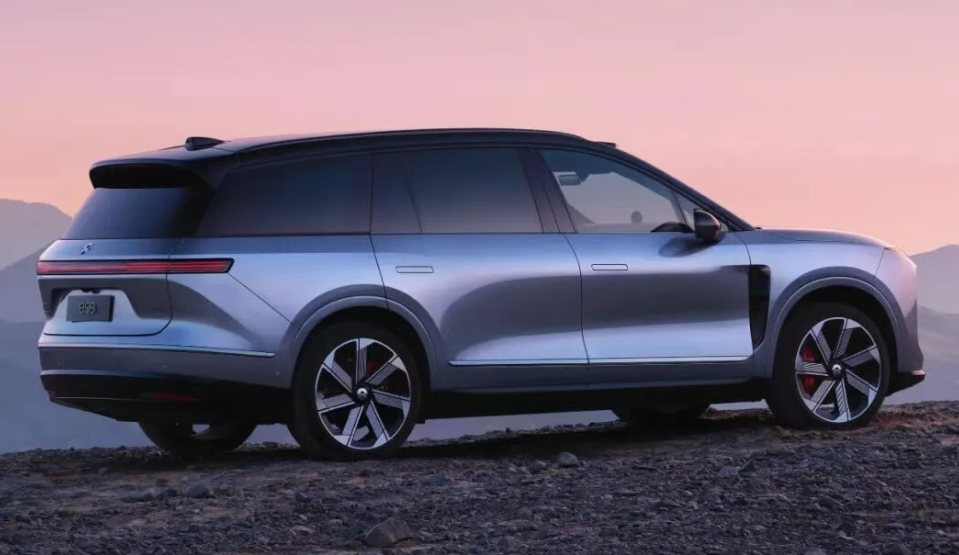
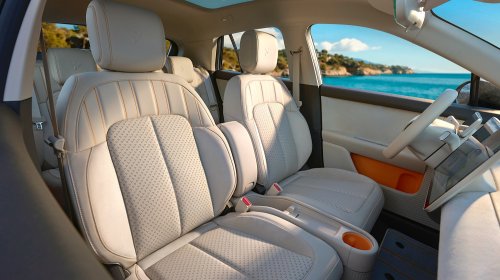
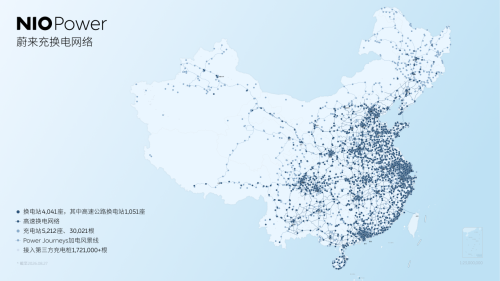
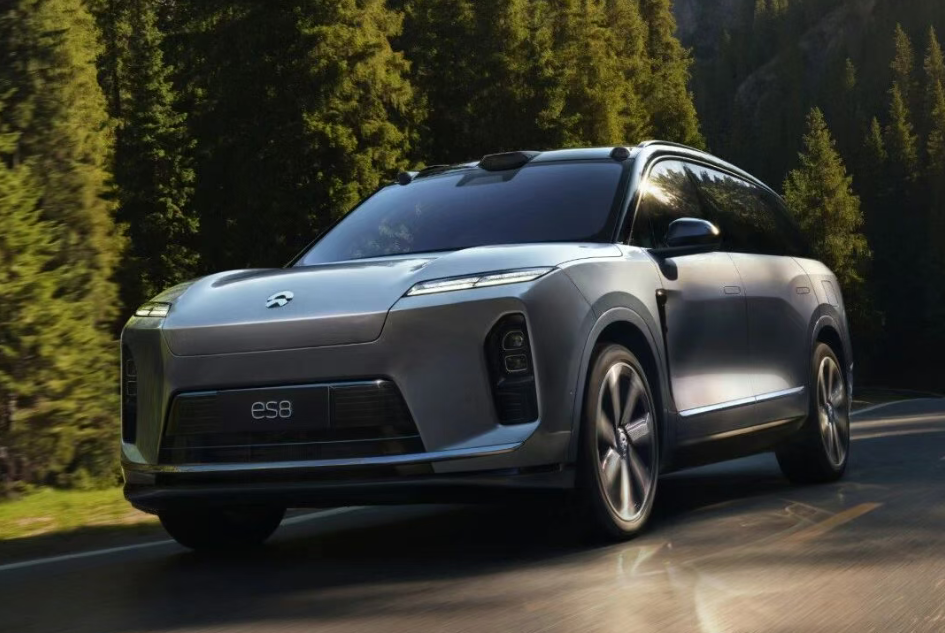
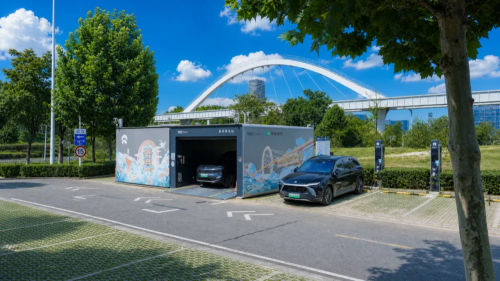
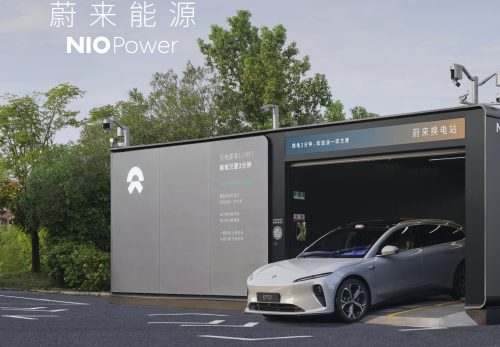
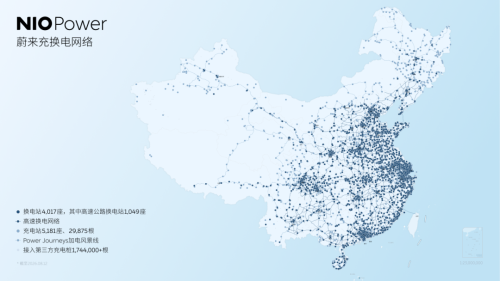
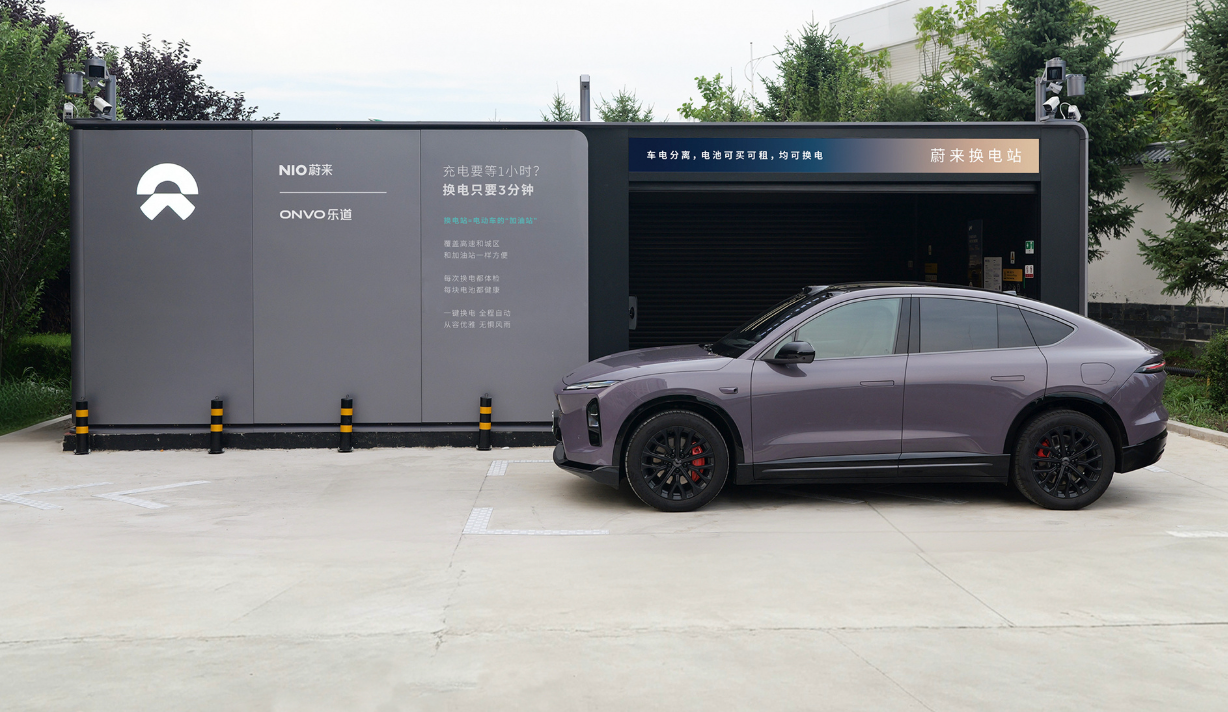
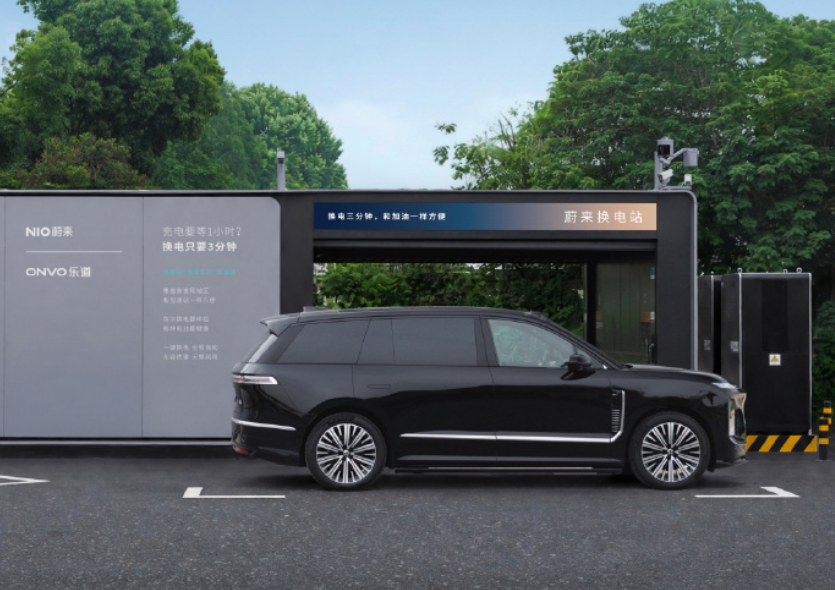
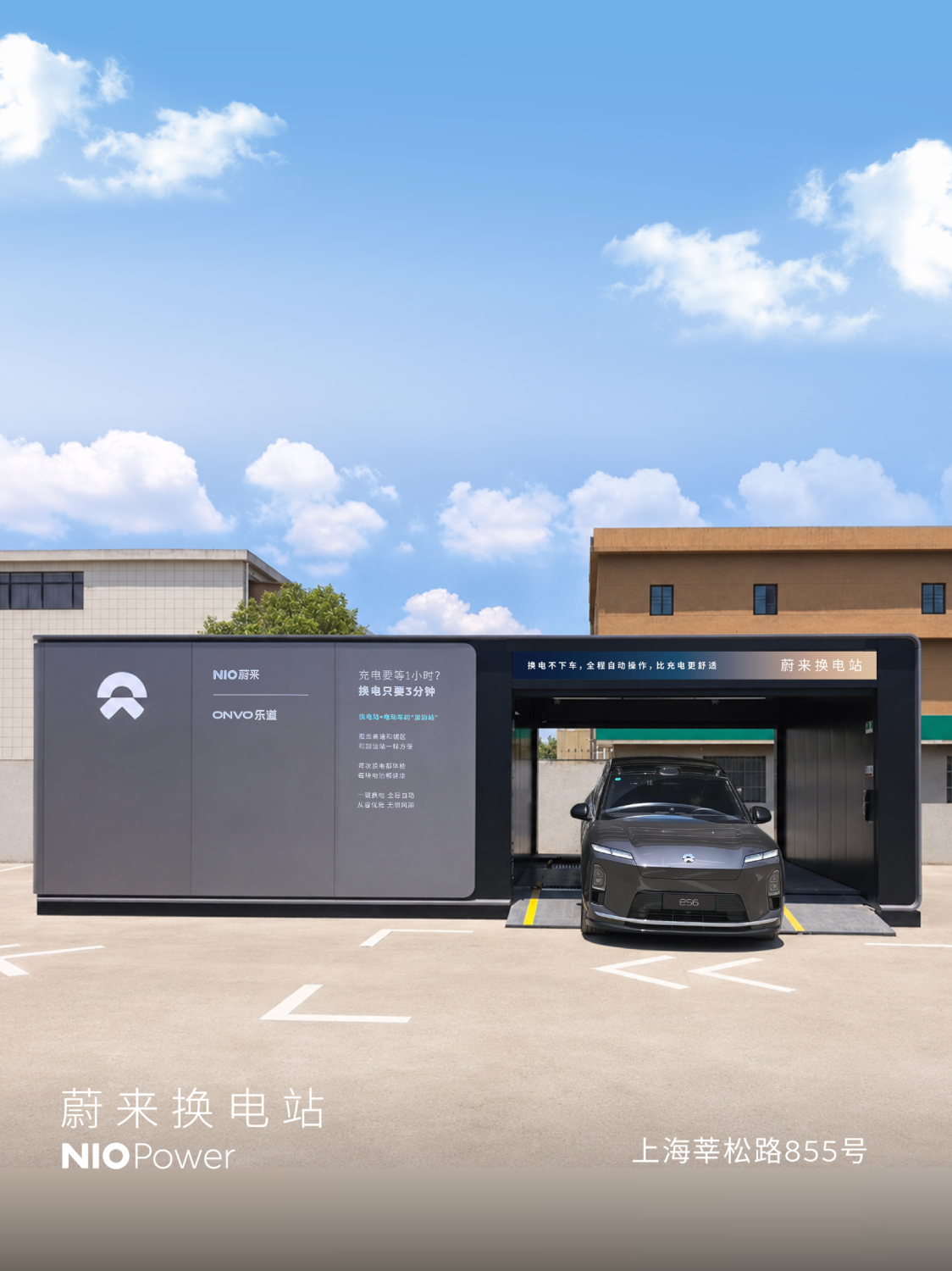
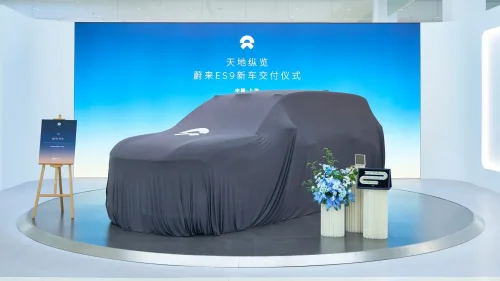
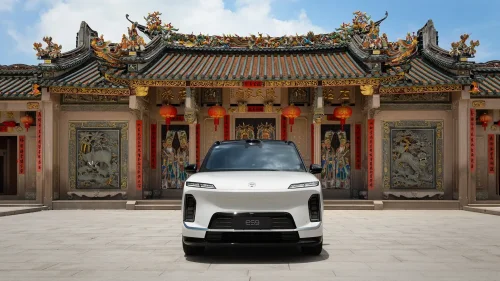
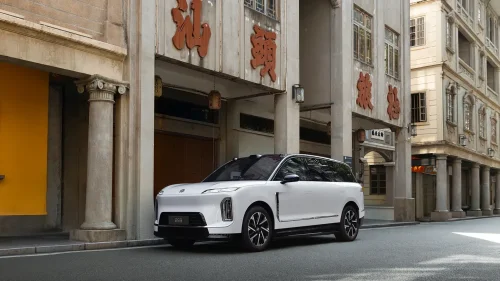
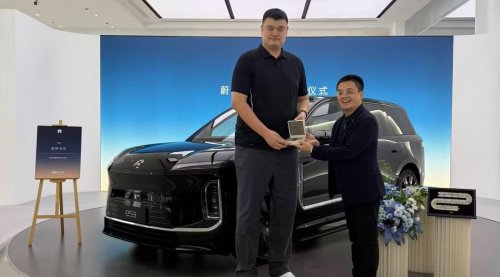
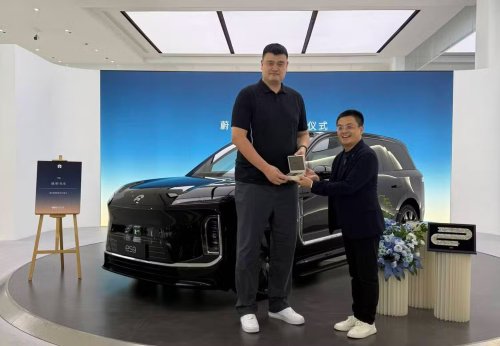
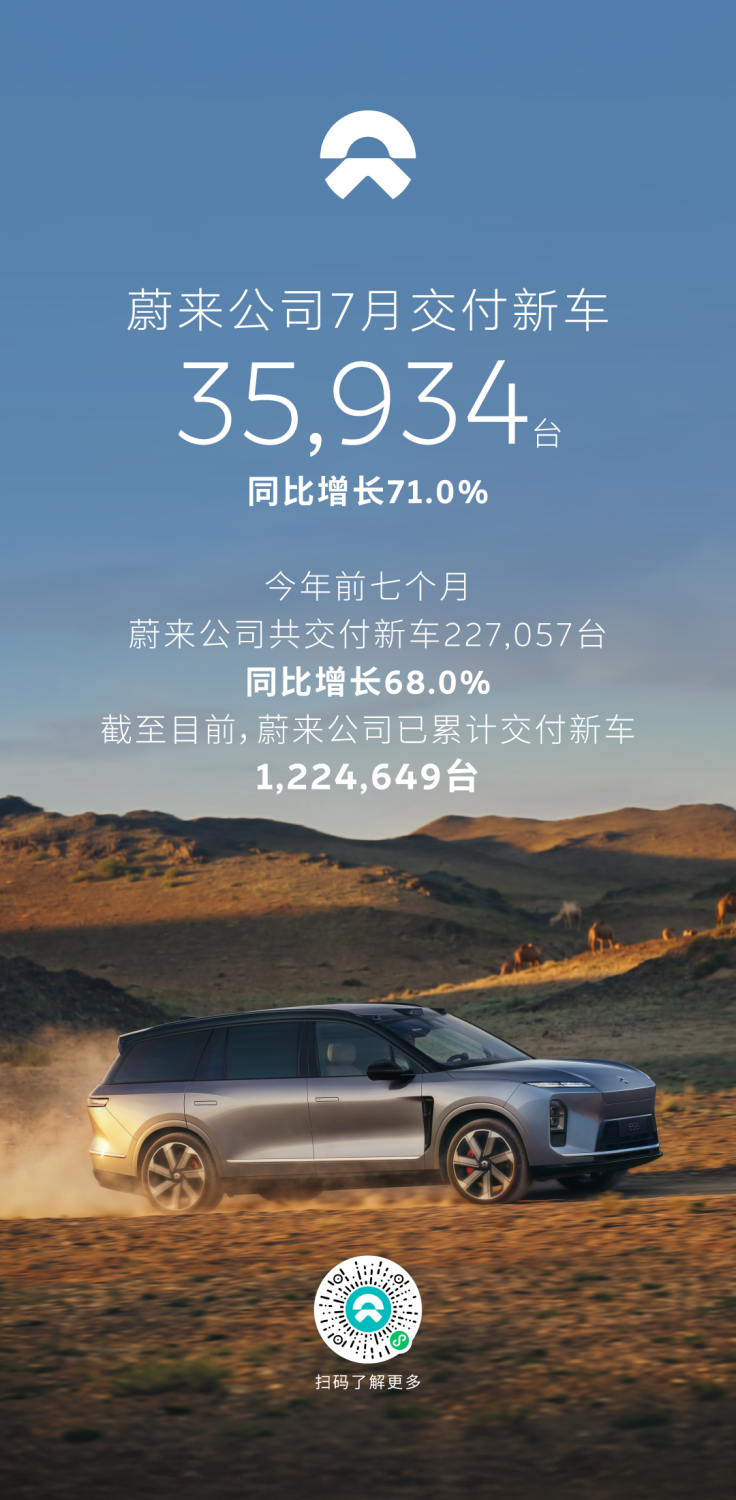
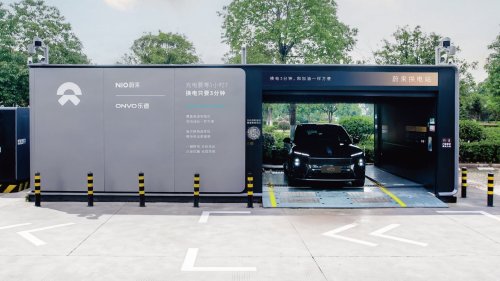
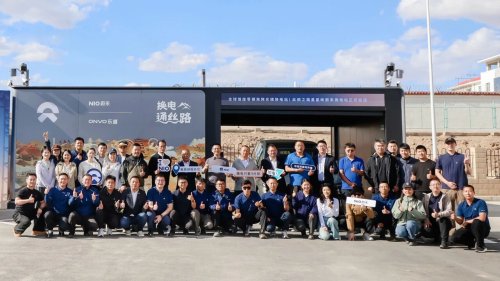
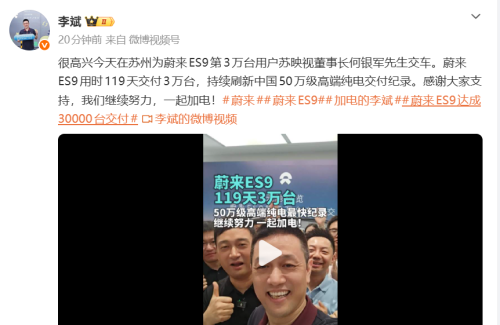
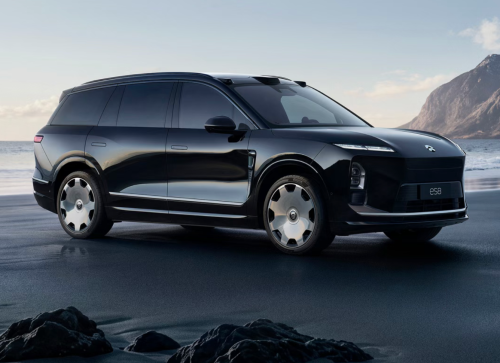
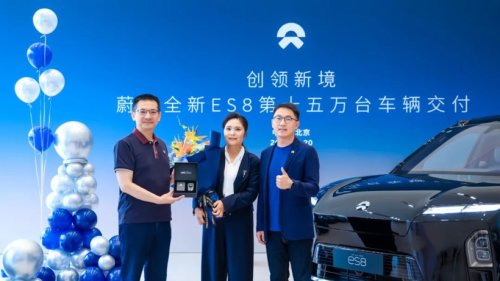
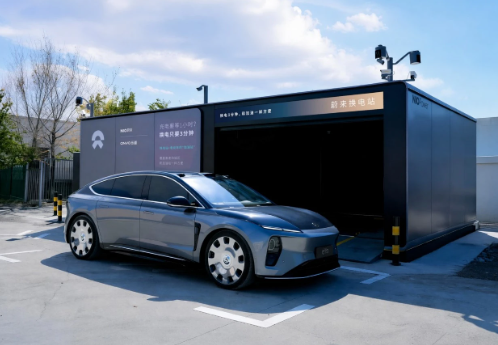
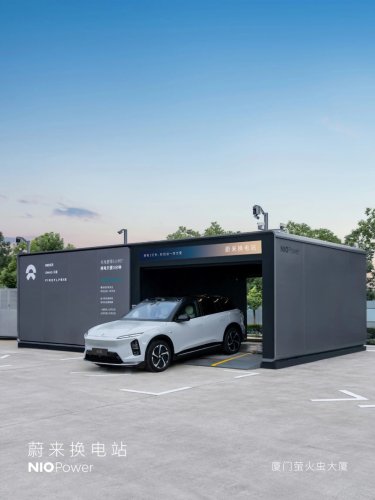
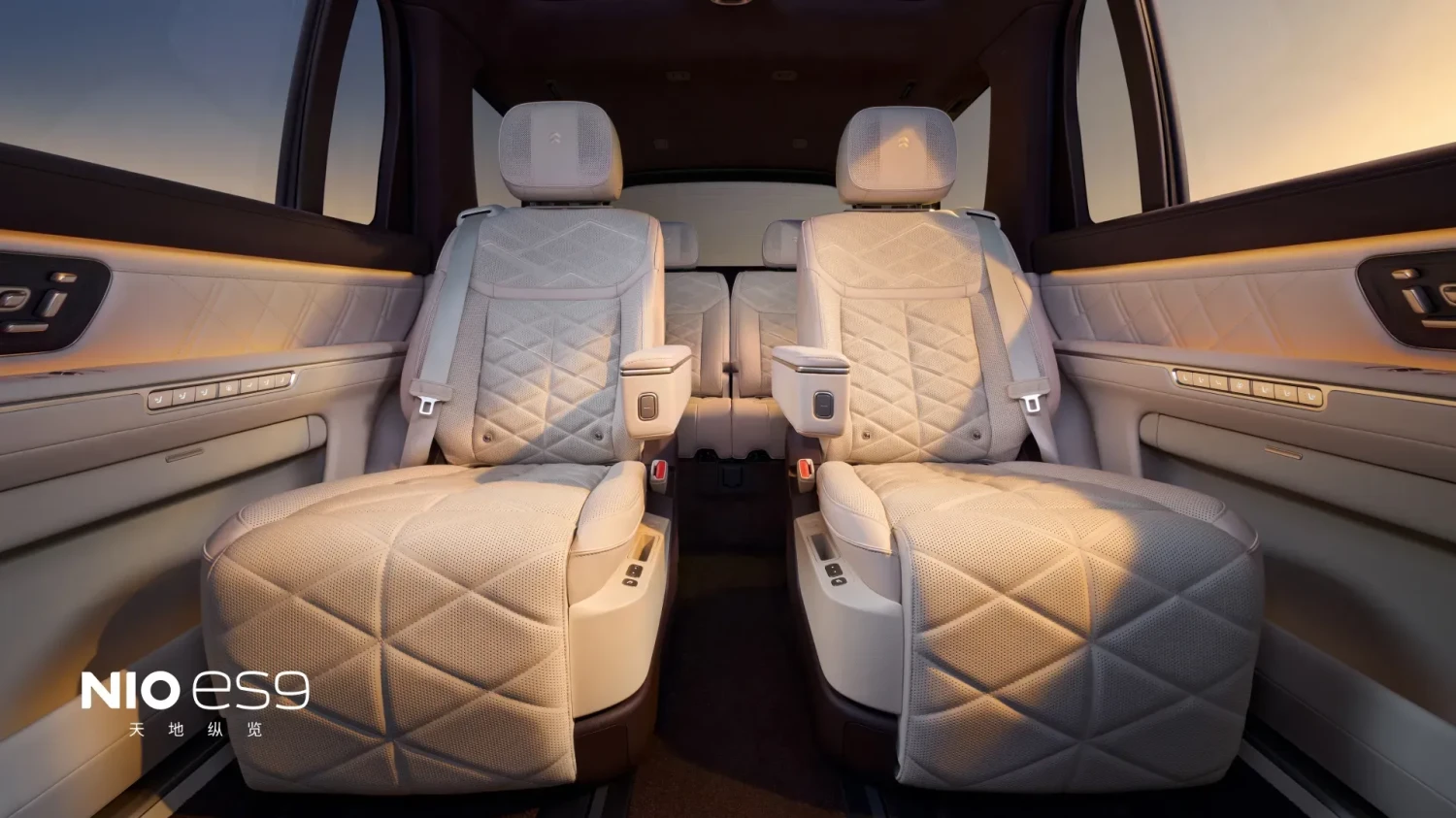
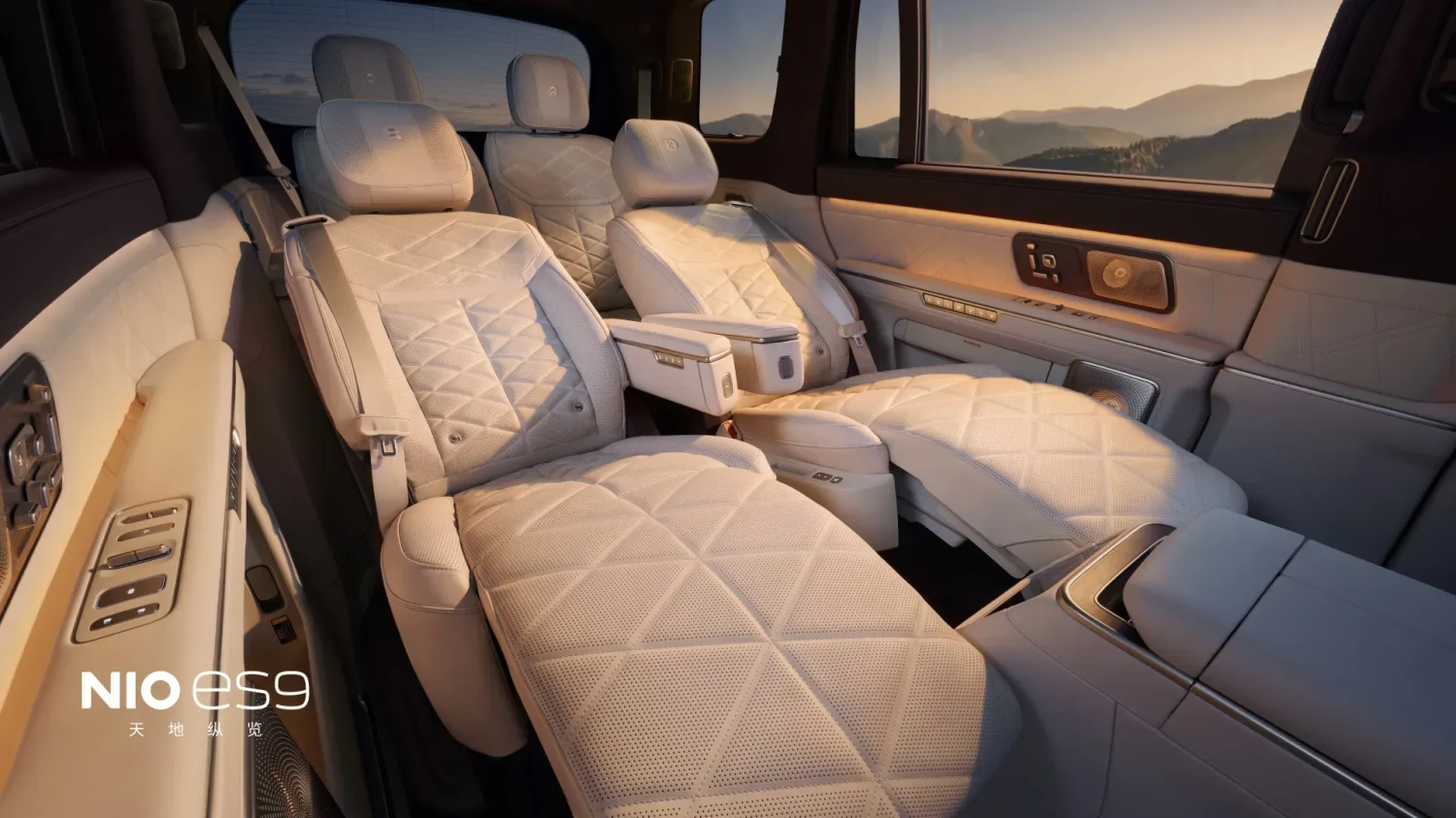
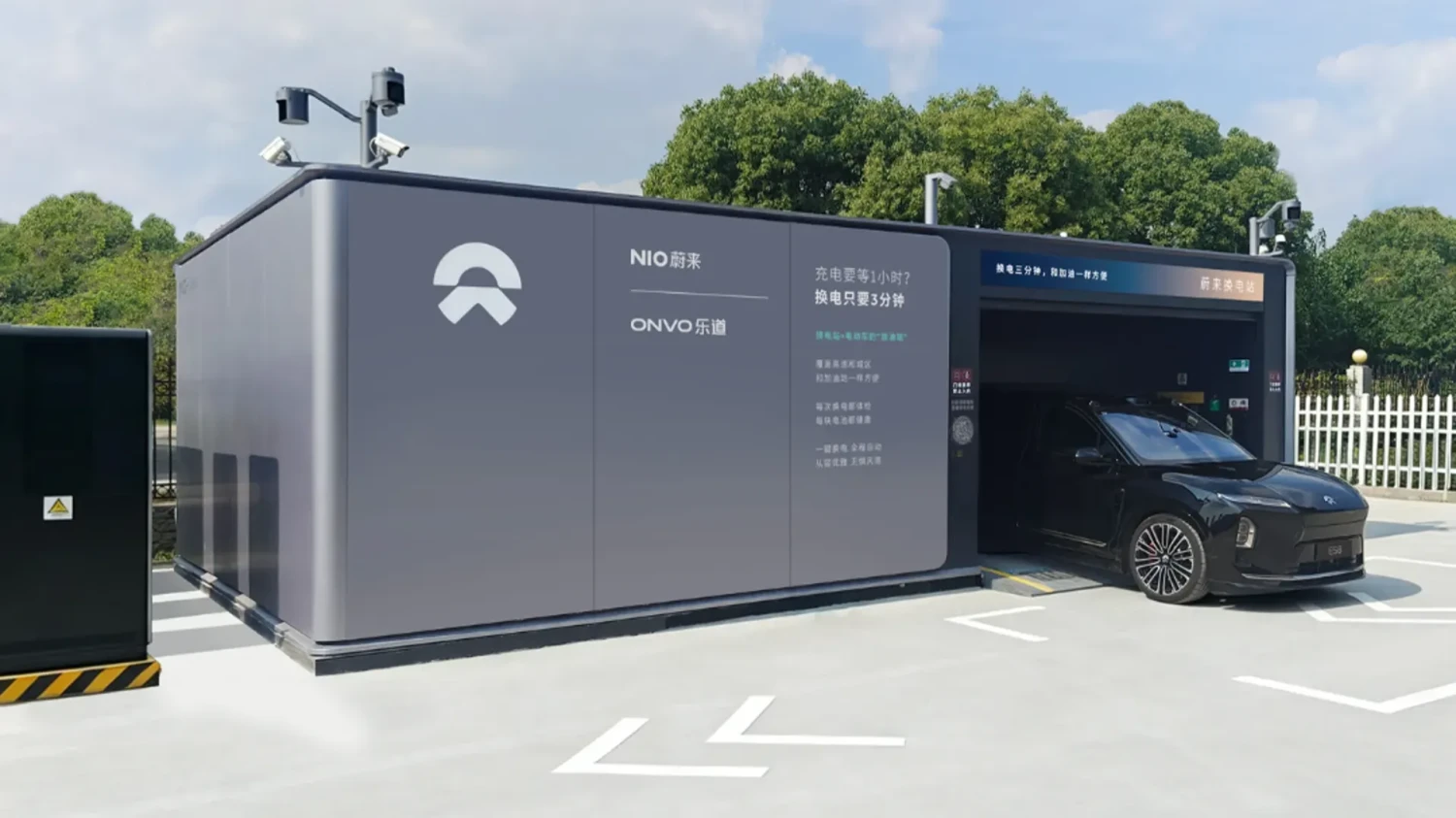
Nio Inc (NYSE: NIO, HKG: 9866) began delivering the aisle version of its ES9 flagship electric SUV in China on July 6, 2026, the automaker confirmed, completing the model's six-seat cabin lineup roughly six weeks after the vehicle's market debut. The aisle version, which swaps the ES9's fixed center console for a walkway between the second-row seats, had originally been slated for a mid-July start.The ES9 launched on May 27, 2026, at a Beijing event where founder, chairman, and CEO William Li pitched the SUV as a replacement for MPVs, a claim that drew a public rebuttal from General Motors (NYSE: GM)'s Buick brand. Deliveries of the center-island version began the next day, and Nio reached its 10,000th ES9 handover on June 26, 2026, about a month after deliveries started.NIO ES9 aisle-version interior (NIO)Nio's other large SUV, the ES8, remains the company's volume driver, having passed 120,000 deliveries of its third generation in June 2026, and Nio is separately preparing a five-seat ES8 variant for a July 9, 2026 launch. The ES9 occupies a pricier tier above the ES8 and below the ET9 sedan, giving Nio three distinct price bands in China's premium EV market. Both second-row layouts sit on the same ES9 body and share identical pricing and mechanicals — only the middle-row furniture differs. The center-island configuration fixes a stationary console between the two second-row seats, built around a folding dual-wing table, an 8.8-liter refrigerator, and a 9.4-liter smart safe among 11 integrated functions, aimed at business use and rear-seat privacy.The aisle version instead leaves a roughly 230 mm (9-inch) gap between two independent second-row seats, letting children or older passengers step through to the third row rather than climb around a fixed island. Nio pitches the layout at multi-child and multi-generation families, a segment distinct from the center-island buyer.NIO ES9 aisle-version interior (NIO)The ES9 measures 5,365 mm (17.6 ft) long, 2,029 mm (6.7 ft) wide, and 1,870 mm (6.1 ft) tall on a 3,250 mm (10.7 ft) wheelbase, which Nio bills as the largest mass-produced battery-electric SUV built in China. It runs on the brand's third-generation 900-volt architecture, pairing a 180-kW front motor with a 340-kW rear motor for a combined 520 kW (697 hp) and 700 Nm of torque, enough for a 0–100 km/h (0–62 mph) time of 4.3 seconds. A 102-kWh CATL (HKEX: 3750) ternary battery pack delivers a CLTC range of 580 km (360 miles), 600 km (373 miles), or 620 km (385 miles) depending on trim, and the ES9 supports Nio's three-minute battery swap alongside DC fast charging. Higher trims add dual in-house Shenji NX9031 driving chips, three lidar units, and the SkyRide active suspension, while rear-wheel steering across the lineup brings the turning radius down to 5.4 meters (17.7 ft).NIO ES9 battery swapping (NIO)Full-vehicle purchase pricing for the aisle version mirrors the center-island model: 498,000 CNY (c. $73,450) for the base Executive Luxury trim, 558,000 CNY (c. $82,300) for the Executive Signature, and 628,000 CNY (c. $92,600) for the range-topping Horizon Special Edition. Choosing Nio's battery-as-a-service rental instead lowers the entry price to 390,000 CNY (c. $57,500), with the battery pack leased separately.With both second-row layouts now shipping, Nio's bet is that offering buyers a choice between a private-office middle row and a walk-through family layout will pull more premium SUV shoppers away from gas-powered rivals and Chinese MPVs alike. Whether that flexibility, rather than price, becomes the ES9's deciding factor over the next few quarters remains an open question.Conversion rate: 1 USD = 6.78 CNY as of July 5, 2026



















 +4 others