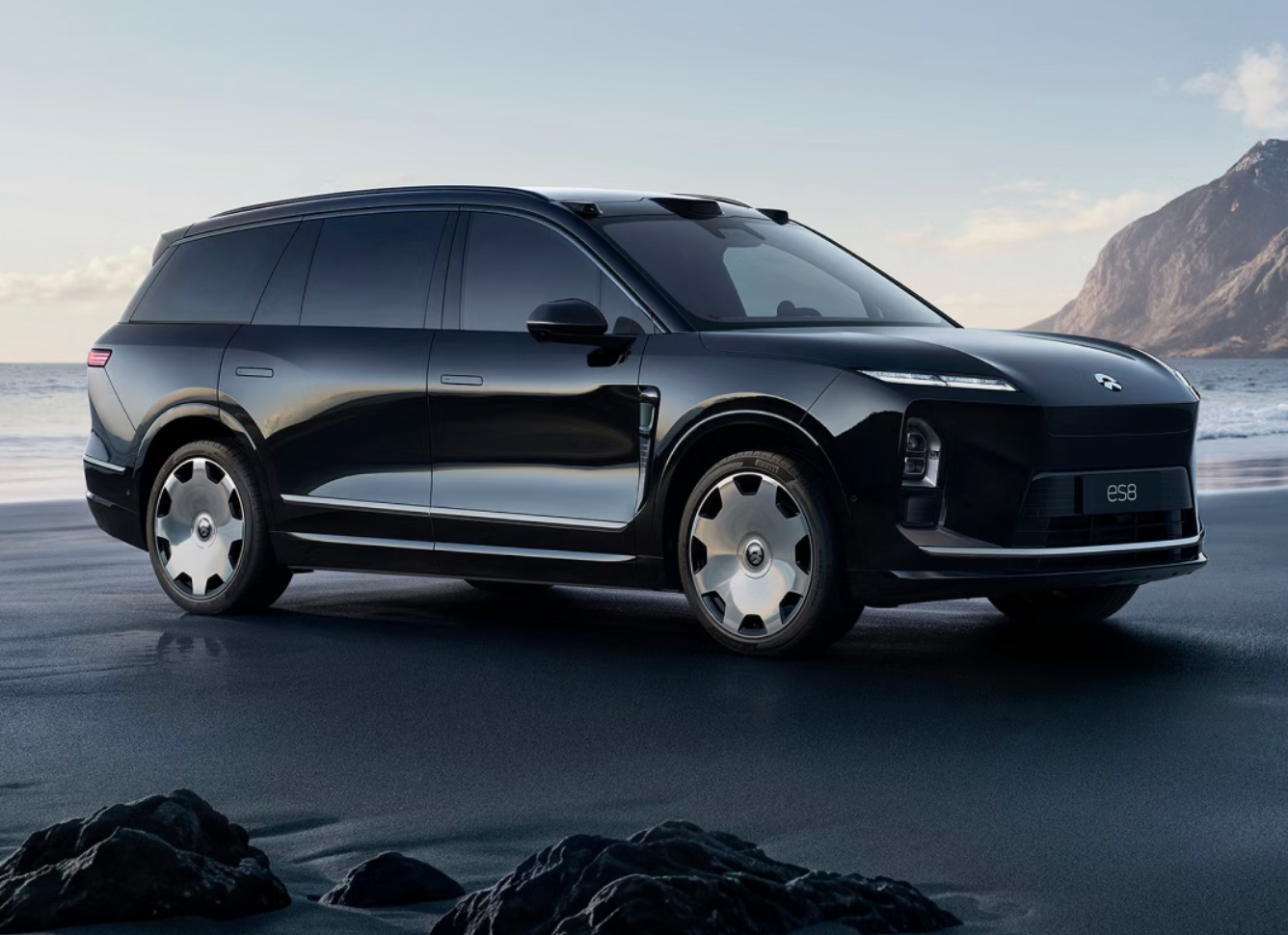
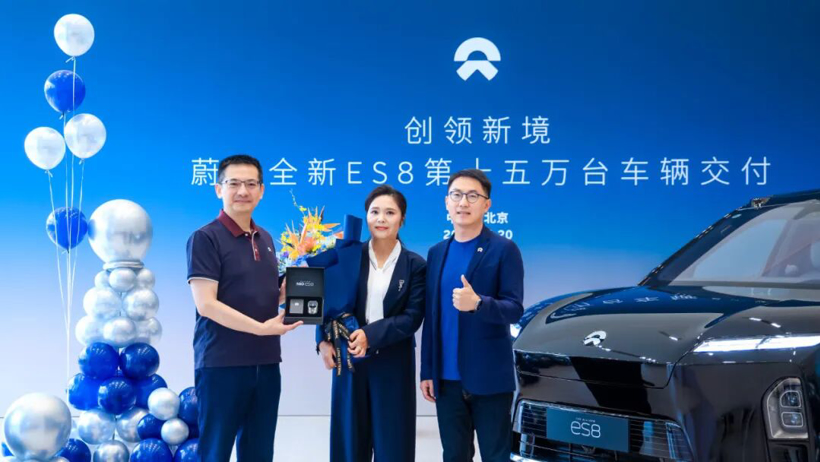
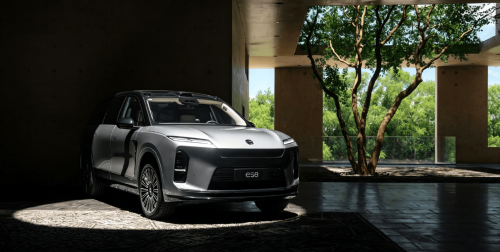
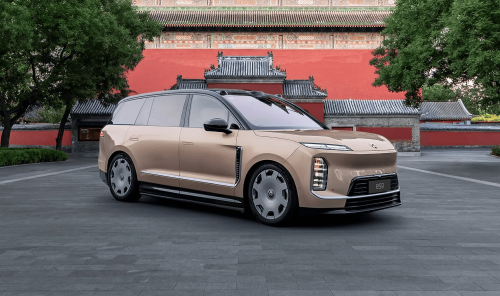
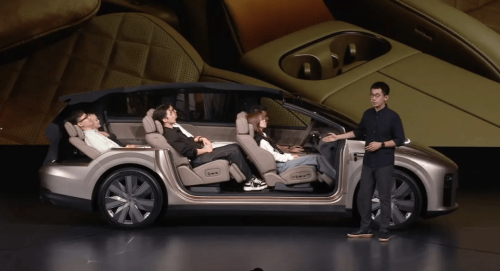
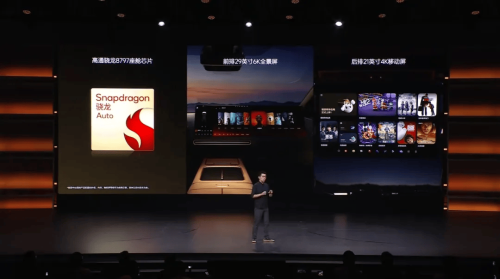
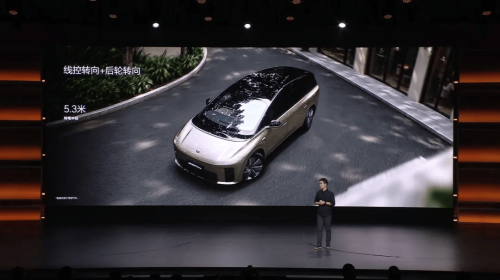
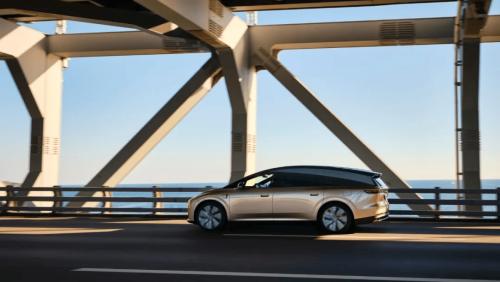
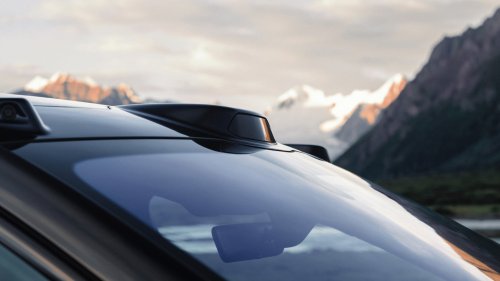
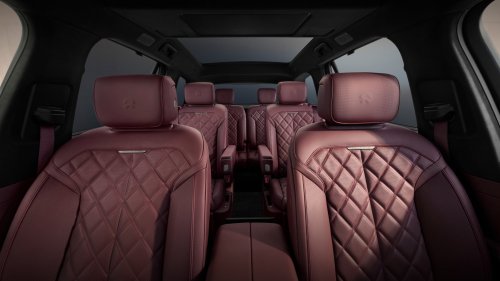
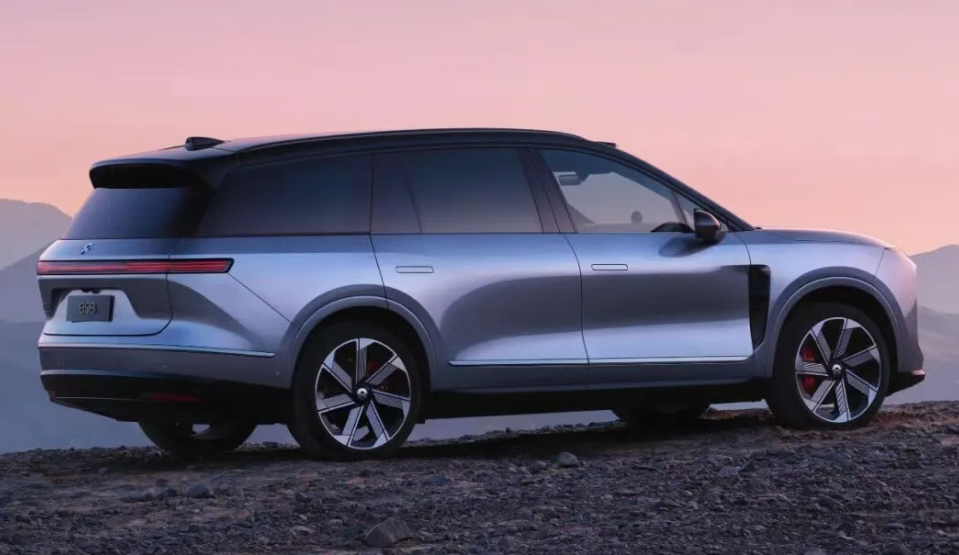
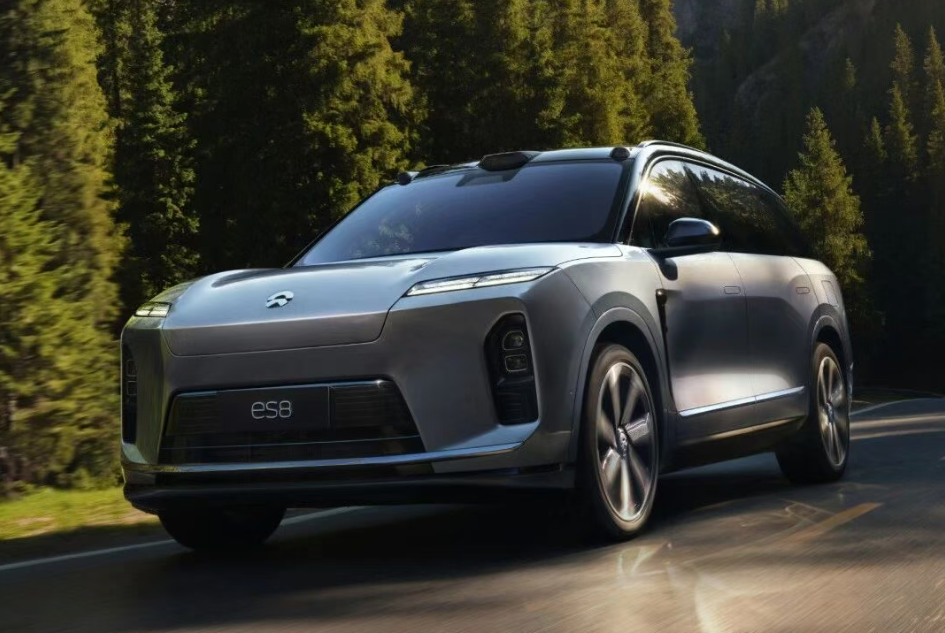
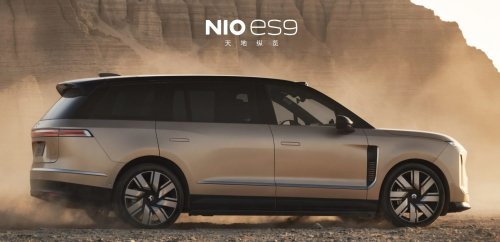
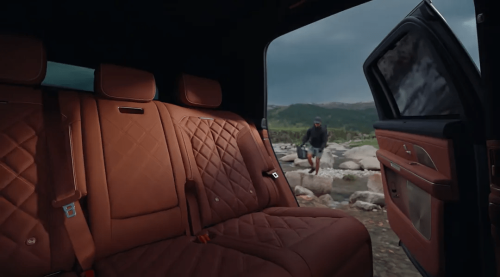
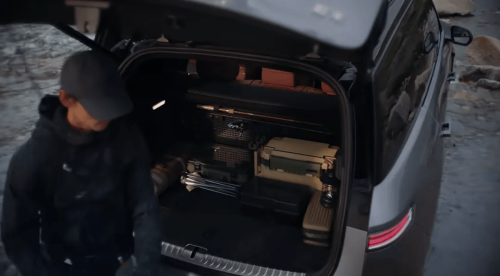
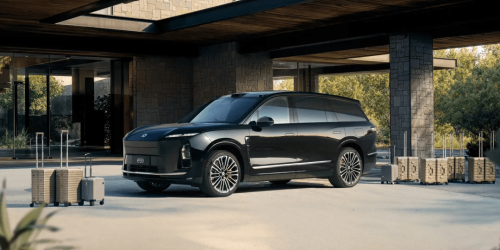
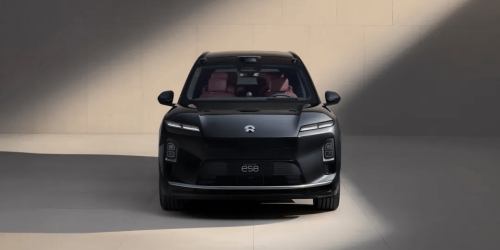
The five-seat version of the NIO ES8 is finally coming. At 10 a.m. today, NIO released a teaser video for the ES8 five-seater and announced that display vehicles will arrive at dealerships and presales will begin this Sunday (June 28). According to information previously disclosed through filings with China’s Ministry of Industry and Information Technology (MIIT), the ES8 five-seat version retains the same dimensions as the existing model, measuring 5,280 mm in length with a 3,130 mm wheelbase. It also continues to use the same dual-motor powertrain, featuring a 180 kW front motor and a 340 kW rear motor. That would make the NIO ES8 five-seater the largest pure-electric five-seat SUV currently on sale in China. Compared with the six- and seven-seat versions, what comfort and practicality upgrades can buyers expect from a more spacious five-seat layout? And will pricing remain aligned with the current ES8’s starting price of RMB 406,800 ($60,100), or will NIO make concessions? Here’s a closer look. A Bigger ES8? The most obvious advantage of the ES8 five-seater is, naturally, space. With the third-row seats removed, all available cabin space is redirected toward the second-row passengers and cargo area. For reference, the second-row legroom in the current six- and seven-seat ES8 measures 1,407 mm. In the newly revealed five-seat version, the second-row seats appear to be positioned further rearward, closer to the C-pillar, suggesting even greater passenger space than the current model. Interior of current ES8 In terms of comfort features, the teaser reveals a leg-rest structure beneath the seat adjacent to the door, while the seat on the opposite side is also likely to feature the same functionality. The removal of the third row provides substantially more room for second-row occupants. Drawing from the aviation-style zero-gravity seats offered in the six-seat version, both second-row outboard seats in the five-seat model are expected to feature zero-gravity functionality as well, potentially including one-touch recline modes. Together with the driver and front passenger seats, this could create a four-seat zero-gravity configuration. Meanwhile, the center rear seat retains a full-length seat cushion rather than sacrificing comfort. Based on the teaser footage, it may also be capable of folding independently, creating a cabin layout that resembles a four-seat executive configuration. In addition, the video suggests that the five-seat version may retain key comfort features from the current ES8, including second-row sunshades, seat-adjustment controls integrated into the door panels, and heating, ventilation, and massage functions. In other words, major comfort-oriented equipment appears to remain intact. Moving to the rear, the five-seat version features a foldable partition located roughly level with the lower edge of the second-row headrests, dividing the cargo compartment into upper and lower sections and allowing for more refined space management. Notably, the current ES8 offers a standard cargo capacity of 547 liters, including a 132-liter underfloor hidden storage compartment. The five-seat version is highly likely to retain this underfloor storage area. Cargo compartment of current ES8 At the same time, judging from the cargo-space differences between the ONVO L90 and ONVO L80 with their rear seats folded, the ES8 five-seater is expected to offer cargo volume exceeding the current model’s 1,561 liters when the second-row seats are folded flat. Another small detail shown in the teaser is a modular pegboard system in the cargo area. Given the video’s emphasis on fishing scenarios, the five-seat version may offer accessory packages tailored to specific outdoor lifestyles. Although many details about the NIO ES8 five-seat version remain undisclosed, its combination of a nearly 5.3-meter body length, a wheelbase exceeding 3.1 meters, and a pure-electric platform already makes its space and comfort credentials highly anticipated. How Much Will It Cost? The arrival of the five-seat variant clearly caters to buyers who do not require six or seven seats, filling a gap in the ES8 lineup. The next question is straightforward: what is the right price? Current market expectations largely fall into two camps: maintaining the existing starting price of RMB 406,800 ($60,100), or lowering it by roughly RMB 10,000-20,000 ($1,480-$2,950). ES8 If NIO keeps the starting price unchanged at RMB 406,800 ($60,100), the five-seat model could compensate by adding more comfort features or making current optional packages standard equipment, such as intelligent HD projection headlights and electrochromic privacy glass. However, such a strategy may not feel particularly surprising, especially given that buyers considering the five-seat version may also be seeking a lower entry price. The alternative view is that NIO could reduce the ES8 five-seater’s price by RMB 10,000-20,000 ($1,480-$2,950), based on traditional pricing practices for five-seat variants and competitive market dynamics. Potential rivals for the ES8 five-seater, such as the AITO M8 five-seat version and Voyah Taishan X8, are both priced below RMB 400,000 ($59,100). Another significant potential competitor is the next-generation Li Auto L8. With the Li L9 Ultra starting at RMB 459,800 ($67,900), market expectations generally place the L8 Ultra close to the RMB 400,000 ($59,100) mark. Unlike those competitors, however, the NIO ES8 five-seater remains an oversized entrant targeting the premium “8-Series” SUV segment. ES8 The model merely alters the seating configuration while retaining essentially the same hardware package, platform, and positioning as the current six- and seven-seat ES8. As a result, NIO has a strong case for maintaining pricing discipline. Earlier today, the third-generation NIO ES8 officially celebrated delivery of its 120,000th vehicle, marking what can fairly be described as a successful generational update. Yet China’s auto market has repeatedly demonstrated that, aside from the Tesla Model Y, long-term bestsellers are rare in the new-energy vehicle sector. In the large SUV category, models such as the Li Auto L8/L9 and AITO M9 have each enjoyed periods of dominance, but all are currently facing both internal and external challenges and are in various stages of market recalibration. Against that backdrop, NIO’s decision to introduce a five-seat ES8 may also be aimed at further strengthening its order backlog and extending the model’s sales momentum. What kind of product will NIO ultimately deliver? The answer will be revealed this Sunday.



















 +77 others