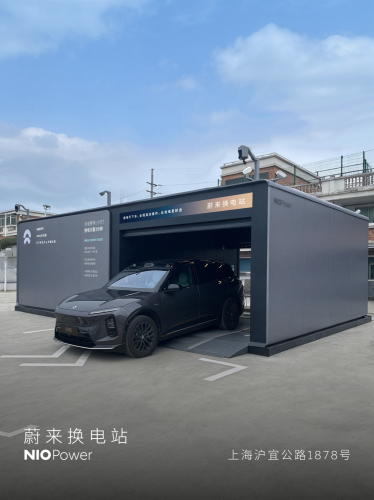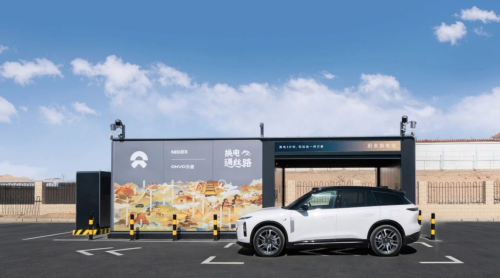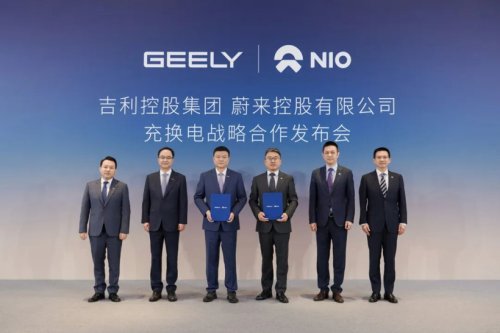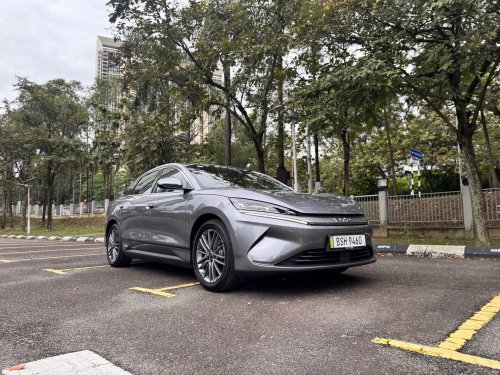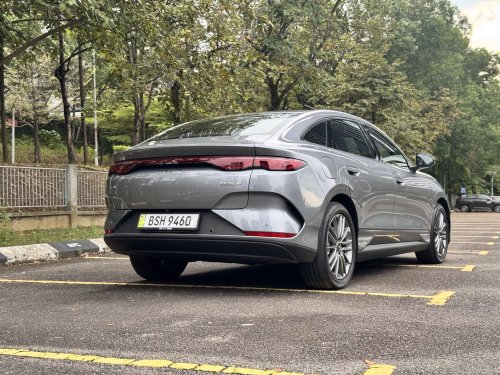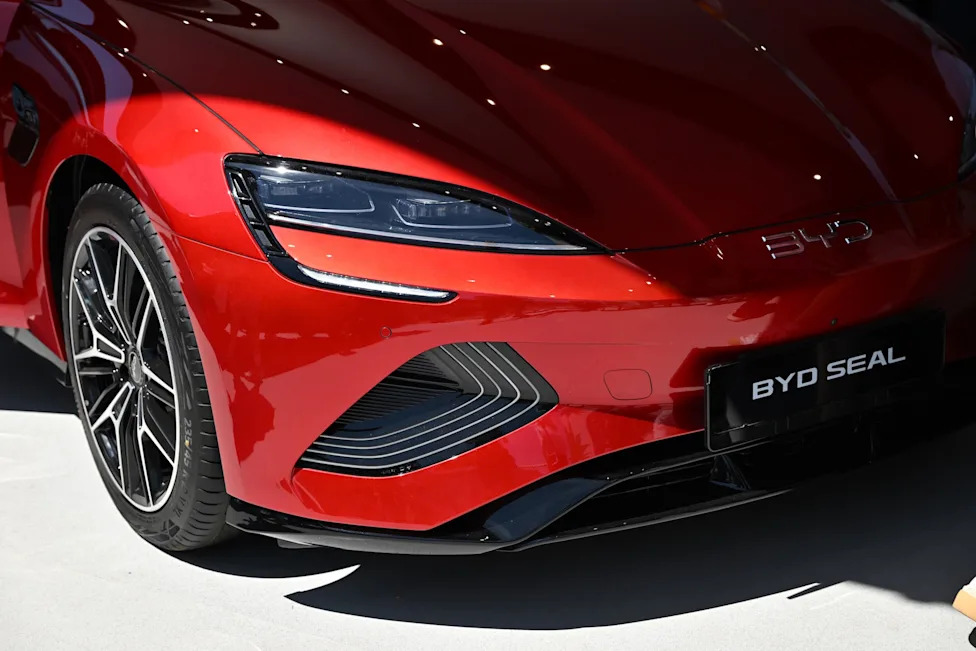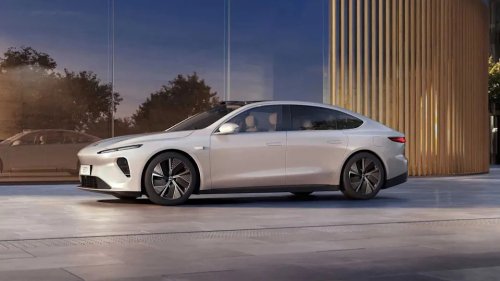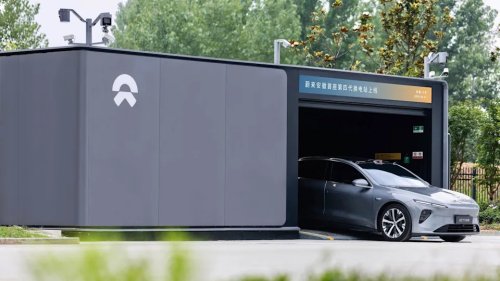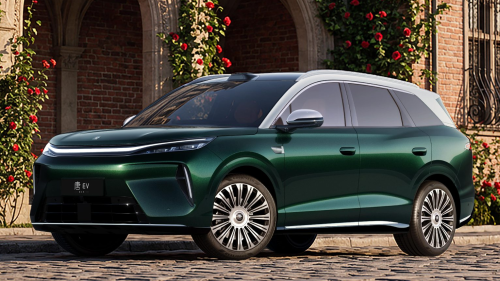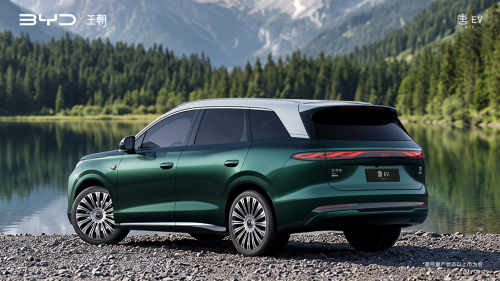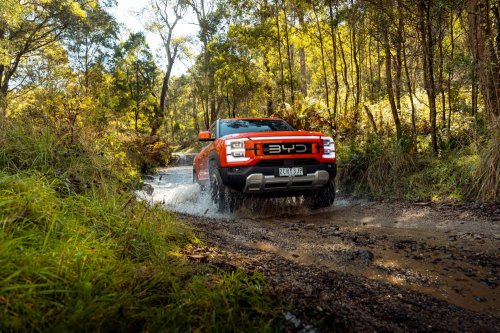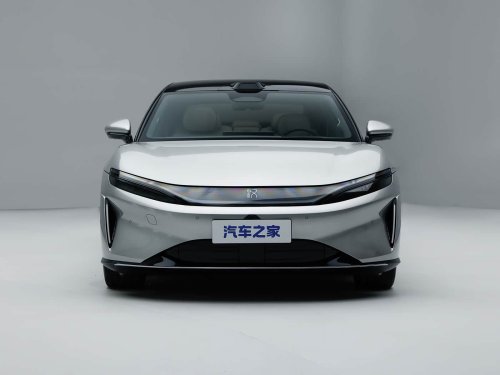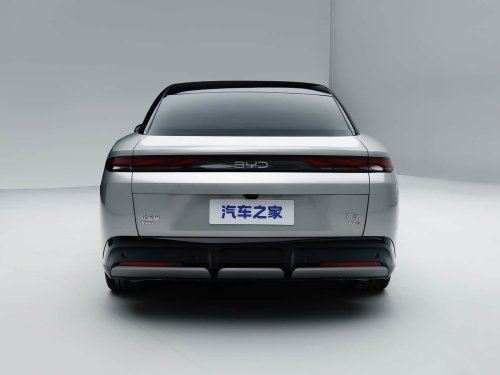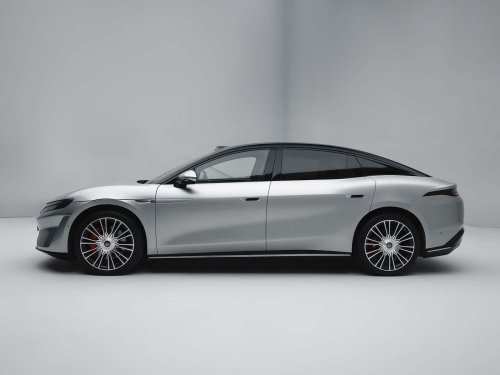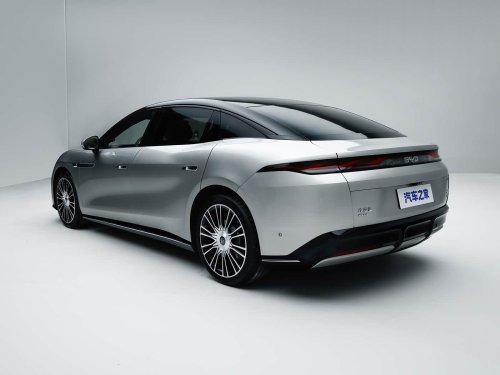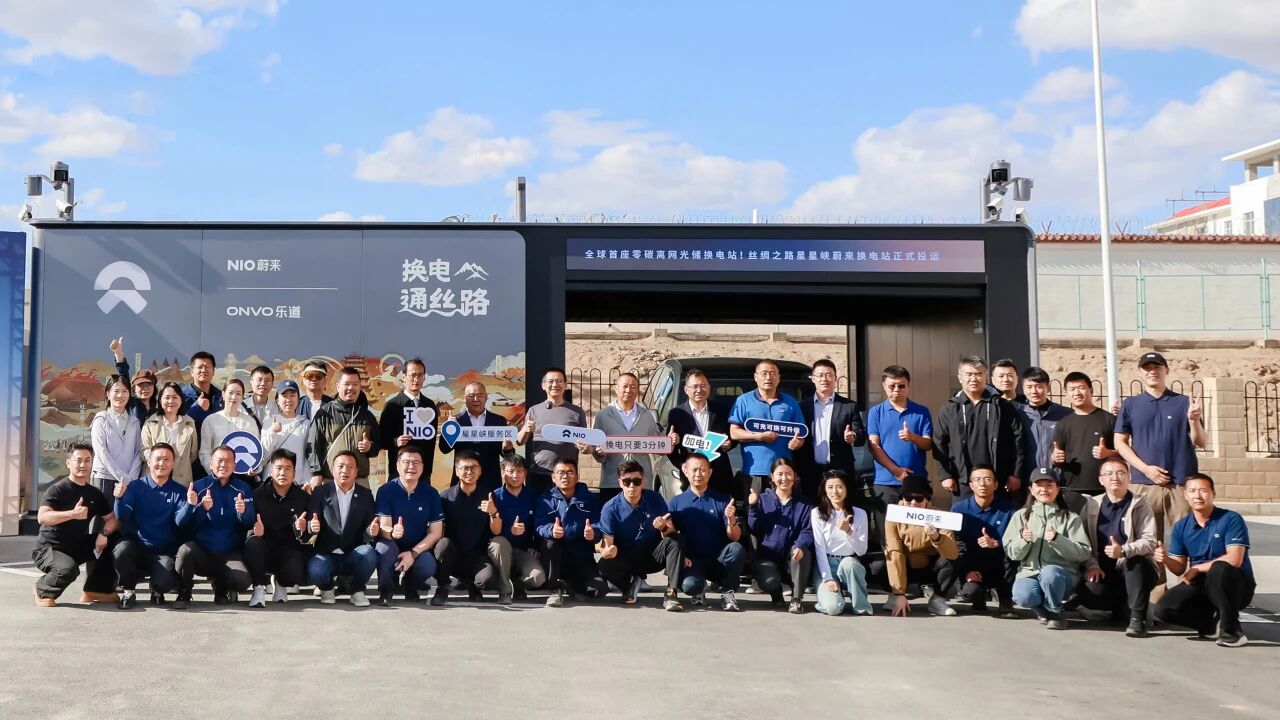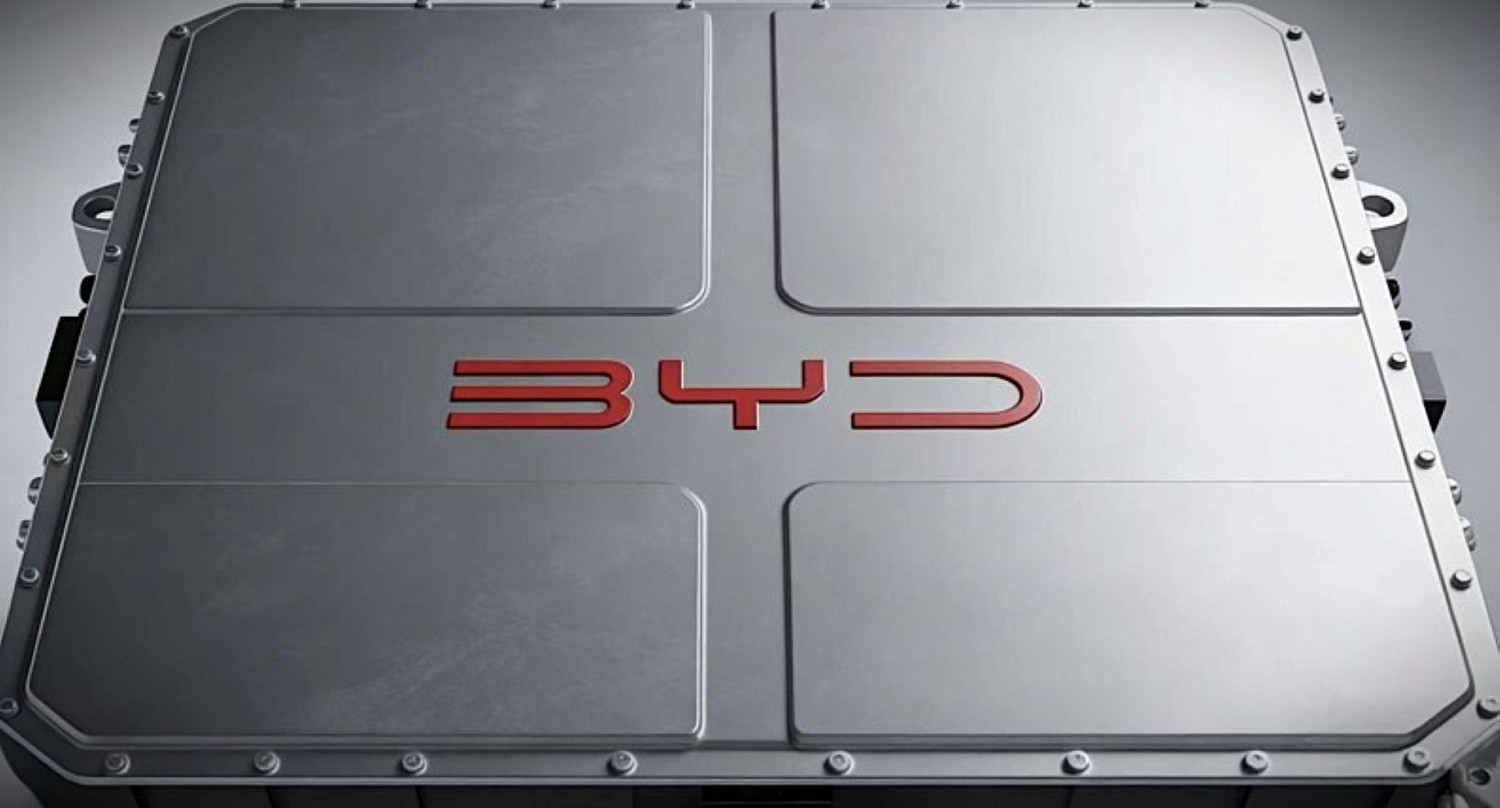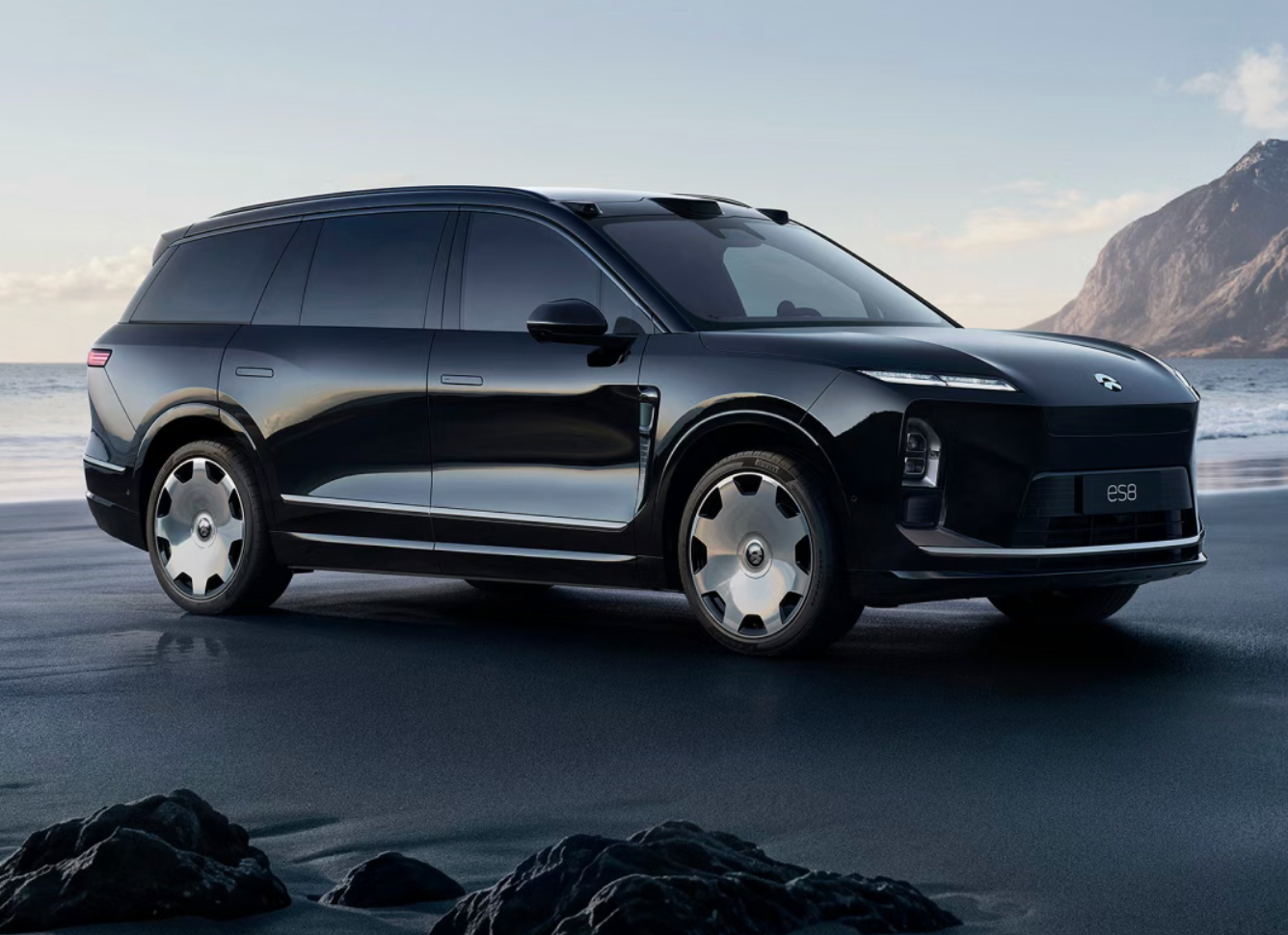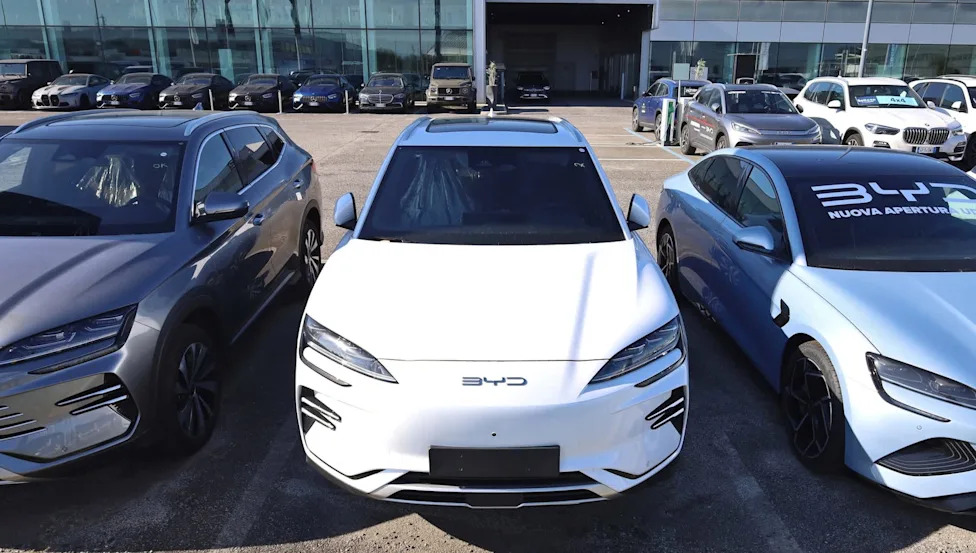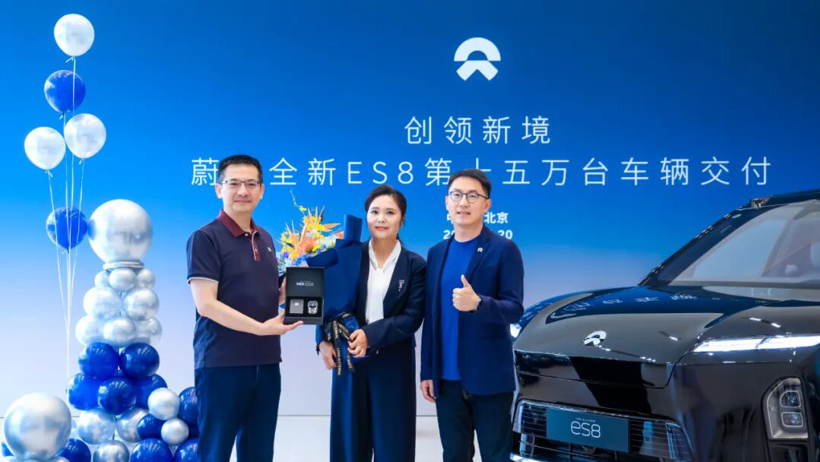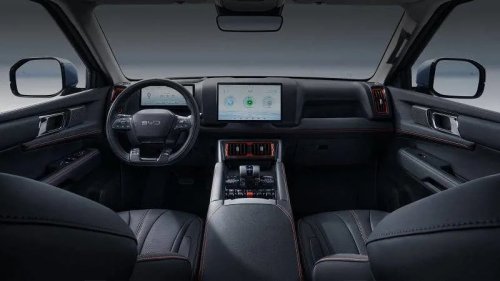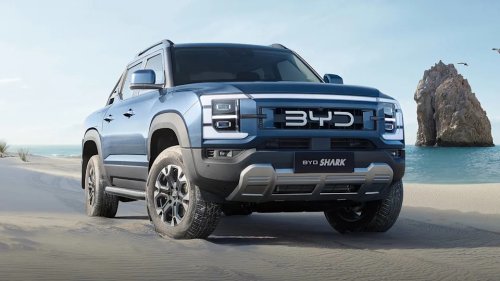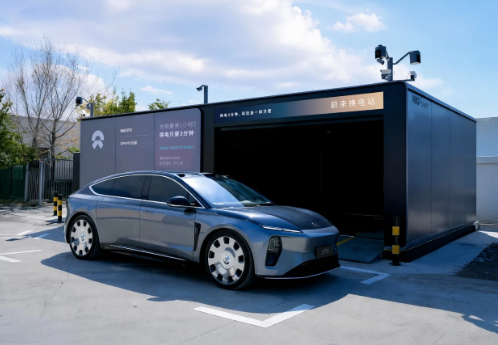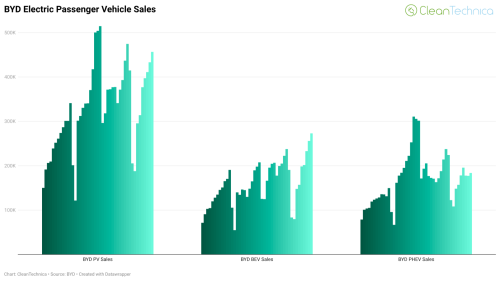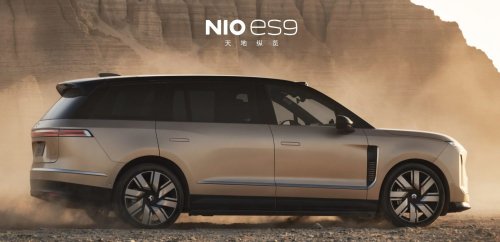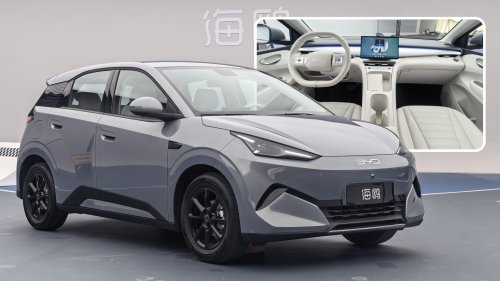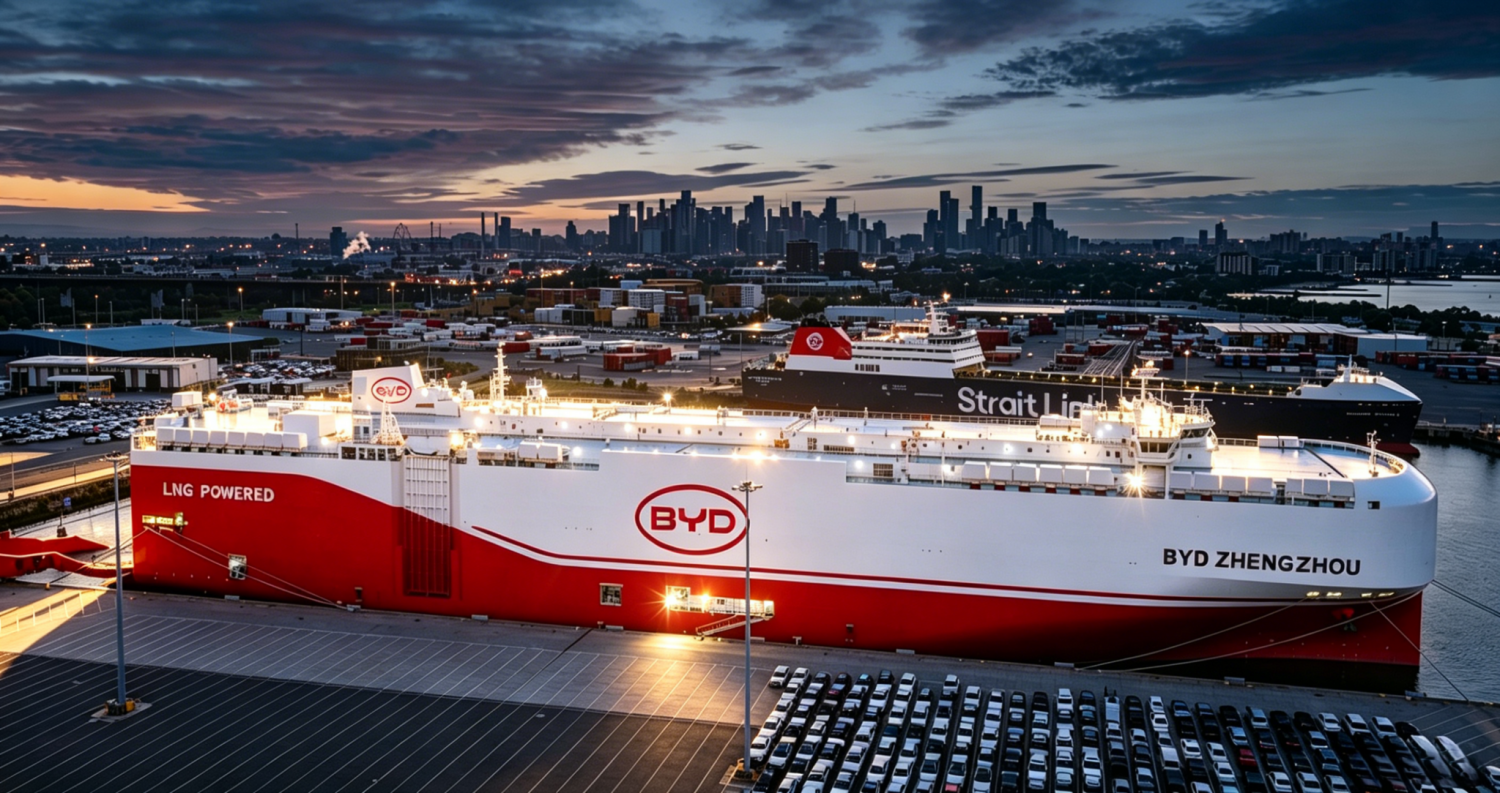



















BYD said its inclusion on the Pentagon's Chinese Military Companies list lacks a sound basis. Credit: Carsguide Understand China EV’s Market Real-time notifications when critical EV data is released All important data in one place 2,000,000+ data points Become a member BYD has rejected its inclusion on the latest U.S. Department of Defence list of Chinese Military Companies, arguing that the designation lacks justification and will not materially affect its operations, according to Cnstock. The response came after the Pentagon published an updated Section 1260H roster covering 80 parent companies and 188 Chinese entities, expanding the list deep into China’s electric vehicle, battery, artificial intelligence and autonomous-driving sectors. In a voluntary announcement released on June 9, BYD stated that it is neither a Chinese military enterprise nor a military-civil fusion company connected to China’s defence industry. The automaker said it believes there is no justified basis for its inclusion and emphasised that the designation does not constitute a sanctions measure. The company added that the listing will not affect its normal business operations, commercial relationships, or securities trading activities. BYD also stated that restrictions associated with U.S. Department of Defence procurement would not materially affect its business and said it may initiate review procedures or legal action seeking removal from the list. Nio signals potential legal challenge Nio issued a parallel announcement through the Hong Kong Stock Exchange shortly after the Pentagon update. The EV manufacturer stated that it is neither a Chinese military company nor a military-civil fusion enterprise associated with China’s defence industrial base. Nio said it would actively communicate with the U.S. Department of Defence to seek correction of the designation and may pursue legal remedies if necessary to protect shareholder interests. The coordinated responses highlight a broader pushback from Chinese technology and automotive firms affected by the latest Pentagon action. Blacklist expansion reaches EV and technology supply chains The latest update significantly broadens the scope of the Section 1260H list beyond vehicle manufacturers. Major battery suppliers, including Calb and Eve Energy, were added alongside BYD and Nio. The designation also reached key intelligent-driving suppliers such as RoboSense, while technology companies including Alibaba, Baidu and robotics developer Unitree appeared on the updated roster. Chinese financial media reports noted that the expansion extends well beyond the automotive sector, encompassing cloud computing, artificial intelligence, semiconductor manufacturing and advanced robotics companies. Unlike U.S. Treasury sanctions or Commerce Department export-control measures, the Section 1260H list does not automatically freeze assets, prohibit commercial transactions, or ban securities trading. Its most immediate effect is related to Department of Defence procurement restrictions, while also increasing compliance scrutiny surrounding listed companies. Update follows the February draft-list incident The June publication follows an unusual episode in February when a substantially similar Pentagon list briefly appeared online before being removed within minutes. That earlier version reportedly included BYD, Alibaba and Baidu, foreshadowing the broader expansion that was formally released this month. The Pentagon has previously argued that companies on the list maintain direct or indirect links to China’s military-industrial ecosystem or military-civil fusion initiatives. Pressure on Chinese EV makers continues to widen The latest designation arrives amid growing political pressure on Chinese automotive manufacturers in the United States. In April, U.S. Senator Elissa Slotkin described Chinese vehicles as a “cancer” to the global automotive industry and called for international support for a comprehensive ban on Chinese-made vehicles. The proposal extended beyond tariffs and advocated coordinated restrictions among U.S. allies. While the Pentagon’s Section 1260H list is legally distinct from trade policy, export controls and sanctions programs, both developments reflect expanding national-security scrutiny directed at Chinese automakers, battery manufacturers, autonomous-driving suppliers and technology companies. BYD has maintained a manufacturing presence in the United States for more than a decade through its electric bus facility in Lancaster, California, while Nio continues to operate a major research and development centre in San Jose. Both companies now face the challenge of contesting their inclusion on the Pentagon list while continuing their international expansion efforts.