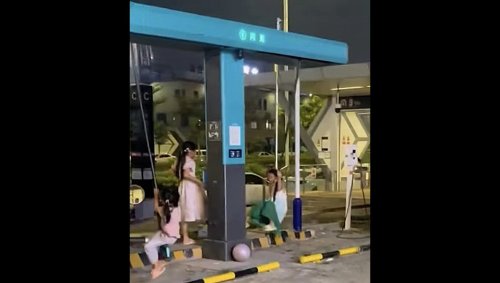
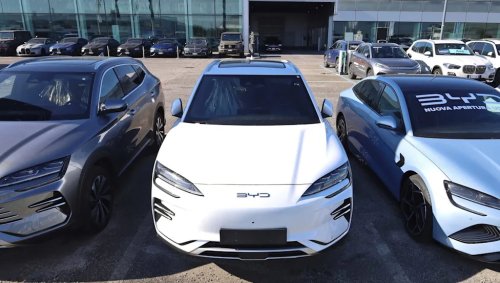
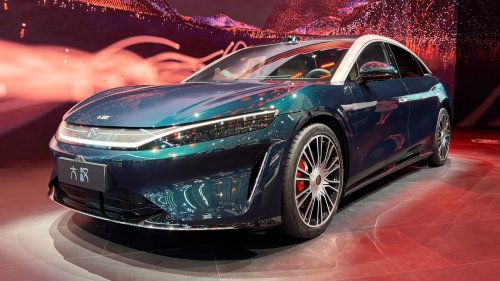
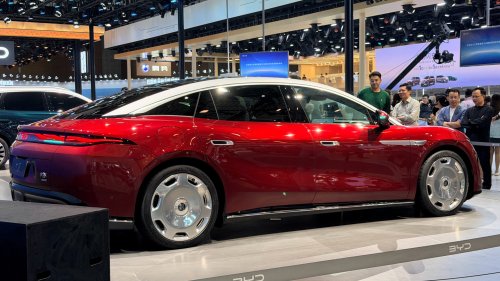
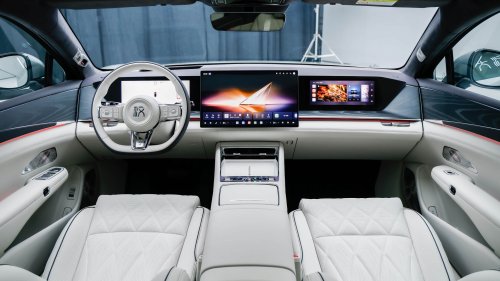
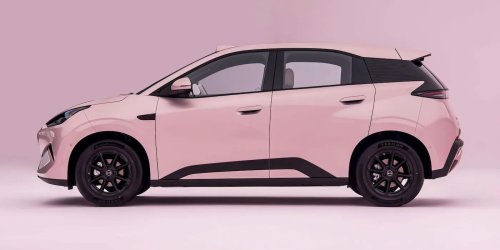
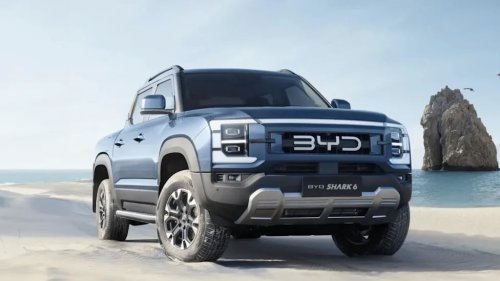
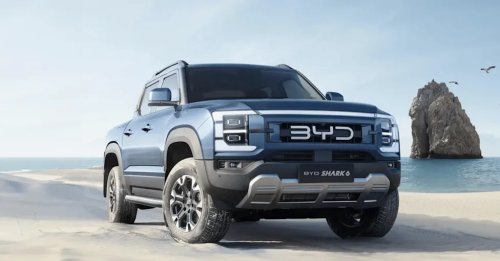
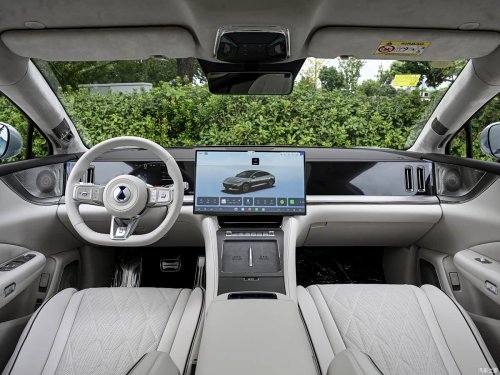
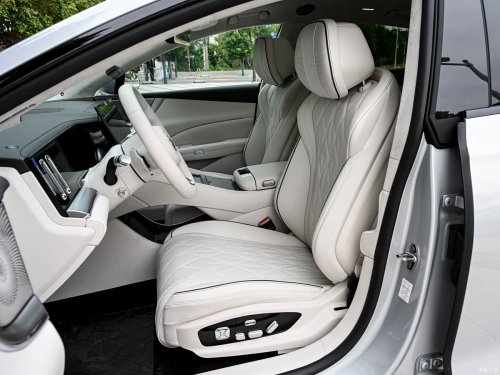
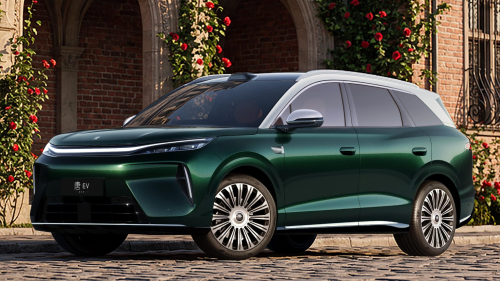
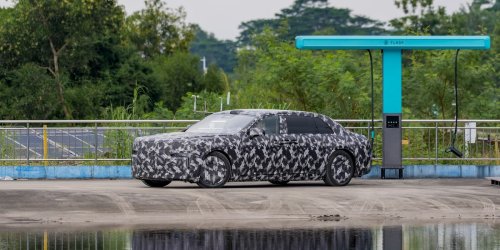
Photo Credit: iStockA patent application from BYD describes a system that could scan beneath a vehicle for animals, children, or other living things, and in some cases refuse to start until the area is clear.If the idea reaches production, it could turn cameras many cars already have into a simple safety tool that helps families avoid preventable accidents.What happened?As The Auto Wire reported, filings with China's National Intellectual Property Administration show BYD submitted the application on January 30, and the document was published on June 12, 2026. AdvertisementAdvertisementThe proposal involves saving a reference image of the area beneath a parked vehicle, then checking live camera footage against it for changes that could indicate a living being is under the car.The concept would not necessarily require new hardware. It could instead rely on surround-view or parking cameras that many modern vehicles already use, which could make the feature cheaper and easier to add than a fully separate detection system.The vehicle's response would depend on what it detects. Low-risk situations trigger lights, sounds, or a phone alert. More serious cases could stop the vehicle from starting until the area underneath is clear.Why does it matter?The biggest benefit would show up in places like parking lots and neighborhood streets, where something beneath a vehicle is easy to miss. A setup like this could help drivers avoid hitting cats that slip under a car for warmth, wildlife resting there, or a small child hidden in a dangerous blind spot. AdvertisementAdvertisementThe approach shows a practical way software can make driving easier. By using existing cameras and checking only the parts of an image that change, the system aims to conserve computing power while adding another layer of protection, which could keep future safety features more affordable.BYD holds a massive patent portfolio with more than 50,000 filings globally, with over 30,000 granted as of an October 2025 analysis, according to The Auto Wire. The concept is promising, but it remains theoretical.What's being done?As the publication noted, China typically makes invention applications public around a year and a half after the original filing date unless the applicant requests earlier release. BYD's filing appeared only about four and a half months after January 30, suggesting the company wanted the idea out quickly.The auto industry is already moving toward more safety monitoring, though mostly in other parts of the vehicle. In the United States, the National Highway Traffic Safety Administration has finalized a rule mandating rear-seat belt alerts in new vehicles beginning September 1, 2027, and officials have also pushed for technology that can detect children left inside cars.AdvertisementAdvertisementCarNewsChina, cited by The Auto Wire, reported that publication of a patent application "does not indicate production deployment." Even so, the filing targets a problem the patent itself says has suffered from "insufficient all-weather reliability," and solving that could make everyday driving safer for everyone.Get TCD's free newsletters for easy tips, smart advice, and a chance to earn $5,000 toward home upgrades. To see more stories like this one, change your Google preferences here.