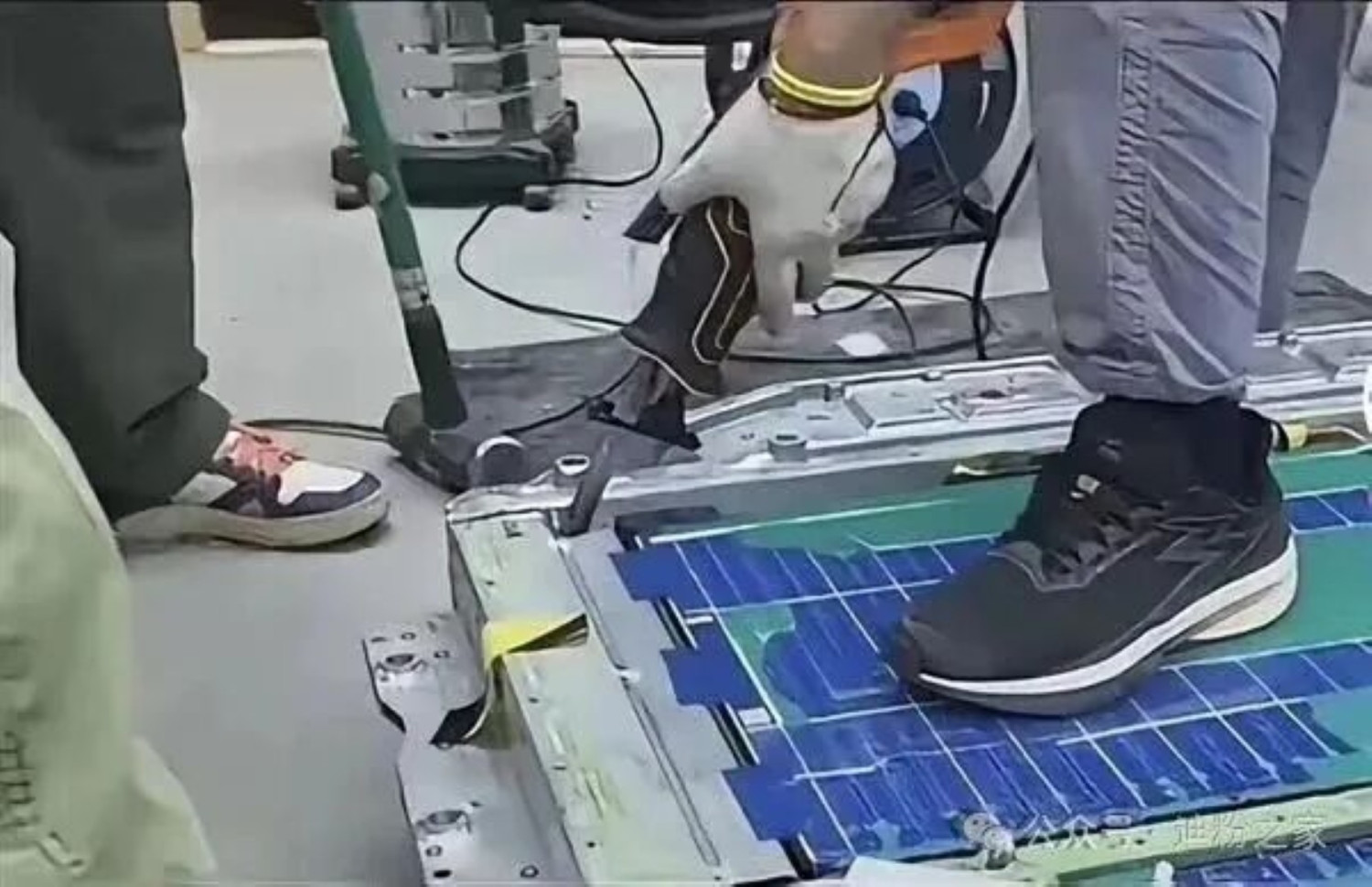
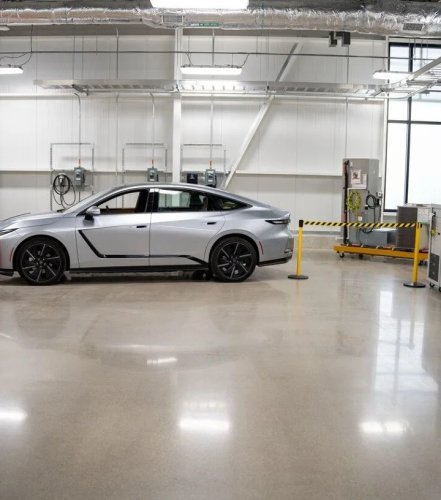
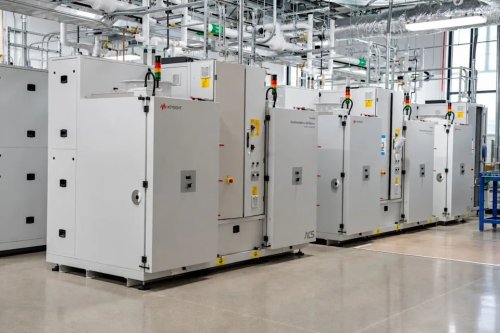
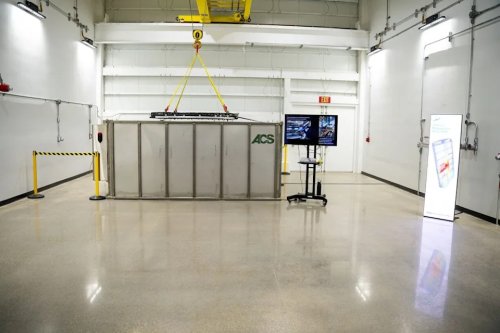
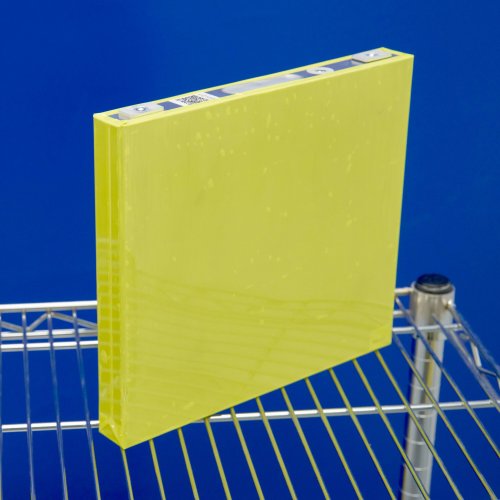
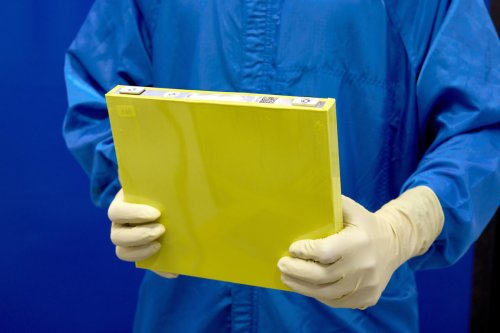
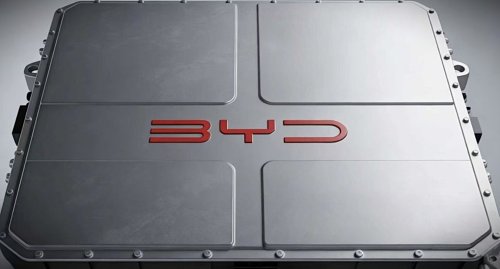
BYD's Blade 2.0 during the battery teardown. Credit: Cai Shen Dao Understand China EV’s Market Real-time notifications when critical EV data is released All important data in one place 2,000,000+ data points Become a member The Cyberspace Administration of China (CAC) has named the Bilibili account Cai Shen Dao in a case involving what the regulator described as false product evaluations that damaged enterprise product quality and product reputation. The account was listed among multiple platforms and accounts targeted in a regulatory campaign focused on the online business environment. The August 4 notice covers several categories of alleged violations involving commercial content. Cai Shen Dao was included in the category concerning false product evaluations. The action comes amid a dispute over the account’s testing of BYD’s second-generation Blade Battery during high-current charging of the Fang Cheng Bao Ti 3. Blogger listed among multiple accounts The first category concerns accounts that allegedly published false information and maliciously damaged companies’ product and business reputations. The second covers accounts that allegedly promoted negative information about companies and interfered with their normal business activities. The third concerns accounts that allegedly published false information for improper financial gain. Cai Shen Dao was listed in the fourth group, which concerns accounts accused by the regulator of conducting false product evaluations that damaged product quality and product reputation and misled consumers. The fourth group also included accounts on Kuaishou, Douyin (the Chinese version of TikTok), and Xiaohongshu. The notice says the accounts in this group were subject to measures in accordance with applicable rules. Unlike the first three groups, the notice does not state that the accounts in the fourth group were closed. The rules referenced by the regulator require online product evaluations to comply with applicable standards and technical specifications, where they exist. They also require non-standard testing methods to be explained and prohibit false or inaccurate product descriptions and malicious disparagement. The rules also state that cases suspected of constituting a crime should be transferred to the relevant judicial authorities for handling. The bulletin places Cai Shen Dao within a broader campaign covering accounts involved in automotive, consumer product, corporate and other commercial content. The battery testing behind the dispute The controversy involved testing of BYD’s second-generation Blade Battery during high-current charging of the Fang Cheng Bao Ti 3 AWD Flash Charging Edition, which uses a 310 kW (416 hp) dual-motor system and a 78.72 kWh battery pack. In a May 6 livestream test, external probes reportedly recorded a peak surface temperature of 76.42 degrees Celsius, while the vehicle’s battery-management system displayed approximately 71.0 degrees Celsius. The dispute also involved a separate teardown of a second-generation Blade Battery. In a May 18 report, we documented a teardown in which the battery pack had been frozen for about 40 hours before dismantling. The report described the pack’s internal construction and cooling system and included the teardown team’s explanation that some outer structures had to be removed during the process. The latter laboratory evaluation involved a battery pack that had been dismantled during the earlier teardown. A subsequent laboratory evaluation by Guolian Research Institute charged the vehicle from 7% to 97% state of charge in 8 minutes 32 seconds, with a peak current of about 1,200 A. A probe placed on an exposed cell surface recorded a peak temperature of 78.5 degrees Celsius, while the vehicle’s battery-management system reported approximately 70.5 degrees Celsius. The two readings represent different measurement systems and locations. The laboratory probe measured temperature at an exposed cell surface, while the battery-management system data came from sensors within the vehicle’s factory battery system. The measurements document temperature differences recorded under specific test conditions. They do not, by themselves, establish a specific defect or determine the overall safety or durability of the production battery. Police report claim remains unconfirmed. As previously reported on July 31, Cai Shen Dao said on Weibo on July 30 that BYD had reported him to the Songjiang District Police Station in Shanghai over his battery testing. No public police notice, acceptance document or BYD statement confirming the report has been identified. The claim remains attributed to Cai Shen Dao. On August 4, the account’s secondary Weibo account reportedly appealed to Xinhua News Agency and described the enforcement as a miscarriage of justice. The post was later deleted. The August 4 CAC notice does not state that criminal proceedings have been initiated. Most important news in your inbox. Recaps · scheduled All you need, in one email. Instant alerts · real-time Ping me when an article goes live. 0 of 27 topics selected Bundle into one email per day — instead of one email per article No spam · Unsubscribe with one click · Change settings anytime



















 +31 others



![Battery, Watt's up, doc? Huddig hybrid loader gets a big battery boost [video]](https://cdn.topcarnews.net/thumb/id/aHR0cHM6Ly9pMC53cC5jb20vZWxlY3Ry-ZWsuY28vd3AtY29udGVudC91cGxvYWRz-L3NpdGVzLzMvMjAyNi8xMC9odWRkaWct-aHlicmlkX21haW4uanBnP3c9MTUwMCZh-bXA7cXVhbGl0eT04MiZhbXA7c3RyaXA9-YWxsJmFtcDtzc2w9MQ/ea51c544798341190a5eed718aab1ee3.jpg?t=20261006&post_id=67784)
![Battery, Watt's up, doc? Huddig hybrid loader gets a big battery boost [video]](https://cdn.topcarnews.net/thumb/id/aHR0cHM6Ly9lbGVjdHJlay5jby93cC1j-b250ZW50L3VwbG9hZHMvc2l0ZXMvMy8y-MDI2LzEwL0hlcm9iYW5uZXJfVGlnb25f-MS1jbG9zZS1jb3B5LmpwZw/d26fab6fabc13bc13692cf5d41542493.jpg?t=20261006&post_id=67784)
![Battery, Watt's up, doc? Huddig hybrid loader gets a big battery boost [video]](https://cdn.topcarnews.net/thumb/id/aHR0cHM6Ly9lbGVjdHJlay5jby93cC1j-b250ZW50L3VwbG9hZHMvc2l0ZXMvMy8y-MDI1LzAzL0RFUy0xMDM4X0VsZWN0cmVr-LUJhbm5lcnNfRVZzXzA3OTdjMi5wbmc/e850e929e3168f8c7ff73cd888e54add.png?t=20261006&post_id=67784)






![Not sold on Tesla Powerwall? There are great battery alternatives out there [update]](https://cdn.topcarnews.net/thumb/id/aHR0cHM6Ly9pMC53cC5jb20vZWxlY3Ry-ZWsuY28vd3AtY29udGVudC91cGxvYWRz-L3NpdGVzLzMvMjAyNi8wNy9ob21lLXNv-bGFyLWJhdHRlcnkucG5nP3c9MTUwMCZh-bXA7cXVhbGl0eT04MiZhbXA7c3RyaXA9-YWxsJmFtcDtzc2w9MQ/18e81f395a77dbb42269ab5e106fea41.png?t=20261006&post_id=68280)