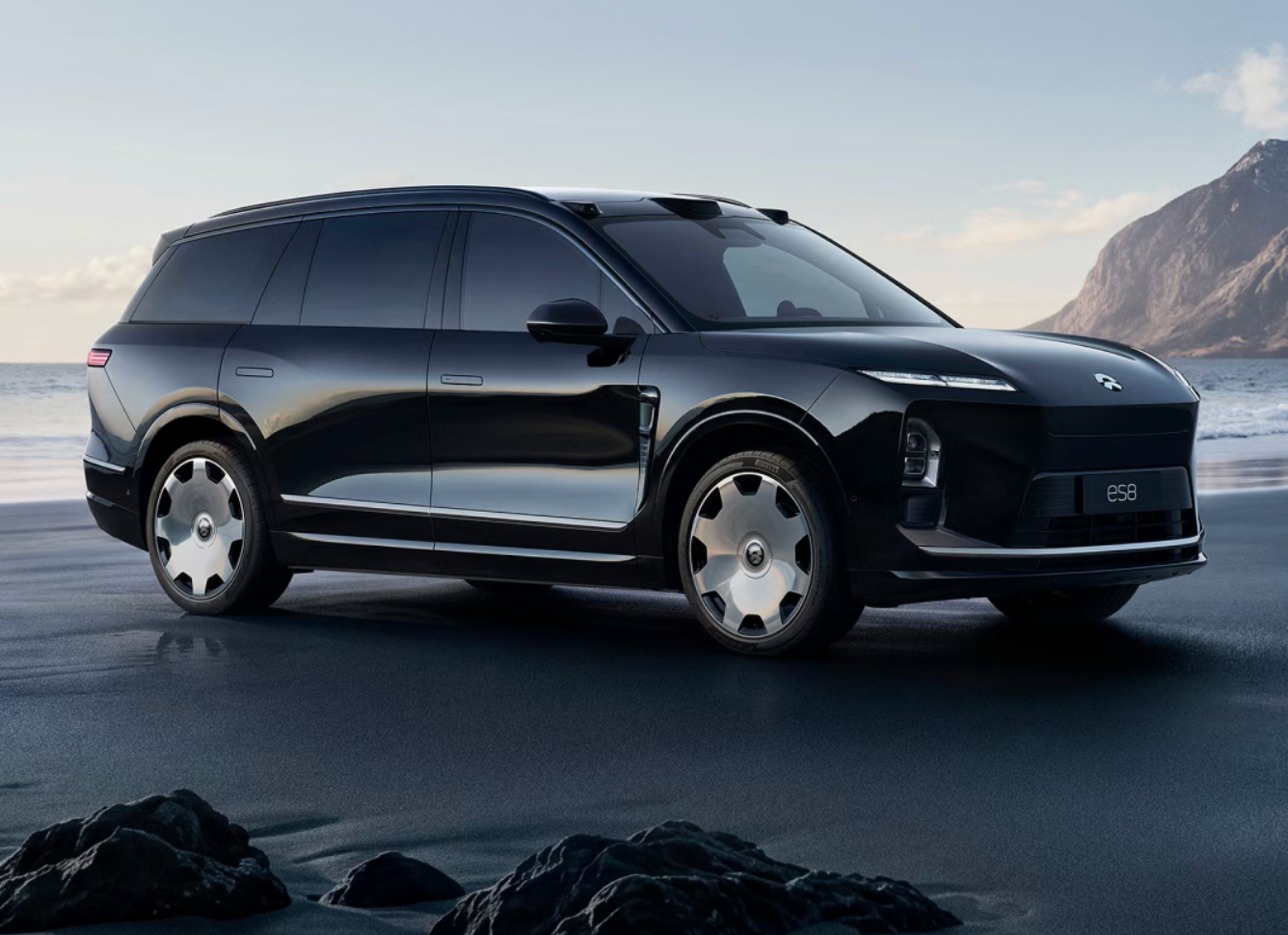
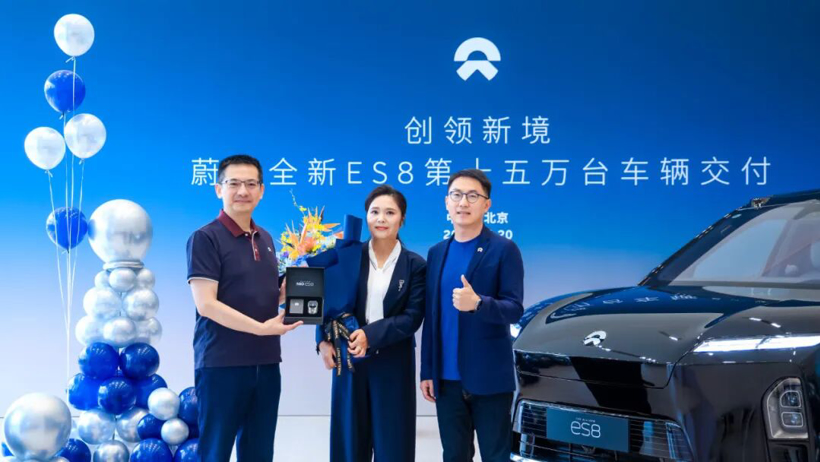
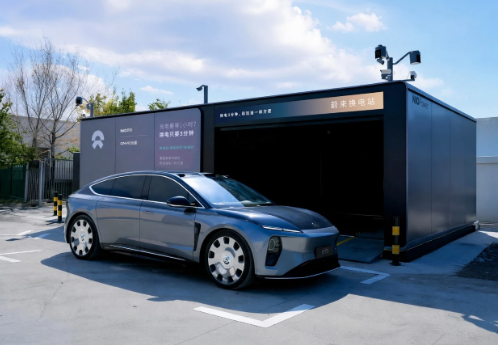
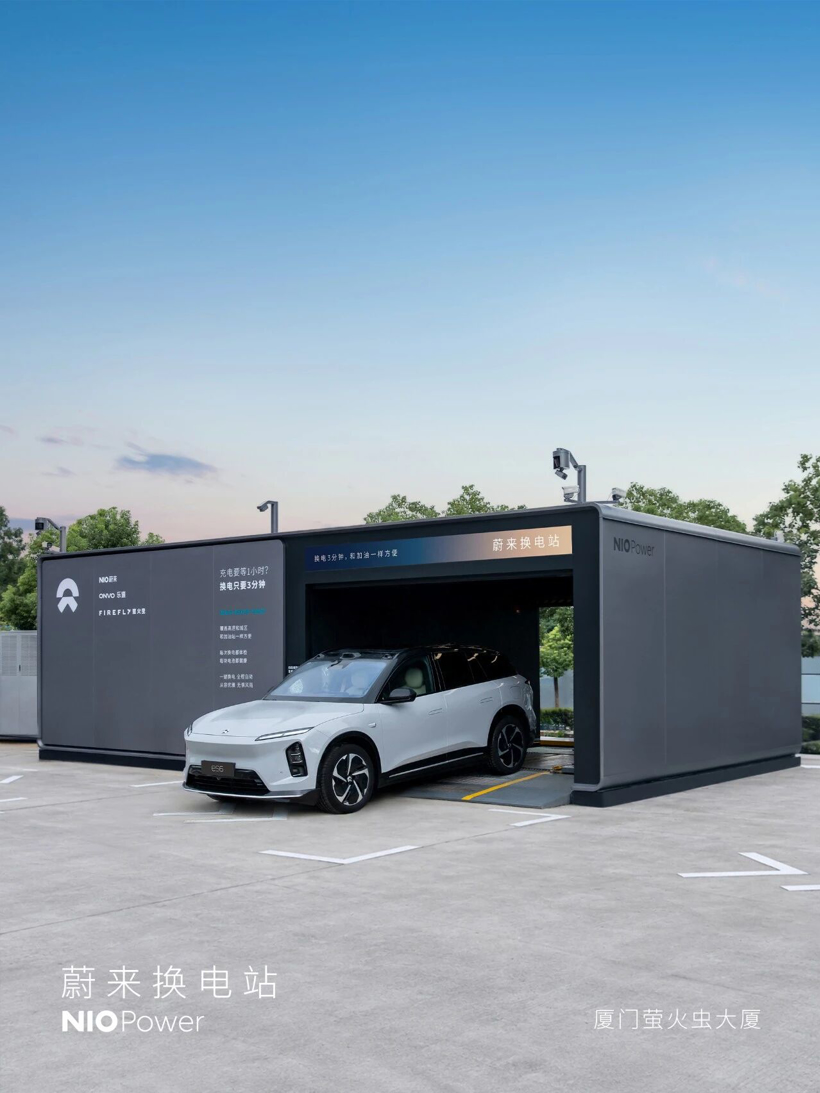
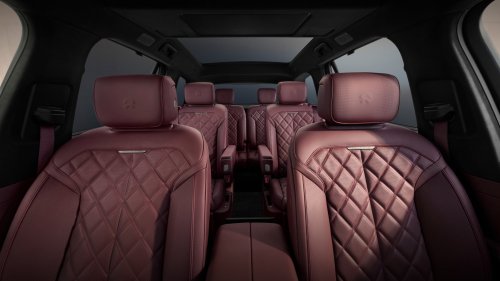
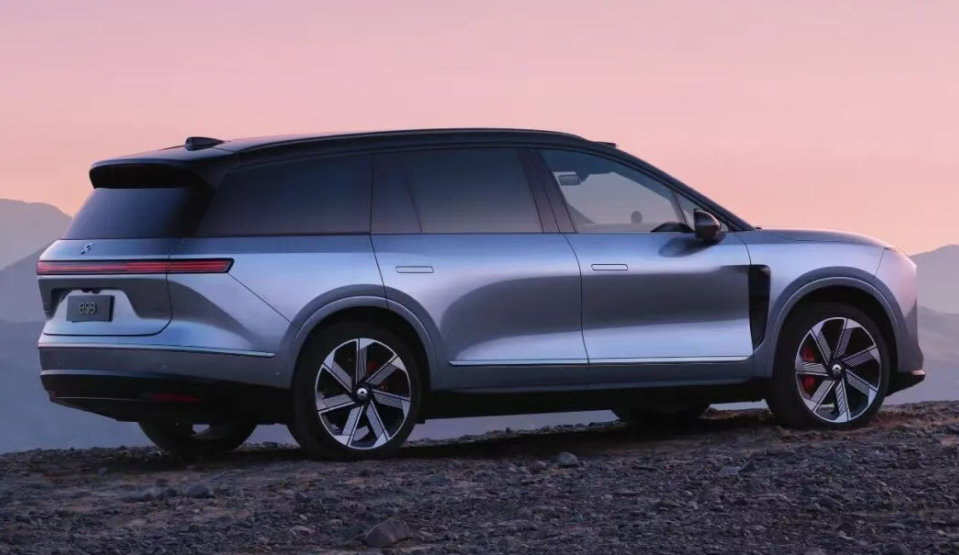
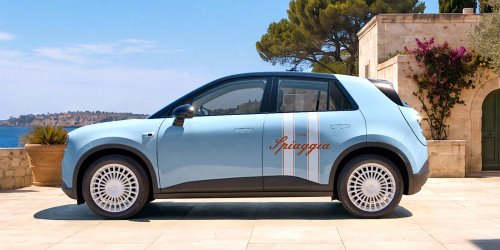
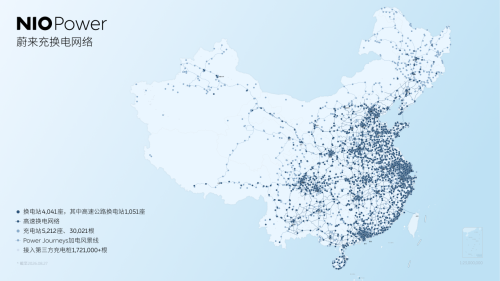
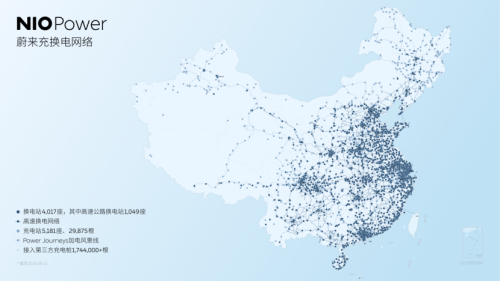
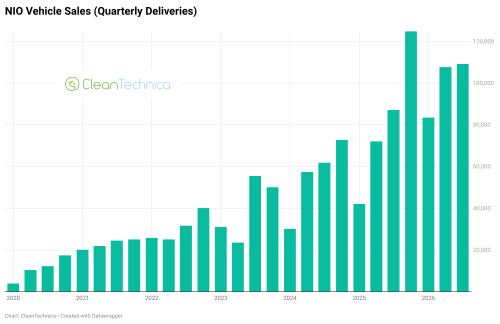
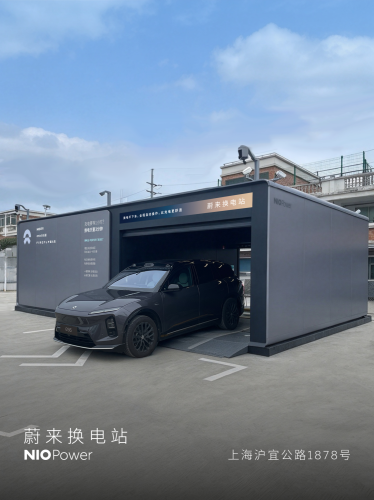
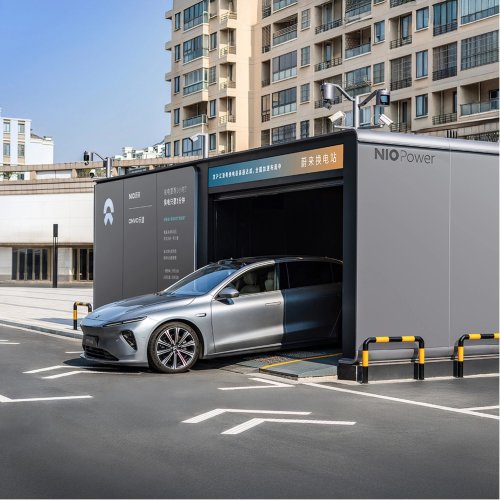
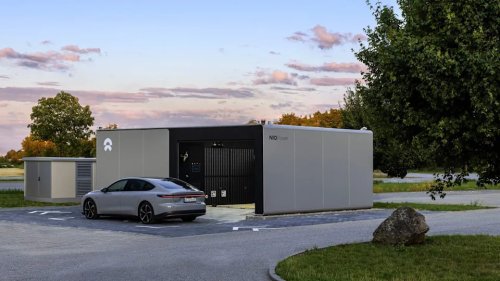
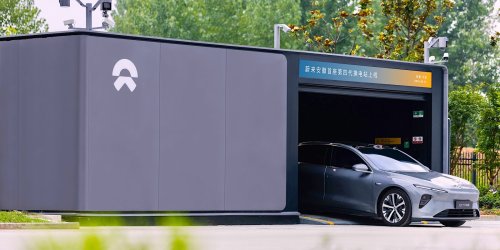
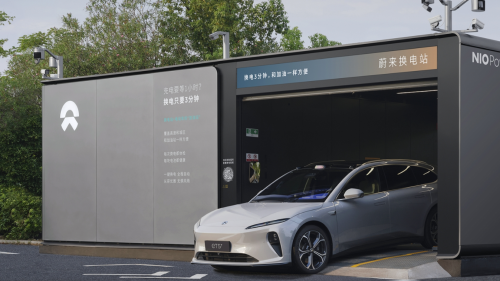
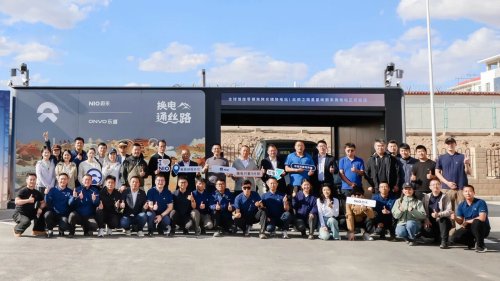
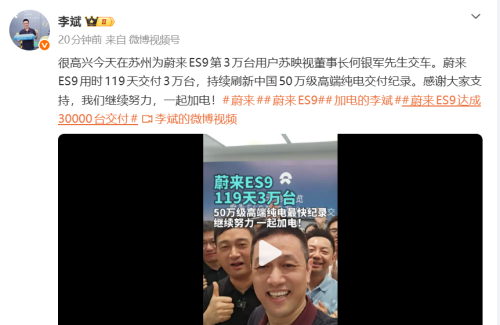
Gasgoo Munich- Speaking at the 2026 NIO Partner Day on June 26, founder, chairman, and CEO William Li stated that by 2030, the overall penetration rate of new energy vehicles in China's new car market will exceed 90%. Within the NEV sector itself, pure electric models will account for more than 90% of the mix, establishing battery power as the unequivocal mainstream.Current data from the China Passenger Car Association (CPCA) shows the retail penetration rate of new energy passenger vehicles in China surged to 63% in May 2026. That month, pure electric models comprised 70% of the NEV total. With both key indicators climbing, the structural trend—internal combustion engines retreating as electrification gains ground—is accelerating rapidly.Tracing the industry's trajectory, the penetration rate of new energy vehicles stood at just 5.4% in 2020, before climbing to around 40% in 2024—a several-fold leap in six short years. Entering 2026, the industry penetration rate has firmly crossed the 60% threshold, a substitution speed far outpacing early expectations. This rapid ascent is driven by falling battery costs, the widespread adoption of 800V high-voltage platforms, and the large-scale rollout of battery swapping and ultra-fast charging networks. NIO's continued heavy investment in energy infrastructure is a strategic bet that pure electrics will dominate the long-term market.According to public information, NIO has poured tens of billions of yuan into charging and swapping infrastructure over the past decade, securing more than 2,000 related patents. In 2026 alone, the company plans to add 1,000 new battery swapping stations to bolster its nationwide highway and urban networks. Meanwhile, its three-brand strategy—spanning NIO, Onvo, and Firefly—covers various price segments with an all-electric lineup, a comprehensive move that aligns with its long-term judgment of the industry's path.Addressing the short-term pressure on the auto market, Li previously noted at an industry forum that China's overall passenger vehicle retail volume could slump by 15% to 20% in 2026. Yet the logic for structural growth in new energy remains unchanged, with replacement demand continuing to drive electric vehicle sales upward.If the NEV penetration rate hits 90% by 2030, it would effectively signal the exit of internal combustion engine vehicles from China's new car retail market. Such a shift would trigger a complete overhaul of the supply chain, spanning vehicle manufacturing, batteries, charging, and intelligent technologies.Still, four years remain before 2030. Hybrid and extended-range electric vehicles continue to serve a transitional role at this stage. The speed at which penetration rates climb will depend on variables such as the urban-rural balance of charging infrastructure, progress in battery recycling systems, and shifts in consumer habits.



















 +71 others