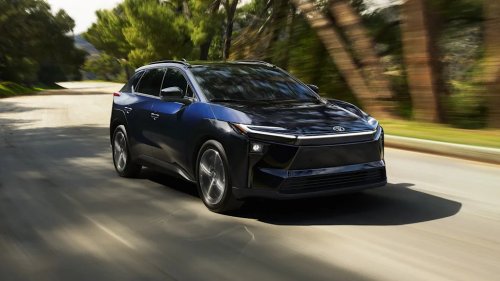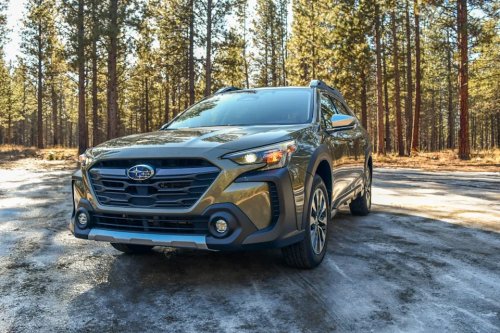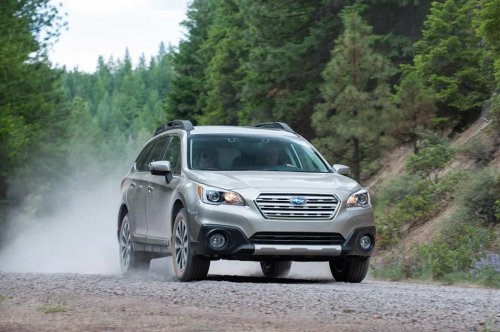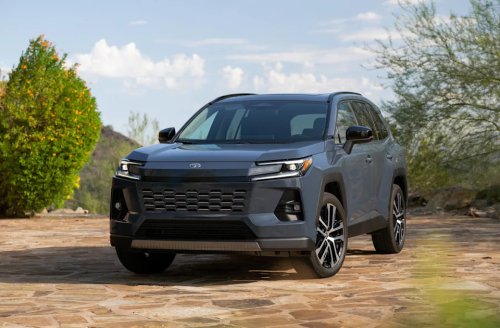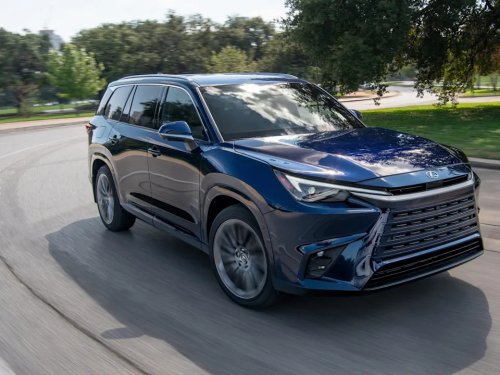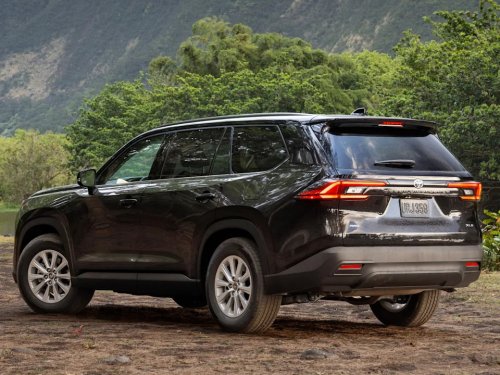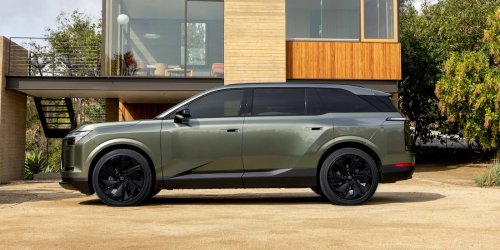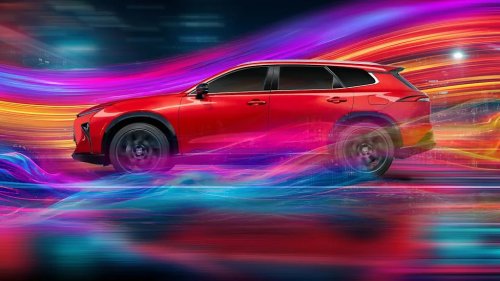
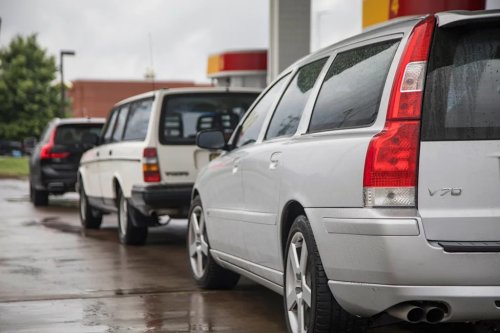
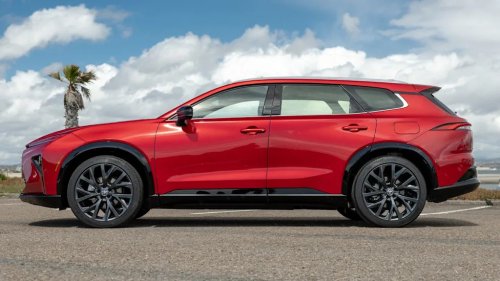
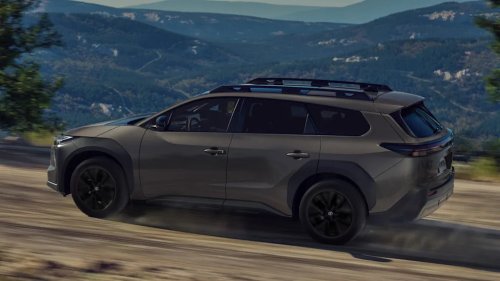
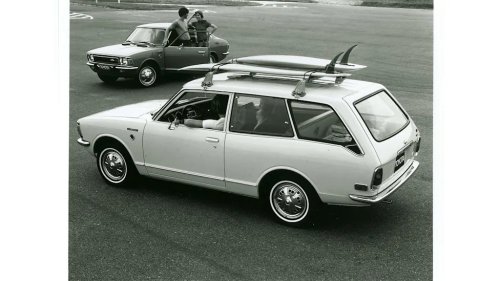
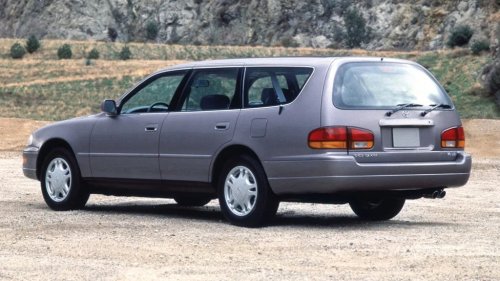
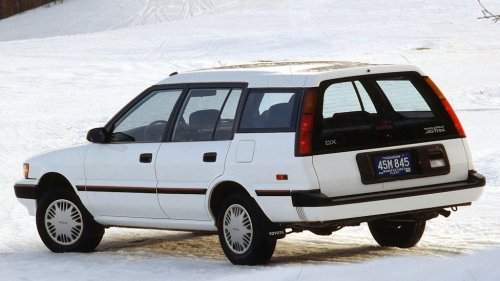
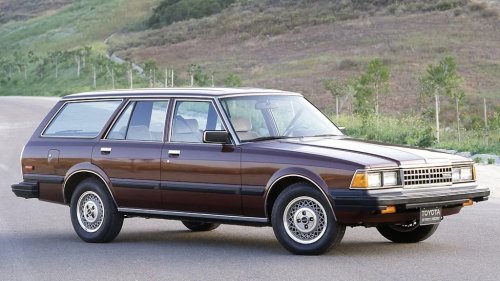
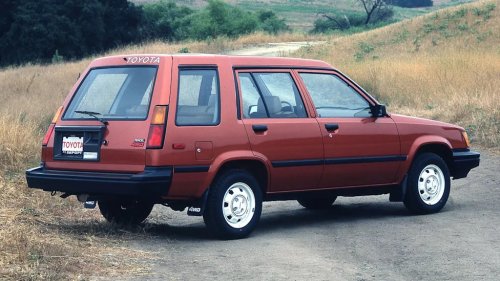


















Toyota Is Quietly Keeping Wagons Alive in an SUV WIllustration by Ryan Lugo - MotorTrend (Illustration by Ryan Lugo - MotorTrend)So many cars these days are bulkier than they need to be, but that seems to be what buyers want. Or is it? Toyota is going to find out with a couple of models that—depending on how you see it—will either quickly drive into irrelevance or continue to brighten our roads with an escape from conventional SUV proportions.As a bonus, Toyota’s willingness to try something different means Subaru also retains one wagonlike model in its lineup—and no, we don’t mean the Outback.Don’t miss the classic Toyota wagon photos toward the end of this story.What Happened to Wagons?The demise of the classic station wagon would be easy to pin on the rise of the SUV and, well, that’s pretty much what happened. After a while, it became easier for automakers to justify the cost of developing SUVs because they were more profitable and their sales kept growing.MotorTrend - MotorTrend (MotorTrend - MotorTrend)As wagons fell out of favor, SUVs filled the gap as the family vehicle of choice, thanks in part to their commanding seating position, additional interior space, and rugged, outdoorsy appeal. Wagons started disappearing.AdvertisementAdvertisementEven the most stalwart wagon purveyors have fallen victim in recent years. We’re once again in a post-Volvo-wagon era, and even Subaru couldn’t resist the temptation to SUV-ify its popular Outback. Previously, the Outback’s appeal was at least partially due to its distinct design, yet the new Outback is now classified as an SUV (versus the wagons of previous generations) by the IIHS—an organization that safety-tests cars.Why Wagons RuleSome would argue that a few SUVs (like the all-new Volvo EX60) aren’t far off from wagons of the past and that the difference between wagon and SUV has become something of a gray area. We agree, and that’s exactly the kind of fuzzy reasoning we’re using here.Wagons generally have lower centers of gravity, which means they’re more fun and easier to handle than equivalent SUVs. Perhaps just as important, wagons look different. They’ve become like pops of automotive color that add variety to boring commutes, something different to glance at while you make your way home.MotorTrend - MotorTrend (MotorTrend - MotorTrend)Toyota’s Place in the Wagon WorldWe’re not saying SUVs are inherently bad, far from it. There are tons of good ones on the market, and as you may have noticed, we highlight an especially good one every year through our SUV of the Year award. Automotive variety is something to treasure. It’s why we’re surprised Toyota has emerged as the maker of two-and-a-half wagons, more than most other automakers in the U.S.AdvertisementAdvertisementThere’s the Crown Signia, which is a wagonlike SUV (or an SUV-like wagon, if you prefer), with its long and low proportions. The midsize model is within an inch of the outgoing 2026 Highlander gas SUV, lengthwise, yet it’s roughly 4 inches shorter in height. Just look at the Crown Signia above and decide for yourself.The same is true of the bZ Woodland. As Toyota starts to explore every electric SUV niche, the bZ Woodland—and its Subaru Trailseeker twin—dips a tire into the wagon’s realm. We consider the Subaru to be the “half wagon” in that it’s essentially a Toyota with Subaru badges.As for the Toyota version, the bZ Woodland is about half a foot longer than the bZ SUV it’s based upon, yet it’s only 0.9 inch taller, all while riding on the same wheelbase. There’s that long and (relatively) low combination again.MotorTrend - MotorTrend (MotorTrend - MotorTrend)This allows the stretched-out bZ Woodland to offer more cargo space and, as a side effect, its looks take on the appearance of a chunky wagon. As for the Subaru version, we’ve called the Trailseeker “a refreshingly retro contrast to modern SUVs.”What Is a Successful Wagon?Don’t look for the Crown Signia or bZ Woodland to ever lead Toyota’s sales sheets. Toyota sold three regular gas Highlanders for every Crown Signia through the first quarter of 2026.AdvertisementAdvertisementFor us, their exclusivity and otherness have become a part of what makes a wagon so appealing. Just ask an M5, RS6, or E53 wagon owner why they like their cars. Somewhere after they describe how absurdly powerful they are, you’re likely to hear just as much about how their German rockets don’t look like the other SUVs in their garage.Despite the enthusiasm for them among a small but vocal group of enthusiasts, survival seems like the best measure of success for wagons given the hold SUVs have on the market. We’ll see how Toyota’s two-and-a-half wagonlike models fare in the meantime.Toyota Wagons in PhotosThere was a time when many compact and midsize sedans offered wagon variants, but they’re all gone. Here’s a 1972 Toyota Corolla wagon that’s surf-ready.Toyota (Toyota)And this 1992 Toyota Camry wagon has a rear design that appears to sacrifice style for max cargo space.Toyota (Toyota)Like Honda, Toyota also offered small wagons with all-terrain traction. Here’s the 1990 Toyota Corolla SR5 All-Trac wagon.Toyota (Toyota)Even Toyota’s higher-end models had wagons back when nearly every automaker was offering them. Here’s the 1983 Toyota Cressida Luxury Wagon, in 1980s brown, of course.Toyota (Toyota)AdvertisementAdvertisementBecause we’ve now lost all focus, this is a 1984 Toyota Tercel 4WD SR5 wagon (Tercel was positioned below Corolla).Toyota (Toyota)What This All MeansClearly, the wagons of the past were purer station wagon body styles than the SUV-like wagons of today.The next time you’re new-car shopping, don’t forget to consider the less conventional options before choosing a compact or midsize SUV. If a wagonlike SUV doesn’t make sense, pick a real color. These purposeful choices keep things visually interesting and show that having fun with cars isn’t just about driving them.