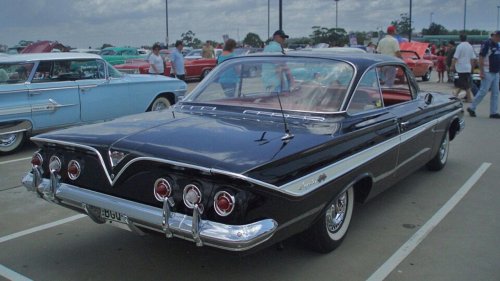
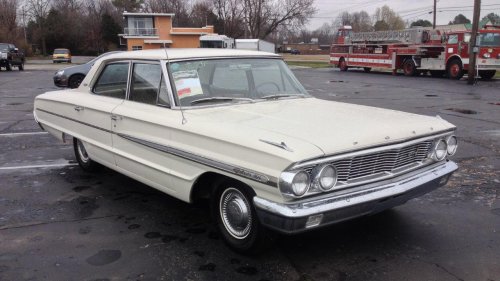
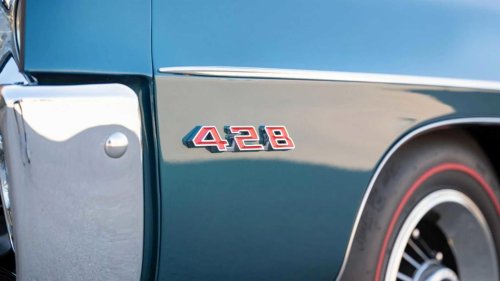
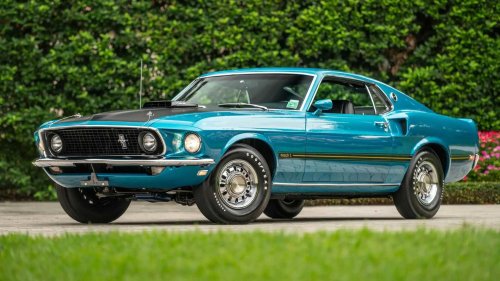
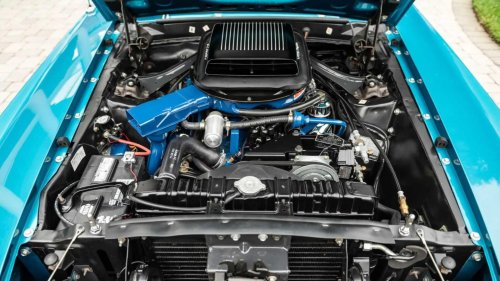
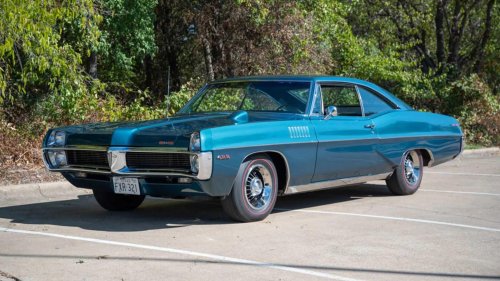
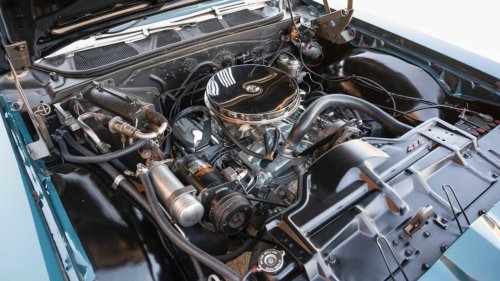
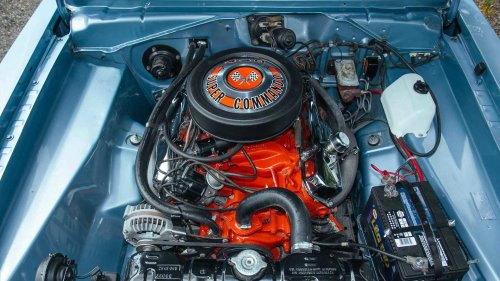
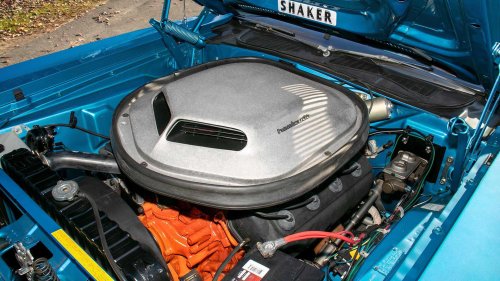
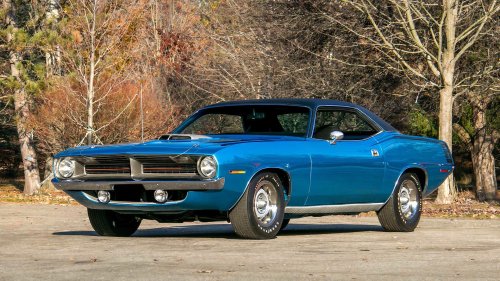
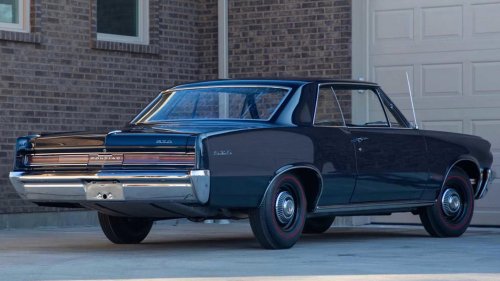
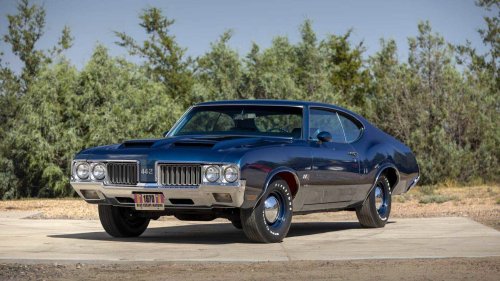
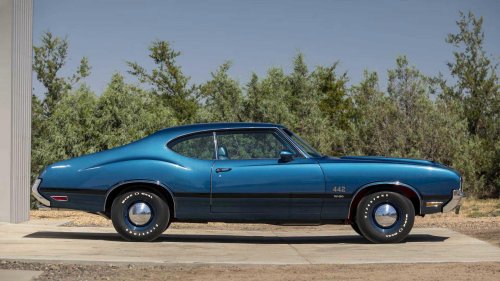
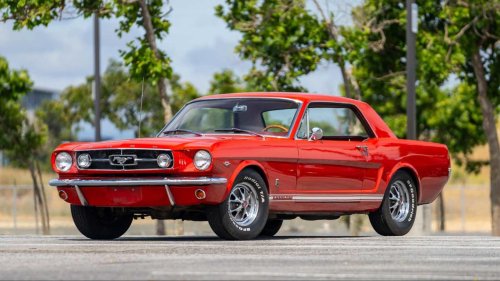
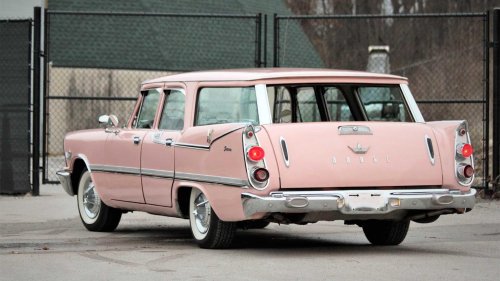
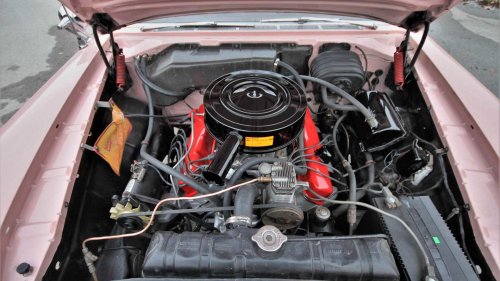
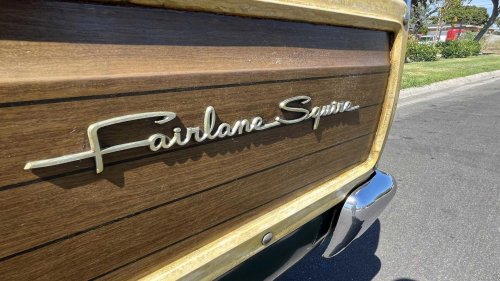
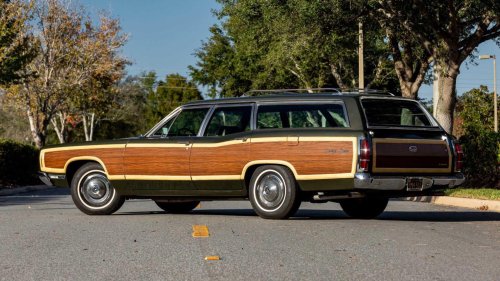
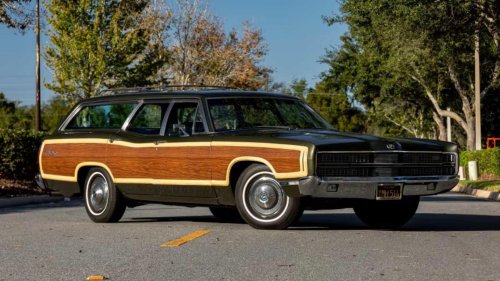
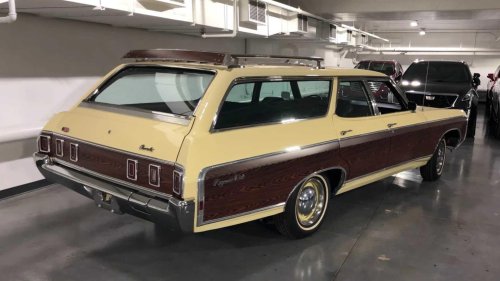
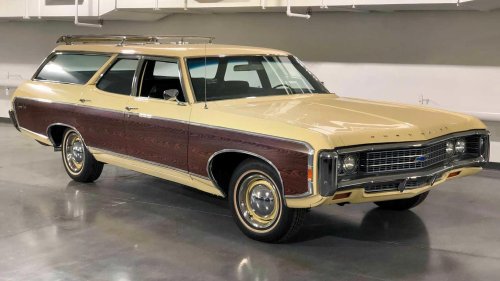
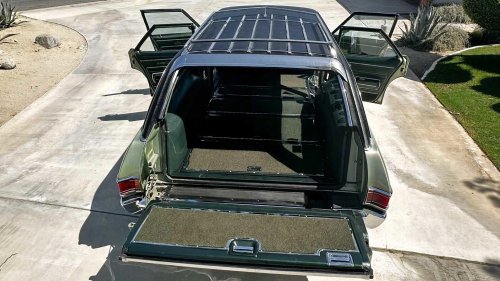
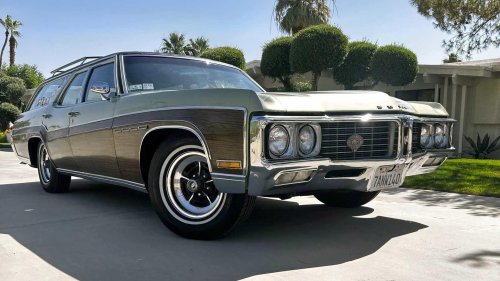
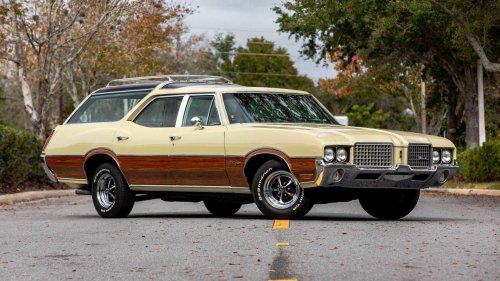
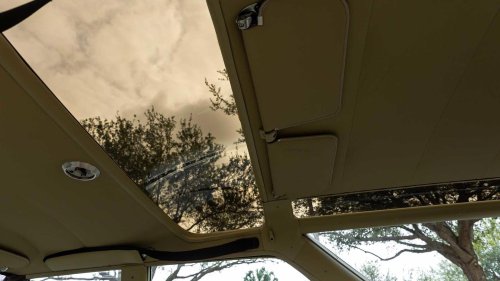
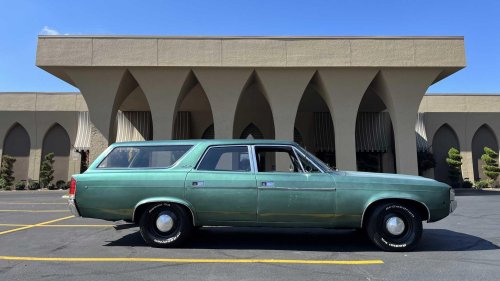
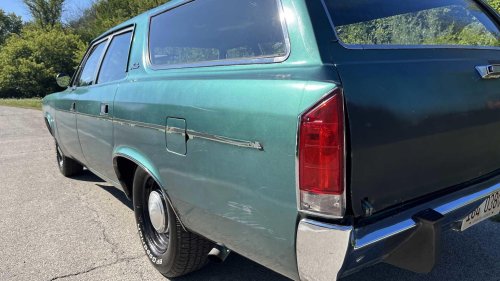
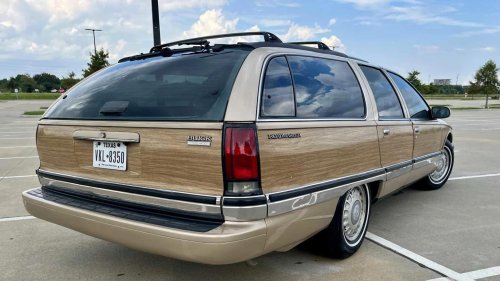
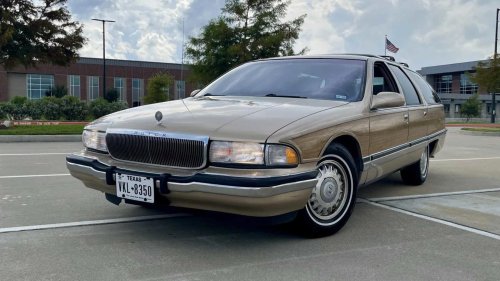
Muscle car patron saint Dax Shepard once revealed how his decades-long love of the longroof life began: “There’s nothing funnier to an 18-year-old than getting sideways in a big, huge station wagon.” These nine Detroit wagons prove the point, from finned Mopar excess to LT1 Buick mischief, because a real wagon dunks on the default family SUV by turning utility into character instead of pretending height equals toughness. 1959 Dodge Sierra Super D-500 Wagon Super D-500 383-cubic-inch / 6.3-liter dual-quad V8, 345 hp gross Mecum I’ve argued that Mopar invented the muscle car when it began offering its “Super D-500” tune of the B-Series big block in entry-level full-size Dodges in 1959. Well, it didn’t stop with sedans. The 1959 Sierra wagon was available with such a powerful engine that no other vehicle on this list surpassed it until 1969.MecumHere are the details: In 1959, Dodge expanded its B-Series “Wedge” big-block to 383 cubic inches. The “Super D-500” tune used dual four-barrel carbs to make 345 gross horsepower. And you could combine this absurd V8 with a finned wagon for the ultimate recipe in 1950s excess. 1966 Ford Fairlane Squire 390 Thunderbird Special 390-cubic-inch / 6.4-liter FE V8, 335 hp gross Ford Fairlane Squire wagon In 1964, the GTO proved that big engines in midsize cars could be downright nefarious. But Ford had its own muscle-minded midsize with the Fairlane. And of course, you could order the Fairlane Squire with a 390-cubic-inch (6.4-liter) FE V8. Wrapped in woodgrain, it was the ultimate Jekyll/Hyde ride.Today, midsize means rear-seat passengers might feel cramped. But in 1966, it had a different definition: The Fairlane Squire, for example, came in at about 200 inches long, with 93.4 cu-ft of cargo volume, room for six or eight passengers with the optional third seat, and Ford’s Magic Doorgate. 1969 Ford LTD Country Squire 429 Thunder Jet 429-cubic-inch / 7.0-liter 4-barrel V8, 360 hp gross MecumWant even more room? Ford’s big wagon was built for interstate cruising, not apex hunting. But with the monstrous Thunder Jet 429 wrapped in woodgrain, it was the ultimate Jekyll/Hyde ride.MecumThis was a true full-size: 219 inches long, 80 inches wide, plush LTD trim, woodgrain, and available family seating. Its standout spec is the 429 Thunder Jet’s 480 lb-ft. That’s enough twist to scare everything else on this list into a terrified silence. Looming emissions regulations meant Detroit would never again build a wagon quite like this beast. 1969 Chevrolet Kingswood Estate 427 Turbo-Jet 427-cubic-inch / 7.0-liter V8, 390 hp gross Bring a TrailerIf you’re a GM fan, you might consider the 1969 Chevy Kingswood Estate the high point of pre-emissions wagons. It wasn’t exactly a sleeper: The 427’s crossed flags atop woodgrain made it look like Paul Bunyan’s Corvette.via Bring A TrailerFirst and foremost, the L36-style Turbo-Jet 427 made 390 gross horsepower. That means of all the muscle wagons on this list, the 1969 Kingswood Estate stands proudly atop the horsepower podium. It also had some bizarre features: You could get a Caprice-based top trim, a third-row configuration that seated nine, the regular TH400 automatic, or even a manual-transmission configuration. I can’t imagine being a kid in the rear-facing rear seats when dad began aggressively rowing gears. 1970 Buick Estate Wagon 455 Buick 455-4 455-cubic-inch / 7.5-liter V8, 370 hp gross Bring a TrailerWe’re into the three-way displacement tie at the top of this list. What better way to motivate a third-row wagon than with a 7.5-liter V8? Buick’s full-size wagon hit a high point before emissions rules and insurance pressure started sanding the edges off Detroit’s biggest engines.Bring a TrailerThis is the torque king of the list: Buick’s 455 made an acceptable 370 gross hp. But it also boasted 510 lb-ft of torque. Other GM divisions had saner tunes at this displacement. But Buick made sure its Estate could pull stumps out of the ground if your tractor ever broke down. 1970 Oldsmobile Vista Cruiser 455 Rocket 455-cubic-inch / 7.5-liter V8, 320 hp gross, 500 lb-ft Mecum The Vista Cruiser already had one of the most recognizable wagon bodies of the era, thanks to that raised roof glass in the rear. Add the 455, and Oldsmobile turned a family favorite into a legitimate muscle wagon.MecumOldsmobile didn’t limit the excess to a greenhouse addition fit for a mansion. This thing had a stretched 121-inch wheelbase, available three-row layout, and 105.2 cu-ft of cargo room. Sure, its 500 lb-ft of torque was technically less than its Buick cousin. But all that grunt was available at 2,400 rpm. I wonder how many drivers have done a wheelie in a wagon? 1971 Pontiac Grand Safari 455-4 Pontiac 455-4 455-cubic-inch / 7.5-liter V8, 325 hp gross / 230 hp net MECUMOne team at Pontiac jammed a high-output big-block into the midsize GTO in an attempt to assemble a true Ferrari competitor. But another team insisted, “More is still more” and dropped the 455-4 under the hood of a “Grand Safari.”MECUMBesides one of the most baller names on this list, the Grand Safari also had seating for nine passengers and a wild tailgate trick. This clamshell-era back door could disappear instead of just dropping like a truck’s. Talk about big Pontiac energy! 1971 AMC Matador Wagon 401 AMC 401-cubic-inch / 6.6-liter 4-barrel V8, 330 hp gross Bring a TrailerThe Matador Wagon was the forgotten fourth automaker swinging for the fences. AMC did not have GM or Ford money, but it had a 401-cubic-inch V8 it had developed to win Trans-Am. And it had the nerve to drop a racing engine in a wagon.Bring a TrailerSure, this V8 made just 430 lb-ft. But it also came with a 330-horsepower claim during the SAE gross rating era. Drop that in a midsize with sport suspension and you truly had some muscle in a longroof rig. 1994 Buick Roadmaster Estate Wagon LT1 LT1 350-cubic-inch / 5.7-liter V8, 260 hp net Bring A TrailerActor Dax Shepard is quick to call his Buick Roadmaster the “high-water mark for station wagons in American history…positraction, stainless dual exhaust, and the LT1 up front.” He loved driving them as a teen, when his family worked for GM in Detroit. And as soon as he learned he’d have kids of his own, he raced out to buy one.Bring A TrailerDuring the 1990s, SUVs were already dominating the market. But GM took a swing at wood-paneled glory one last time without holding anything back. This thing had an unapologetically old-school personality: body-on-frame construction, rear-wheel drive, optional rear-facing third row, 92 cu-ft maximum cargo capacity, and a 260-hp LT1 with 335 lb-ft. Conclusion Anyone can pick up a three-row SUV for soccer-practice drop-offs. But true motorheads crave a family hauler with soul. As Shepard says about his Roadmaster: “Drifting across four lanes of traffic sideways is a unique joy.”Sources: Ford Brochure, Bring a Trailer, Over-Drive Magazine



















 +40 others