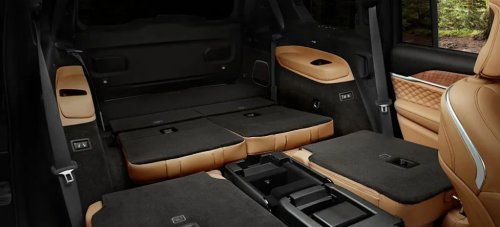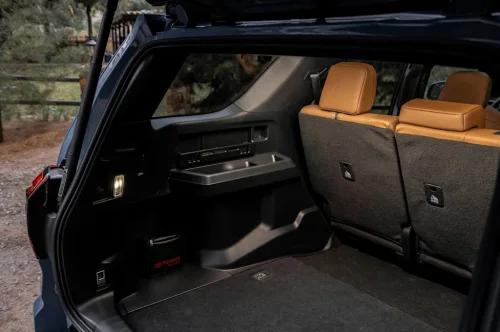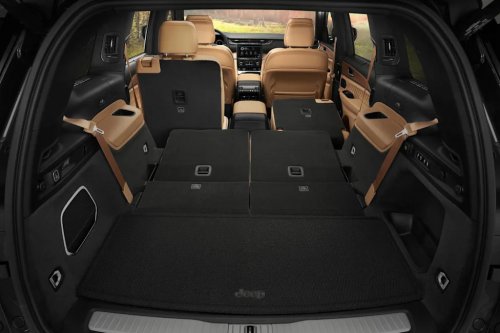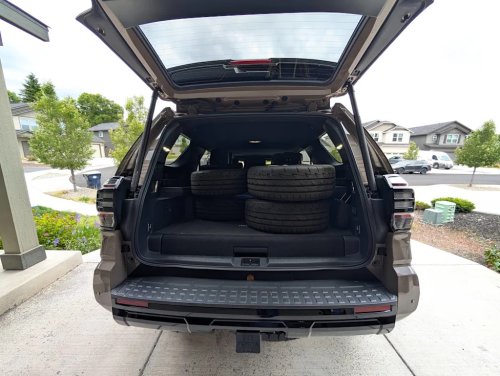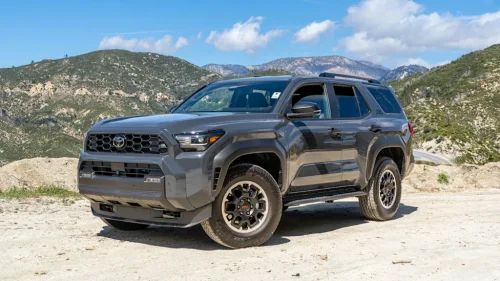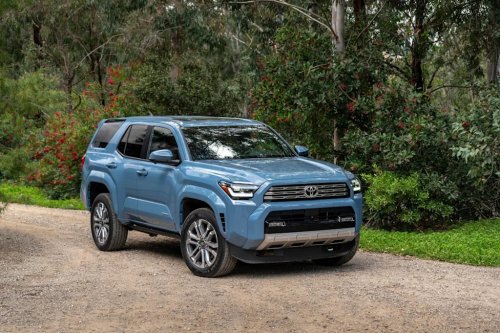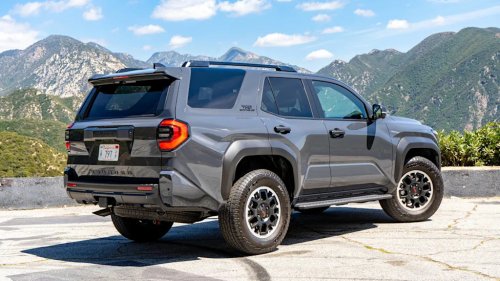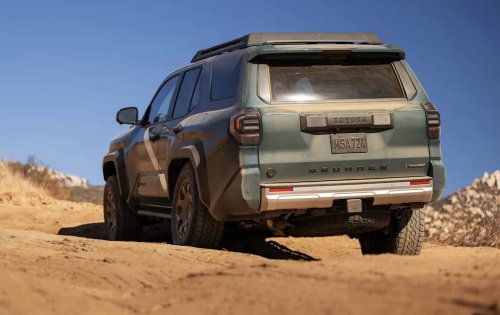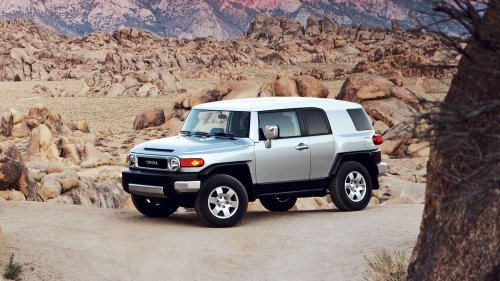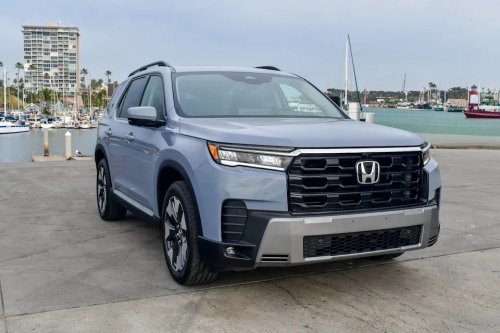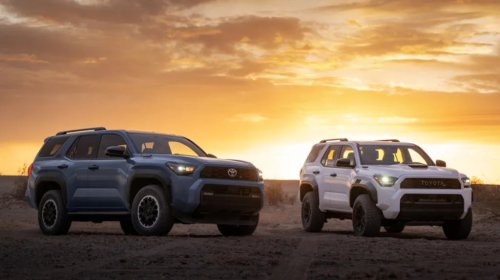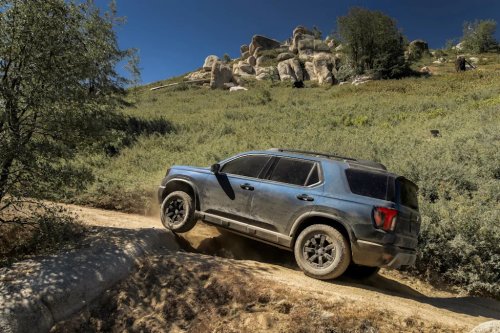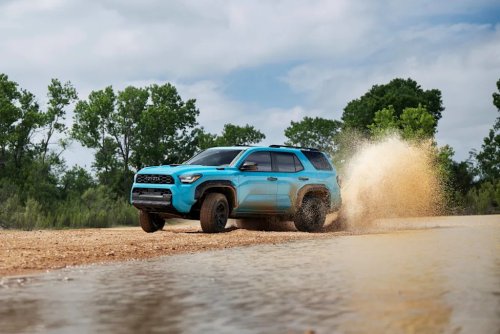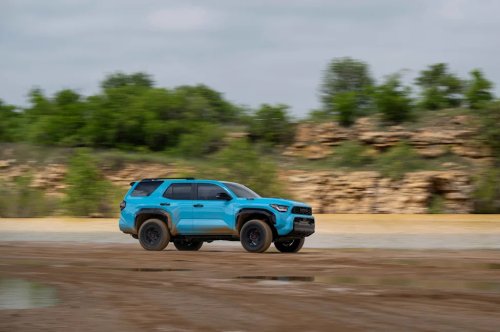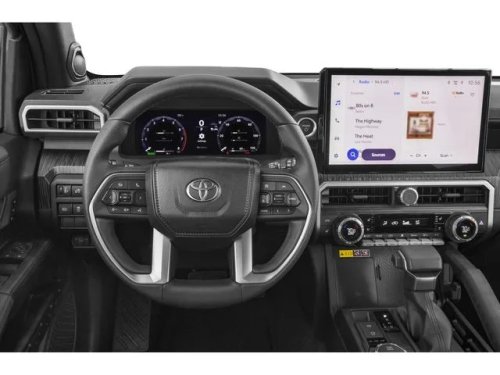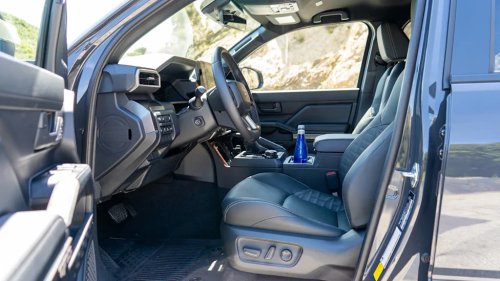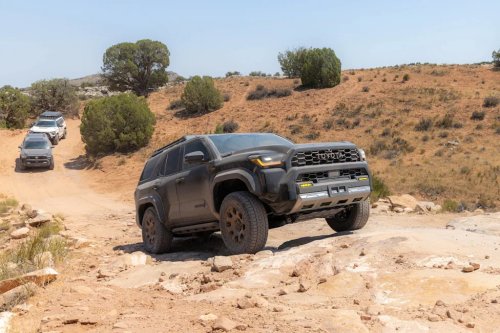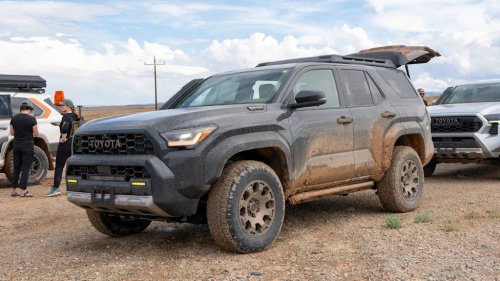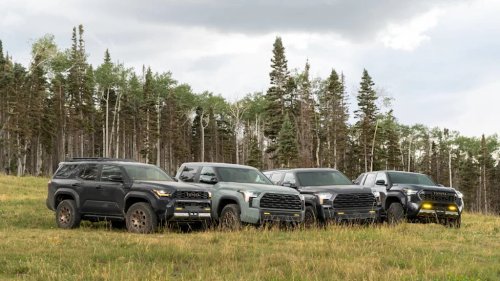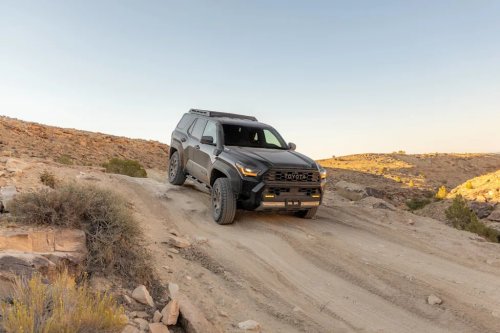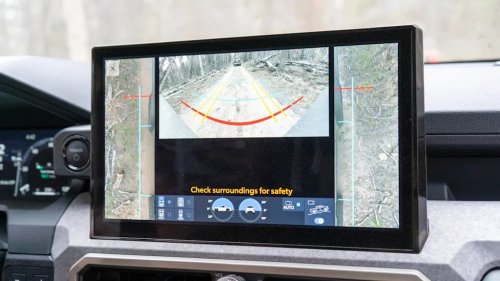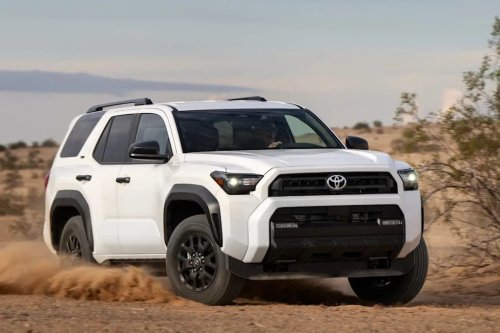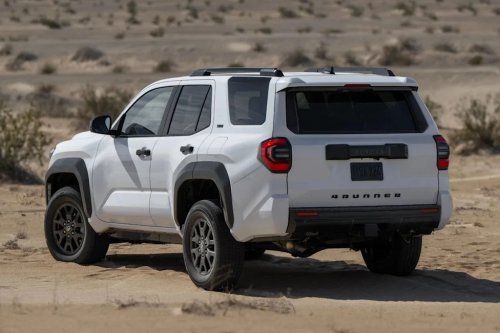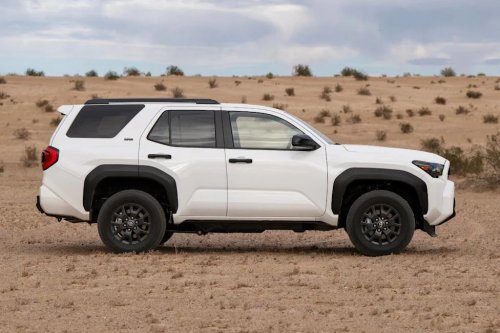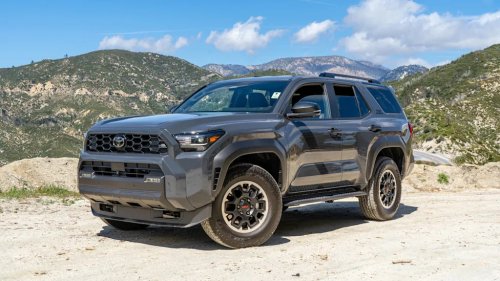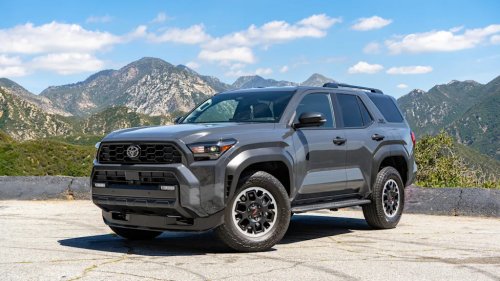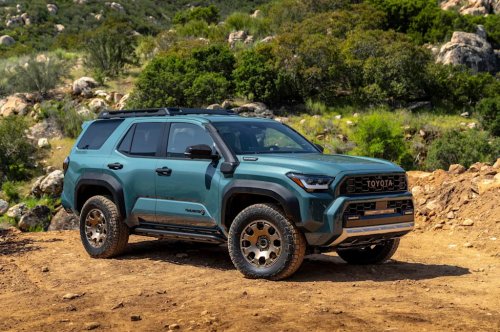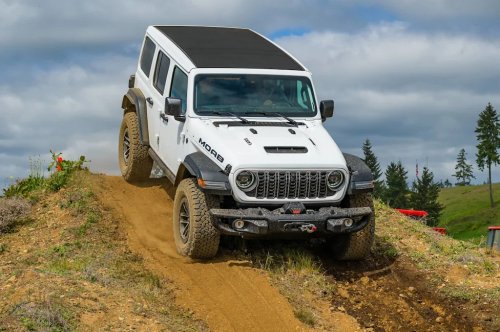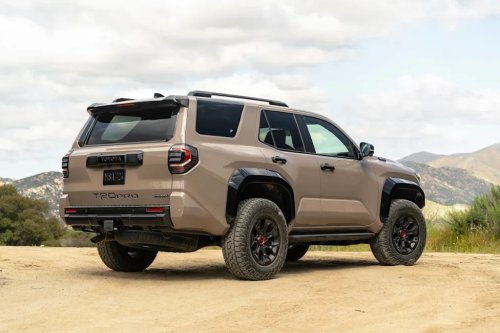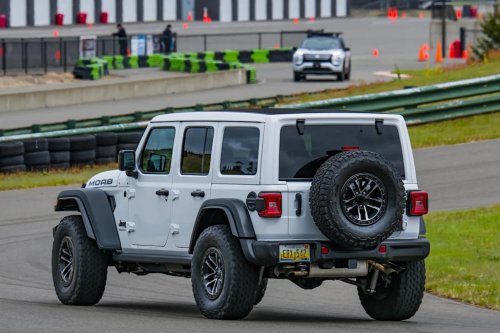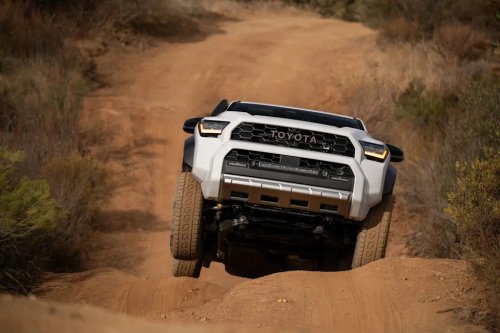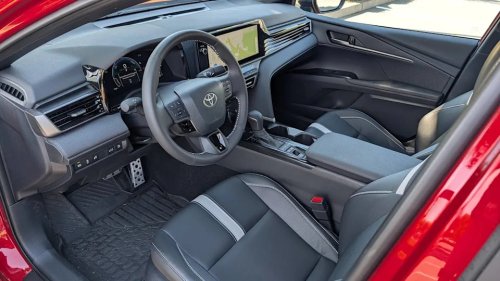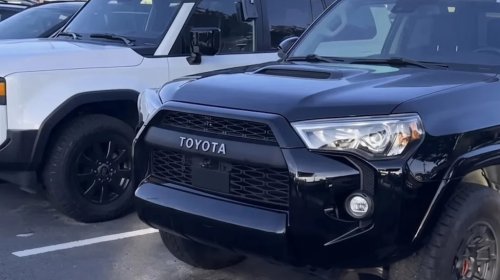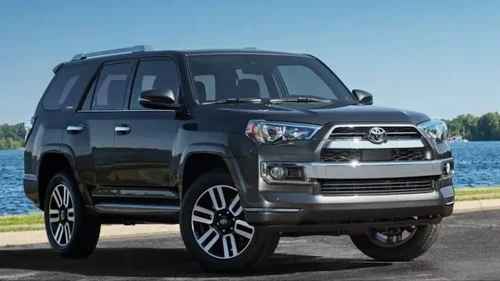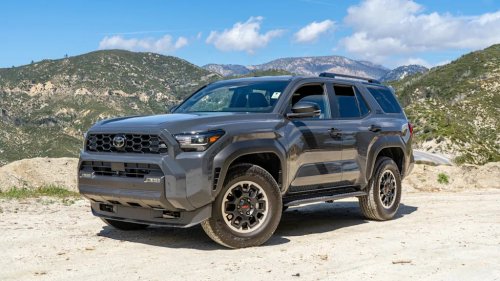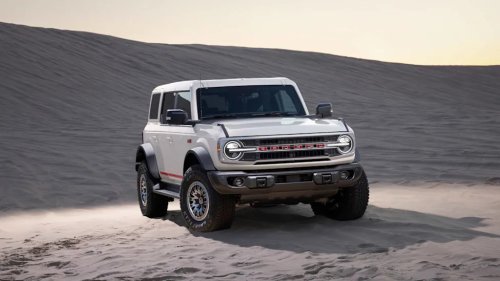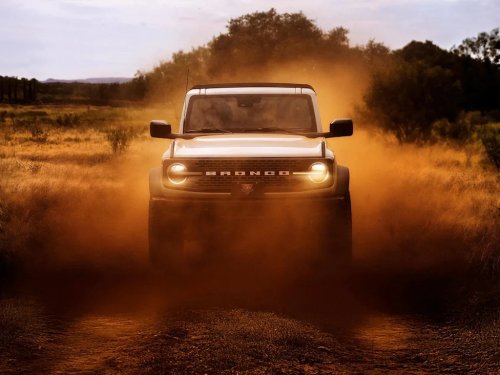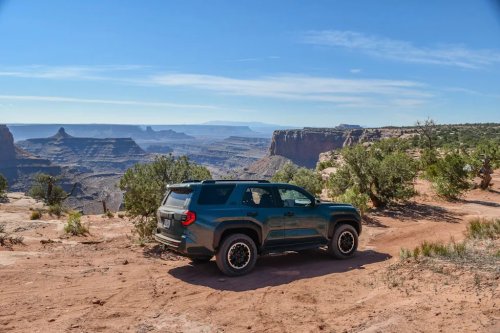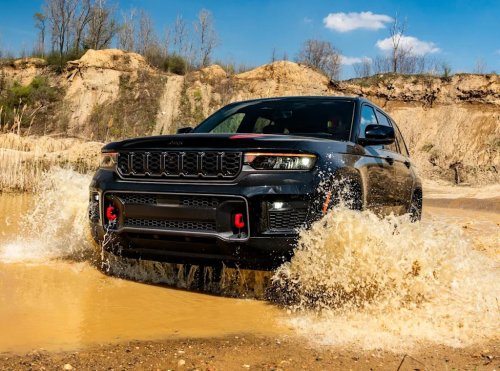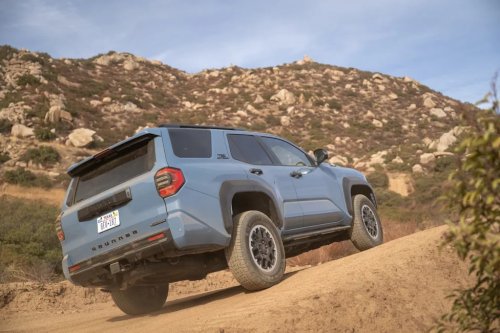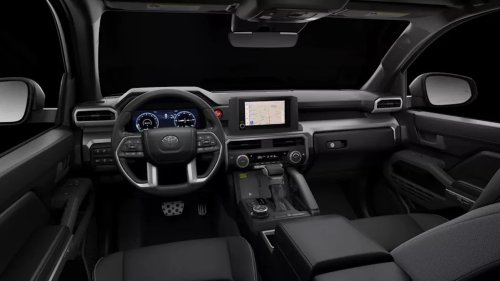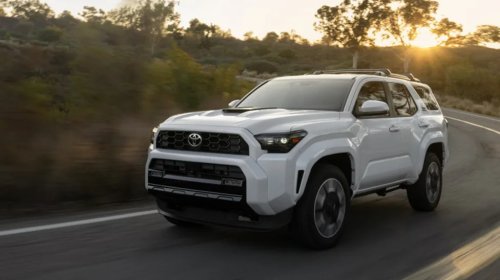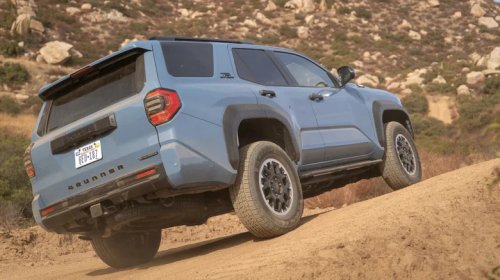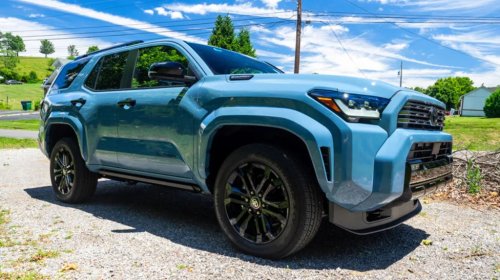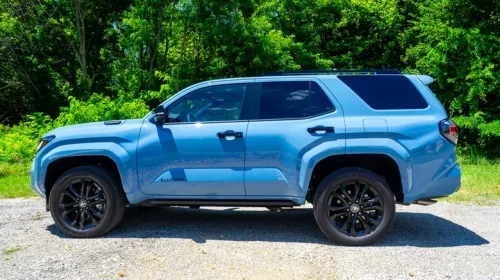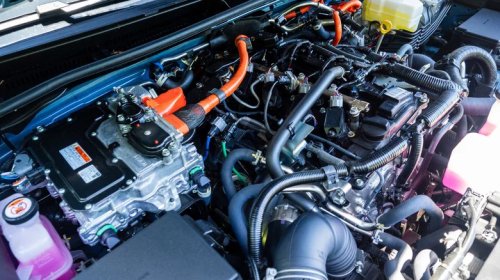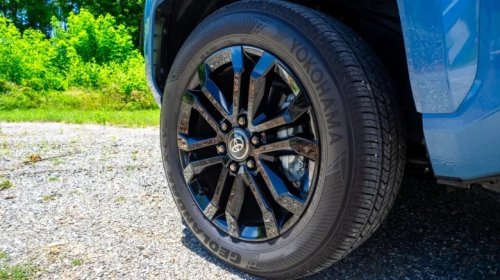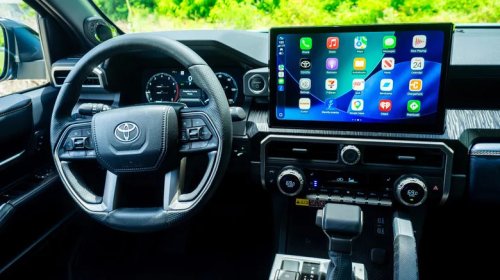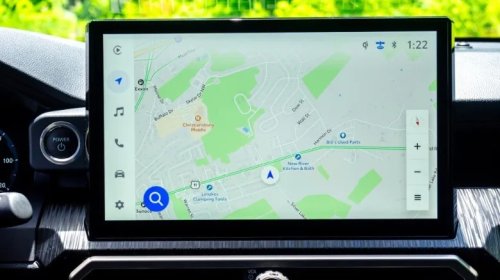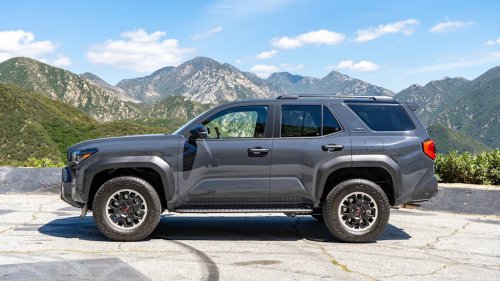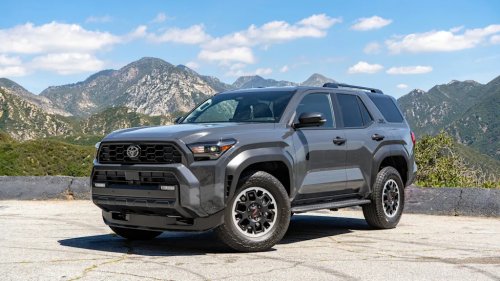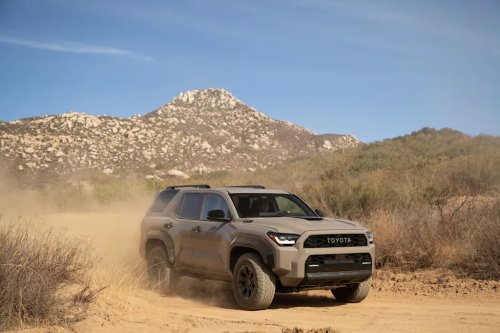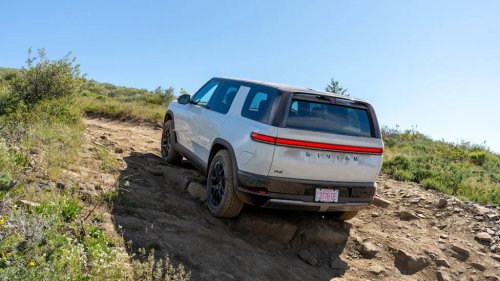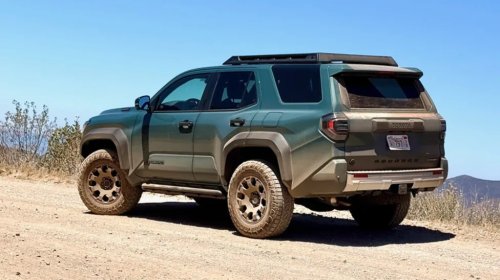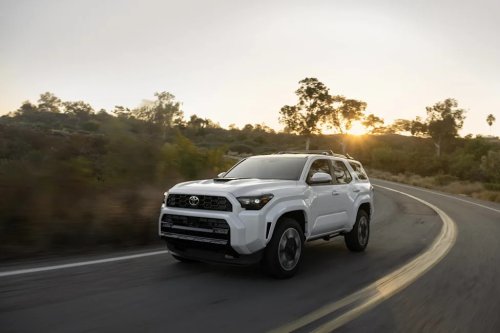



















2027 Toyota 4RunnerMotorTrend - MotorTrend (MotorTrend - MotorTrend)Genuine off-road capabilityHybrid model’s driving rangeGenerous cargo capacityTight third rowSafety ratings need improvingHardcore models are expensiveThe Toyota 4Runner has been hauling adventurers over rocks and through mud since 1984, earning a loyalty rarely seen in the automotive world. It exists today as something of an anachronism—a body-on-frame, truck-based SUV in a world that has largely moved on to car-based crossovers.AdvertisementAdvertisementAmong the 2027 4Runner’s closest rivals are the Jeep Wrangler and Ford Bronco.What’s NewFollowing its 2025 redesign, the 2027 Toyota 4Runner is expected to continue without major structural changes, focusing instead on minor refinements. Anticipated updates for the model's third year include new exterior paint options, updated wheel designs, revised interior materials, and restructured optional equipment packages.This page will be updated with more insights and photos as information becomes available.What We ThinkToyota's 2025 redesign of the 4Runner was a tightrope act—modernize a beloved icon without alienating the loyalists—and for the most part, the automaker pulled it off.AdvertisementAdvertisementThe driving experience is noticeably sharper on both pavement and trail. Off-road-focused trims like the TRD Pro and Trailhunter are genuinely capable machines. On the road, though, the 4Runner still feels deliberately trucky and unhurried. That’s a virtue to some but likely a liability to anyone cross-shopping mainstream crossovers.The sixth gen’s interior is a meaningful step forward from its predecessor. That said, the rear seats still don't fold flat, and hybrid buyers will find their cargo space compromised by the underfloor battery. The optional third row remains more symbolic than useful.Pricing leans steep, though the Bronco and Wrangler occupy similar territory. Ultimately, the 4Runner's case rests less on value per dollar and more on a kind of rugged personality that no amount of refinement can manufacture, and that its rivals can't quite replicate.Top-Ranked Competitors:Jeep WranglerFord BroncoSubaru OutbackMotorTrend TestedThe 2027 4Runner carries over the powertrain lineup introduced with the 2025 redesign, starting with a 2.4-liter turbocharged inline-four producing 278 hp and 317 lb-ft of torque. In MotorTrend testing, a base SR5 in RWD hit 60 mph in 7.3 seconds, while 4WD variants like the TRD Off-Road and Limited needed 7.8 and 7.9 seconds, respectively.AdvertisementAdvertisementThose are respectable figures for this kind of vehicle, but the non-hybrid setup's lack of refinement left us wishing the i-Force Max were more widely available. That i-Force Max hybrid pairs the turbo-four with an electric motor integrated into the transmission, bumping output to 326 hp and 465 lb-ft of torque with 4WD standard.In testing, a hybrid TRD Pro reached 60 mph in 7.1 seconds, quicker than every non-hybrid 4WD model we tested despite carrying the extra weight of the electrified hardware.By comparison, the Ford Bronco's standard 2.3-liter turbo-four produces 275 hp and 300 lb-ft on regular fuel, or up to 300 hp and 325 lb-ft on premium—comparable numbers on paper but without any hybrid assistance. Bronco models with this engine posted 0–60 times of 7.3 to 7.9 seconds in our testing, putting them squarely in the same performance window as the non-hybrid 4Runner.MPGs and RangeFuel efficiency is modest across the 4Runner lineup, as expected from a body-on-frame SUV of this size. RWD models return up to 20/26 mpg city/highway and can cover roughly 418 miles on a tank, while 4WD variants dip slightly to 19–20/24–25 mpg and around 399 miles of range depending on configuration.AdvertisementAdvertisementThe i-Force Max hybrid improves on that only incrementally, rated at 23/24 mpg, but its real advantage is range, stretching the tank to as much as 437 miles between fill-ups.The Ford Bronco trails the field here, managing just 18/22 mpg with its base turbo-four, though its maximum range of 418 miles is on par with the base RWD 4Runner. Where fuel economy is a priority, the hybrid 4Runner makes the clearest case.Safety Ratings and FeaturesSafety ratings for the 4Runner could use work, and that's unlikely to change for 2027. In IIHS testing, the SUV earns mostly good scores but falls short of top honors due to a marginal rating in the updated moderate overlap front test and a poor grade for certain headlight configurations. NHTSA gives it an overall rating of only four out five stars.Like all current Toyota models, the 4Runner comes standard with the Toyota Safety Sense suite of driver assistance features. It includes:AdvertisementAdvertisementAdaptive cruise controlLane keep assistBlind-spot monitoringFront automatic emergency brakingAutomatic high-beamsCargo Space and Interior RoomThe 2027 4Runner offers versatility with both two- and three-row configurations, though the choice is dictated by powertrain. Hybrid models are strictly two-row affairs to accommodate the battery pack. This hybrid system also impacts utility, as the battery placement raises the load floor and reduces overall cargo capacity compared to the gas-only version. That said, cargo space compares favorably against the 4Runner’s chief rivals, the Ford Bronco and Jeep Wrangler.TechnologyInfotainmentBase trims feature an 8.0-inch infotainment touchscreen and a 7.0-inch driver display, though stepping up the trim ladder nets a more expansive 14.0-inch touchscreen paired with a 12.3-inch driver screen.Every configuration supports wireless smartphone integration for both Apple CarPlay and Android Auto. Those opting for premium grades also gain the convenience of a wireless charging pad and a total of five USB-C charging ports throughout the cabin.Sound SystemToyota offers two sound system options. The base setup includes eight speakers; a 14-speaker JBL premium setup is also available.Available UpgradesHigh-tech cabin upgrades remain a major draw, headlined by the expansive 14.0-inch infotainment touchscreen and a 14-speaker JBL premium audio system that includes the clever JBL Flex portable Bluetooth speaker.AdvertisementAdvertisementFor those prioritizing trail performance, the Stabilizer Disconnect Mechanism (which increases wheel articulation at the push of a button) and an onboard air compressor for reinflating tires after airing down for the trail remain standout options.Additionally, adventure-ready hardware such as Old Man Emu shocks, an ARB roof rack, and prewired auxiliary switches for easy accessory integration are expected to stay on the options list for those looking to build out their 4Runner beyond the factory spec.ValueStandard FeaturesThe 2027 4Runner continues to lean into its rugged reputation, offering genuine off-road capability alongside improved on-road manners that make it a more viable daily driver.Pricing is expected to creep up by roughly $800 across most of the lineup, but the entry-level models remain respectably equipped with a solid foundation of functional gear. Standard features include 17-inch wheels, LED headlights and foglights, and black roof rails, ensuring it looks the part even in base form.AdvertisementAdvertisementInside, the cabin provides essential modern conveniences like an 8.0-inch touchscreen, a leather-wrapped steering wheel, and push-button start, though buyers will have to stick with manually adjustable fabric seats at the starting price point. Combined with its competitive cargo volume, the 4Runner maintains its value proposition as a purpose-built adventurer that doesn't skimp on the basics.