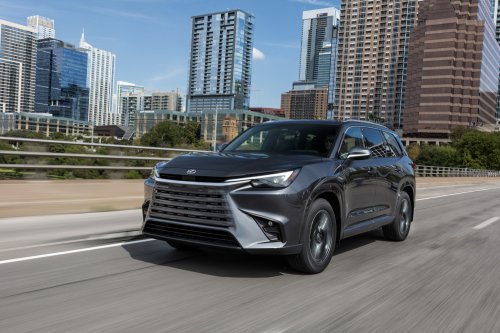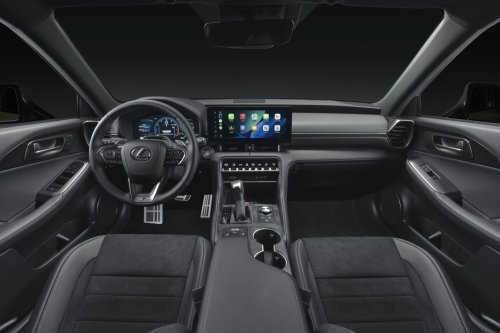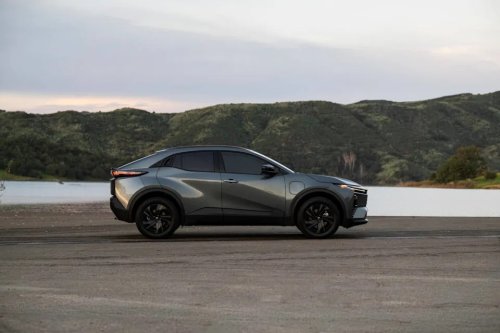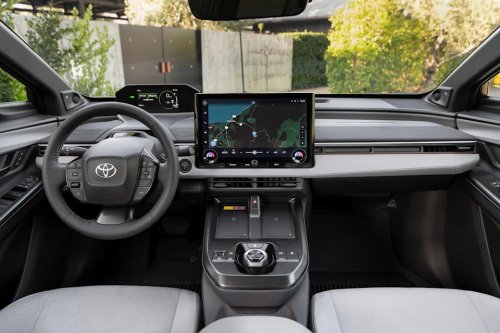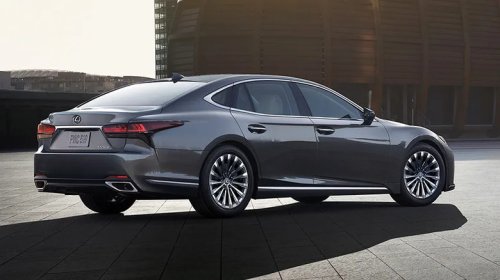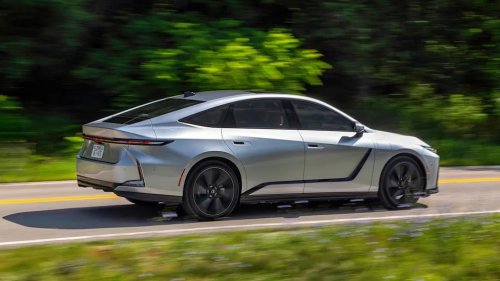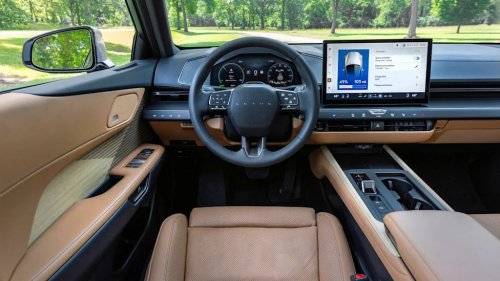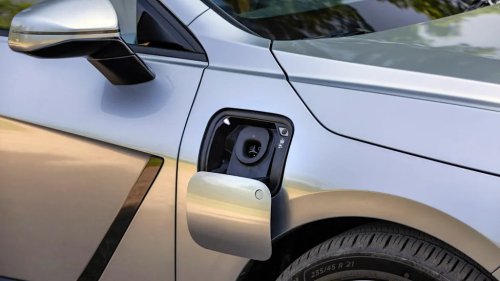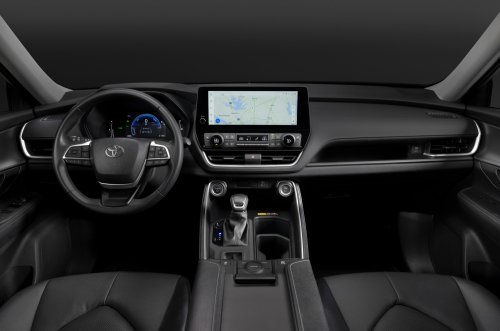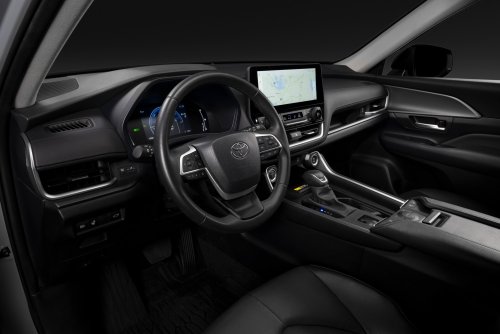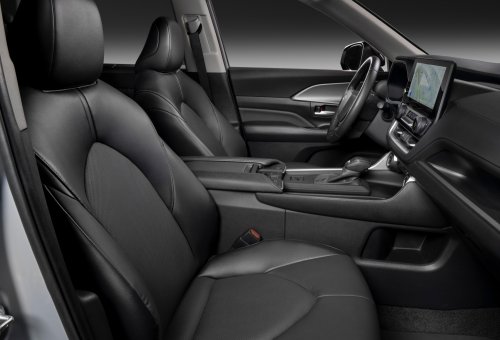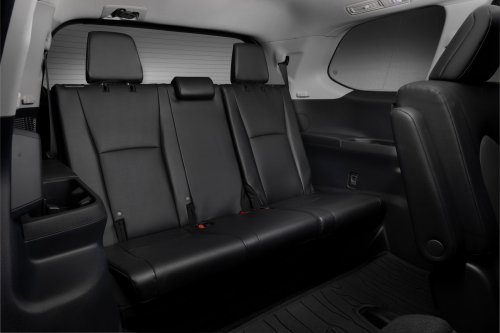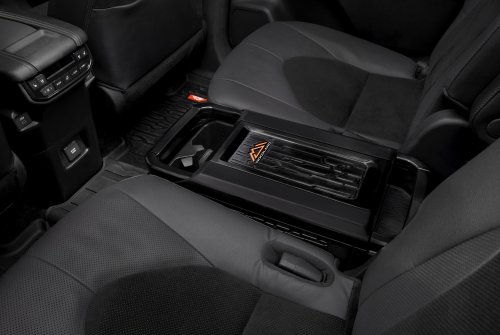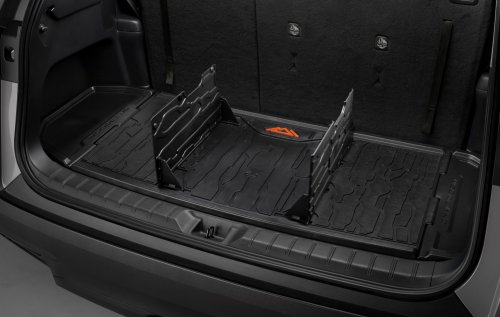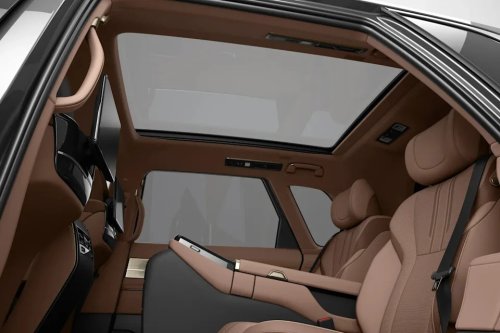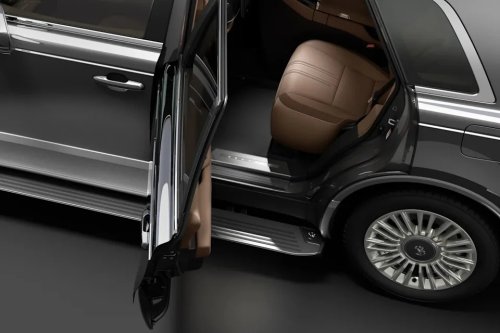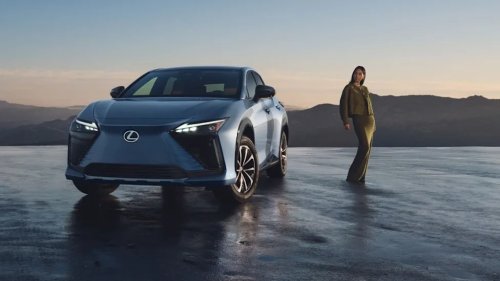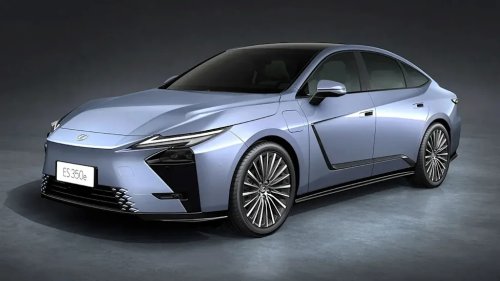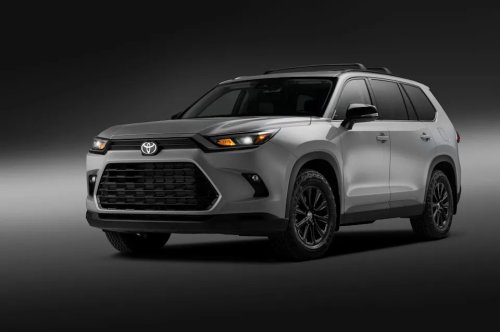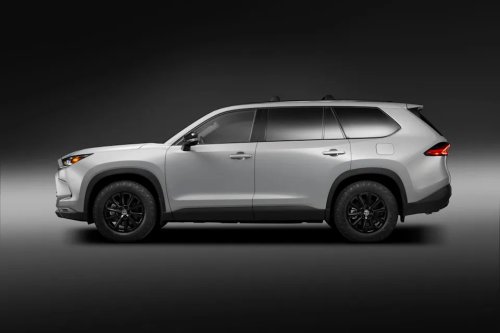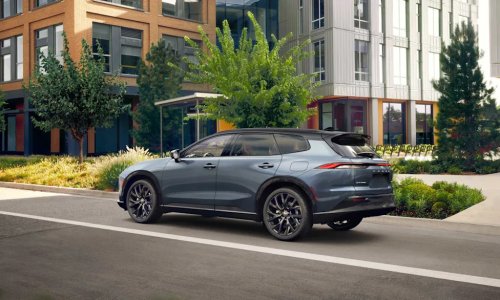
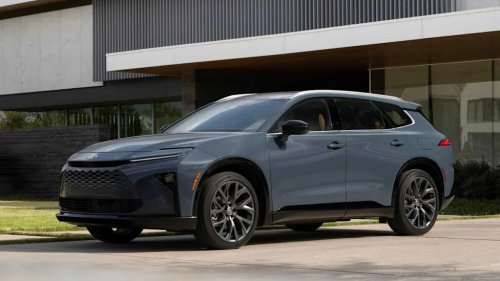
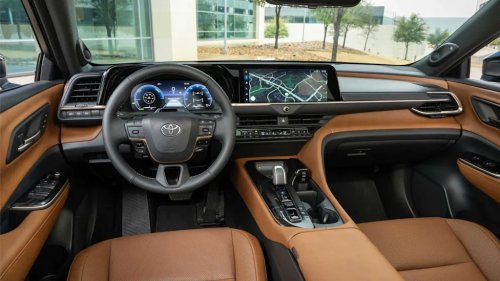
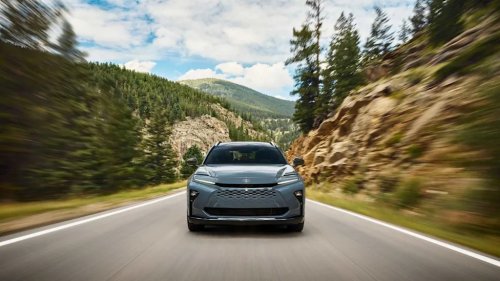
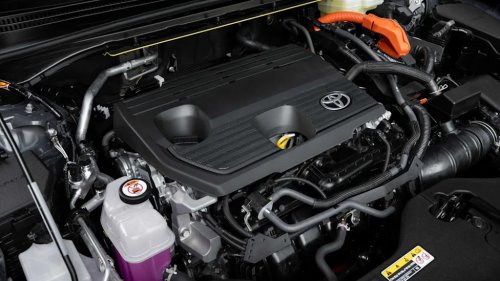
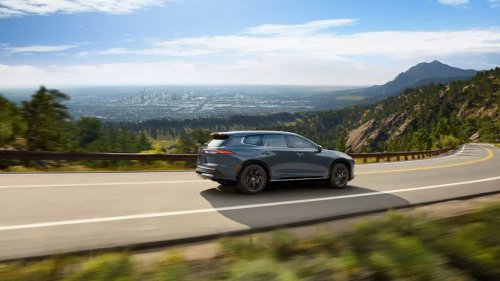
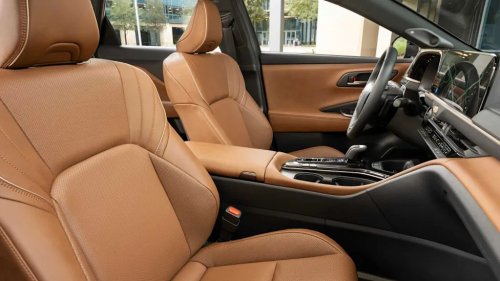
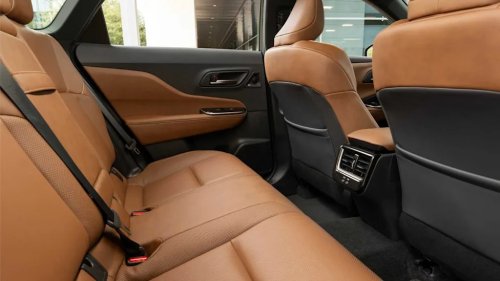
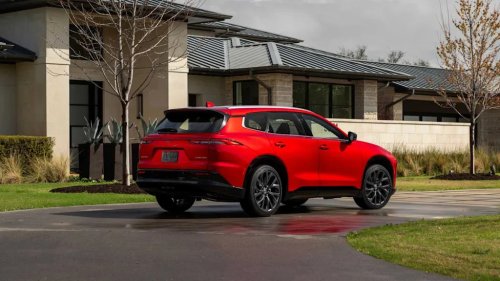
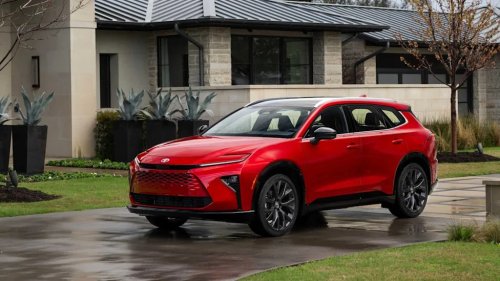
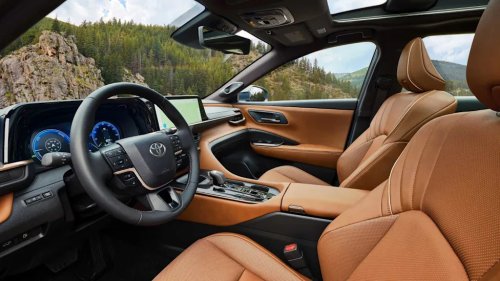
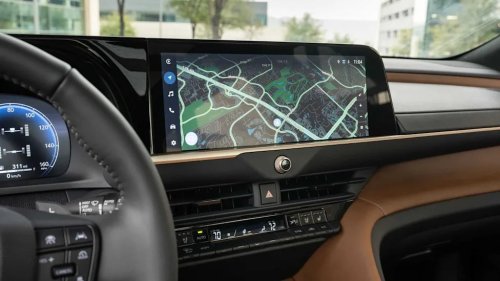



















ToyotaFor decades, Toyota and Lexus have played very different roles. Toyota was the sensible choice for buyers who wanted reliability and value, while Lexus built its reputation on comfort, refinement, and a premium ownership experience.That gap hasn't disappeared, but it's definitely getting smaller. Toyota's latest models are quieter, more upscale, and far more sophisticated than the brand's reputation might suggest, with better interiors, smoother hybrid systems, and a stronger focus on comfort.The 2026 Toyota Crown Signia might be the best example yet. With its sleek wagon-like shape, premium cabin, and relaxed driving character, it feels less like a typical Toyota SUV and more like a Lexus that happens to wear a different badge.AdvertisementAdvertisementIn order to give you the most up-to-date and accurate information possible, the data used to compile this article was sourced from Toyota and other authoritative sources, including CarBuzz, Car and Driver, Consumer Reports, J.D. Power, and TopSpeed.Why the Toyota Crown Signia feels more like a LexusToyota's most upscale SUV yetStatic front 3/4 shot of a gray 2025 Toyota Crown Signia Limited parked outside of a modern building.Toyota has been quietly pushing upmarket for a while now, and the Crown Signia feels like the clearest sign of where the brand is headed. Sitting above most of Toyota’s crossover lineup, it effectively takes over from the Venza while offering a more upscale, design-focused alternative to SUVs like the Highlander and Grand Highlander.Instead of chasing maximum passenger space or family-hauling duties, the Crown Signia leans heavily into comfort, refinement, and style. It feels less like a traditional Toyota SUV and more like a premium touring crossover built for relaxed everyday driving.One look at the Crown Signia, and it's clear this isn't your typical Toyota SUV. Its low-slung stance, sleek roofline, and wagon-like proportions give it a more premium feel, looking closer to something you'd expect from Lexus or Volvo than a mainstream family crossover.AdvertisementAdvertisementToyota also kept things simple by offering just two generously equipped trims: XLE and Limited. Even the entry-level XLE comes loaded with features, including leather upholstery, heated and ventilated front seats, heated rear seats, dual 12.3-inch displays, wireless Apple CarPlay and Android Auto, and Toyota's latest suite of driver-assistance technology.ToyotaThat equipment list goes a long way toward explaining why the Crown Signia feels different from most Toyotas. Rather than starting with a basic crossover and layering on expensive options, Toyota designed it to feel upscale right out of the gate.Step up to the Limited trim, and the experience gets even closer to luxury-SUV territory. Features like 21-inch wheels, a JBL premium audio system, a panoramic glass roof, and a 360-degree camera add the kind of extras buyers typically expect from a premium badge.The pricing reflects that upmarket positioning, too. The 2026 Crown Signia starts at $44,490 and tops out at $50,485, putting it well above most Toyota crossovers and firmly within reach of entry-level luxury SUVs.AdvertisementAdvertisementAt first glance, that might seem like a bold ask for a vehicle wearing a Toyota badge. Spend a little time looking at what it offers, though, and the price starts to make a lot more sense.Running costs tell a different story than the sticker priceThe savings don't stop at the showroomToyotaThe price gap between the Crown Signia and a comparable Lexus RX is easy to spot on the showroom floor, but what’s less obvious is how it keeps growing every time you stop for fuel. The Crown Signia returns a 38 mpg combined rating and runs on regular unleaded, while the Lexus RX 350h—its closest rival—manages about 36 mpg combined but calls for premium gas.That difference alone adds up. EPA estimates put the RX 350h AWD at roughly $2,250 a year in fuel costs, while the Crown Signia lands closer to $1,800. That’s about $450 saved annually, or roughly $2,000 over five years just on gas. Add in the lower insurance costs and cheaper entry price, and the Crown Signia starts to look like the more financially sensible version of a very similar hybrid experience.There's more Lexus in this than the badge suggestsSame engineering, same smooth hybrid feelToyotaThe Crown Signia feels so Lexus-like largely because it shares a lot of the same engineering philosophy. It rides on Toyota’s TNGA-K platform, which also underpins several Toyota and Lexus models known for prioritizing comfort and refinement.AdvertisementAdvertisementMore importantly, the whole driving experience has clearly been tuned for smoothness and quiet rather than anything sporty or aggressive, according to reviews. Under the hood, there’s a 2.5-liter naturally aspirated four-cylinder hybrid paired with three electric motors and a CVT setup.Combined output comes in at 240 horsepower and 178 lb-ft of torque from the hybrid system, with all-wheel drive standard across the range. On paper, it doesn’t exactly sound exciting, but that’s not really the point here.As we’ve pointed out before, the Crown Signia sits in that sweet spot between efficiency and everyday usability. The hybrid setup still delivers decent “brisk” acceleration when you need it, while its real standout trick is efficiency, returning an impressive 36 mpg combined despite its size.ToyotaWe also noted that the Crown Signia leans more toward fuel economy than outright performance when compared with the pricier Lexus RX350h, while still offering “ample performance for everyday driving scenarios” and a respectable 2,700-pound towing capacity.AdvertisementAdvertisementIt’s not trying to go toe-to-toe with sporty German SUVs. Instead, Toyota has clearly focused on a calm, relaxed, and highly efficient driving experience. According to Car and Driver testing, it does 0–60 mph in around seven seconds, which is more than fine for a comfort-focused hybrid crossover.What really matters is how it feels in day-to-day driving. Car and Driver pointed out that while the CVT can bring some engine drone under heavier throttle, the Crown Signia otherwise stays impressively quiet and relaxed on the road.Efficiency is another big win here, with EPA figures of 39 mpg city, 37 mpg highway, and 38 mpg combined—strong numbers for a midsize AWD crossover. And instead of chasing ever-higher horsepower like many luxury SUVs, the Crown Signia is more interested in staying calm and composed. In a lot of ways, that attitude feels very Lexus-like.Toyota Crown specsA near-luxury cabin without the luxury badgeSoft materials, easy everyday usabilityToyotaToyota’s been stepping up interior quality across its lineup lately, but the Crown Signia takes things a clear step further. The dashboard is clean and mature, with very little visual clutter, and plenty of soft-touch surfaces that might genuinely surprise anyone expecting a typical Toyota cabin.AdvertisementAdvertisementEven Car and Driver called out the wide front seats, padded materials, and overall pleasant dashboard layout. It’s not flashy, but it feels well-thought-out in a way that leans more premium than mainstream.We also noted that while it’s obviously not in the same league as a Rolls-Royce or Bentley, the Crown Signia still gets surprisingly close to Lexus territory for the money. It keeps physical controls where they matter, while the dual 12.3-inch displays sit neatly in the dash without overwhelming the cabin.ToyotaRear-seat passengers get 37 inches of legroom, and cargo space is solid too, with 25.8 cubic feet behind the rear seats. It strikes a nice balance between wagon-like practicality and SUV versatility.Car and Driver even managed to fit 10 carry-on suitcases behind the second row and 24 with the seats folded down, which is more than enough for most real-world use.AdvertisementAdvertisementThe Crown Signia doesn’t shout luxury the way a Lexus RX does. Instead, it leans into a quieter, more understated kind of premium feel built around comfort, long-distance refinement, and easy everyday usability. That low-key approach is a big part of its appeal.Designed around relaxed, everyday comfortCalm, efficient, and easy to live withToyotaToyota’s long-standing reputation for hybrid reliability adds a lot of weight to the ownership case here. Across the lineup, Toyota’s hybrid systems have built a strong track record for long-term durability, and Lexus has long benefited from the same engineering foundation.J.D. Power and Consumer Reports consistently rank Toyota among the most dependable mainstream automakers for reliability and owner satisfaction. Since the Crown Signia shares much of its hardware with Toyota’s proven hybrid setups, buyers can reasonably expect that same level of long-term confidence here as well.Toyota’s reliability reputation only adds to the Crown Signia’s appeal. While the Lexus RX 350h scores slightly higher in J.D. Power rankings at 85/100 compared to the Crown Signia’s 81/100, we’ve noted that long-term ownership costs still tilt in Toyota’s favor.AdvertisementAdvertisementProjected ten-year maintenance costs come in at around $5,445 for the Crown Signia—roughly $2,400 less than the Lexus equivalent—helped by Toyota’s wider service network and generally lower repair costs. That said, it’s not flawless.ToyotaCar and Driver pointed out that the CVT can bring in some engine drone under heavier acceleration, which creates a bit of a mismatch between how it sounds and how it actually performs.Similarly, TopSpeed noted that while the Crown Signia has more than enough everyday performance, it’s clearly tuned for efficiency and refinement rather than anything sporty or aggressive.Buyers who want sharper handling or stronger acceleration may still lean toward alternatives like the BMW X3, Genesis GV70, or Mazda CX-70. But those SUVs also sit in a very different price bracket, with well-equipped versions of the BMW and Genesis easily pushing past $55,000, compared to the Crown Signia starting closer to $44,000.AdvertisementAdvertisementAnd that’s really the point. The Crown Signia isn’t trying to be the sportiest option in the segment. Its appeal comes from how effortless, quiet, and refined it feels in everyday driving, especially on longer highway runs and relaxed commutes.Why some buyers will skip Lexus for this insteadRefinement without the luxury markupToyotaThis is where the Crown Signia gets really interesting. It may not fully match a Lexus RX in outright presence, but it overlaps with it more than most buyers would expect once you spend time with it.The pricing gap is hard to ignore. A well-equipped Crown Signia sits in the mid-$40,000 range, while similarly spec’d Lexus RX models can easily push past $55,000 or even $60,000 depending on trim and options.And yet, a lot of what people associate with Lexus is already baked into the Toyota. That includes hybrid smoothness, quiet highway manners, premium-feeling materials, supportive seating, strong reliability, and relaxed long-distance comfort.ToyotaOwnership costs are also more approachable across the board. Toyota’s wide dealer network, typically lower maintenance costs, and cheaper insurance premiums compared to Lexus all help keep running expenses in check.It also avoids some of the “badge tax” that comes with luxury branding, where pricing climbs simply because of the logo on the grille. That balance makes the Crown Signia feel like a smart middle ground, delivering much of the calm, refined near-luxury experience buyers want without fully stepping into luxury-brand pricing. And honestly, that’s a big part of why it works so well.Rather than trying to reinvent Toyota’s identity, the Crown Signia just stretches it a bit further. The result is a crossover that quietly blends Toyota’s reliability with a lot of the comfort-first traits people usually associate with Lexus. And in today’s increasingly expensive SUV market, that mix feels more appealing than ever.