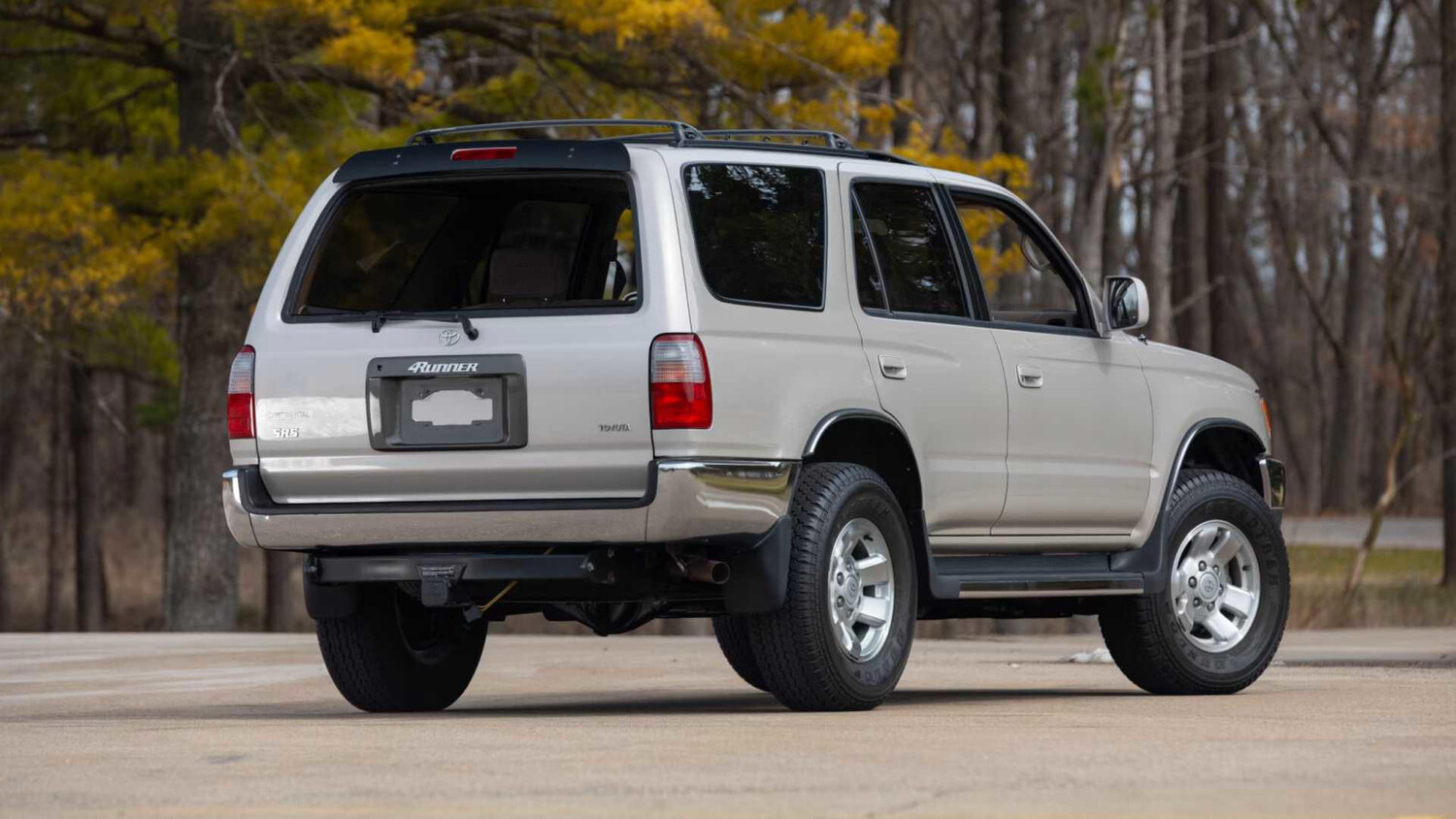
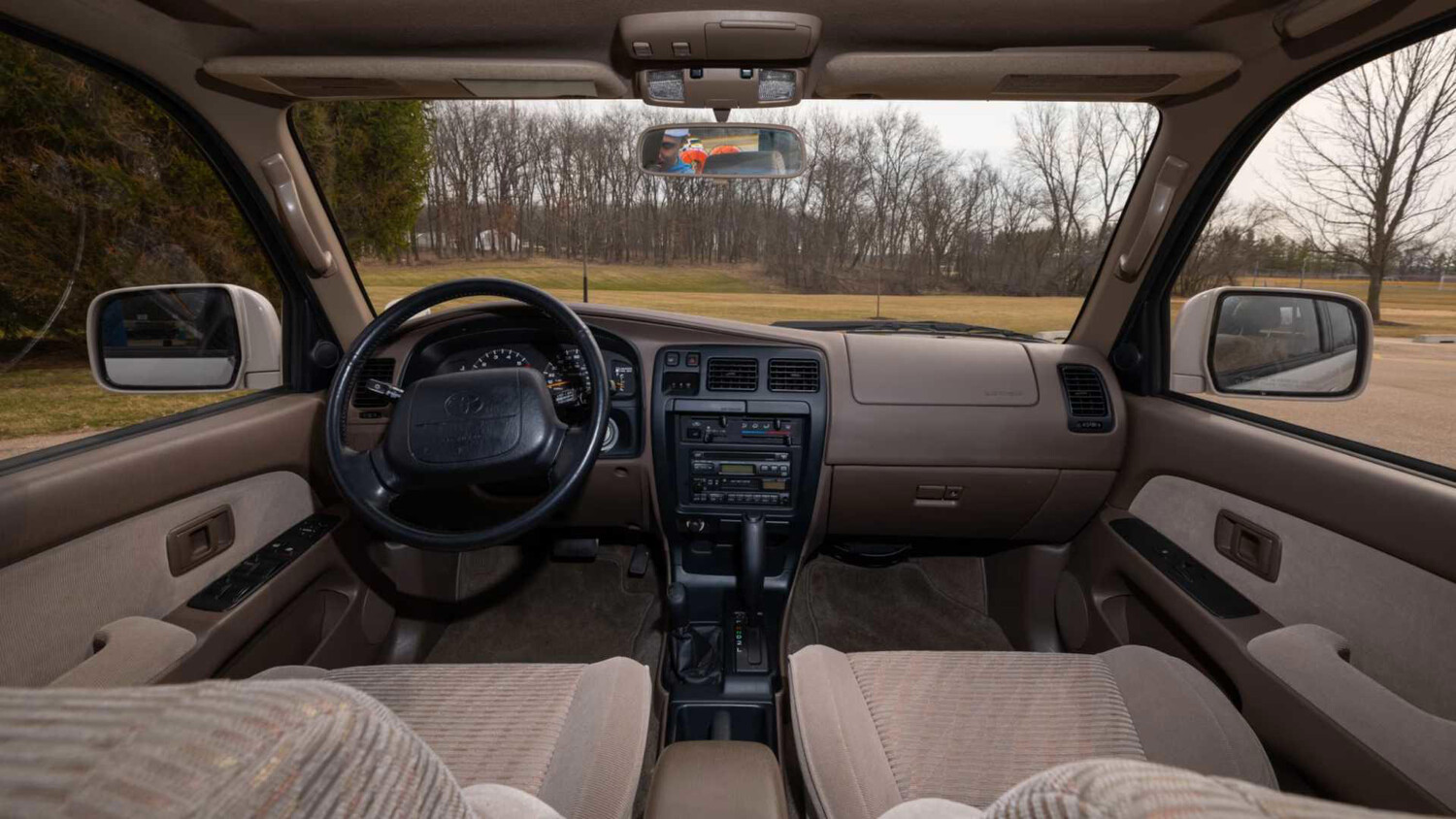
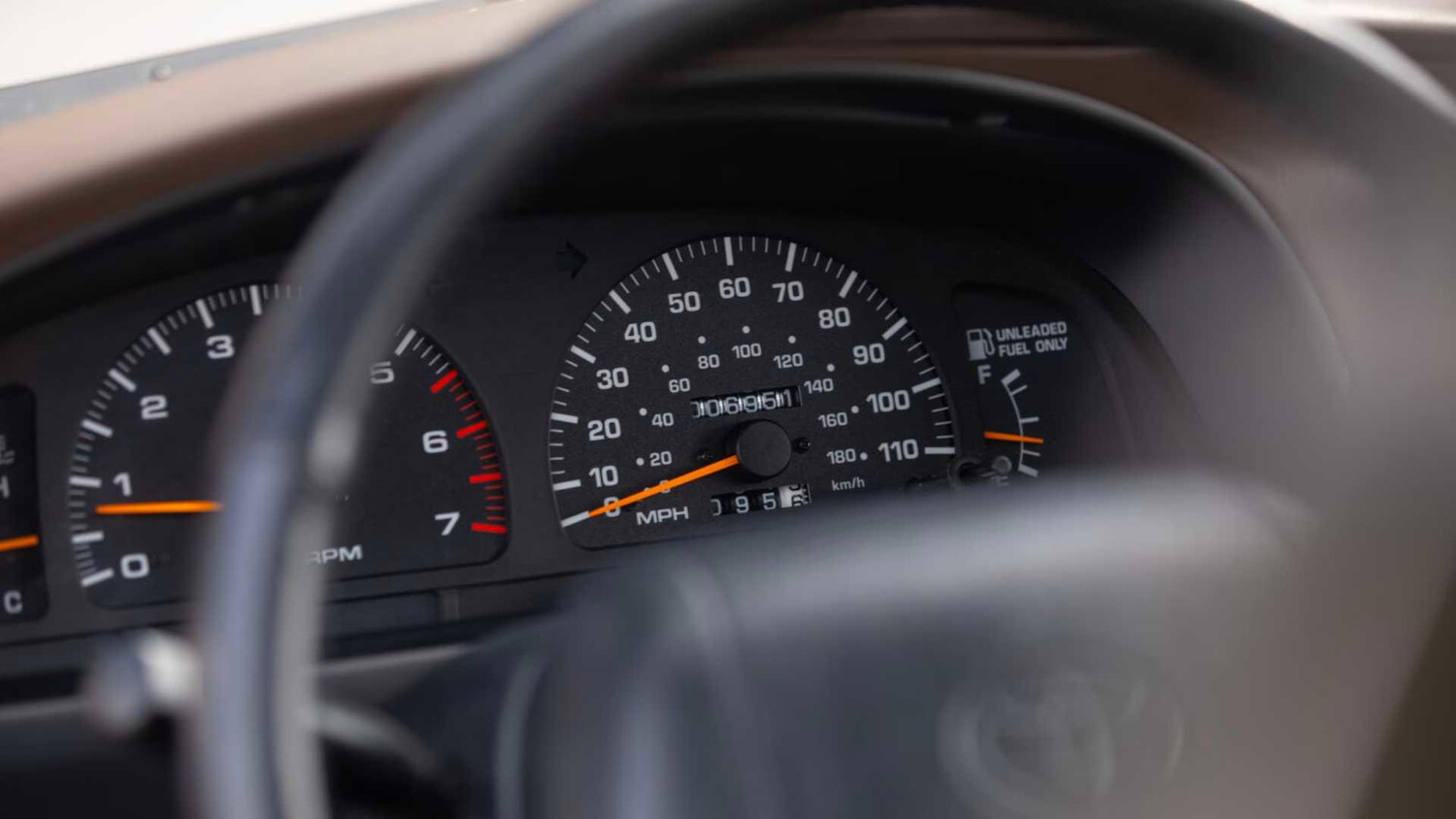
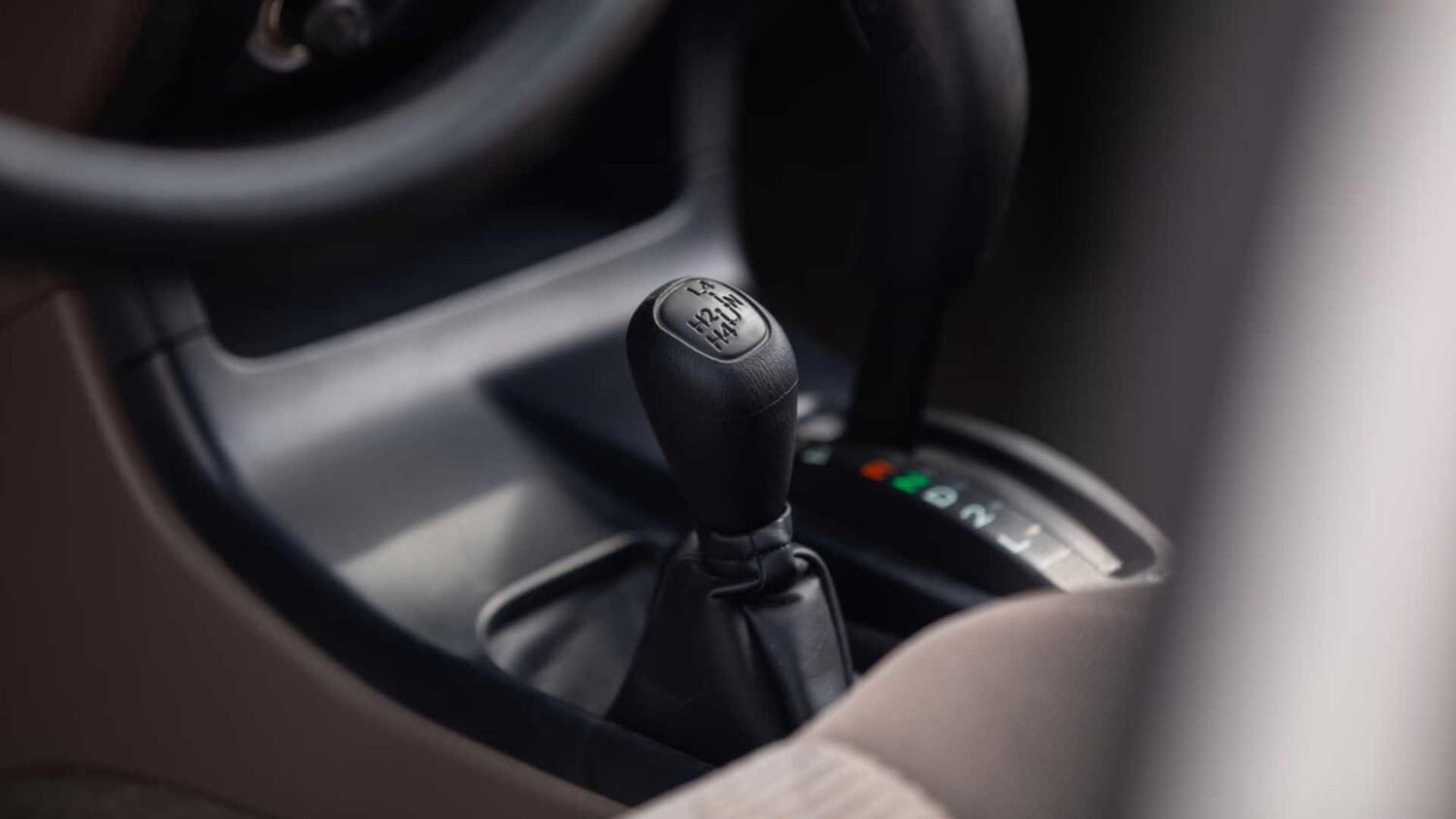
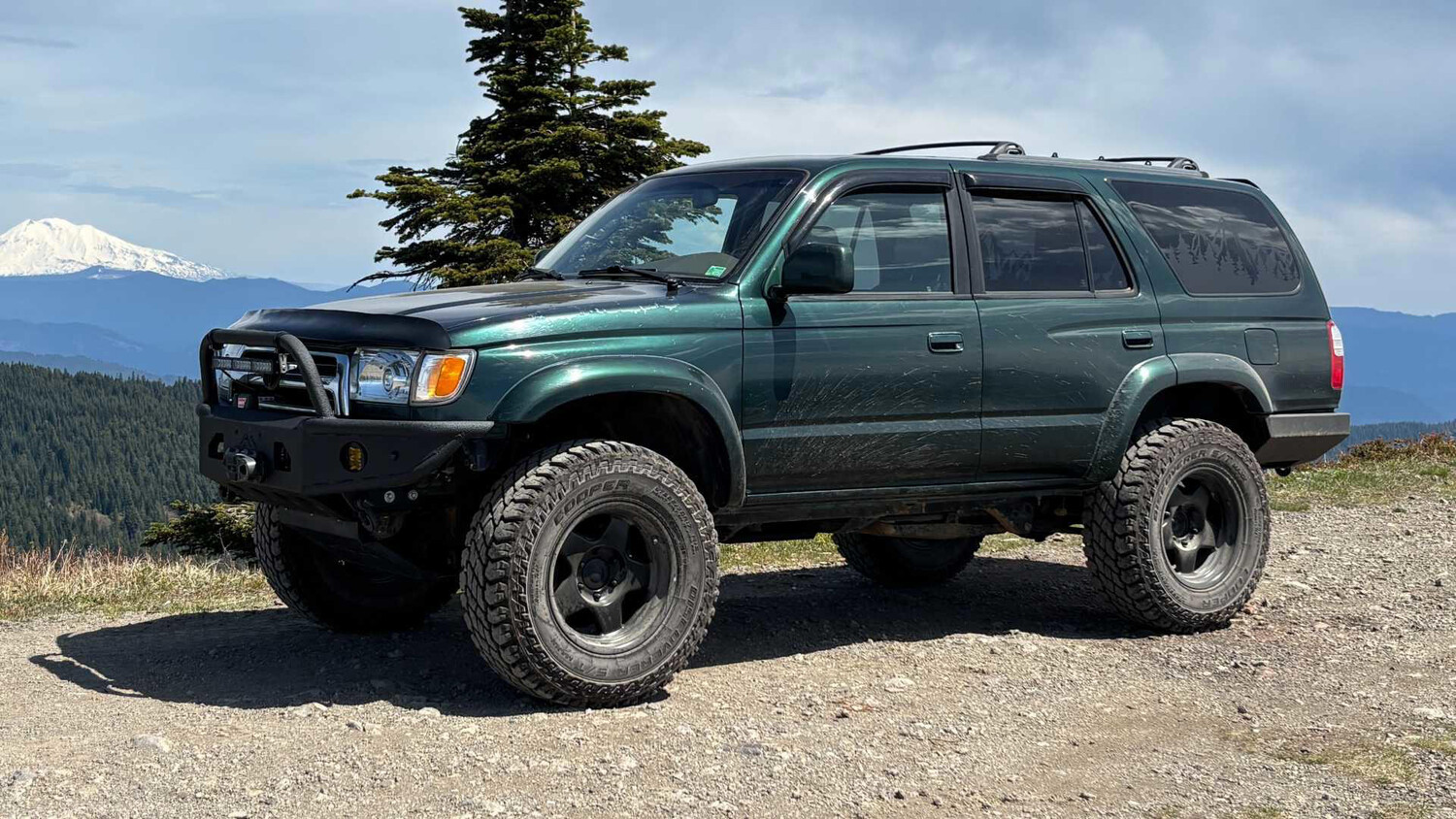
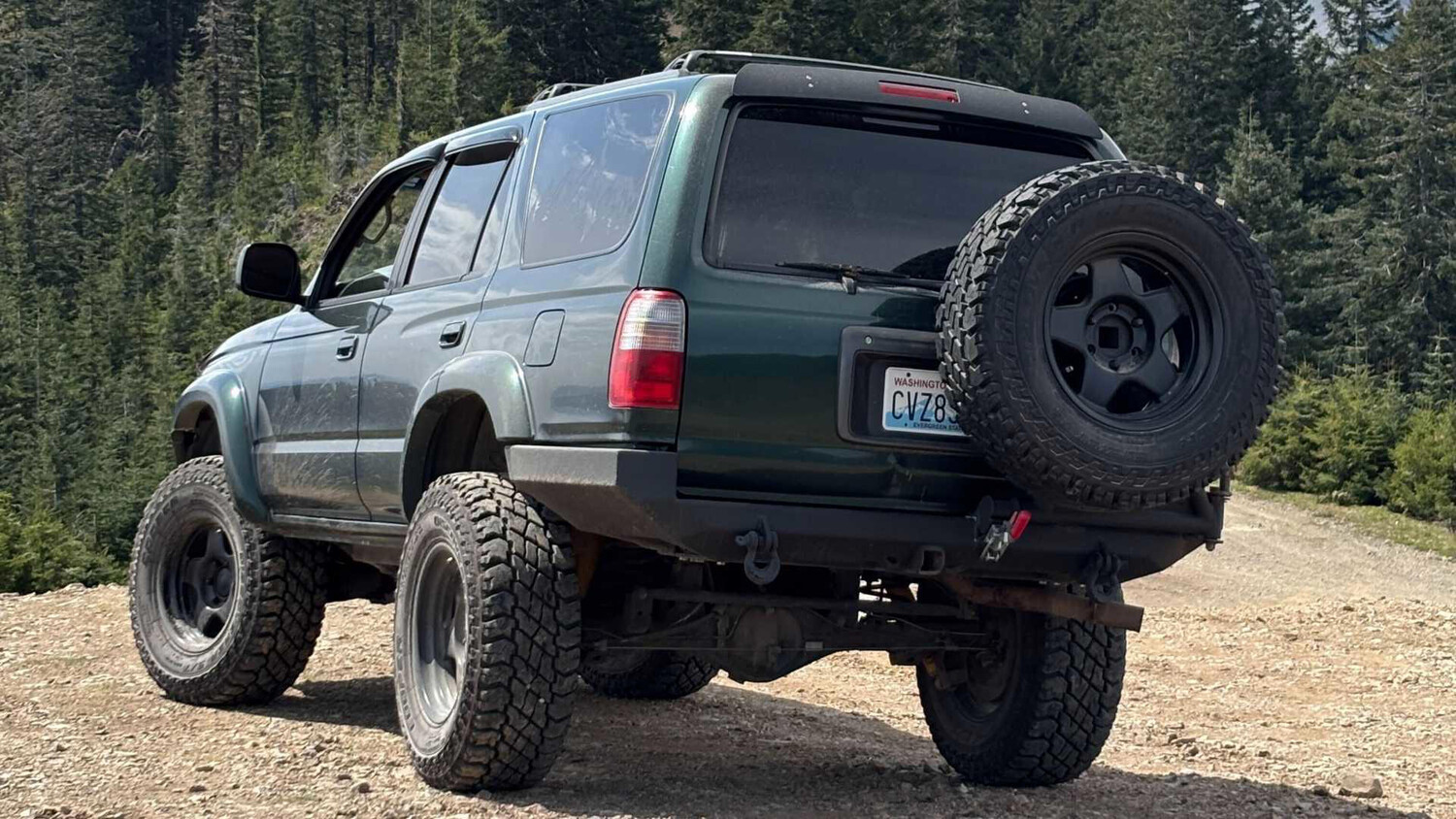
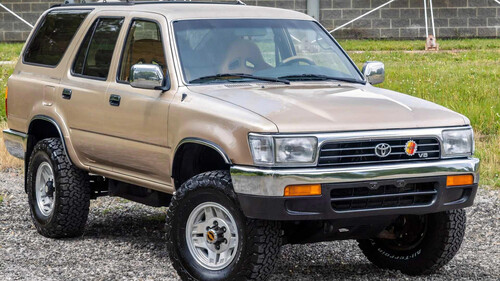
Jump LinksWhat the Average 3rd-Gen Sale Looks Like3rd-gen Toyota 4Runner SpecsToyota 4Runner N180 ReliabilityOff-Road Capability and Aftermarket ModificationsIn general, Toyota models tend to hold their value better than many other mainstream makes. However, the 4Runner, in particular, manages to stave off depreciation better than even other Toyotas. Does that mean it should actually double in value after thirty years of sitting in a garage? Well, in the case of one 1996 4Runner SR5, a buyer decided it should, since the old SUV sold for $52,800.Mecum Auctions recently hosted the sale of this 1996 SR5 with just 6,954 miles on the odometer. It was in remarkably good condition, not far from what you'd find on a showroom floor back in the day. Aside from being a low-mileage survivor car with little wear, it had a handful of desirable factory options.The 3rd-generation Toyota 4Runner is between 24 and 30 years old at the time of writing, with this iteration being available from the 1996 through the 2002 model years. It remains a first choice among many off-road and overlanding enthusiasts, as well as those who want a somewhat affordable, reliable daily driver.Most average examples are fairly cheap by new-car standards, but there are more than a few outliers that sold for the same cost as a new model within the last year. Here's why we think some N180 (as the generation is known internally) 4Runners are worth so much today.Used car values fluctuate depending on a variety of factors, including location, mileage, mechanical and cosmetic conditions, the status of its title (whether it's clean or branded), the number of owners on record, and more. The prices explained here today may not exactly reflect what you can expect to pay for a 3rd-gen 4Runner, or what yours is worth on the market. Buyers are Paying New-Car Money for 3rd-Gens Mecum AuctionsThe 1996 model that sold for over $50,000 was an anomaly, or was it? Online sales results show several examples with selling prices over $40,000. Given that a brand-new 2026 model starts at $42,070 and the N180 generation had base MSRPs between $28,000 and $36,000, finding ~30-year-old models for over $40,000 shouldn't be common.However, putting the high-selling 1996 example aside, there have also been sales that recently reached the cost of a new model. In April 2026, a 2000 4Runner Limited with just 20,000 miles based in Newport Beach, California, sold for $46,555. A 1997 SR5 with 34,000 miles in New Jersey sold for $42,500 in March, and a 1998 SR5 with 51k miles in Connecticut sold for $40,000 in September last year. Needless to say, those in great condition with low mileage are worth a fair bit of money these days. The Average Value of a 3rd-gen 4Runner is More Reasonable Mecum AuctionsWhile there are more examples of N180s being sold over the last year for between $30,000 and $40,000, the average price of a 3rd-gen is about $16,460. The figure accounts for 140 sales between May 26th, 2025, and today, with the lowest sale being $4,100 for a '96 SR5 that needed engine and transmission work, and the highest sale being the pristine low-mileage model we talked about earlier. What the Average 3rd-Gen Sale Looks Like Mecum AuctionsSale prices can depend heavily on where the vehicle is located, so averages might not reflect what you'd pay in the Rust Belt or other extreme climates. That said, some of the best-conditioned units are found in better climates, such as in California. For example, a 1999 Limited trim with only 165k miles in Irvine, California, sold for $16,500 in April 2026.Most high or even average-value sales come from unmodified models with four-wheel drive. The lowest-priced sales are usually high-mileage, rear-wheel drive examples that may have some less-than-tasteful modifications. Many buyers mistakenly think that mods add value to a car; that may be slightly true in the off-road community with the right mods installed correctly, but as a general rule of thumb, unmodified, clean cars sell for more. 4Runners Hold Value Incredibly Well Mecum AuctionsAccording to CarEdge, Toyota models in general lose about 35.1% of their value after five years on the road. For reference, the worst popular (non-luxury) brand for resale value is Dodge, which loses about 61.8% of its value after the same timeframe.That helps put into perspective just how great the 4Runner is, since CarEdge finds that the model only loses about 25% of its value after five years. Of course, some factors go into making a model more or less desirable — the TRD Pro trim with 4WD from five years ago (in the chart below) holds onto more of its original value than a base model.The 3rd-generation 4Runner is a testament to how well it holds its value. Let's say the average new MSRP of a 3rd-gen was about $33,--- — the average value of $16,460 today means it only lost about 57% of its value after about 30 years. Why on Earth Are Buyers Paying so Much? Mecum AuctionsSome collectors see low-mileage cars of all kinds as an investment that could accrue value after purchase. That might be the case for some of the $40k+ sales, but they only account for a handful of 3rd-generation 4Runner values today. Here are some reasons we think the N180 generation is still worth so much today: 3rd-gen Toyota 4Runner Specs Mecum AuctionsPart of why buyers are still seeking these older 4Runners is for their powertrains. They're not particularly powerful. In fact, this writer speaks from experience that the V6 is still incredibly slow, but that's just life with an old Toyota. What they lack in speed and power, they make up for in reliability and easy maintenance, which we'll get to in the next section.Some versions of the N180 are more desirable than others due to their drivetrain. The basics N180 came with either an RWD or a four-wheel drive, but not all 4WD systems use the same transfer case. In the Base, SR5, and Highlander trims from 1996 to 2000, the 4Runner had a basic J-shaped shifter configuration with mechanical linkages. The Limited trim from 1996 to 1998 was slightly different, featuring a button on the shifter to switch between 2WD and 4HI. The only time you had to move the lever was to shift from 4HI to 4LO.The 1999 to 2000 Limited trim was upgraded to what's known as "Multi-Mode." It still has a button to push that shifts from 2WD to 4HI. Still, it includes a differential-type transfer case that allows the front and rear axles to spin independently, preventing binding on pavement or other high-traction surfaces. The 2001 and 2002 models all got Multi-Mode, regardless of trim. Toyota 4Runner N180 Reliability Mecum AuctionsThe next-best thing about the 3rd-gen 4Runner is its reliability and low maintenance costs. N180 owners across many forums (some listed in the sources below) conclude that neither engine requires regular heavy maintenance — oil changes, new air filters, and other small jobs tend to cost only about a few hundred dollars per year. However, there are some bigger repairs to be aware of.As the owner of a lifted 2000 SR5, I can assure you that you want to upgrade your CV axles. I have a three-inch lift, which wore out the original inner CV axle boots, then flung grease everywhere while driving. New CV boots themselves are relatively cheap (usually under $100 per pair per side), but opting to have a shop or dealership install them could easily cost $700 - $1,000.Other issues that aren't common but are worth mentioning include frame rust if you live in a wet or cold climate, and the lower ball joints can fail. As long as you keep the vehicle stock, there are very few problems to worry about. Plus, the engines themselves are rarely problematic. Off-Road Capability and Aftermarket Modifications Sean McManusNow for the fun stuff: off-road and overland modification support. Buyers love to find stock 3rd-gen 4Runners in good condition to use as a basis for modifications, and they're willing to pay premium prices for good condition examples to ensure they won't break down on a trail. Not only do plenty of brands offer N180-specific parts and upgrades, but the N180 itself is easy to modify and can handle relatively extensive changes without complaint.Pictured above is my 2000 4Runner SR5 4x4 with a handful of useful mods. The first step to modifying any off-roader should be tires. I run 17-inch Stealth Custom Series wheels with 33-inch Cooper Discoverer S/T Maxx tires that offer a balance between off-road grip and on-road comfort.For a 3-inch lift, my rig is equipped with heavy-duty Old Man Emu springs that are somewhat harsh over potholes and speed bumps on pavement but flex and compress comfortably off-road. The brand also offers medium and soft springs for better on-road comfort.Finally, supporting mods include front and rear rhino-lined steel bumpers with a rear half-swing spare tire carrier, a Warn winch on the front bumper, full steel skid plates for the engine, transfer case, and transmission, a big brake kit from a Tundra to support the extra weight, and various lighting. A Solid 3rd-Gen 4Runner is Worth the Investment Sean McManusIt feels ridiculous to see a 30-year-old vehicle retain value better than some new models from other brands, but the 3rd-generation Toyota 4Runner pulls it off with style. It's hard to beat its looks, let alone its bulletproof reliability and susceptibility to modification.Plenty of recent auctions show that these SUVs are going for $30,000 or more in good condition with low mileage, with one buyer even paying $52,800 for a first-model-year example. The average N180 is worth about $16,500 today, which we feel is a well-worth investment for an SUV that's ready to tackle another ten years and half a million miles.