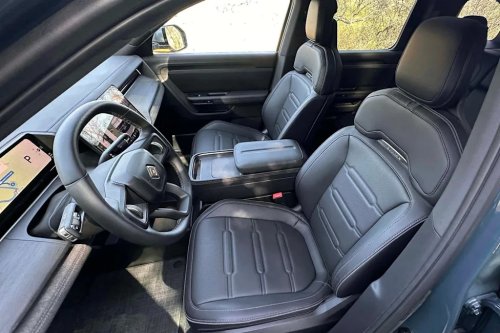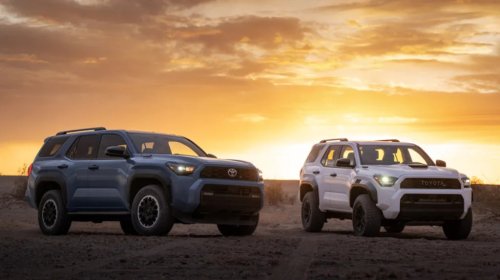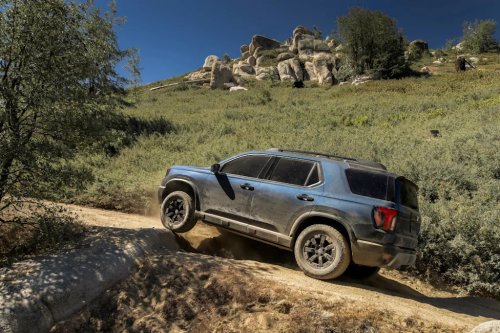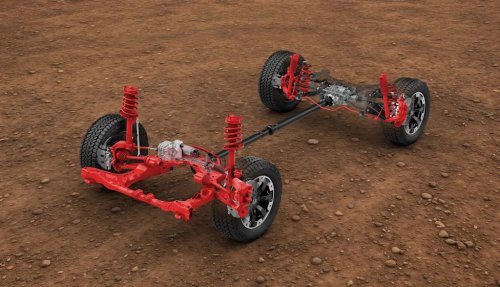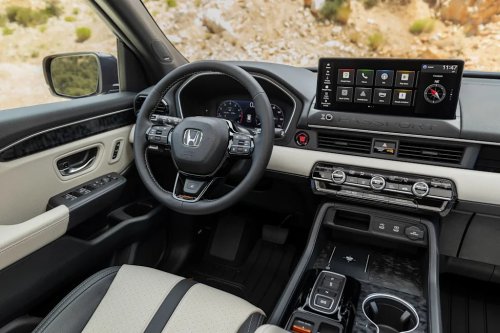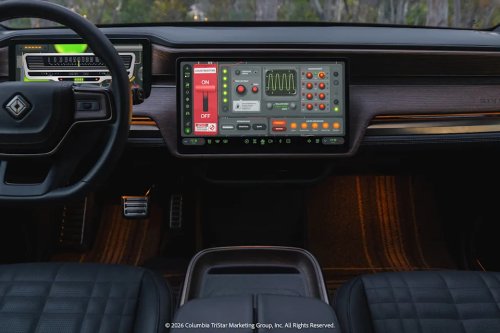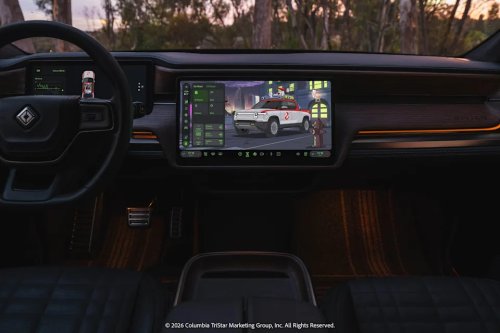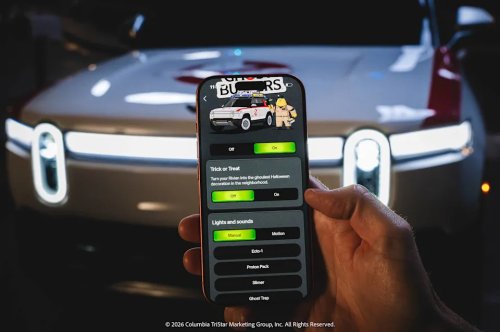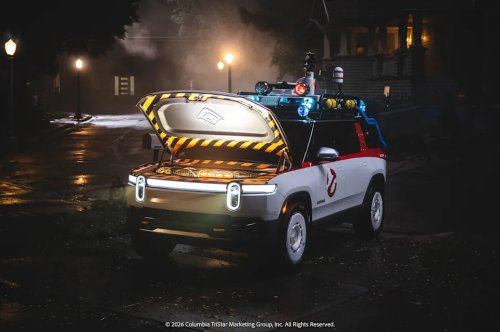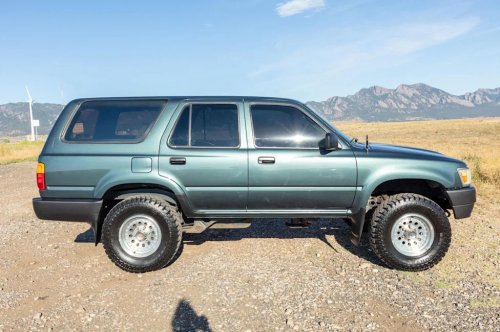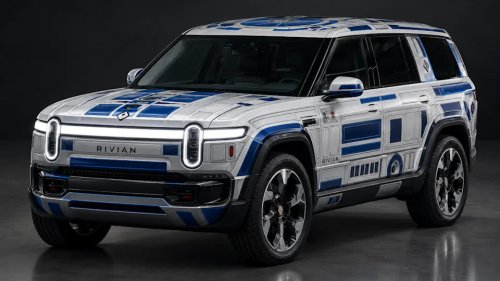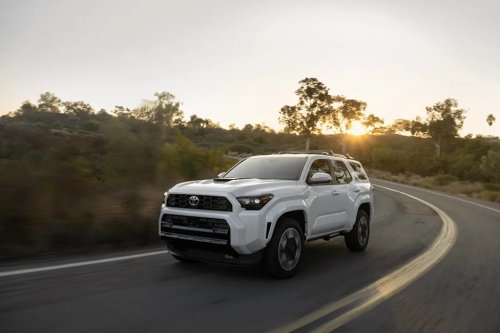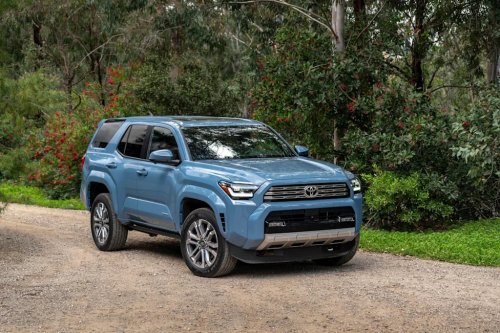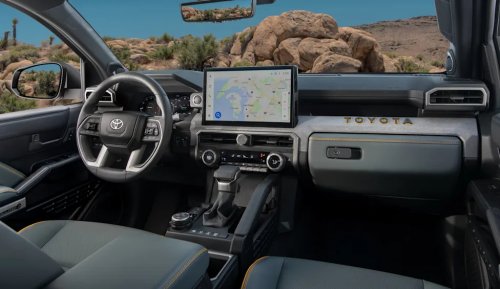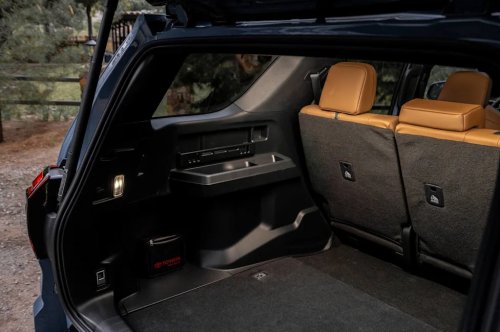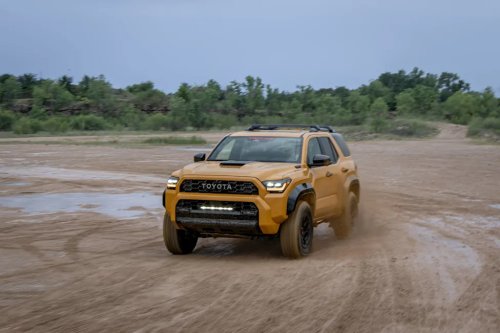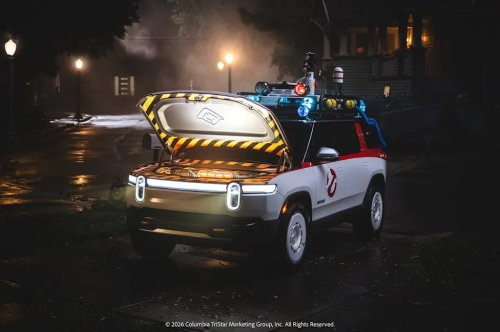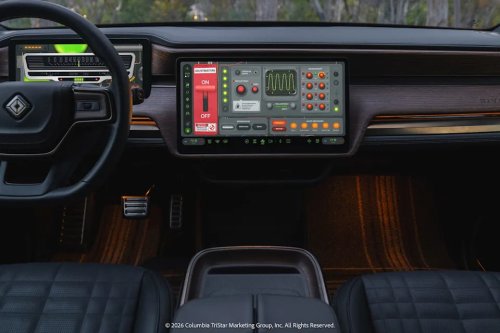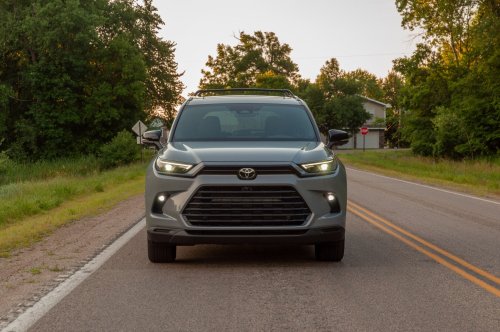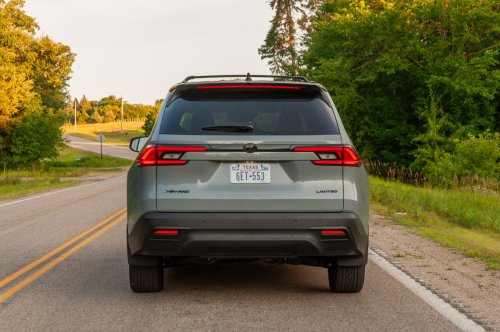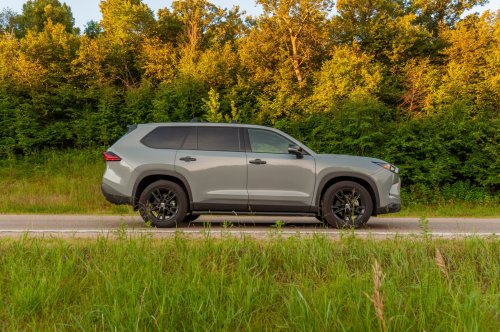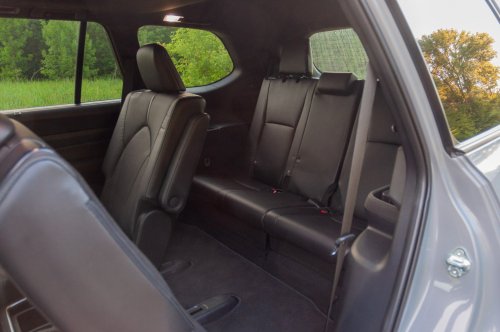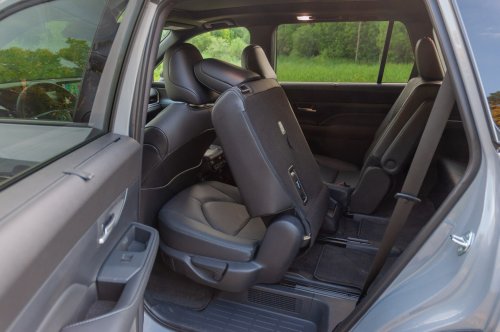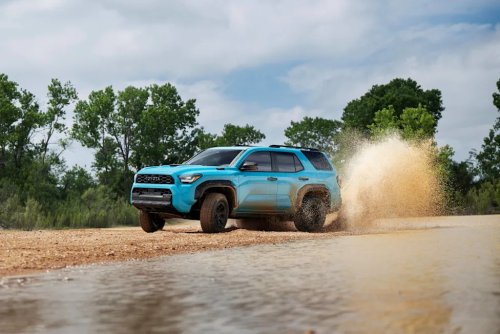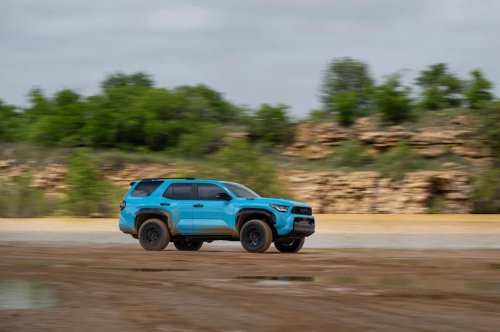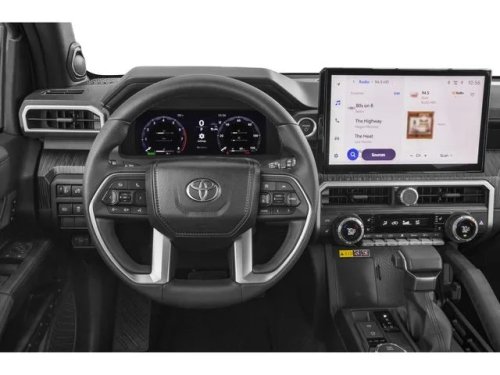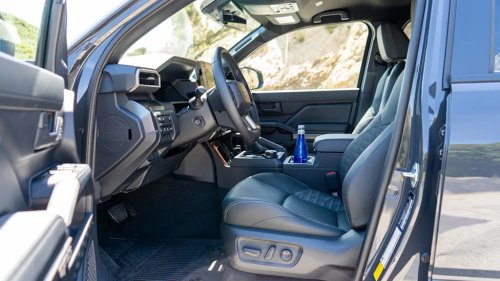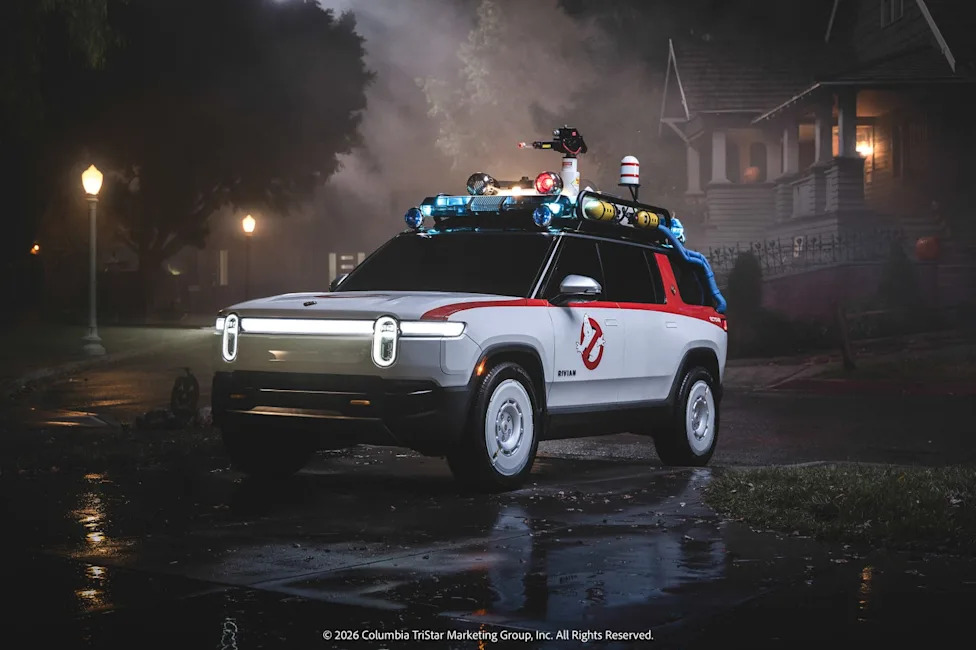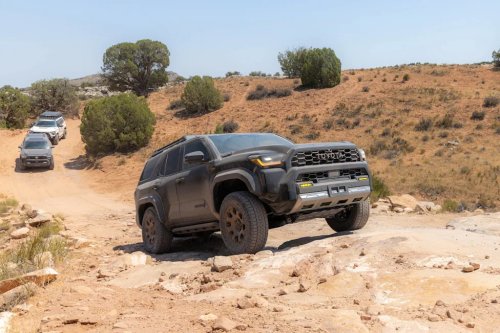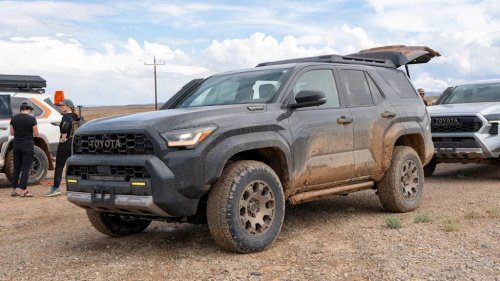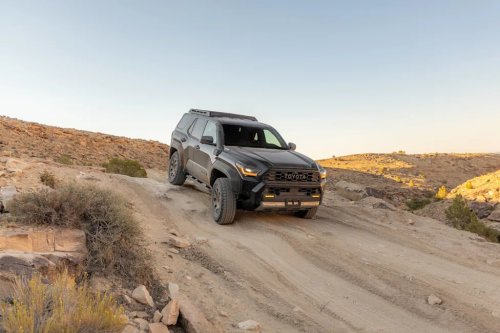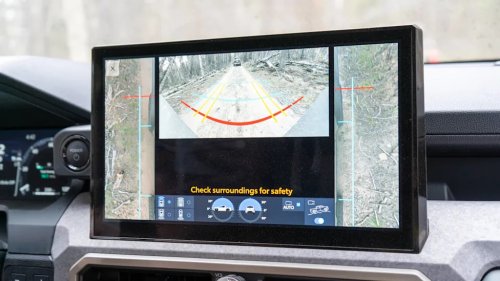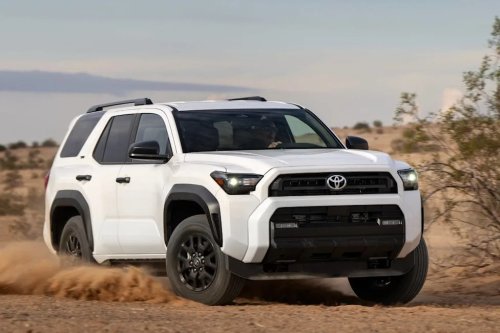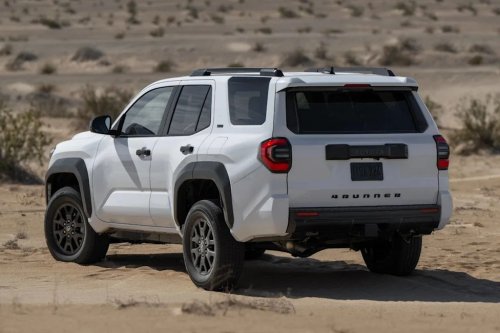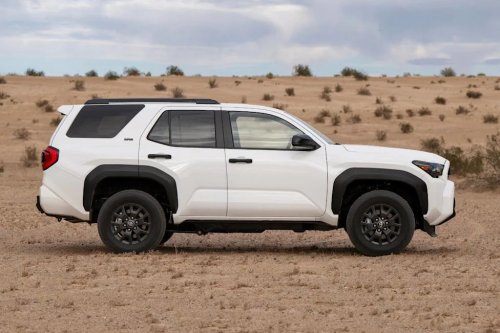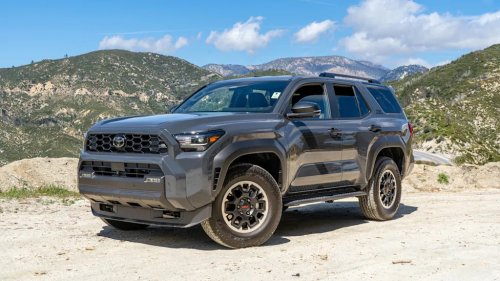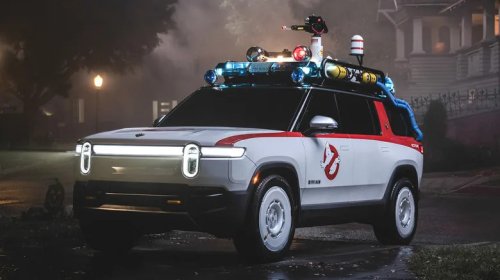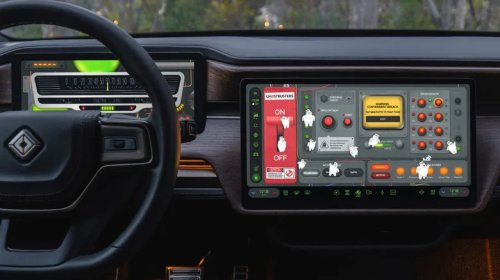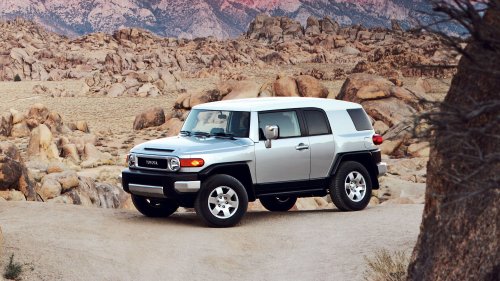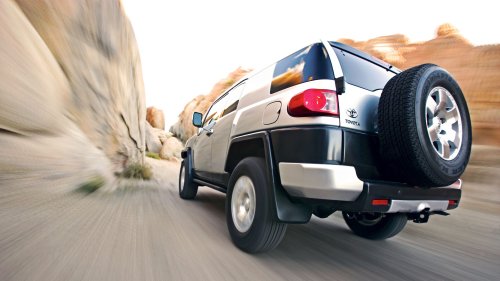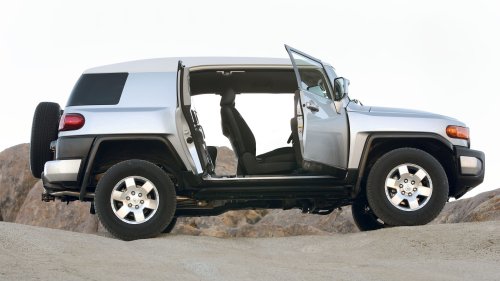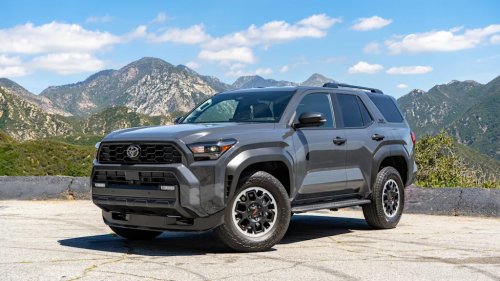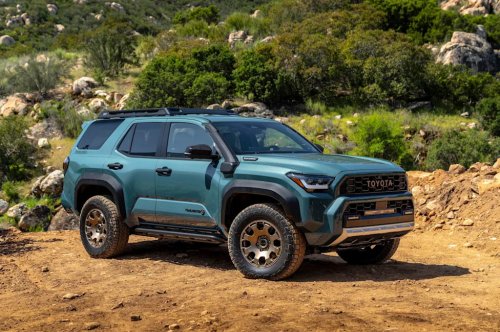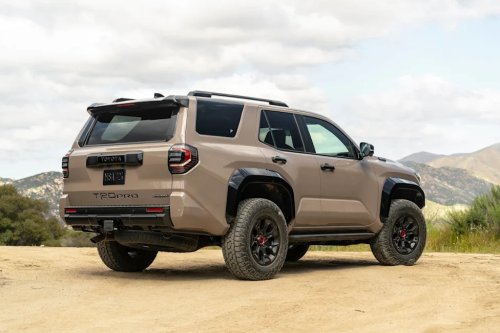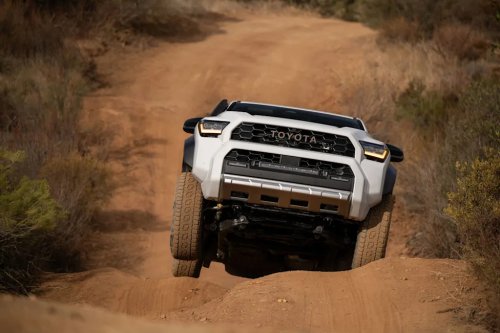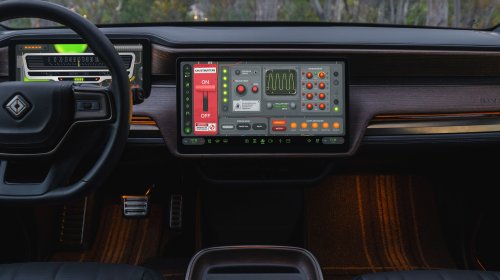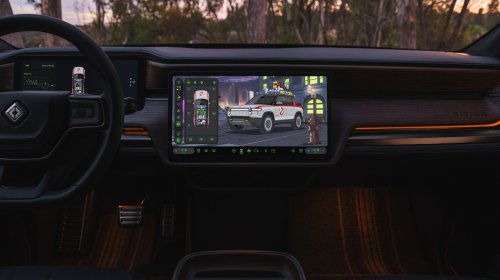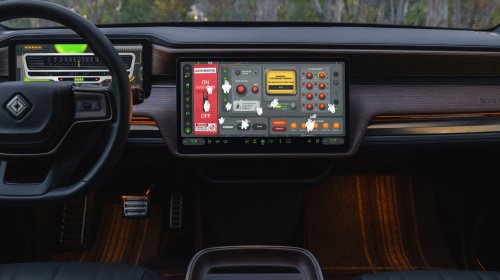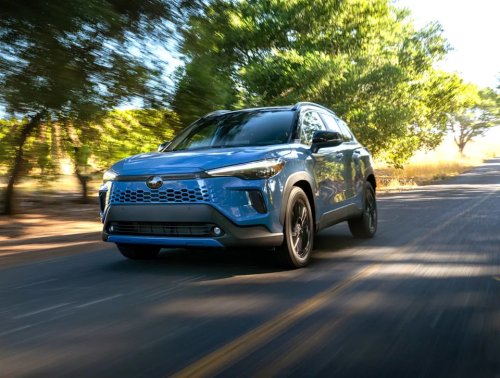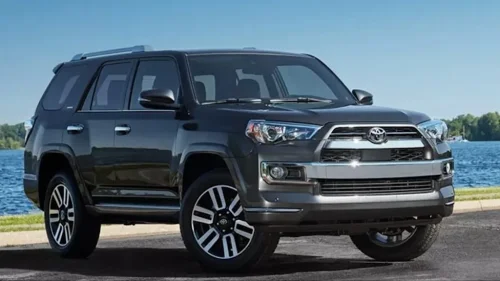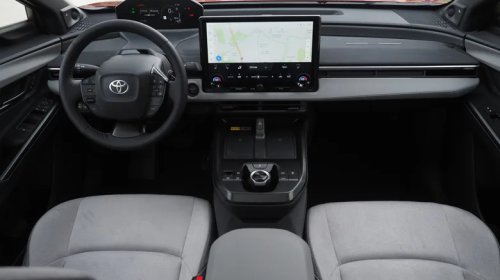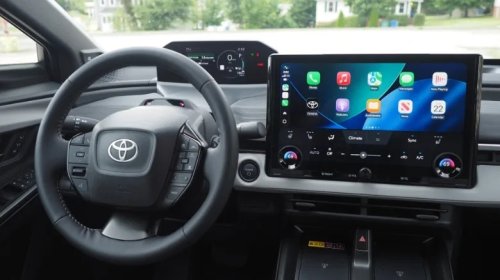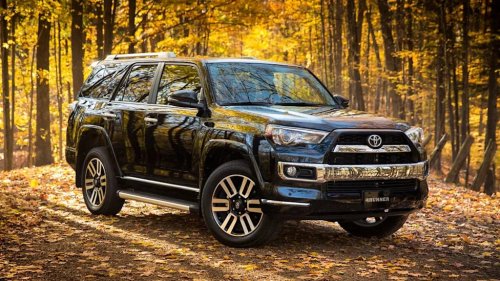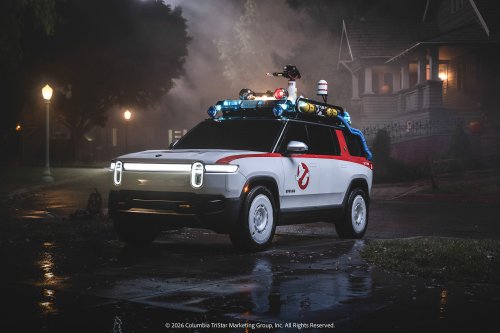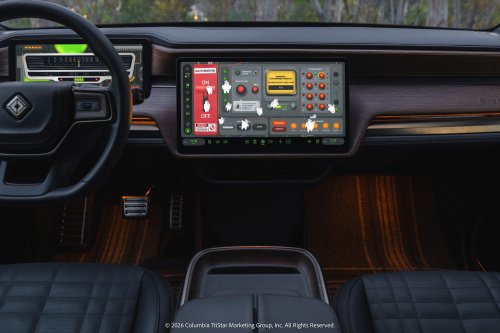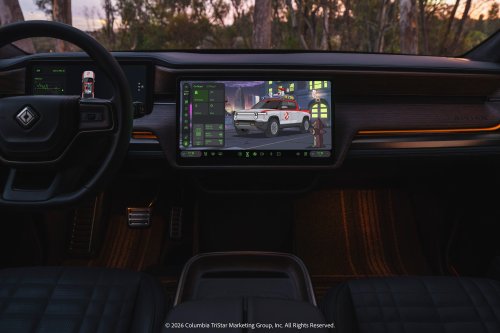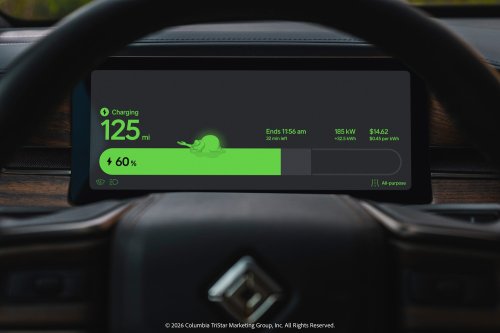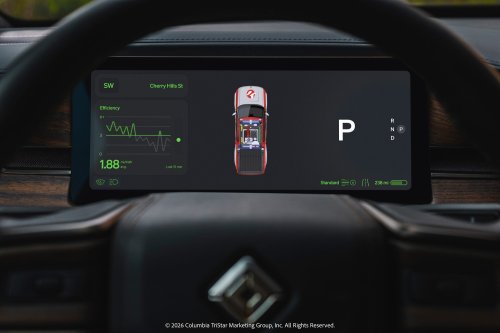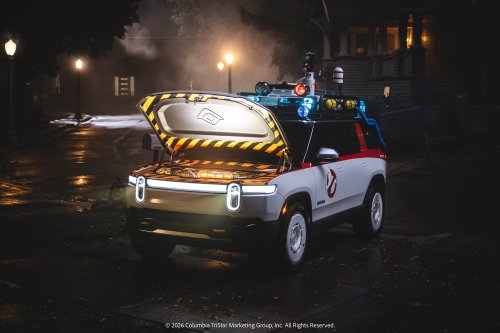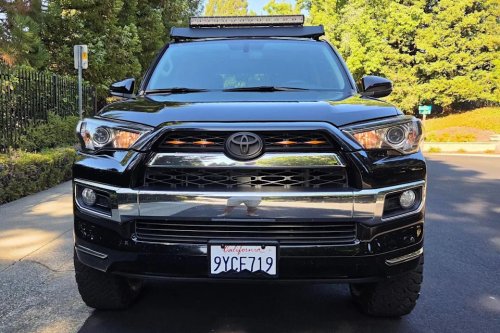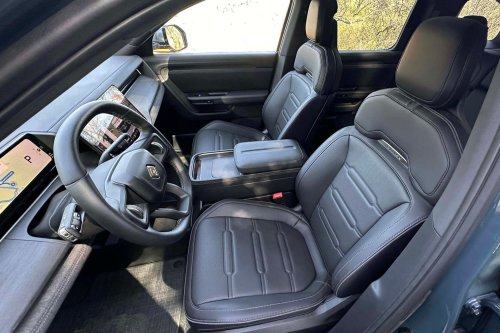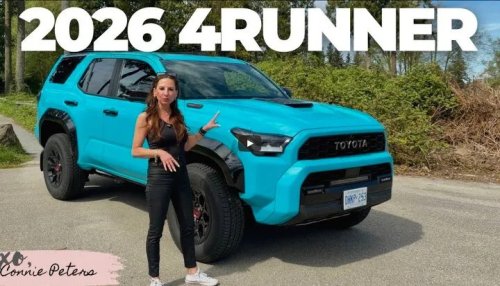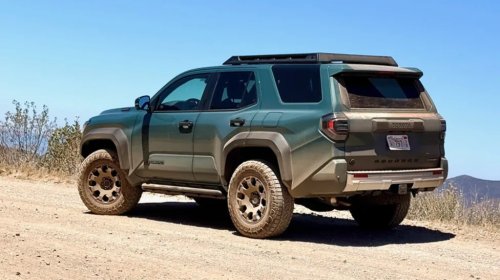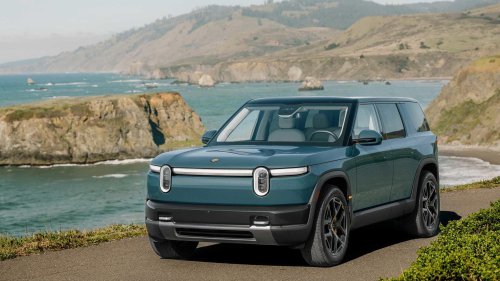
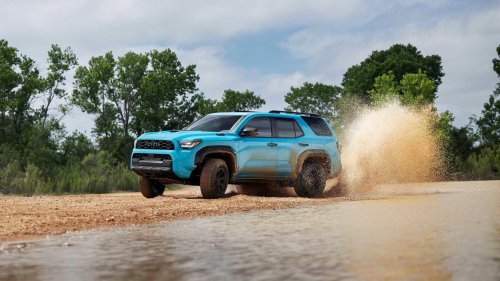
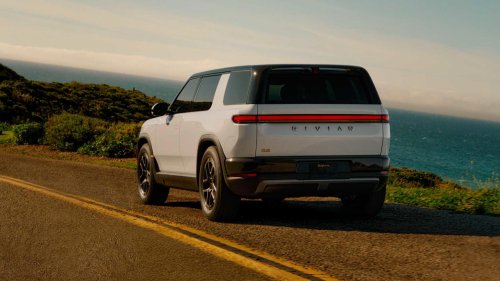
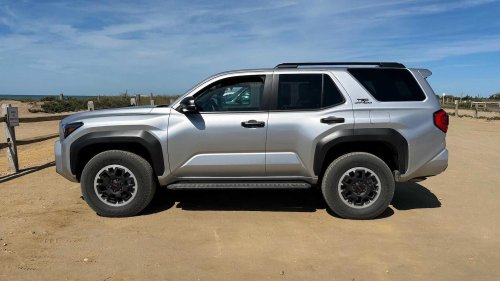
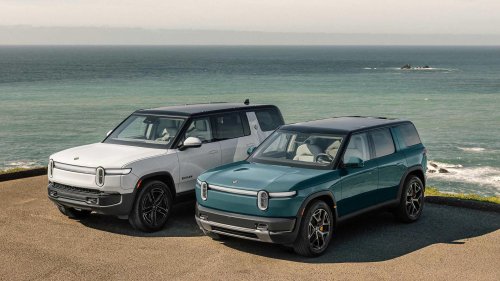
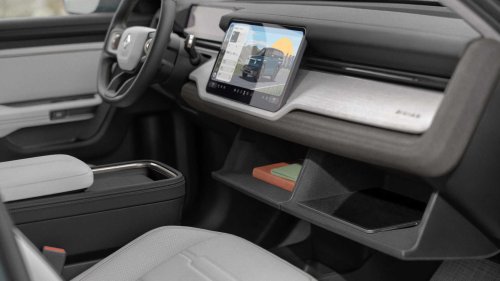
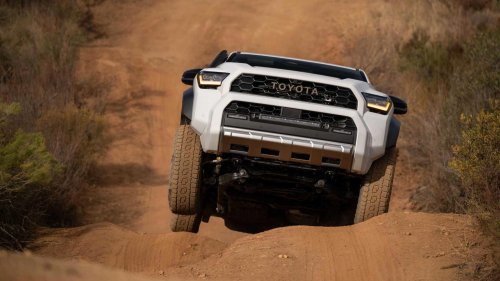
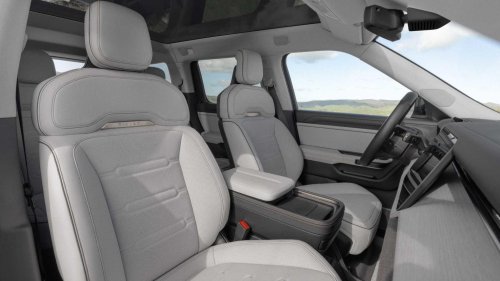
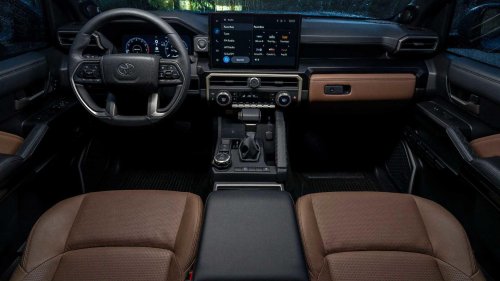
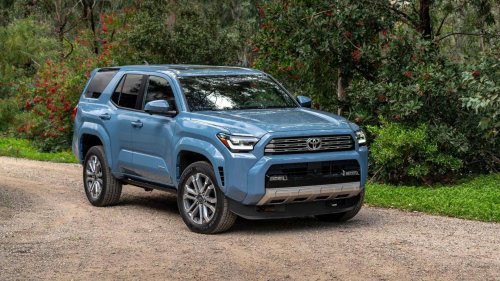
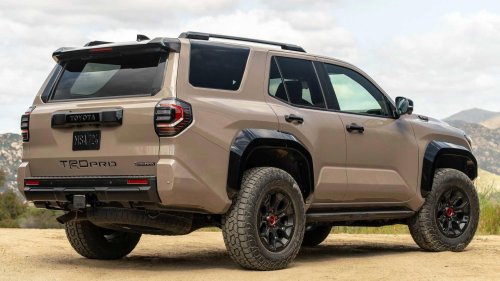



















SUVs are among the largest and fastest-growing automotive categories today. Over the past couple of decades, they have become one of the most popular choices of vehicle for singles, couples, and families alike. Their practicality, size, and rugged character make them suitable for a wide variety of driving situations, from the everyday commute to the occasional off-road excursion.We are taking a closer look at two midsize SUVs with different personalities, but some traits in common. A combustion engine powers one, while the second has an all-electric powertrain. We’re talking about the Toyota 4Runner and the Rivian R2.One is a long-standing model with decades of history behind it, whose current generation has recently arrived on the market. The other is a completely new addition to the Rivian lineup, which was only just released this year. Let’s take a look at these two models side by side, what each has to offer, and which one we think makes the best purchase. This is an on-paper comparison of specs, rather than a real-life test. Design: Rugged But Futuristic Rivian For those familiar with Rivian’s aesthetic and design, the R2 would be immediately recognizable as part of the brand’s lineup. The model closely resembles its bigger sibling, the R1S. Some of the core features the two vehicles share include the iconic vertical oval headlights and the Rivian signature blend of classic and modern style.The 4Runner adopts a more traditional design approach, though it still offers a visual upgrade over the outgoing fifth-generation model, which ended in 2024. The headlights are sharper and more angular, the grille has been reworked with the bar running across it being eliminated, and the rear end has been refreshed and modernized.Toyota The two models take the concept of the crossover and expand it in different directions. The R2 leans into the city-friendly aspect, maintaining a little ruggedness while offering a stylish everyday vehicle. The 4Runner keeps one eye towards the trail, with a look that’s slightly more function-oriented but still sleek and modern. Powertrain: Gas Vs. Electricity RivianThe R2’s lineup includes three different choices of all-electric powertrains, available as part of the Standard, Premium, and Performance trim levels. The Standard trim comes with a single motor, producing 350 hp and powering the rear wheels. The Premium and Performance trim levels, on the other hand, offer a dual-motor AWD setup. In the Premium, the total power output is 450 hp, while in the Performance, it goes up to 656 hp.While the R2 is not quite as oriented towards off-roading as other members of the Rivian family, it does quite well on the performance and acceleration fronts. The slowest version is the Standard RWD, which still manages to go from 0 to 60 in a hair under 6.0 seconds. The Premium version manages this feat in just 4.6 seconds, while the fastest of all is the Performance at just 3.6 seconds. That's not bad for a practical, all-electric SUV. For comparison, the Performance version of the Tesla Model Y takes just three-tenths of a second less to get to 60 mph, clocking in at 3.3 seconds.Ty Duffy/CarBuzz/Valnet The 4Runner, of course, offers a very different driving experience: there is no all-electric option, as the model is primarily combustion-powered with a hybrid version available. The standard engine is a 2.4-liter turbocharged inline-four, producing 278 hp and 317 lb-ft of torque. The engine is paired with an eight-speed automatic transmission; a rear-wheel-drive layout is standard, with four-wheel-drive being offered as an option. The 4WD system comes with a two-speed transfer case with high and low range, boosting the 4Runner’s off-road prowess.There is also a hybrid 4Runner available, which pairs the same engine with a single electric motor. The total output is 326 hp and 465 lb-ft of torque. The hybrid version has the same transmission as its combustion counterpart. It is, however, a little quicker, reaching 60 mph in 6.7 seconds while the gas-powered 4Runner takes 7.5 seconds. Fuel Economy/Charging and Range RivianExact figures for the Rivian R2's fuel economy have not yet been released. However, we can expect the model to achieve around 100 MPGe (the unit of measurement for an electric vehicle's efficiency) during city driving and 85 MPGe during highway driving. In terms of range, the R2 achieves an estimated maximum driving range of 345 miles in Standard form, and 330 miles in Premium and Performance form. The model is also compatible with Tesla's Supercharger network, offering additional opportunities for fast charging.The Toyota 4Runner's base trim achieves 20 mpg in the city, 26 mpg on the highway, and 22 mpg combined. The hybrid TRD Pro version achieves 23 mpg in the city and 24 mpg on the highway, for a combined 23 mpg. Special Equipment Rivian The Rivian R2 is not as oriented towards off-roading, and as a result, does not come with heaps of features and equipment tailored in that direction. However, as a versatile crossover suitable for urban and suburban environments, it does come with plenty of state-of-the-art tech features. These include the Haptic Halo Wheels, tactile wheels that offer an alternative way to control the infotainment system.Rivian has clearly taken a tentative step on board the trend of automakers pivoting back towards physical controls after consumer backlash against touchscreens. There is also a dedicated mobile app, which helps offset the absence of Apple CarPlay/Android Auto. An AI-powered voice assistant completes the infotainment system, allowing drivers to look up locations and directions while on the move, amongst other features.Toyota The Toyota 4Runner, on the other hand, does come with some features oriented towards the world of off-roading. Some of the model’s more interesting features are included in the Trailhunter trim, which comes with all-terrain tires, an upgraded suspension with forged shocks, and a Crawl Control function to tackle rough terrain at low speeds. The Trailhunter was created with off-road excursions in mind, and also comes with an onboard air compressor and a roof rack for transporting supplies. Interior and Tech Rivian The R2’s interior is, as expected of a Rivian model, minimalistic and futuristic while maintaining a timeless character. There is enough space for five occupants, with the spacious cabin providing enough room to stretch out and travel in comfort even on long journeys. Rivian also paid a lot of attention to storage for small items, adding not one but two gloveboxes to the R2’s cabin.The infotainment system is controlled through a 15.6-inch touchscreen, which also controls functions such as adjusting the mirrors and steering wheel and selecting the drive mode. Two scroll wheels (the Haptic Halo Wheels we mentioned earlier) are also present, in case you prefer a more hands-on way to control the system that doesn’t involve using a touchscreen. A seven-speaker audio system is standard, while a 13-speaker unit is optional.If seamless mobile phone connectivity is a top priority for you, the Rivian R2 may not be the best choice, as neither Apple CarPlay nor Android Auto are part of the package. Amazon’s Alexa voice assistant is, however, included, as is wireless charging and an onboard Wi-Fi hotspot.Toyota Unlike the R2, the 4Runner is available in two different seating configurations: a 5-seater and a 7-seater. The additional third row offered in the latter configuration is somewhat of a tight squeeze for adult passengers, but perfect for children, making it a good choice for larger families. The 4Runner’s cabin is practical and spacious, with plenty of storage solutions for smaller items dotted around. As in the Rivian R2, the rear seats fold down to create additional cargo space.The infotainment system is controlled through an 8.0-inch touchscreen as standard, although a larger 14-inch unit is available as an option. A 12.3-inch digital gauge cluster is also offered as an optional feature. Apple CarPlay and Android Auto are standard, while wireless charging is optional. There are also USB-C ports in the cabin to keep everyone’s devices topped up while on the move. Price And Winner: More Versatility And A Proven Track Record Toyota While the Rivian has the higher starting price between the two models, the 4Runner’s price range is the one that stretches the furthest. The R2 starts at $48,490 for the Standard trim level, then goes up to a starting price of $53,990 for the Premium trim and $57,990 for the Performance trim.The 4Runner, meanwhile, starts at $41,870 for the entry-level SR5 trim. The first trim to go past the $50,000 mark is the TRD Off-Road, which has a starting price of $50,290. There are also several trim levels that go past $60,000, beginning with the Platinum, which starts at $63,960. The most expensive trim in the lineup is the TRD Pro, with a starting price of $68,200. For hybrid-powered trim levels, prices vary between $53,090 and $61,300.Toyota Although the Rivian R2 offers a compelling package, especially for drivers unlikely to venture off the beaten track and looking for a crossover to use as an everyday commuter, the model has not yet had the chance to prove itself. The slightly unconventional infotainment system and absence of Apple CarPlay/Android Auto do not play in its favor either. The 4Runner, on the other hand, offers a more complete and well-rounded package, balancing off-road prowess with everyday practicality, familiar tech, and proven Toyota reliability.Sources: Rivian, Toyota