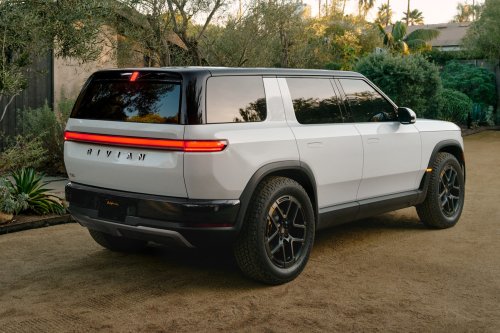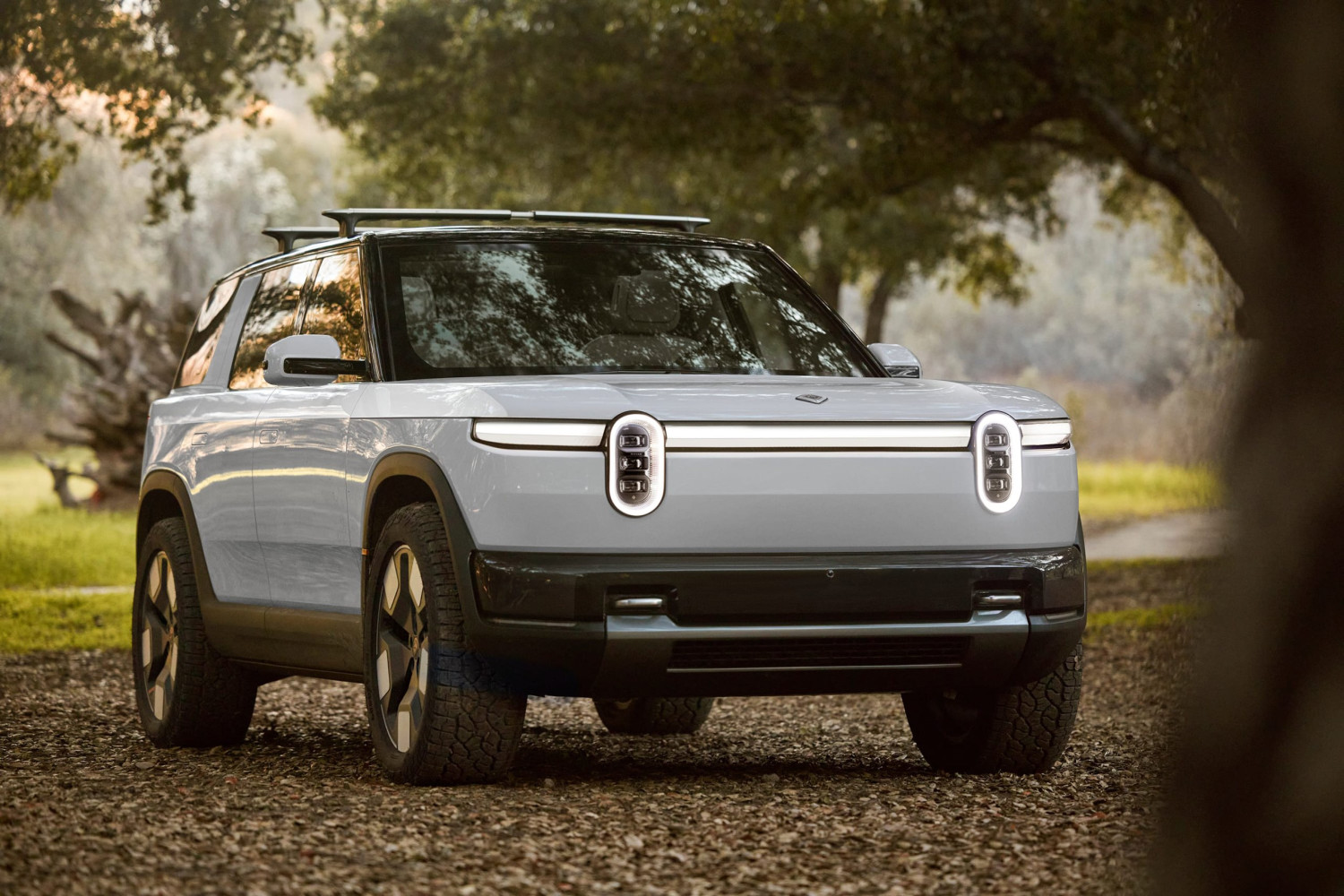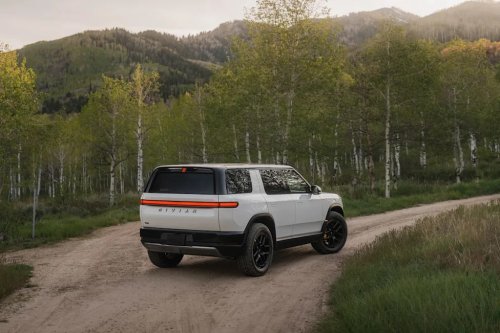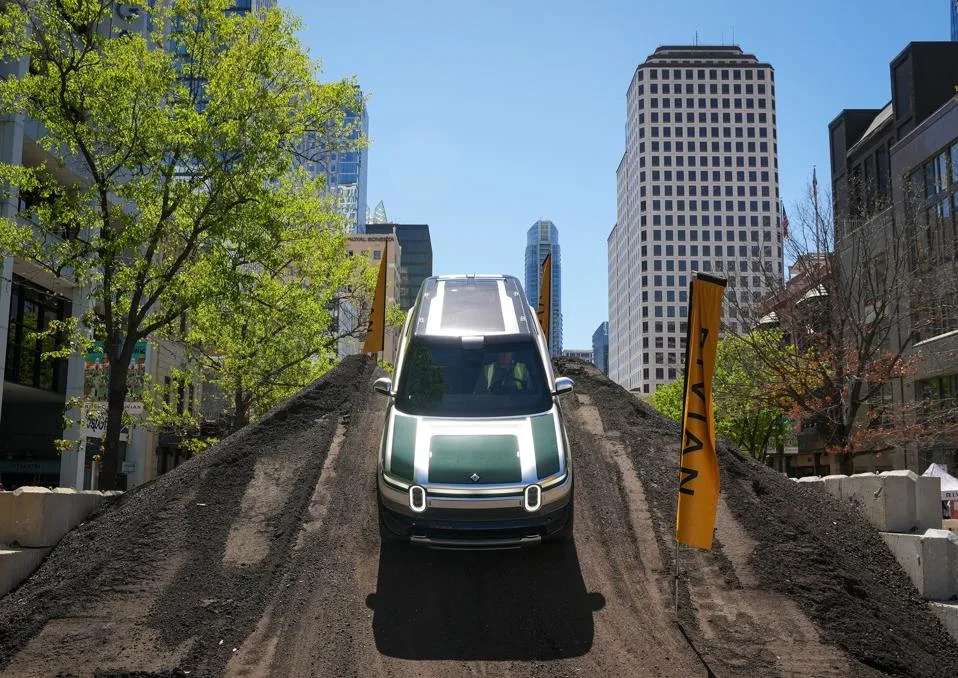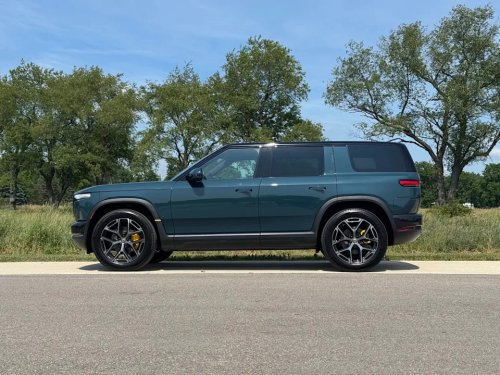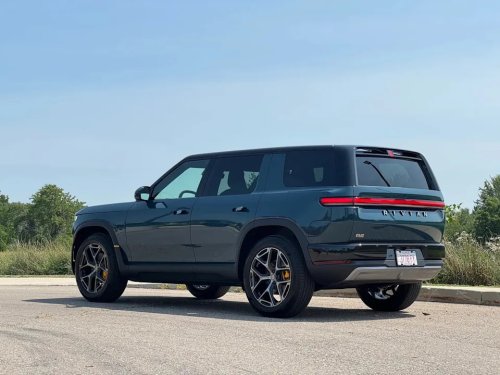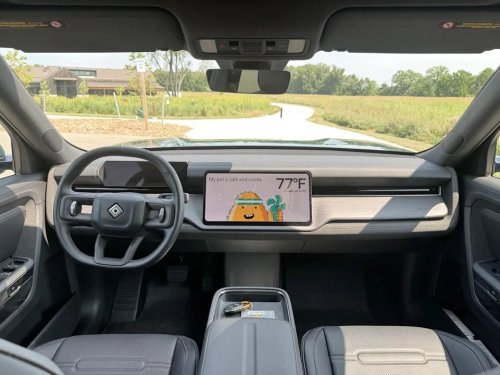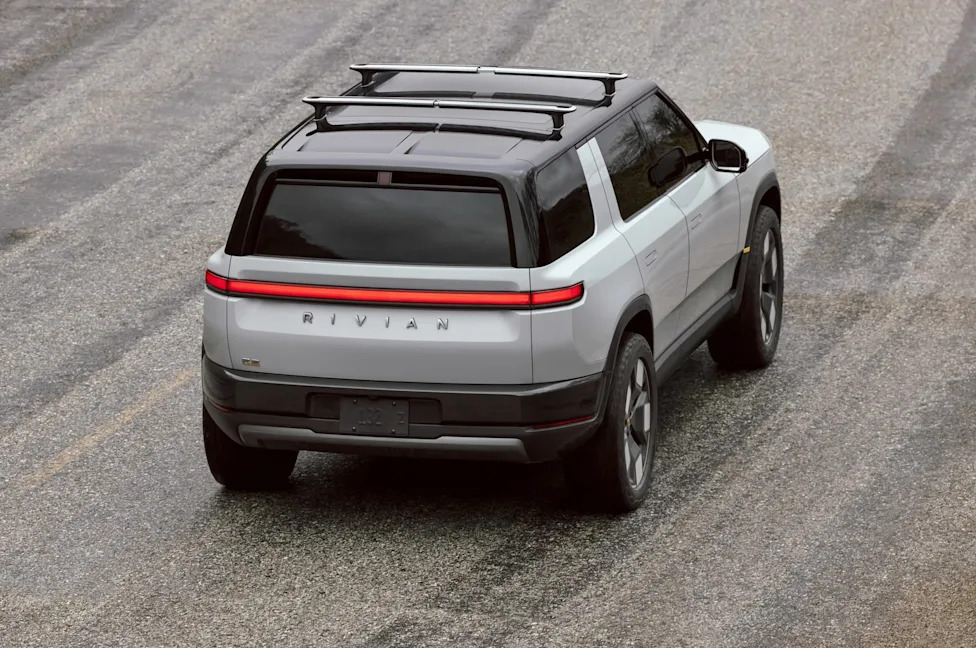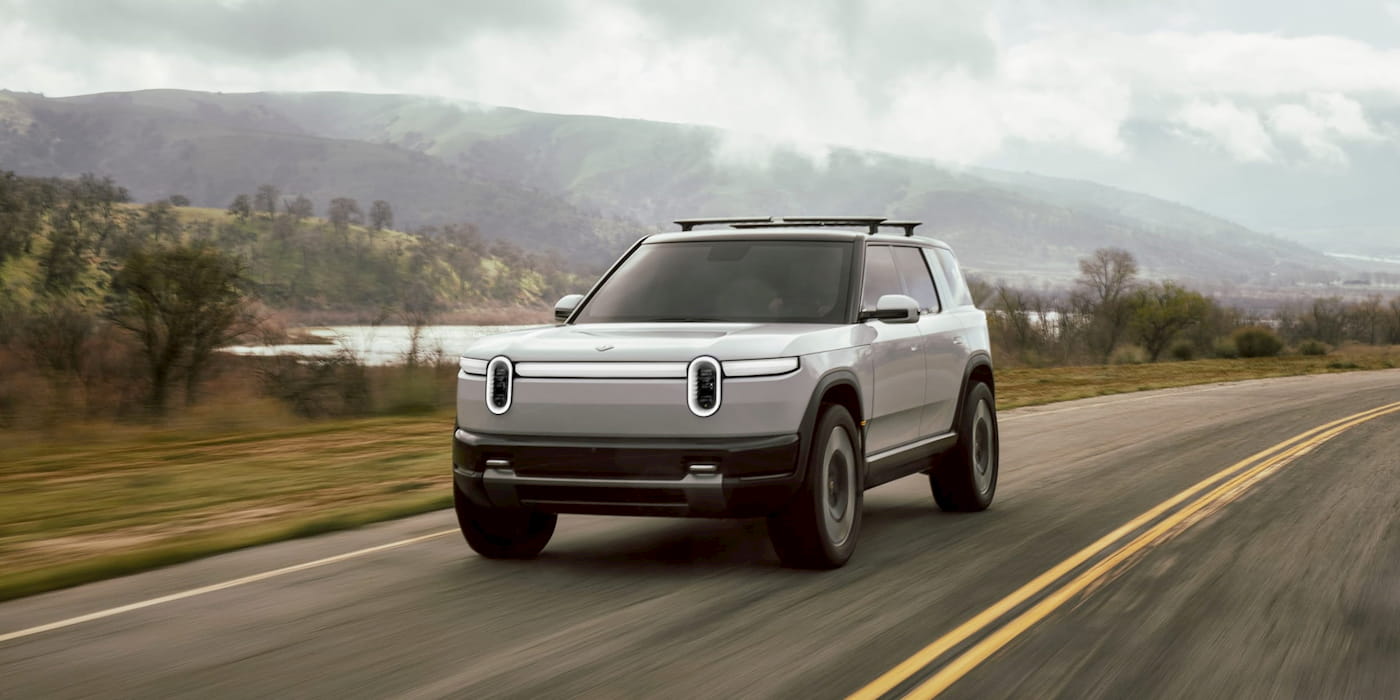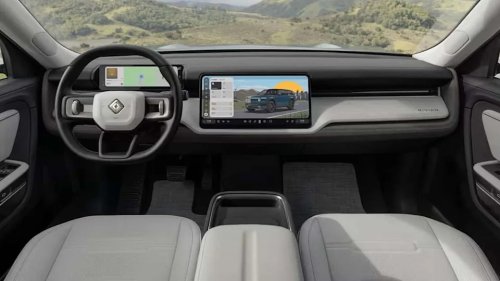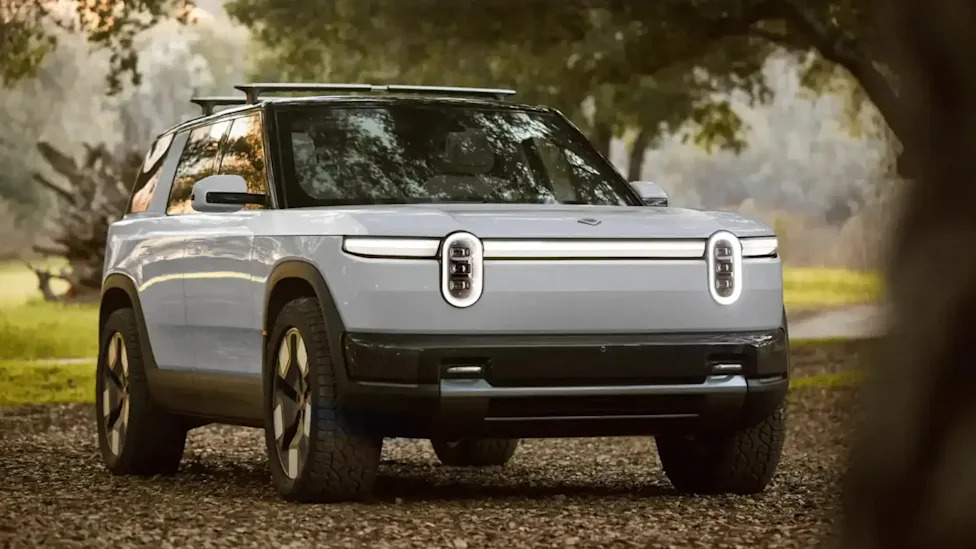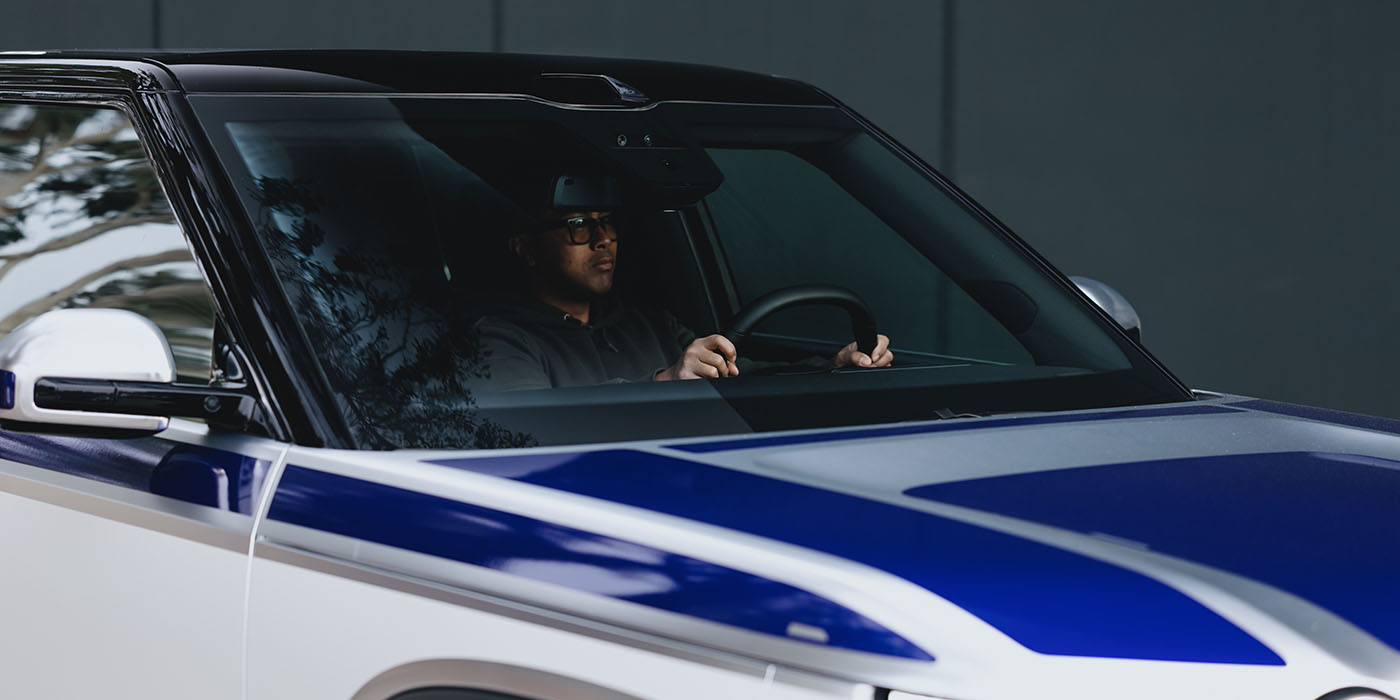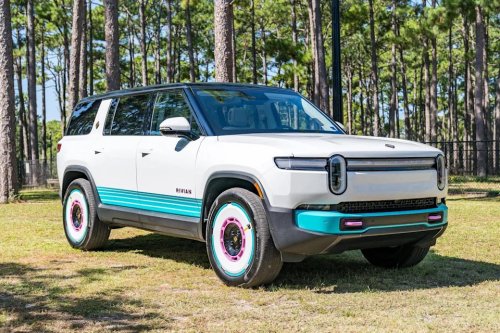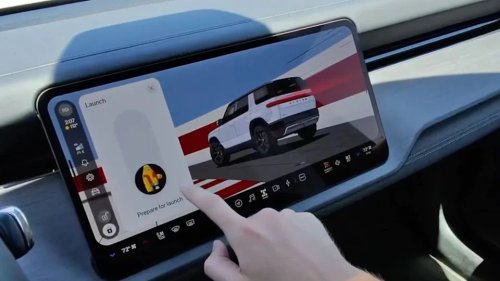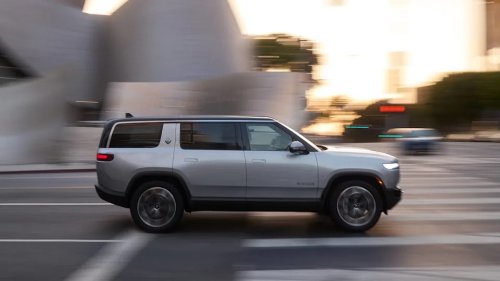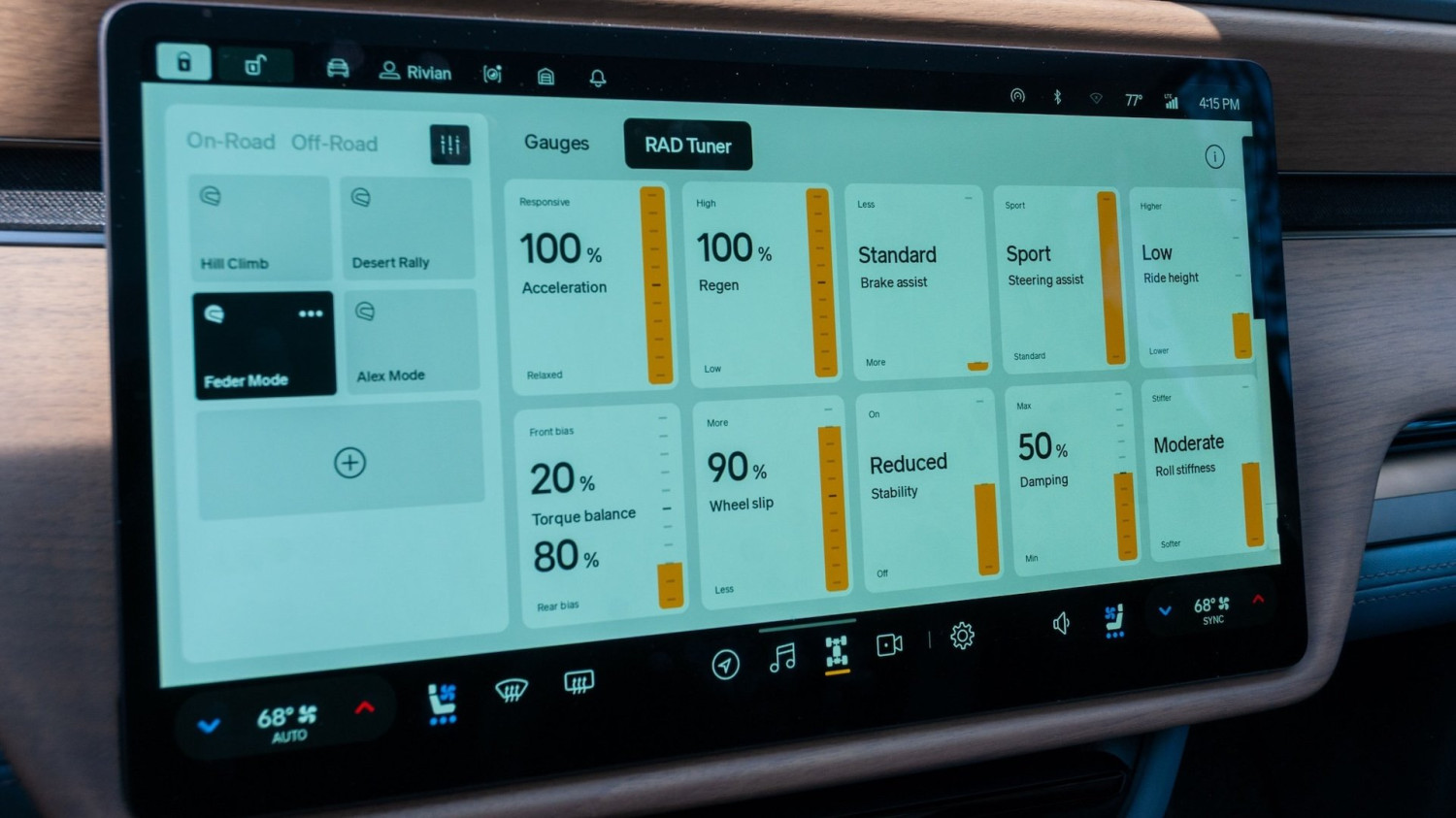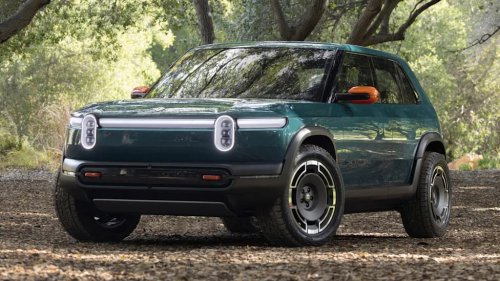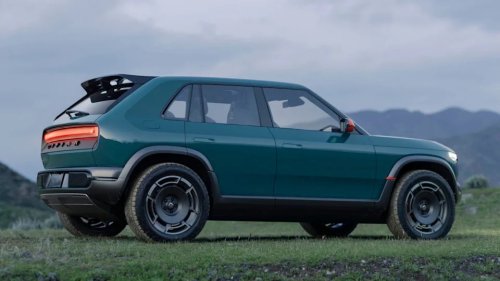
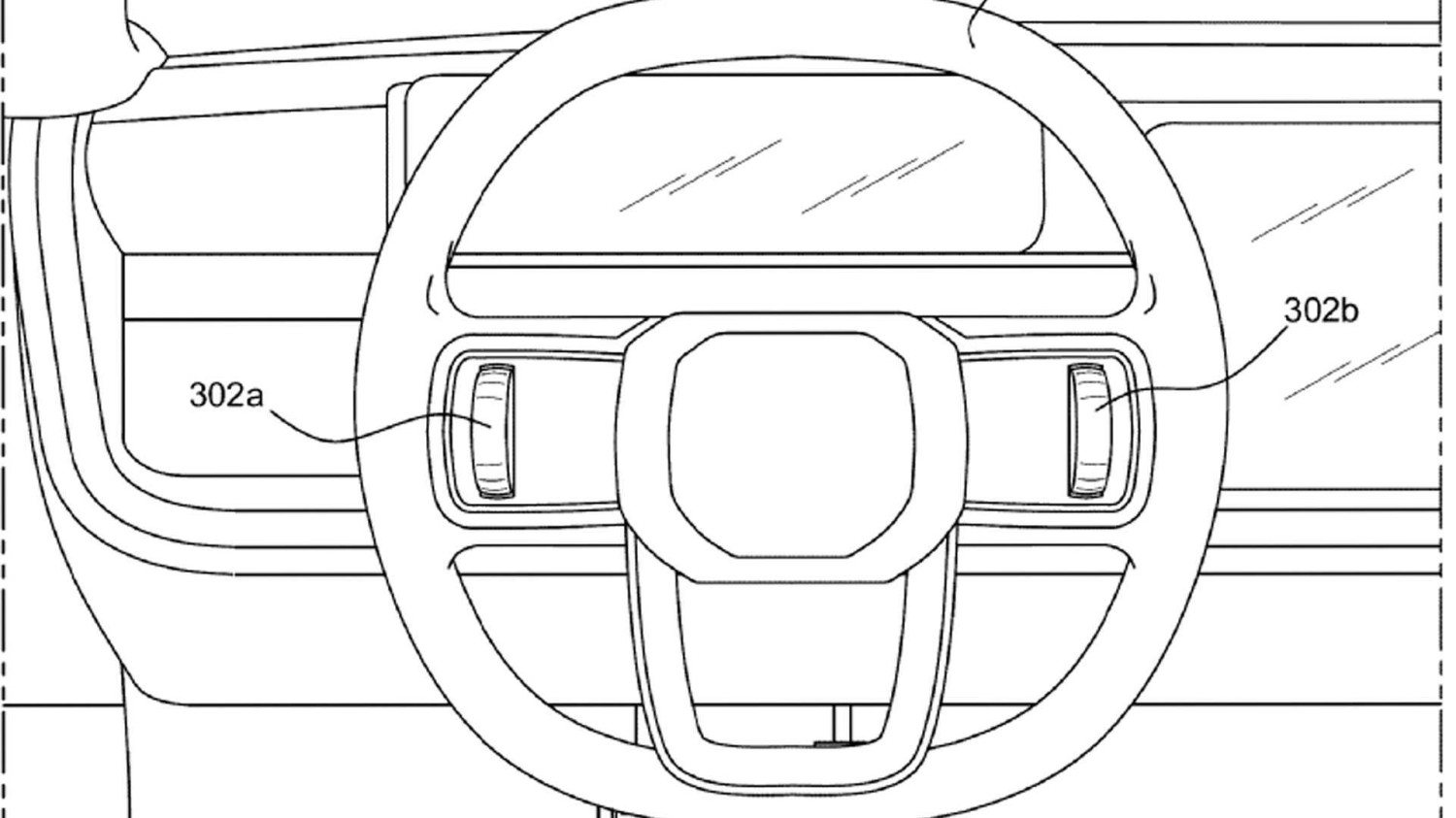
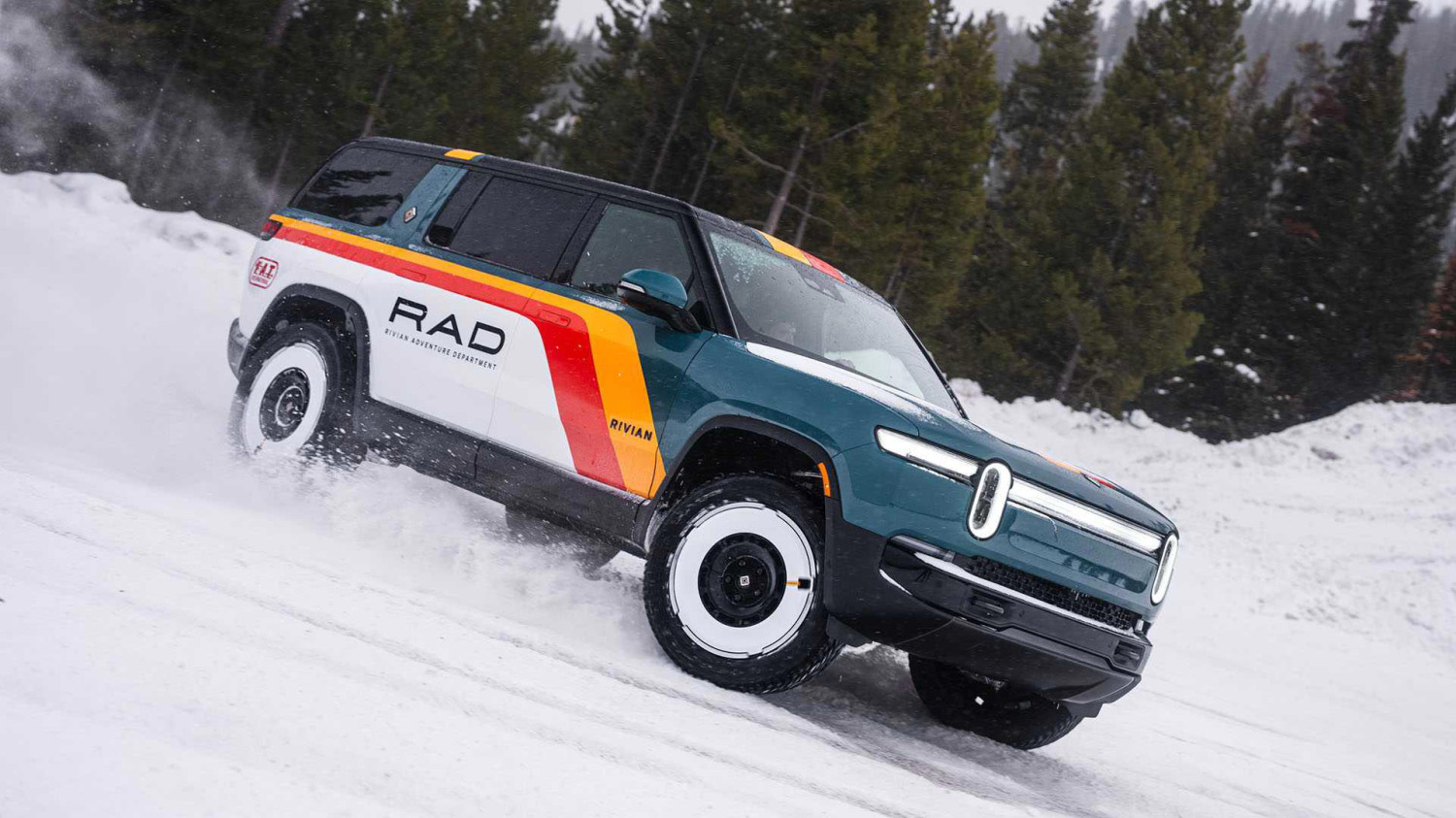

















Once upon a time, having "posi" was the ultimate in car control. That was (and still is) a reference to Positraction, the name General Motors patented for its limited-slip differential so many decades ago. Every automaker has a version of that, but they all do the same thing: distribute power to left and right rear wheels. Of course, it's analog technology, and that's so 20th century.JaguarTorque vectoring for all-wheel drive vehicles has been around for quite a while, too. It uses computer control to couple, uncouple, and generally guide power to the left side and right side wheels. EVs with three- and four-motor systems go even further, using computers to precisely control how power is used at each wheel, even turning it backwards if you need. And now, CarBuzzuncovered a patent from Rivian that does something we doubt anyone expected. It takes computer-controlled torque vectoring and removes the computer. You Are In Full Control US Patent And Trademark Office / RivianPerusing documents filed in the US Patent and Trademark office, we found a curious entry called Manual Torque Vectoring Using Steering Wheel-Mounted Input Devices. It was filed in October 2025 but published in mid-May 2026, and it pretty much does exactly what that title describes. Instead of computers deciding which individual wheel needs more or less power, it's all left in the hands of the driver – literally. If that sounds a little sketchy, you're not wrong. Reading some of the patent-speak makes it all seem even sketchier.In short, the patent describes a system where two input devices mounted on the steering wheel could be used to manually control power going to the left side and right side wheels. Now, as for the nature of those input devices, the patent offers several options. They could be little scroll wheels, or a "spring-based control" that automatically returns to center after use. The input devices could also have haptic feedback built in, giving the driver some direct response to the action.But the bottom line is still the same. The input device on the right controls torque vectoring for the right wheels, while the left device controls the wheels on the left. It's intuitive and, in theory, simple to use. But when would drivers use it? Tank Turns And More, All On Demand Rivian Given that Rivian's current product portfolio is SUVs and a pickup truck, manual torque vectoring for off-road use seems the most logical use case. Indeed, ripping a manually controlled tank turn – where left and right side wheels spin in opposite directions to rotate the vehicle in place – is listed in the patent as one potential use. But Rivian actually lists no less than 12 possible uses, and not all of them are off-road. For example:"In a seventh example use case, the vehicle is driven on a high traction surface (high y). Adjusting the torque applied to the left and/or right side road wheels enables the driver to adjust vehicle attitude, surge power to an individual road wheel, or request temporary regenerative braking with precise modulation on one or both road wheels." If we didn't know better, that use case sounds a lot like manual torque vectoring on a race track, possibly even a type of manual drift mode. Perhaps we're reading a little too much into it, but then again, Rivian does specifically mention using it to initiate a Scandinavian Flick in its fifth use case. Alternatively, one could do a quick flick of the steering wheel to set up a Scandi Flick, but maybe the manual torque vectoring can do it better?This is certainly one of the more interesting automotive patents we've seen recently, and we have to smile a little bit on this one. In an age where automakers are increasingly looking at ways to automate driving functions, it's refreshing to see something originally designed to be automated ported over to manual control. Will it come to fruition? We can see some real benefits for slow-speed off-roading. But beyond that, all bets are off.Trademark filings do not guarantee the use of such nomenclature in future vehicles and are often used exclusively as a means of protecting intellectual property. Such a filing cannot be construed as confirmation of a production-bound application.Source: US Patent And Trademark Office