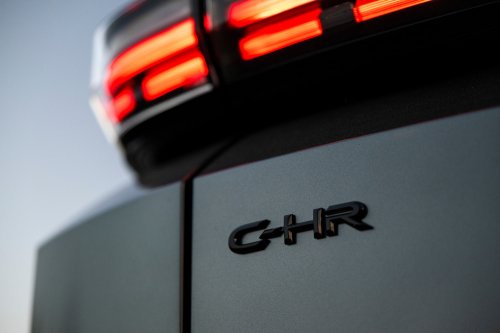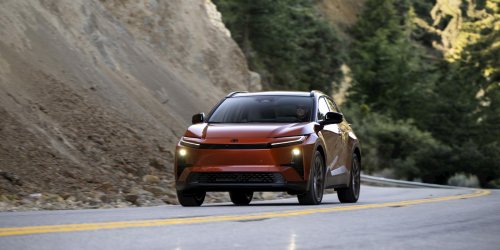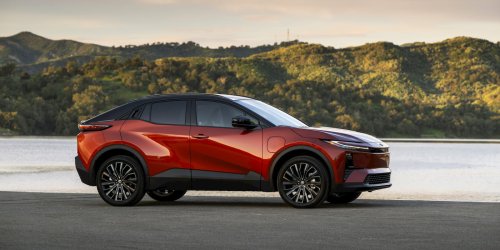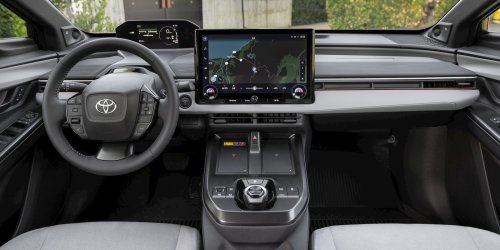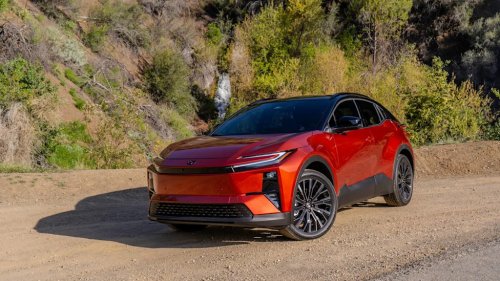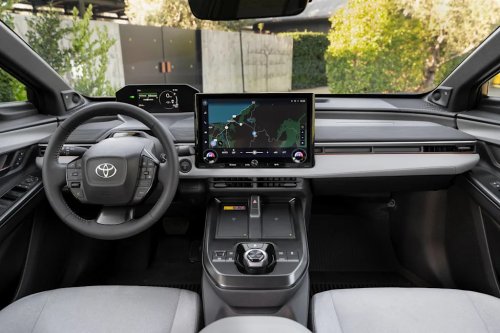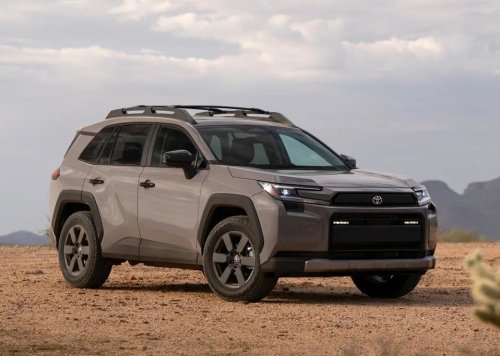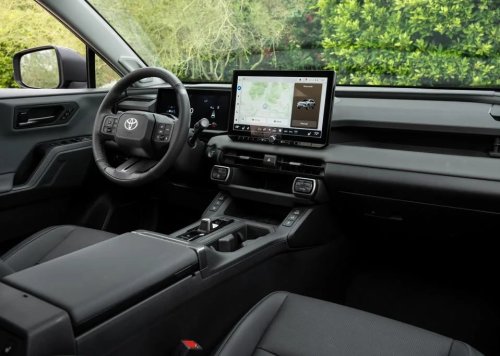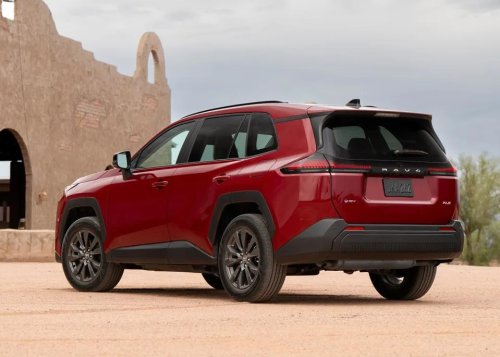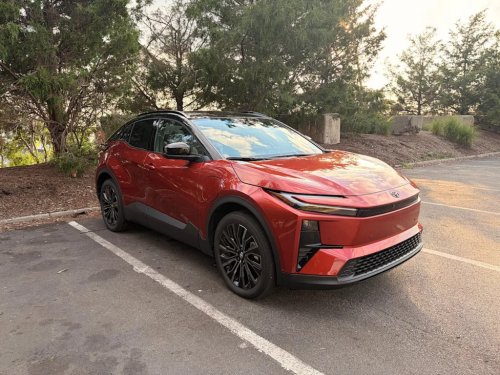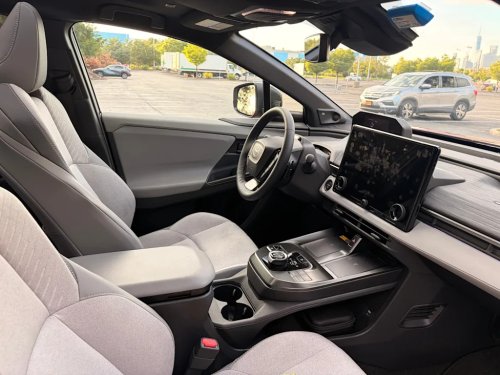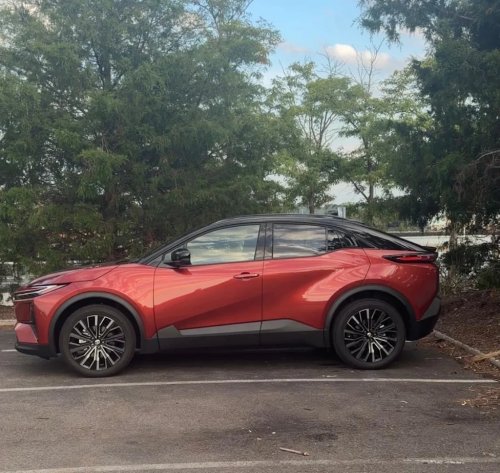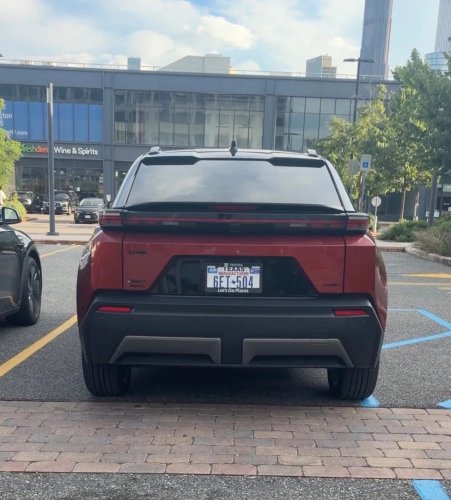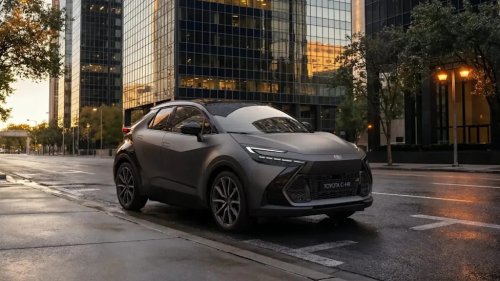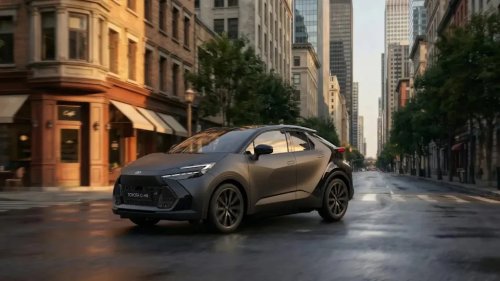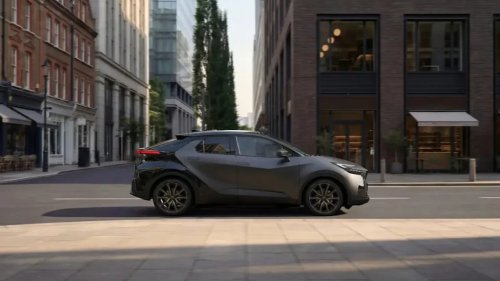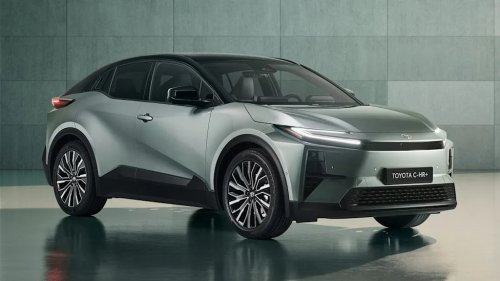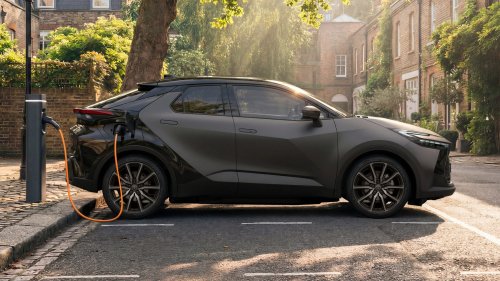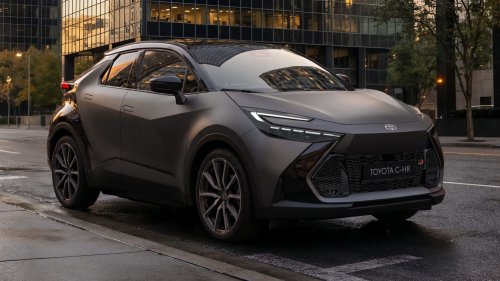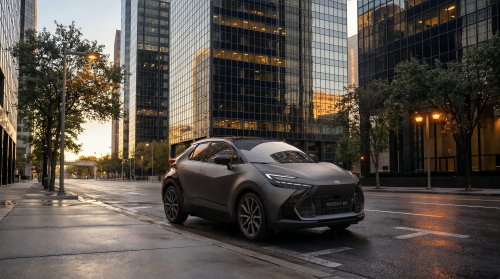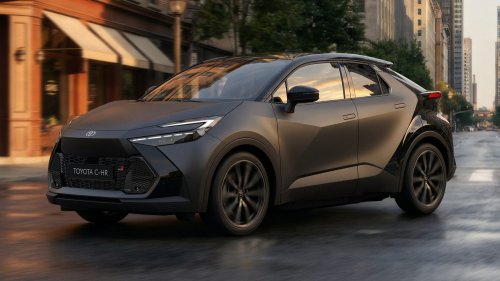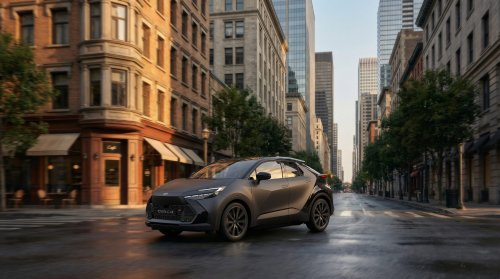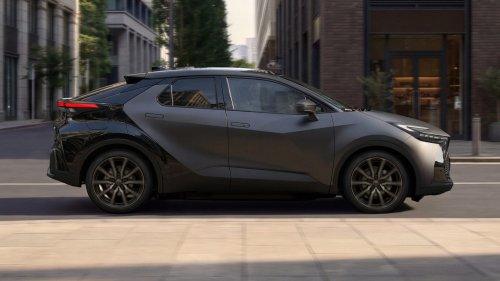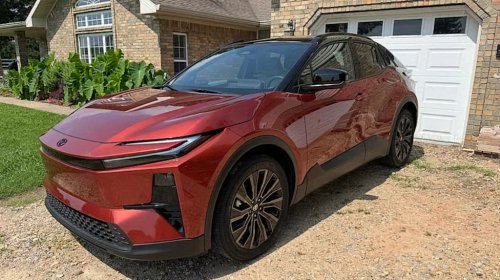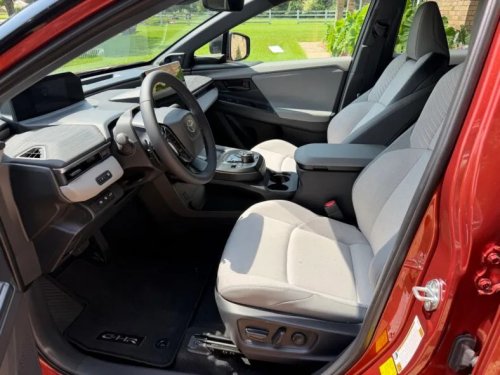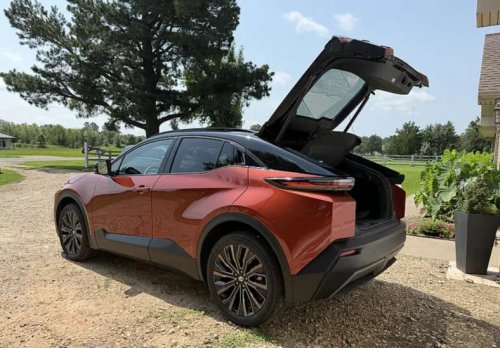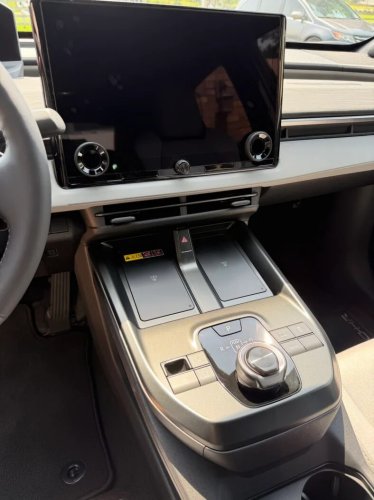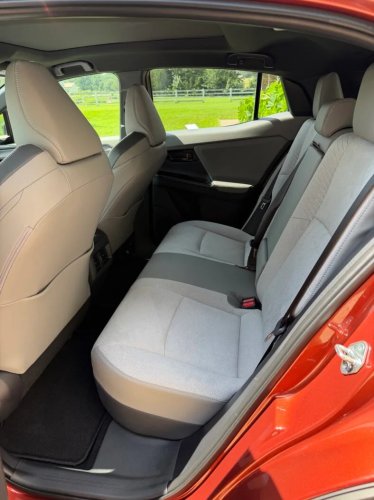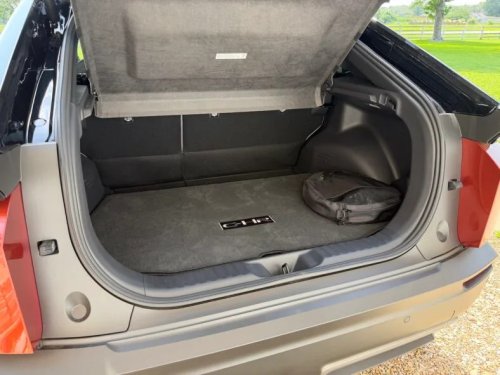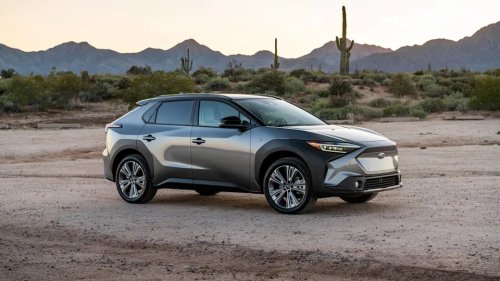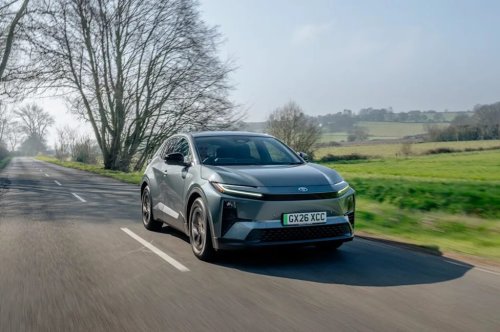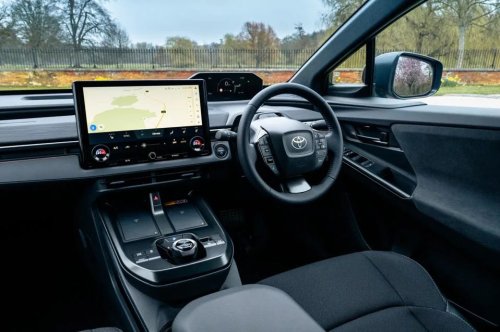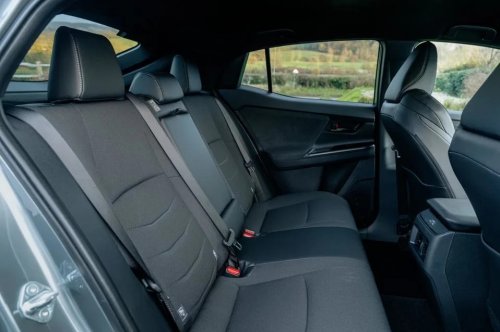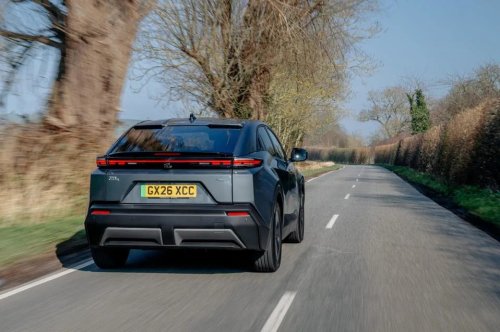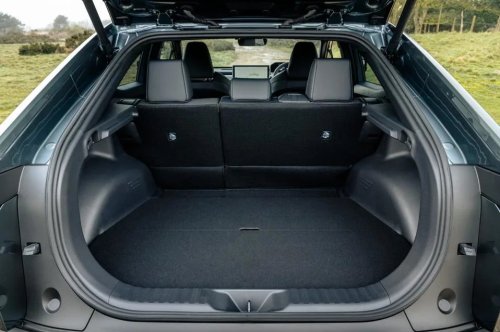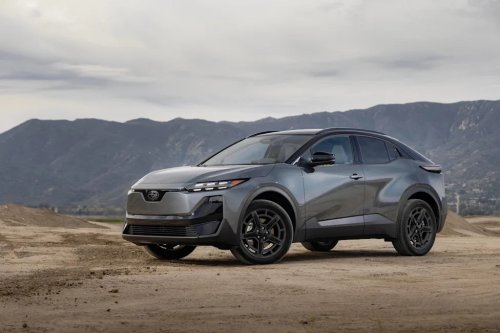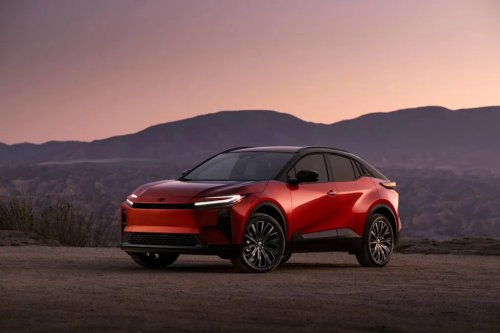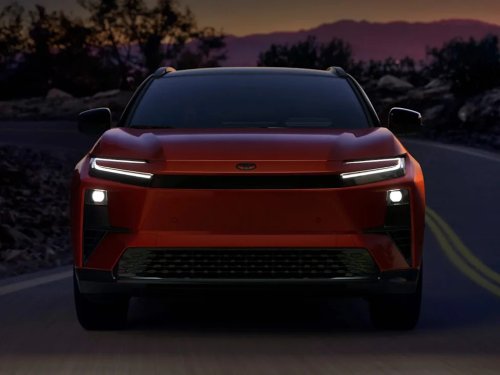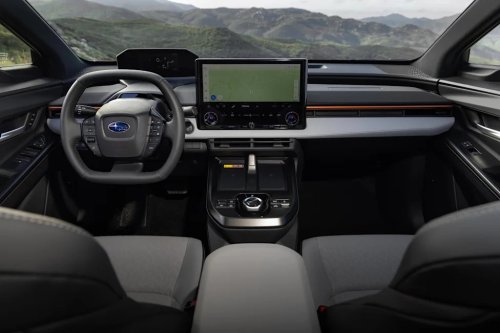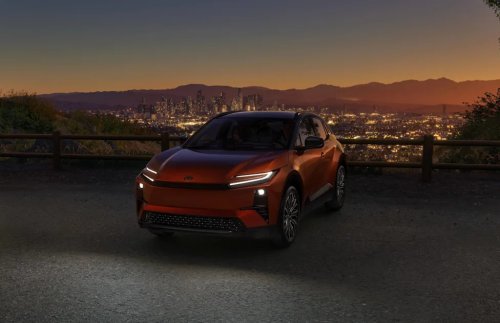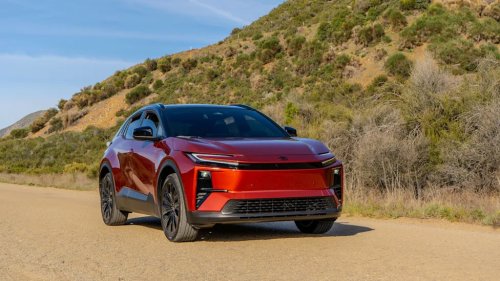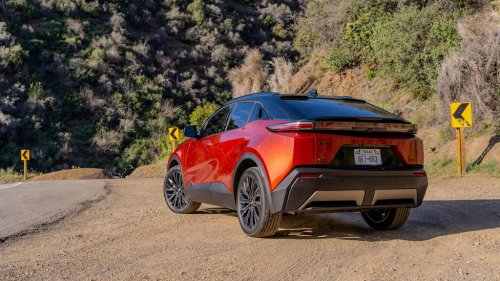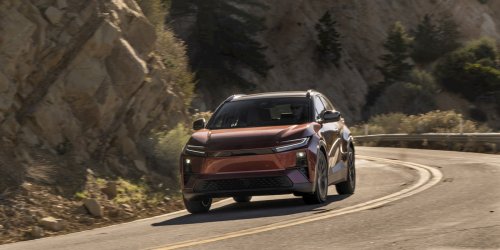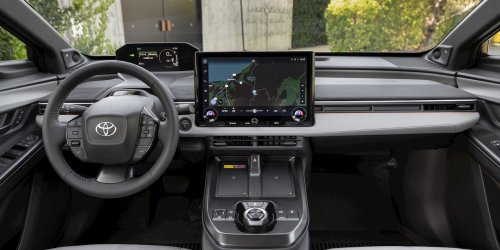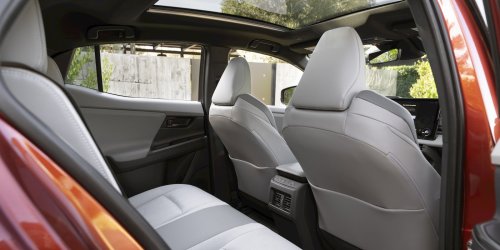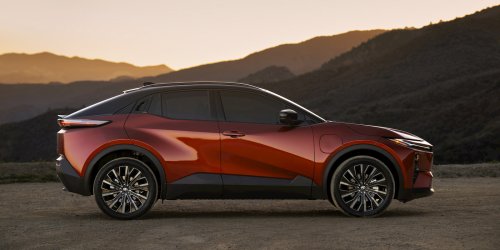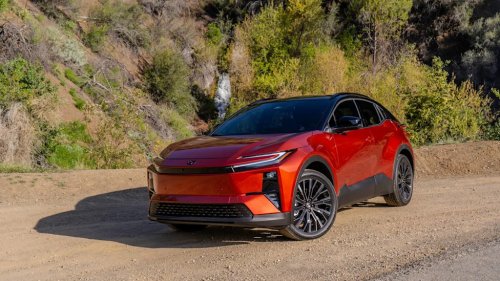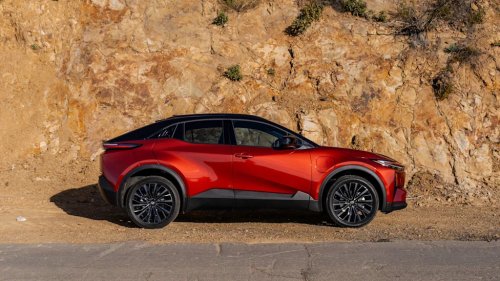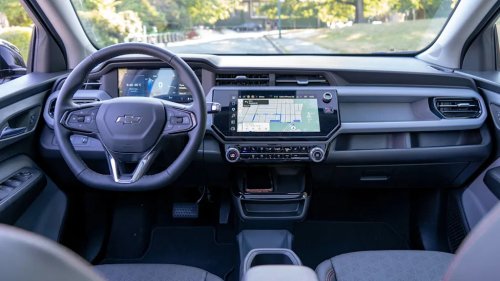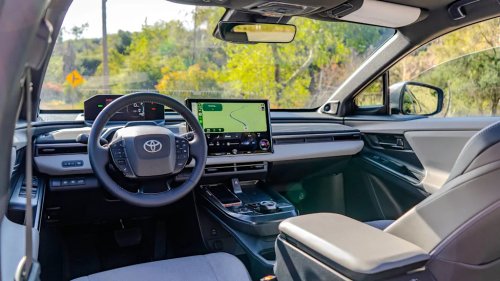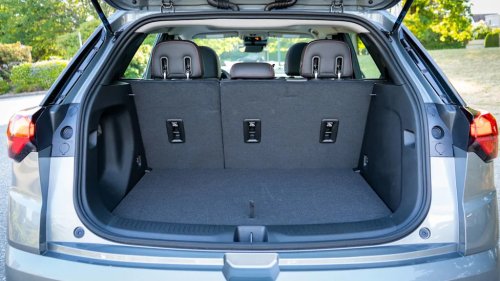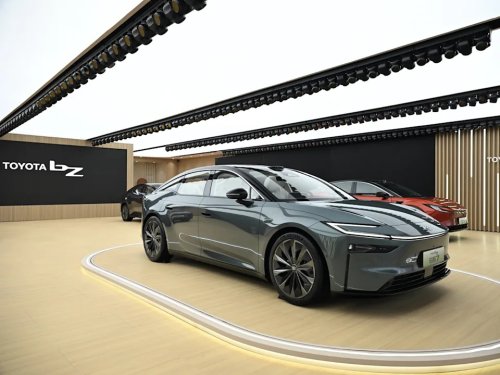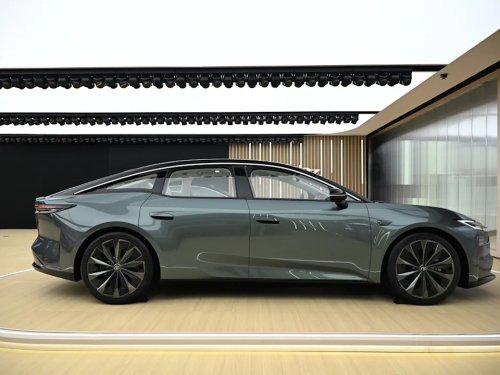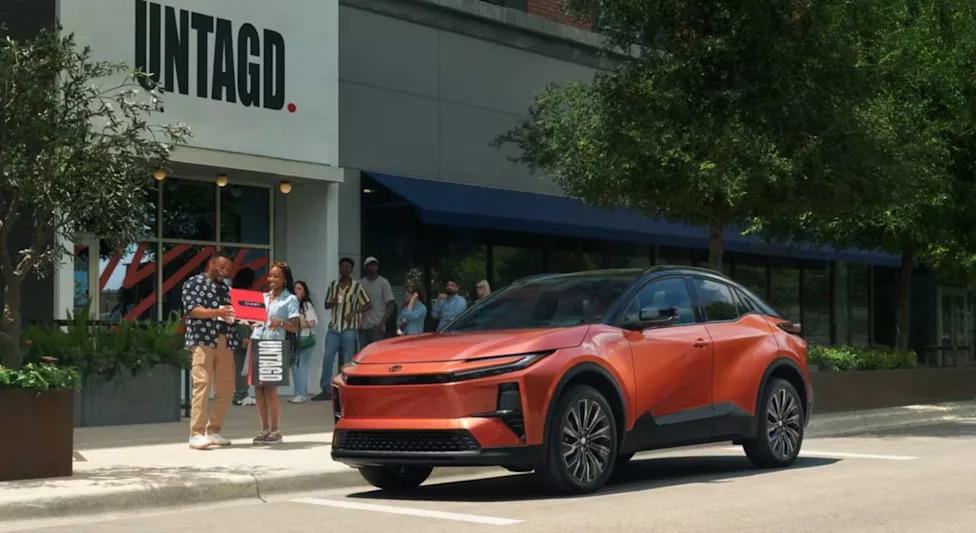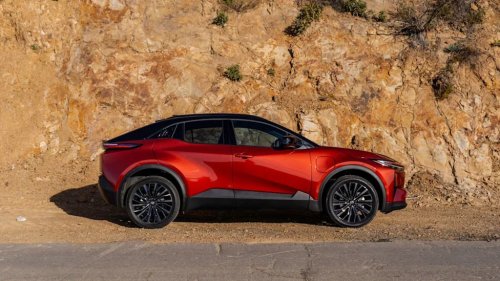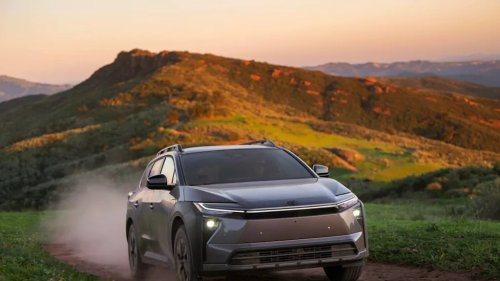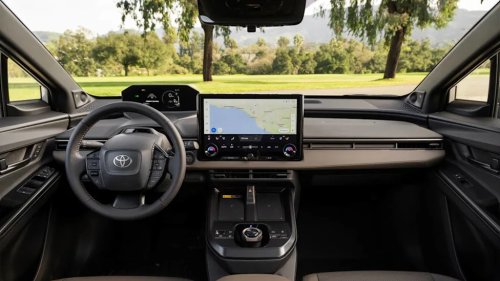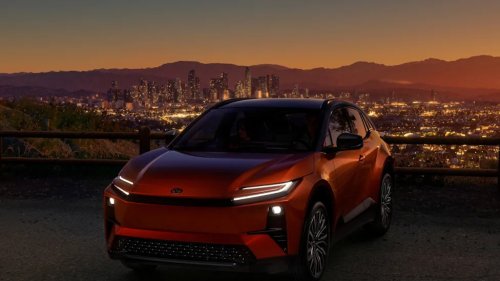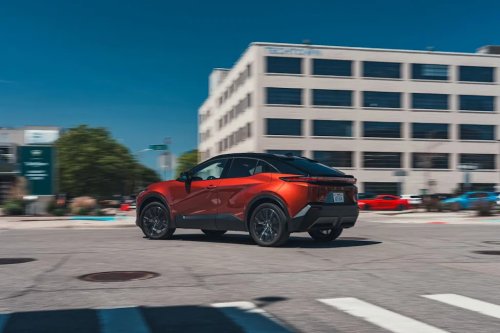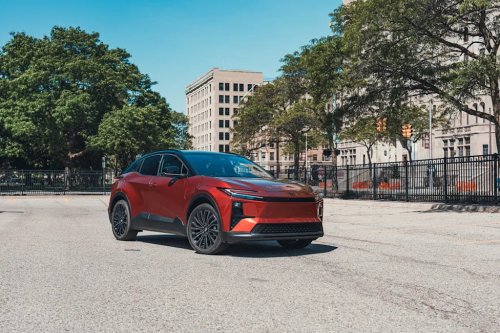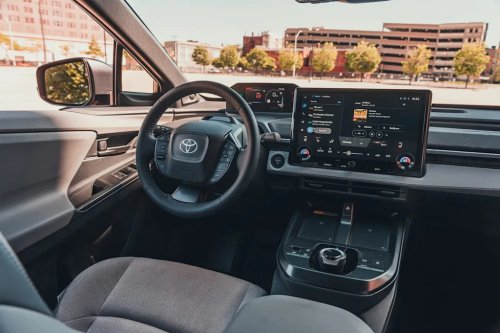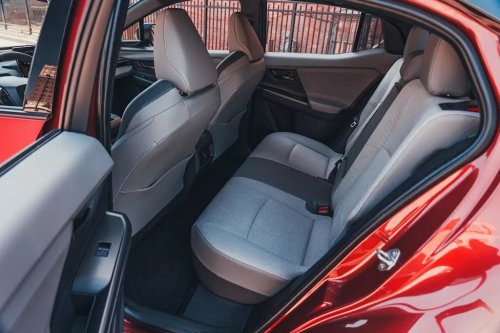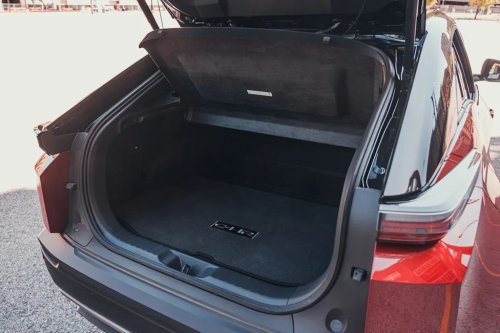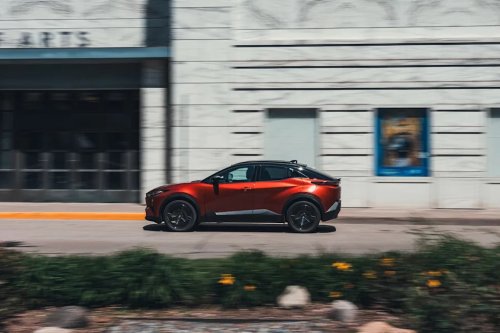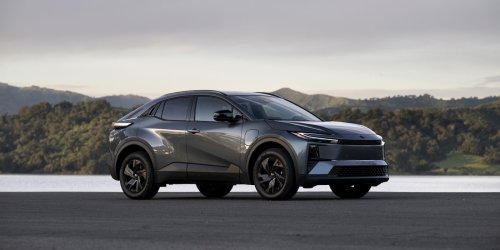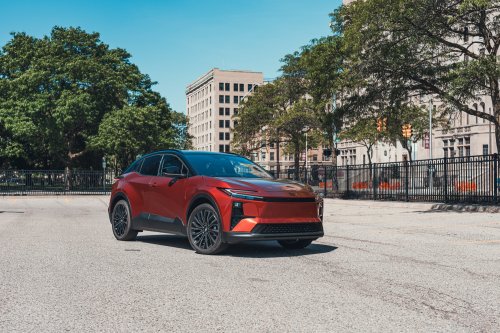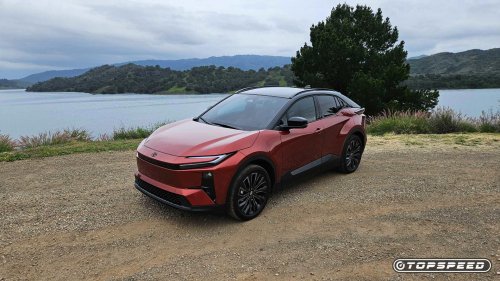
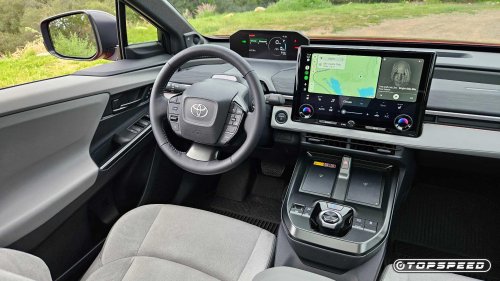
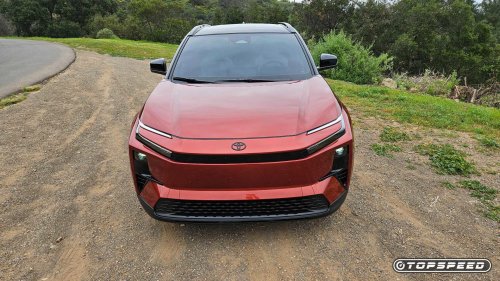
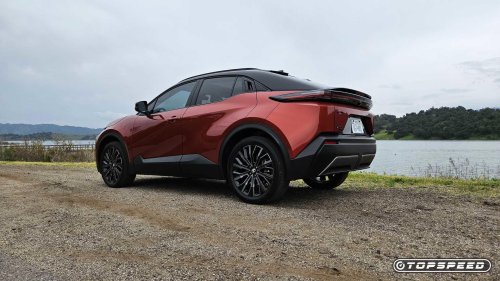
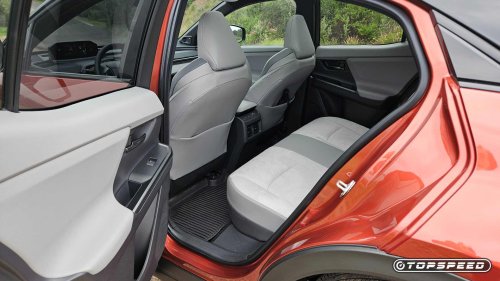
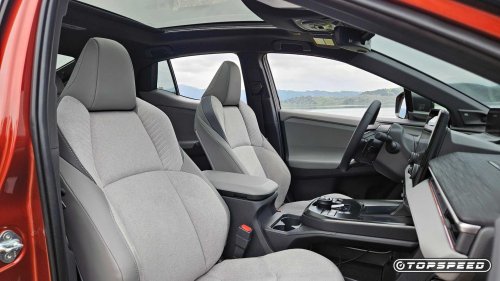
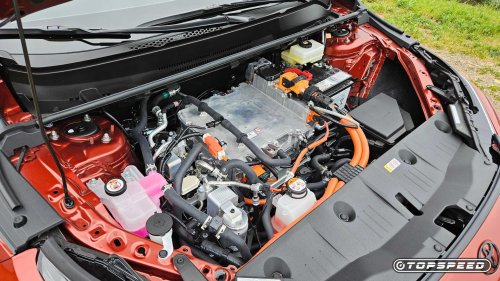
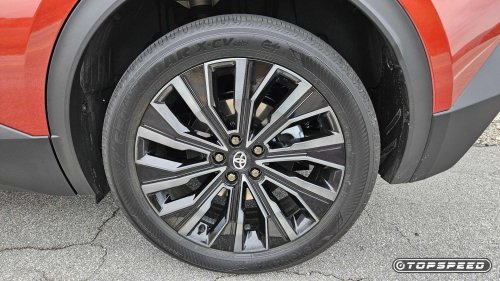
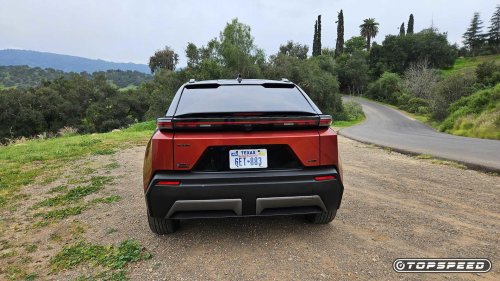
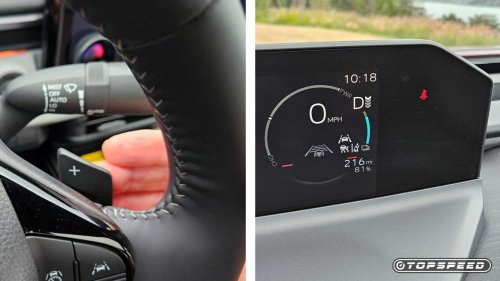
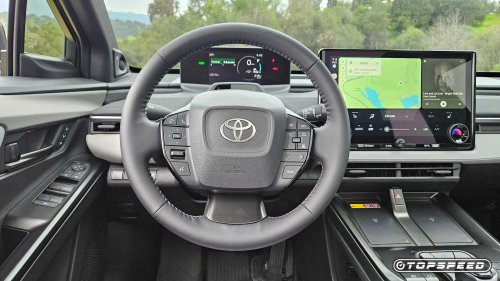
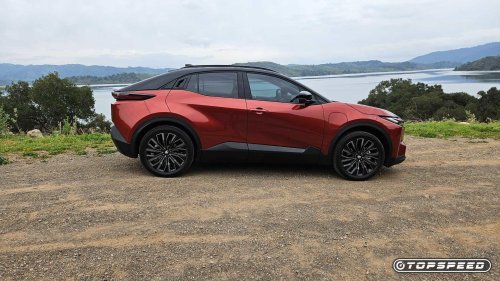



















Remember the original Toyota C-HR? It was a front-wheel-drive compact that delivered a mere 144 horsepower from its naturally aspirated 2.0-liter four-cylinder engine with a CVT that sapped the fun out of driving. This pint-sized hatchback, intended for overseas markets and entry-level shoppers, arrived in the U.S. in 2017 and lasted only four model years.The Japanese automaker might not mind if you can’t recall the first C-HR, especially now that an all-new one has arrived, representing a big step-up in performance, style, comfort, functionality, and — especially — price. Scrubbing Negative Impressions Tom Murphy | TopSpeed The new C-HR is quite a bit more expensive because of its 338-horsepower all-electric powertrain and up to 287 miles of range, along with two motors enabling standard all-wheel drive.2026-toyota-c-hr-cockpit-1After spending a day driving the all-new 2026 Toyota C-HR, we can safely say it will scrub any negative impressions you may have had about the previous econobox that carried a base price below $25,000, which is similar pricing to the current Corolla hatchback. Starting At $38,450 Tom Murphy | TopSpeedThe new C-HR starts at $38,450 (with destination charges) in SE trim, which isn't bad considering the average EV in America is selling for about $58,000. Plus, the new C-HR rides taller as a crossover and is about six inches longer overall than the Corolla hatchback, if you’re looking for justification for that inflated price tag.Having seat time in the new C-HR, bZ, and bZ Woodland, and after seeing the newly revealed three-row all-electric Highlander last week, we submit that the C-HR is far and away Toyota's best EV for its performance, packaging, design, features, interior, and price. Standing about 5-foot-9, I don't need anything bigger, and the second row gives me plenty of headroom (except in the snug center seat). Not Your Usual Boxy SUV Tom Murphy | TopSpeed Yes, you can get into a slightly larger all-electric bZ for $2,000 less, but it will be with front-wheel drive. The C-HR comes standard with all-wheel drive, and the base bZ with AWD will cost about $3,000 more than the base C-HR SE, handily winning the apples-to-apples AWD comparison. And the C-HR is better looking and more fun to drive than any form of the bZ.It's that sloping coupe-like roofline that gives the C-HR its flair. There's a reason why BMW, Mercedes-Benz, and Audi have diverged from the conservative boxy SUV shape in favor of something more sporty (and yet upright and functional), and thankfully, Toyota is giving mainstream shoppers that option as well, especially in an EV. Sharing Bits With Subaru Tom Murphy | TopSpeed Not only is the overall shape and profile unique, but so are the dimensions. With a wheelbase of 108.3 inches and overall length of 177.9 inches, the C-HR manages to thread the needle between smaller, well-established EVs (Kia Niro, Hyundai Kona, Volvo EX30 and the new Nissan Leaf and Chevy Bolt) and the bigger players (Chevy Equinox EV, Hyundai Ioniq 5, Kia EV6, Honda Prologue, Ford Mustang Mach-E, Tesla Model Y and the upcoming BMW iX3).Only the Subaru Uncharted brings nearly identical dimensions, for obvious reasons (it shares the E-TNGA platform with C-HR), but you can save about $2,000 buying a front-wheel-drive Uncharted for $36,445. The C-HR, on the other hand, has standard AWD. 2026 Toyota C-HR Pros & Cons Beyond the Subaru Uncharted, Toyota also shares this E-TNGA platform with the larger bZ (positioned as a traditional compact SUV) and the even larger bZ Woodland as a more rugged EV with a bit more ground clearance for light off-road adventuring.While the compact, sporty C-HR does a good job differentiating itself from the two bZs on the outside, the interior is virtually identical, from the slim digital instrument cluster and button-heavy steering wheel to the rotating shifter in the center console and the 14-inch horizontal touchscreen extending upward from the instrument panel. Three EVs, One Interior Tom Murphy | TopSpeed That's not a bad thing, as the overall interior aesthetic was crafted to fit all three vehicles. Even the seats are the same, but with different materials and color schemes. The C-HR we tested came with a two-tone Boulder gray seat upholstery that felt durable, with adequate hip bolsters to keep you planted when trying to match Toyota's 4.9-second 0-to-60-mph sprint time.In addition to the combined 338 horsepower, the two electric motors deliver 198 pound-feet of torque to the C-HR's front axle and 125 pound-feet to the rear. No FWD Option Tom Murphy | TopSpeed There is no front-wheel-drive option to push range over 300 miles like in the base bZ, but the C-HR is rated at an acceptable 287 miles in SE trim with 18-inch wheels and 273 miles in XSE trim with 20-inchers.That juice comes from a 74.7-kWh lithium-ion battery linked to an 11-kW onboard AC charger. DC fast charging at up to 150 kW can take the C-HR from 10 percent to 80 percent charged in about 30 minutes, in ideal circumstances, same as in the new bZ Woodland, Toyota says. Bigger Brakes Than bZ Woodland Tom Murphy | TopSpeed While the C-HR and bZ Woodland have the same electric power steering and suspension hardware (independent MacPherson struts up front and multi-link geometry out back, with stabilizer bars fore and aft), the C-HR actually gets much bigger 17-inch ventilated brake discs (about four inches bigger than bZ Woodland). It tips the scales at about 4,350 pounds — not bad for a battery-electric vehicle — and it doesn't feel particularly heavy in aggressive handling situations. 2026 Toyota C-HR Pricing Tom Murphy | TopSpeed(Includes handling and destination charges)Our test driver, experienced on the rolling hills of Ojai, California, stickered for $43,000, including the $1,000 panoramic roof, $600 JBL premium audio system, $450 cold weather package, and $500 two-tone paint (black roof over the distinctive Tandoori rust-color paint). It's a handsome look that is worth it.Tom Murphy | TopSpeed While impressed overall with the C-HR, I must once again beg Toyota to rethink its strategy for changing regenerative braking levels. There are two paddles on the steering column, one with a "-" on the left and a "+" on the right. One might think the right paddle would add regenerative braking, but instead it takes you further from one-pedal driving, as seen by the one-bar arrow icon in the image below. Toggle the left paddle, and those arrows progressively light up, with moreregenerative brake force. Isn't that counterintuitive? C-HR Assembled In Japan Tom Murphy | TopSpeedAnd, for those of you whose purchase decision might be impacted by the latest tariff news, the C-HR (along with bZ and bZ Woodland EVs) is assembled in Japan, subjecting them to 15-percent tariffs. The larger new three-row Highlander EV will be assembled in Kentucky (and its high-voltage battery comes from North Carolina), so it sidesteps most tariffs. Second-Generation C-HR? The C-HR brings a lot to the table, even at a time when the cards appear to be stacked against any EVs succeeding, at least in the U.S. With its style, stance, price, performance, and packaging, this C-HR bears little resemblance to the Toyota compact that came before.Which begs the question: Is this a second-generation C-HR? Perhaps in name only, but no, not really.Source: Toyota2026-toyota-c-hr-roofline-1