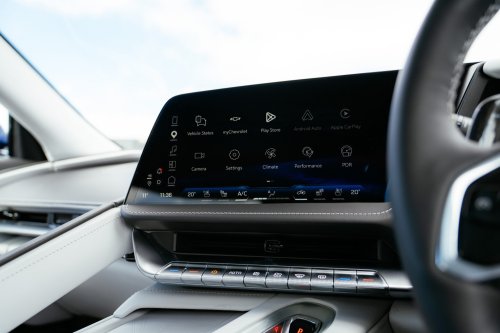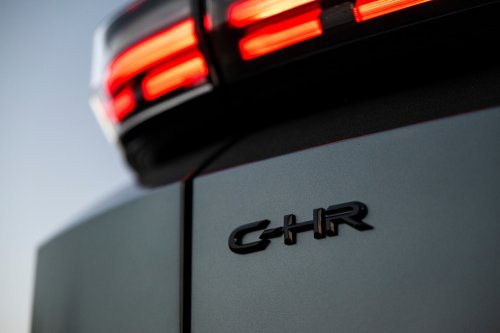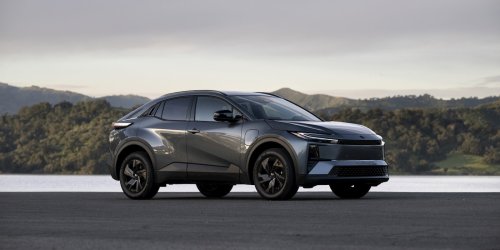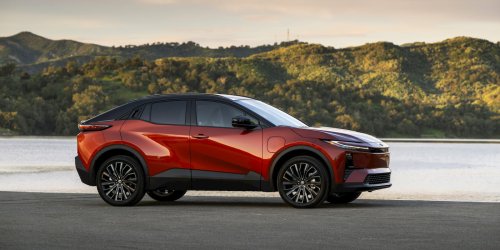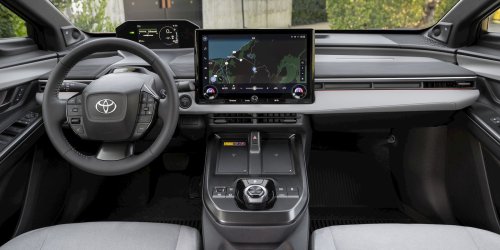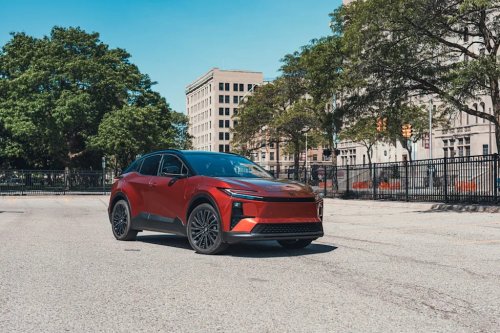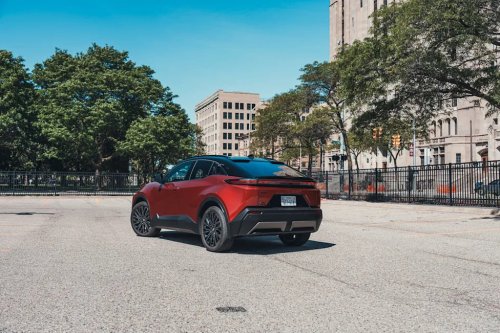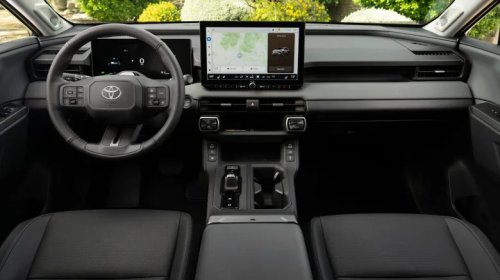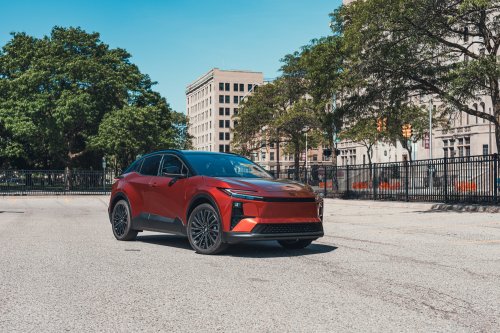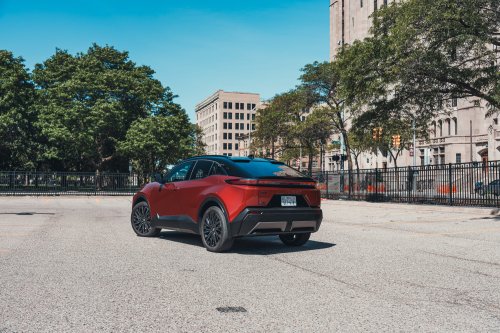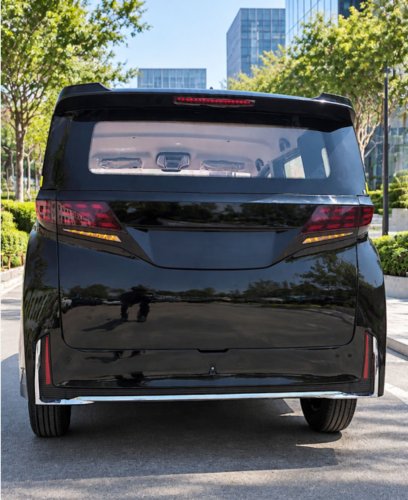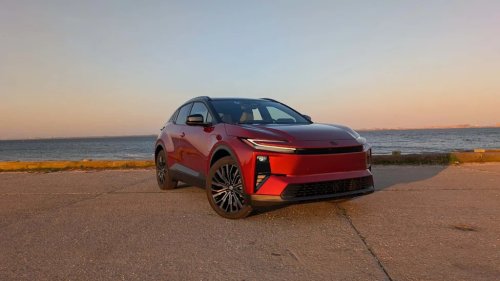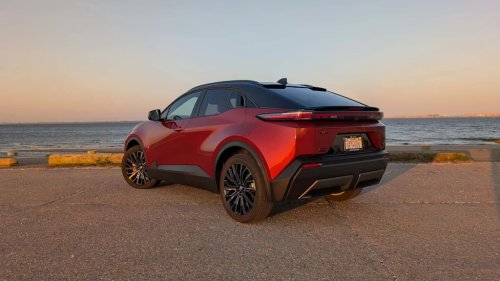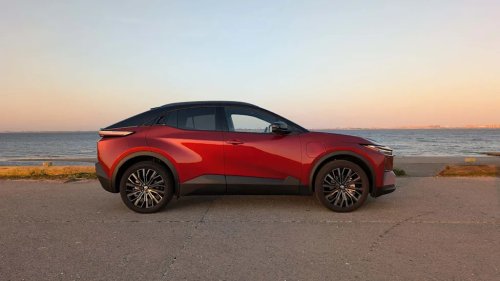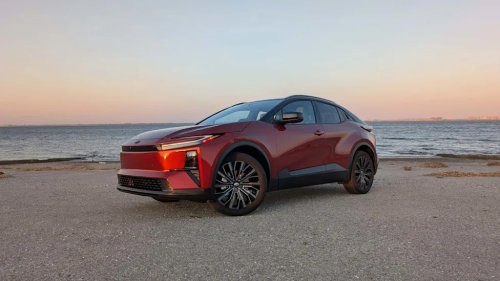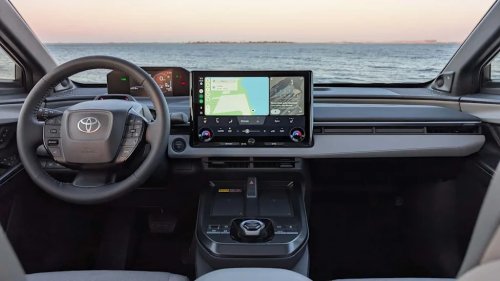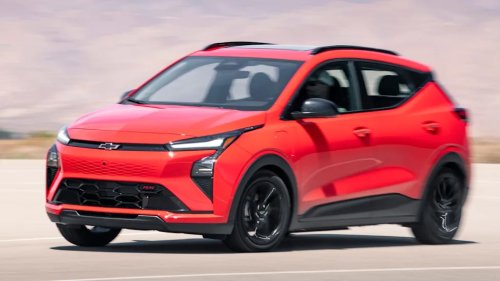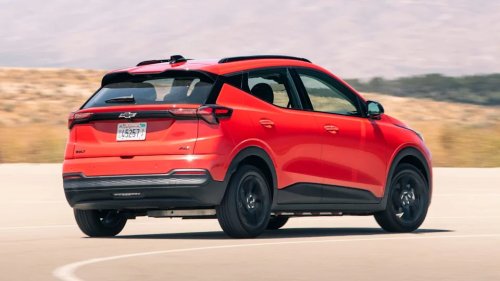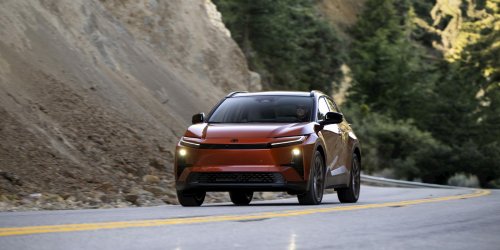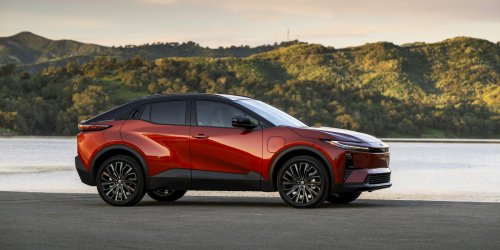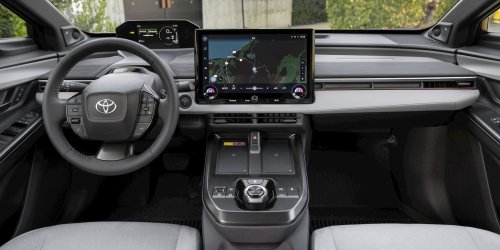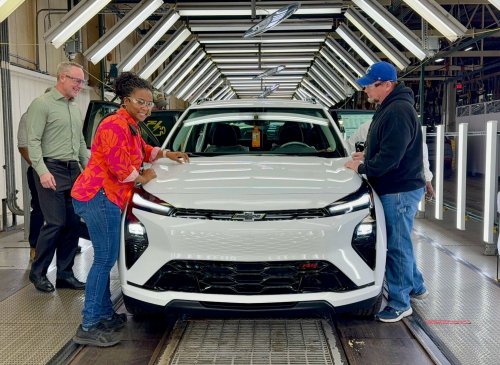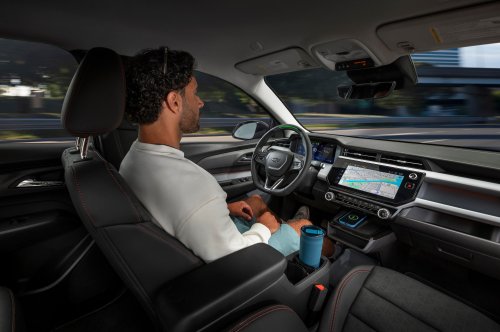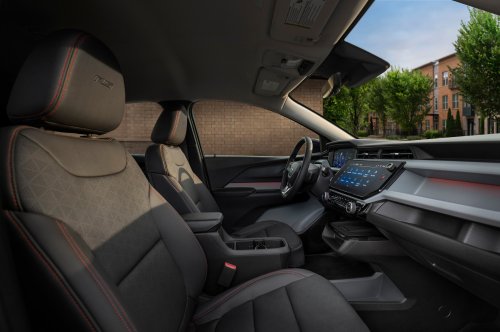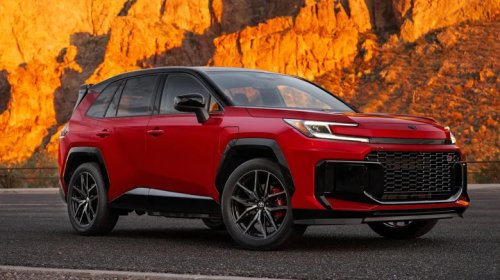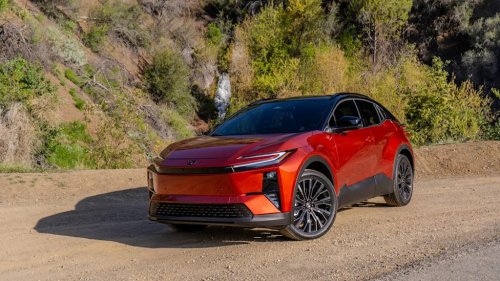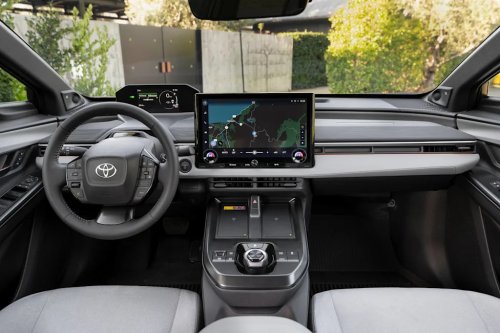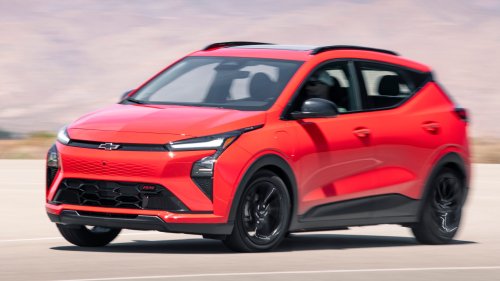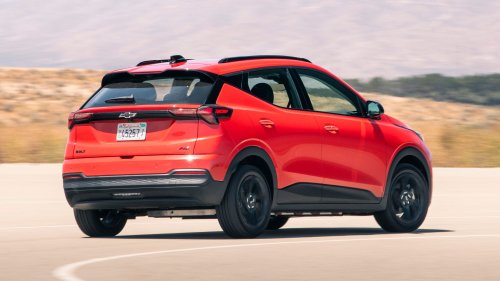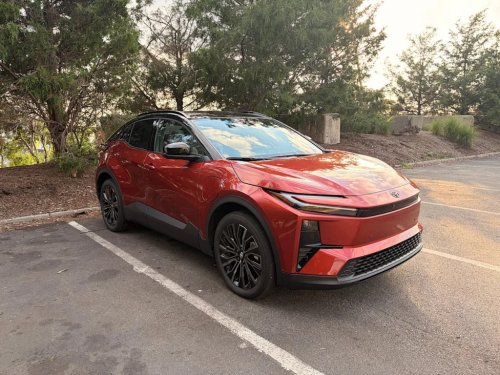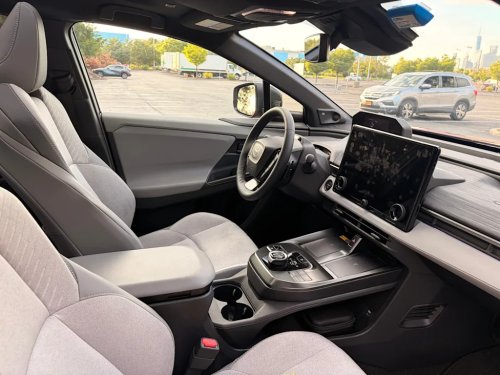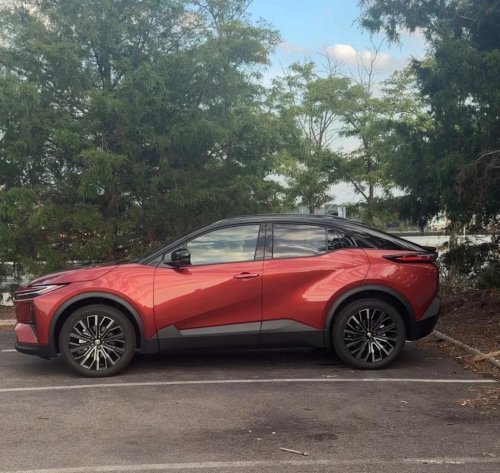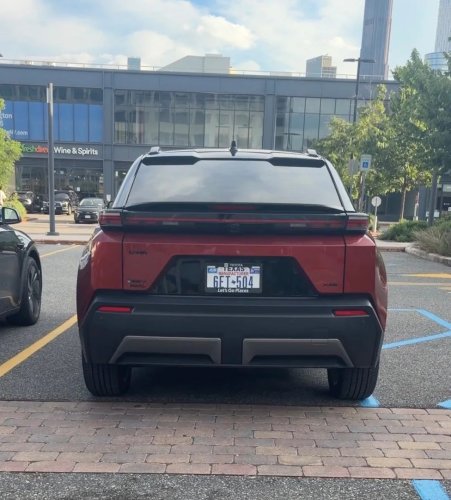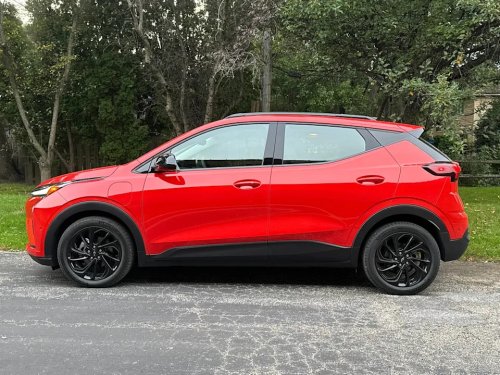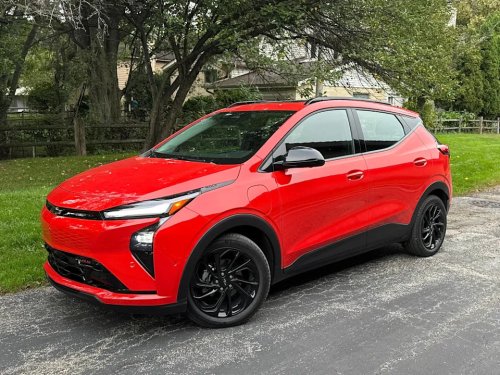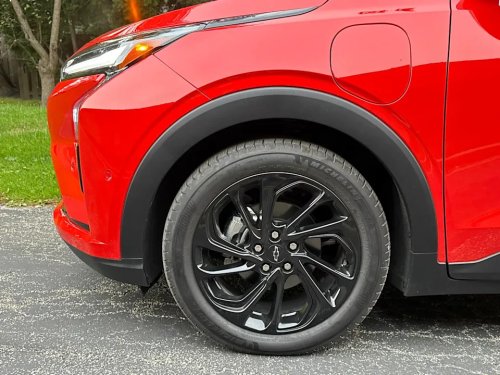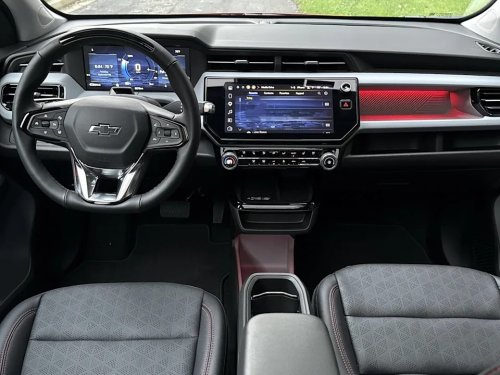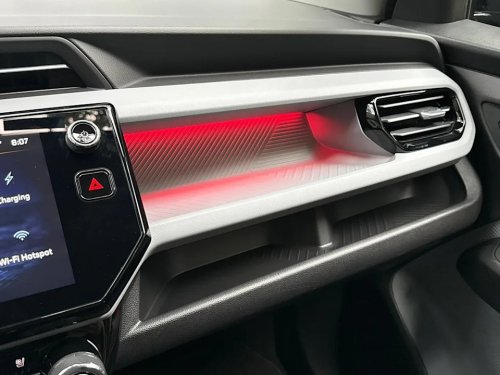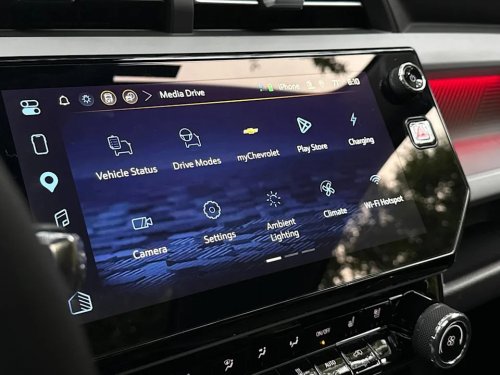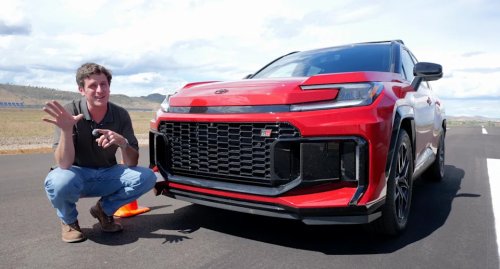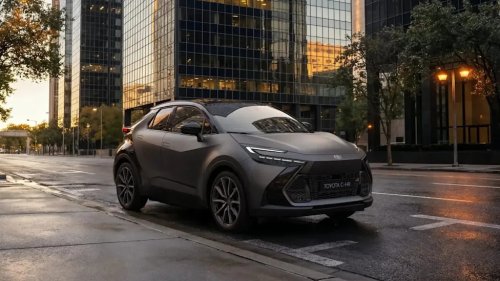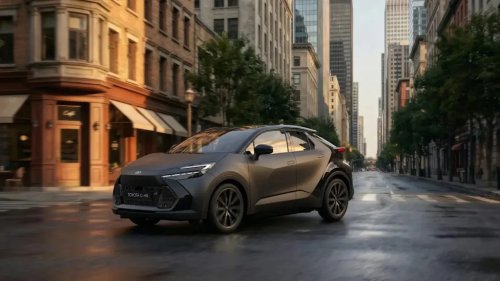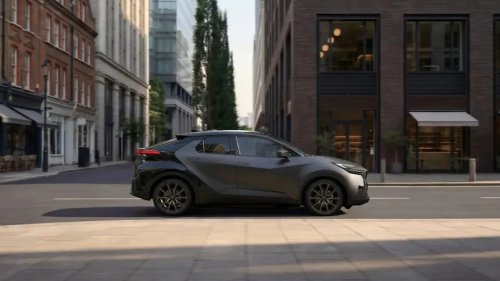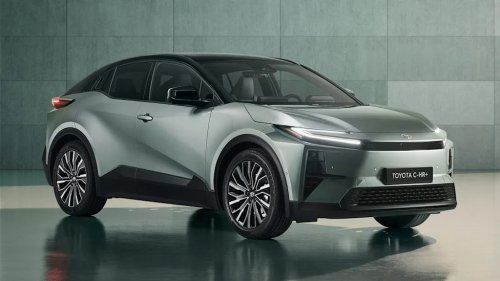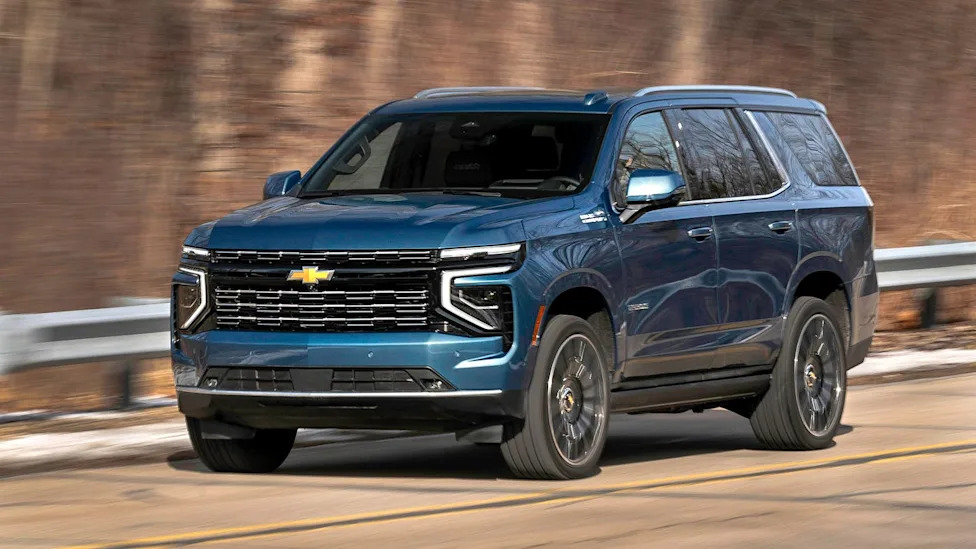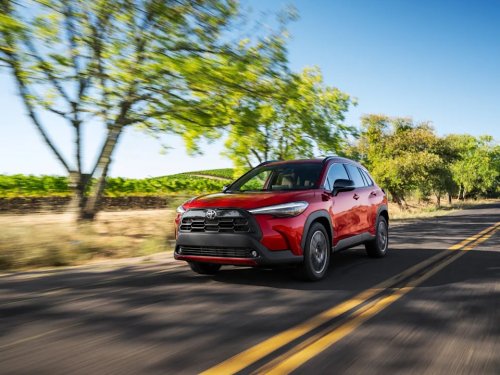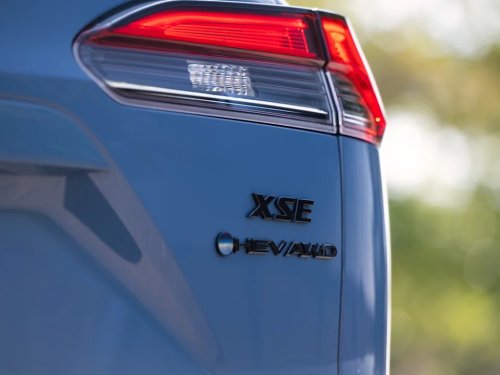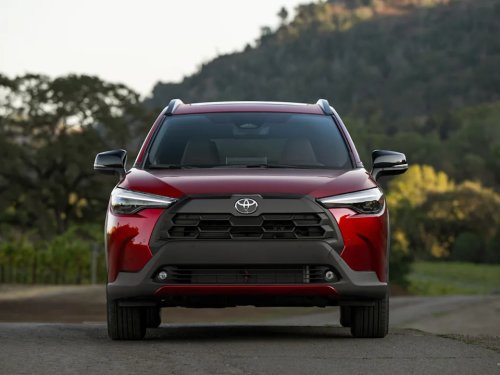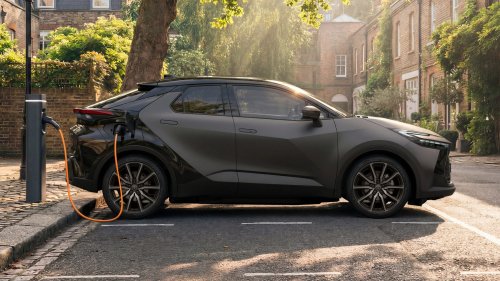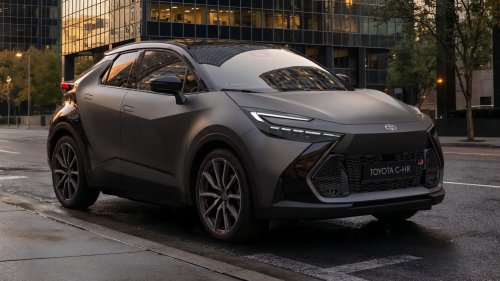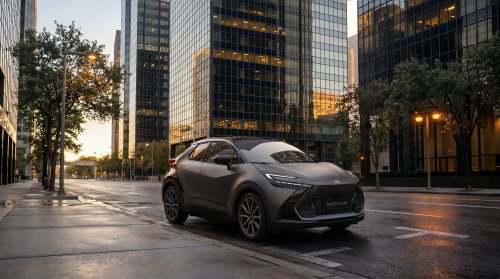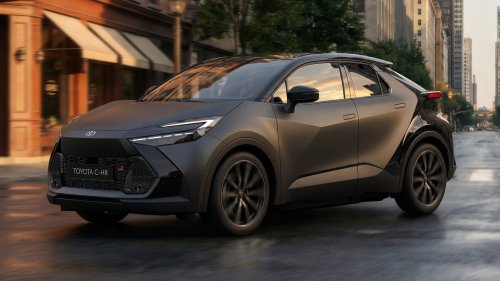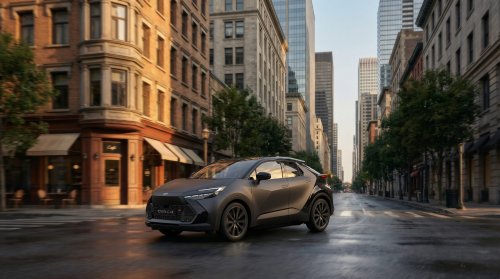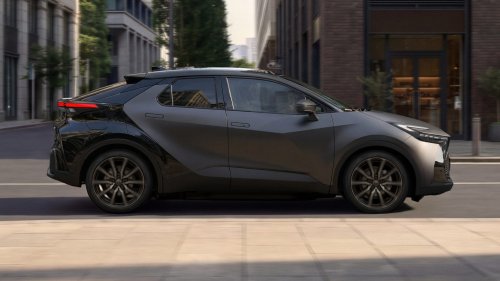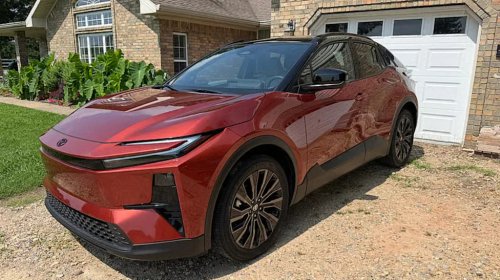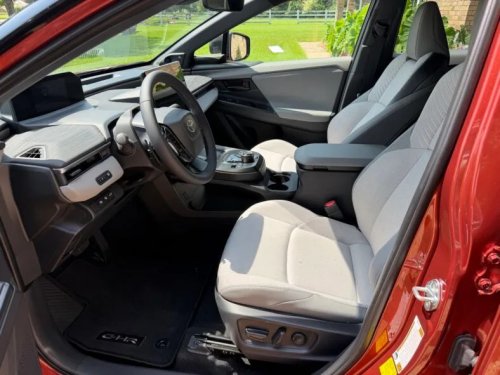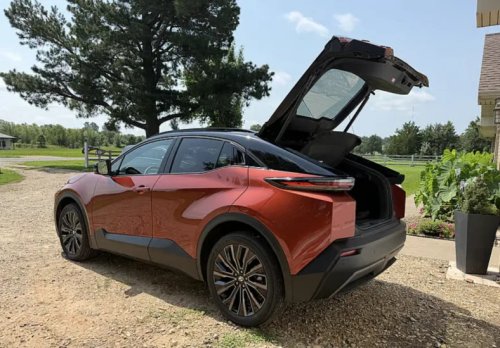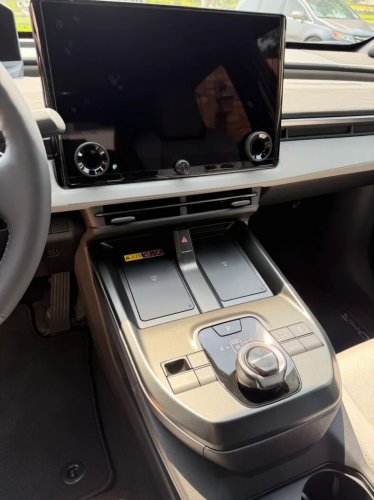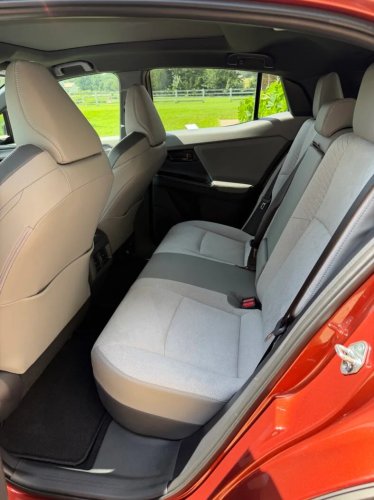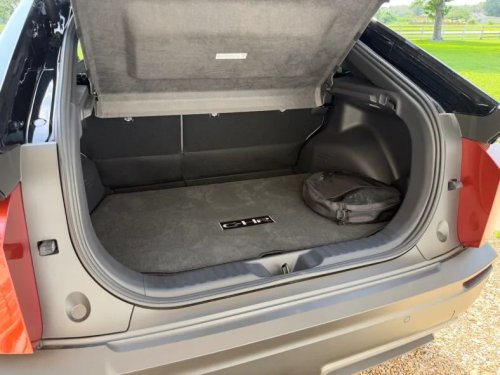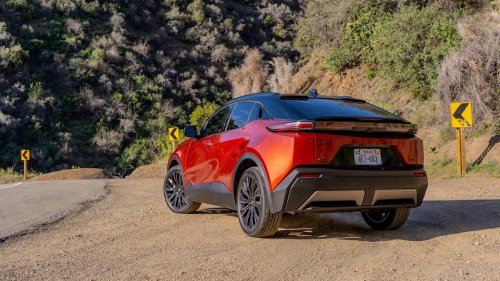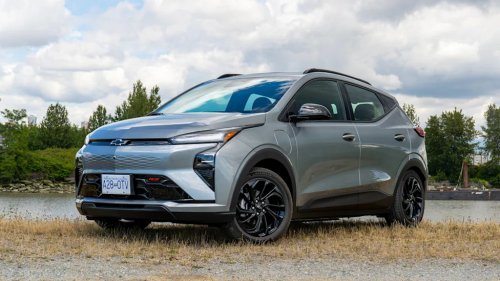
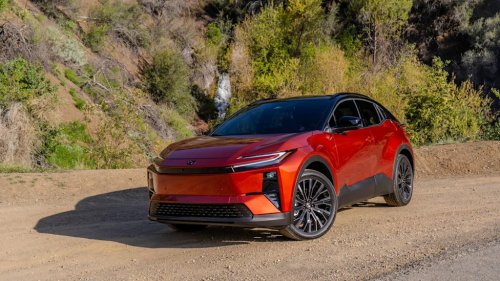
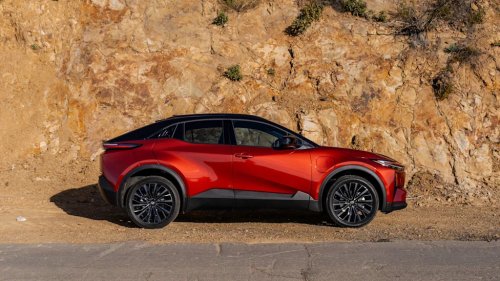
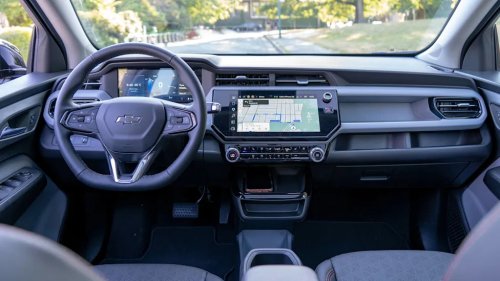
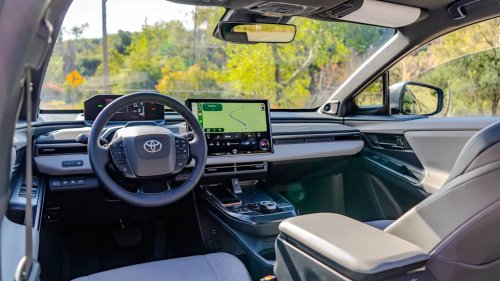
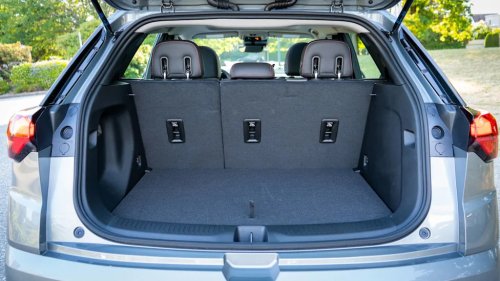
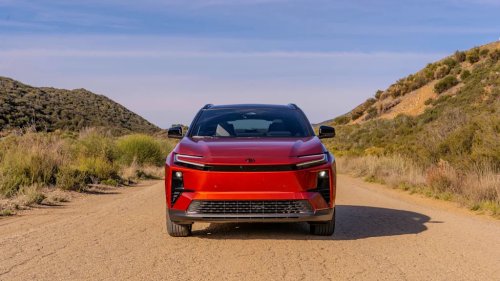



















Autoblog and Yahoo may earn commission from links in this article.The 2027 Chevrolet Bolt and 2026 Toyota C-HR both aim to make EV ownership feel accessible and relatively painless. The Bolt is the more obvious budget-conscious play. Chevrolet brought back one of America's most recognizable affordable EVs with more range, faster charging, a native NACS port, updated tech, and an even more attractive price tag. In my review, I came away thinking the Bolt hadn't been fully reborn so much as corrected. It's still soft around the edges, still budget-grade, and still somewhat compromised, but now far more livable than ever before.The Toyota C-HR is the more polished, more expensive, more emotionally convincing EV. It doesn't chase bargain-bin glory. Instead, it blends standard all-wheel drive, 338 horsepower, sharp styling, a more premium cabin, and driving dynamics that were legitimately enticing on twisty California canyon roads. During my first drive, the C-HR felt like Toyota had built an electric compact SUV for buyers who still care about how a car feels, not just how efficiently it gets you from point A to point B.AdvertisementAdvertisementSo this isn't just a comparison between a cheap EV and a somewhat pricier EV; it's the affordable EV you buy because the math makes sense, versus the compact electric SUV you buy because it feels like a more complete package overall. But which one makes the most sense for you?2027 Chevrolet Bolt RSCole AttishaSpecs And PricingSpecification2027 Chevrolet Bolt2026 Toyota C-HR EVBase price$27,600 before destination$37,000 before destinationUpper trim priceRS: $31,600 before destinationXSE: $39,000 before destinationBattery65-kWh LFP77-kWh lithium-ionDrivetrainSingle-motor FWDDual-motor AWDOutput210 hp / 169 lb-ft338 hp / 323 lb-ftEPA-estimated range262 miles287 miles SE / 273 miles XSEDC fast chargingUp to 150 kWUp to 150 kW10–80% charge timeAbout 25 minutesAbout 30 minutesNative charge portNACSNACSCargo space, seats up16.2 cu-ftUp to 25.4 cu-ftCargo space, seats folded56.3 cu-ftUp to 59.5 cu-ftThinking about selling your car? Get an instant cash offer online now. Click here to get started.Chevrolet says the 2027 Bolt was designed to preserve its value proposition while adding more range, quicker charging, a NACS port, and updated tech. Toyota lists the C-HR with standard AWD, 338 combined horsepower, a 4.9-second 0–60 mph time, and 287 miles of EPA-estimated range on the SE, or 273 miles on the XSE.2026 Toyota C-HR XSE in Tandoori with Midnight Black 2-toneCole AttishaPower And Performance: Toyota Wins EasilyThe Bolt isn't exactly underpowered. Its 210 hp is plenty for commuting, city driving, and the regular everyday EV use Chevrolet's targeting. Around Vancouver, it felt quick enough, easy to drive, though certainly more useful than exciting, which is fine. Affordable EVs don't need the kind of off-the-line theatrics that more expensive EVs do in order to justify their appeal as luxury goods. But the C-HR plays in a different league entirely.With 338 hp and standard AWD, the Toyota feels dramatically quicker and far more planted. In California, its power delivery was smooth and linear rather than obnoxious, but it could still pin you back in your seat when asked. More importantly, the C-HR didn't feel like a one-trick pony. It encouraged a rhythm: brake, turn, settle the chassis, lean into the power. It wasn't just acceptable dynamically; it was actually engaging to drive. The Bolt might be quick enough for everyday life, but the C-HR is intuitive enough to make the drive memorable.2026 Toyota C-HR XSE in Tandoori with Midnight Black 2-toneCole AttishaRange And Charging: Close, But Toyota Has The EdgeThe Bolt's range is excellent for the price. A 262-mile EV starting under $30,000 is still a big deal, especially now that it has a NACS port and can DC fast charge at up to 150 kW. Chevrolet's estimated 25-minute 10–80% charging time is also slightly quicker than Toyota's roughly 30-minute estimate. But the C-HR counters with even more range. The SE is rated at 287 miles, while the XSE is rated at 273 miles. That isn't a massive advantage over the Bolt, but paired with standard AWD and far more power, the Toyota feels like a far more livable EV. The Bolt might give you more EV for the money, but the C-HR gives you more EV, period.Shopping for a new car? Click here to get a great deal on your next vehicle. Powered by Carvana, no haggle pricing, 100% online.2027 Chevrolet Bolt RSCole AttishaAdvertisementAdvertisementInterior And Tech: Toyota Feels Worth The MoneyThe Bolt's interior is practical, and I liked some of its recent changes. Repositioning the shifter to the steering column frees up space, the retention of physical controls is appreciated, and the cabin is substantially roomy for something so compact. But the materials still feel budget-grade, and the lack of Apple CarPlay or Android Auto remains a major annoyance, especially when the native software doesn't behave perfectly.2026 Toyota C-HR XSECole AttishaThe C-HR feels more premium from the moment you sit inside. Toyota's cabin is clean and intuitive rather than gimmicky, with soft-touch materials where your hands land, a 14-inch touchscreen, and a layout that rewards time spent with it. Toyota also offers dual wireless charging and paddle-adjustable regenerative braking, which help the C-HR feel more complete from inside the cabin. The Chevy may be acceptable for its price, but the Toyota is simply nicer.2027 Chevrolet Bolt RSCole AttishaPracticality And Value: The Bolt Punches BackThe C-HR has a more SUV-like shape, more cargo room, and standard AWD. Toyota lists up to 25.3 cu-ft (720 litres) behind the rear seats and 59.5 cu-ft (1,685 litres) with them folded. That makes it a more useful vehicle for buyers who want a compact electric crossover rather than a tall hatchback. But value is where the Bolt fights back hard. The cheapest C-HR costs roughly $9,000 more than the cheapest Bolt before destination, and even the Bolt RS still undercuts the C-HR's base price. For buyers trying to make a new EV financially possible, that gap matters more than horsepower, cabin polish, or canyon-road composure.2026 Toyota C-HR EVCole AttishaVerdict: Bolt For The Budget, C-HR For The Better EVThe 2027 Chevrolet Bolt is the more important EV because it makes electric ownership more attainable. It does come with compromises, but those compromises are mostly acceptable given the price. It fixes enough of the old Bolt's biggest problems to remain truly compelling regardless of the flaws it does have. The 2026 Toyota C-HR, however, is plainly the better vehicle. It's quicker, sharper, quieter, nicer inside, more practical, comes standard with AWD, and it's more enjoyable to drive. It costs meaningfully more, but it also feels like it should.AdvertisementAdvertisementSo the answer to which one might make the most sense for you ultimately depends on what you prioritize. If you simply want the cheapest new EV that still delivers useful range and modern charging, go for the Bolt, but if you want a better compact electric SUV and are willing to cough up the difference, buy the C-HR.Autoblog aims to feature only the best products and services. If you buy something via one of our links, we may earn a commission.This story was originally published by Autoblog on Jul 15, 2026, where it first appeared in the Reviews section. Add Autoblog as a Preferred Source by clicking here.