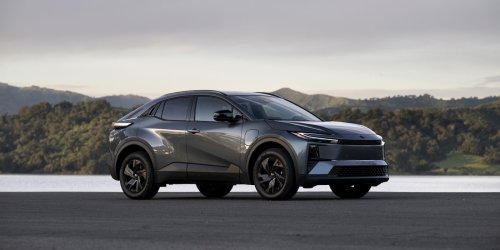
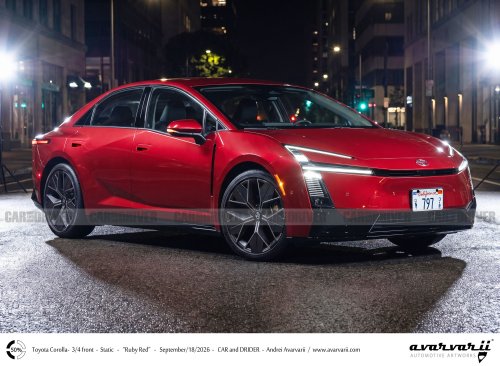
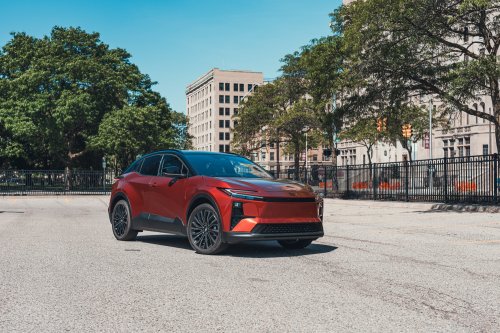
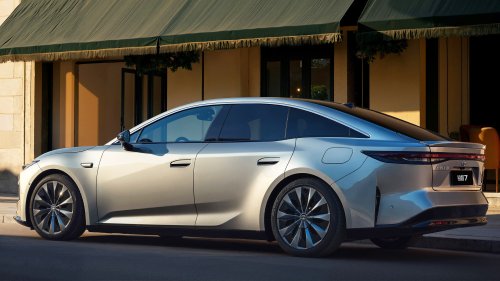
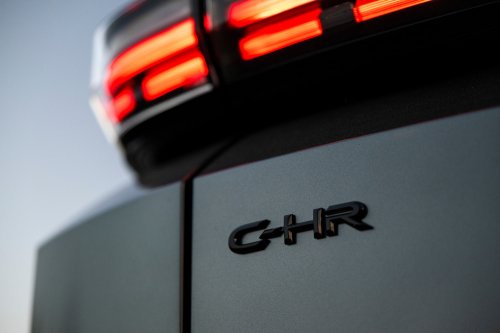
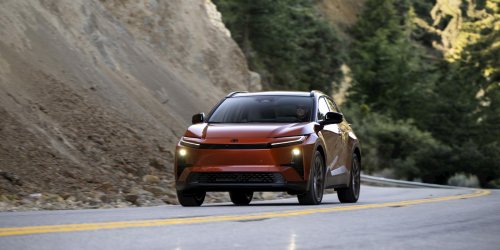
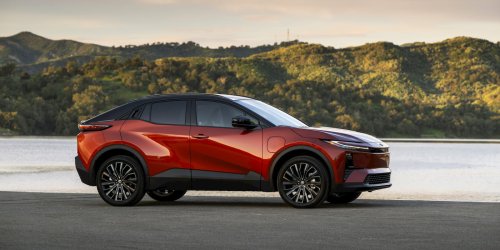
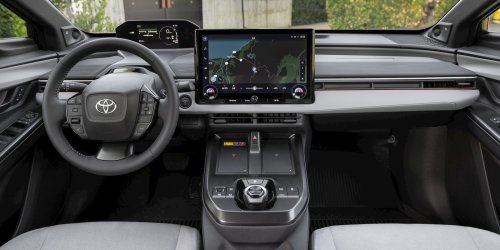
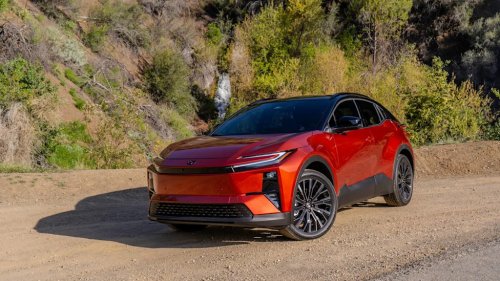
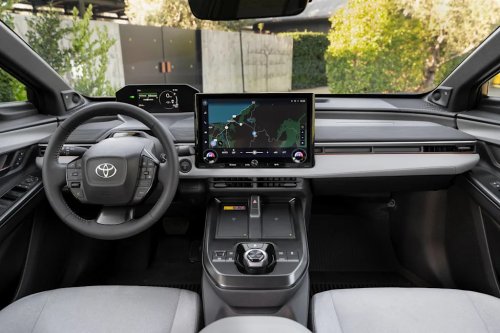
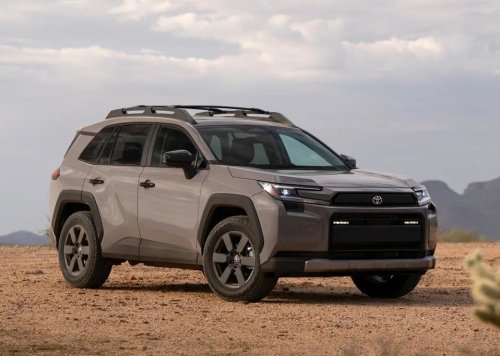
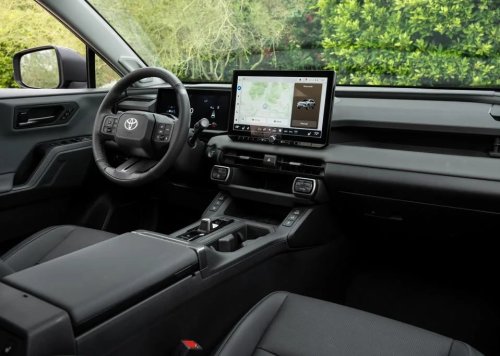
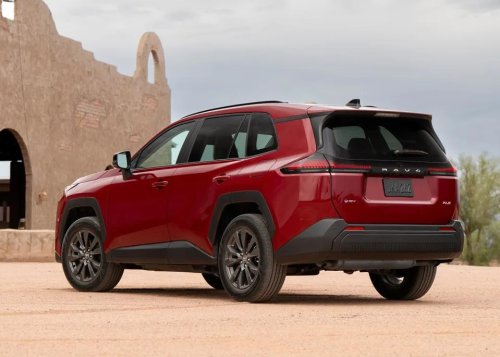
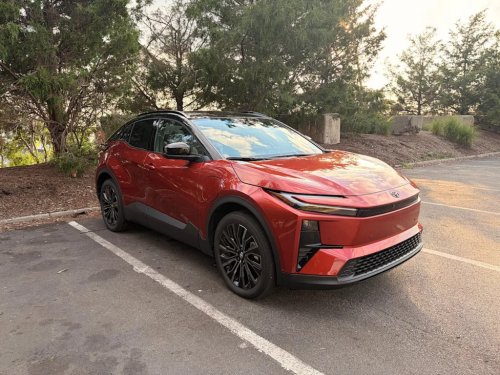
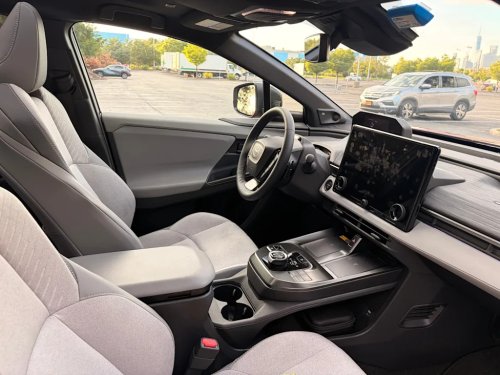
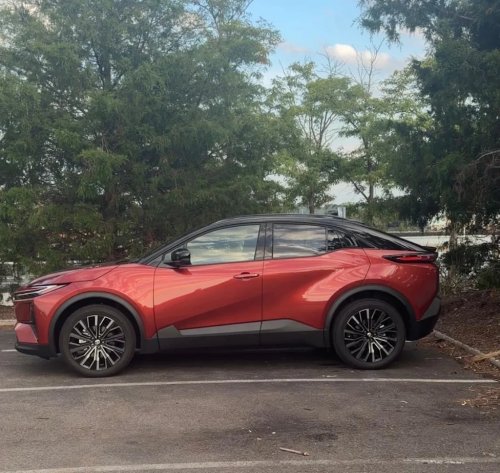
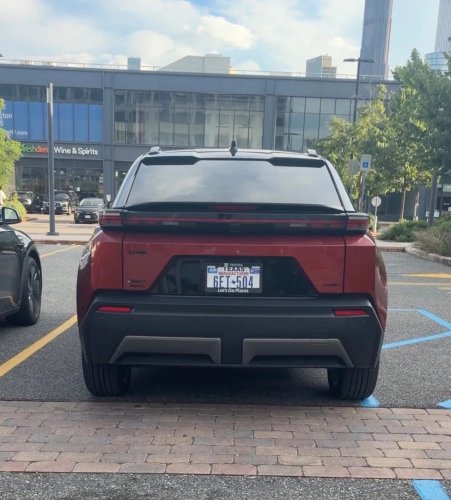
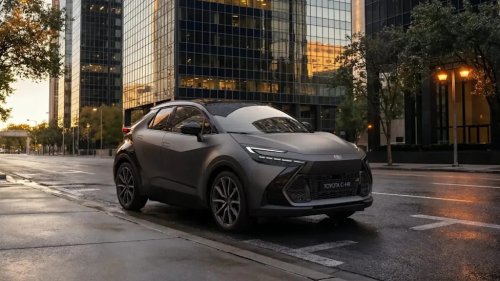
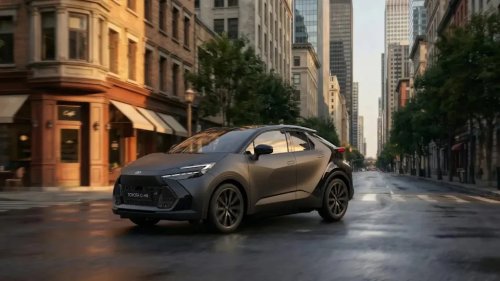
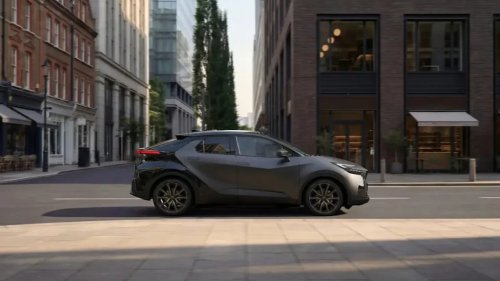
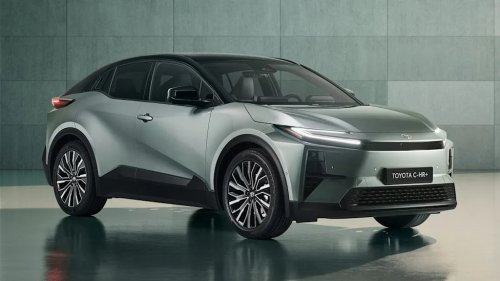
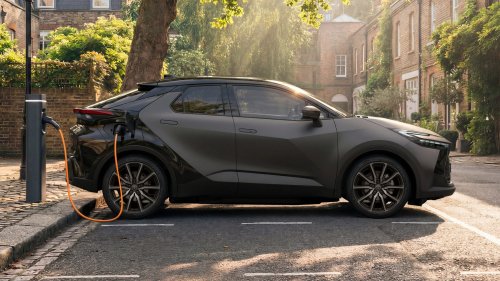
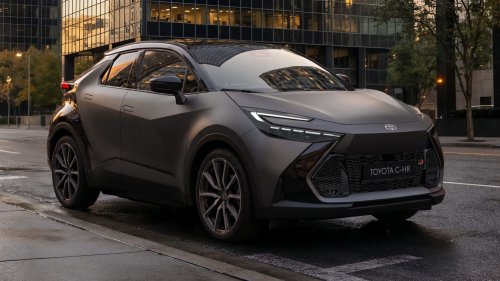
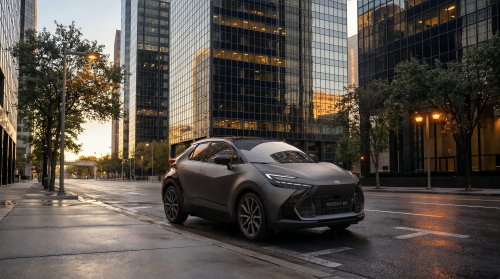
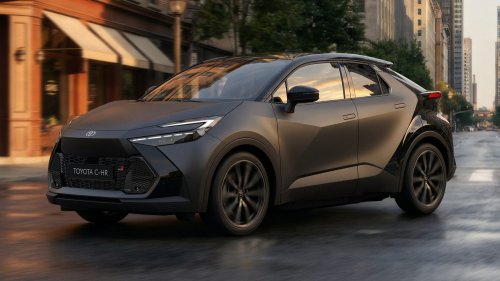
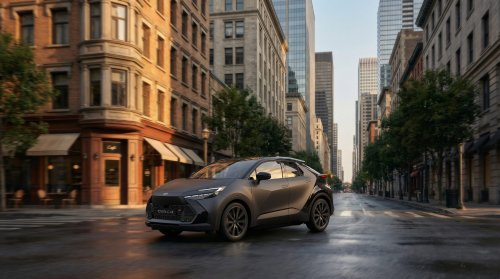
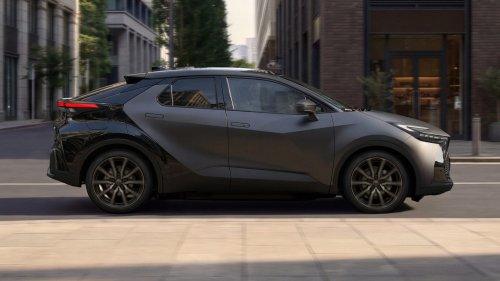
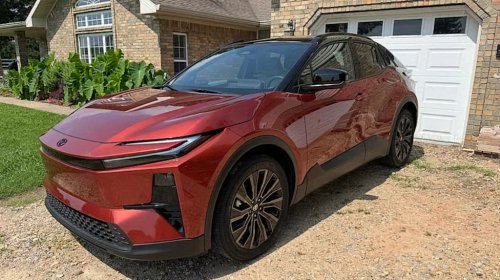
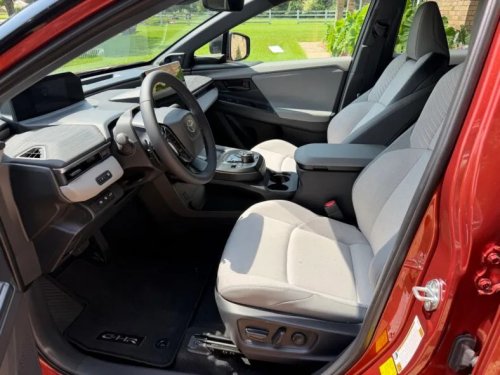
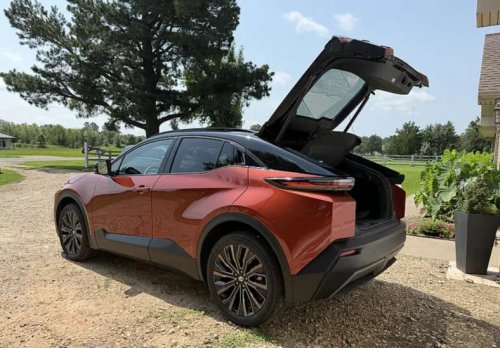
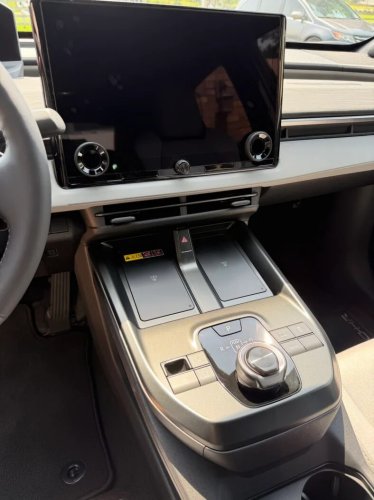
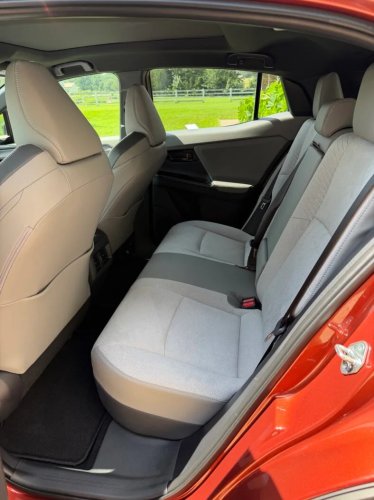
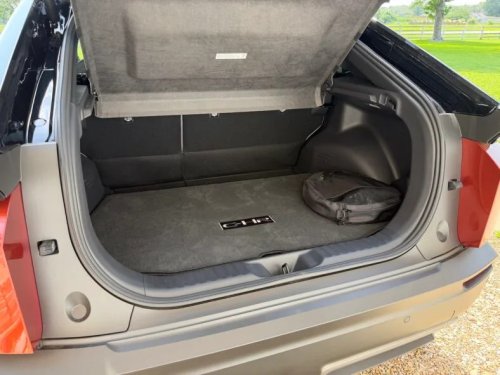
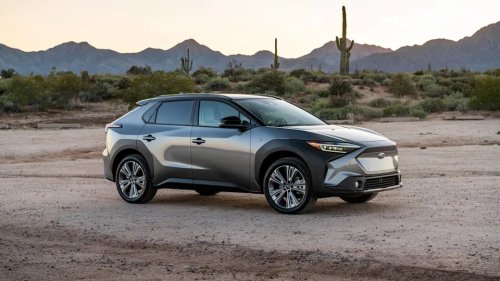
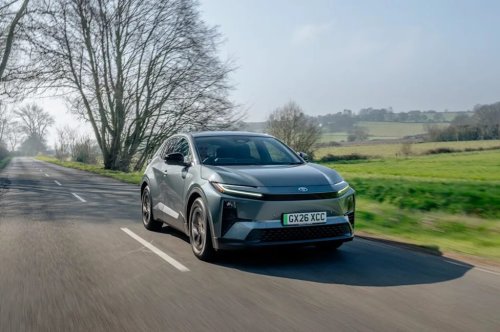
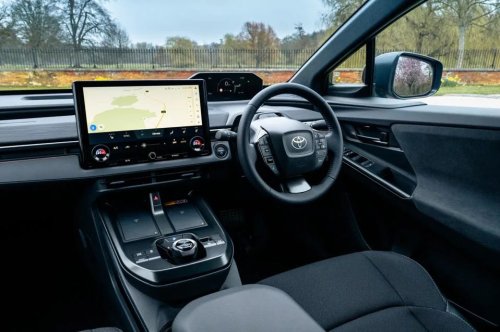
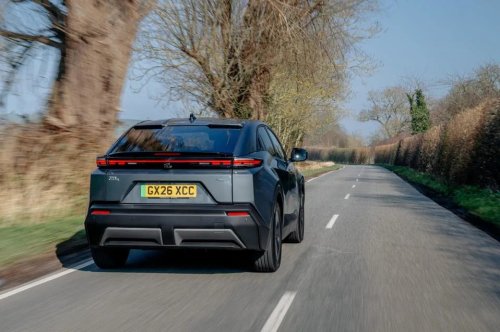
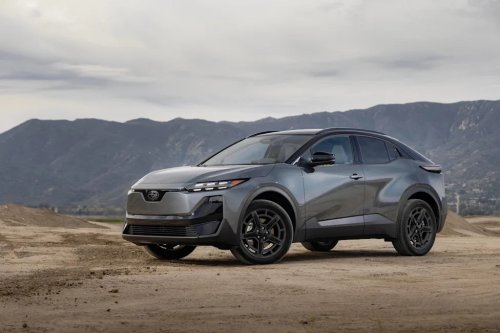
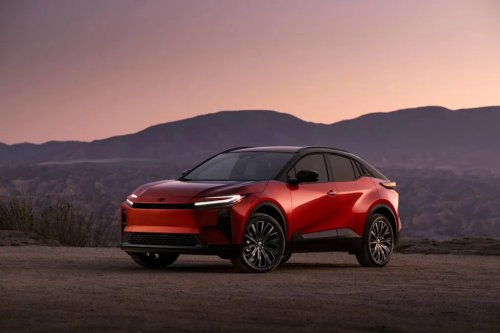
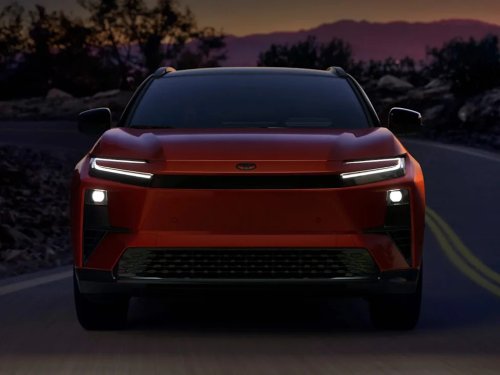
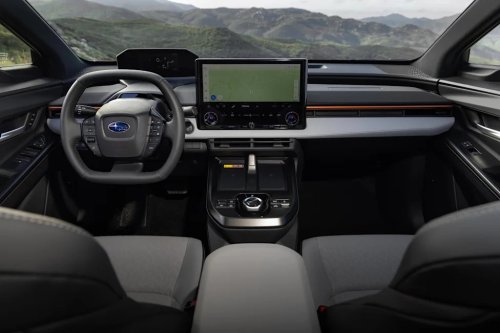
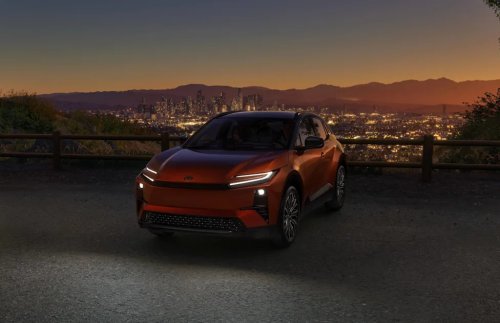
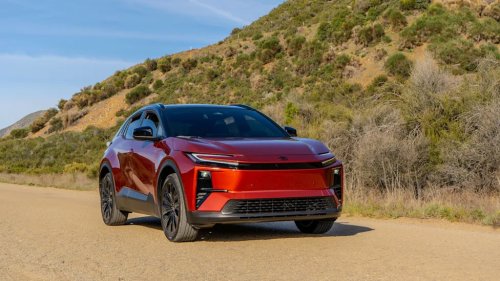
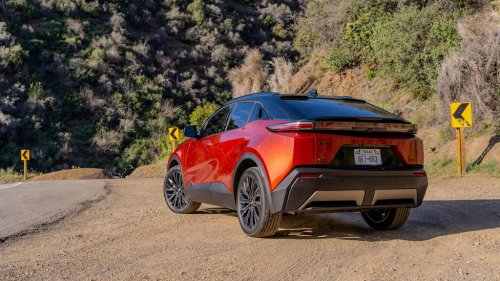
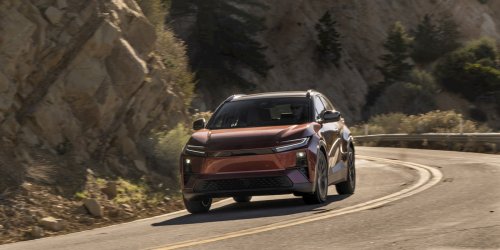
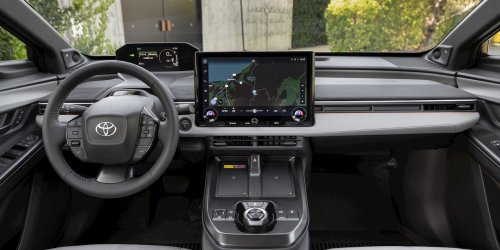
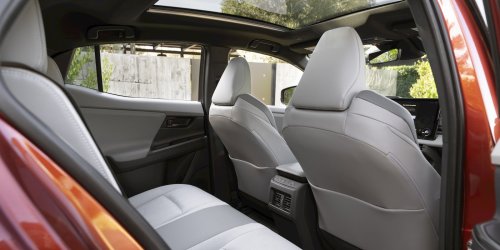
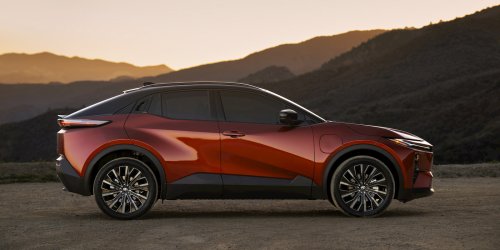
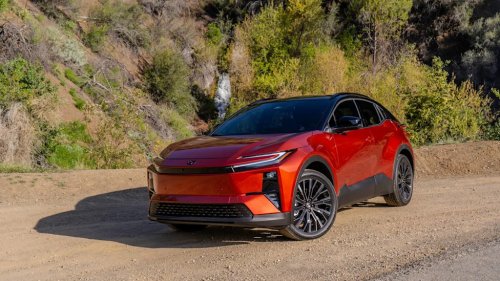
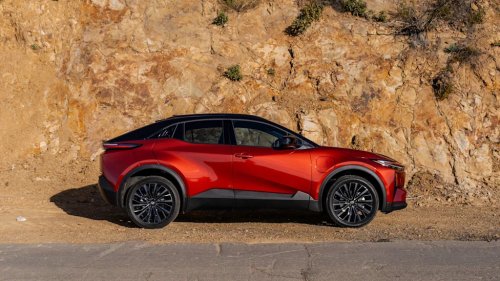
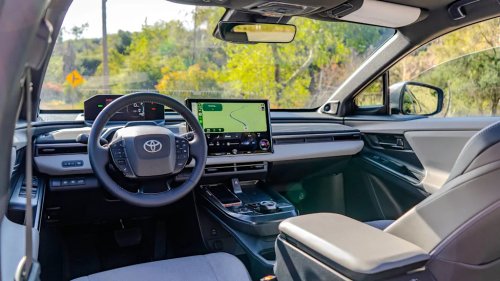
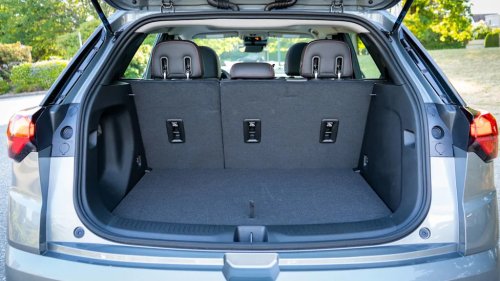
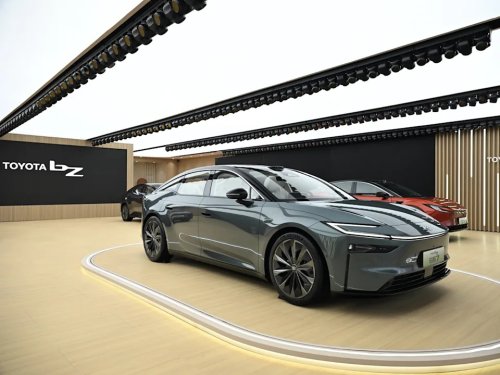
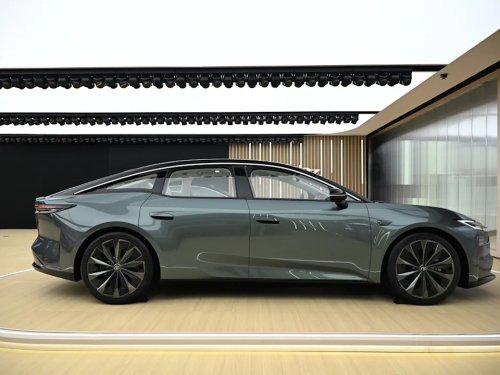
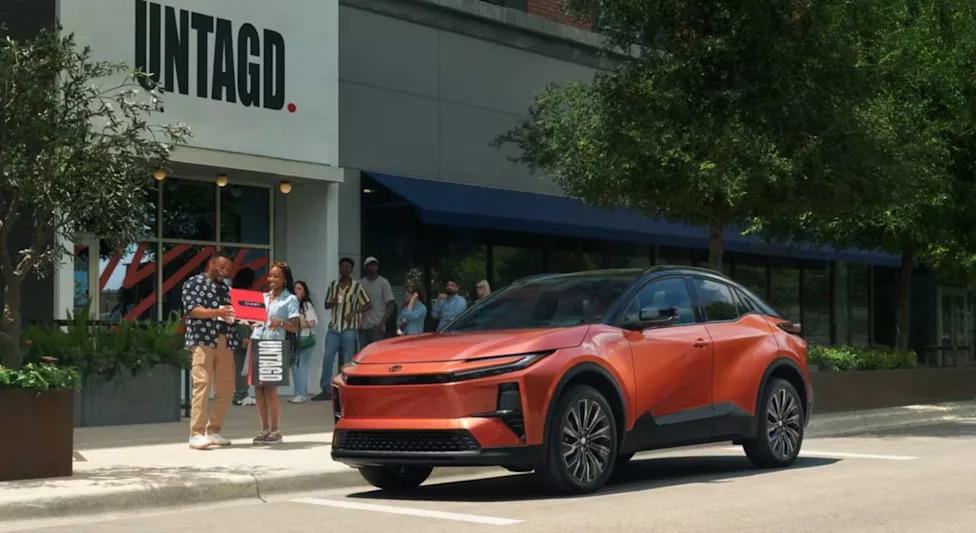
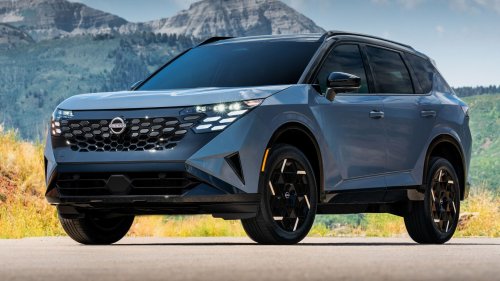
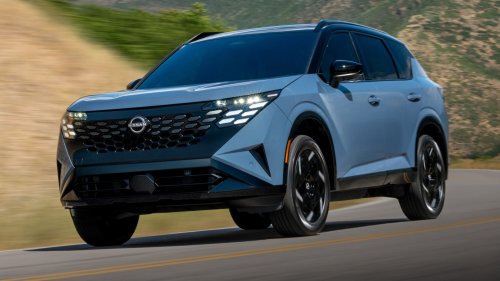
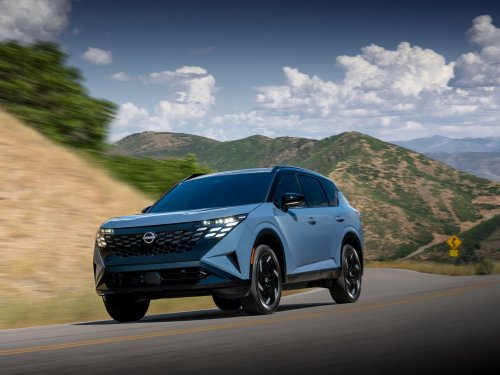
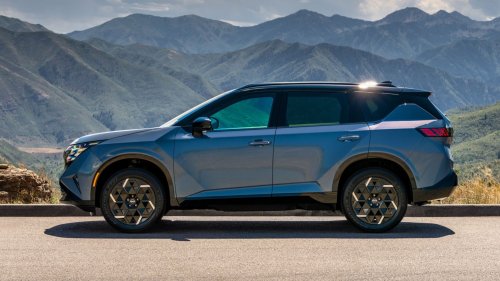
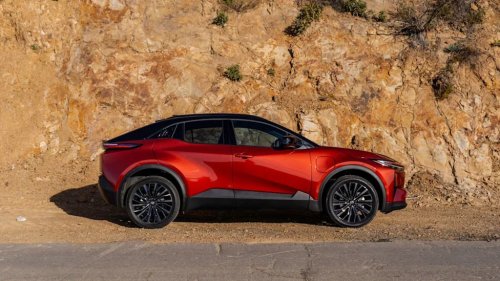
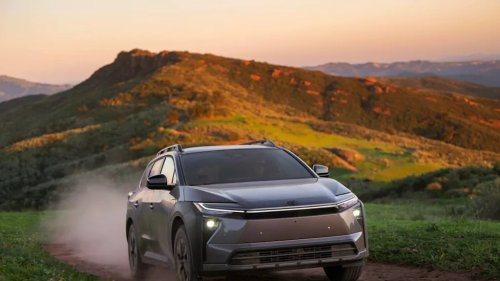
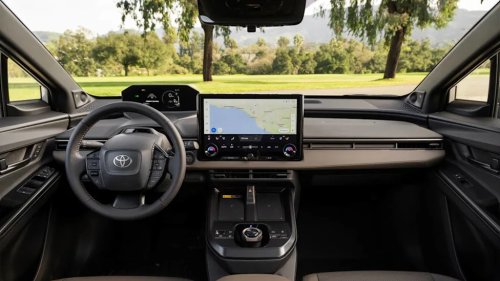
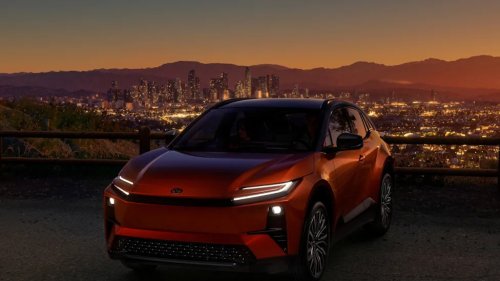
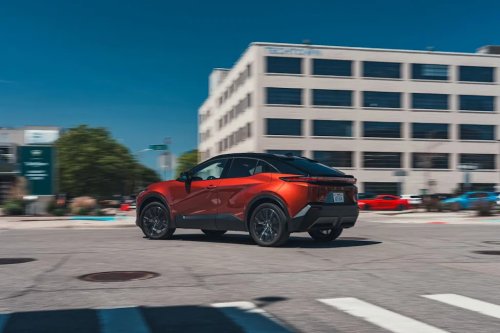
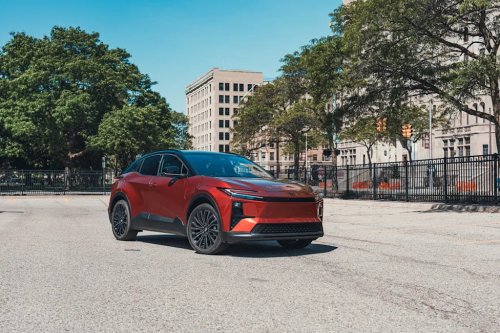
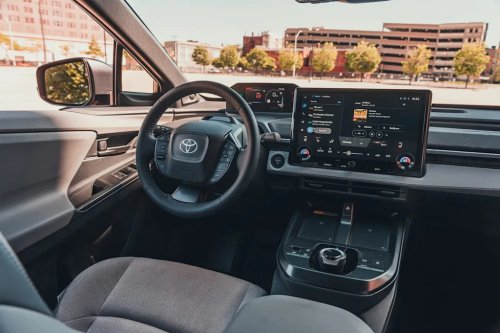
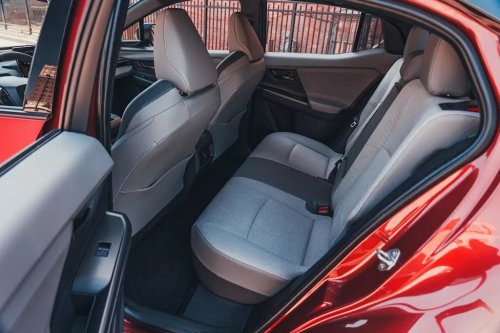
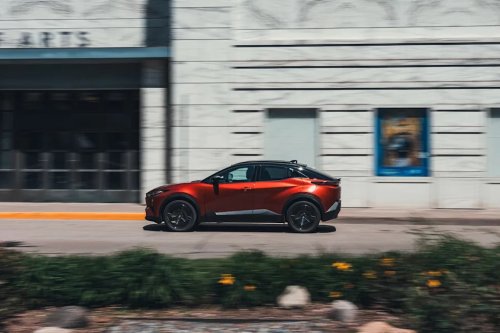
Photo: Kyle Patrick Photo: Kyle Patrick The Toyota C-HR returns for 2026 as a very different vehicle than the one that left the market in 2022. Instead of a small gasoline-powered crossover, the new model arrives as an all-electric vehicle with significantly more power, available all-wheel drive, and a more modern design. After spending time driving it on winding roads outside Ojai, Contributor Kyle Patrick found the new C-HR to be a capable and enjoyable EV, though not without a few drawbacks. PRO: Strong Performance Photo: Kyle Patrick Photo: Kyle Patrick One of the biggest improvements over the previous C-HR is its power. Kyle stated that the dual-motor all-wheel-drive version produces 338 horsepower and can reach 60 mph in 4.9 seconds. He found the acceleration quick and effortless, with the instant response expected from a modern EV. Kyle also noted that the new model has more than double the power of the previous-generation C-HR, making it feel far more competitive in today's market. CON: No One-Pedal Driving Photo: Kyle Patrick Photo: Kyle Patrick Kyle was disappointed by the regenerative braking setup. The C-HR offers four levels of regeneration, but none provide true one-pedal driving capability. For EV buyers who prefer stronger regenerative braking and the ability to drive largely without using the brake pedal, this may be a drawback. 2027 Volvo EX60: All the Details PRO: Comfortable Ride Quality Photo: Kyle Patrick Photo: Kyle Patrick Despite riding on available 20-inch wheels, Kyle found the C-HR surprisingly comfortable. He said it handles rough pavement, dips, and speed bumps with impressive composure while maintaining a controlled feel. According to Kyle, the C-HR strikes a good balance between sporty handling and ride comfort. Road noise is also well controlled, helping make the cabin a pleasant place to spend time. CON: Difficult to Differentiate from the bZ Photo: Kyle Patrick Photo: Kyle Patrick Kyle's biggest criticism was that the C-HR struggles to establish a clear identity within Toyota's EV lineup. He found that it shares much of its technology, interior design, and overall character with the improved bZ. Kyle said that aside from its styling and smaller size, the C-HR offers relatively little that sets it apart, making it feel like a less practical alternative to Toyota's other electric crossover. PRO: Attractive Design Photo: Kyle Patrick Photo: Kyle Patrick Kyle described the C-HR as a good-looking vehicle, praising how Toyota's current design language works on the smaller crossover. Features such as the hidden rear door handles, chopped rear end, split roof spoiler, and distinctive lighting elements help it stand out. He also noted that the vehicle's proportions and styling give it a sense of motion even when parked, making it one of the more distinctive-looking EVs in Toyota's lineup. This article was co-written using AI and was then heavily edited and optimized by our editorial team. 2026 Kia K4 Hatchback: All the Details




























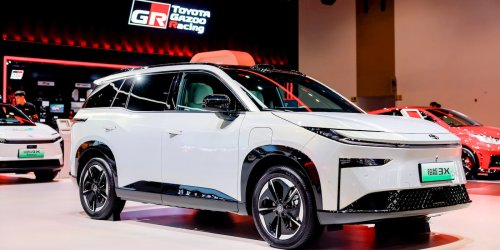
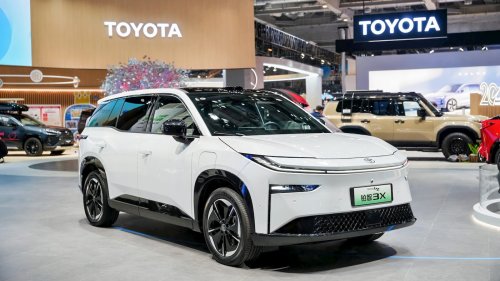
![Toyota, Toyota's $15,000 Chinese EV spotted overseas in RHD [Images]](https://cdn.topcarnews.net/thumb/id/aHR0cHM6Ly9pMC53cC5jb20vZWxlY3Ry-ZWsuY28vd3AtY29udGVudC91cGxvYWRz-L3NpdGVzLzMvMjAyNi8wOS9Ub3lvdGEt-YlozWC1FVi1SSEQuanBlZz93PTE1MDAm-YW1wO3F1YWxpdHk9ODImYW1wO3N0cmlw-PWFsbCZhbXA7c3NsPTE/3fdd3b5d03bdc27308f0c99caa99667e.jpeg?t=20260923&post_id=64756)
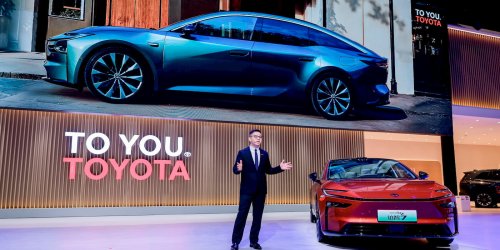
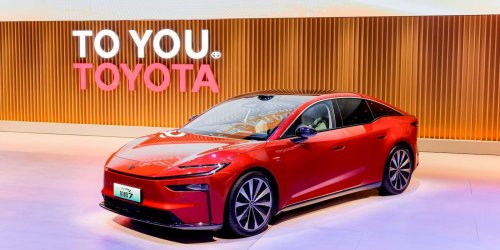
![Toyota, Toyota's $15,000 Chinese EV spotted overseas in RHD [Images]](https://cdn.topcarnews.net/thumb/id/aHR0cHM6Ly9lbGVjdHJlay5jby93cC1j-b250ZW50L3VwbG9hZHMvc2l0ZXMvMy8y-MDI1LzEyL1RveW90YS0xNTAwMC1lbGVj-dHJpYy1TVVYtMi5qcGVn/8219e8e9bd18568eaf6e5271753403d8.jpeg?t=20260923&post_id=64756)
![Toyota, Toyota's $15,000 Chinese EV spotted overseas in RHD [Images]](https://cdn.topcarnews.net/thumb/id/aHR0cHM6Ly9lbGVjdHJlay5jby93cC1j-b250ZW50L3VwbG9hZHMvc2l0ZXMvMy8y-MDI2LzAzL1RveW90YS1iWjNYLUVWLWlu-dGVyaW9yLTcuanBnP3N0cmlwPWluZm8m-YW1wO3c9MTkyMA/e40c0b720b4826f1bf2a5f18a1e13212.jpg?t=20260923&post_id=64756)
![Toyota, Toyota's $15,000 Chinese EV spotted overseas in RHD [Images]](https://cdn.topcarnews.net/thumb/id/aHR0cHM6Ly9lbGVjdHJlay5jby93cC1j-b250ZW50L3VwbG9hZHMvc2l0ZXMvMy8y-MDI2LzAzL1RveW90YS1iWjNYLUVWLWlu-dGVyaW9yLTUuanBnP3N0cmlwPWluZm8m-YW1wO3c9MTkyMA/dc60262a877c7e2cef1e74da54ca75ab.jpg?t=20260923&post_id=64756)
![Toyota, Toyota's $15,000 Chinese EV spotted overseas in RHD [Images]](https://cdn.topcarnews.net/thumb/id/aHR0cHM6Ly9lbGVjdHJlay5jby93cC1j-b250ZW50L3VwbG9hZHMvc2l0ZXMvMy8y-MDI2LzAzL1RveW90YS1iWjNYLUVWLWlu-dGVyaW9yLTYuanBnP3N0cmlwPWluZm8m-YW1wO3c9MTkyMA/ad5c9fdfd72ede2f92d0ae9b095b9e83.jpg?t=20260923&post_id=64756)













![Toyota recalls 8,521 electric C-HR SUVs [Update]](https://cdn.topcarnews.net/thumb/id/aHR0cHM6Ly9pMC53cC5jb20vZWxlY3Ry-ZWsuY28vd3AtY29udGVudC91cGxvYWRz-L3NpdGVzLzMvMjAyNi8wOS9Ub3lvdGEt-Qy1IUi1FVi1yZWNhbGwtdXBkYXRlLmpw-ZWc_dz0xNTAwJmFtcDtxdWFsaXR5PTgy-JmFtcDtzdHJpcD1hbGwmYW1wO3NzbD0x/331d3ac80daf0c088b3be596b57fa6a5.jpeg?t=20260923&post_id=61506)