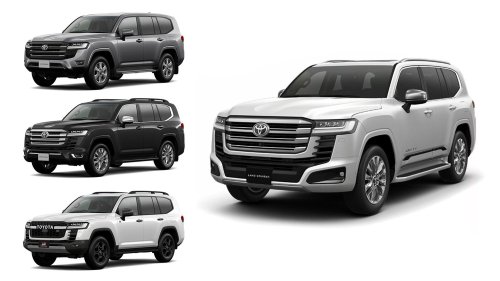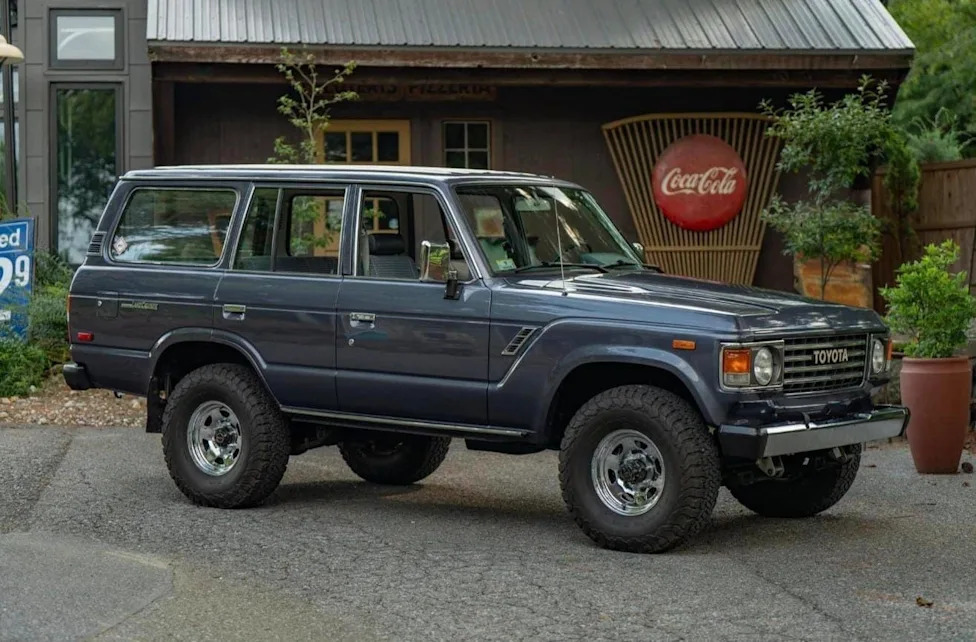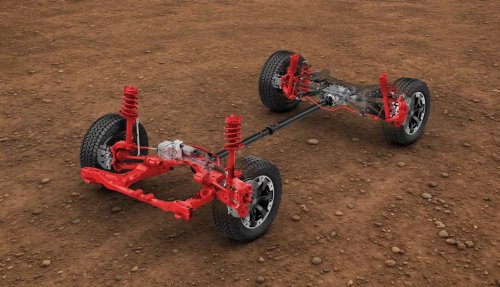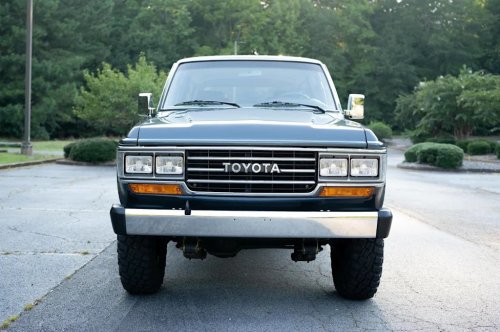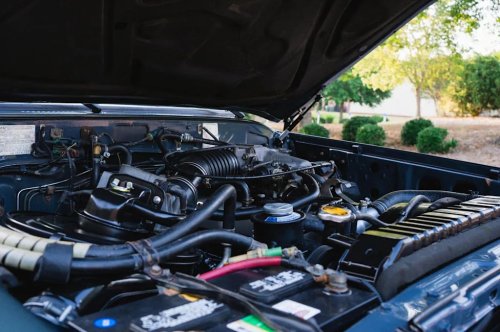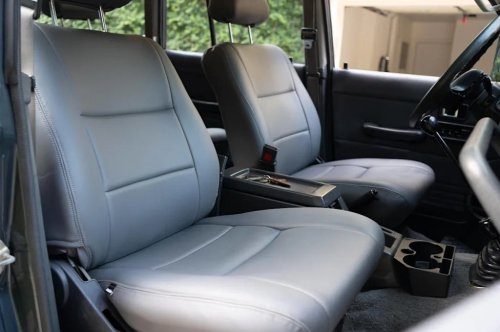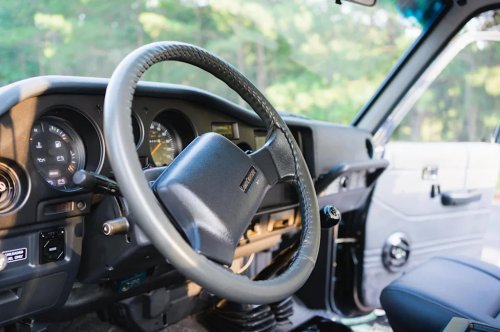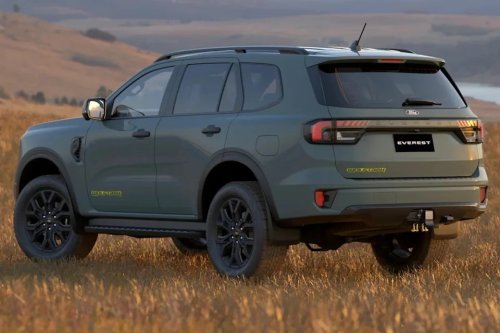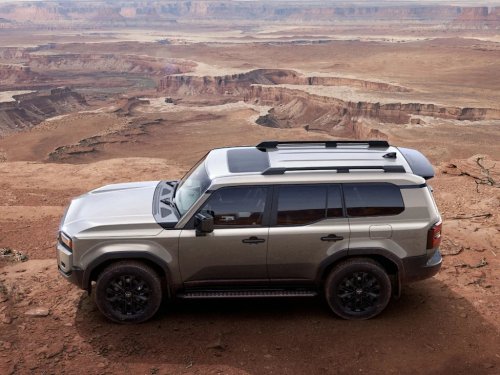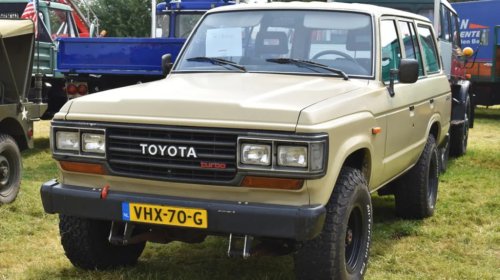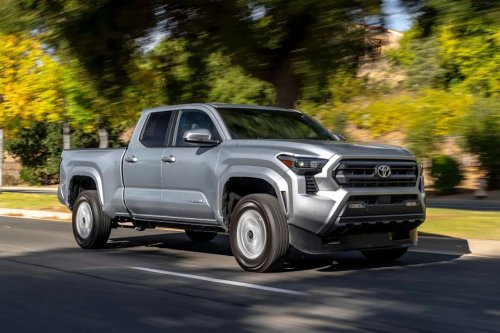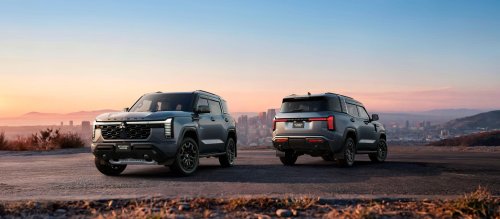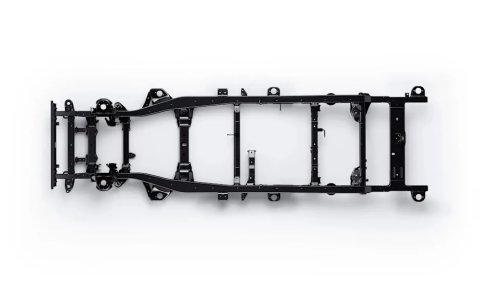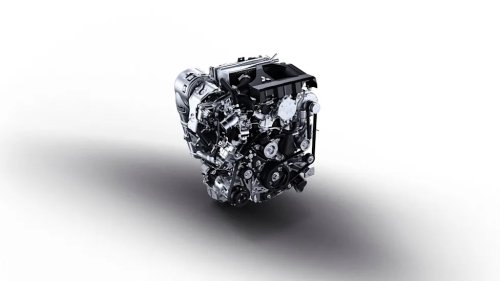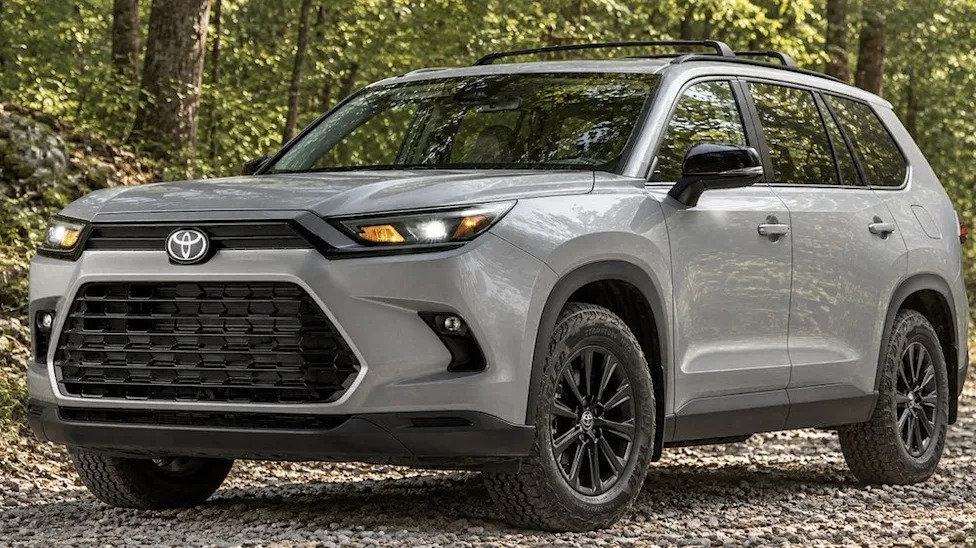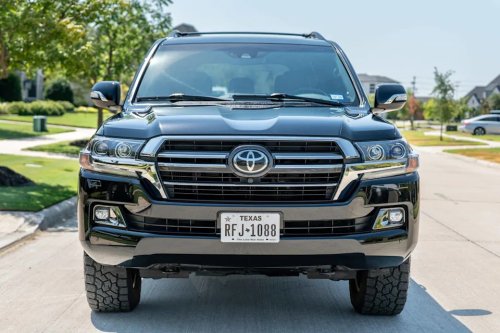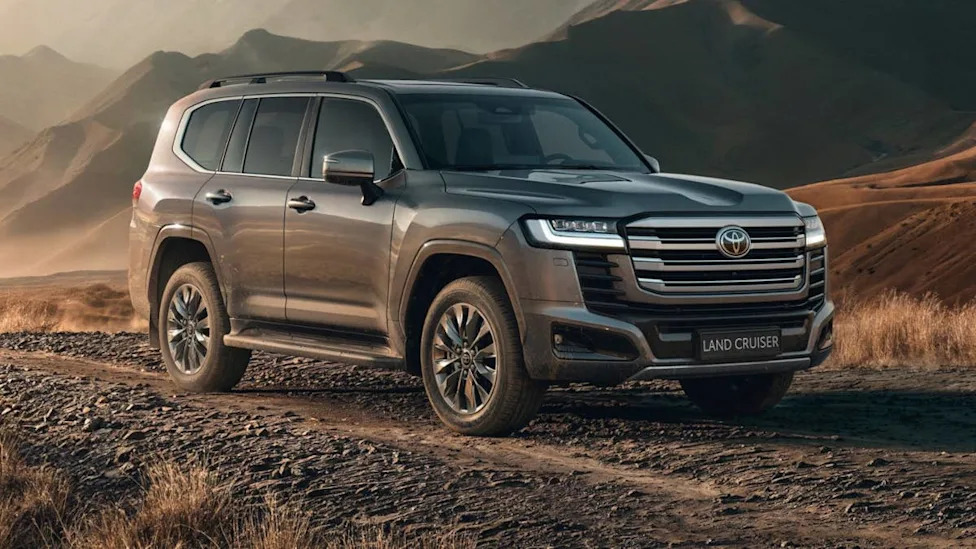




















Autoblog and Yahoo may earn commission from links in this article.Robust, reliable, and over-engineered Toyotas almost instantaneously paint the picture of a flagship Land Cruiser. Historically, the ultimate case study for longevity, the global heavy-duty Land Cruiser, since the 100-Series, has stepped into an overly complex, electrically assisted, and luxury-tier purgatory. By contrast, the homegrown American 4Runner platform has deliberately avoided this path. For the daily driver navigating interstate road trips and weekend trail runs, the 4Runner wears the crown as the most reliable upper-midsize SUV.Land Cruiser vs 4RunnerThis comparison discounts the smaller Land Cruiser LC250, which shares the sixth-generation 4Runner’s TNGA-F platform and 2.4-liter turbocharged hybrid drivetrain despite costing significantly more. Instead, looking closely at the core lineups highlights why the 4Runner boasts superior real-world reliability over flagship Land Cruisers, including the LC300, which is not sold in America - the Lexus equivalent, however, is available in American dealerships.Drivetrain ComparisonThe fifth-generation 4Runner utilizes an under-stressed, naturally aspirated 4.0-liter V6 and a five-speed automatic transmission, famously recognized for lasting past 200,000 miles. As the platform transitions to its sixth generation, it adopts the high-volume TNGA-F global truck platform. Because these mechanical components are shared with millions of North American trucks like the Tacoma, parts are cheap, heavily stocked, and easy to source. Conversely, the LC200 and LC300 rely on lower-volume Diesel V8 and twin-turbo V6 powertrains whose high-tech components naturally kneecap field serviceability and predictably inflate long-term repair bills.ToyotaPlatform and Suspension ComparisonThe structural divergence becomes even more apparent in the chassis engineering. The global Land Cruisers are engineered as tech-forward goliaths, using complex ride-management systems like Hydraulic Active Height Control and Adaptive Variable Suspension arrays. While these setups elegantly balance off-road articulation with plush highway dampening, they introduce a large collection of localized failure points—including pressurized hydraulic systems, height sensors, accumulation valves, and dedicated air compressors. These intricate systems inevitably degrade, leak, or fail when subjected to road salt, weathering, and harsh trail debris.AdvertisementAdvertisementBoth iterations of the 4Runner shield owners from this hyper-complex diagnostic maintenance through mechanical component simplicity. The fifth-generation layout utilizes a narrower track and standard stamped-steel independent front control arms optimized for traditional, slow-speed trail compliance, alongside a purely mechanical, always-on Kinetic Dynamic Suspension System hydraulic loop. The sixth-generation layout introduces a wider, structurally stiffer stance designed to mitigate body roll and brake dive, pushing the rear coil springs and dampers outboard closer to the wheels. It replaces the complex dual-axle hydraulic plumbing of previous iterations with a push-button electronic Stabilizer Disconnect Mechanism at the front axle for manual, maximum wheel travel over obstacles.ToyotaKing of Toyota's JungleWhile flagship Land Cruisers remain magnificent machines designed to haul global diplomats through remote warzones, the 4Runner defines real-world reliability for the American landscape. For overall longevity, the mechanically simplistic fifth-generation 4Runner sweeps the competition, while the sixth generation secures modern dependability by balancing cutting-edge efficiency with an unbreakable, highly supported domestic safety net.This story was originally published by Autoblog on May 20, 2026, where it first appeared in the News section. Add Autoblog as a Preferred Source by clicking here.