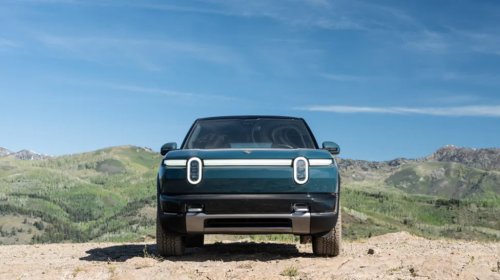
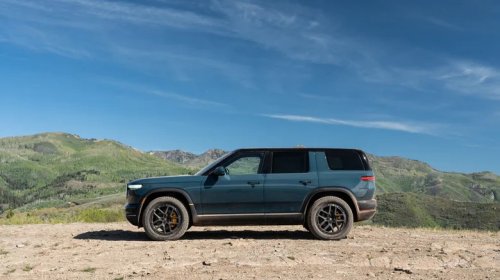
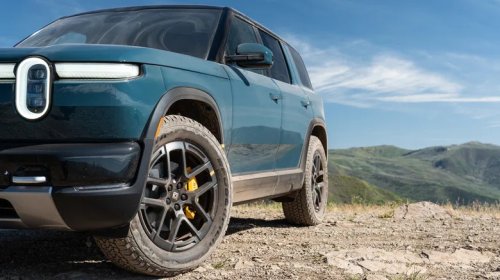
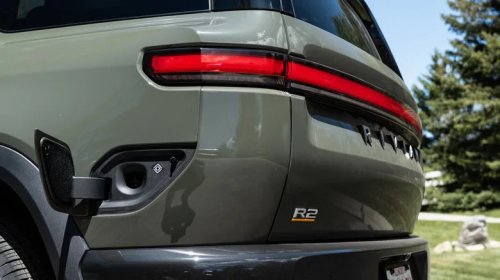
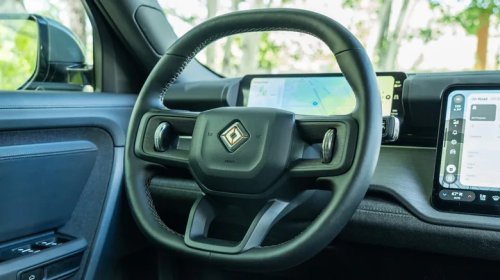
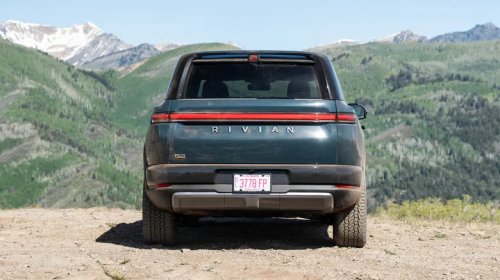
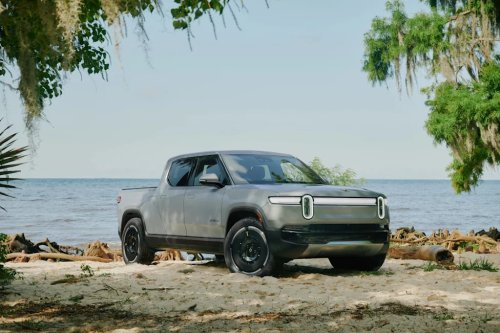
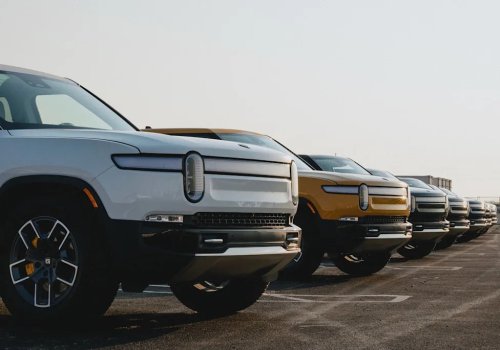
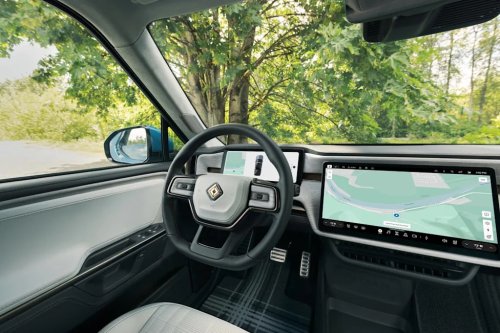
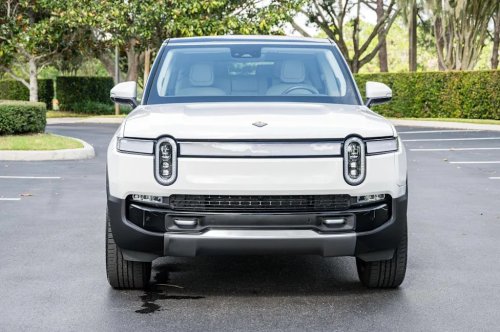
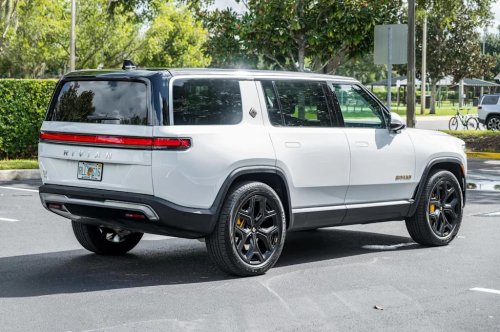
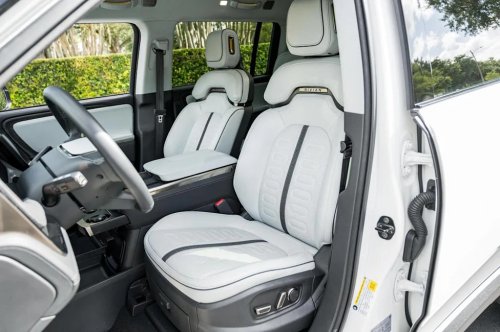
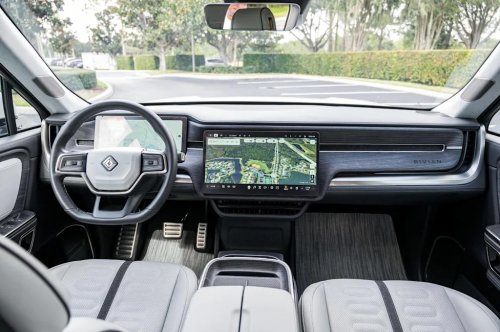
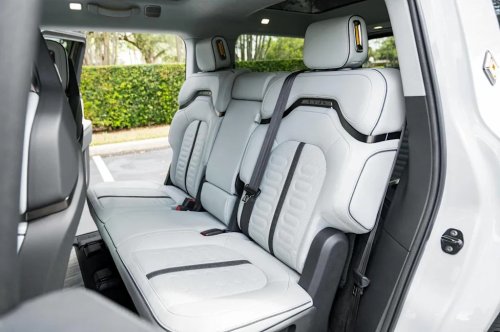
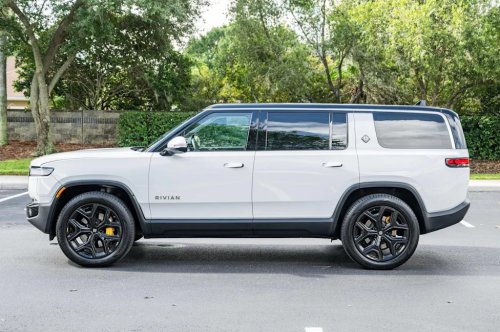
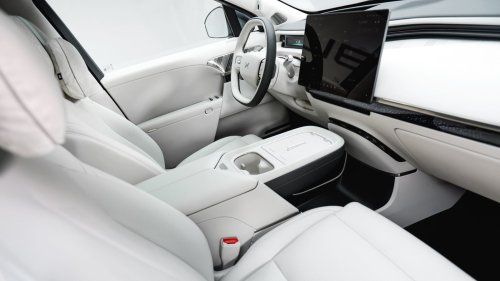
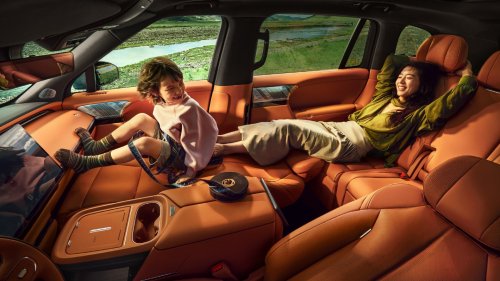
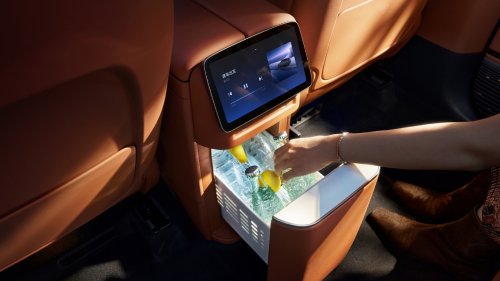
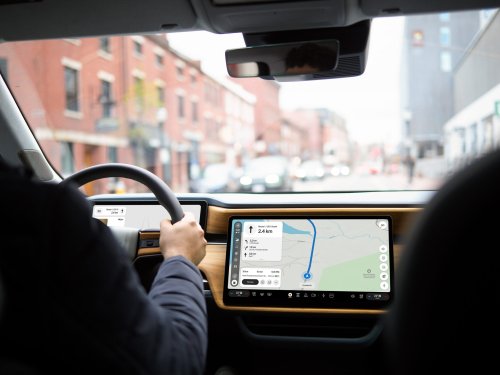
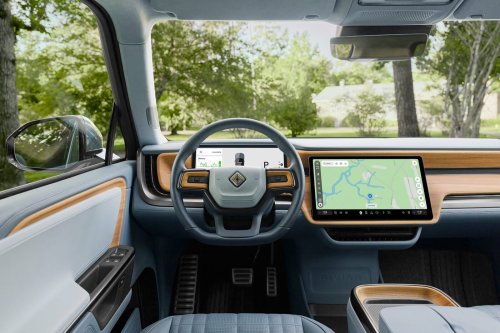
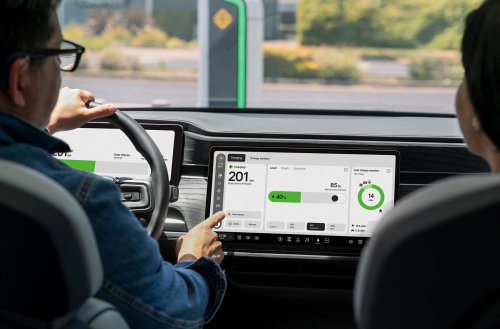
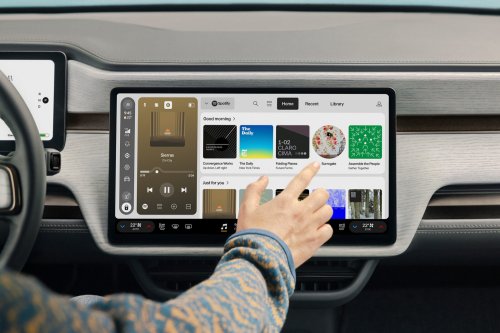
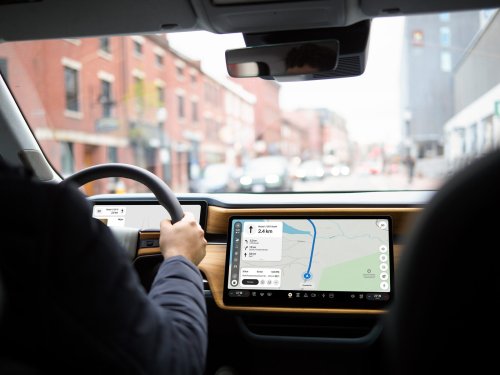
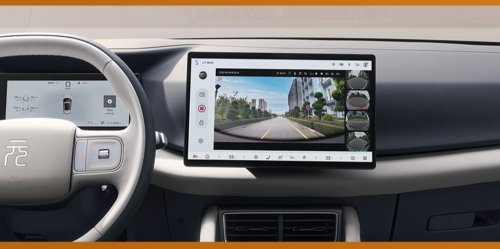
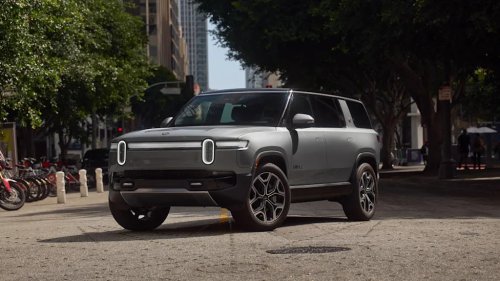
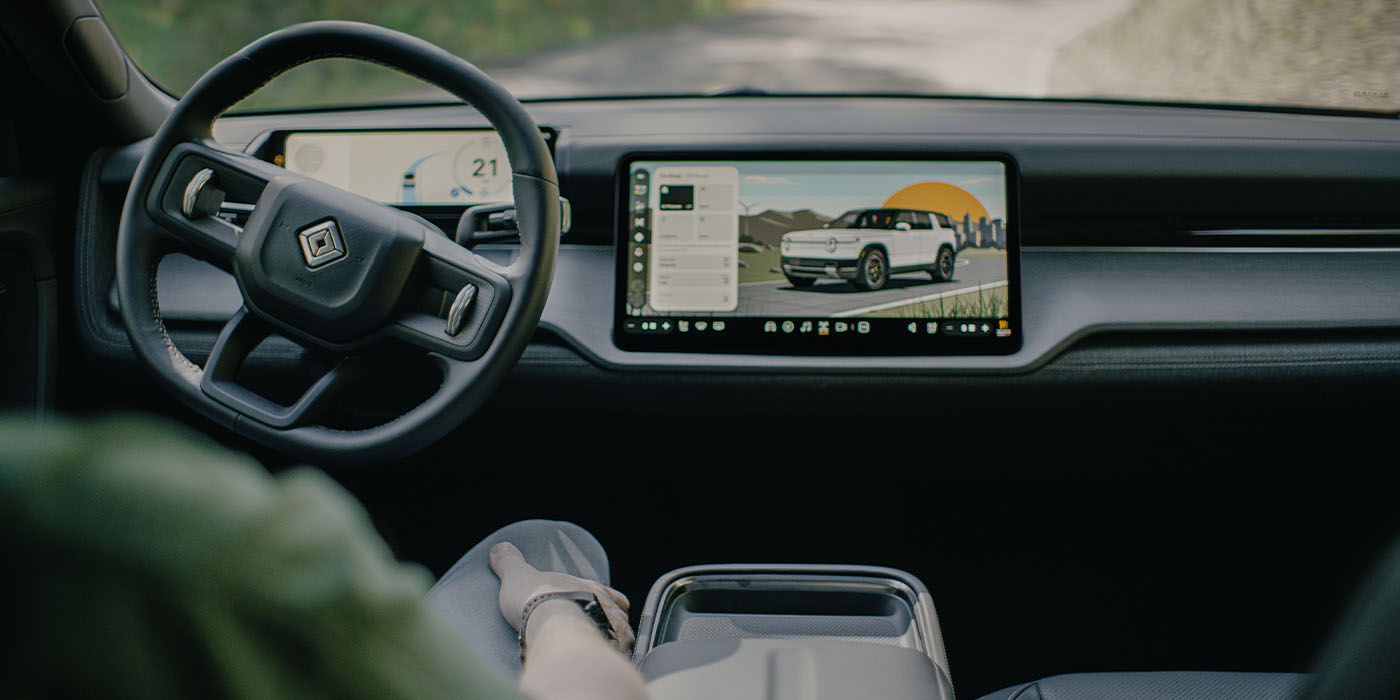
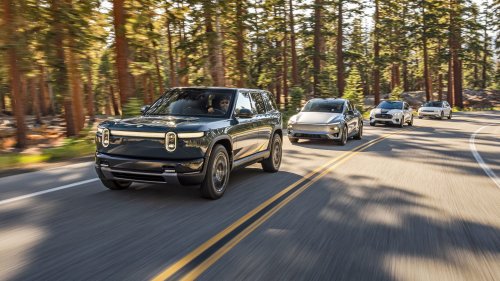
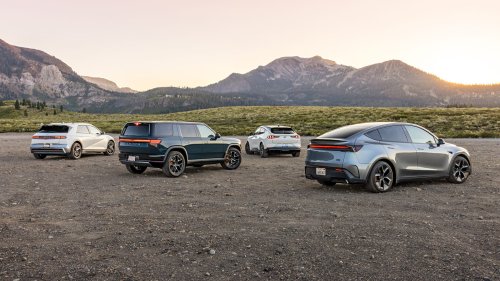
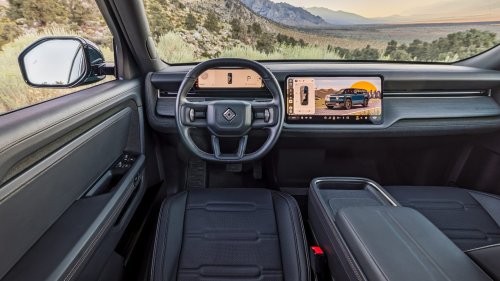
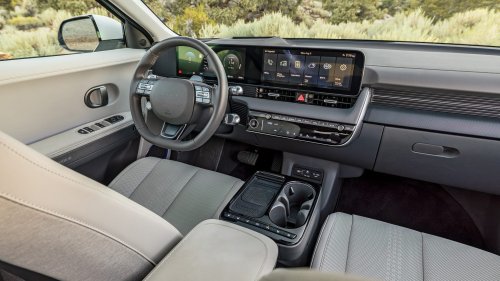
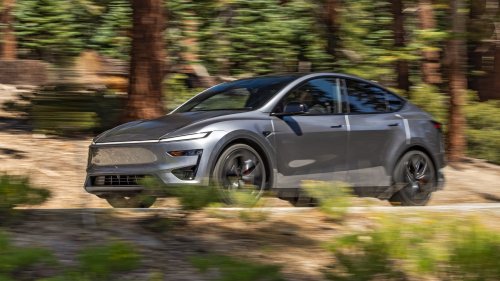
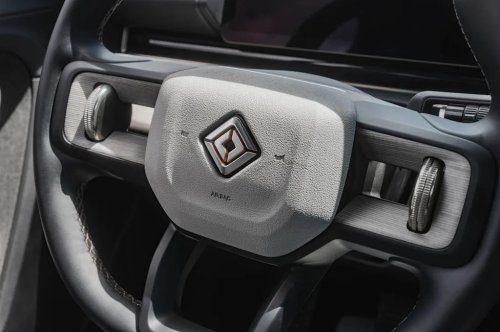
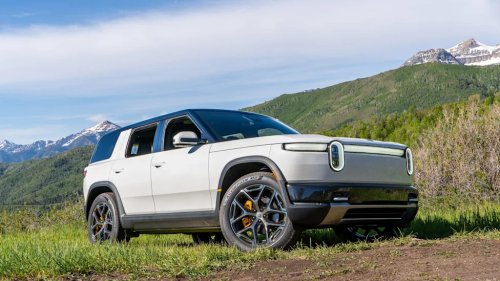
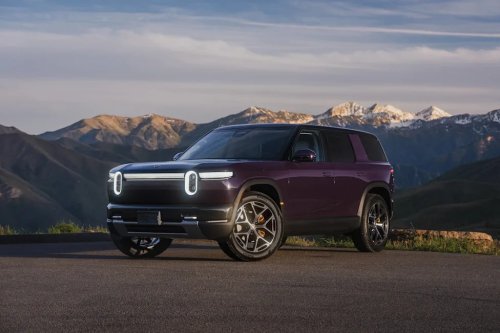
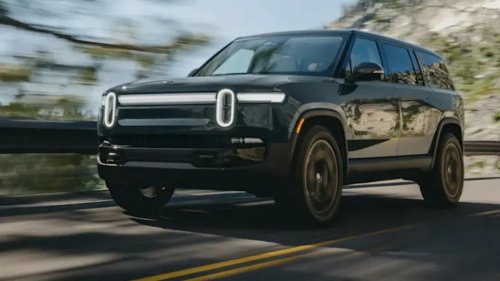
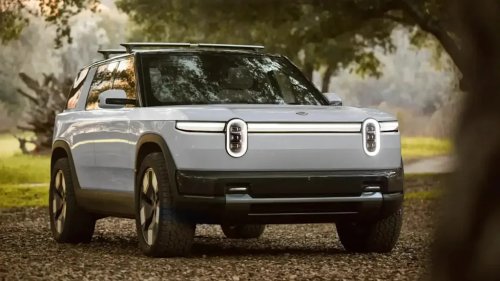
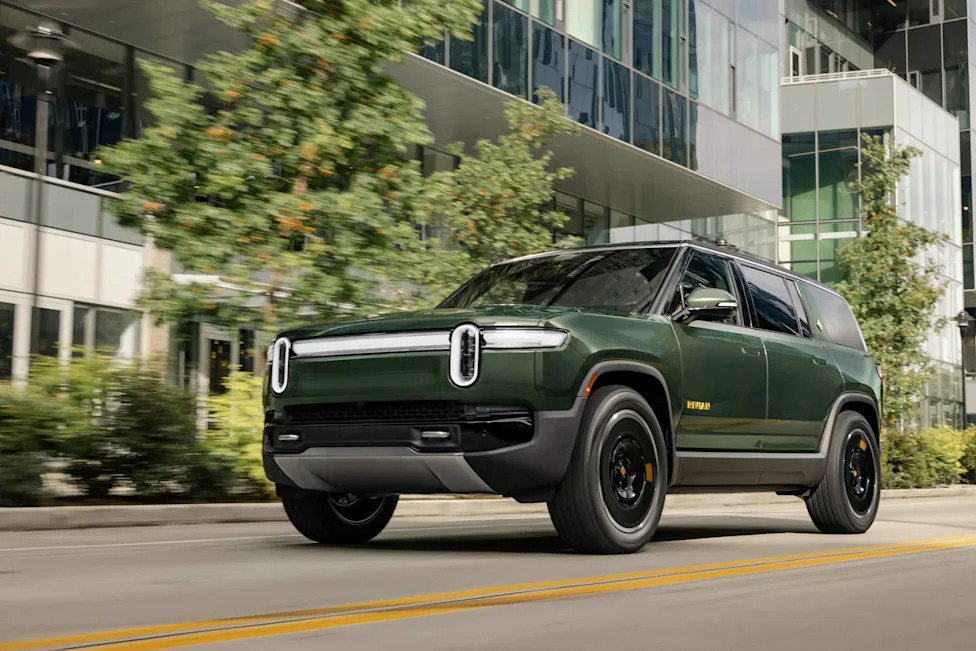
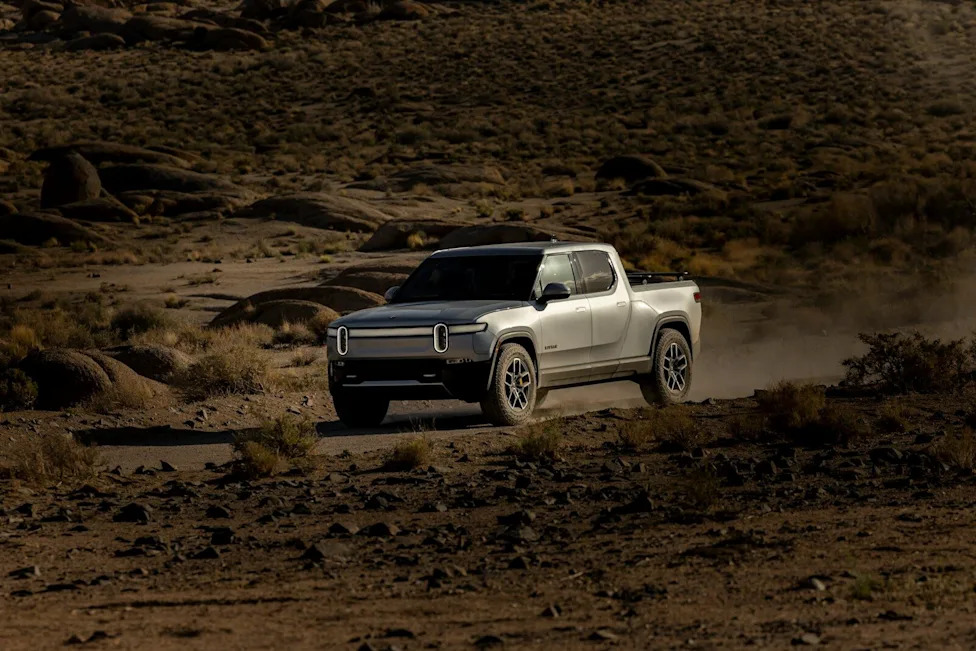
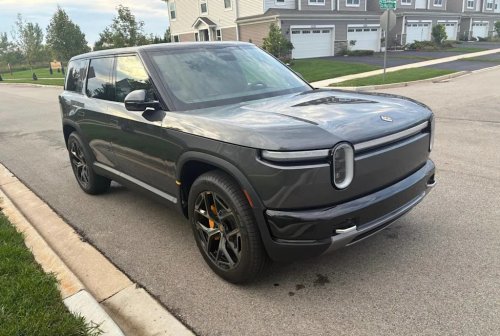
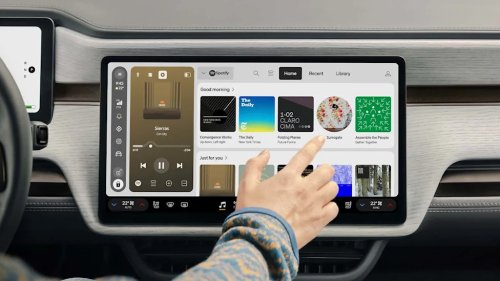
Rivian's R2 carries a familiar face. - Tim StevensThe Rivian R1, in both its pick 'em up R1T truck form and family-focused R1S SUV shape, has proven to be a strong statement from the plucky EV company based in Normal, IL. While sales volume and profitability still elude the startup, the original design and high quality of both those models show that this was not to be a one-and-done disaster like Fisker.Rivian's follow-up act is the unimaginatively named R2, this time only available as a two-row, five-seater SUV. It's smaller and less powerful, but a $57,990 starting price for the top-shelf Performance trim makes it substantially cheaper than the $76,990-and-up R1S. This, then, is Rivian's first volume play, and after a day spent behind the wheel, I'm happy to say it's far from a downgrade.Read more: The best laptops for gaming and schoolwork in 2026Smart-sizingSmaller, yet roomier. - Tim StevensWhere the three-row R1S measures a whopping 200 inches long, the new R2 is 15 inches shorter, making it roughly the same size as the ubiquitous Tesla Model Y. That fact alone makes it a more viable choice for many would-be buyers who didn't want something quite so hulking, but that lower price of entry is what will really open up the doors.AdvertisementAdvertisementEventually, Rivian will sell an R2 with a base price of $44,990, but that isn't due to hit the market until 2027. At launch, Rivian is again starting on the premium side with the $57,990 Performance with Launch Package. For that, you get a dual-motor all-wheel drive SUV with 656 horsepower, 609 lb-ft of torque and 330 miles of range.Coming soon after will be the Premium edition, which offers the same range and dual-motor configuration, but drops to 450 hp. Next year's single-motor Standard model will have 350 hp to the rear wheels, and either a 275- or 345-mile range, depending on configuration.For this test, I was handed the key to a Performance Launch model, which makes that 330 miles range figure from an 88kWh usable battery pack. It charges at a maximum speed of 230kW, which feels a bit anemic compared to the 400kW BMW iX3, but that's still quick enough to get an 80 percent charge in less than 30 minutes.Under wayStill extremely capable off road. - Tim StevensGetting into the R2 is certainly a bit easier than either an R1T or R1S, which require a bit of a climb for many to enter. In the R2, you just open the door and sit down. But don't think that means this isn't a proper off-road machine.AdvertisementAdvertisementThe R2 still offers 9.6 inches of ground clearance and a 25-degree approach angle, with a 26-degree departure angle. During my time in and around Park City, Utah, I ran the R2 through a reasonably challenging off-road course featuring numerous steep ascents, descents, stretches of bare rock and a fair few river crossings.It handled it all with aplomb, and that's despite having a relatively simple drivetrain layout. The R2 uses a pair of motors, one for each axle, with basic, open differentials sending power out to the wheels. Open differentials aren't ideal for off-roading, because if one wheel starts to spin, the opposite wheel gets no power.Rivian gets around this by automatically applying the brakes to the spinning wheel. In my testing, I could hear one wheel or the other starting to lose grip in more challenging sections, but the car clamped down instantly, preventing more than an instant of unwanted wheelspin. It's not as good as, say, Rivian's four-motor setup on the R1, but it proved remarkably capable.The suspension here is likewise more basic than that on the R1, with steel springs and dampers at each corner. On the Performance trim, those dampers are at least adaptive, with a single adjustment that covers both compression and rebound. That means no changes of ride height or reduction of stiffness. However, the automatic adjustment of the dampers actually had a noticeable effect. The car felt compliant and comfortable off-road, yet reasonably sharp and engaging on the asphalt.On the roadNACS now comes standard. - Tim StevensWhere both R1 models tend to feel unsettled on big bumps or harsh pavement, the R2 felt far more composed. The suspension did a great job of isolating me from the worst shocks.AdvertisementAdvertisementThe steering is a bit numb and slow, similar to the R1, but the R2 is still quick enough to be genuinely fun to drive. Rivian clocks the top-shelf Performance model at 3.6 seconds from zero to 60 mph, and more importantly, it maintains responsiveness at highway speeds.On the highway was the perfect place to sample Rivian's Universal Hands-Free, or UHF mode, which enables the R2 to steer itself on most roads. In my testing, the SUV did a great job of keeping in its lane, even on secondary routes and when the paint markings were unclear. Unfortunately, though, the car I tested stubbornly refused to perform automatic lane changes, a feature that is supposed to be part of the package.Token tactilityNo flood in these Halos. - Tim StevensThe R2's interior is quite nice, not feeling low rent in the slightest compared to the far pricier R1 family. Just like in those models, the car's interface is almost built around a single, 15.6-inch touchscreen, but Rivian's engineers made a concession to tactility in the R2. Well, two concessions, really.There is a pair of comically oversized scroll wheels on the R2's steering wheel, knobs the company calls Haptic Halos. Each wheel has dynamic feedback, meaning it can simulate notches as you spin or even lock itself out as you get to the end of a list. You can not only spin them, but push, pull and nudge them left and right.AdvertisementAdvertisementThrough these, you can change everything from side-view mirror positions to the volume of Apple Music playing back through the 13-speaker Dolby Atmos sound system (which is quite good, by the way). In concept, the double spinny wheels are interesting, and they're occasionally brilliant to use. However, they can be a bit clumsy, with just enough lag in the haptic feedback to occasionally break the effect.Other than those two wheels and the controls for the windows and seats, everything else must be controlled through the touchscreen. Thankfully, the software seemed solid already, Rivian retooling things yet again to make controls easier to reach from the driver's seat.Everything is snappy and responsive, but also incomplete. Despite talking up the presence of a high-power Qualcomm SoC and the ability to do edge AI computing onboard, as it stands, the R2 doesn't even have the most basic of voice recognition. Want to find the closest Starbucks? You'll need to type in "Starbucks" using an on-screen keyboard. Need a hospital? Start typing. Rivian assured me that the voice assistant will be provided in a software update within a few months, but this feels like a big missing piece.Another missing piece? Smartphone projection. Whether you prefer the taste of Android Auto or Apple CarPlay, you're going to go unfulfilled here. Rivian's interface has quite a few integrated media apps, but nowhere near as many as your phone, and having to pair your device over Bluetooth just to listen to your favorite podcast or playlist is nothing short of archaic.Wrap-upThe Rivian R2 is smaller, but not lesser. - Tim StevensSo the R2 isn't perfect and will certainly need a few software updates before it gets a full recommendation from me, but this SUV's fundamentals are strong. It drives well, has plenty of power and despite being so much more attainable than the R1 doesn't feel budget in any way.AdvertisementAdvertisementIf there's one thing I'm disappointed about, it's that it lacks the novelty of design Rivian first showed in the R1T eight years ago. By comparison, R2 is very much a standard SUV, but one that proved both capable and comfortable in all conditions. After a day of driving, I found myself liking it a lot more than the R1S.In other words, there's no sophomore slump here, and now I'm even more excited about the R3X.Found this useful? Sign up for Engadget's free newsletter for more tech news and guides delivered straight to your inbox. You can also add Engadget as a preferred search source on Google.Read the original article on Engadget.