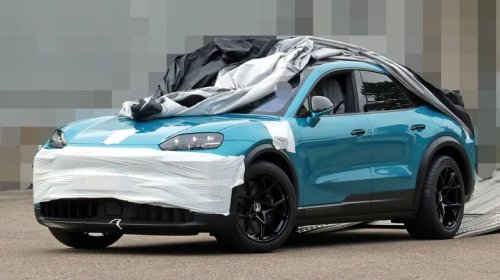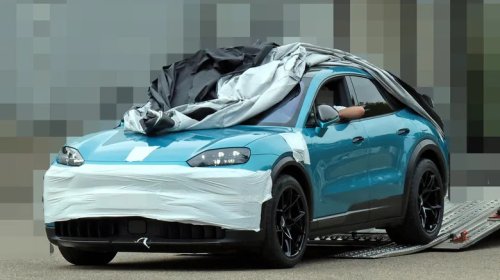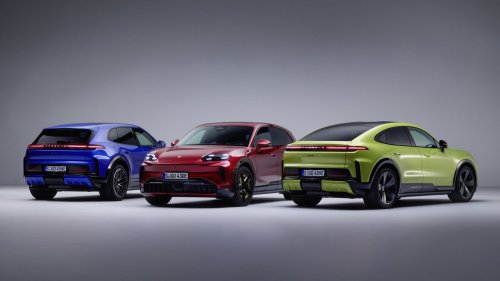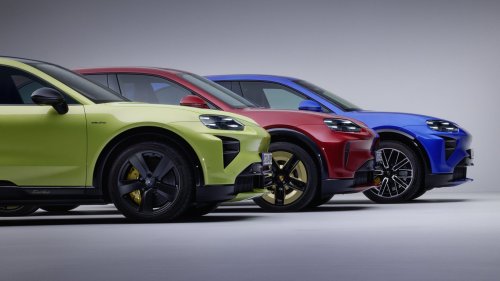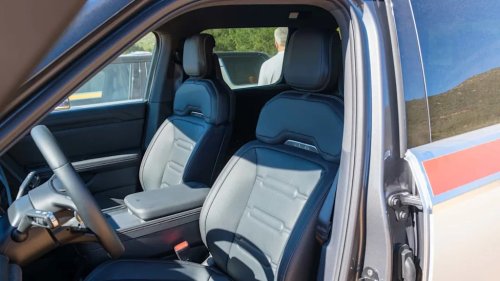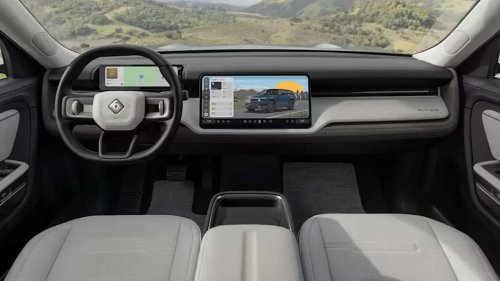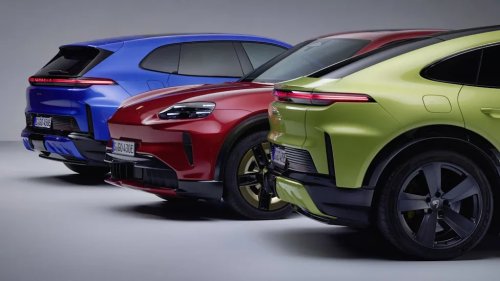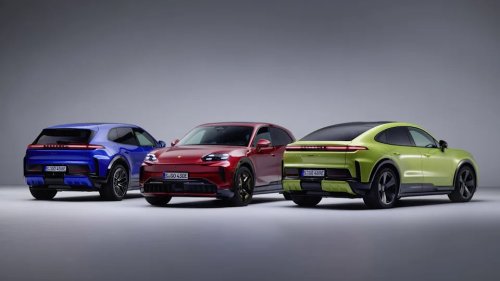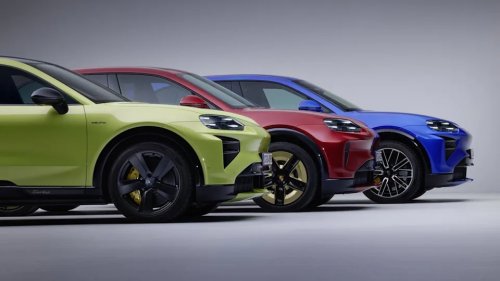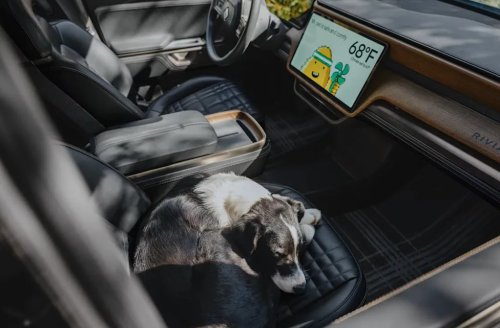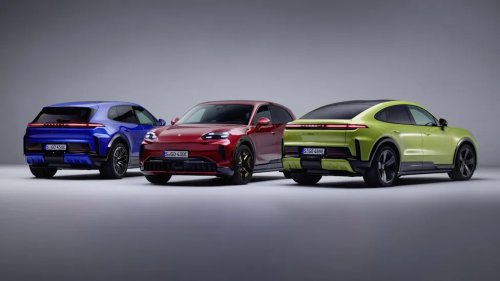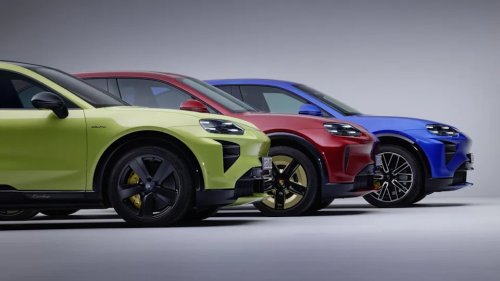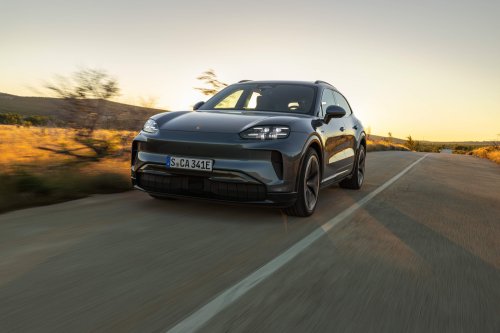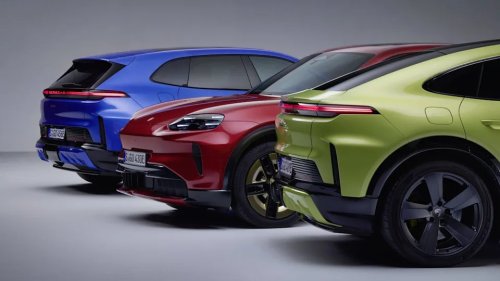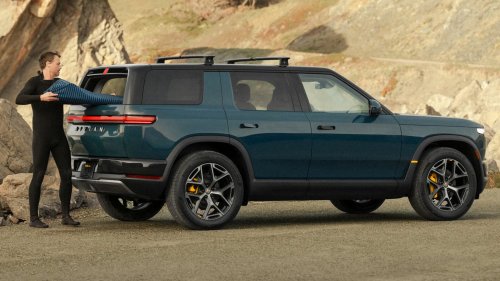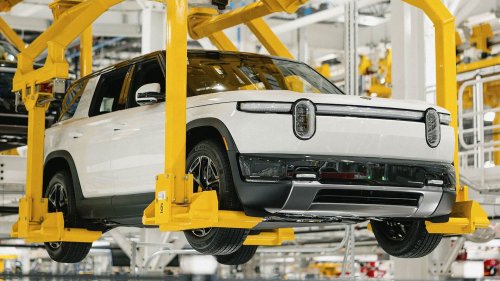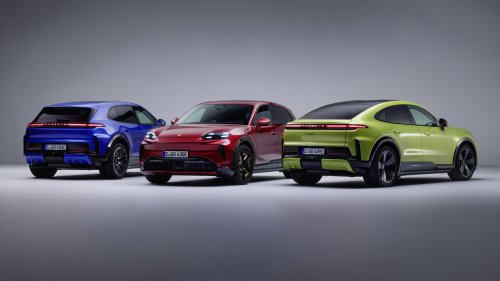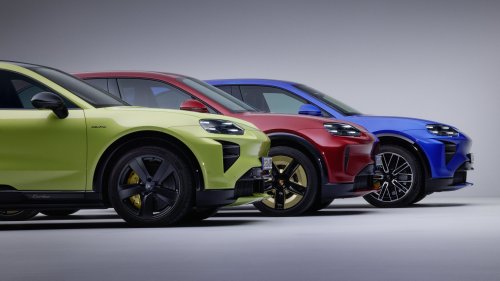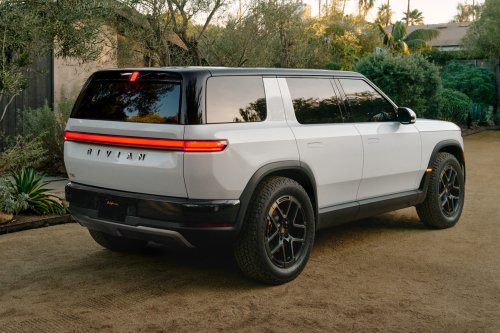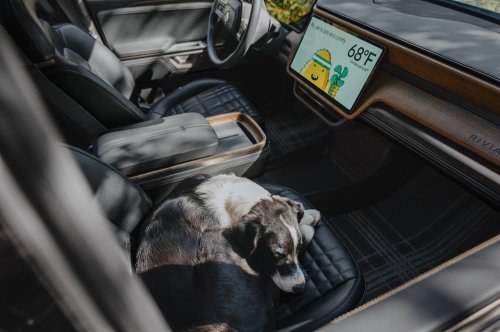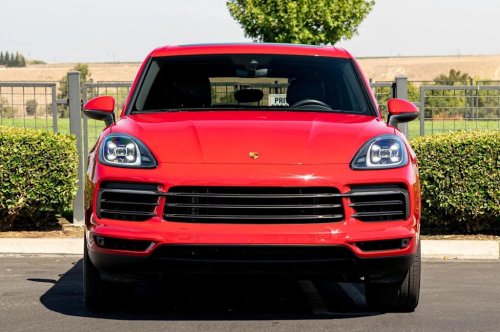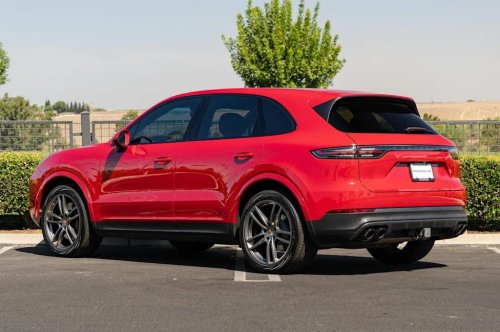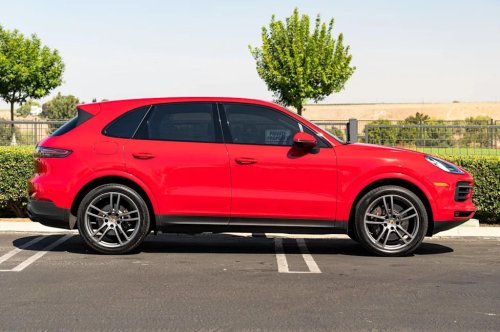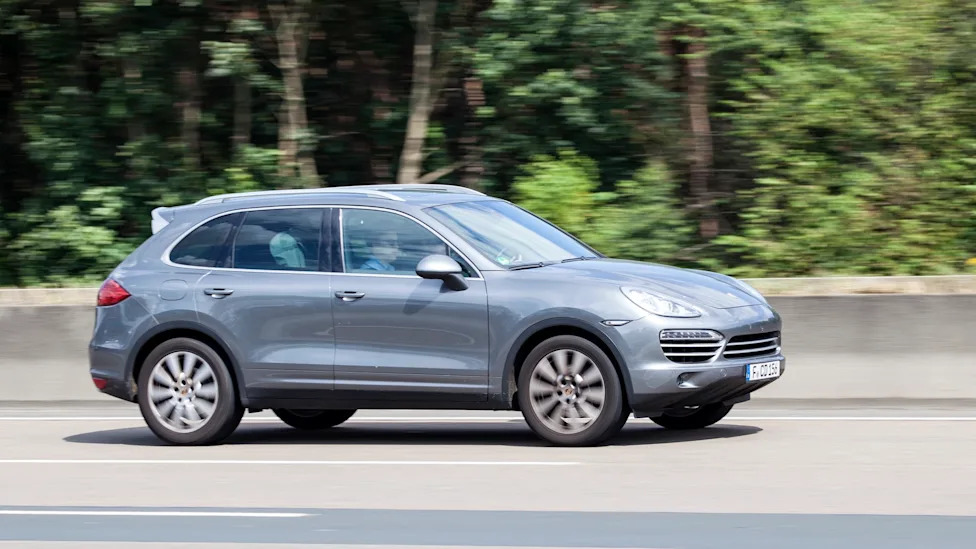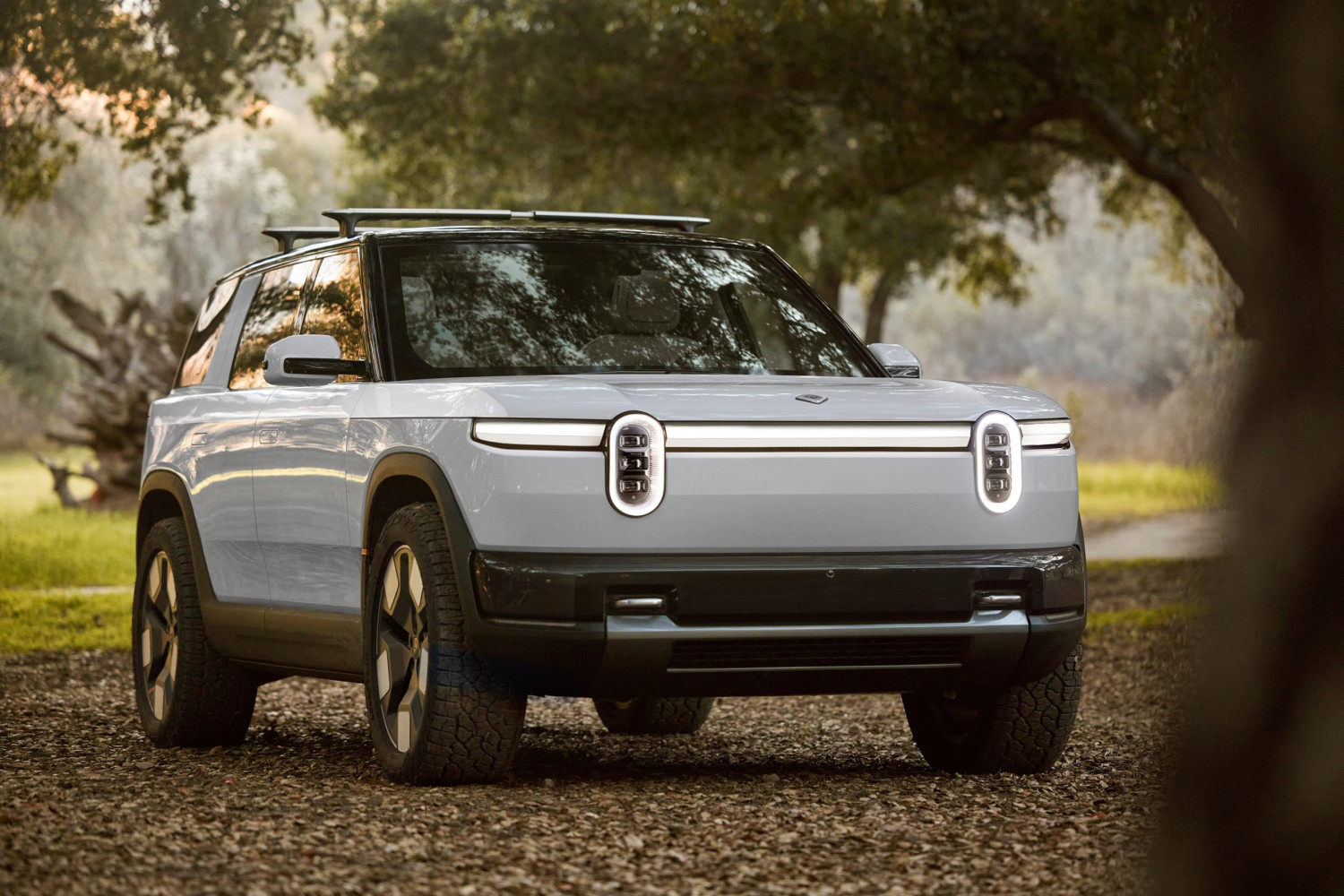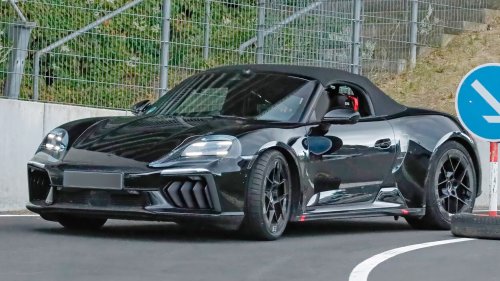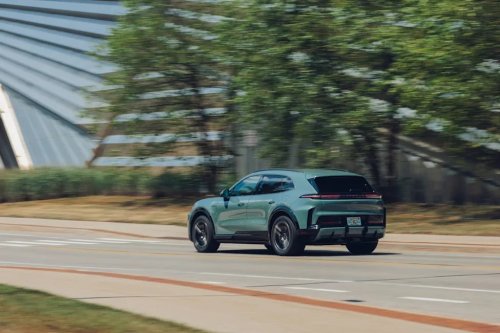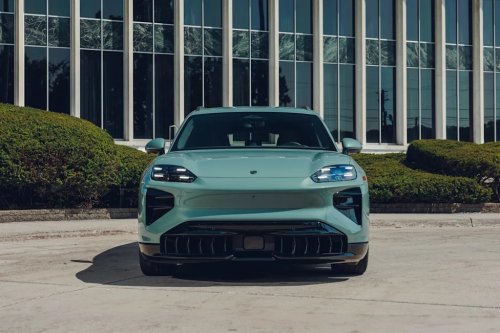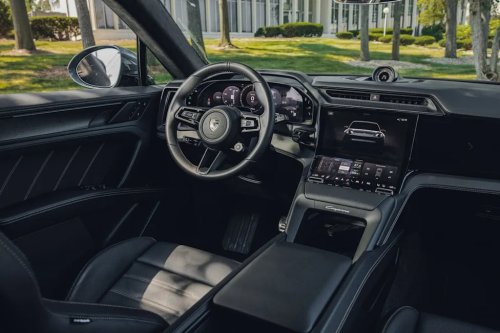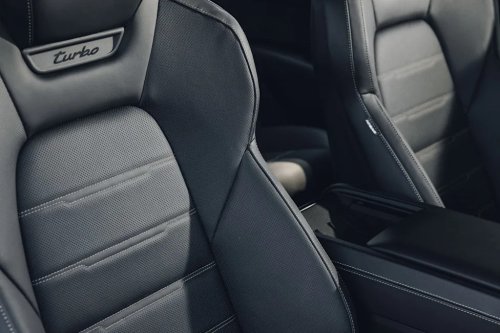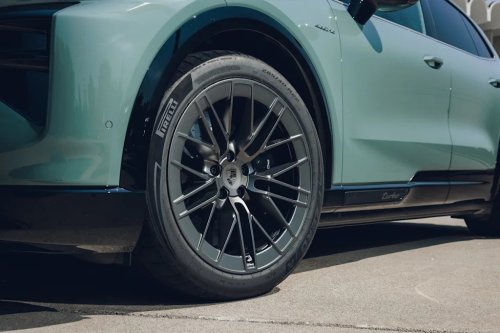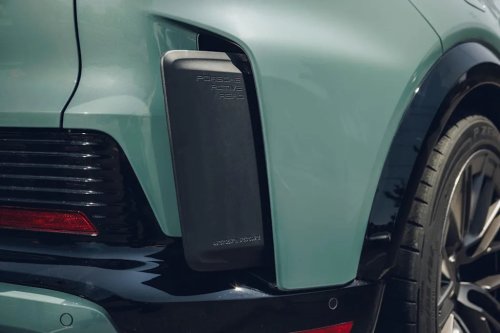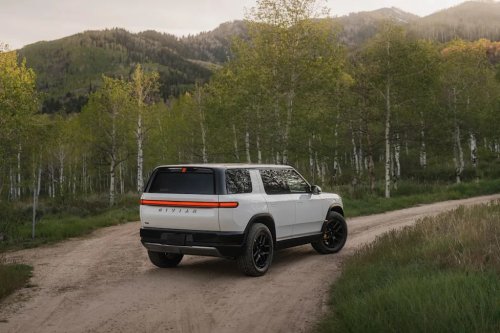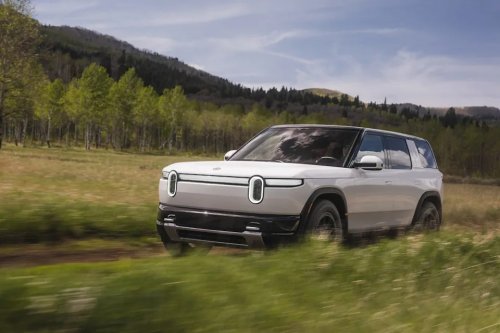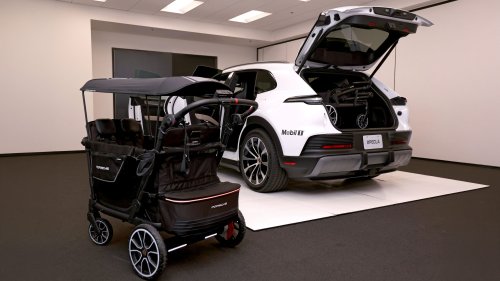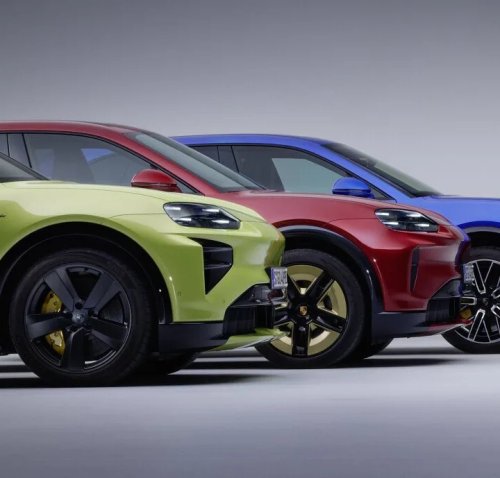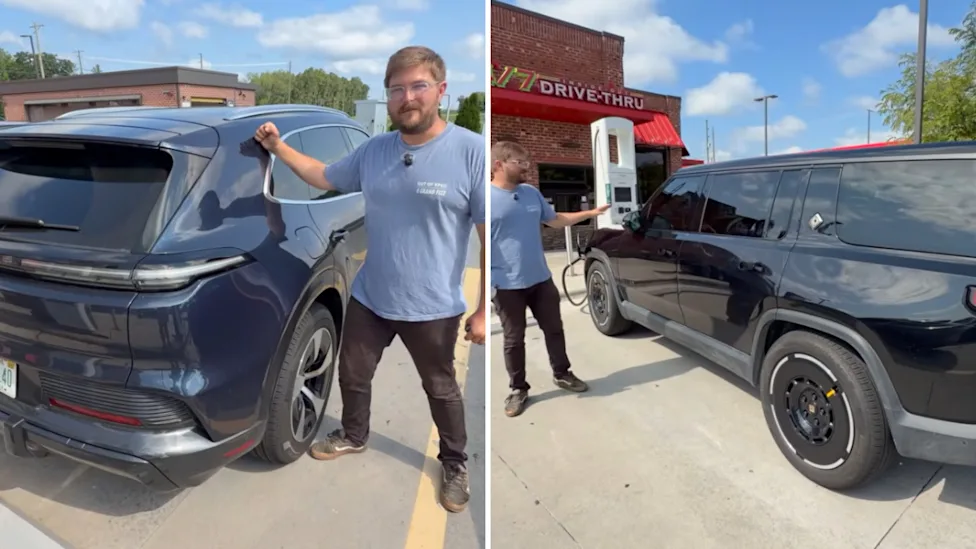



















Photo Credit: YouTubeA steady 70 mph highway drive can reveal a lot about real-world EV range, and a new matchup put two luxury SUVs to that test.Despite a significant difference in battery size, the 2026 Porsche Cayenne EV finished much closer to the Rivian R1S than many might have expected, as Out of Spec Reviews (@OutofSpecReviews) showed.What happened?The video paired a base Cayenne with an R1S Gen 2 Dual Max in the outlet's highway range routine.The Cayenne featured a 108-kilowatt-hour usable battery, or 113 kWh gross, while the Rivian brought about 140 kWh. Each vehicle set off at full charge, with the goal to continue at 70 mph until it gave out.AdvertisementAdvertisementEven with the smaller pack, the Cayenne reached 345 miles, which Kyle Conner characterized as "pretty impressive."He complimented the car's efficiency and noted the Rivian achieved a roughly 12-mile victory. Conner also highlighted the caveat that the R1S had around 4% battery degradation after 27,000 miles on the road. He estimated it would travel around 370 miles if it was fresh, which would yield a 25-mile gap on the Cayenne. Conner praised this figure, too, even if it fell short of its 410-mile EPA range rating.Why does it matter?The bigger battery did not translate into a dramatically better result, underscoring that efficiency, aerodynamics, and vehicle software do so much of the work behind the scenes.AdvertisementAdvertisementReal-world highway testing can give shoppers a more practical sense of what ownership might feel like than a spec sheet can.EVs also come with clear consumer benefits beyond range. They can save drivers money on fuel costs compared with gasoline vehicles, and they typically require less routine maintenance because they do not need oil changes and have fewer moving parts that wear out over time.Even in the luxury segment, smart design and efficiency gains can make an EV more useful without the need to rely on the biggest battery.What can I do?Highway performance, charging speed, and daily driving habits can matter more than an EV's range.AdvertisementAdvertisement"The Cayenne charges so much faster that the 14-mile deficit to the R1S would be meaningless," a commenter wrote.Out of Spec Reviews noted that the Rivian would be superior for towing and other tasks that require a battery's brute force, whereas the Cayenne would be superior in a road trip.Home charging is another key part of the equation, but basic Level 1 charging tends to be slow. Qmerit provides free, instant installation estimates for faster Level 2 home charger installations.Independent tests can reveal trade-offs that are not always obvious in official figures. A slightly smaller battery in a more efficient vehicle may still deliver the experience a household needs, especially if most charging is done overnight at home.AdvertisementAdvertisementGet TCD's free newsletters for easy tips, smart advice, and a chance to earn $5,000 toward home upgrades. To see more stories like this one, change your Google preferences here.