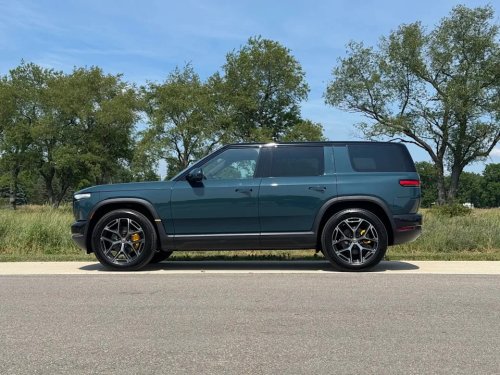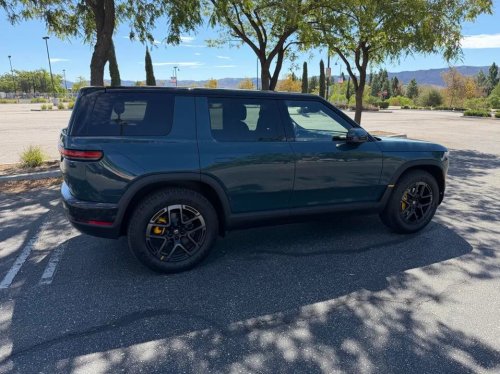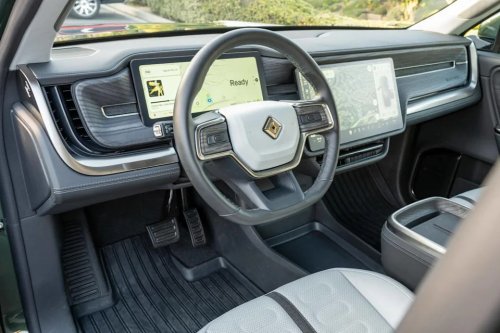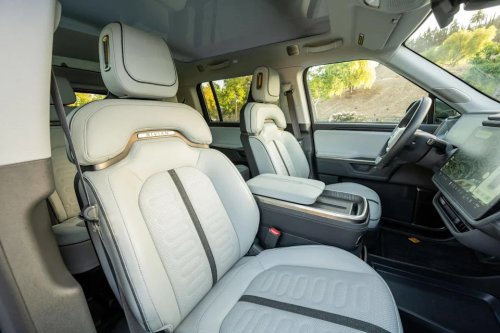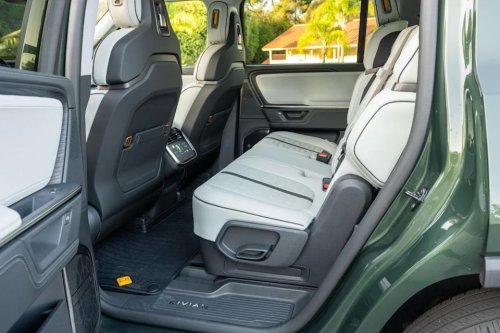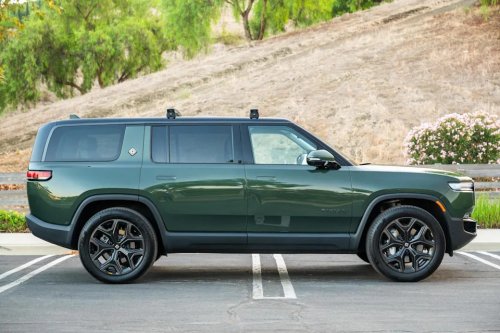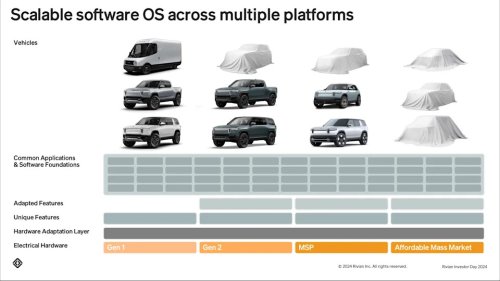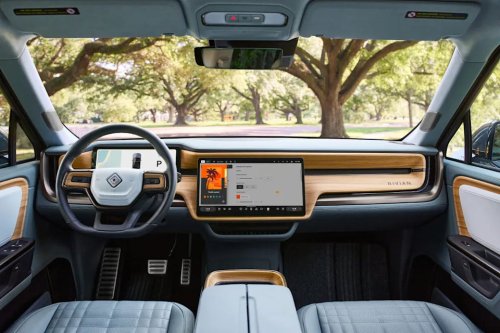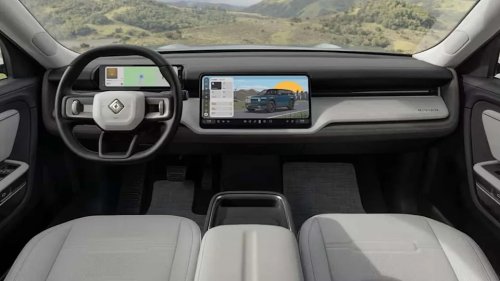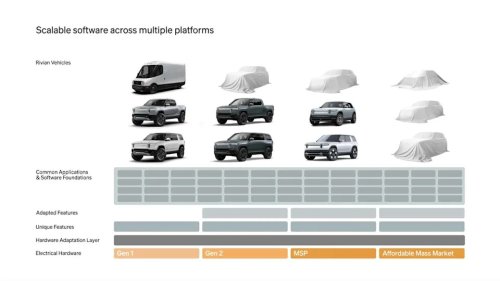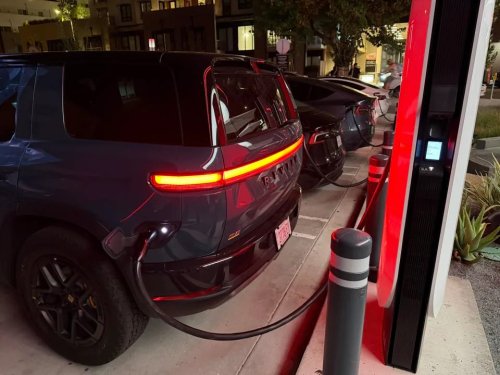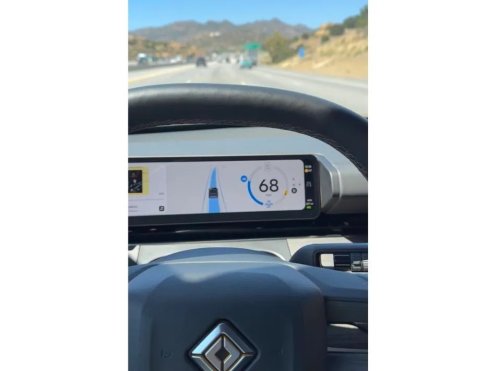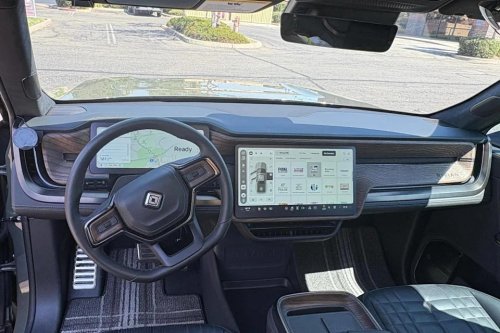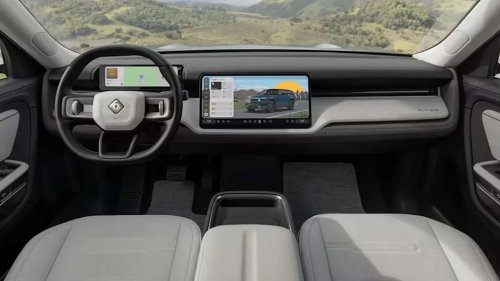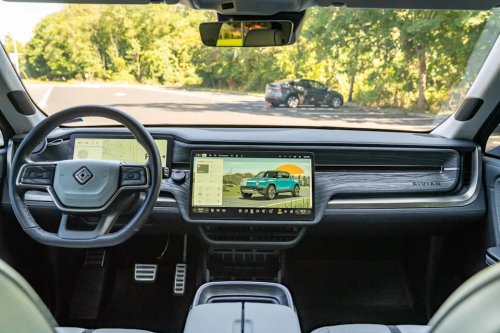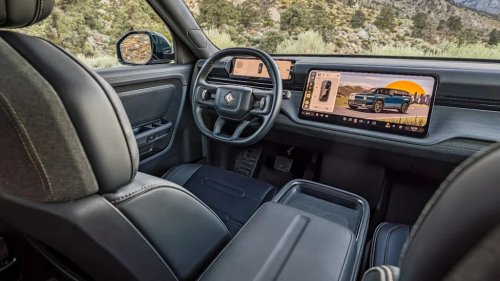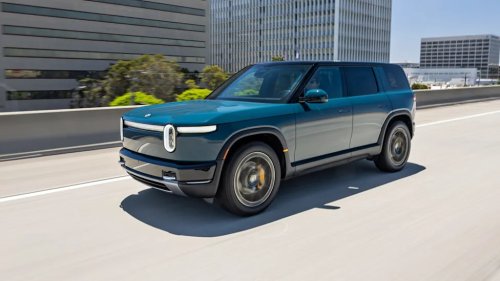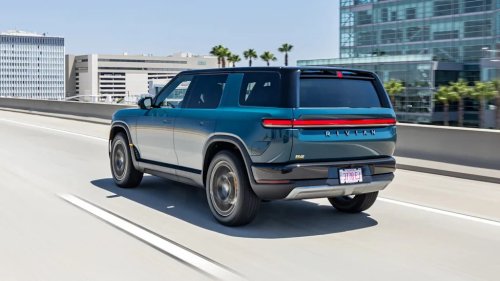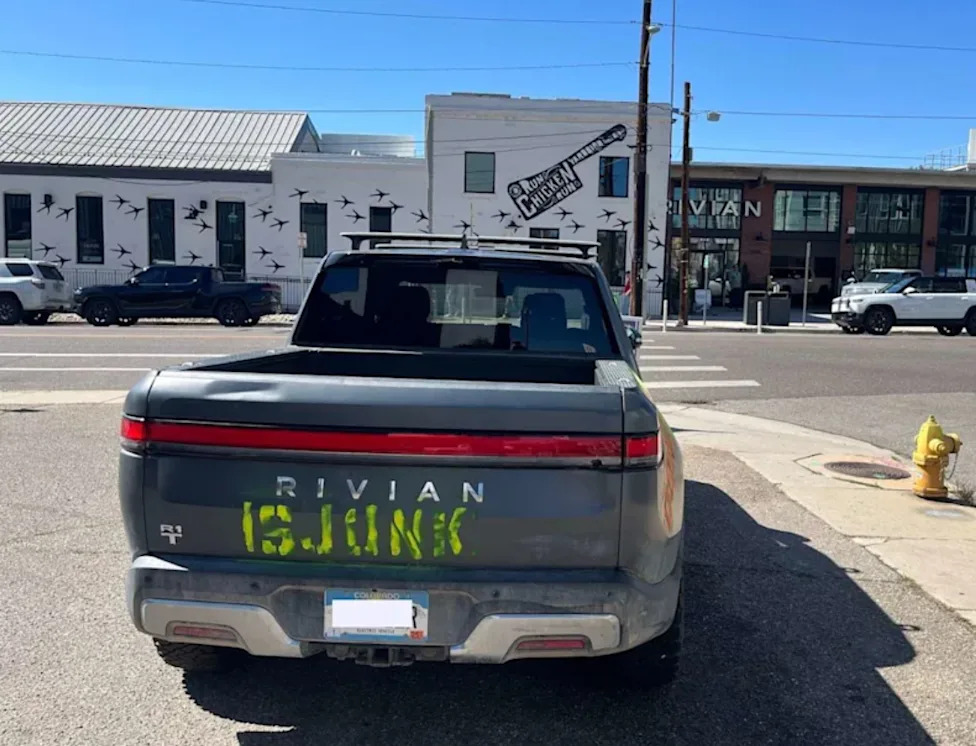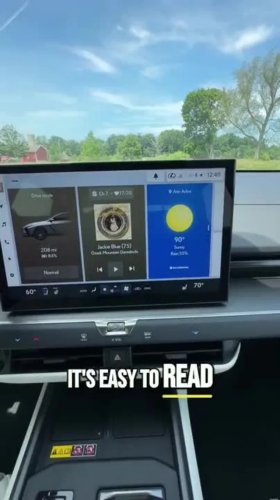



















Rivian Kills Alexa: What R1 Owners Lose and What Connect+ Really CostsRivian owners who spent the last four years yelling "Alexa" at their dashboards got a firm answer on August 4: don't bother. Amazon's assistant has been switched off across the R1 fleet, and the only voice control left with any real capability now sits behind a paywall.The replacement is Rivian Assistant, and it's a Connect+ feature. Rivian's own support documentation prices that subscription at $14.99 monthly or $149.99 annually, with a 60-day trial included from the delivery date on new vehicles. Owners past that window who never subscribed just watched their truck's voice interface get meaningfully worse.Before the pitchforks come out, read the fine print on Rivian's own comparison chart. "Basic voice commands" remain in the free tier alongside turn-by-turn navigation, over-the-air updates, mobile app remote commands, and Bluetooth media streaming. What you're paying for is the conversational layer — the part that understands "warm up everyone's seats except mine" instead of demanding a memorized command string.Related ArticlesIIHS Releases Zero Driver Death List. Here's Who's Paying for It.Ram Recalled 1.5 Million Trucks Over a Seat Belt Bolt. Stellantis Already Told Investors It Was Coming.AdvertisementAdvertisementThe bigger practical casualty isn't voice at all. It's audio. Alexa was the delivery mechanism for Amazon Music and several other streaming services inside the vehicle, and there is no native app replacing it yet. Owners who paid for a music subscription specifically because it worked in the truck are now stuck piping it over Bluetooth from a phone — which means lossy codec compression, a battery drain on the handset, and the loss of deep in-dash controls. If you've ever tried skipping through a podcast queue using nothing but steering wheel buttons and a Bluetooth profile, you know the difference.What's actually running under the hoodRivian laid the architecture out at its first Autonomy & AI Day, and the press release is worth reading past the headlines about custom silicon. The assistant sits inside what Rivian calls Rivian Unified Intelligence — a multi-model data foundation the company also uses for service diagnostics and predictive maintenance. The in-car half runs on Rivian's edge models, connects to third-party apps through an in-house agentic framework, and gets augmented by frontier large language models for reasoning and grounded data. Google Calendar was named as the first app integration.That "multi-LLM" language matters, because Rivian isn't married to any single AI vendor. Its AI Use Terms, last updated in May, explicitly name Azure OpenAI through Microsoft as an example of a third-party provider whose technology may process your input. Anyone describing this as a straight Alexa-to-Gemini swap is oversimplifying an orchestration layer that's designed to route requests to whichever model is best suited.There's a hardware angle here too. Rivian committed to shipping the assistant on both Gen 1 and Gen 2 R1 vehicles, which is not nothing — Gen 1 trucks are locked out of the company's most advanced autonomy features because of compute limits. Voice, at least, isn't gated by silicon. Rivian's support page lists availability as English-only across R1 vehicles in the United States and Canada.Read the terms before you talk to itThree details in Rivian's legal documents deserve more attention than they've gotten.AdvertisementAdvertisementFirst, the input license. By talking to the assistant, you grant Rivian a "perpetual, irrevocable, worldwide, non-exclusive, royalty-free" license to use and process what you say to train and improve the service. The company says it reserves the right to use de-identified or aggregated data, and that anything it uses won't be linked back to you — but that license grant is permanent and it's broad.Second, the age floor. The AI Use Terms restrict the service to users 18 or older. A 16-year-old with a learner's permit and a Connect+ subscription is technically outside the terms.Third, arbitration. Both the AI terms and the subscription terms route disputes into individual arbitration with a class action waiver. That's standard boilerplate across the industry now, but it's worth knowing that a grievance over a feature you paid for and lost has a narrow procedural path.If you're buying or selling oneThis is where the subscription model bites hardest, and where used-market shoppers should pay attention. Rivian's subscription terms state that Connect+ automatically terminates on the date a vehicle's ownership transfers, with a pro-rated refund issued to the seller's original payment method. The license itself is described as personal, revocable, and non-transferable.Related ArticlesVW's Atlas Water Pump Can Cause 'Catastrophic Engine Failure.' Volkswagen's Fix Is a Claim Form, Not a Recall.Flock's AI License Plate Readers Are Wrong Most Of The Time, And That's Somehow Not The Craziest PartAdvertisementAdvertisementTranslation: a used R1T advertised with "Connect+ active" is selling you nothing. The subscription dies at the title transfer, and you start fresh at $14.99 a month. Factor roughly $150 a year into your ownership math on any pre-owned Rivian, the same way you'd budget for tires or an insurance premium — because unlike a hardware option, it never becomes a paid-for asset.Worth noting for anyone counting on the hotspot: the in-vehicle Wi-Fi runs on AT&T's network per Rivian's terms, and Rivian explicitly disclaims refunds or credits for network outages.The uncomfortable contextAmazon isn't just a former software partner here. Rivian's SEC filings identify Amazon as its first commercial customer, with an initial order of 100,000 electric delivery vans and a co-engineering relationship on the van platform itself. Ripping Alexa out of the consumer fleet while that commercial relationship continues is a genuinely interesting piece of corporate choreography.The strategic read is simpler than it looks. Rivian sells vehicles at thin or negative margins and has been building a software revenue line — Connect+ at $14.99, Autonomy+ at $49.99 monthly or $2,500 up front. Every owner who upgrades converts a one-time hardware sale into recurring revenue. Killing the free, third-party assistant removes the obvious reason not to subscribe.AdvertisementAdvertisementPractical takeaway: if you own an R1 and never used Alexa, nothing has changed. If you used it for Amazon Music, start the Connect+ trial, evaluate the new assistant on its merits, and decide before the billing kicks in. And if you're shopping used, ask what the previous owner was paying for — because you're not inheriting it.Join our Newsletter, follow our Instagram page, and connect with us on Facebook.