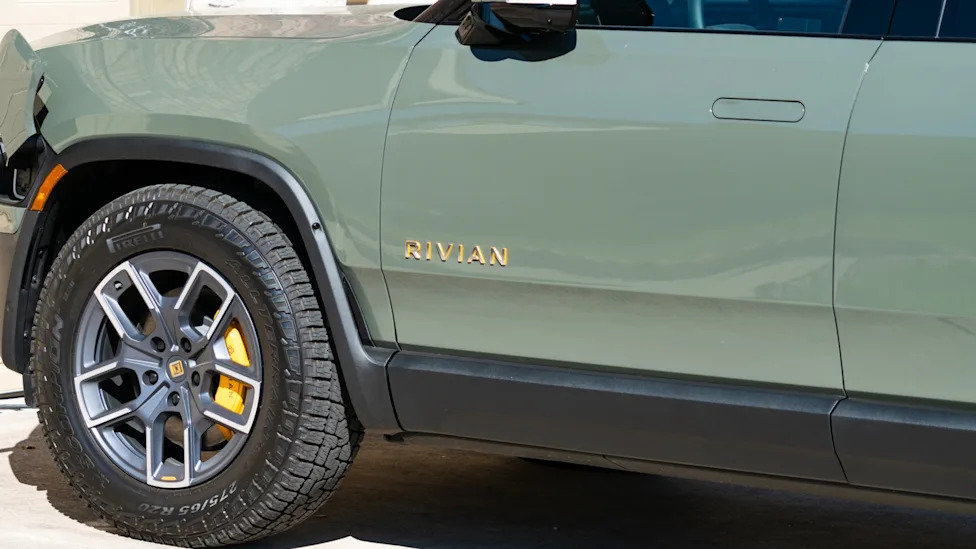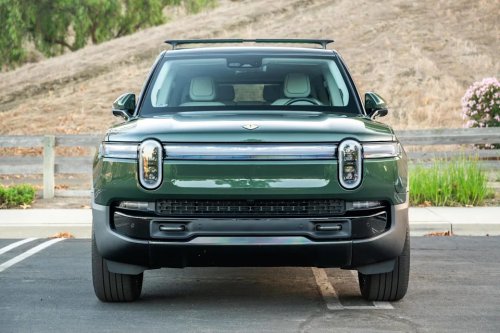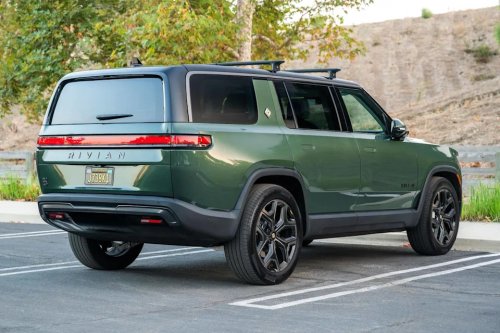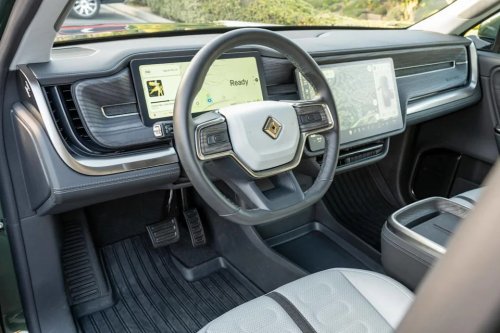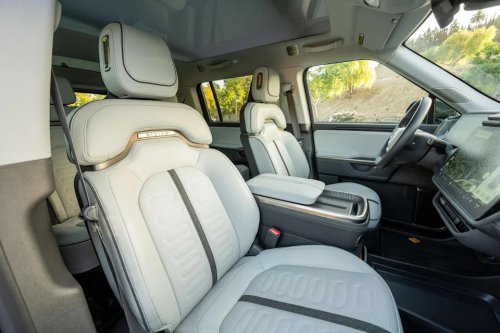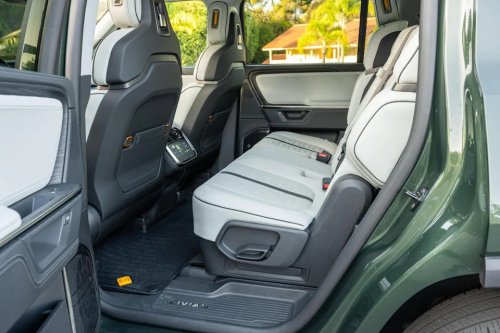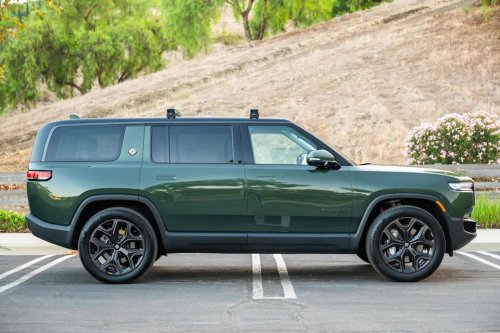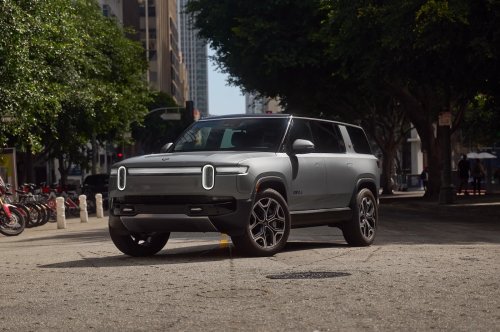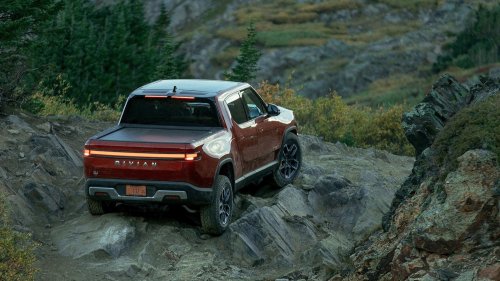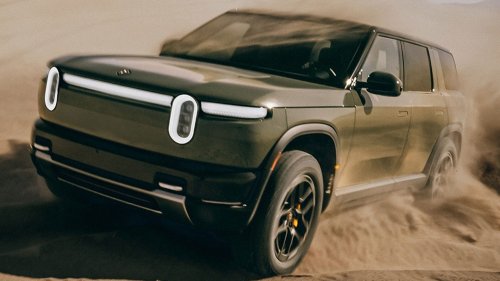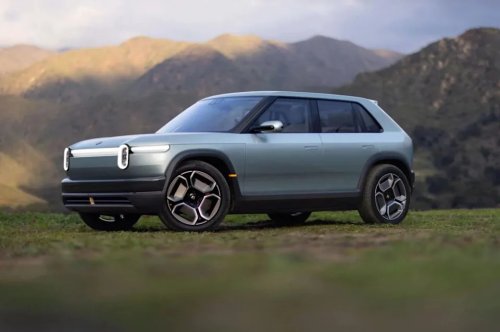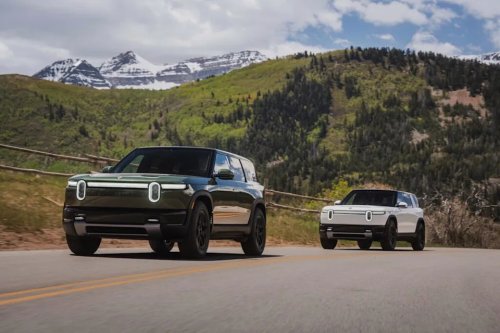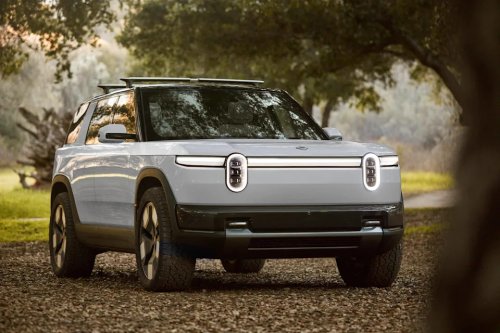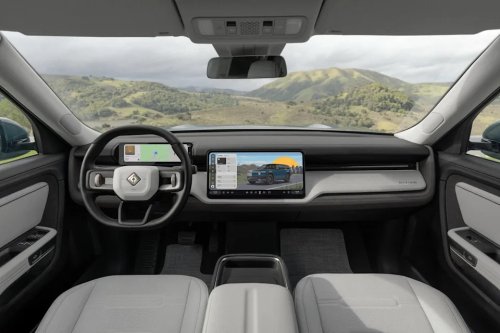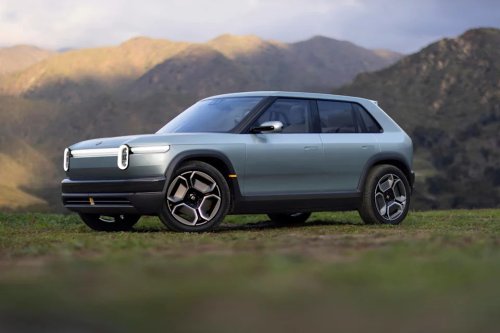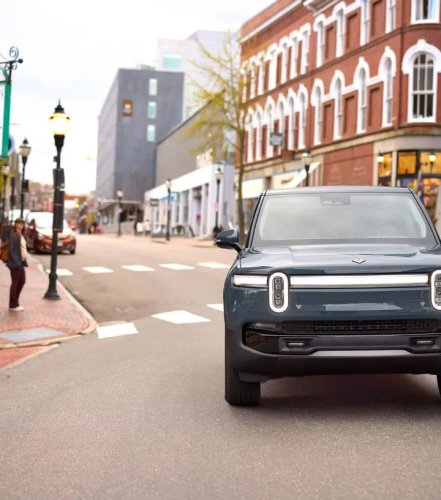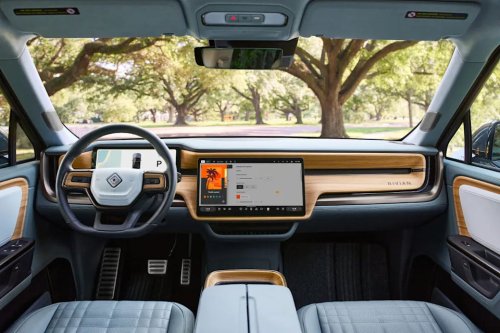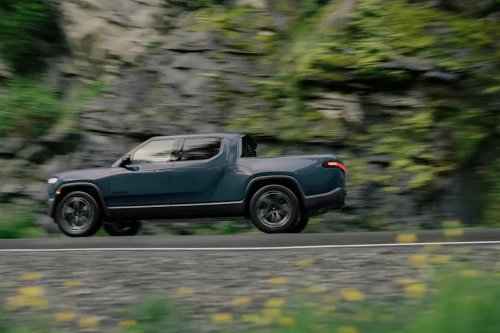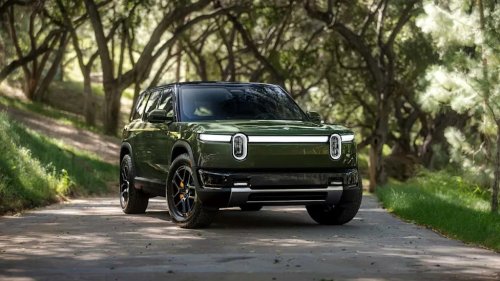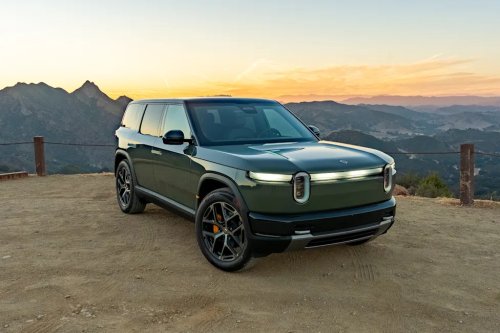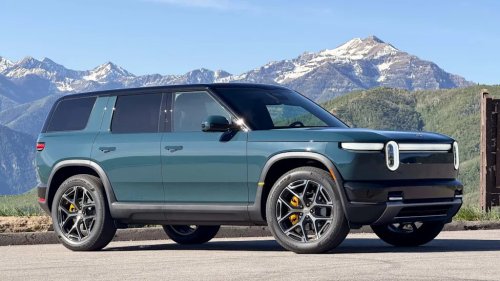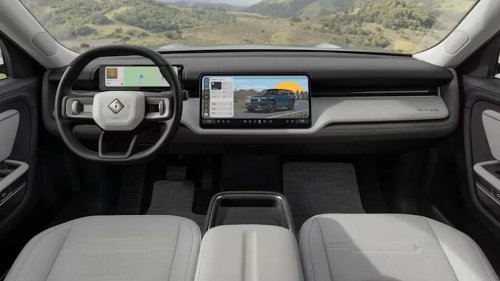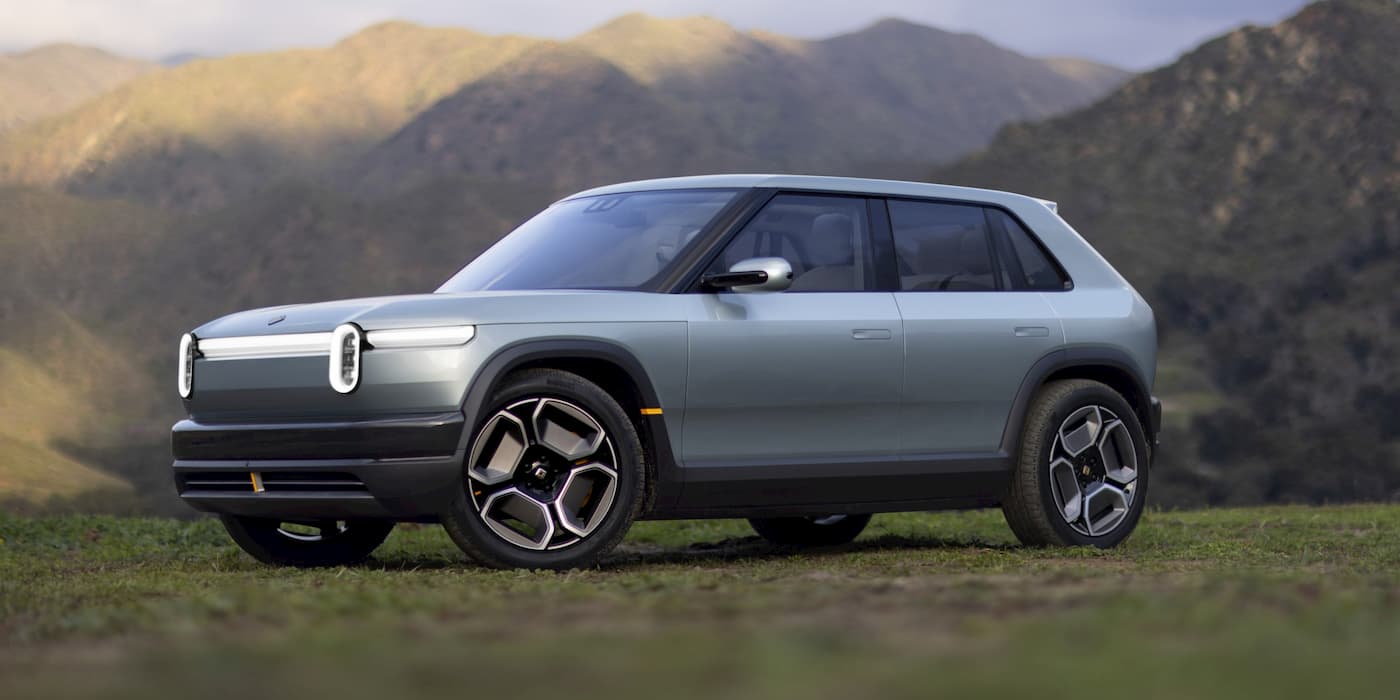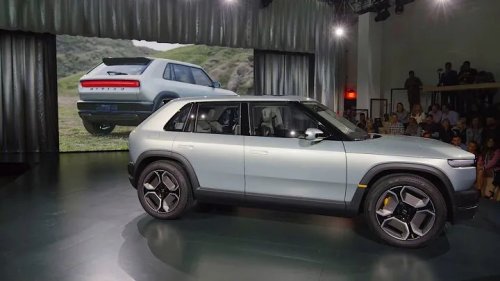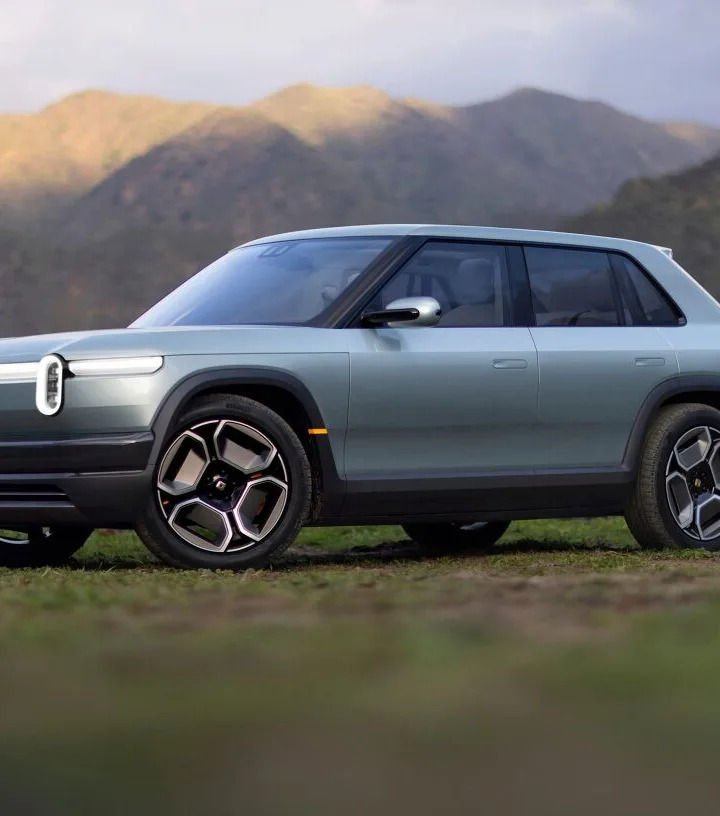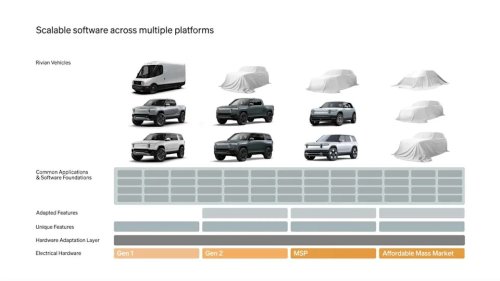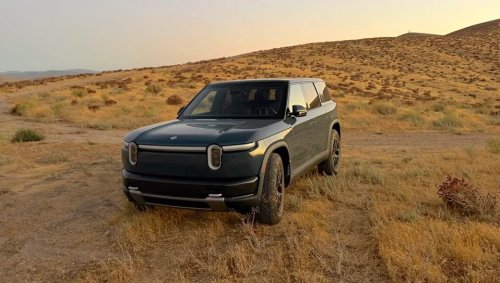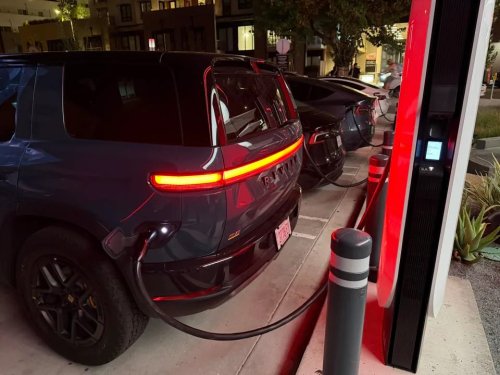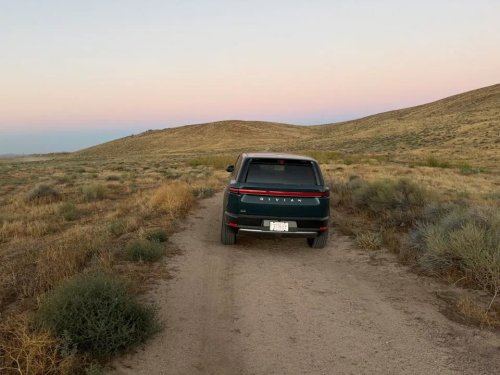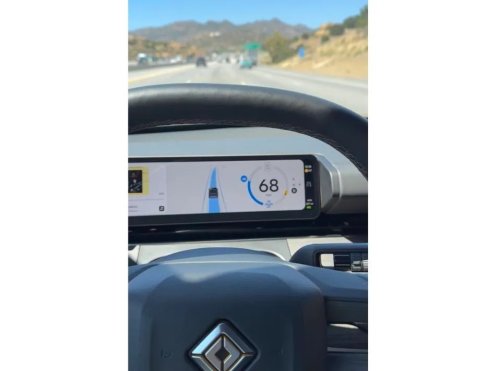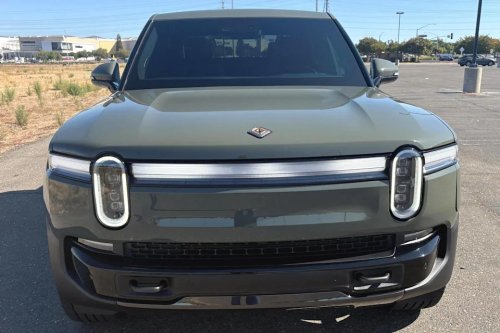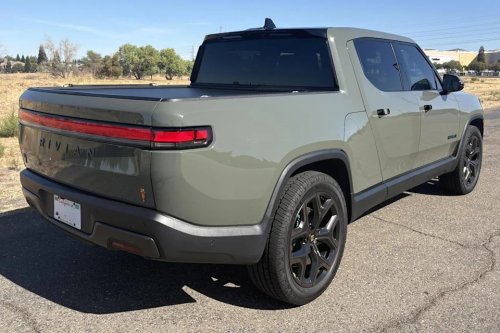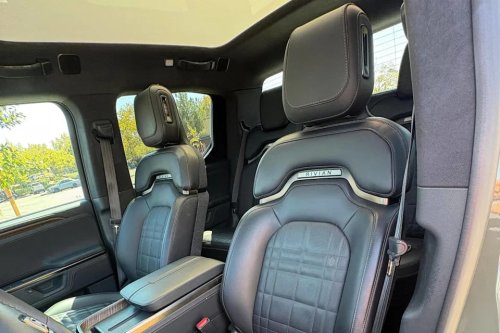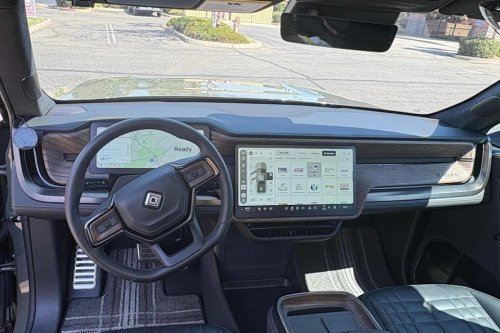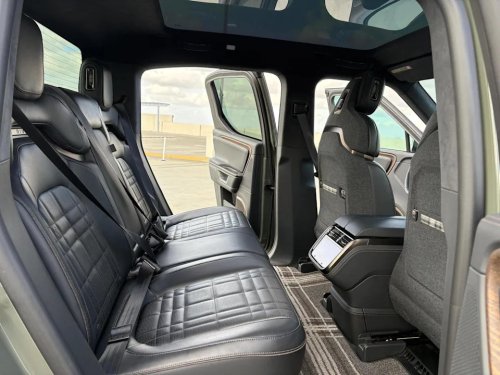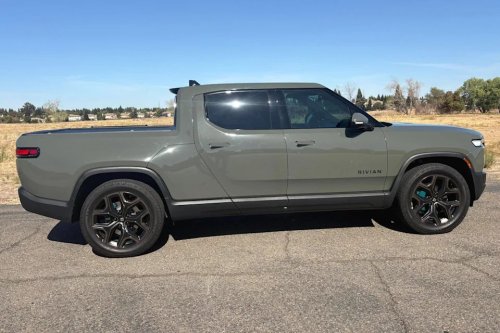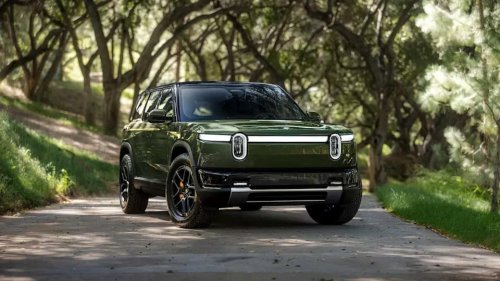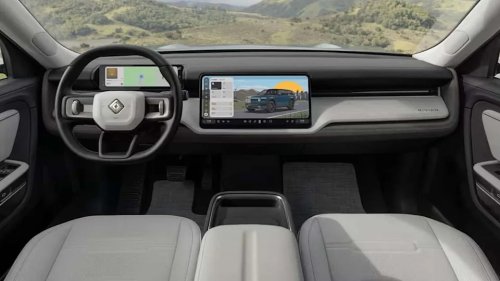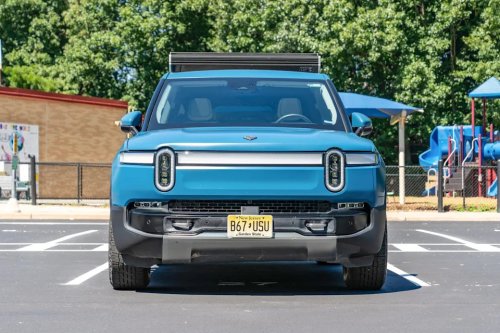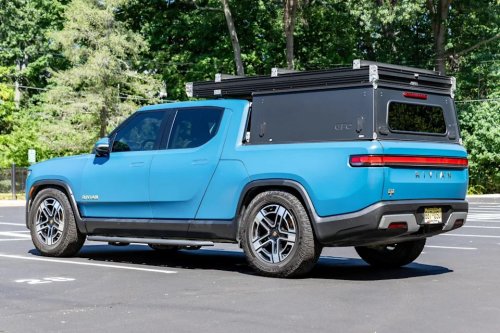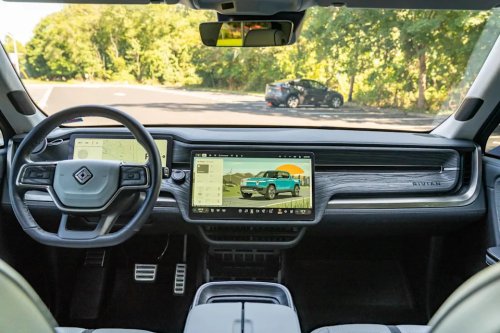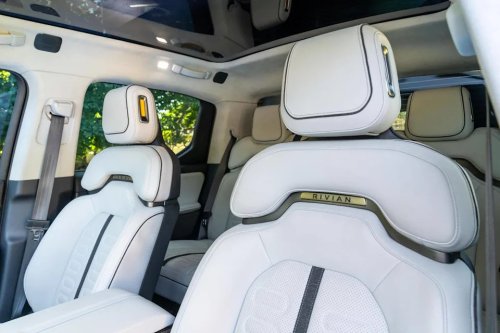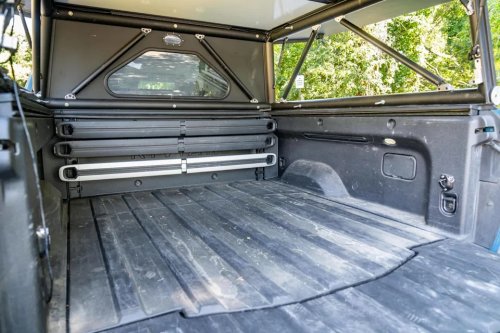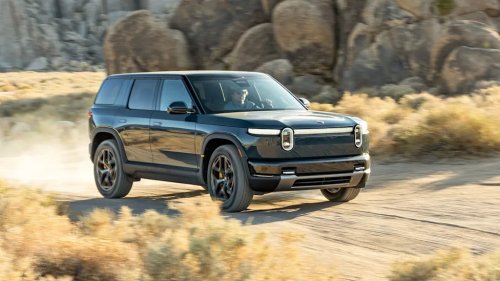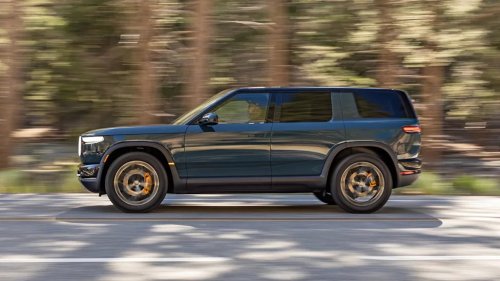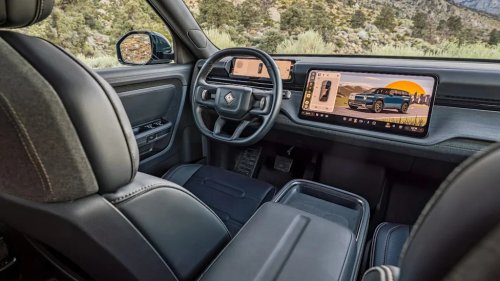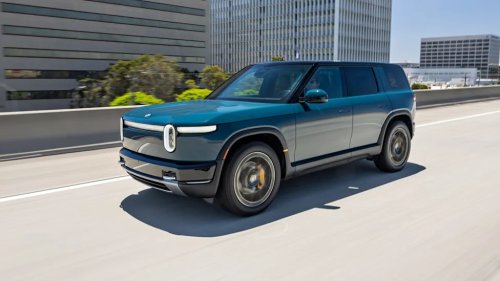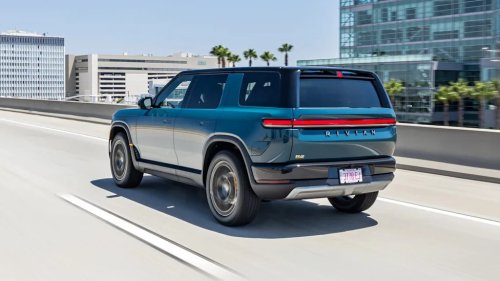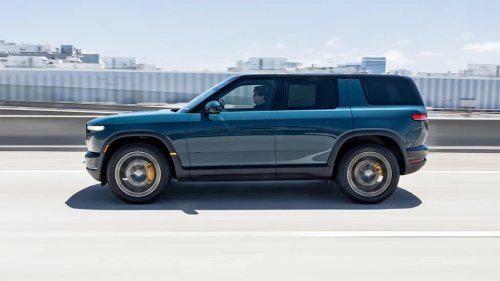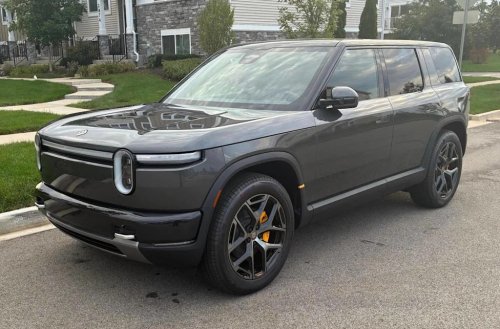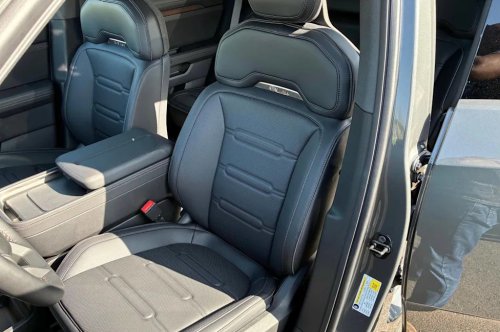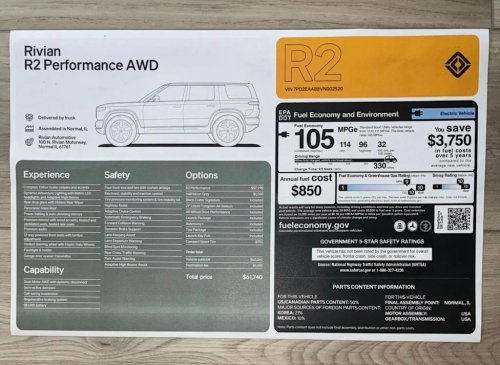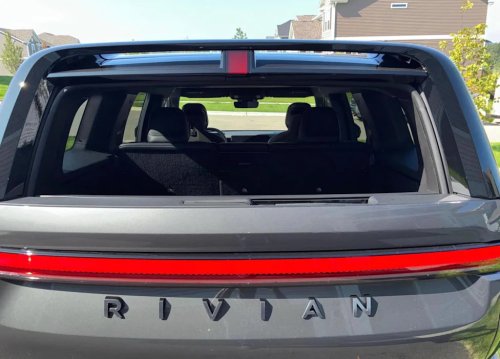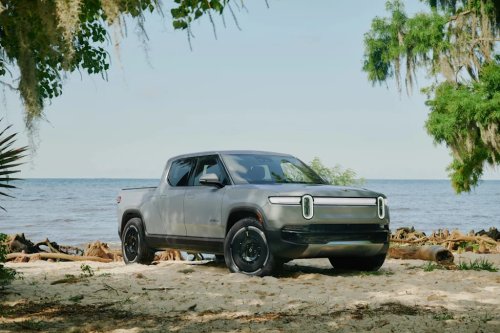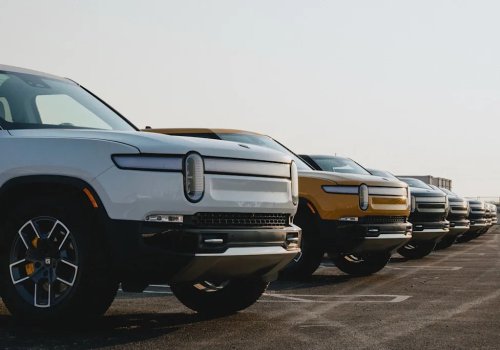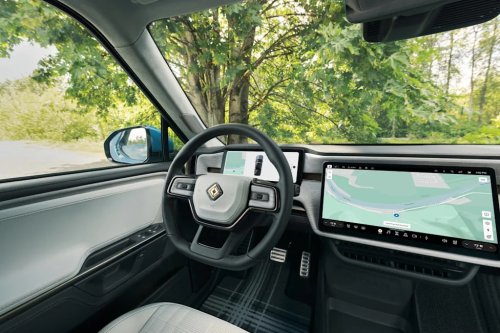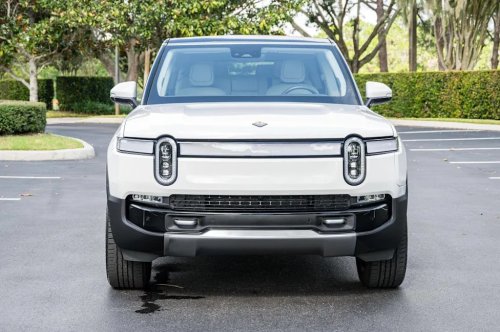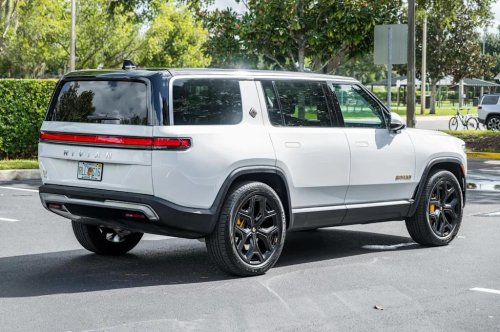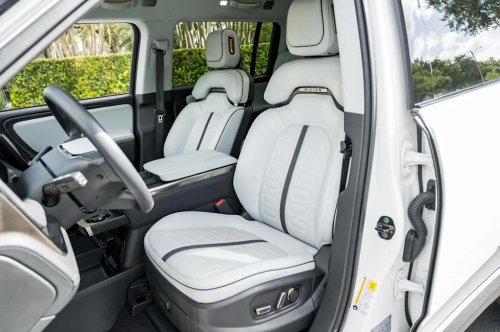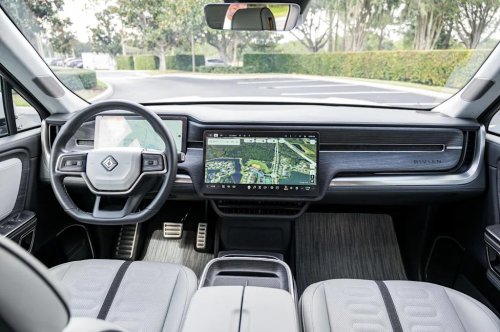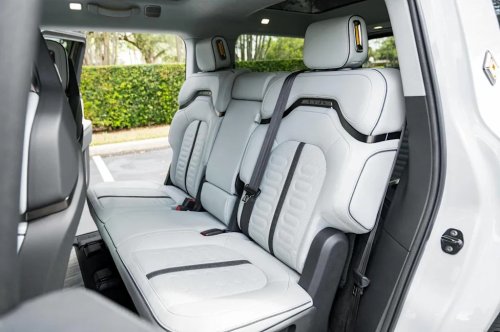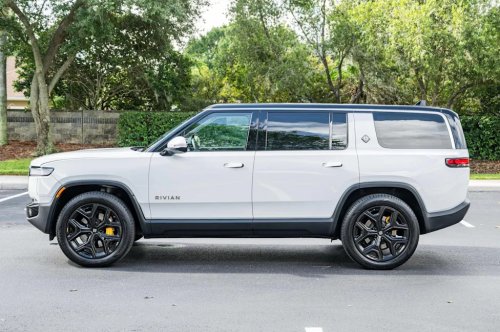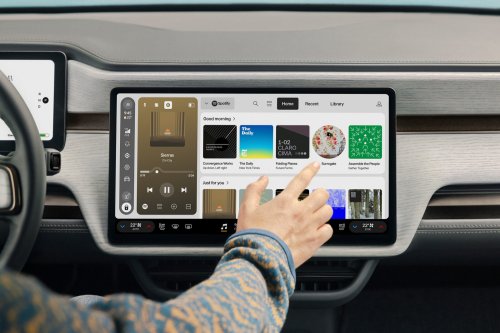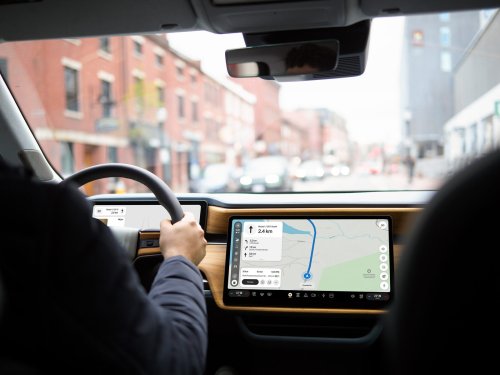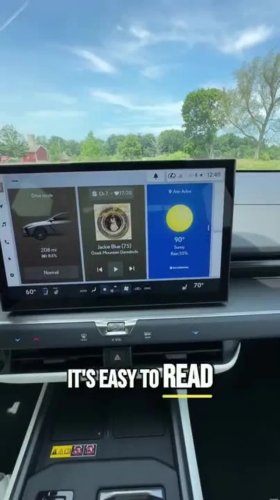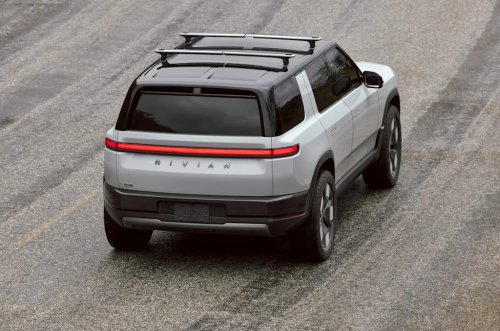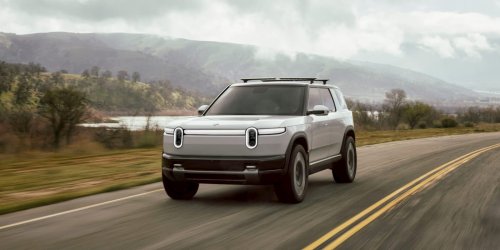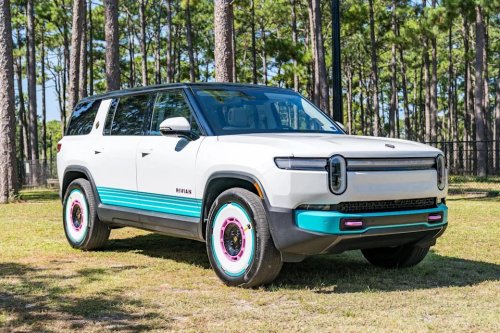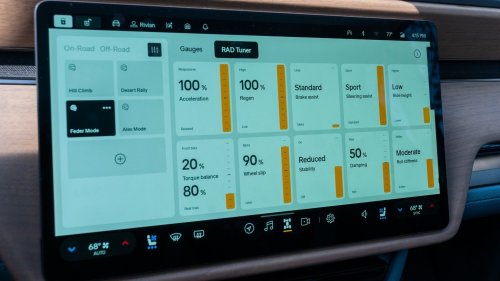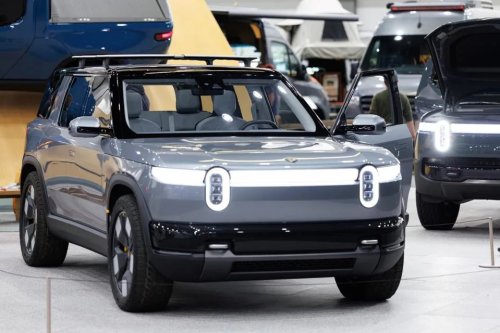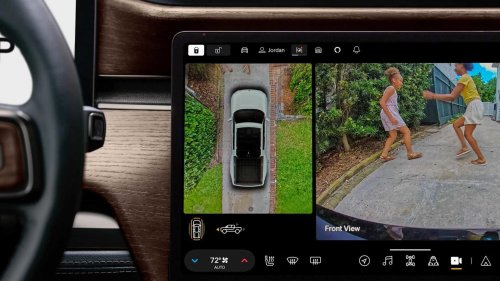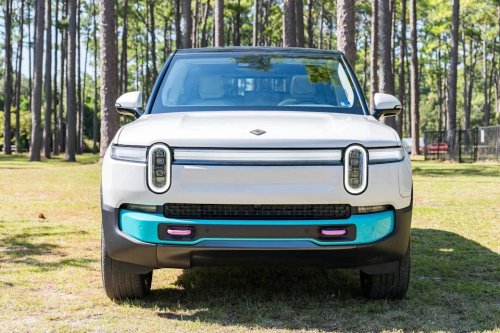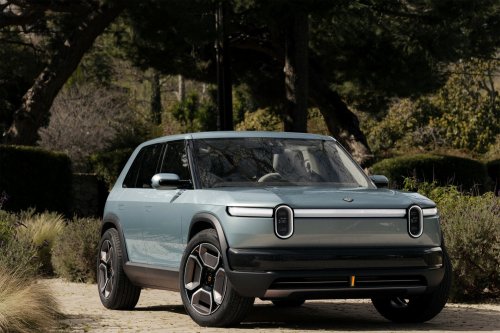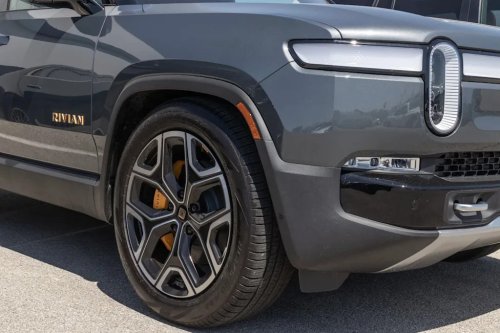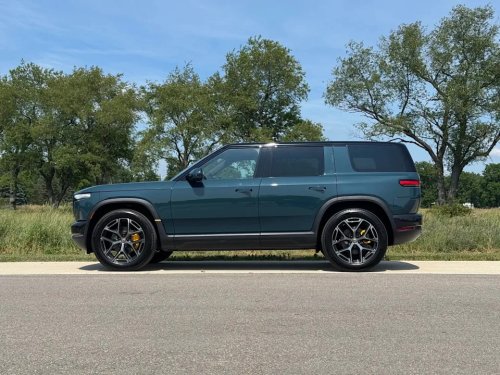
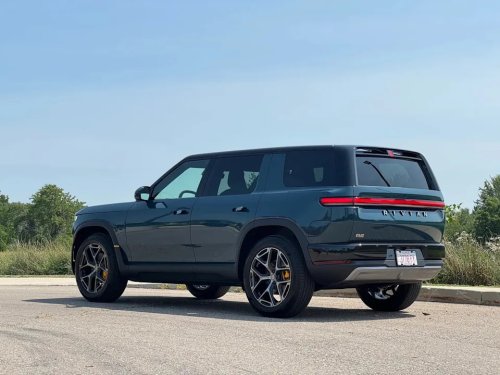
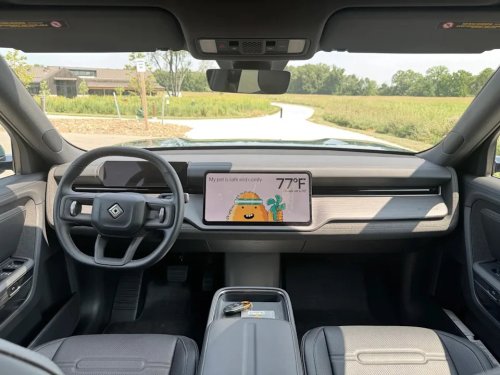
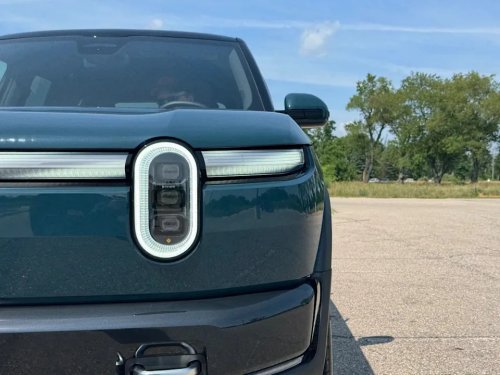


















This story was originally published on WardsAuto. To receive daily news and insights, subscribe to our free daily WardsAuto newsletter.Rivian's second vehicle line, called the R2, is shorter, narrower, smaller, and — critically — much less expensive than the R1.While the smaller R2 maintains the look and character of the R1 pickup and SUV family, it drops seating to two rows, shrinks the battery pack and offers it only as an SUV version, at least for now. Rivian hopes it will attract many new buyers.Four versions of R2 will arrive over time, with each one costing less than its predecessor, eventually landing at a more affordable starting price.The top-of-the-line R2 Performance with Launch Package that arrived this spring starts at $59,485 when you include the $1,495 destination charge. Later this year comes the R2 Premium with a $55,485 price tag. Early in 2027, the R2 Standard joins the lineup, starting at $49,985. And, in the summer of 2027, a lower-range R2 Standard is due to hit the market with a $46,485 price tag.For context, the least expensive R1S starts at $85,165. Earlier this year ahead of the R2 launch, Rivian discontinued its most affordable Dual Motor Standard Pack version of the R1S, which started at $76,990.2027 Rivian R2 Performance with Launch Package, in profile. At about 186 inches long, the R2 fits right in with alongside a wide range of midsize gasoline crossovers and EVs.Robin Warner/WardsAutoRight-sized to compete with a lot of crossoversMeasuring about 186 inches long, 78 inches wide, and 67 inches tall, and built on a 115.6-inch wheelbase, the R2 is considerably smaller in every dimension than the R1S and fits into the compact side of the midsize crossover market for the U.S.With the R2's squared edges, short overhangs and large wheels, its proportions are both familiar and distinct, with just enough new styling to make a statement of its own.Unlike the body-on-frame R1 and R1S, the R2 is built using unibody construction. The design lowers cost and weight, but reduces its off-road capabilities and limits towing capacity to 4,400 pounds. The unibody design, however, is good for space efficiency and rewards owners with about 29 cubic feet of cargo space with the second row up, or 79 cubic feet with the seats folded flat. The R2 also offers roughly five cubic feet up front in its large "frunk."Compared to the R1, with with its electronically controlled hydraulic and variable-ride-height air suspension, the R2 offers a more simple layout like many other midsize gas-powered SUVs: struts up front and a multilink layout in the rear, with steel coil springs and conventional anti-roll bars. But the R2's adaptive dampers do allow for varying levels of firmness and control for different surfaces.Still, the R2 delivers an inherently off-road-friendly stature. It offers 9.6 inches of ground clearance, 32-inch tires and short front and rear overhangs, allowing a respectable 25-degree approach and 26-degree departure angle for rugged terrain.The Rivian R2 Performance with Launch Package. Although the R2 doesn't have a height-adjustable air suspension like the R1, its 9.6 inches of ground clearance should set it up well for off-roading.Robin Warner/WardsAutoAll- or rear-wheel-drive versions on the wayThe R2 Performance includes dual electric motors, one for each axle to provide all-wheel drive. Its powertrain delivers a combined 656 horsepower and 609 lb-ft of torque.If you engage the R2 in sport mode and follow procedure for launch control, expect to reach 60 mph in 3.6 seconds. Keeping your foot down, you'll travel a quarter-mile in 11.3 seconds and eventually reach a top speed of 130 mph.My brief period behind the wheel did not include such shenanigans, but it pushed my backside into the seat whenever I jabbed the accelerator, with abundant thrust, making very short work of merging onto the interstate or slipping into an open slot on a busy city street.The R2 Performance and Premium models will get the same 88-kWh, lithium-ion battery pack. Rivian says to expect about 330 miles of range on a full charge for both models. Although the Premium version maintains the dual-motor layout, its peak output drops to 450 horsepower and 537 lb-ft. of torque — still enough to sprint from 0 to 60 mph in under five seconds.The R2 Standard will arrive next summer with the same 88-kWh battery, but with one electric motor powering the rear wheels. According to Rivian, this model will deliver 350 horsepower and 355 lb-ft of torque, with an estimated range of 345 miles.Then, about a year from now, we'll see an R2 Standard with a smaller battery pack with "over 275 miles of range," Rivian claims.Regardless of battery size, all Rivian R2 models will come with a North America Charging Standard port. On a DC-fast charger, Rivian claims you'll gain 150 miles of range in 15 minutes, putting it on par with most BEVs sold today. For longer trips, the R2's built-in navigation system combines Google Maps with a Rivian-derived interface to plan a route with optimal DC fast-charging stops.Additionally, the R2 offers vehicle-to-home and vehicle-to-load capability, meaning you can use it to power other things.The 2027 Rivian R2, inside. The R2 has few dedicated buttons and that can translate to a lot of scrolling through menus and submenus.Robin Warner/WardsAutoInterior controls, haptic monopolyRivian appears to have formed its interface around the flexibility allowed in a software-defined vehicle, and for better or worse that comes into sharp focus once you look inside the R2. You see minimal hard buttons and switches, and two large screens: a 12.3-inch instrument cluster and 15.6-inch center display.Two rotary dials on the steering wheel are dubbed "haptic halo dials," by Rivian. These wheels scroll, push, pull, and tilt, allowing users the ability to scroll through menus, change menus, select an item, or back out of a selection, all with one mechanism. Powered by a small electric motor with tunable resistance, it allows Rivian to tune "notches" of resistance into the scrolling process, which change depending on the menu or task.But I found it frustrating to scroll through menus and submenus to get to particular items, and I longed for simplicity: one button for one thing. When I expressed my frustration to Rivian, the representative explained to me that each widget is completely customizable, controlling anything from audio volume and fan speed to cabin temperature or drive modes.And—critically—you do not need to use the halo dials for anything — so if you don't like them you can set them for one thing and leave it.The representative added that it typically takes new users "a few days" to get the hang of Rivian's user interface approach. I had about 30 minutes. I still prefer single use controls but concede that Rivian's setup gives opportunities for slick personalization.Furthermore, through the smartphone app you can access a digital key, HVAC controls, unlock/lock doors, open/close windows and more.Other intriguing interior bitsR2 Performance models include heated and ventilated front seats and a heated steering wheel. Rear seats are heated too, with the exception of the center position. A pet mode is offered to maintain a comfortable interior temperature when the EV is otherwise off. Pet mode also disables the windows and door handles, so paws do not inadvertently operate them.The R2's rear tailgate glass rolls down like a fifth window, giving access to the cargo space and tons of airflow while driving. And, the Performance and Premium version also will get a flashlight built into the door, much like Rolls-Royce does with umbrellas.The 2027 Rivian R2 Performance. With eight different drive modes, you can adjust suspension stiffness and other dynamic details to fit expectations.Robin Warner/WardsAutoOn the roadThe R2 made easy work of absorbing all the bumps and uneven patches on the road, of which Metro Detroit has plenty. Through its adaptive dampers and eight different drive modes you can adjust stiffness to suit your style. Furthermore, the cabin isolates outside noise quite well and offers comfortable seats with plenty of space. I found myself very relaxed almost immediately.Or simply let the R2 drive for you. All R2s come equipped with the necessary hardware (10 cameras and 5 radar sensors) to offer sustained hands-free driving on over 3.5-million miles of roads via a system called Autonomy+. The software, however, requires a $2,500 one-time fee, or $50 a month. That said, if you go for the R2 Performance with Launch Package, it includes the lifetime fee.Stepping back outside, the R2 makes impressive use of space for passengers in both rows, along with healthy cargo space to boot. It looks sharp, too. More than anything, you can tell a lot of thought went into the design of the R2. It emphasizes that the R1 models were just the start for Rivian.Rivian raising Georgia EV plant's initial capacity by 50% to 300K vehicles a year',