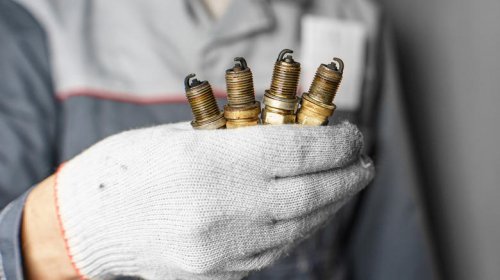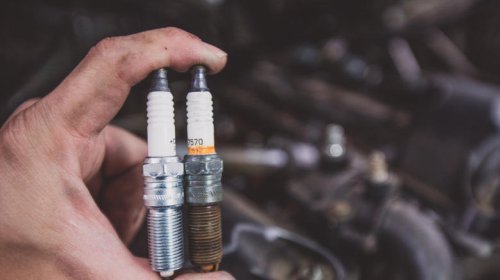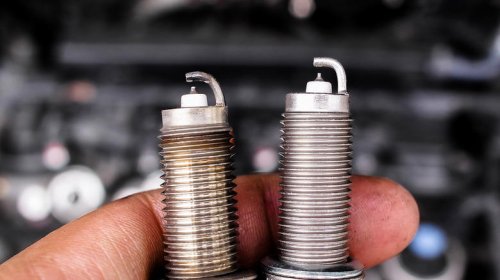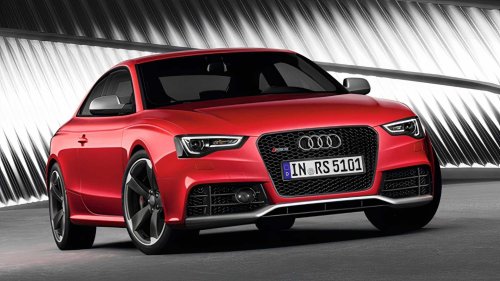
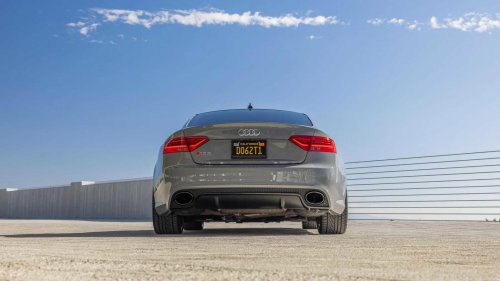
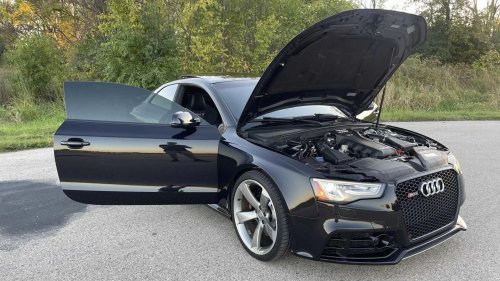
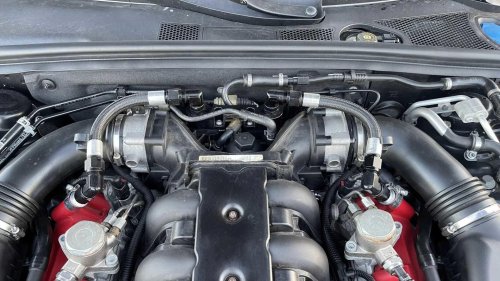
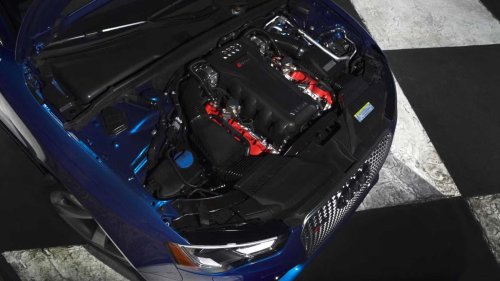
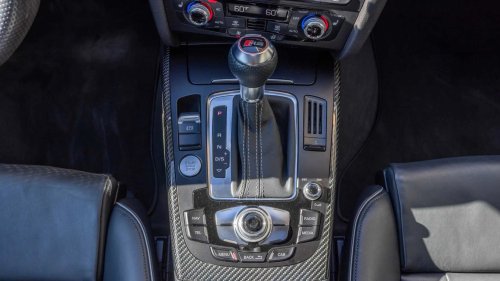
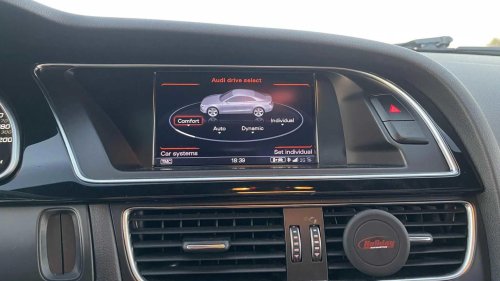



















For the 2013 model year, Audi released the RS5 in North America with a starting MSRP of $68,900. With two doors, four driven wheels, 8 cylinders, and 450 horsepower, several new technologies and hardware components were along for the ride too. The centerpiece of the RS5 was arguably its powerplant: one of the last and greatest naturally aspirated V8 engines on this side of an exotic pricetag. Having advanced from earlier fast-revving Audi V8s popularized in the mid-2000s, this was the last fast Audi powered by a free-breathing V8 before turbo V6s arrived to replace it.Today, you can pick up a used copy of the Audi RS5 for reasonable money in the used market, but that doesn't necessarily mean you should. Owning a high-tech performance car with an exotic engine comes with its benefits and risks. Below, we'll look back at the 2013-2015 Audi RS5 Coupe from its first of several generations, (as well as the only generation with that sweet, sweet V8) to see how it might stack up as a used buy today. Meet the 2013 Audi RS5AudiTo understand the 2013 Audi RS5 a little better, we need to go back in time a few years for a quick recap of the Audi RS4. Launched in 2006, this four-door, four-wheel drive sedan with a six-speed manual featured an earlier fast-revving Audi V8, also of 4.2-liters displacement. In that application, it generated 420 horsepower and spun to 8,000 rpm. Remember, this is the mid to late 2000s, and fast-revving, NA performance engines were in their heyday. The RS4 backed that screaming engine up with targeted chassis and body upgrades to make it the most hardcore Audi sedan of the day. Here's the important part: the RS 4's engine was a highly-modified version of the brand's long-lived 4.2-liter V8 engine family, which had its roots in the '90s.By the time the RS 5 rolled around in 2013, the RS4's engine had been pushed even further. Now capable of spinning even faster, 30 more horses were available. A seven-speed DCT transmission dubbed S-Tronic was also fitted, virtually eliminating any interruption in power flow during upshifts and maximizing performance with the most advanced available transmission for the application.The quattro AWD system was advanced, too. The updated powertrain for the RS5 featured a new self-locking crown-gear center differential that was light, compact and efficient. Torque distribution between the front and rear wheels could be varied widely, with up to 70 percent of power available to the front wheels if needed, and as much as 85 percent available to the rear. The new differential enabled electronic torque vectoring, working with a newly standard sport differential between the rear wheels that could precisely control the split of power across the back axle.Signaling the seriousness of the RS5's performance potential, carbon ceramic front brakes were also available as a $6,000 option, though most drivers are best to stick with the conventional steel rotors. Pricing Then Vs. Now BringaTrailer.comWhen the Audi RS5 went on sale in 2013, it came with a starting MSRP of $68,900. Shoppers could add another $19,000 in options by way of various add-ons and packages, making an RS 5 a roughly $70,000 to $90,000 car when it was new.In 2026, the CarBuzz Marketplace shows used pricing from under $20,000 for units with over 100,000 miles of use, with the lowest-mileage examples coming in at around 45,000 miles or less with pricing in the low to mid-30s.When considering your budget for a used RS5, budgeting an extra 10 percent for some up-front maintenance and care can go a long way towards long-term confidence. Before You Buy BringaTrailer.comUnderstanding a few realities before you buy a used Audi RS 5 is important to avoid potentially pricey surprises.Enter your purchase decision fully informed of the cost and frequency of factory maintenance, and plan to stick to it religiously. Remember that the RS5 only drinks pricey premium gas and enjoys doing so very much. Tires, brakes, fluids, filters, suspension parts, and brake parts may require more frequent and pricey servicing than you're used to. Insurance might also be a lot more expensive. Talk to your broker first.If none of the above is an issue for you, you'll still need to proceed with caution. The RS5 is a complex and advanced performance machine, built with some of the most cutting-edge hardware of its day, which can require diligent maintenance and regular inspections for the best chances at long-term health. Many RS5 owners are certain to see their dealerships for a look-over and inspection at least once a year.BringaTrailer.com The gist? The Audi RS 5 comes with bigger-than-average thrills and performance, but also requires higher-than-average attention to maintenance and care for the best possible outcomes.According to various online owner communities (linked below in the sources section), RS 5 shoppers should approach any used model they're considering with a few key trouble areas in mind.One of these is carbon buildup, characteristic of many direct-injection engines like the RS 5's as they age. Carbon buildup can be mitigated by sticking strictly to factory-advised fluids and filters, running top-tier fuel at all times, and keeping spark plugs fresh and healthy. When changing oil, oil filters and plugs, use only what the owner's manual spells out.Vehicles used frequently for short-distance drives may accumulate carbon buildup faster than others. Some owners consider regular carbon cleaning or 'walnut blasting' to be regular maintenance, having this procedure performed perhaps every 50,000 miles to keep engine internals squeaky clean. Conversely, some RS 5 owners never experience carbon buildup issues at all. A check engine light, rough idle, poor power, or lumpy power delivery can all be signs of excessive carbon buildup, which can't be remedied with any pour-in-tank additive.AudiThe S-Tronic transmission can be another pain point. Some owners have had issues, many have not. Before you buy, take steps to confirm that all factory-prescribed maintenance as outlined in the owner's manual has been performed on time in a dealer setting. A healthy S-tronic transmission in an Audi RS 5 should work smoothly at light throttle, and upshift at full throttle without any hesitation or perceptible interruption in power flowing to the wheels.BringaTrailer.com Elsewhere, confirm satisfactory oil level and condition, inquire about the RS 5's oil consumption history, and have the model professionally inspected for leaks from all suspension components, as well as the cooling system. Electronic malfunctions can arise in many shapes and sizes, though a fresh battery or use of a trickle-charger during periods of non-use can prevent many of them.BringaTrailer.com The single best thing you can do to prevent buying a used RS 5 that's concealing pricey problems is to have an Audi technician give the machine a full Pre-Purchase Inspection (PPI) before you buy. With a clean bill of health and a moderate contingency fund for ongoing maintenance and care, you'll enjoy one of the hottest Audi models (and engines) of the day, for years to come.