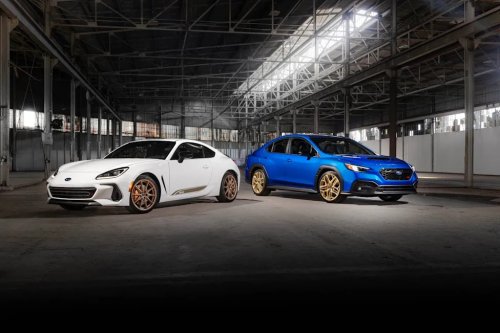
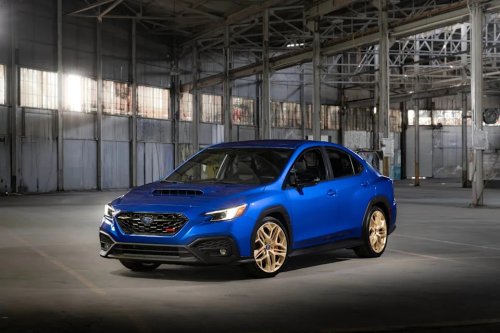
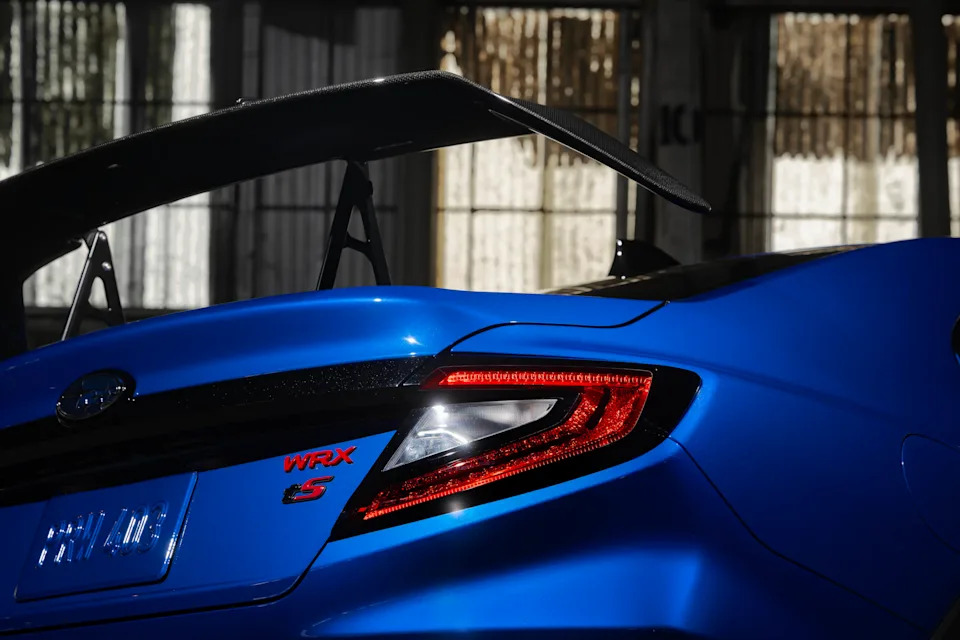
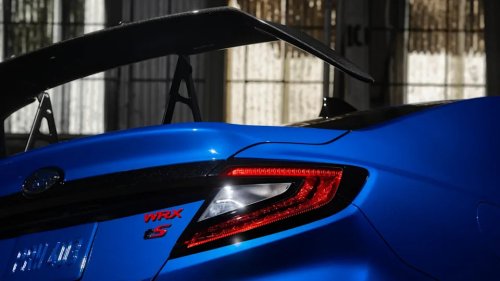
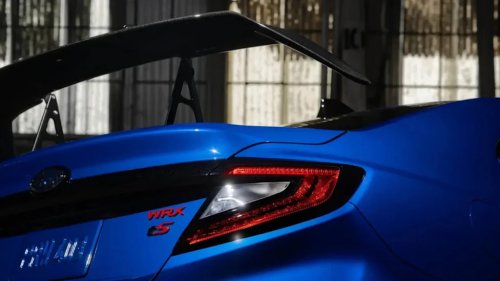
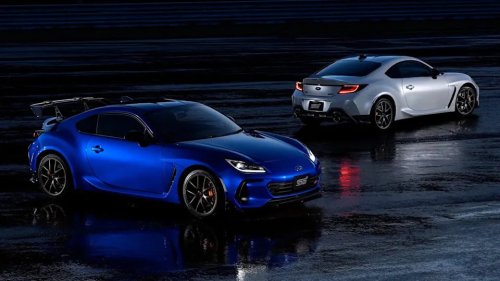
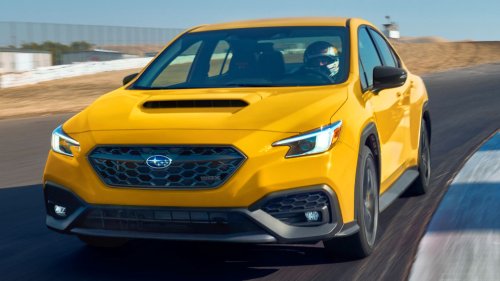
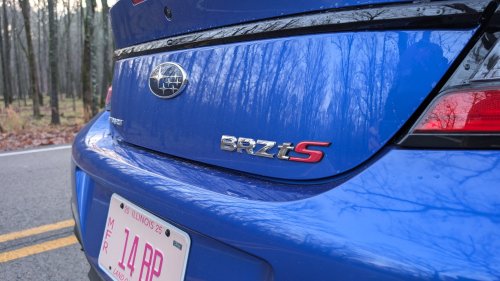
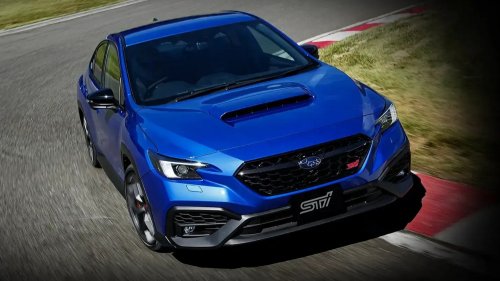
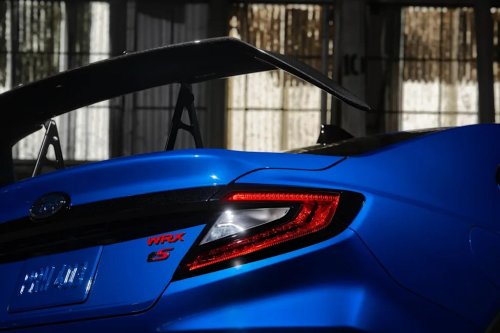
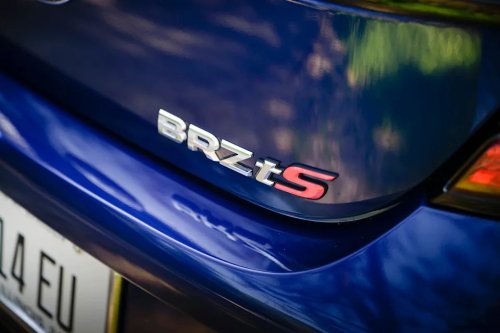
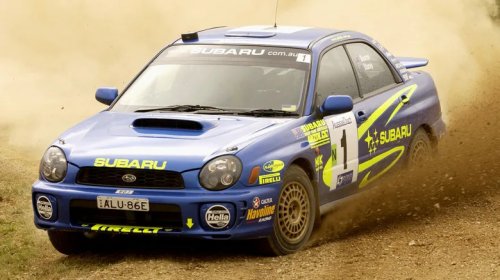
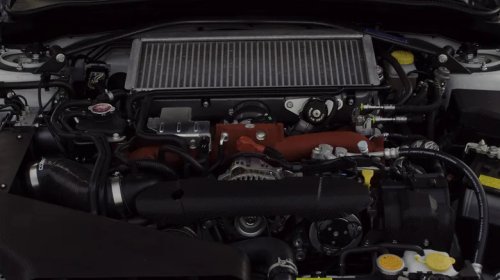
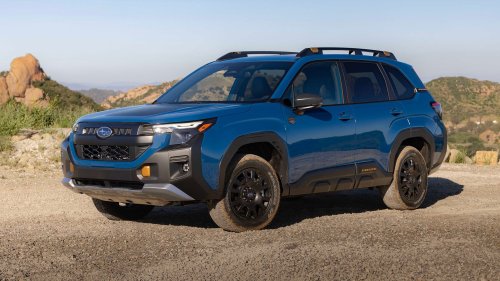
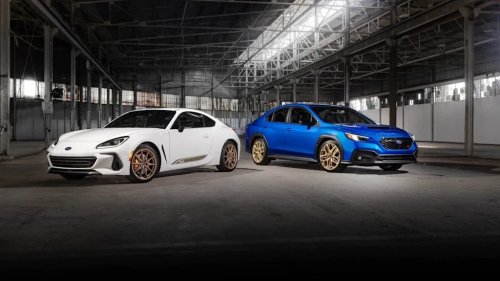
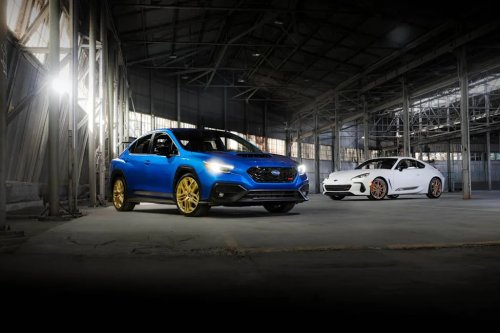
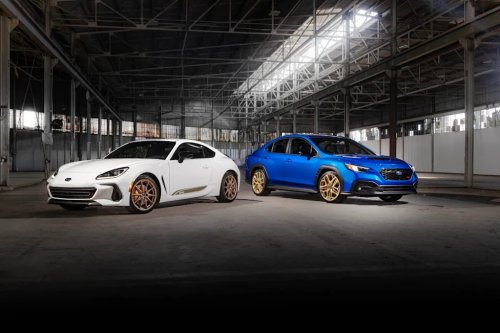
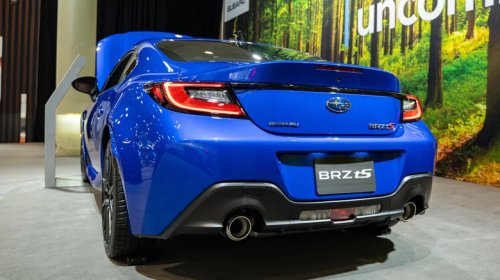
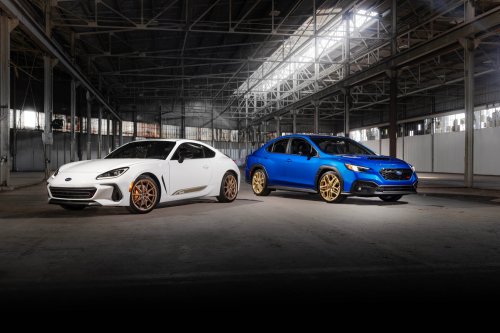
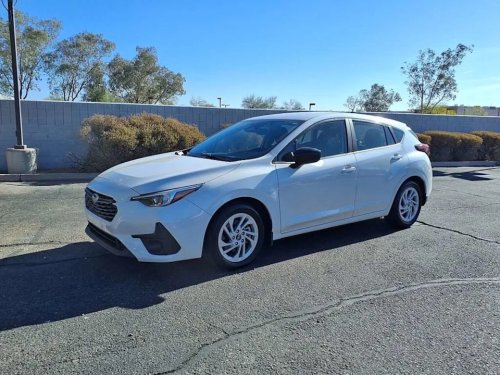
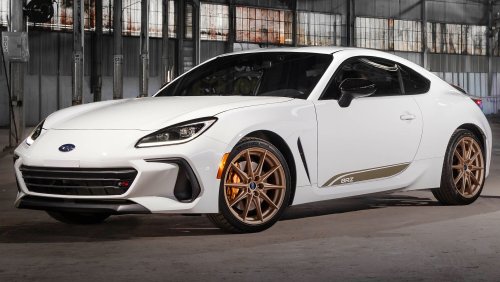
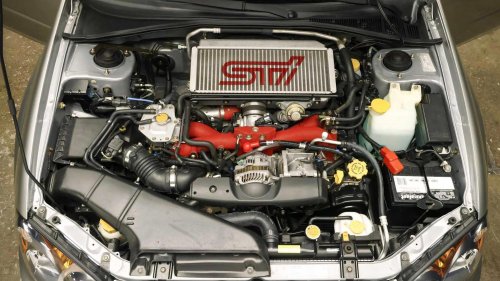
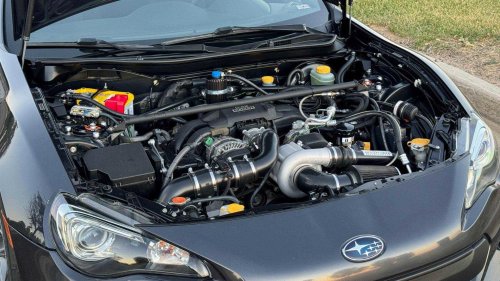
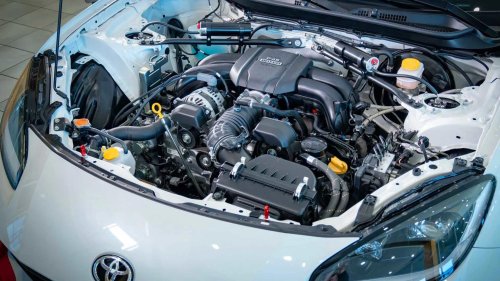
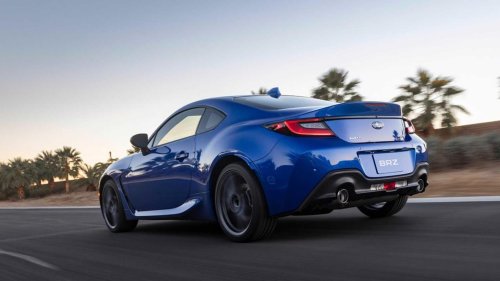
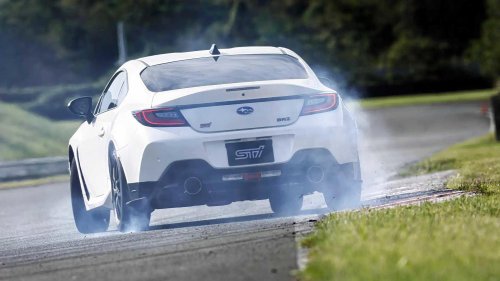
It’s no groundbreaking revelation to say enthusiast engines are dying. Especially ones without forced induction, relying on natural aspiration when producing power, something that we enthusiasts tend to lean towards for a pure experience.Those free-breathing engines still standing are bound to have some place in gearhead hearts as a result, even if they’ve struggled to match some of the most incredible engines of the past. Take the last-standing naturally-aspirated Subaru boxer powertrain, which, despite living in the shadow of one of the true greats, could yet become a legend in its own right. It All Started With Subaru’s Most Legendary Engine Series Bring a TrailerThere is no engine more legendary in Subaru’s history than its line of EJ boxers. It’s best known among enthusiasts for its turbocharged appearances in WRX models, but it didn’t just see action in performance cars, becoming a staple of the Japanese manufacturers’ lineup for decades.It first appeared on the US market in the ‘90s under the hood of the Subaru Legacy as the EJ22, a 2.2-liter single-overhead cam flat-four with just 130 horsepower. Yet, its immense durability won over enthusiasts, with its strong internals allowing the EJ22 to take on plenty of modifications without risking its reliability. Or, if you left it alone, it could easily withstand a couple of hundred thousand miles with just routine maintenance.It would appear in several forms for the next couple of decades. Most notably, the 2.5-liter EJ25 under the hood of various WRX STI models, eventually producing as much as 310 horsepower from the factory and well documented as producing north of 400 horsepower on stock internals reliably. Head gasket jokes aside, that gained its own reputation for impressive reliability as well. When the Subaru WRX STI went off sale for the US market in 2021, it marked the end of a two-decade run for the EJ engine.What came next would initially disappoint enthusiasts who expected another instant classic. Its Successor Was Flawed Cars and BidsIn its final years, the EJ quietly had a successor running alongside it, with the FA series of engines. That started in 2012 with the naturally-aspirated FA20D, a 2.0-liter flat-four designed for use in the Subaru BRZ and Scion FR-S. Immediately, it had its problems.2012 Subaru BRZ SpecsFor starters, its factory power output left a lot to be desired in enthusiast circles. 200 horsepower and 151 pound-feet wasn't much to shout about on paper, and it didn't translate to a lot in real performance terms either. The BRZ could accelerate from 0–60 mph in 7.2 seconds with the six-speed manual transmission equipped, leaving it dusted by the Nissan 370Z and about on par with the less powerful Mazda Miata.Granted, the BRZ and FR-S were designed to be low-weight, and with an emphasis on handling rather than straight-line fun. Its real performance downside was its torque dip from 3000rpm through to 5000rpm though, serving only to suck momentum from the engine when driving hard on a canyon road. The potential was clear to see and feel from the platform, but it wasn't realized in its launch specification.That wasn’t remedied throughout the lifespan of the FA20D, which remained with those power figures in the BRZ, FR-S and later Toyota 86 through to its discontinuation in 2021. The FA20 did have a turbocharged variant used in the WRX from 2015 through to 2021, but it too lived in the shadow of the EJ25.Performance aside, it gained notoriety for being relatively unreliable, particularly after modifications or track use. The standard engine is well documented as running at high oil temperatures when driven hard, leading to degradation and early failure if the engine isn’t immaculately maintained. Aftermarket oil cooling has been touted as the common solution and has proven to be effective, but it felt a far cry from the durability the EJ traded on while it was in production. The FA24D Righted Many Of Those Wrongs Bring a Trailer When the second-generation Subaru BRZ and Toyota GR86 came in 2022, Subaru addressed performance concerns by swapping the FA20D for the larger-capacity FA24D. Still naturally-aspirated, the 2.4-liter boxer-four increased power to 228hp and 184lb-ft of torque.Not huge power figures still, but its reworked delivery meant peak torque came at 3700pm and eliminated the torque dip of the original, but without compromising on its rev-happy nature. That resulted in a more satisfying drive, elevating the experience in the BRZ and GR86 from engaging but flawed to a true sports car feel. 2026 Subaru BRZ Specs Changes weren’t just limited to a simple increase in capacity. The internals were improved with stronger pistons, reworked con rods and lower-friction internal coatings to allow the FA24 to handle more torque reliably. There was a reworking of the Toyota-developed dual-injection fuel system as well to improve fuel efficiency, despite the increase in capacity.All that while remaining one of the few naturally-aspirated engines remaining in an enthusiast-focused car, as the world turns to electrification, turbocharging and a general move away from affordable sports cars. All the ingredients, then, for the FA24D to go down as a legendary engine among gearheads. It Has Potential, But It’s Not Without Problems SubaruWith improved internals and more power from the factory, the FA24D immediately offered tuners more potential than the FA20D. Simple bolt-ons can take it to 250hp at the crank, with supporting mods documents taking that to 260hp without issue. Forced induction on stock internals is easily done, too, with beyond 350hp achievable without a great hit to reliability. A variant of the engine also comes from the factory with a turbocharger, seen in the current Subaru WRX.All that said, the FA24D isn’t without its own problems, particularly in track use. High oil consumption and oil starvation are notable risks when driving it hard on a circuit, leading to many owners fitting aftermarket oil pickup upgrades to help alleviate that. Meticulous maintenance is recommended, too, but that’s nothing new when it comes to a boxer engine. It Doesn’t Have Long Left SubaruThe current Subaru WRX Perhaps lending the most credibility to the future potential legend status of the FA24D is its status as the last enthusiast-focused, naturally-aspirated boxer engine produced by Subaru. Although the Subaru BRZ and Toyota GR86 remain in production for the foreseeable, it appears the next generation will see Toyota and Subaru go in separate directions. Industry rumors point towards Toyota and Mazda collaborating on the next-generation GR86 and using a turbocharged Toyota engine, with Subaru left to its own devices for the BRZ.Should that happen, you could almost guarantee a boxer engine would be expected if the BRZ remains combustion-powered, although with hybrid assistance to some degree. It’s even been reported by Autocar that the sports car could be sold as an EV, marking a huge departure from its original ethos.Of course, nothing is official at this stage, and a third-generation BRZ may not even happen at all. But it would certainly leave the current FA24D with a unique place in history.Sources: Subaru, Toyota, Autocar



















 +18 others