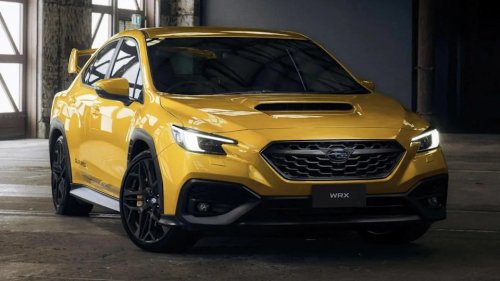
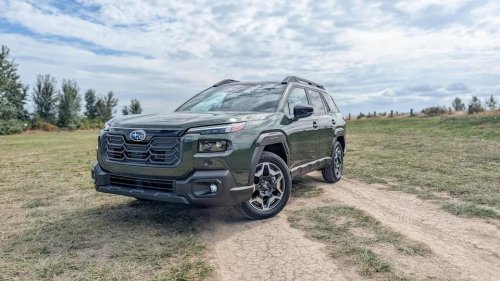
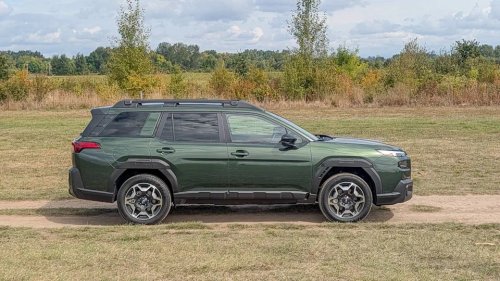
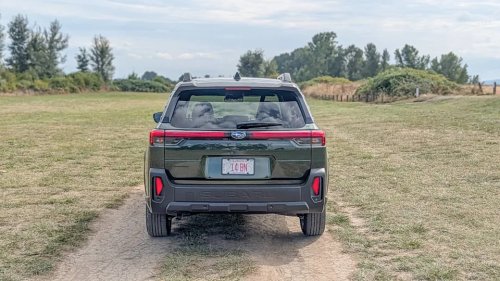
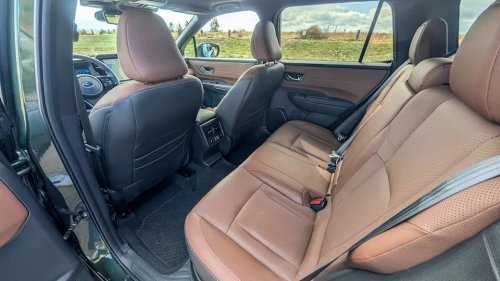
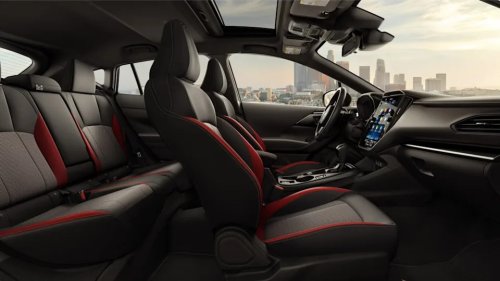
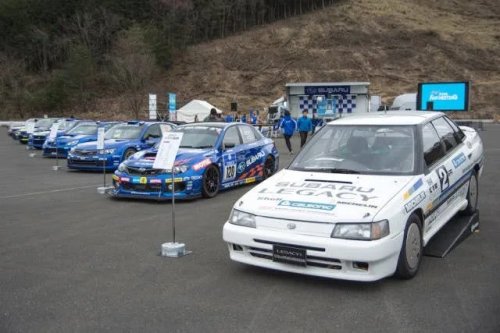
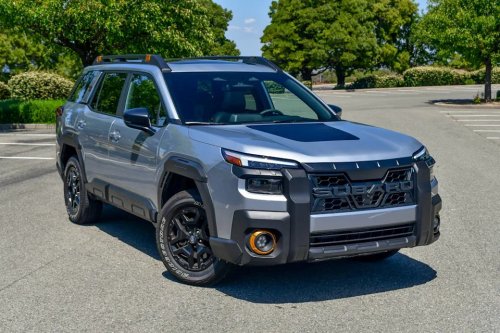
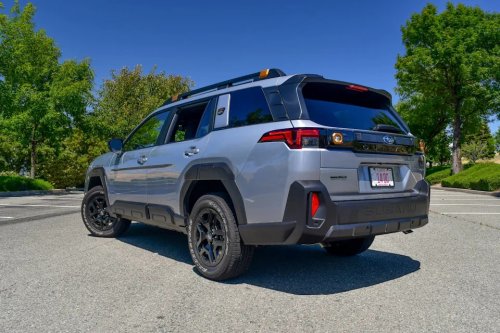
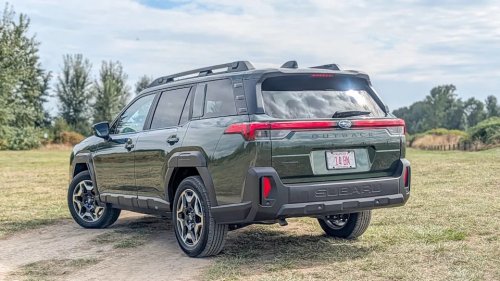
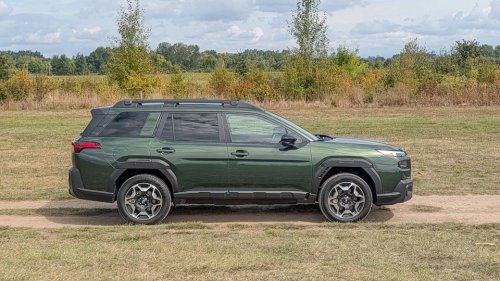
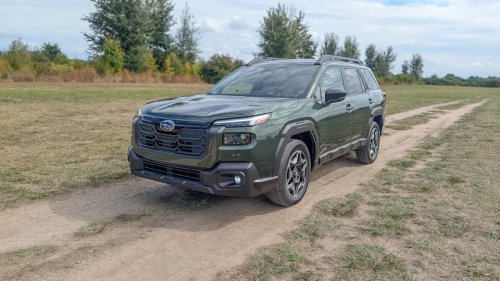
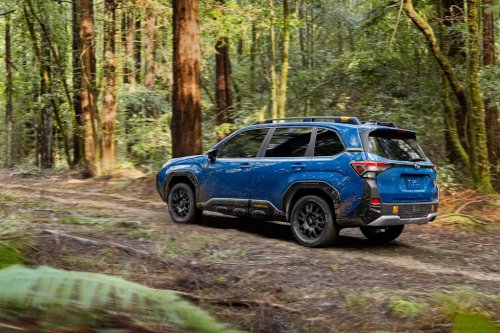
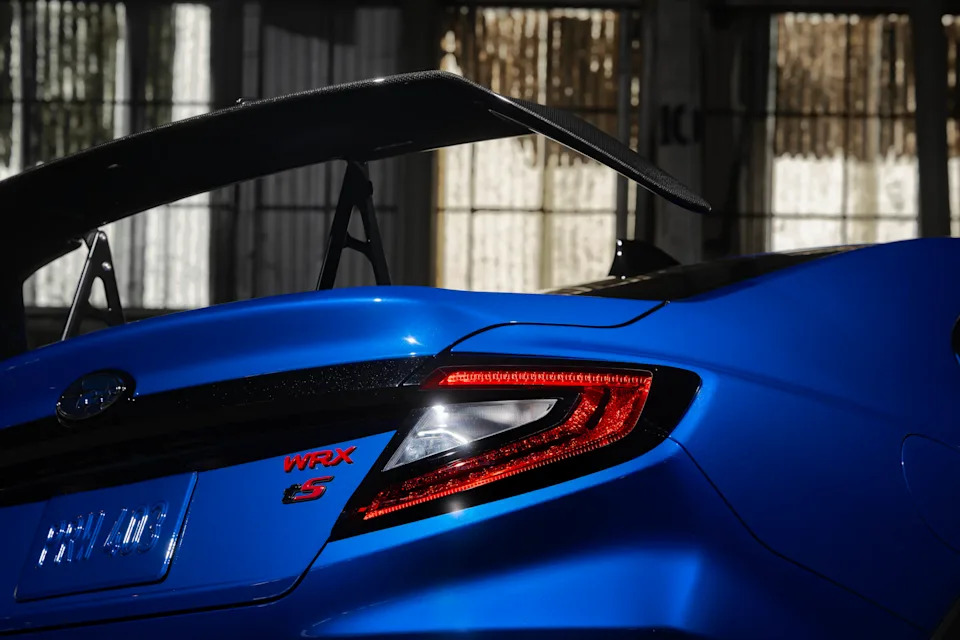
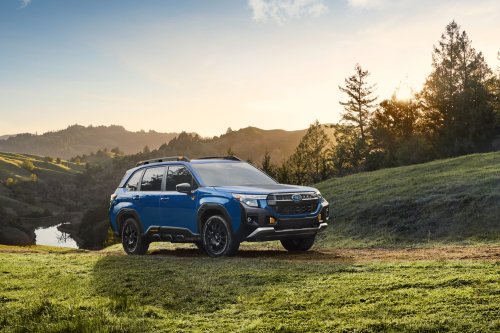
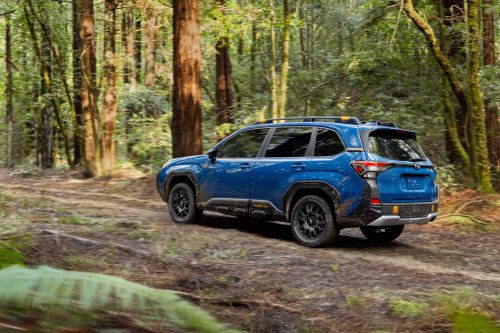
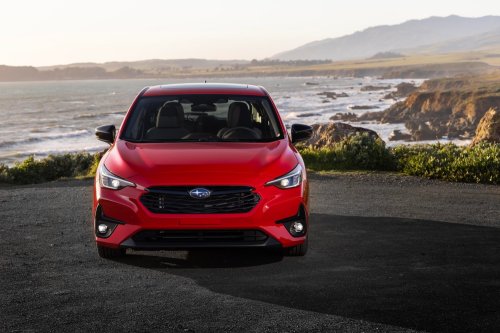
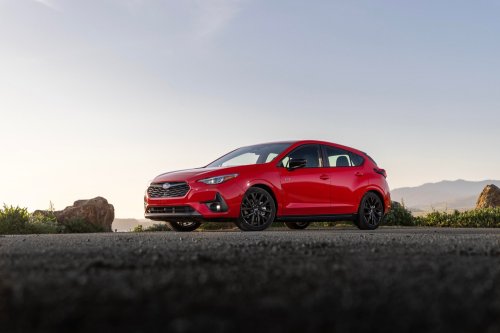
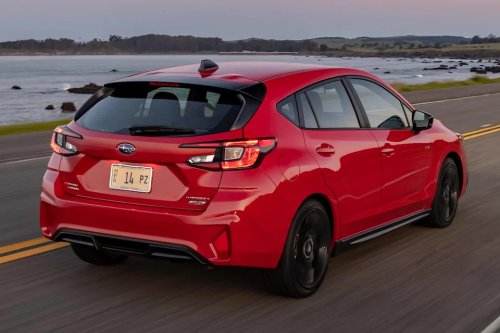
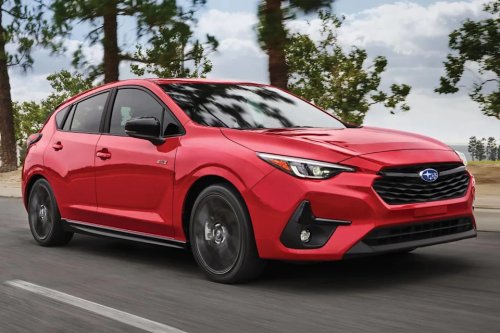
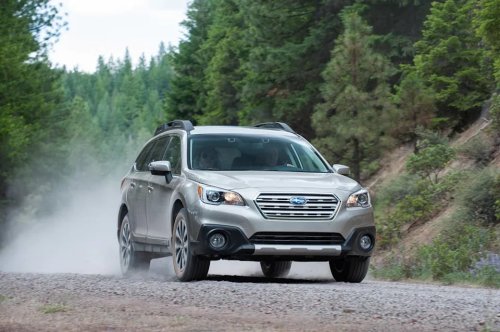
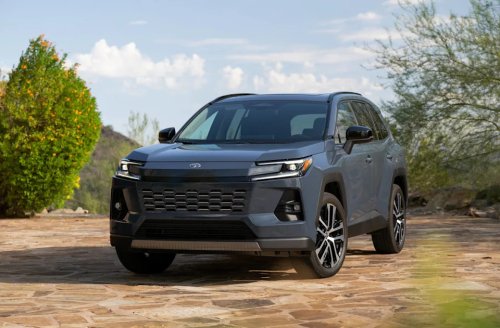
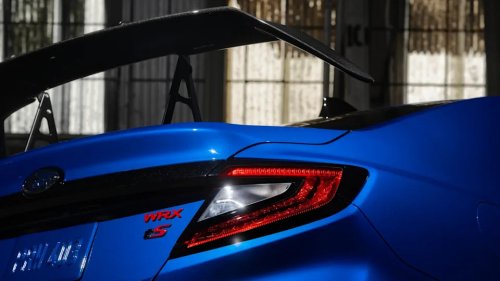
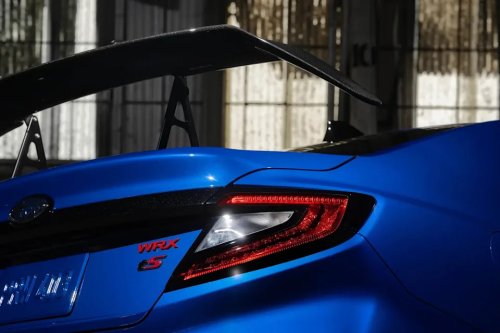
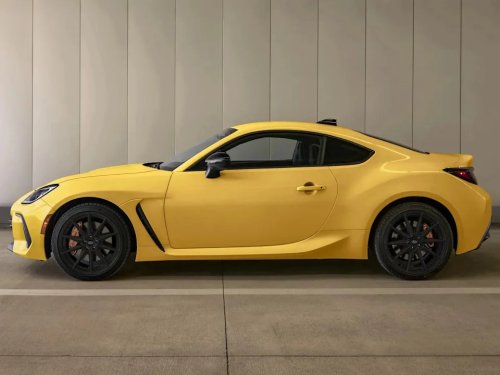
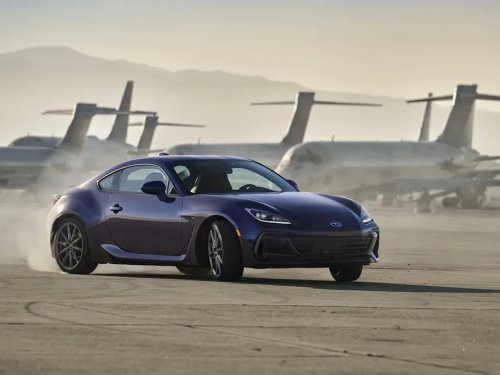
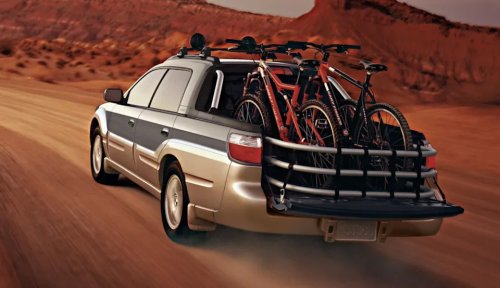
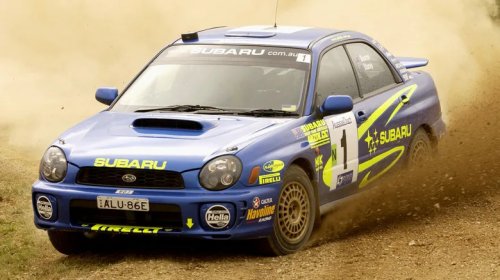
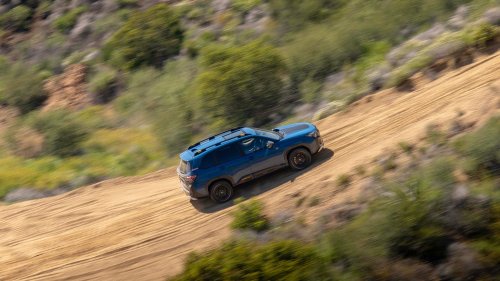
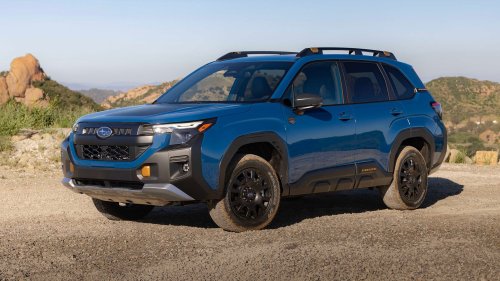
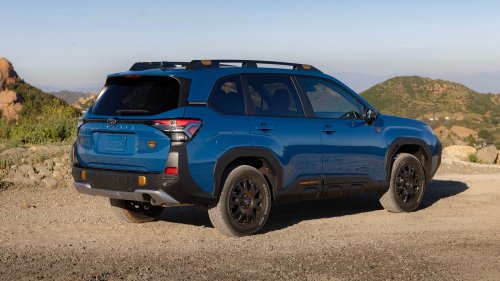
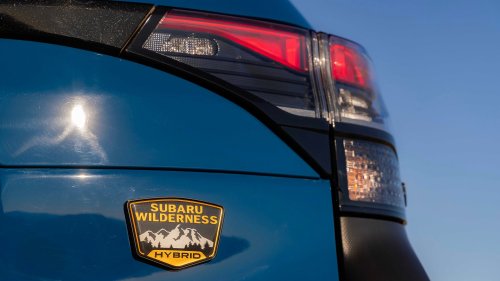
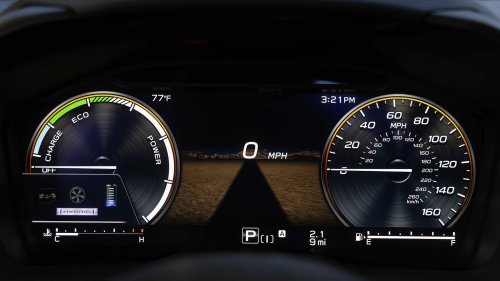
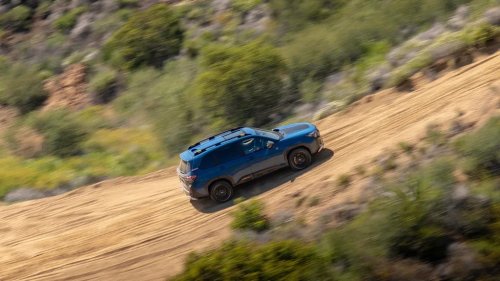
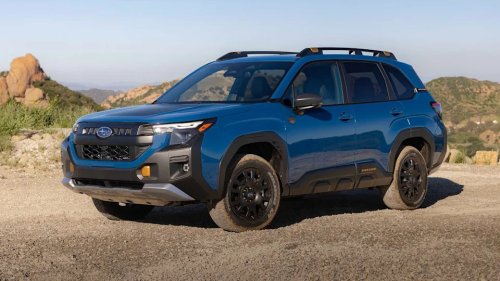
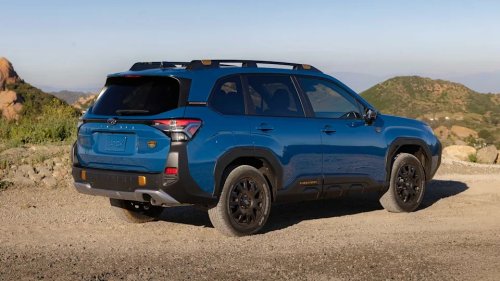
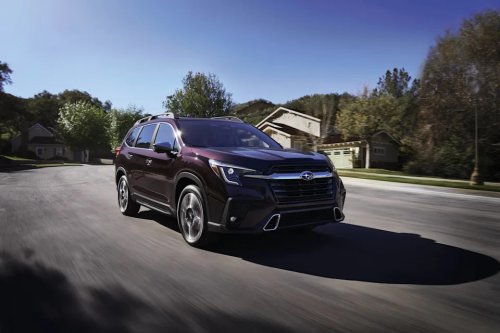
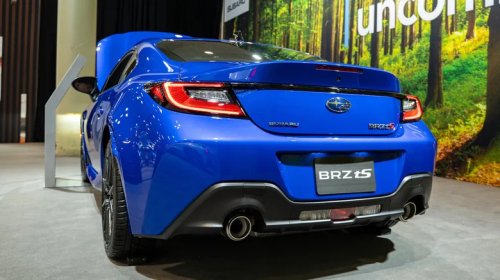
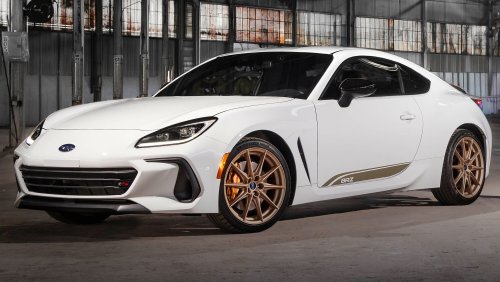
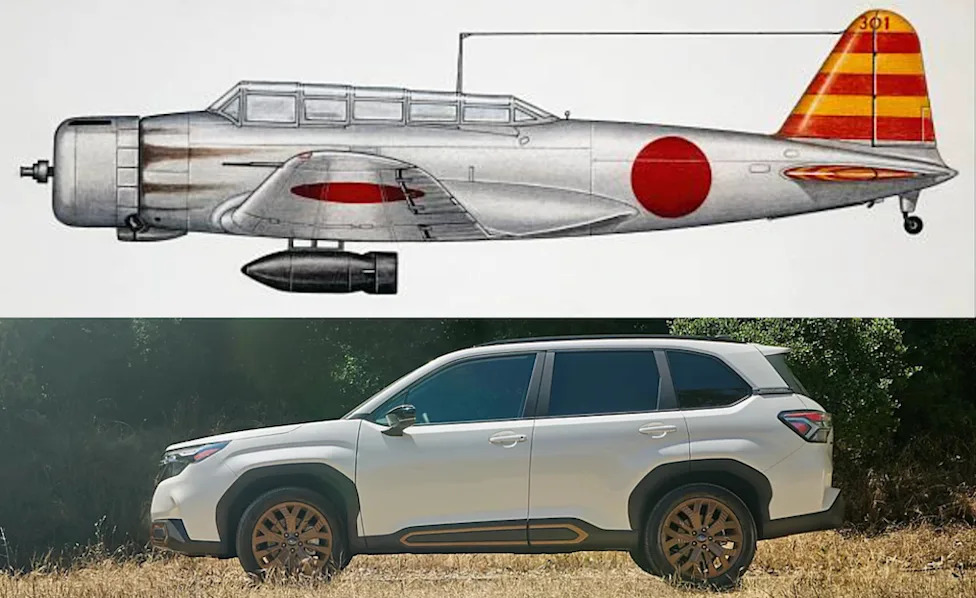
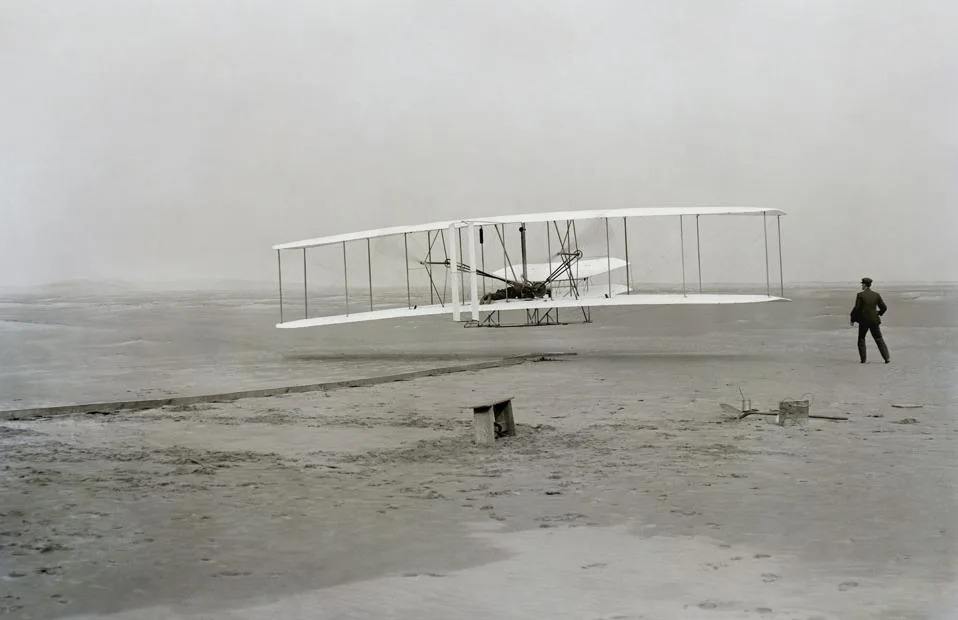
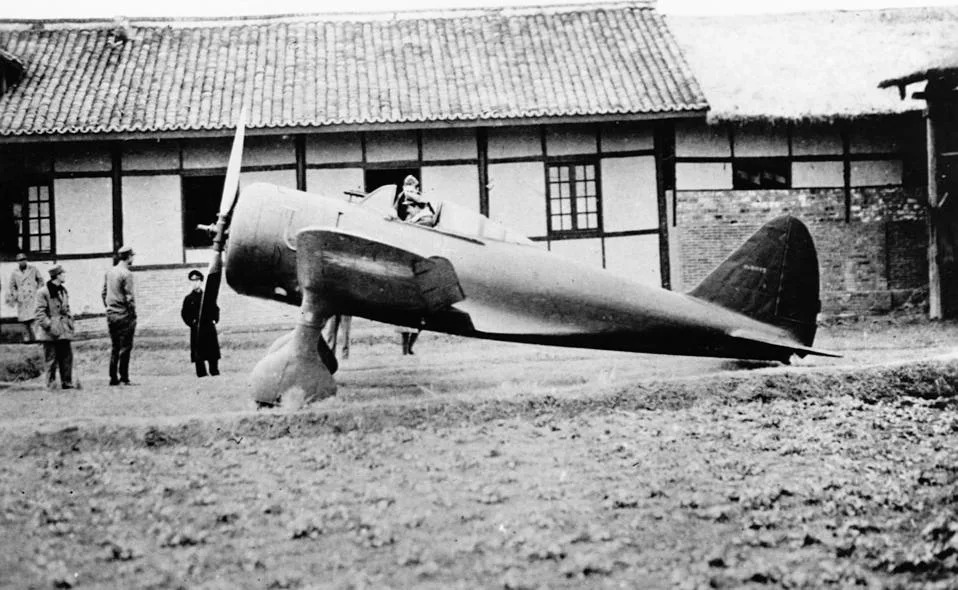
A Nakajima B6N2 torpedo bomber meets a new Subaru ForesterPhoto by Subaru, Photo by © Museum of Flight/CORBIS/Corbis via Getty ImagesMost people know Subaru for its rugged all-wheel-drive wagons, gutsy horizontally-opposed boxer engines and a loyal following of outdoor enthusiasts who spend weekends hauling mountain bikes, snowboards, kayaks and camping gear into the wilderness. Anyone who has driven a Forester, Crosstrek or Outback knows just what these cars are capable of.But long before Subaru was conquering snowy roads and rally stages, the company was building something quite different.Fighter aircraftIndeed, Subaru's origins can be traced directly back to one of Japan's most important aircraft manufacturers of the Second World War, Nakajima Aircraft Company, whose fighters and bombers became some of the most feared aircraft encountered by Allied pilots in the Pacific.AdvertisementAdvertisementThe story begins in 1917 when aviation pioneer Chikuhei Nakajima founded what would become Japan's first major aircraft manufacturer. Just 14 years earlier in December 1903, Wilbur and Orville Wright had become the world’s first successful pilots to fly a controlled powered airplane when they flew the aircraft Kitty Hawk for 12 seconds covering 120 feet in North Carolina.The Wright brothers' aircraft, Kitty Hawk, was the world's first successful controlled powered flight in December, 1903. (Photo by Heritage Space/Heritage Images via Getty Images)Heritage Images via Getty ImagesA former Imperial Japanese Navy engineer, Nakajima, inspired by the Wright brothers, believed aviation represented the future of transportation and national defense. His company quickly grew into one of Japan's most advanced aerospace firms.By the late 1930s, Nakajima Aircraft had become Japan's largest aircraft manufacturer.The Ki-43 Hayabusa was good in a dogfightIts factories produced thousands of military aircraft, engines and components for both the Imperial Japanese Army and Navy. During WWII, Nakajima employed more than 200,000 workers and operated enormous manufacturing facilities across Japan.AdvertisementAdvertisementAmong its most famous aircraft was the Nakajima Ki-43 Hayabusa, known to Allied forces by the codename "Oscar." Agile, lightweight and highly maneuverable, the fighter became one of Japan's most successful wartime aircraft. Allied pilots quickly learned that engaging a Ki-43 in a traditional dogfight was often a losing proposition.The company later produced the Ki-84 Hayate, known to Allied pilots as the "Frank." Many aviation historians regard the Ki-84 as Japan's finest fighter of the war. Fast, heavily armed and capable of challenging advanced American aircraft such as the P-51 Mustang and F6F Hellcat, the Hayate arrived late in the conflict but demonstrated how advanced Japanese aircraft engineering had become.Nakajima also played a major role in producing engines used in numerous Japanese aircraft, including many Mitsubishi A6M Zero fighters.Americans in China with a captured Japanese Zero fighter plane (Nakajima Ki.27 Type 97 "Nate"), ca. 1940s. (Photo by © CORBIS/Corbis via Getty Images)Corbis via Getty ImagesAlthough the legendary Zero is commonly associated with Mitsubishi, Nakajima manufactured thousands of examples under license while also supplying engines and components. As a result, Subaru's corporate ancestry is connected not only to some of Japan's greatest wartime fighters but also to one of the most iconic combat aircraft ever built.AdvertisementAdvertisementDuring the early years of World War II, the Zero gained an almost mythical reputation among Allied pilots. Its extraordinary maneuverability and long range allowed Japanese forces to dominate many early aerial engagements across the Pacific, starting with the Pearl Harbor attack in late 1941.By 1945 however, Japan's industrial base had been devastated by strategic bombing campaigns. Nakajima's factories became major targets, and much of the company's production capability was destroyed.Then came defeat.Following Japan's surrender, Allied occupation authorities prohibited the production of military aircraft. Nakajima Aircraft was dismantled and broken into a number of smaller companies. For a business built around aviation, the future suddenly seemed uncertain.AdvertisementAdvertisementBut the engineers remained.Many of the same designers and manufacturing specialists who once developed aircraft began applying their skills to civilian products. Initially, they produced everything from scooters and buses to industrial equipment.One successor company, Fuji Heavy Industries, would eventually emerge from the reorganization.This is where the Subaru story truly beginsFounded in 1953 through the merger of several former Nakajima-related companies, Fuji Heavy Industries finally adopted the name Subaru in 2017 for its automobiles. The name refers to the Pleiades star cluster, represented by the six stars that still appear in Subaru's logo today.AdvertisementAdvertisementInterestingly, traces of the company's aviation heritage remained visible.Aircraft engineers tend to prioritize lightweight construction, structural rigidity and mechanical efficiency. Many observers argue these principles later influenced Subaru's approach to vehicle design.Even Subaru's famous boxer engine layout shares similarities with aircraft engineering philosophy. Horizontally opposed engines had long been used in aviation because of their smooth operation, compact dimensions and low center of gravity.Likewise, Subaru's symmetrical all-wheel-drive systems reflected a focus on balance and stability that would become central to the company's identity.AdvertisementAdvertisementOver the decades, Subaru evolved from a niche Japanese automaker into a global brand renowned for safety, durability and rally success as seen in its six World Rally Championships titles between 1995 and 2003. Models such as the Legacy, Forester, Outback and Impreza WRX helped establish a fiercely loyal customer base.Yet beneath every modern Subaru lies a remarkable historical connection.The company that today carries families to ski resorts, national parks and off-the-beaten tracks once built some of the most formidable aircraft in the Pacific theater. The engineers who perfected fighter aircraft eventually turned their attention to passenger cars.Few automakers can trace their origins to aviation, with carmakers like Rolls Royce, Fiat, Saab, and Mitsubishi the exceptions. Fewer still can claim roots in one of the most important aircraft manufacturers of the twentieth century. Even today, Subaru’s aerospace business still carries on Nakajima Aircraft’s passion for flying and makes helicopters, trainer planes and even the center wing section for the Boeing 777 and 787.AdvertisementAdvertisementFor Subaru, the road to all-wheel-drive success began not on the ground, but in the skies above Japan.This article was originally published on Forbes.com


















 +12 others