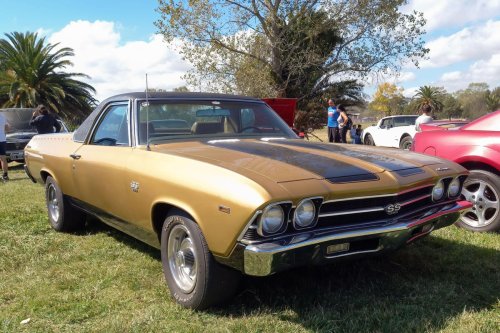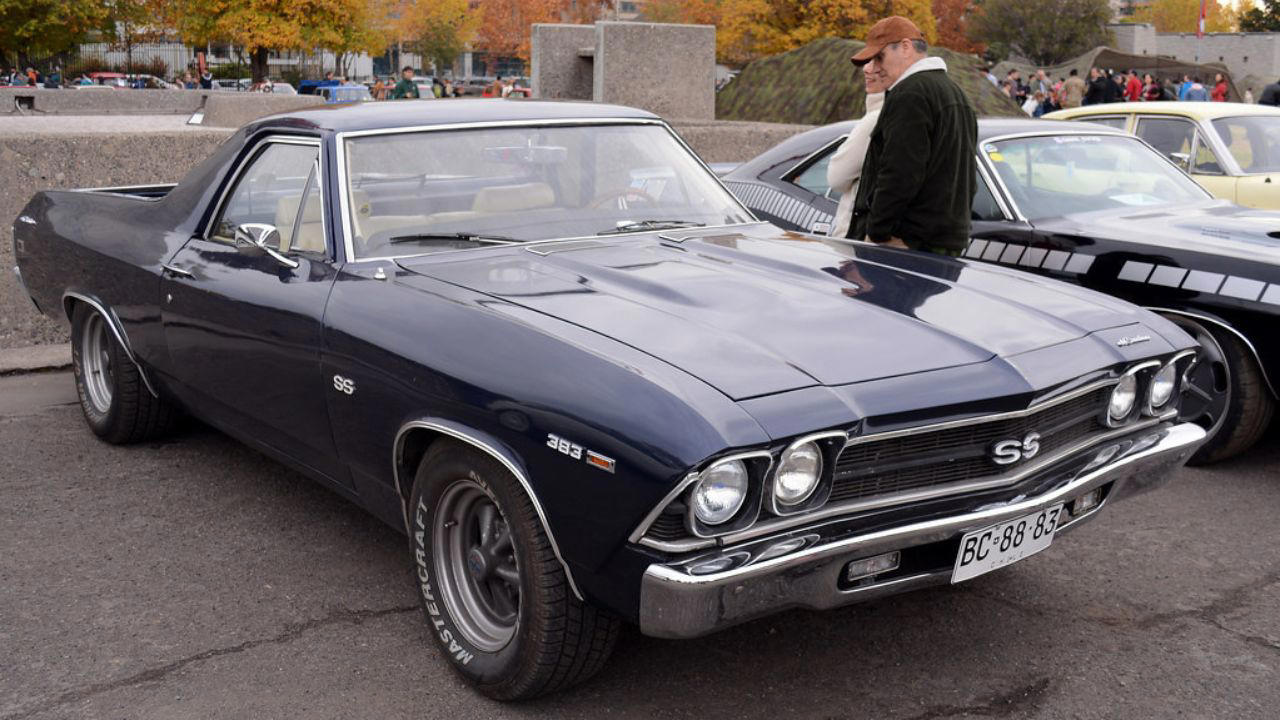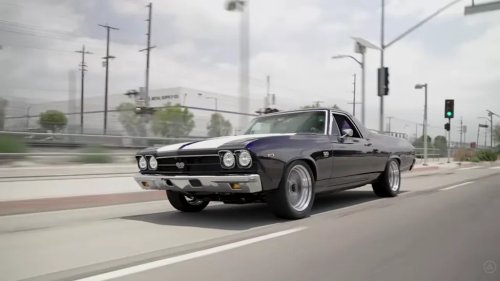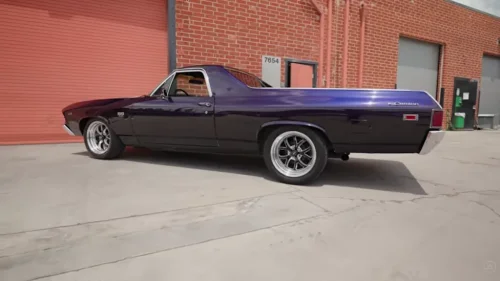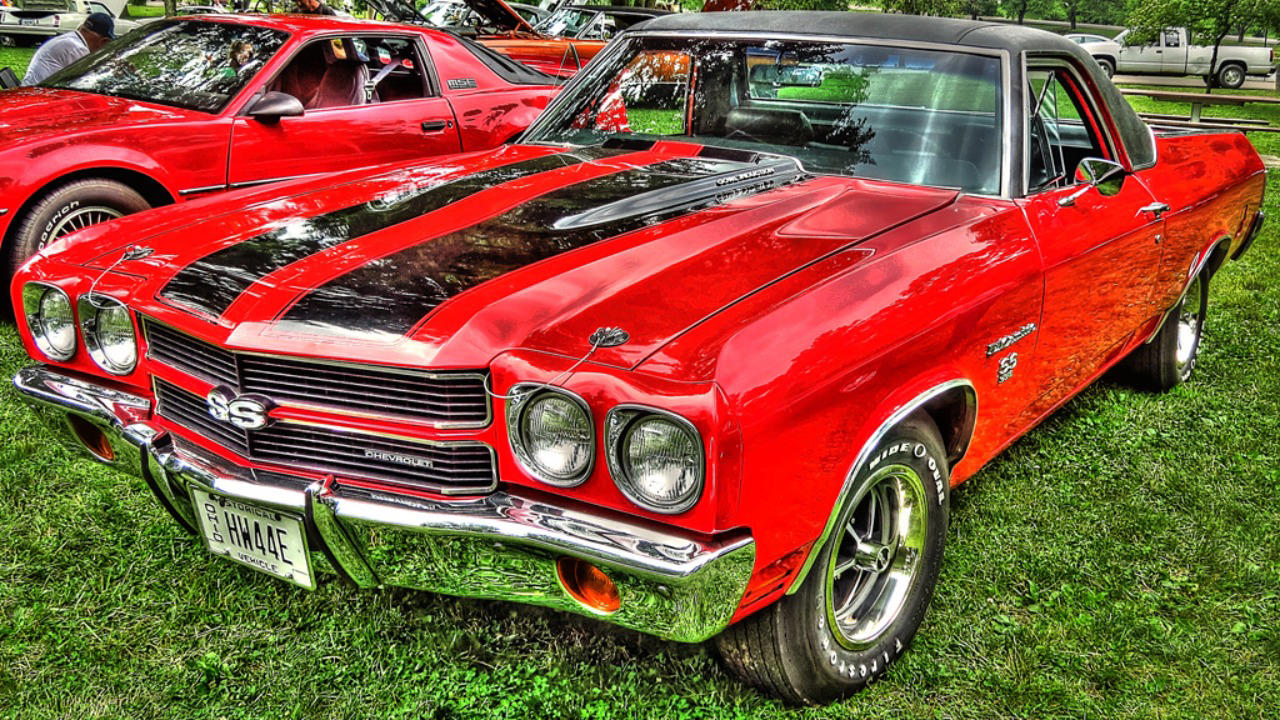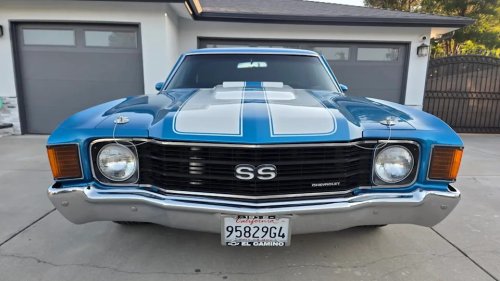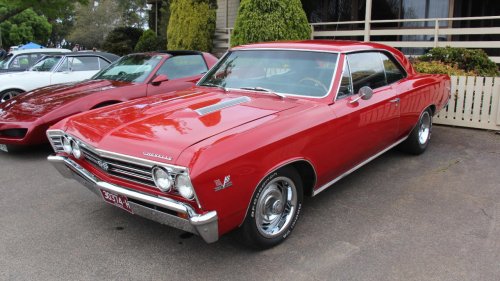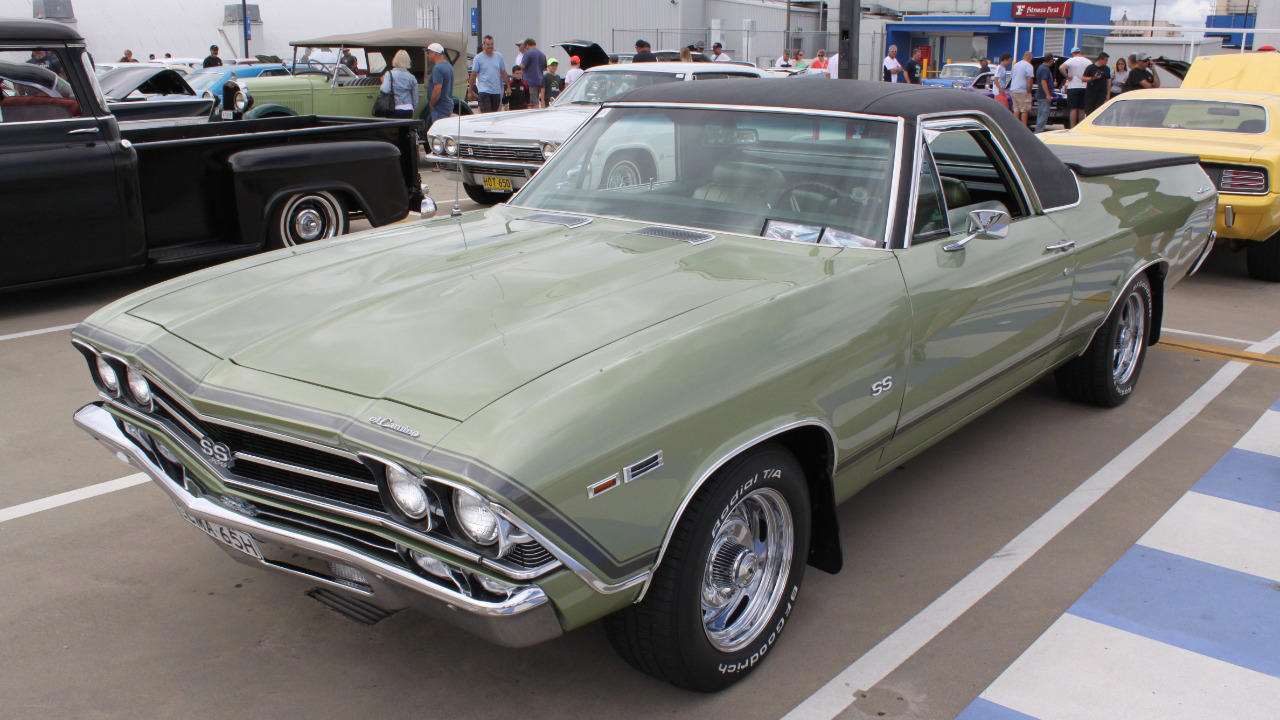



















This 1969 El Camino SS found a way to be two things at onceOn paper, a 1969 El Camino SS should not work. It asks to be a muscle car and a pickup at the same time, a quarter-mile bruiser with a bed big enough for lumber, engines or a weekend’s worth of swap meet finds. Yet the right example proves that this compromise can feel less like a mash-up and more like a neat trick of identity. The particular 69 El Camino SS 396 that recently surfaced for sale shows how completely Chevrolet leaned into that dual personality. It carries the numbers, the look and the hardware of a serious Super Sport while still inviting owners to throw tools in the back and drive it like a truck that just happens to sound like a big-block Chevelle. The car-truck idea that refused to pick a side Detroit did not invent the car-based pickup in 1969. A decade earlier, Chevrolet had already launched the El Camino, and enthusiasts still argue over when the concept truly clicked. One later video walkaround of a 1970 El Camino SS396 even pauses to quiz viewers on the model’s origins, noting that the El Camino nameplate arrived in 1959, long before any 64 or 65 Chevel variants entered the picture, and framing that first year as the starting gun for Chevrolet’s coupe-utility experiment. Chevrolet was not operating in a vacuum. Ford had chased the same idea with its own low-slung sedan-based hauler, a response credited in one account to engineer Lewis Brandt, who is described as shaping a vehicle that looked like a ritzy passenger car from the windshield forward and a working pickup from the cab back. That Ford decision put real pressure on Chevrolet to treat the El Camino as more than a styling curiosity. By the time the 1969 El Camino SS arrived, the market had shifted. Muscle cars had become status symbols, and trucks were still primarily work tools. Chevrolet’s answer was to give buyers a vehicle that could cruise with the Chevelle crowd on Saturday night, then haul parts on Monday morning without feeling like a penalty box. Why 1969 became the sweet spot Enthusiasts often single out the 1969 El Camino as a turning point. One detailed description of the model year points to a significant design update that adopted the bold, aggressive styling trends of the late 1960s, with sharper lines and Chevelle-inspired sheetmetal that finally made the El Camino look like a true muscle machine instead of a parts-bin hybrid. That same overview of the El Camino notes that engine options ranged from modest inline units to serious V8s, which helped cement the truck-car as an enduring icon in automotive history. Another period-focused breakdown of the 1969 El Camino echoes that view, describing how the model blended car performance with unique utility and how the refreshed look aligned it with Chevrolet’s performance portfolio. The message was simple: buyers no longer had to choose between a workhorse and a weekend toy. They could have both in one garage bay. Within that lineup, the Super Sport version sat at the top of the pyramid. The SS badge brought the visual aggression enthusiasts expected, along with the drivetrain combinations that gave the El Camino real credibility at the drag strip. Big-block heart, work-truck spine The 69 El Camino SS 396 that recently drew attention online wears that dual role on its sleeve. Listings for the truck emphasize that it is Ready to Go or Show, a phrase that captures the split personality as cleanly as any spec sheet. The same writeup highlights that this El Camino SS carries a 396 cubic inch big-block, and that its chassis and drivetrain are sorted enough to put that power to the ground with confidence. Additional references to the sale and its login pages repeat those same calling cards. The 69 designation, the El Camino SS name and the 396 engine size appear again and again in descriptions tied to sign-in, signup and cart portals, each time paired with the idea that the truck is Ready for a new owner and presentable enough to Show. The repetition is not accidental. It is shorthand for what matters most to buyers: the right year, the right badge and the right displacement. For context, period coverage of the broader El Camino lineup notes that Chevrolet did not stop at a single big-block. One retrospective on the model’s engine choices points out that, in later years, the SS 454 LS6 grabbed headlines, but that a 327-cubic-inch, 5.4-liter Turbo Fire V8 also played a key role in the family. The same source highlights a true SS 396 with a matching-numbers V8 and automatic transmission combo, underlining how carefully Chevrolet curated its performance hierarchy. Against that backdrop, a 69 El Camino SS 396 sits in a sweet spot. It offers the drama of a big-block without the overkill of the later 454, and it does so in a body that still looks trim and purposeful. From Milford Michigan to the open road The 1969 El Camino SS is not just a spec sheet story. A video test drive from Lefontaine Classic Cars, a dealer in Milford Michigan, shows a factory 396 cubic inch V8 example idling, revving and pulling away on local roads. The presenter walks around the truck, points out its Super Sport badging and then takes it out for a drive, letting the exhaust note and the relaxed highway manners tell their own story. In that footage, the El Camino behaves like a well-sorted muscle car. The nose lifts slightly under throttle, the big-block settles into a steady cruise and the cabin feels more like a Chevelle than a work truck. Yet the camera keeps returning to the bed, a reminder that this is still a vehicle built to carry cargo. That duality mirrors the sales pitch for the 69 El Camino SS 396 that is described as Ready to Go or Show. The idea is that a buyer could leave a showroom or a dealer lot, drive straight to a local cruise-in, collect a trophy, then load the bed with parts the next morning without a second thought. A cabin that thinks it is a coupe If the outside of the 1969 El Camino SS leans into its Chevelle connection, the interior finishes the argument. One enthusiast writeup of the 1969 Chevrolet El Camino notes that the cabin offered the comfort and layout of a car rather than a truck, with bucket seats, a sporty dash and optional SS trim that made the driver feel like they were in a proper muscle coupe. That description underlines a key part of the El Camino’s appeal: it did not ask owners to tolerate a bare-bones work-truck cockpit. Inside a well-kept 69 El Camino SS 396, the driver faces a familiar Chevelle-style instrument panel, often with round gauges and a center console if the car was ordered that way. The seating position is low and relaxed, and the view over the hood is pure late-1960s muscle car. Only the small rear window and the knowledge of the bed behind it break the illusion. That sense of normalcy matters. It helps explain why some owners daily-drive these hybrids instead of keeping them as occasional toys. The truck bed might haul engines or furniture, but the driver still gets the comfort and ergonomics of a passenger car. Styling that blurs the line Visually, the 1969 Chevrolet El Camino SS walks a tightrope between aggression and practicality. A widely shared description of the 1969 Chevrolet El Camino SS emphasizes how the model blurred the line between muscle car and pickup, citing its Chevelle-inspired styling and Super Sport package as key ingredients. The front end wears the same kind of quad headlamps and bold grille seen on Chevrolet’s midsize performance cars, while the rear transitions into a functional bed without awkward proportions. That styling update did more than sharpen the El Camino’s profile. It also aligned the truck-car with Chevrolet’s broader performance identity. Park a 69 El Camino SS 396 next to a Chevelle SS of the same year and the family resemblance is obvious, from the hood contours to the wheel arches. Enthusiast groups that focus on parts and restoration often highlight this connection. One discussion thread from a major parts supplier points out that the 1969 El Camino marked a significant update in design, reflecting the bold styling trends of the late 1960s and combining car performance with unique utility. That kind of commentary reinforces what owners already know: the El Camino is not an oddball offshoot. It is a full participant in Chevrolet’s muscle era. Living with a two-purpose classic Owning a 69 El Camino SS 396 means making peace with its contradictions. On one hand, it is a collectible muscle machine, especially when it carries a documented Super Sport package, matching-numbers big-block and period-correct trim. On the other, it is a vehicle that almost begs to be used, whether that means hauling a set of slicks to the track or throwing bicycles in the bed for a weekend trip. Some sellers lean into that practicality. The listing that brands the El Camino SS as Ready to Go or Show positions it as a turnkey driver, not a fragile museum piece. The repeated use of Ready and Show across associated sign-in, signup and cart pages reinforces that marketing pitch. Buyers are told, implicitly and explicitly, that this 69 El Camino SS 396 can handle both roles. That versatility has a side effect. It can make pristine, low-mileage examples rarer, since many El Caminos spent their lives doing actual work. Trucks that survived without dents in the bed or rust in the tailgate area often owe their condition to owners who treated them more like cars than pickups. How enthusiasts keep the story alive The ongoing fascination with the 1969 El Camino SS shows up across enthusiast platforms. One social media group dedicated to the El Camino shares period brochures and owner photos, repeating the idea that the model’s broad engine range and distinctive styling helped it become an enduring icon. Another community focused on classic cars regularly posts customized 1969 Chevrolet El Camino SS builds, celebrating the way Chevelle styling cues and Super Sport equipment lend themselves to modern wheels, updated tires and subtle suspension tweaks. More from Fast Lane Only Unboxing the WWII Jeep in a Crate 15 rare Chevys collectors are quietly buying 10 underrated V8s still worth hunting down Police notice this before you even roll window down The post This 1969 El Camino SS found a way to be two things at once appeared first on FAST LANE ONLY.