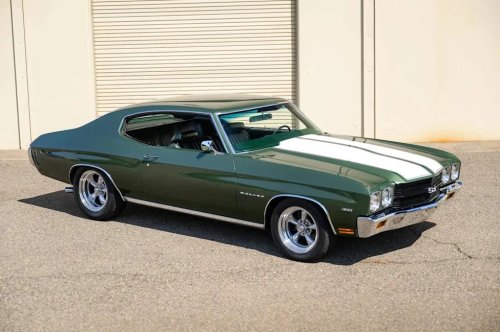
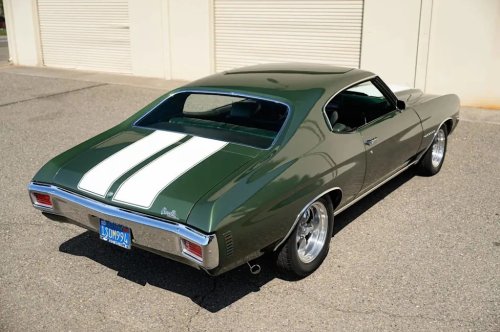
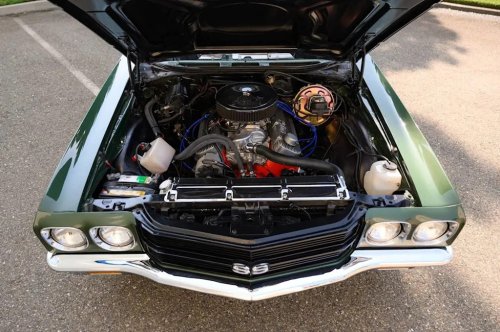
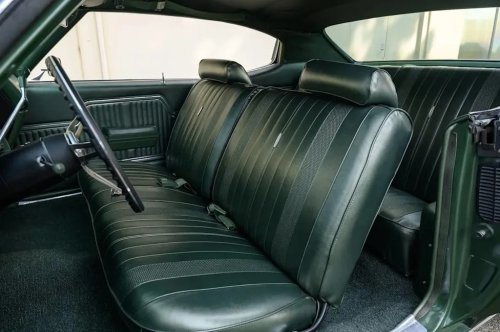
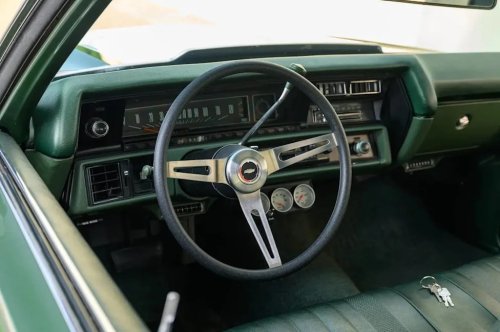
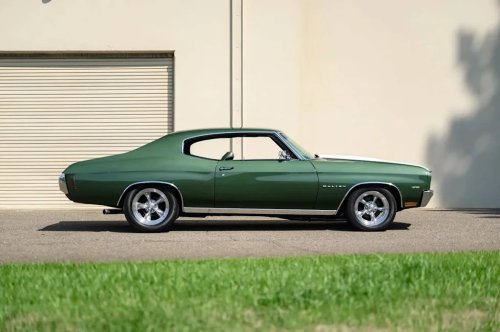
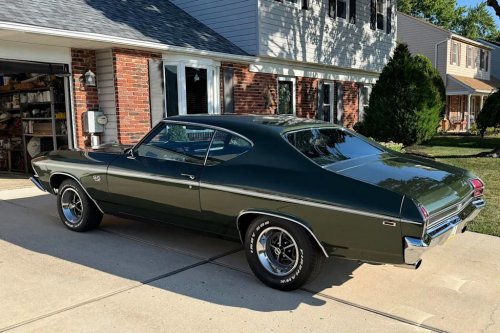
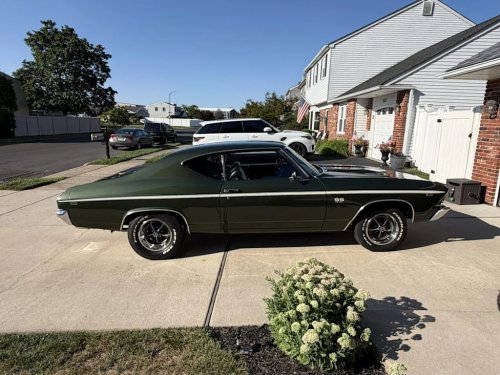
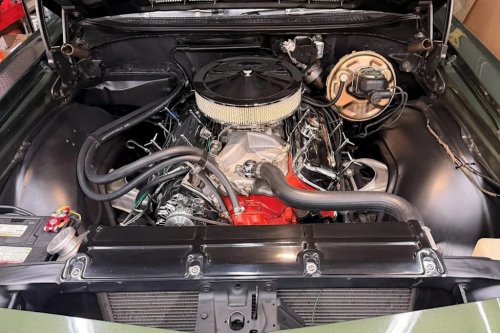
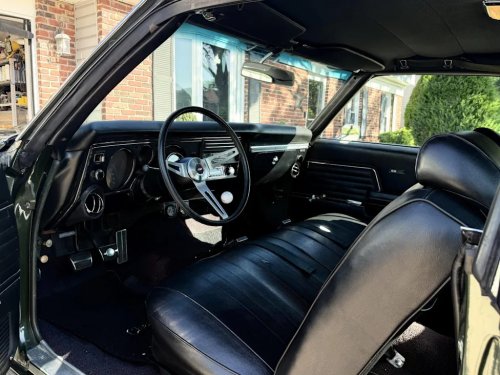
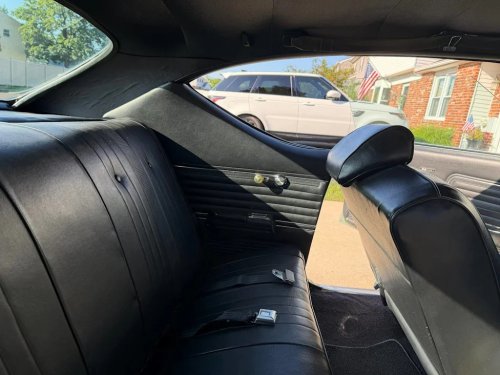
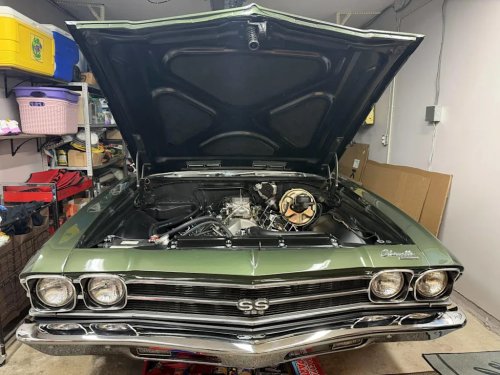
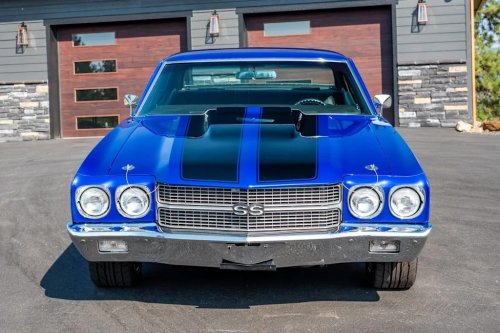
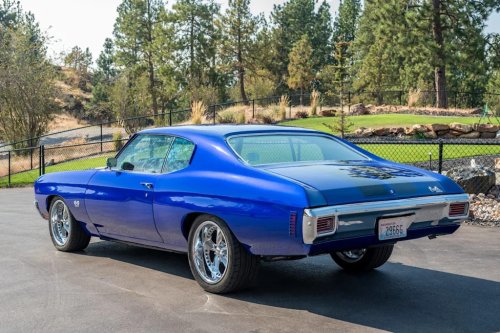
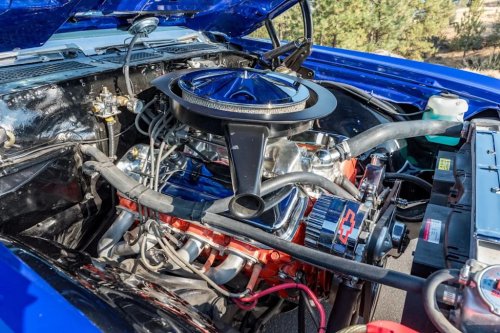
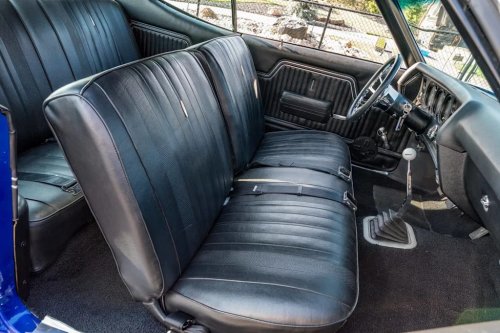
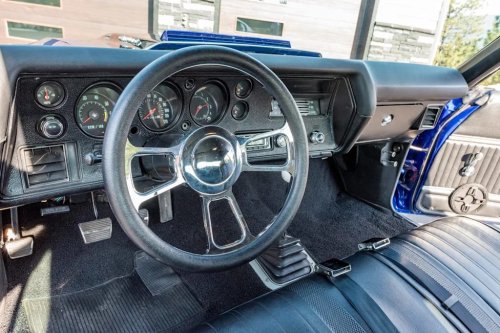
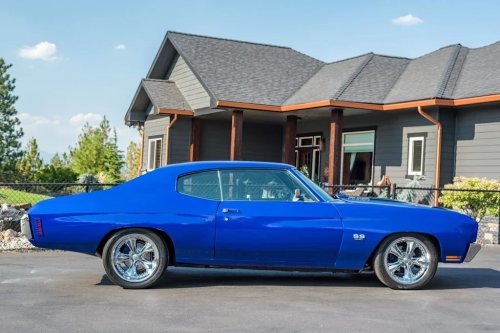
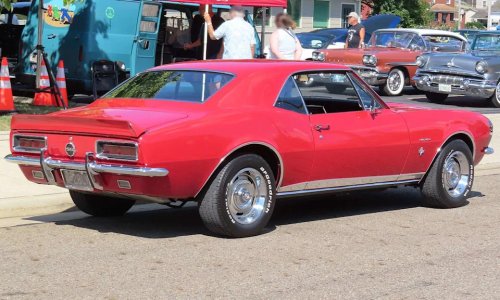
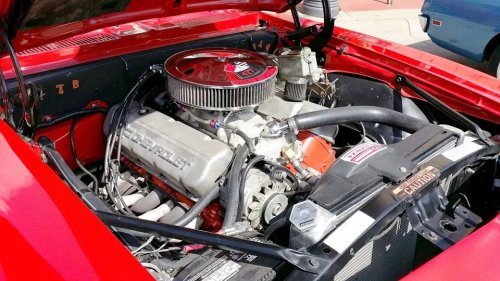
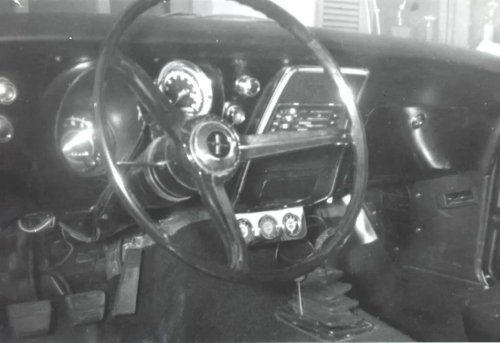
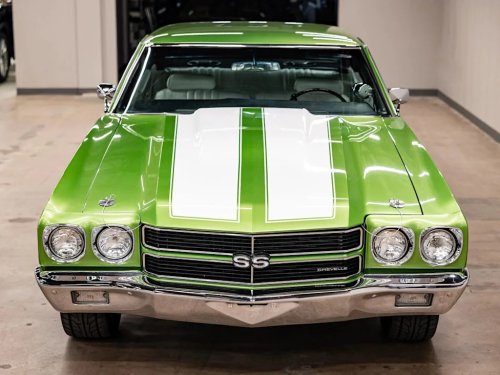
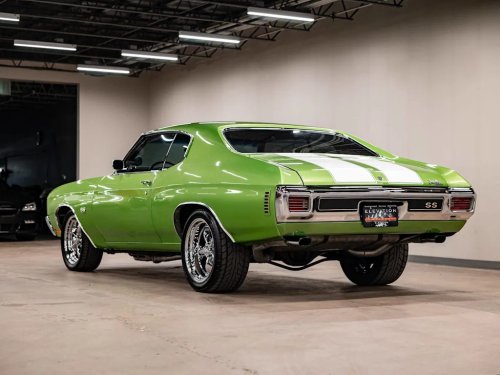
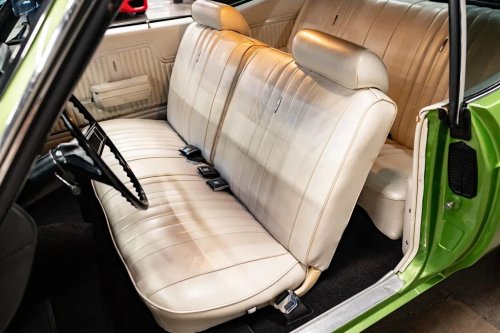
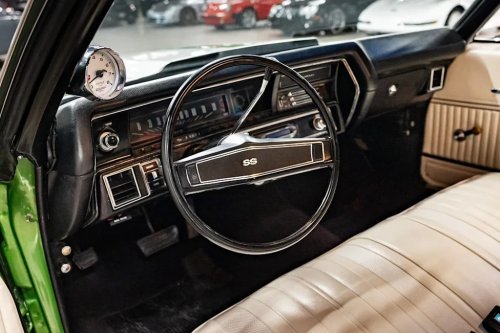
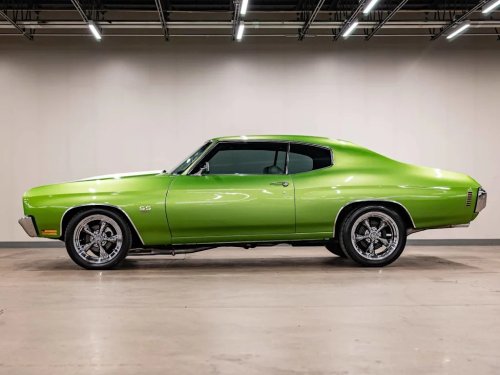
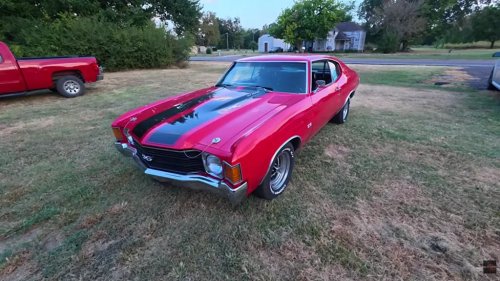
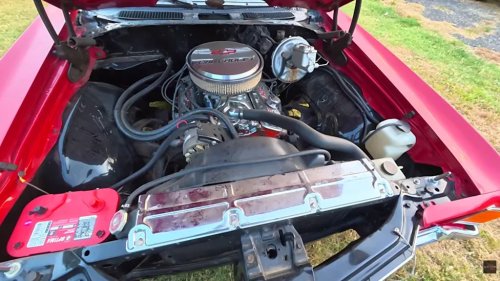
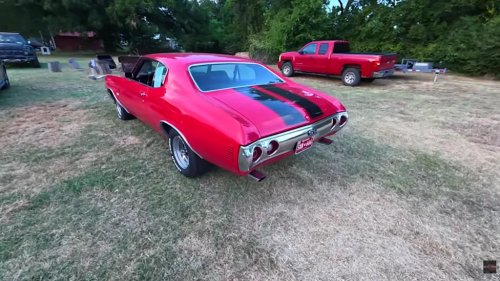
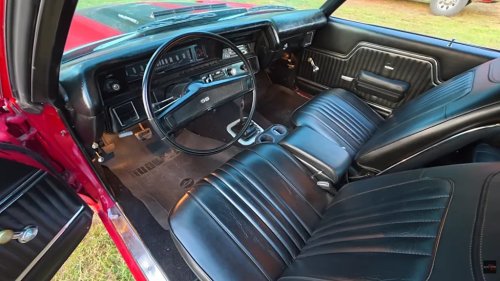
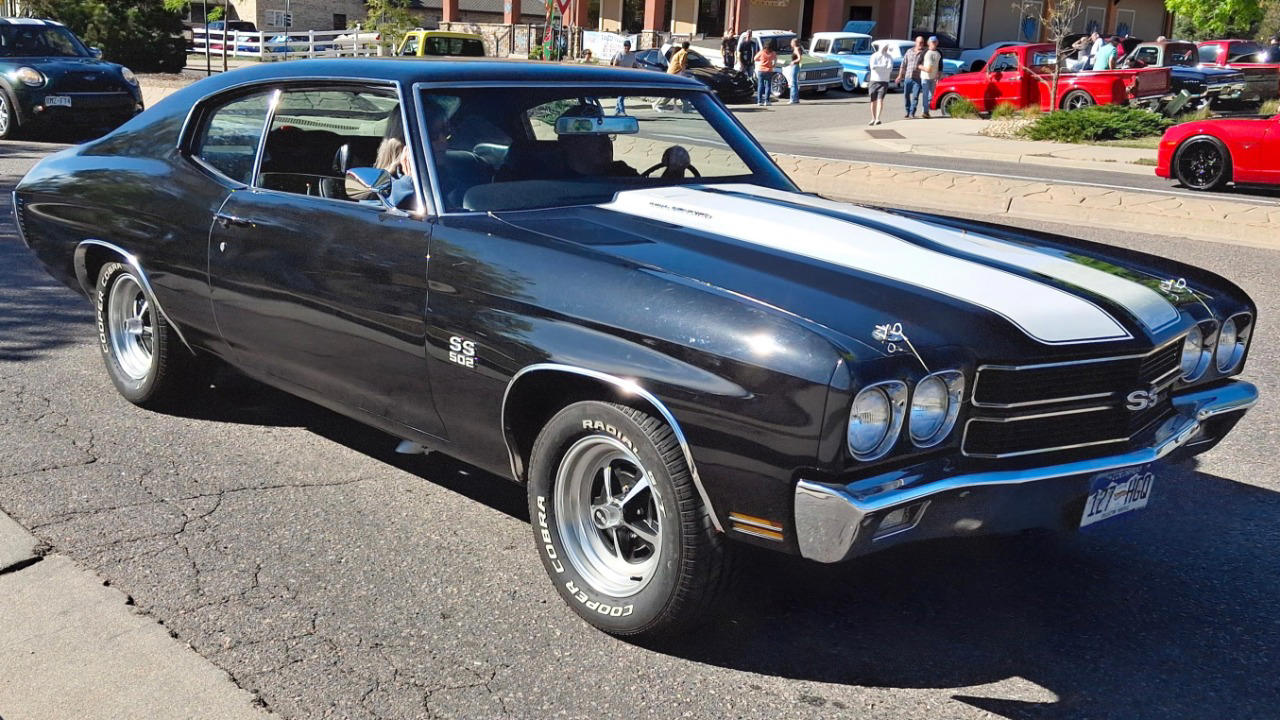
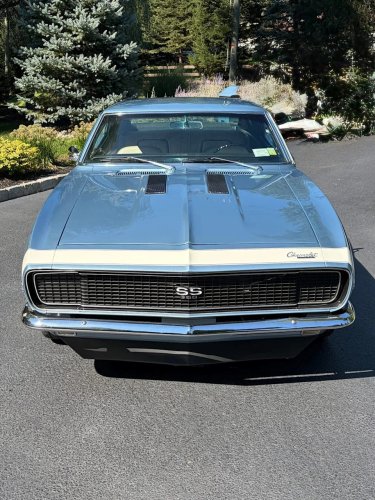
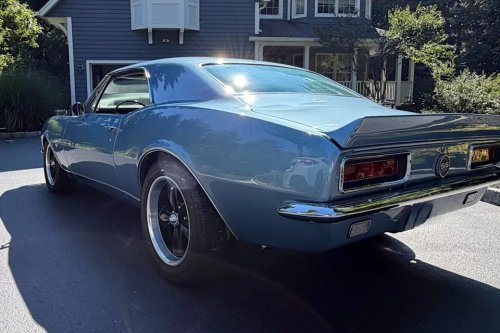
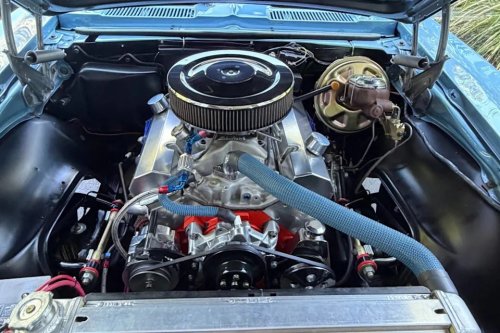
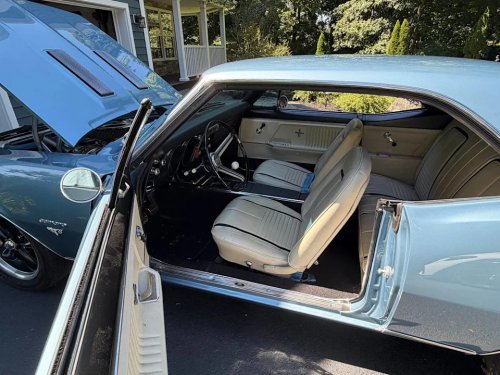
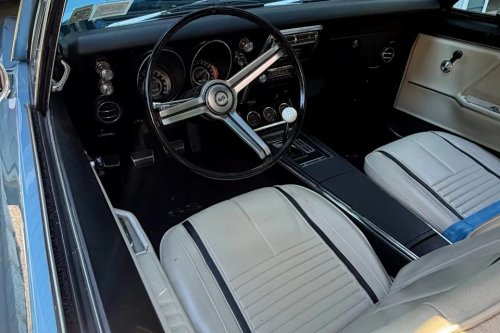
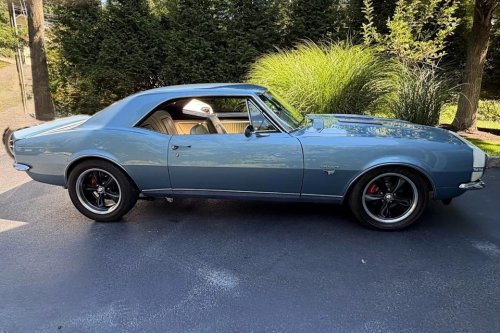
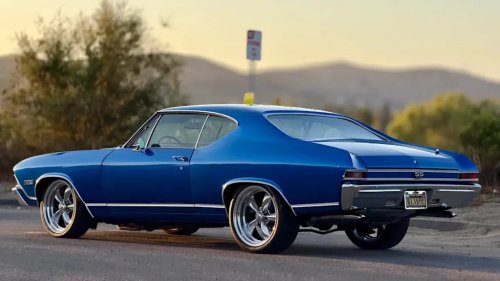
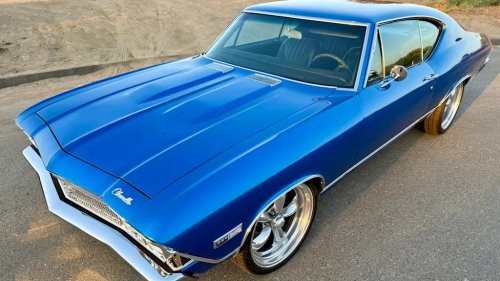
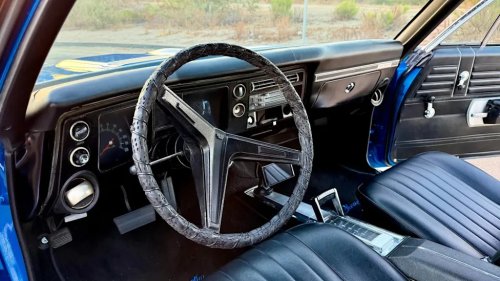
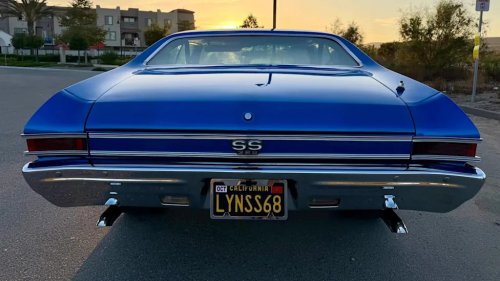
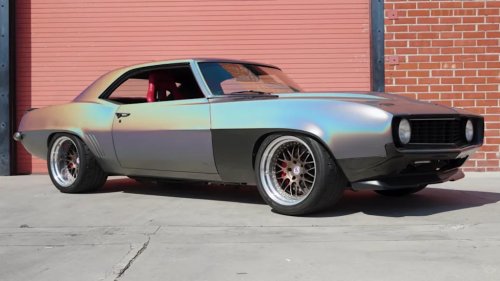
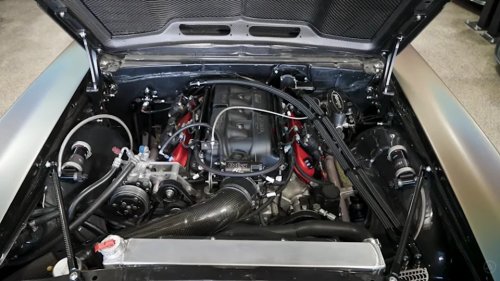
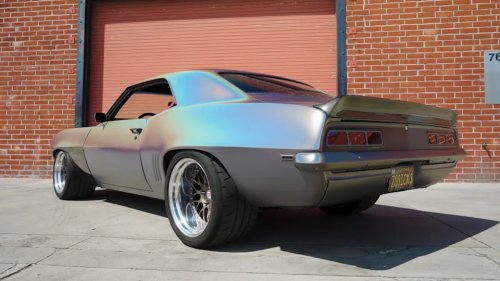
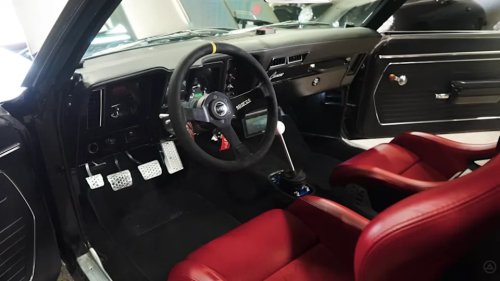
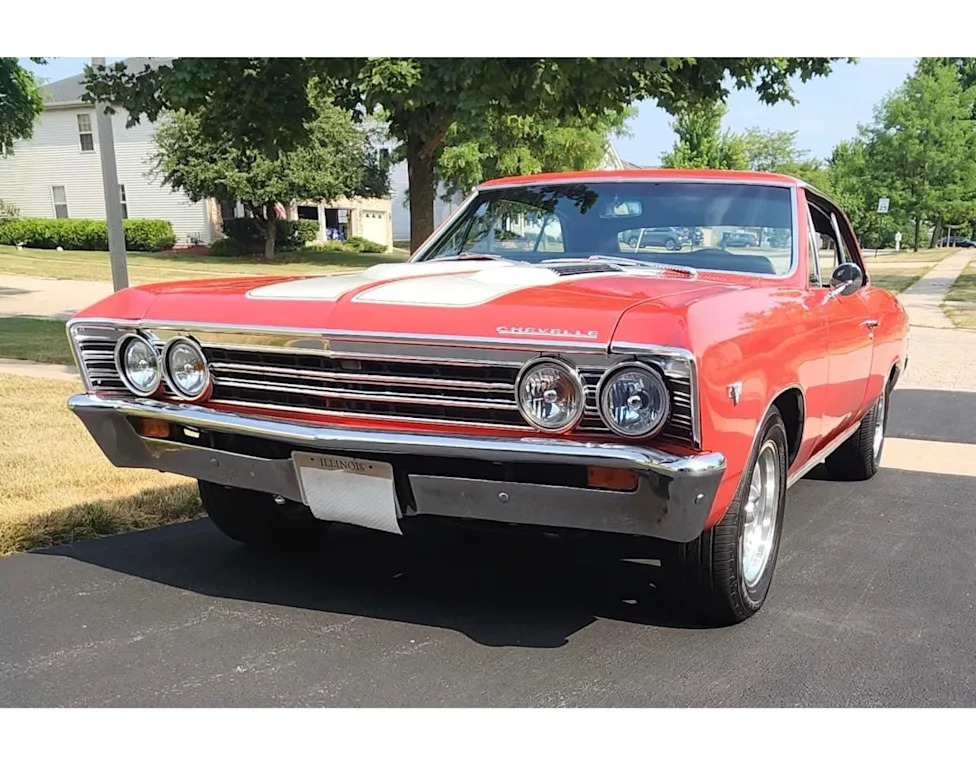
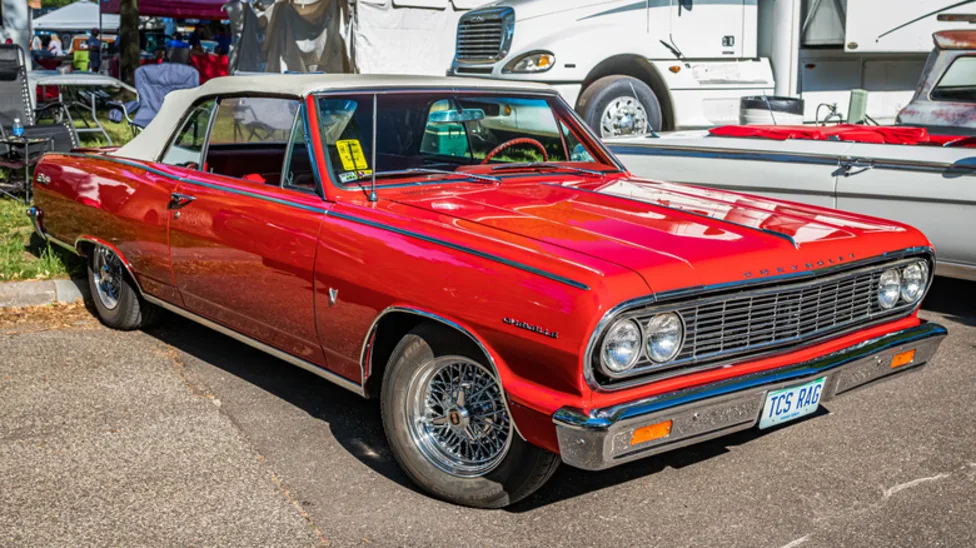
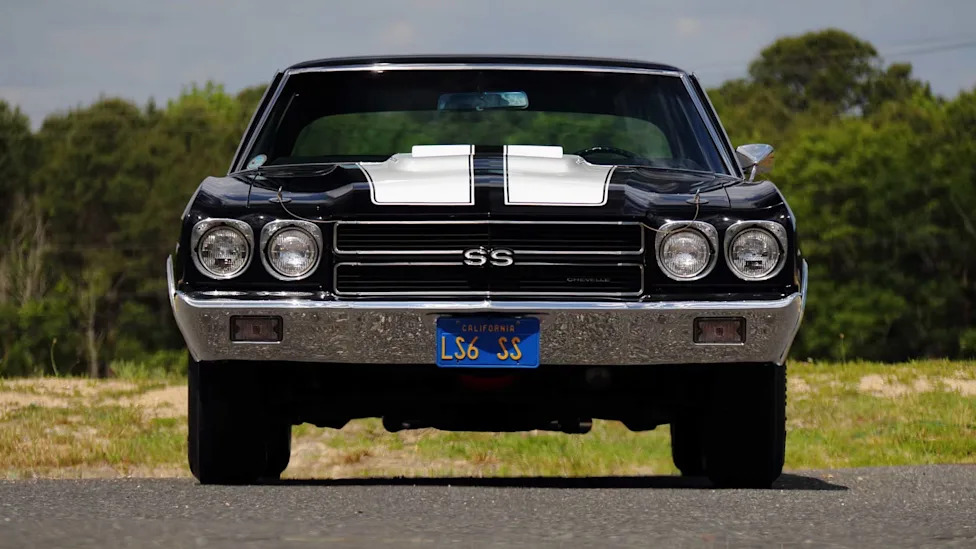
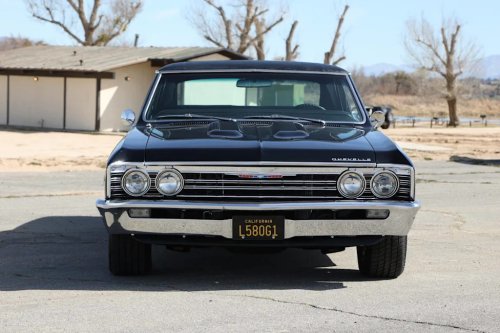
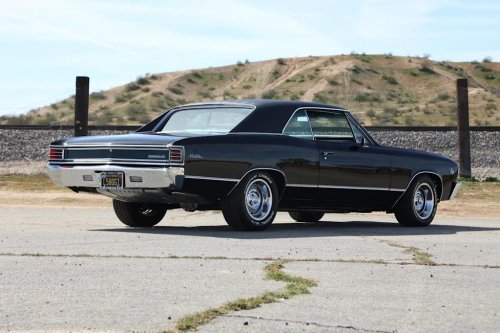
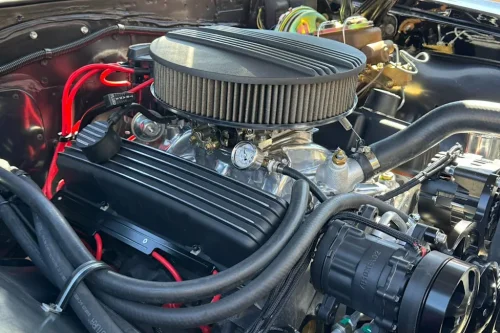
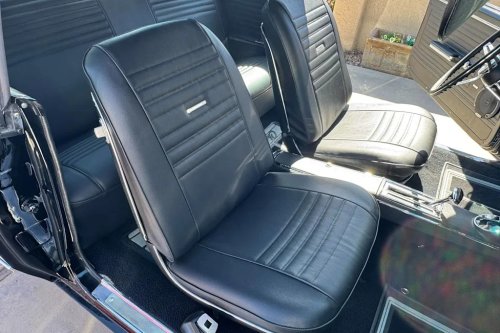
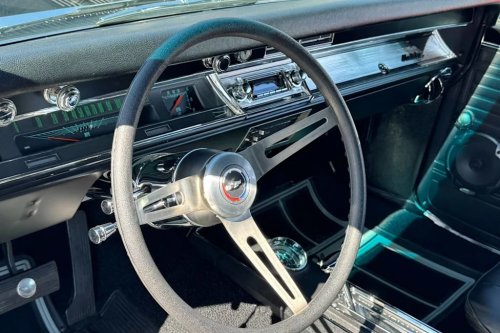
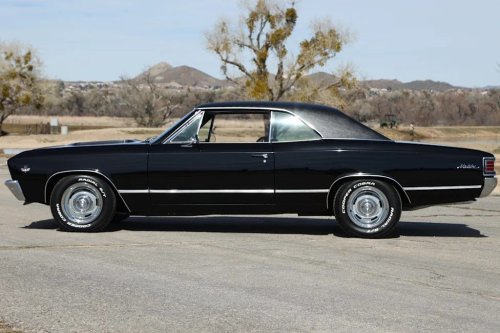
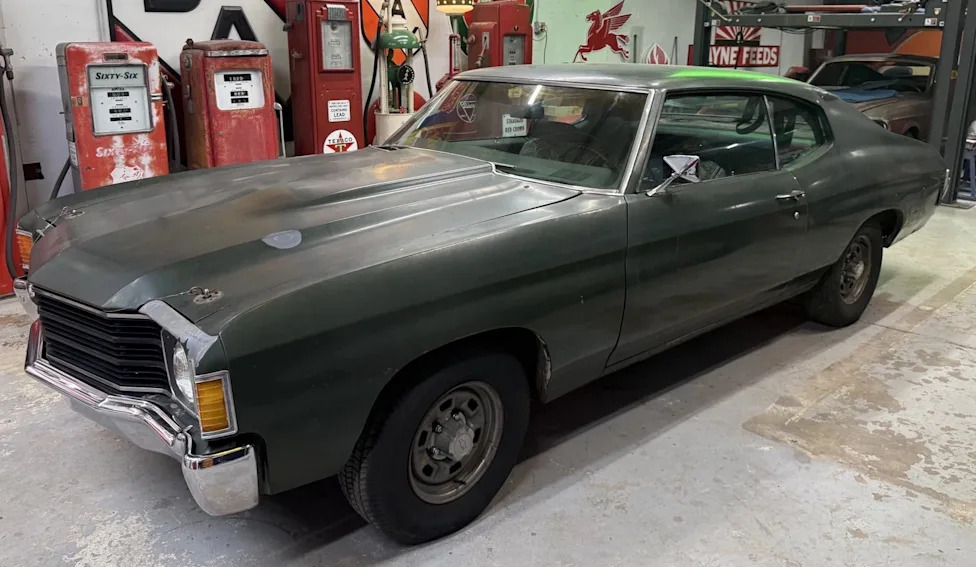
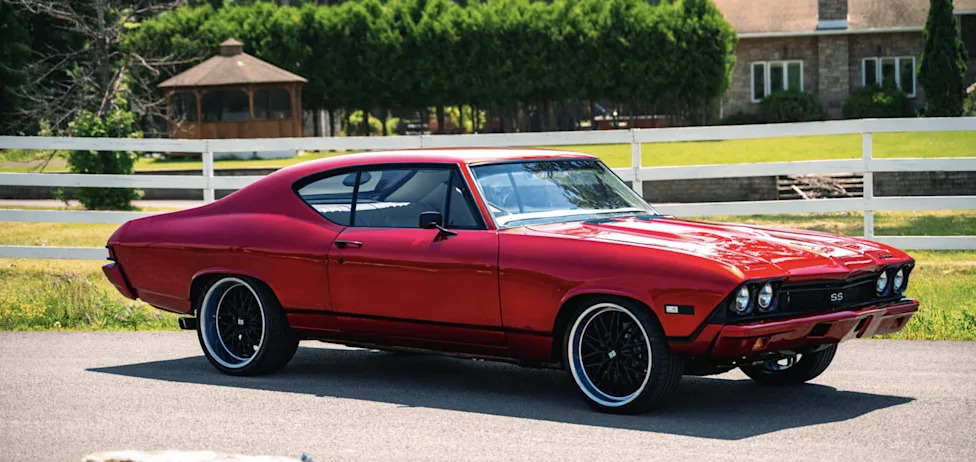
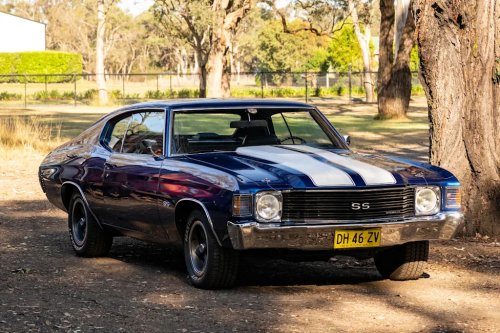
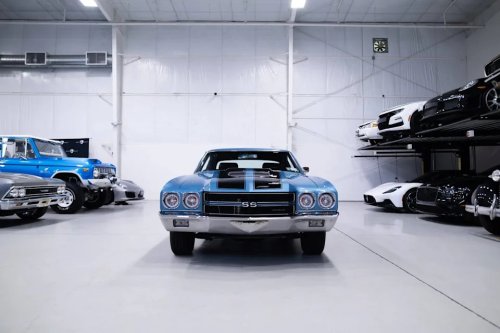
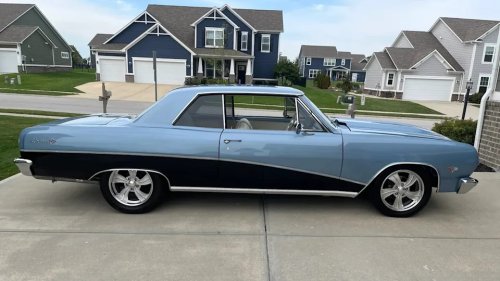
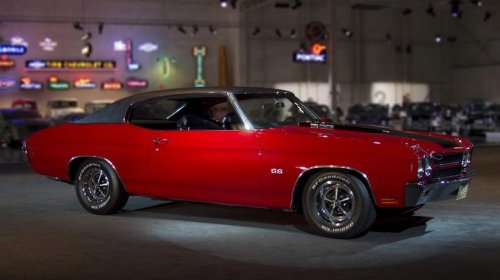
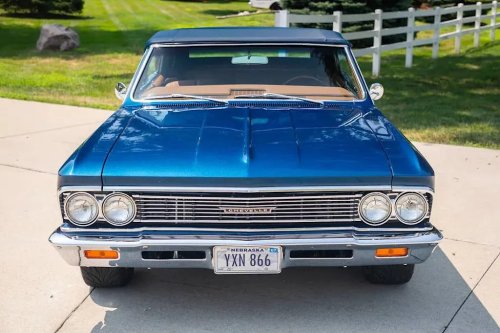
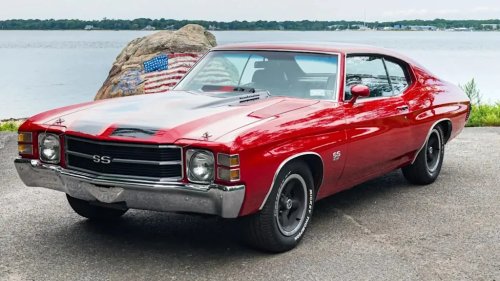
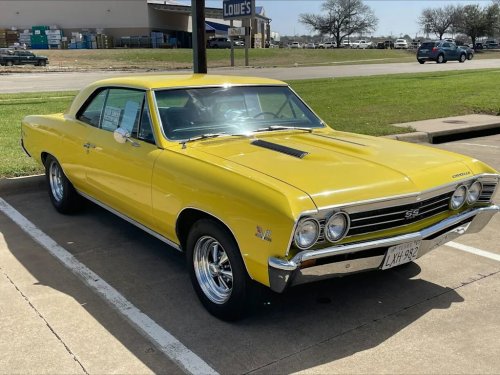
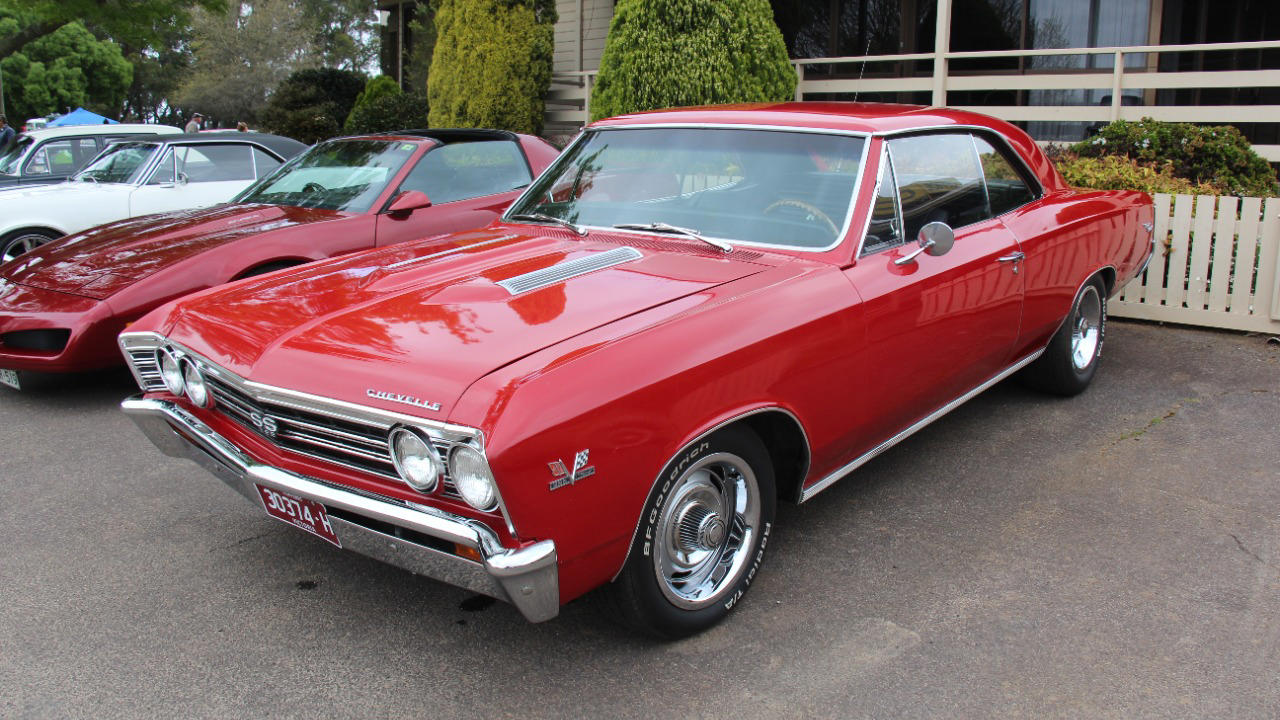
The 1966 Chevelle SS sits in a sweet spot that later muscle cars often overshot. It had real big-block power, a clean mid‑size footprint, and just enough refinement to make everyday driving feel special instead of punishing. When I look at that model year, I see a car that threaded the needle between brute force and livable design in a way the market has been chasing ever since. That balance did not happen by accident. Chevrolet was responding to a fast‑moving performance arms race, but the company still had to build something families could park in the driveway without fear of it being too wild or too fragile. The result was a Super Sport that delivered serious speed, yet stayed grounded in practical proportions, straightforward engineering, and a design that has aged with unusual grace. The big-block that knew when to stop Any conversation about the 1966 Chevelle SS has to start under the hood, because the engine lineup is where Chevrolet walked the line between excess and restraint. The car’s identity revolved around the 396 CID V‑8, and for that year the performance ladder expanded from a single halo option into a more nuanced range. Buyers could choose a base 325 horsepower version of the 396, or step up to higher output tunes that pushed the same displacement harder without forcing everyone into a race‑only package. That strategy mattered, because it meant the Chevelle SS could be both a weekday commuter and a weekend street bruiser, depending on how far up the 396 scale an owner wanted to climb. By keeping the core engine family consistent and simply tuning it for different outputs, Chevrolet preserved the car’s character while giving enthusiasts room to grow. The way the company structured those Chevelle Factoids The 396 CID V‑8, including the base 325 horsepower configuration, shows how carefully the performance envelope was drawn. Mid-size proportions with full-size presence Image Credit: Sicnag – CC BY 2.0/Wiki Commons Power alone never made the 1966 Chevelle SS feel so well judged; its size did just as much work. Chevrolet built it as a mid‑size car, which kept the footprint manageable in traffic and on narrow suburban streets, but the styling team gave it muscular body lines that read as full‑size confidence. The long hood, short deck, and crisp side creases made the car look substantial without actually being unwieldy, a visual trick that helped it appeal to both young buyers and parents who still needed to fit into a garage. From my perspective, that balance of stance and practicality is why the shape still resonates. The Chevelle SS does not sprawl across the road the way some later muscle machines do, yet it has a planted, almost crouched posture that suggests the big‑block’s torque is always just a throttle stab away. Modern resto‑mod builds lean hard into those original proportions, because the basic shell already carries the right mix of aggression and restraint. When a builder updates a classic Chevrolet Chevelle SS396 with modern hardware, they are really just amplifying a design that was already carefully proportioned. Everyday usability in a muscle-car era What keeps drawing me back to the 1966 Chevelle SS is how livable it remained at a time when performance bragging rights were starting to overshadow comfort. The car’s mid‑size platform meant there was still real back‑seat space and a usable trunk, so it could handle school runs or grocery duty without feeling like a compromise. The cabin layout was straightforward, with clear gauges and simple controls, which made the driving experience approachable even for someone who was not a seasoned hot‑rodder. That usability extended to the mechanical side as well. By basing the SS on a mainstream Chevelle architecture, Chevrolet ensured that serviceability and parts availability stayed within reach of ordinary owners. The 396 engines shared a lot of DNA with other big‑block Chevrolets, so maintenance did not require exotic expertise. In practice, that meant a driver could enjoy serious performance while still trusting the car on a long highway trip or a daily commute, a combination that helped the model year age into a classic people actually use instead of just admire from a distance. Styling that split the difference between flash and restraint Visually, the 1966 Chevelle SS walked a careful line between subtlety and showmanship. The Super Sport cues were there, from the badging to the hood treatment, but they did not overwhelm the basic cleanliness of the body. The front end carried a confident, squared‑off look without tipping into cartoonish aggression, and the rear treatment kept the lines tidy rather than cluttered with fins or excessive chrome. It was a car that announced itself, then let the details reward a closer look. Inside, the same philosophy applied. The dashboard and door panels had enough brightwork to feel special, yet the overall design stayed functional and unfussy. Bucket seats and a console shifter signaled intent, but the materials and layout were still rooted in the everyday Chevelle, which kept the SS from drifting into fragile show‑car territory. That mix of modest flash and practical ergonomics is part of why the 1966 interior adapts so well to modern upgrades, from discreet audio systems to updated gauges, without losing its original character. Why that balance still matters today Looking at the current collector market and the way enthusiasts build their cars, I see the 1966 Chevelle SS as an early template for what many people now want from a performance machine. Drivers chase big power, but they also expect a car they can actually live with, whether that means a comfortable ride, usable space, or the ability to handle a long road trip. The Chevelle’s combination of a strong 396 lineup, mid‑size practicality, and restrained styling anticipated that blend decades before it became the norm. For me, that is why this particular model year feels so complete. It did not try to be the fastest thing on the street at all costs, and it did not water down its performance credentials to chase mass appeal. Instead, it found a middle path where the numbers, the proportions, and the design all supported one another. In an era when performance cars can easily tip into excess or anonymity, the 1966 Chevelle SS stands as a reminder that the most satisfying machines are often the ones that know exactly where to stop.



















 +38 others