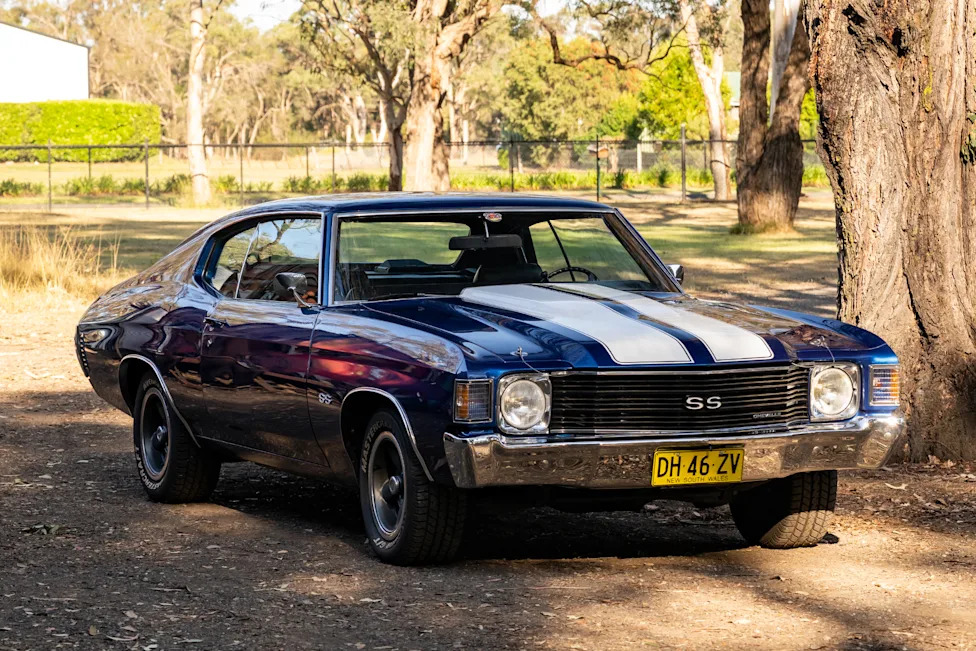
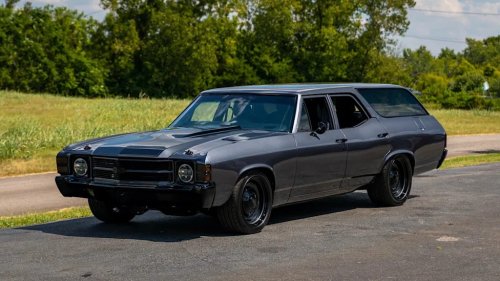
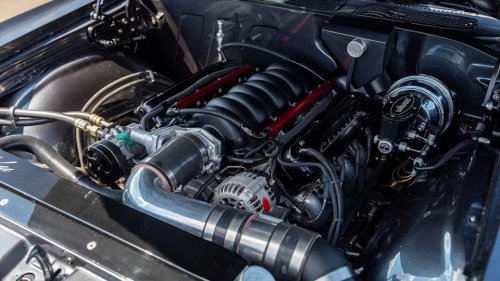
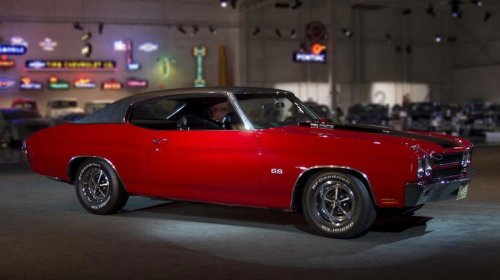
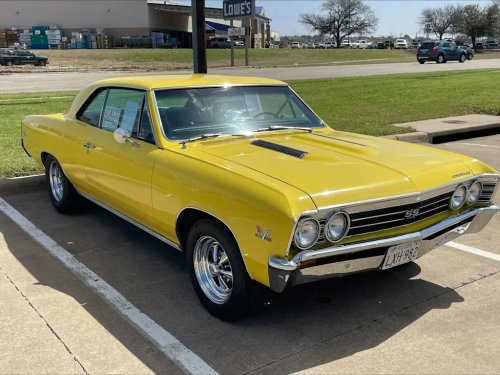
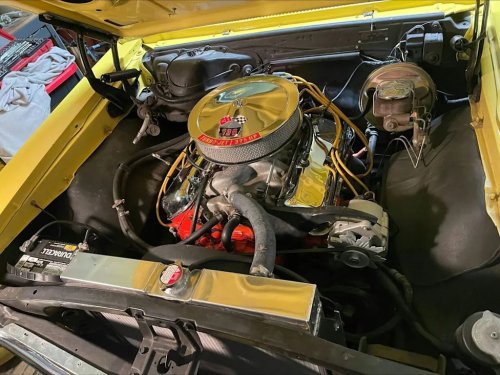
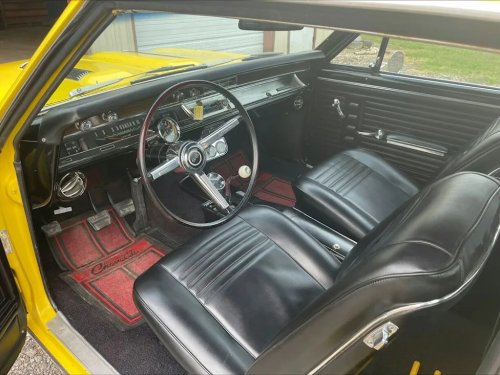
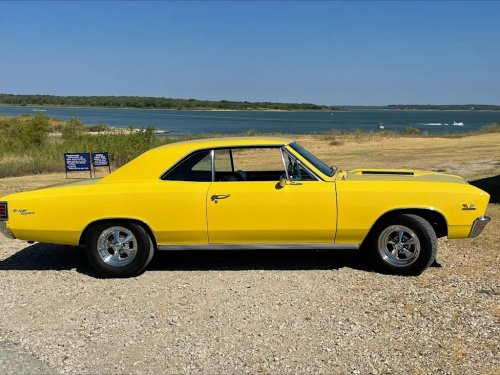
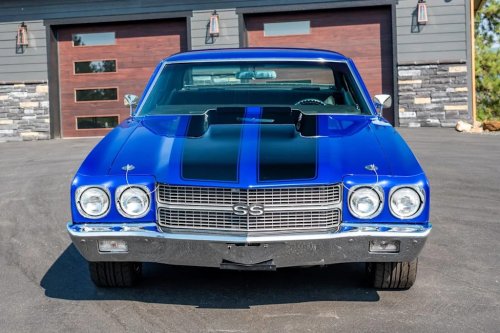
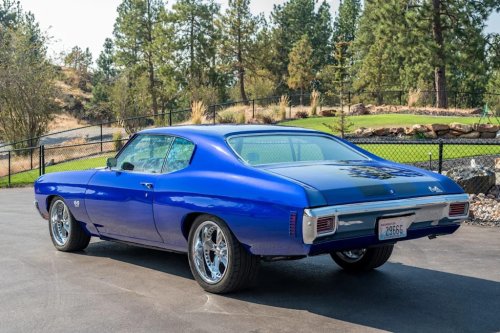
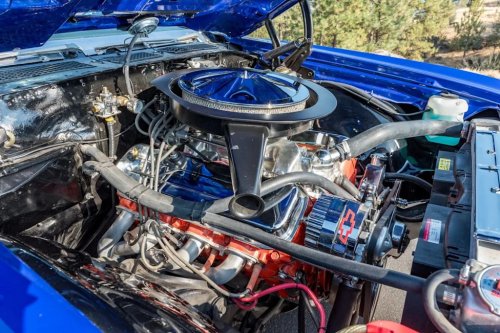
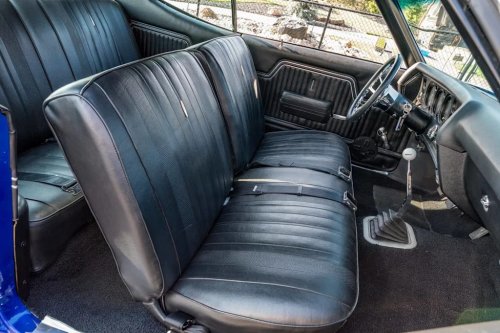
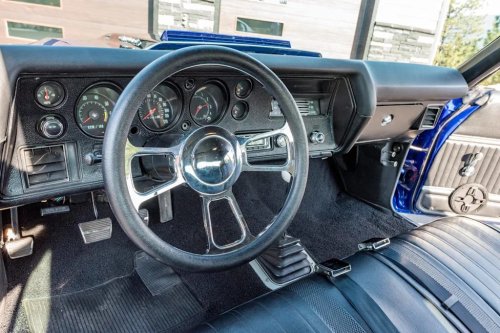
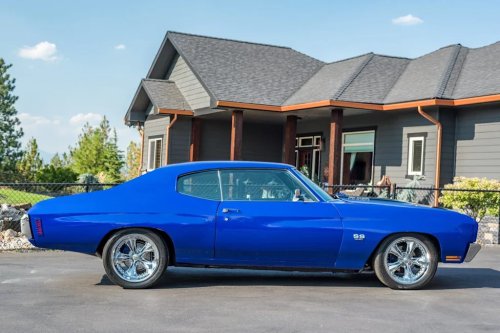
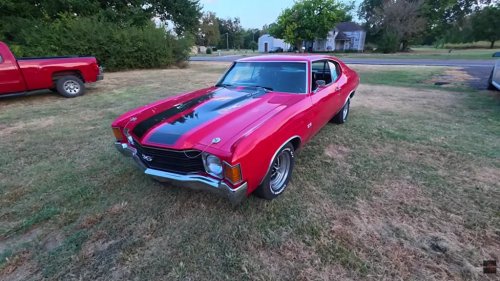
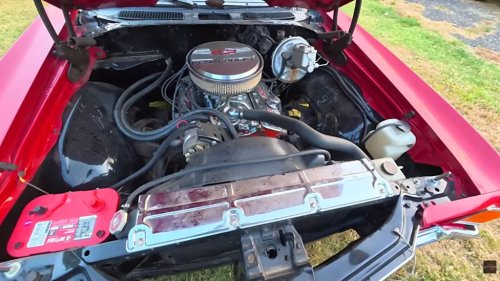
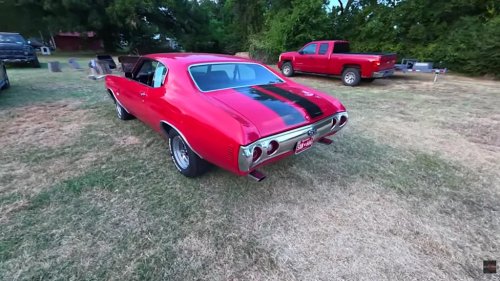
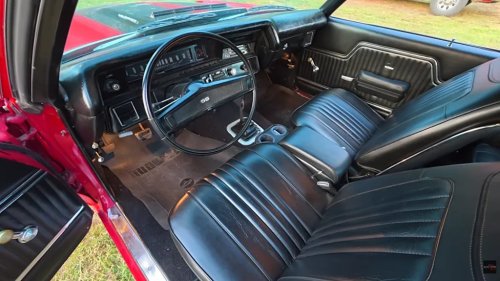
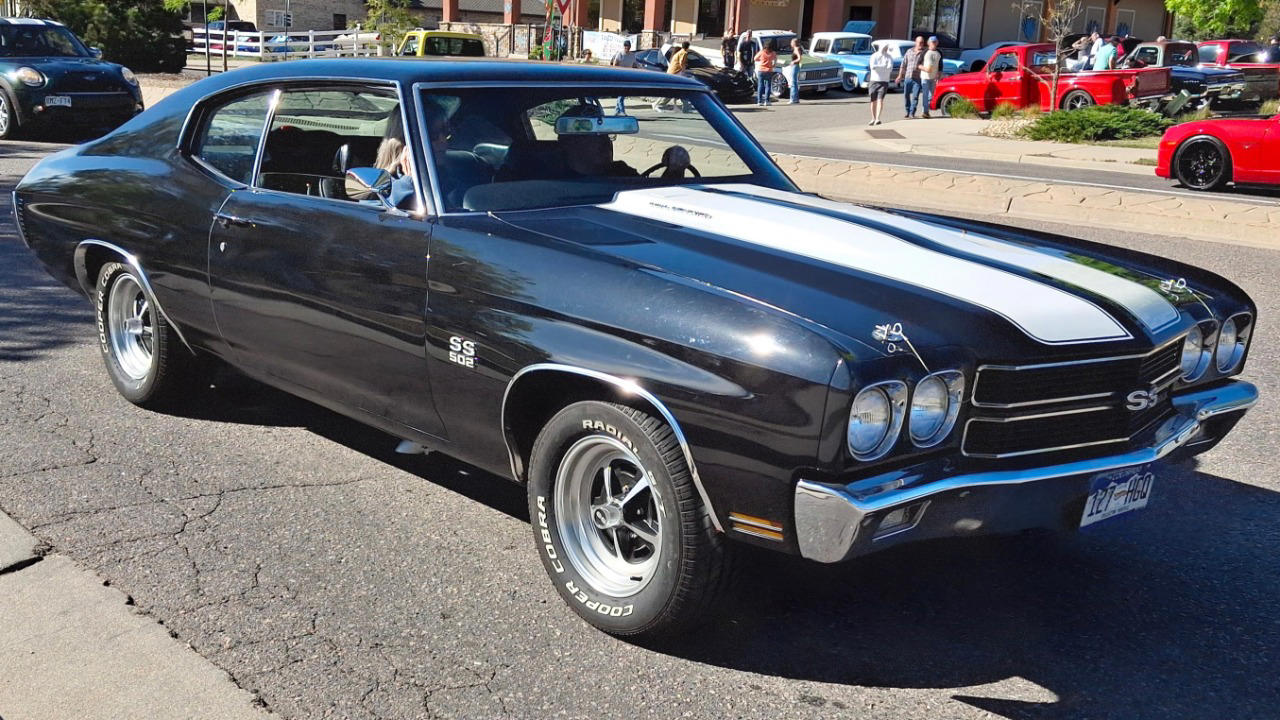
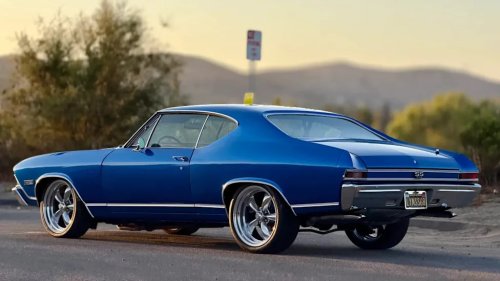
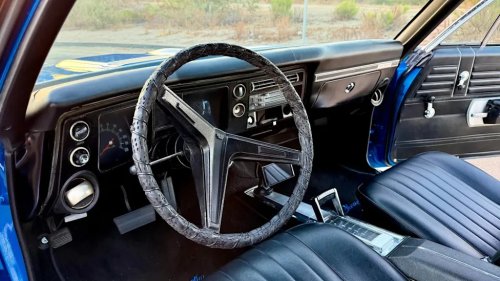
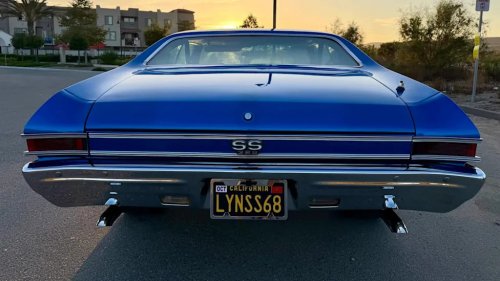
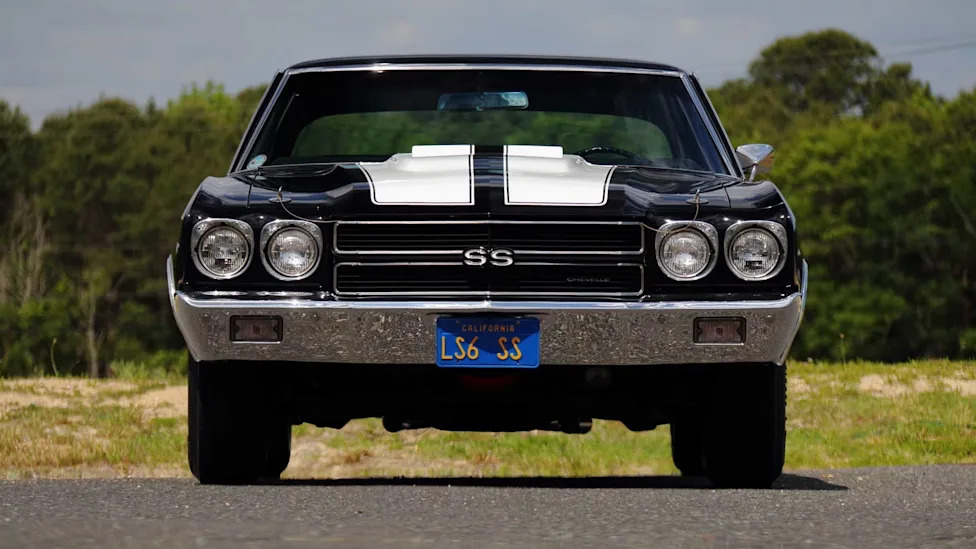
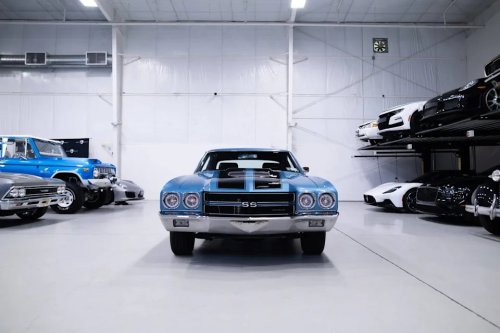
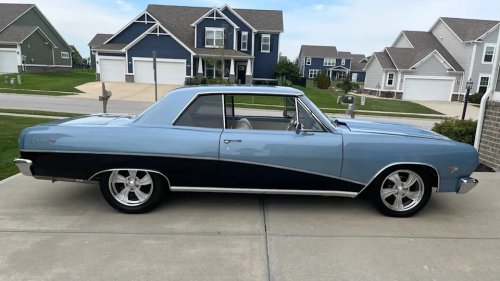
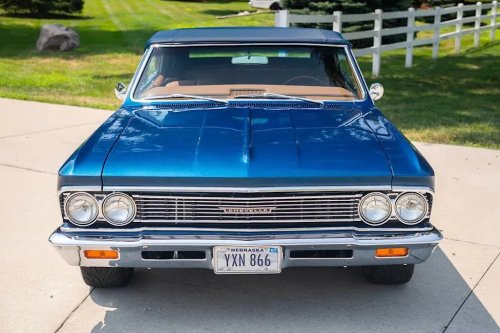
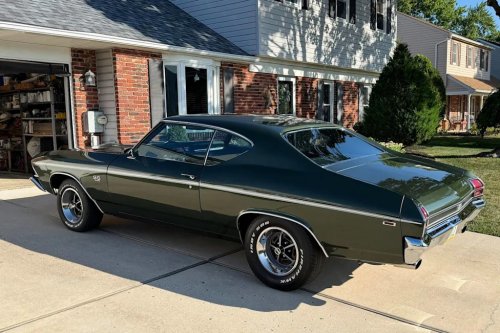
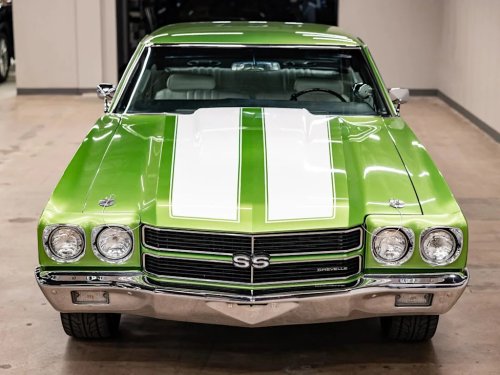
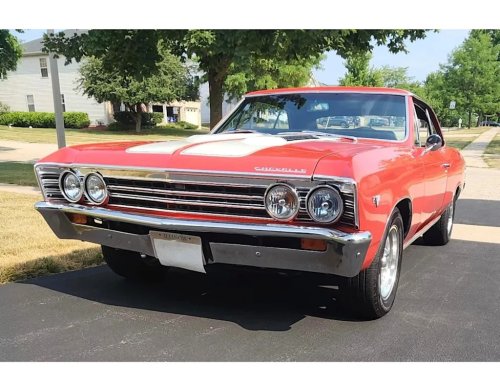
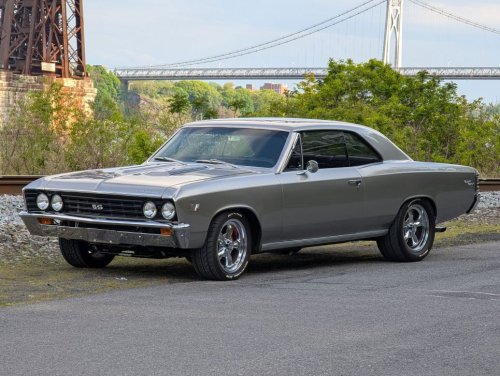
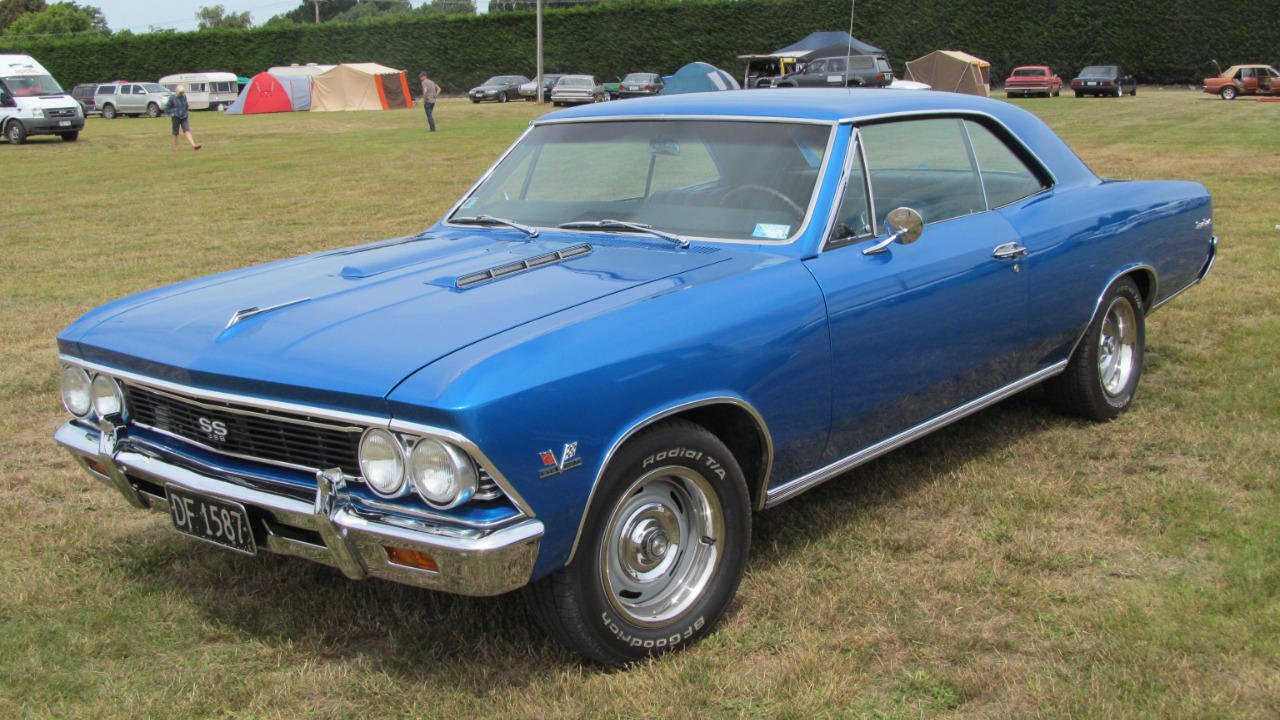
How the 1966 Chevrolet Chevelle Malibu SS sold in volumeThe 1966 Chevrolet Chevelle Malibu SS arrived at the height of the muscle car boom and managed to balance everyday usability with genuine performance. Rather than serving as a low-volume halo, it was engineered and marketed to sell in meaningful numbers across North America. That strategy combined broad Chevelle production, smart option packaging, and accessible pricing so the Malibu SS could ride a wave of volume instead of remaining a niche curiosity. From family car to performance hero Chevrolet did not build the Malibu SS in isolation; it sat inside a very large Chevelle universe that gave dealers scale and shoppers choice. Production for 1966 reached approximately 447,364 Chevelles in Total, a figure that shows how deeply the nameplate penetrated the mid-size market and how many potential buyers could be steered toward an SS upgrade. Within this range, the Chevelle 300 4 Door Sedan alone accounted for 11,468 Six Cylinder cars, 2,135 Eight Cylinder versions, and 13,603 Total units, evidence that Chevrolet treated the platform as a volume family car as much as a performance base. That breadth made it easier for the Malibu SS to thrive. A customer could enter the showroom looking for a practical Chevelle and be walked across the lot to something with more visual punch and stronger acceleration, yet still sharing much of the same sheetmetal and interior layout. Styling that sold on sight For the 1966 model year, all Chevelles received a new body with a trapezoidal form, a bolder shape over the rear wheel housings, and a more aggressive stance. The redesign gave the Malibu SS a muscular profile that looked modern without alienating conservative buyers. The SS treatment added its own visual hooks, including unique trim, badging, and a bucket seat interior with features such as a console that made the car feel more like a specialty coupe than a dressed-up sedan. The result was a car that signaled performance from the curb but still read as a Chevelle, familiar to anyone who had seen one in the neighborhood. Marketing leaned into that dual identity. Dealer training materials described the 1966 Chevel as a family favorite that had been growing on sportsminded buyers, framing the SS as a natural extension of a trusted name rather than a risky indulgence. Powertrain choice and the 396 hook Under the hood, the Malibu SS capitalized on the growing appetite for big block power. The SS 396 configuration centered on a 396 Big Block Engine Of V8, a unit that enthusiasts still regard as The Heart of the Beast in any Chevelle Super Sport. Output levels varied, with 325, 360, and 375 horsepower versions available in SS396 Chevelles, which allowed Chevrolet to cover everything from a strong street car to a near race-ready package while keeping the core branding intact. Transmission Options broadened the appeal further. Both automatic and manual gearboxes were available for the first time on this line, which meant buyers who wanted easy commuting and those who preferred a more involved driving experience could both find a suitable Malibu SS. Earlier experimentation with the 396, such as the limited 396 and 375 horsepower Z16 Malibu, had shown that there was a market for serious performance in a mid-size Chevrolet. By 1966 that lesson translated into mainstream availability rather than a tiny run of specialty cars. Pricing the SS as a “bread and butter” muscle car Volume depends as much on affordability as on engineering. The 1966 SS 396 hardtop was described as more of a bread and butter muscle car, with a starting price of $2,776 that sat comfortably below some rival performance models. That positioning was deliberate. Chevrolet wanted the Malibu SS to be attainable for buyers who might otherwise consider a well equipped family sedan, not only for enthusiasts chasing the highest horsepower number. There was a total of 72,272 Chevelle SS 396 models produced for 1966, along with 1,865 known L35 equipped El Caminos that carried similar power. Those figures show that the SS 396 formula was not an obscure option code but a core part of the Chevelle story. Other sources echo that scale, noting that 72,272 SS 396s were built in the mid sixties and that these cars have never been in short supply on the collector market. The sheer number surviving today traces directly back to the decision to price and market the Malibu SS as a high volume proposition. Canadian twist and the Malibu “Sports Option” Chevrolet also used regional tailoring to extend the Malibu SS idea beyond the United States. For the Canadian market, the Malibu could be ordered with the A51 RPO to transform it into a Malibu Sports Option, a configuration that blended local preferences with the broader Chevelle performance narrative. Many hard-core Chevelle enthusiasts have long debated whether a 1966 or 67 M Malibu V8, model 136, ever left certain factories with this treatment, which shows how intertwined the Malibu name and performance image became in both countries. Photography and period documentation of Canadian cars, including images of interiors with bucket seats and consoles, reinforce how the Sports Option mirrored the American SS approach while carrying its own identity. How everyday usability fed high production Beyond engines and badges, the Malibu SS sold in volume because it still worked as an everyday car. The new Chevelles body, with its trapezoidal form and stronger rear haunches, did not compromise cabin space or trunk capacity in a way that would scare off family buyers. Interior layouts remained familiar, with clear instrumentation and bench or bucket seating depending on trim, so a move into an SS did not require learning a radically different car. Many buyers could justify the step up as a modest indulgence layered on top of practical transportation. Dealer films such as Meet The 66 Chevel highlighted this blend of family duty and sports car impression, training sales staff to present the Malibu SS as a car that could handle school runs and highway trips while still looking and sounding special. Beneath the styling, the Chevelle chassis and component set was shared widely across the range, which helped keep maintenance costs manageable and parts readily available. That familiarity continues to benefit restorers today, as seen in the steady supply of Chevelle Restoration Information and parts catalogs that still support the 1966 cars. Legacy of a mass market muscle car The Malibu SS did not remain a separate series on the American market after the late sixties, yet its impact is still visible. Collectors today chase original SS 396 examples, and identification guides focus heavily on decoding 396 engines, trim, and documentation to separate genuine cars from clones. Barn find stories involving a 1966 Chevrolet Chevelle, often described as all original, underline how many of these cars were bought as everyday transport and then parked rather than preserved as rare exotics, another sign of their mass market roots. Online communities, from dedicated Chevelle groups to restoration shops, trace their enthusiasm back to the moment when Chevrolet took a family car platform and turned it into a performance icon that ordinary buyers could actually afford. That combination of broad production, sharp styling, accessible price, and flexible powertrain choice explains how the 1966 Chevrolet Chevelle Malibu SS did more than capture headlines. It became one of the defining volume muscle cars of its era, and its numbers on the road and in collections still tell that story in metal. More from Fast Lane Only Unboxing the WWII Jeep in a Crate 15 rare Chevys collectors are quietly buying 10 underrated V8s still worth hunting down Police notice this before you even roll window down
















 +46 others