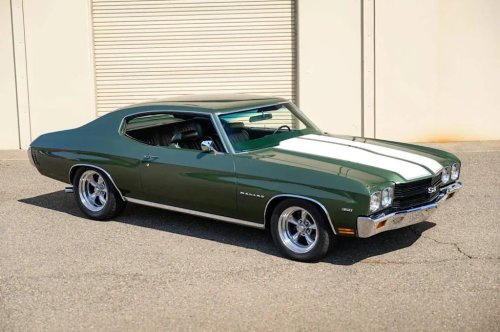
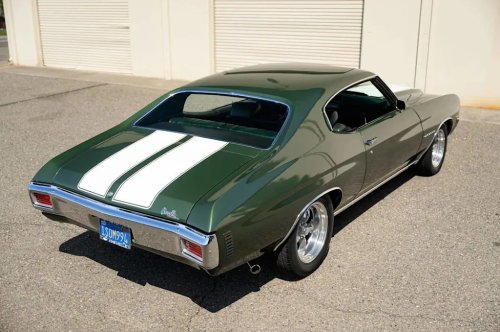
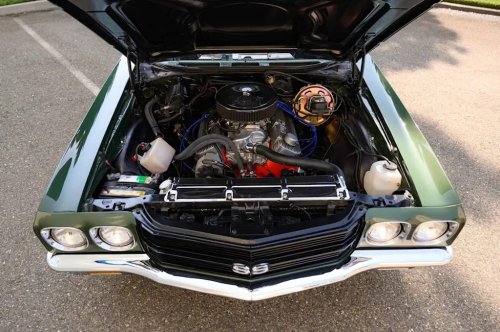
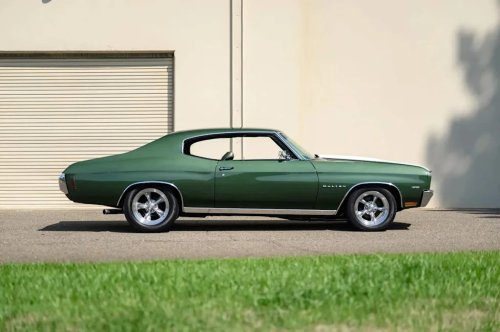
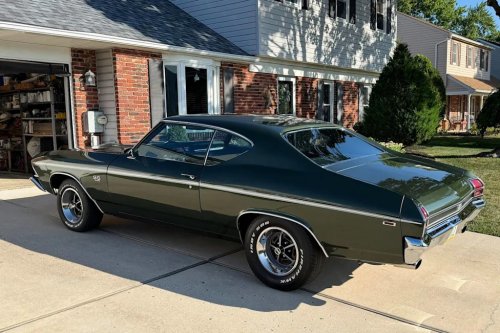
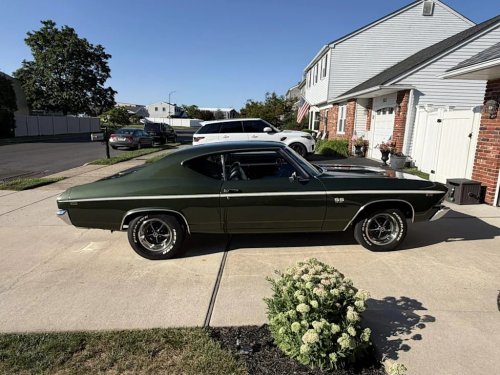
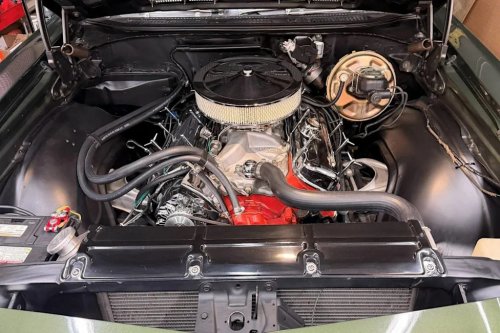
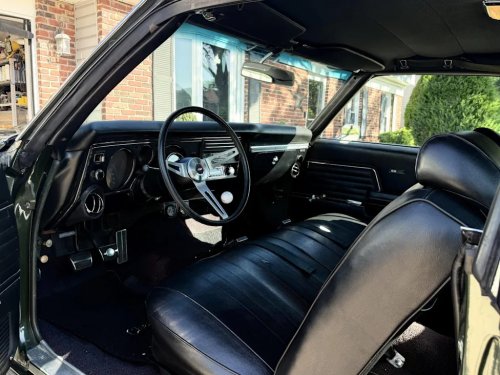
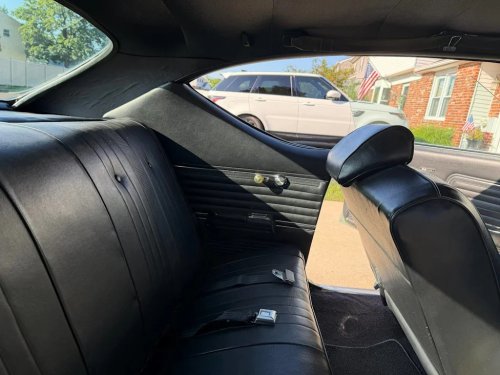
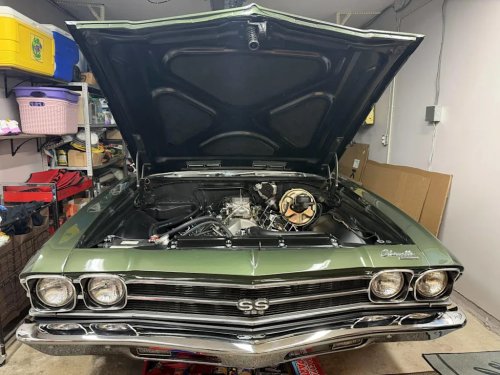
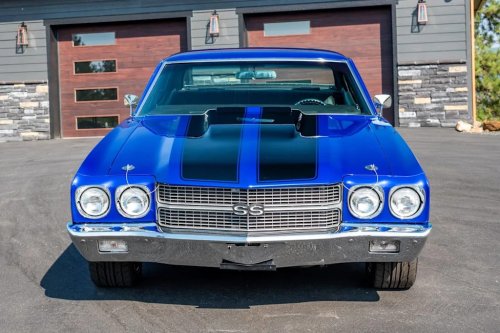
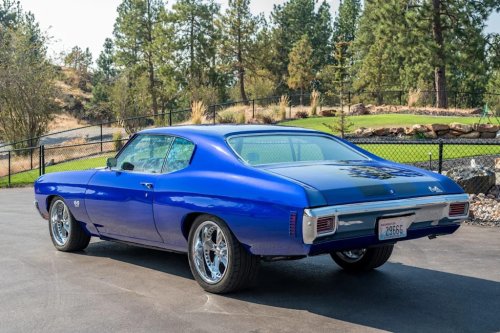
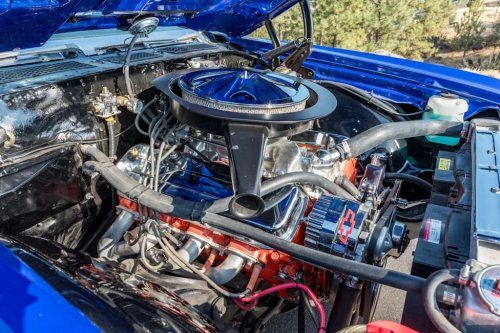
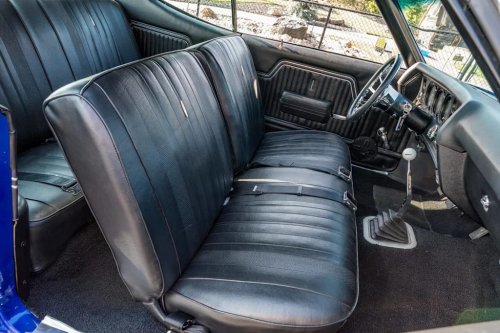
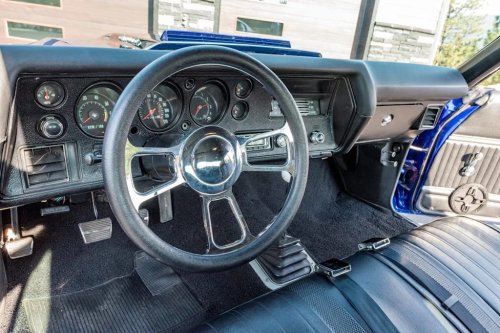
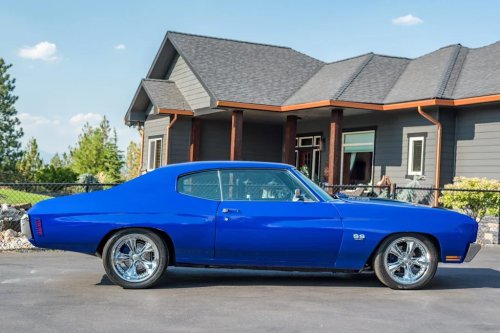
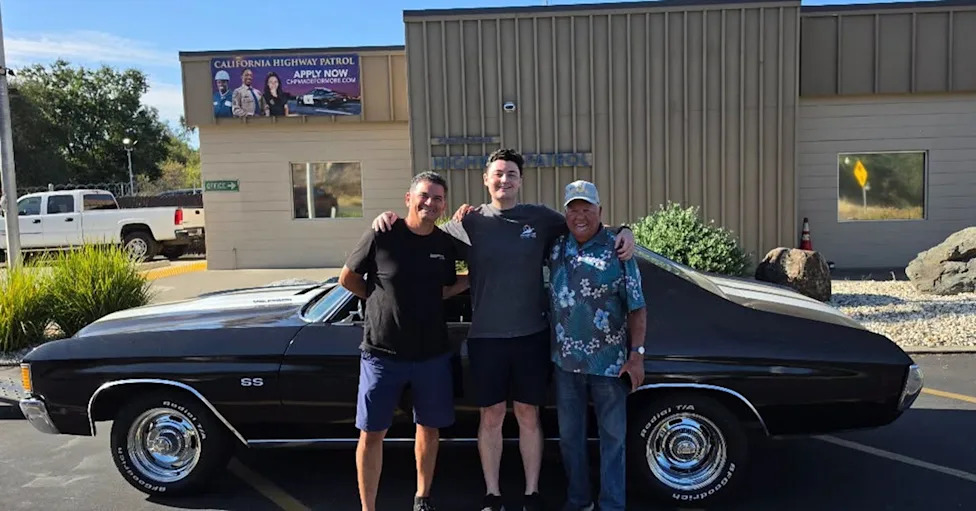
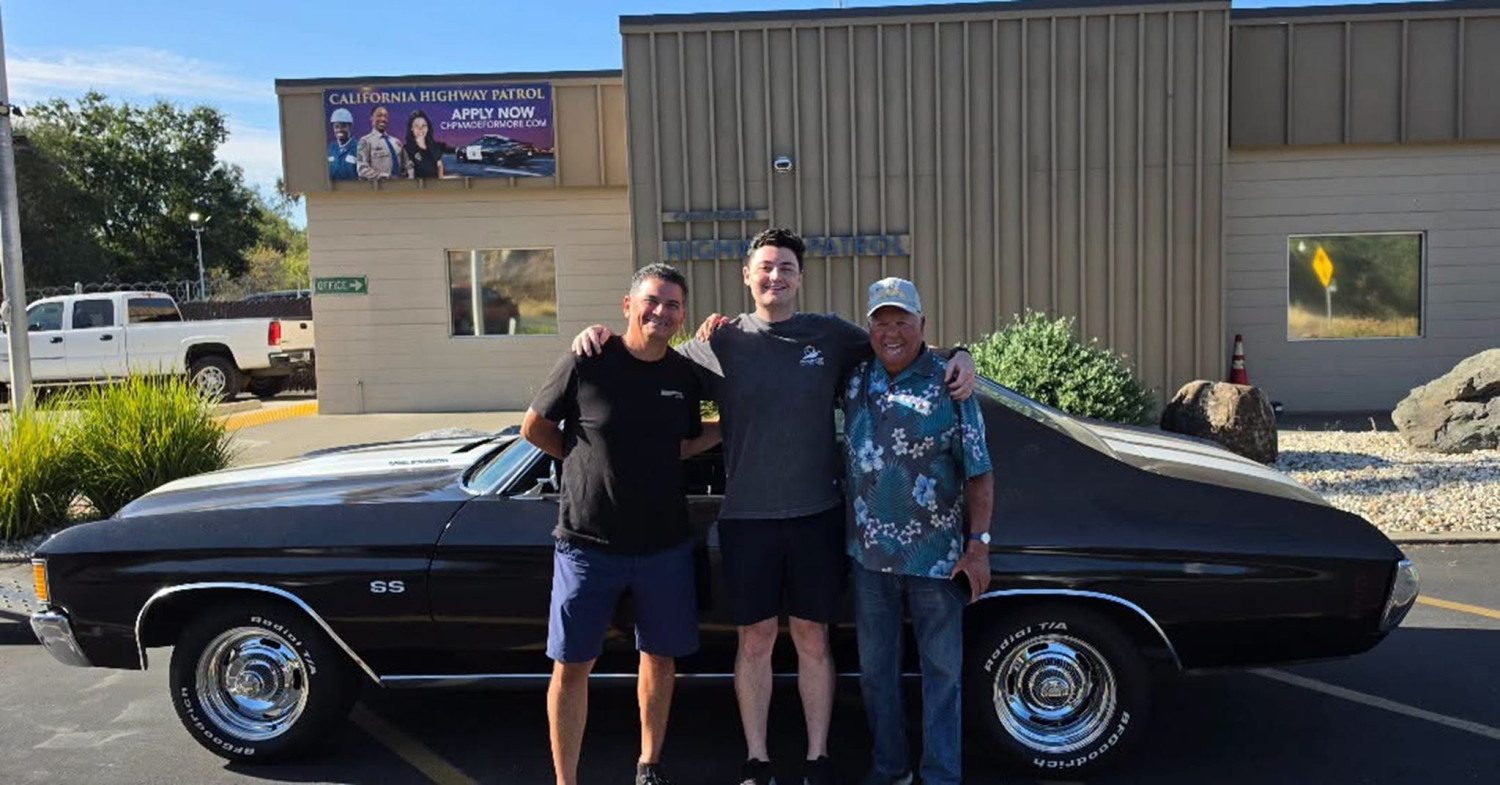
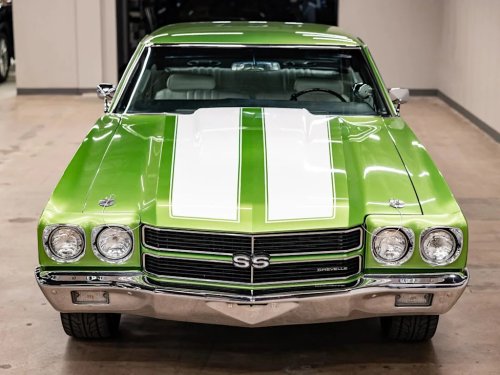
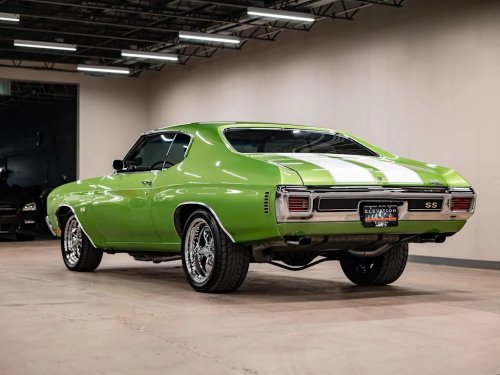
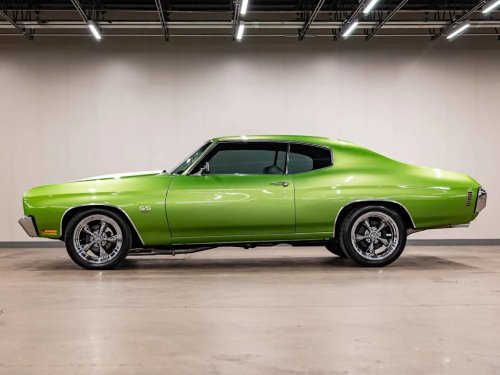
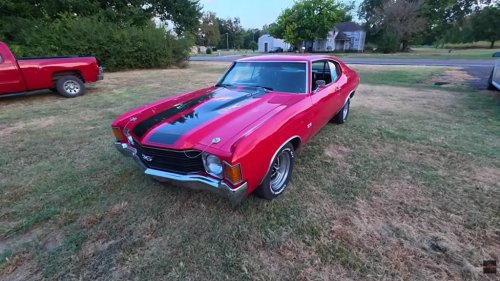
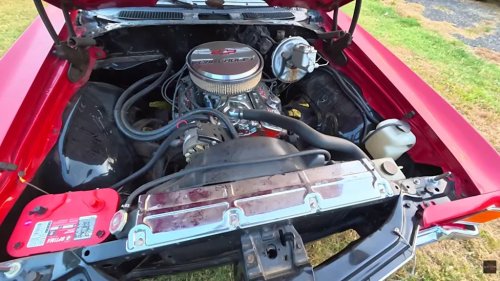
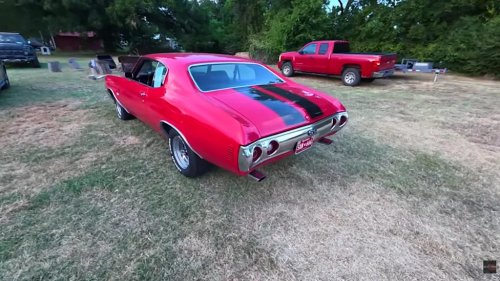
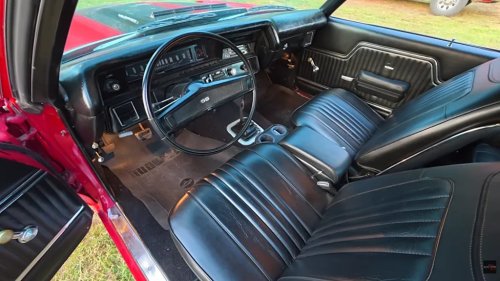
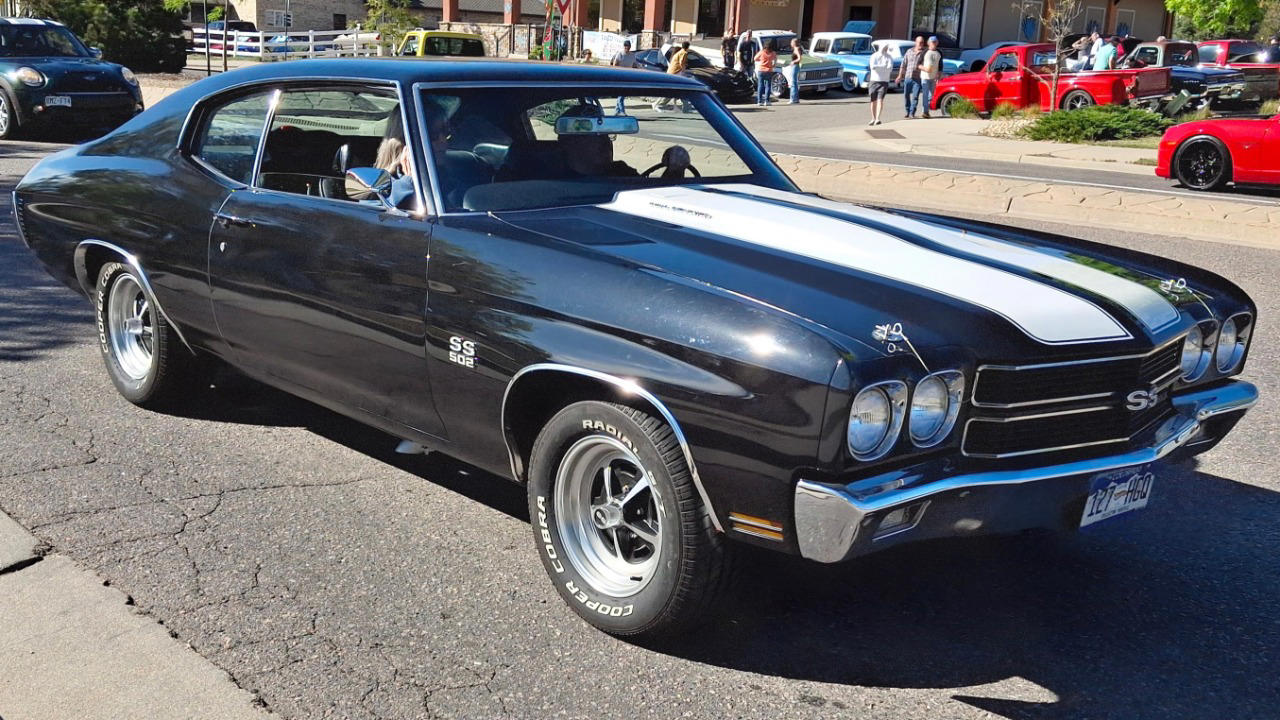
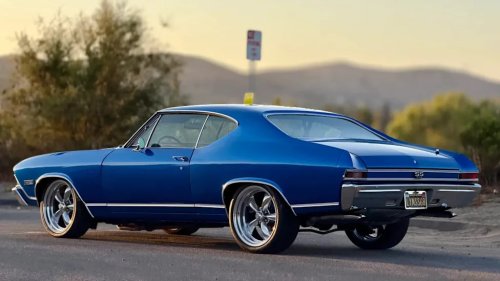
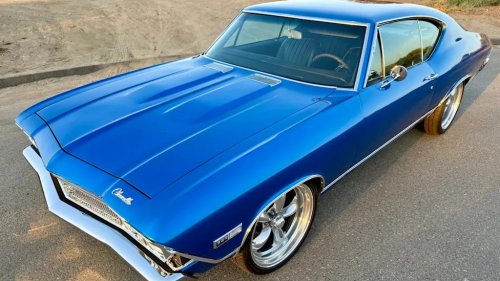
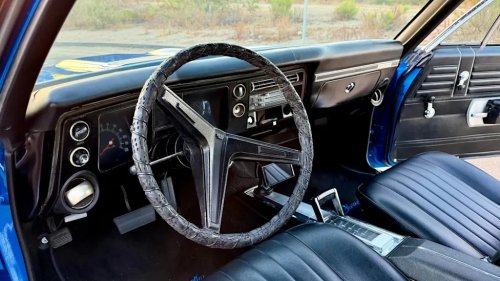
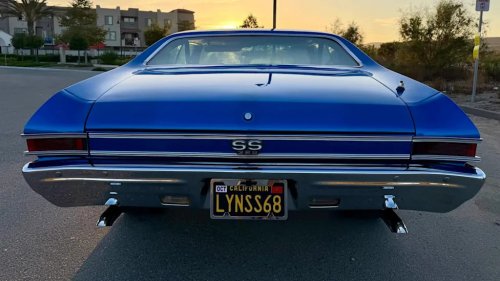
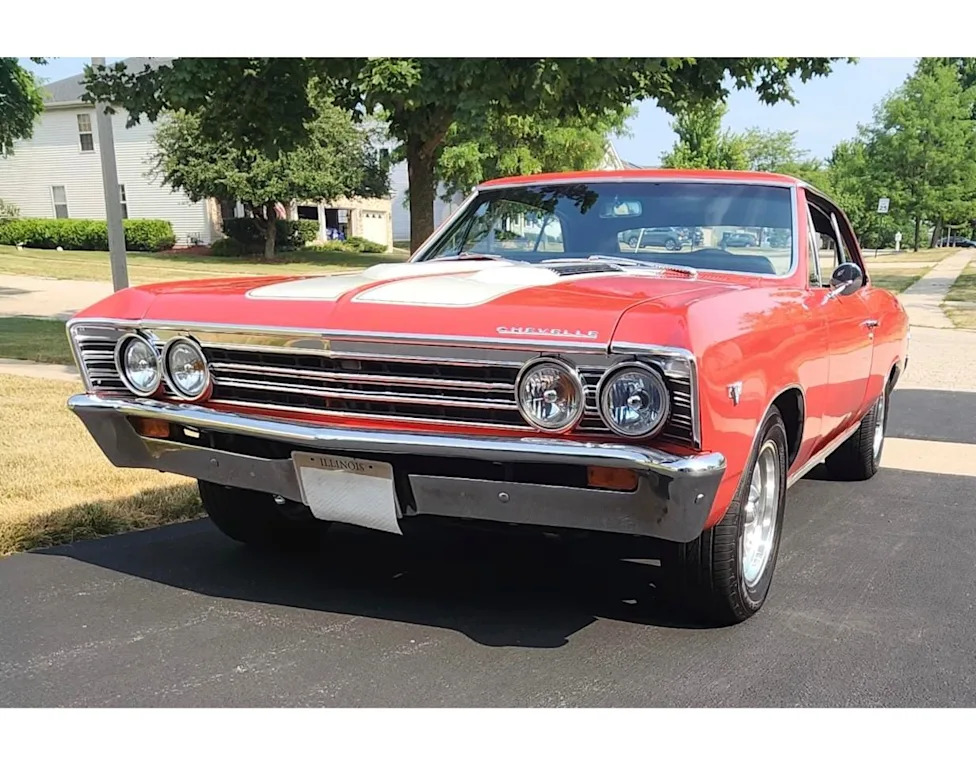
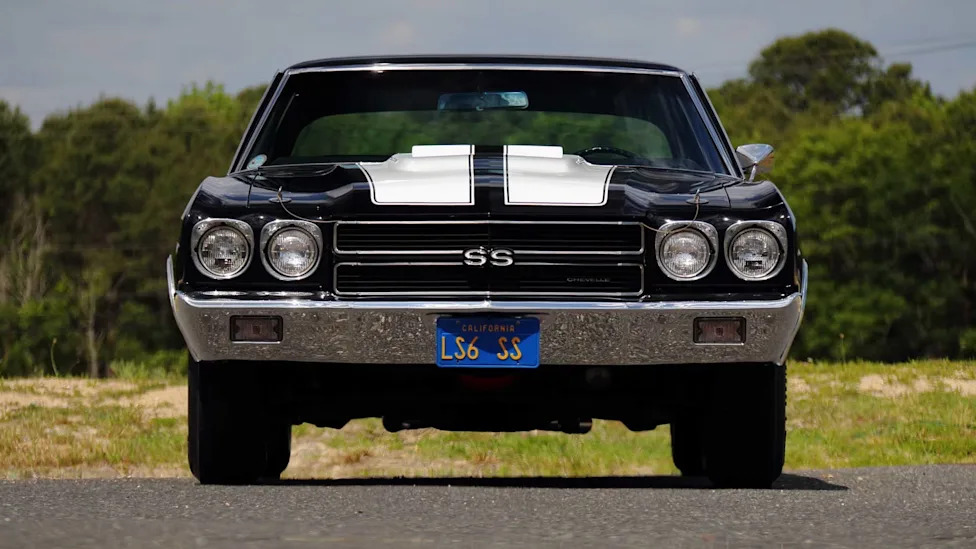
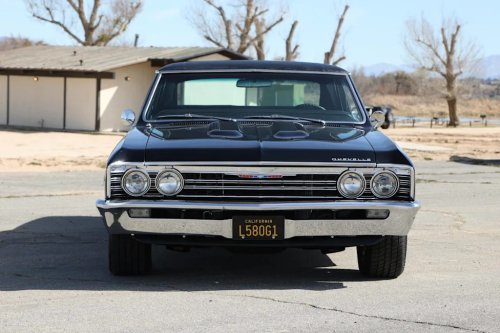
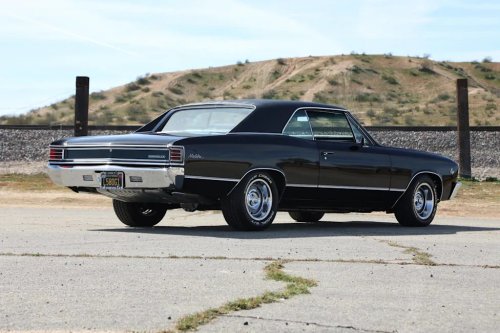
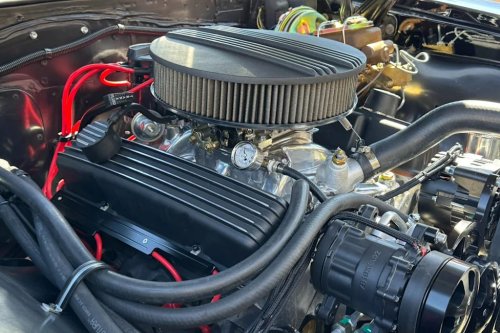
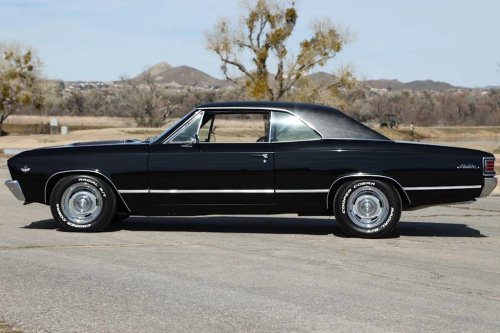
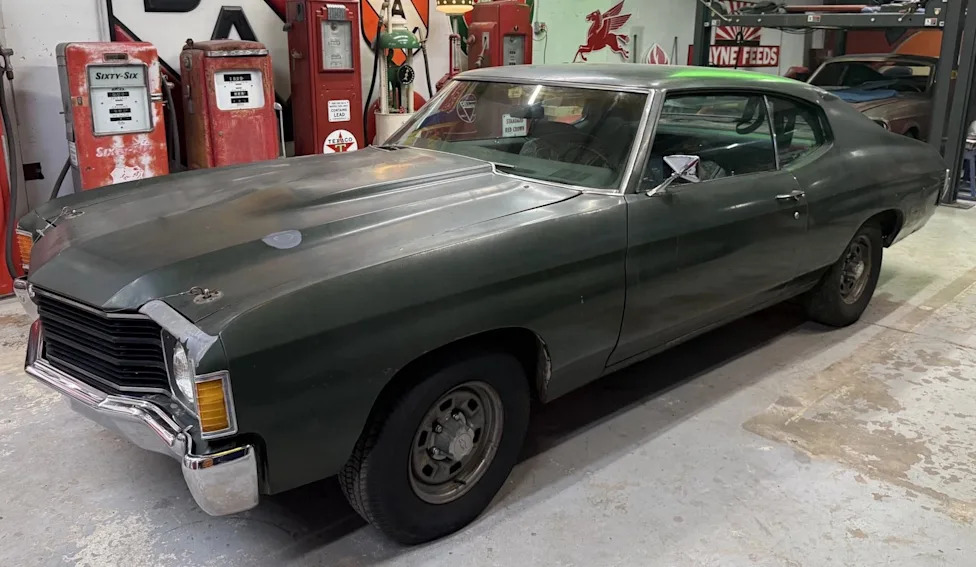
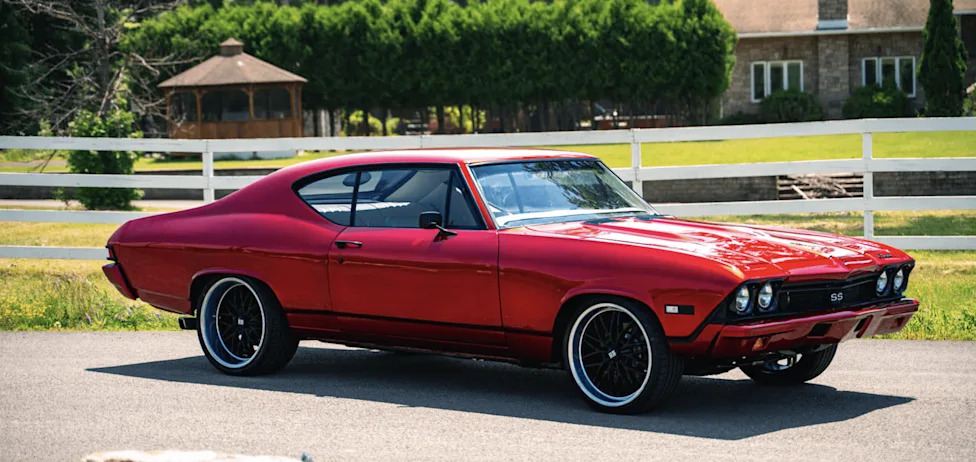
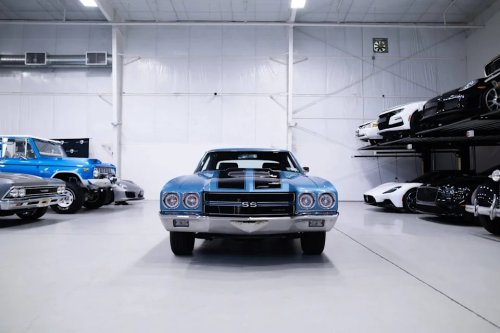
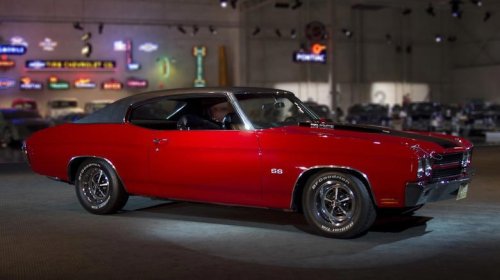
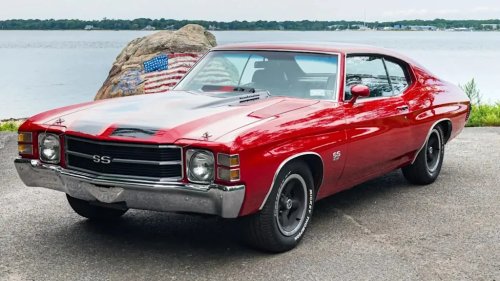
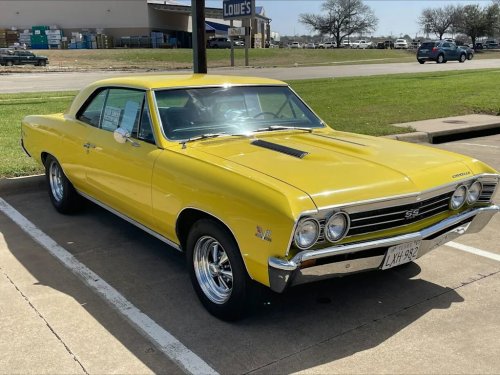
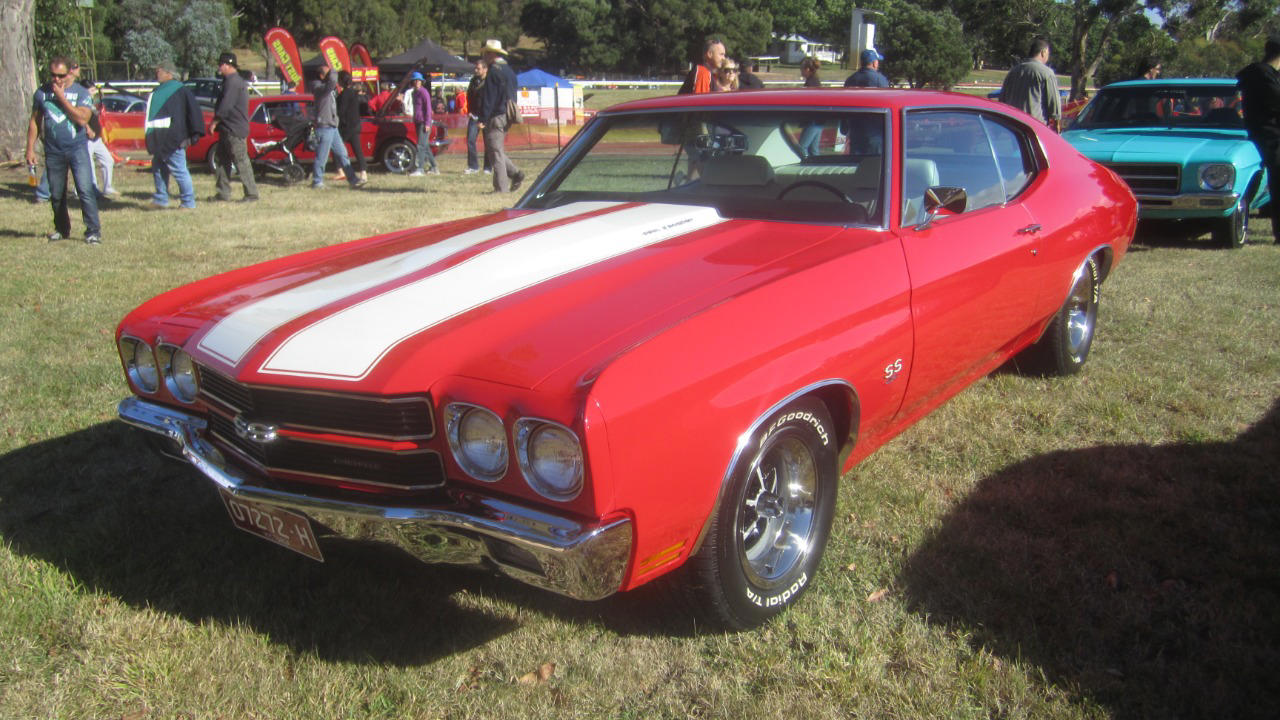
The 1970 Chevrolet Chevelle SS 454 delivered power but could overwhelm inexperienced driversThe 1970 Chevrolet Chevelle SS 454 arrived as one of the most fearsome street machines of its era, a mid-size coupe wrapped around a huge big-block V8. It delivered towering power and a menacing presence that thrilled experienced drivers, but its raw performance and modest chassis technology could easily overwhelm anyone who lacked skill or respect. Half a century later, the car stands as both a high point of the muscle car wars and a reminder that power without preparation can be a dangerous mix. Enthusiasts still speak of the SS 454 in almost mythical terms, and the market treats it as one of the crown jewels of classic American performance. Beneath the legend, however, are stories of shredded tires, lost licenses, and close calls that underline how unforgiving this car could be in untrained hands. The big-block apex of a muscle era By 1970, Chevrolet had refined its mid-size performance formula into something close to a weapon. The second-generation Chevrolet Chevelle SS had already gained a reputation as a serious street contender, and the arrival of the 454 cubic inch big block turned it into what one guide to the 1970 to 1972 models calls Big Block Apex. In that account, the 454 engine sits at the center of the Historical Context and Development Background, described as the moment when the car reached its performance peak. That 454 displacement was enormous even by Detroit standards. It reflected an arms race that had escalated through the late 1960s, as manufacturers kept stuffing bigger and more powerful engines into intermediate bodies. The Chevelle SS became Chevrolet’s answer to the era’s most aggressive rivals, and the 454 option cemented its status as a flagship. Collectors now look back at this period as the last stand for big-block street performance before insurance costs, emissions rules and fuel concerns cut power. Market analysts tracking classical values have described these late big-block Chevelles as part of a group of the last great big-blocks that continue to command attention and money, precisely because they represent the high-water mark of factory muscle. Two flavors of 454, one intimidating reputation Chevrolet did not just offer one 454. It created a hierarchy that started with the LS5 and climbed to the legendary LS6. The SS 454 package itself cost $503 and brought with it a hydraulic-lifter 454 rated at 360-bhp, referred to in period material as the LS5. That figure appears in period-focused coverage of the Classic Muscle Car, which details how the $503 upgrade transformed a Chevelle into a serious performance car. Above that sat the LS6, the engine that would define the model’s most extreme personality. Reporting on the LS6 describes the 454 as rated at 450 horsepower for the Chevelle SS, while similar hardware in another application carried a 460 figure. One deep dive into this configuration refers to the 1970 LS6 454 Chevelle SS as The Baddest Tire Smoker Of All Time and stresses that the LS6 454 was rated at 450 ponies for the Chevelle, but 460 for other uses, a detail preserved in coverage of the LS6 454. The split between the 360-bhp LS5 and the 450-hp LS6 created a range of experiences. Even the “entry” SS 454 delivered more power than many drivers of the era had ever encountered. The LS6 variant, with its higher compression and aggressive cam, pushed the car into territory that bordered on race machinery with license plates. Styling that advertised intent The 1970 body update gave the Chevelle SS 454 a shape that matched its mechanical aggression. A long hood, short deck and broad shoulders framed the car’s mid-size proportions, while the SS package layered on visual cues that made its mission clear. Period and modern descriptions emphasize black racing stripes, a functional cowl induction hood and a stance that sat slightly lower and wider than lesser Chevelles. One example, finished in black with white stripes, described as a 1970 Chevrolet Chevelle SS 454 in black with white stripes, has been singled out as one of the most legendary muscle cars ever displayed at a major indoor show. Coverage of that car, which featured a 454ci big block at a Houston event, captures the way the combination of paint, stripes and cowl hood turned the car into an instant icon for spectators at the Chevelle SS 454 display. Other accounts highlight finishes such as Autumn Gold, a color described as relatively common on standard Chevelle models but not nearly as prevalent on Super Sport cars. One profile of an Autumn Gold example notes that the hue made the car almost a sleeper, even though it carried the same SS 454 hardware and badges, a contrast that underlined how much of the car’s menace came from the engine rather than the paint choice. That same piece pointed out that Autumn Gold was a relatively common color for other Chevelle models, but not so much for Super Sport cars, and added that the same for the Sa interior trim combination that accompanied it. On-paper performance versus real-world behavior Factory horsepower ratings and quarter-mile figures often dominate conversations about the SS 454, but the way the car behaved on the street told a more complicated story. Contemporary road tests of the Malibu 454/450, which shared the LS6 hardware, described a car that was obviously not meant for paper routes or for drivers who did not want to go quickly and corner flat. In one such report, the testers made clear that the 454 and its 450 horsepower transformed the mid-size Malibu into a machine that demanded attention from the first throttle application, a point reinforced in a flashback road test. The SS 454’s suspension and brakes were upgraded compared with base Chevelles, yet they still reflected early 1970s technology. Bias-ply tires, relatively soft spring rates and front disc, rear drum braking meant that the car could feel loose and unpredictable when pushed hard on imperfect pavement. The huge torque of the 454 could overwhelm the rear tires in first and even second gear, particularly on the LS6 variant. That tendency to spin rather than hook up contributed to the car’s reputation as a tire smoker and also gave inexperienced drivers false confidence, since the car might feel dramatic without actually traveling as fast as the engine’s fury suggested. Later owner accounts reinforce this gap between numbers and reality. Some long-term Chevelle SS454 owners describe the 360hp version as already more than enough for street use, and point out that if a buyer ticked the right option box for the LS6, the car moved into a different league entirely. One such owner, reflecting on decades with an unrestored example, described how The Chevelle remained docile in gentle driving, but turned into something far more serious when the secondaries opened on the big carburetor, a contrast captured in a profile that opens with the line that The Chevelle SS454 is legendary, in any form, starting with the 360hp version. Those same reflections often mention how easily the car could break traction or step sideways if the driver is not smooth. Why the SS 454 could overwhelm new drivers Several factors combined to make the 1970 Chevelle SS 454 a handful for inexperienced drivers. The first was the simple magnitude of the power. Even the LS5’s 360-bhp rating dwarfed the output of typical family sedans of the period. The LS6’s 450-horsepower figure and the way the engine delivered that power in a rush of torque meant that a small mistake with the throttle could have large consequences. The second factor was the car’s relatively basic chassis. Unlike modern performance cars with traction control, stability systems and anti-lock braking, the SS 454 relied entirely on the driver’s judgment. On a wet or uneven surface, the 454 could break the rear end loose with little warning. Contemporary testers and later commentators alike have described the LS6 Chevelle SS as a car that rewarded smooth inputs and punished abrupt ones. A third issue was that the SS 454’s popularity meant some buyers were drawn in by the styling and reputation without fully appreciating the learning curve. Social media posts and enthusiast discussions today often refer to the 1970 Chevelle SS 454 as one of the most powerful muscle cars ever made, with phrases like “unleash the beast” attached to the Chevrolet Chevelle in SS 454 trim. A widely shared post that calls the 1970 Chevrolet Chevelle one of the most legendary muscle cars of all time, especially in SS 454 form. Finally, the car’s gearing and available transmissions added to the challenge. The SS 454 could be ordered with a four-speed manual or a three-speed automatic, and accounts of the 1970 Chevrolet Chevelle SS 454 L56 emphasize that the SS 454 was known for its power and performance regardless of transmission choice. A manual LS6 car placed even more responsibility on the driver, who had to manage clutch engagement and gear selection while the 454 tried to overwhelm the rear tires, a dynamic described in a discussion of the SS 454. Real-world consequences: tickets, storage and legend Stories from owners and enthusiasts illustrate how the Chevelle SS 454’s capabilities translated into real-life consequences. One widely shared account describes a 1970 454 Chevelle Super Sport that ended up parked for roughly four decades because its owner accumulated too many tickets. That profile explains that the car, finished in Autumn Gold and equipped as a Super Sport, attracted attention not just from onlookers but from law enforcement. Excessive Tickets Parked this 1970 454 Chevelle for 40 Years is the phrase attached to that narrative, which underscores how quickly a powerful Chevelle could turn a driver into a target, as detailed in the story of the 1970 454 Chevelle. Another example, presented as a life story of a 1970 Chevy Chevelle SS, follows the car from the moment it met its first owner, Lloyd Bower, a discharged Vietnam veteran who had been saving his pay. That narrative portrays a young man using his hard-earned money to buy a dream car, then learning to live with its power over time. The reference to Lloyd Bower and his Vietnam service gives the story a human dimension, and it hints at how the Chevelle SS could become part of a veteran’s transition back to civilian life, as recounted in the profile of Lloyd Bower and his car. Enthusiast groups on social media are filled with similar recollections. One community post calls a 1970 Chevelle SS 454 the most badass ride owned by its poster, and emphasizes that the car’s LS6 V8 produced an incredible 450 horsepower. The tone mixes pride with a hint of fear, as the writer acknowledges that the car demanded respect every time it left the garage, an attitude reflected in the discussion of the Oct Chevelle SS. More from Fast Lane Only Unboxing the WWII Jeep in a Crate 15 rare Chevys collectors are quietly buying 10 underrated V8s still worth hunting down Police notice this before you even roll window down


















 +14 others