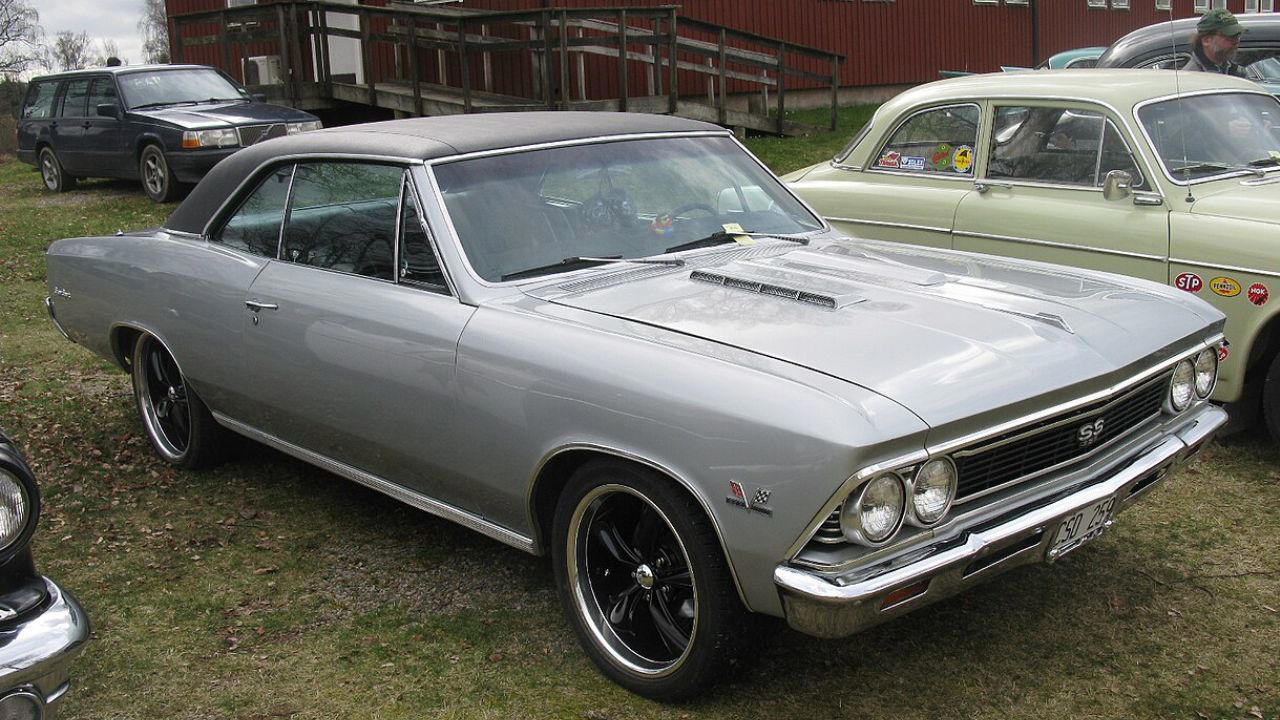
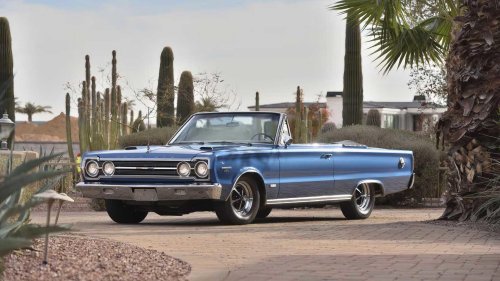
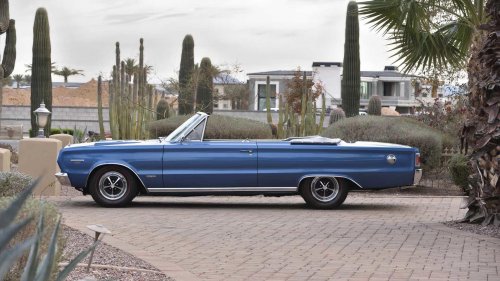
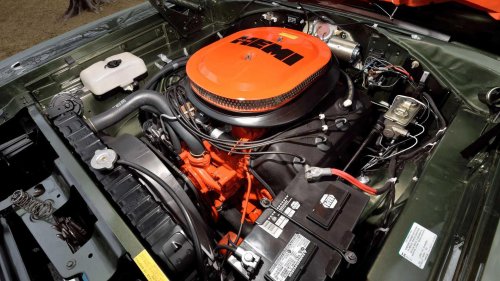
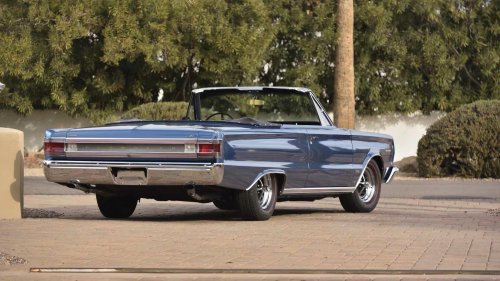
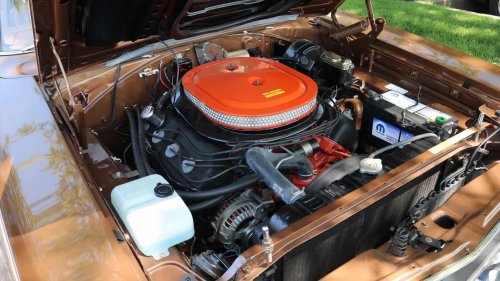
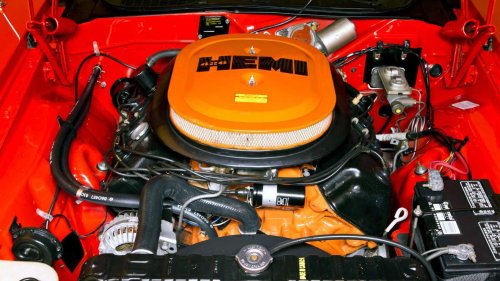
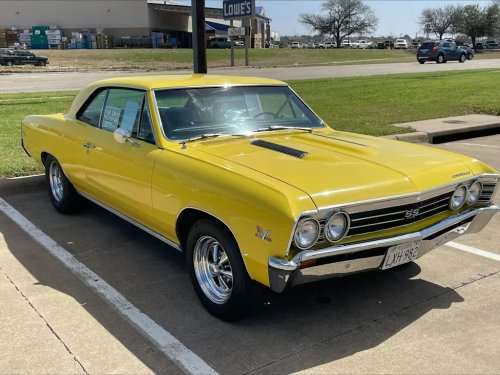
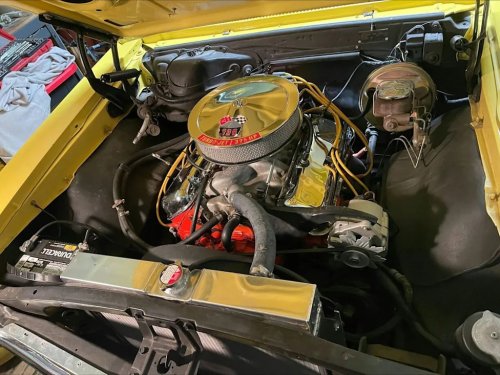
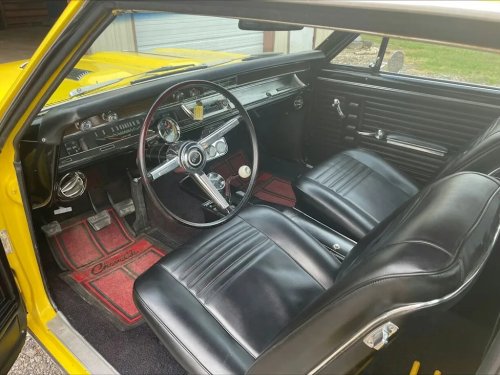
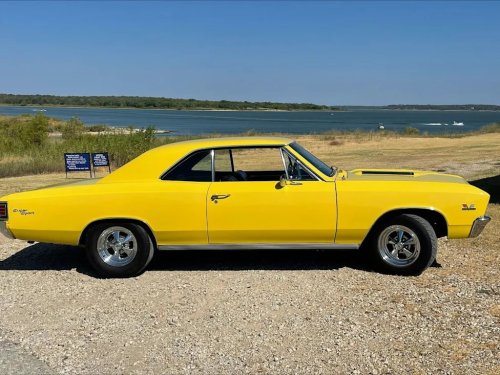
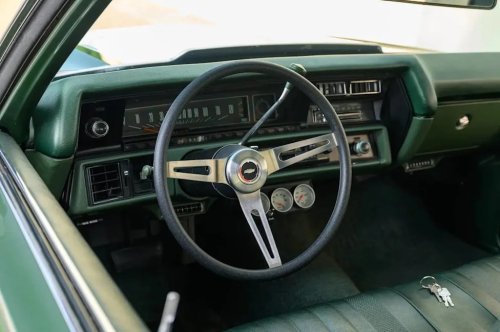
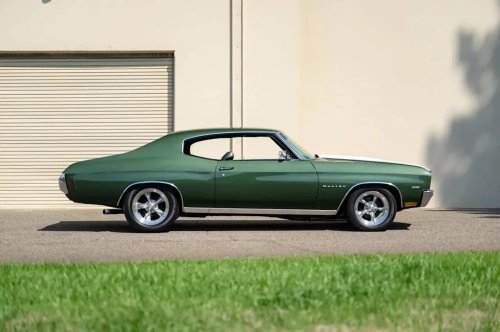
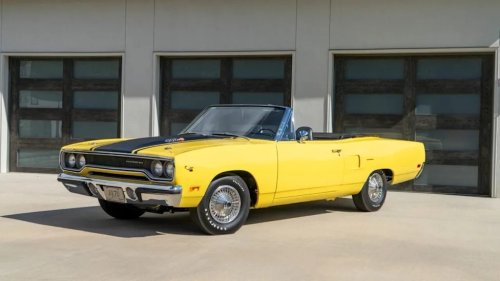
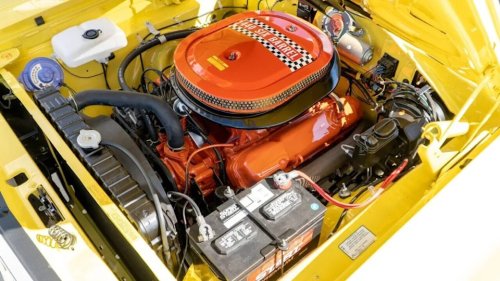
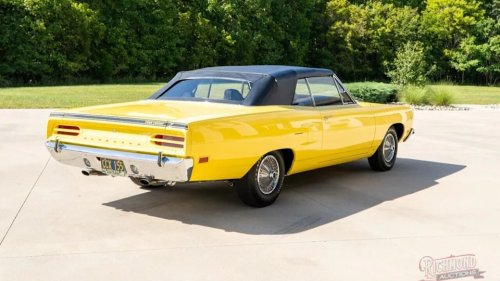
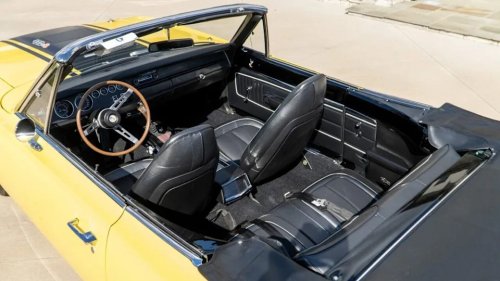
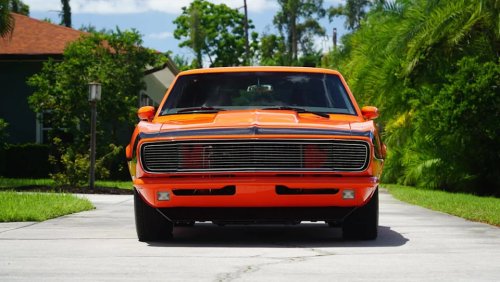
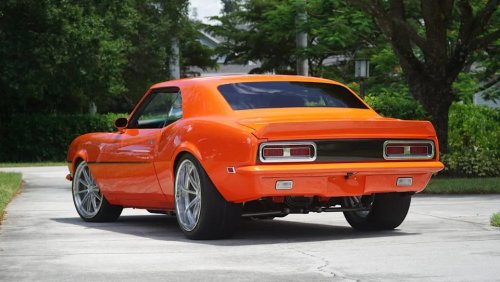
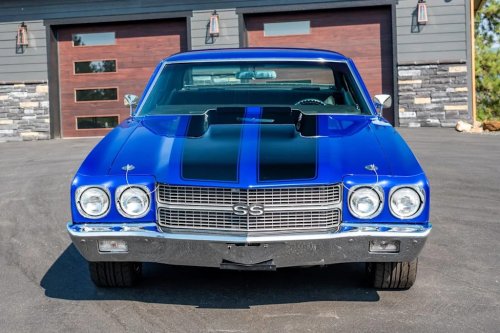
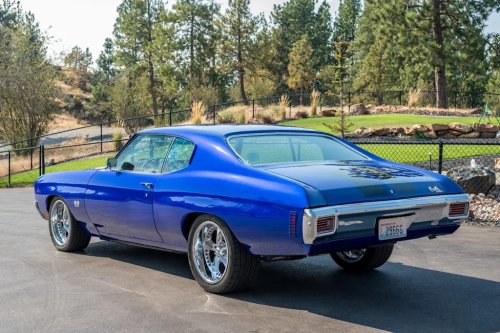
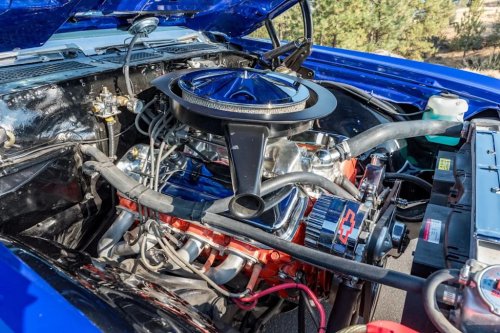
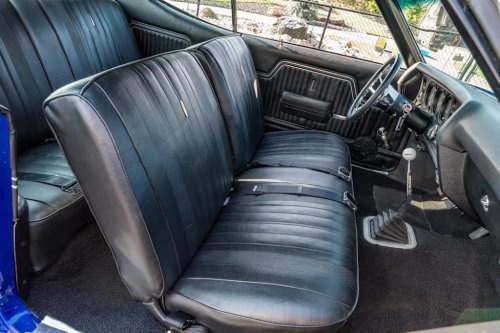
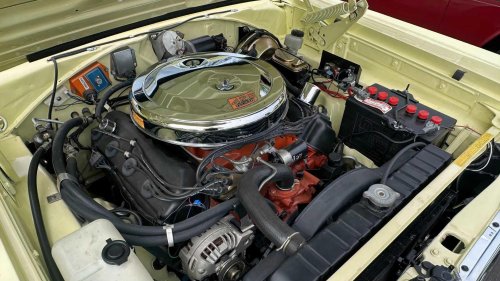
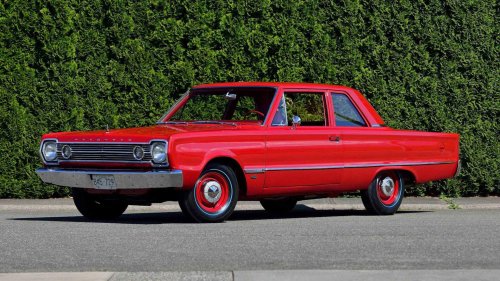
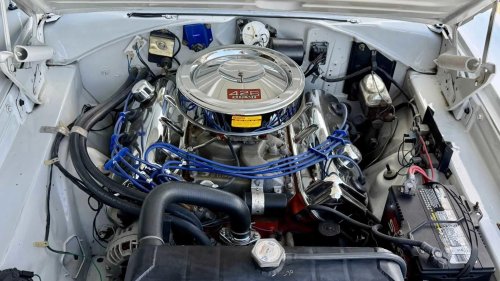
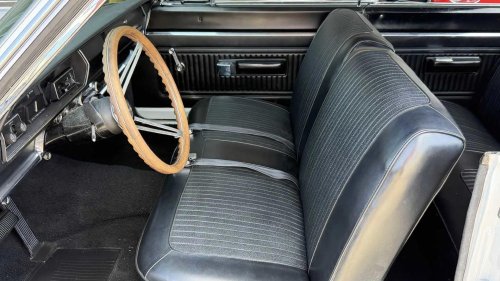
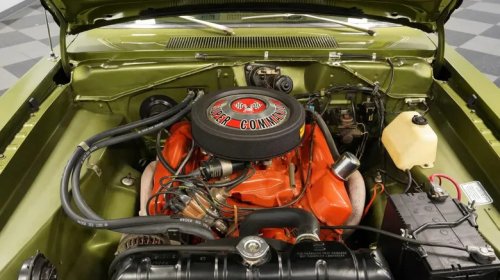
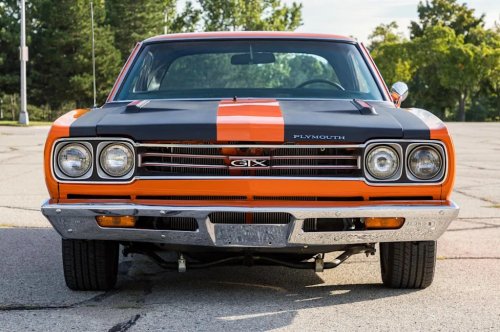
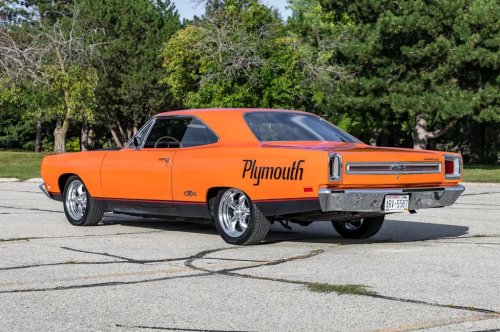
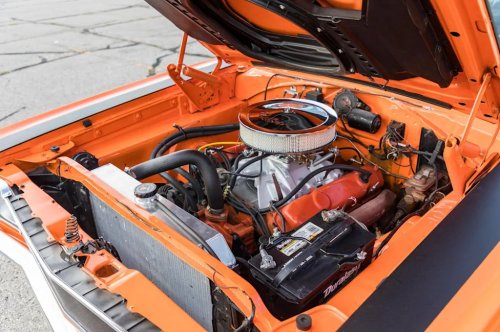
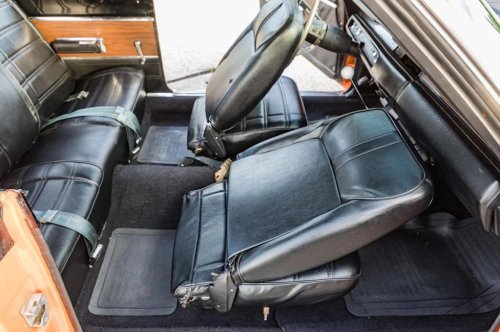
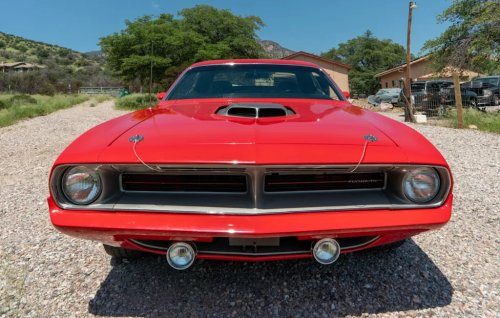
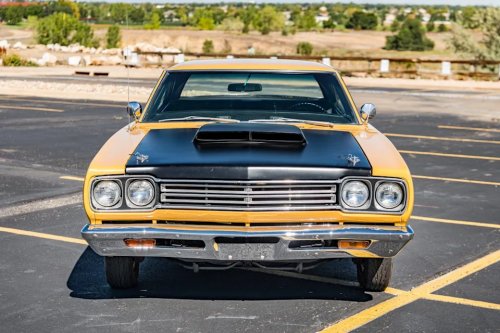
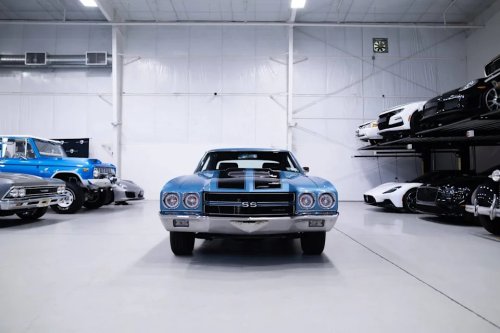
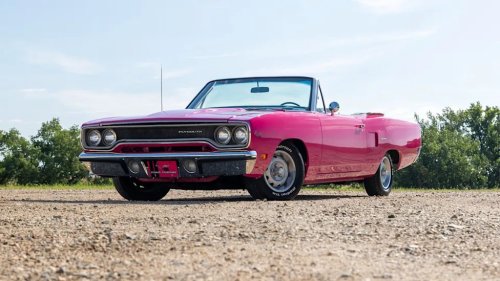
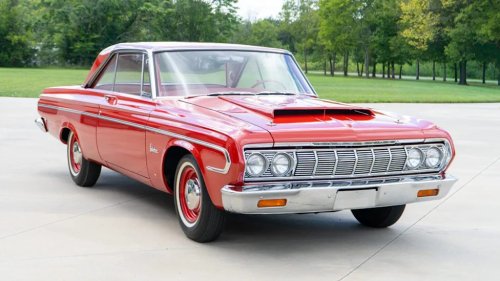
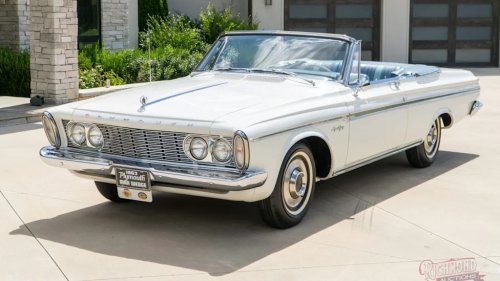
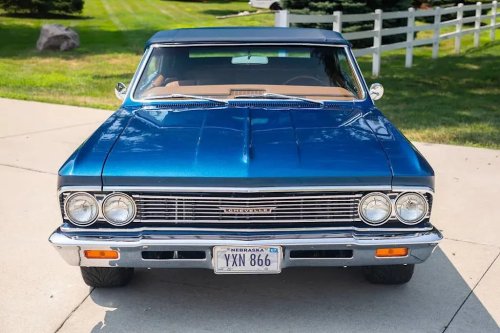
1966 Plymouth Satellite and 1966 Chevrolet Chevelle 300 shared a segment but not the same legacyIn 1966 two midsize American coupes, the Plymouth Satellite and the Chevrolet Chevelle 300, chased the same buyers with similar proportions and V8 power. They shared the showroom segment, yet six decades later they occupy very different places in muscle car memory. The Satellite has become a connoisseur’s Mopar, while the plain Chevelle 300 is often overshadowed by its own SS sibling. That split legacy did not come from styling alone. It grew out of how each brand positioned its car, which engines buyers chose, and how enthusiasts later elevated some configurations and forgot others. The Satellite’s brief moment at the top of Plymouth’s world The Plymouth Satellite arrived as the premium version of the Belvedere, and by 1966 it sat near the top of Plymouth’s midsize range. Contemporary descriptions present the Satellite as a higher-end car within Plymouth’s lineup that could be outfitted with more amenities than the basic Belvedere or entry sedans, a positioning that gave it a more upscale image than its price alone might suggest. In Mopar circles that role is often described as The Satellite and its Role in the Mopar Pantheon, a bridge between sensible family transport and full-bore muscle. Under the hood, the Satellite was not limited to a single performance personality. One enthusiast summary notes that under the hood the base engine was a 273 cubic inch V8, but most buyers opted for the more powerful 318, 361, or 383 cubic inch engines, which turned the car into a genuine performer without sacrificing comfort. That mix of 273, 318, 361, and 383 options meant a buyer could choose anything from a mild cruiser to a serious street car without leaving the Satellite badge. Even in standard form the Satellite leaned on style. Period photos and survivor cars show bright trim, bucket seats, and tasteful two-door hardtop lines that matched the mid sixties taste for clean, squared-off bodies. The car’s higher trim level within Plymouth gave it details that separated it from the workaday sedans that shared its basic shell. When Plymouth added the 426 Hemi The Satellite’s reputation today, however, rests on a far more extreme engine. Plymouth offered the 426 Hemi in the Satellite, turning what looked like a well-dressed midsize coupe into an authentic drag strip weapon. Modern coverage describes a 1966 Satellite as an elegant 426 Hemi powered sleeper, a car whose restrained exterior hid an engine that had been developed for competition and then adapted for the street. That mix of refinement and brutality is central to the Satellite’s legend. Owners could order a car that still carried the premium Belvedere image yet packed the kind of power that usually came with stripes and scoops. One detailed account of a survivor car recounts how the original owner ordered a 1966 Satellite with a 426 Hemi, then left for service in Vietnam and never returned. The story notes that the original owner fell in Nam and that his survivor 1966 Satellite Hemi slept 42 years on blocks, untouched in storage until enthusiasts uncovered it decades later. That narrative of sacrifice and preservation has become part of the emotional weight the model carries among collectors. Stories like that illustrate why the Satellite occupies a particular place in Mopar history. The combination of a premium Plymouth, the 426 Hemi, and the personal histories attached to individual cars has turned certain Satellites into rolling memorials. In that sense, the Satellite’s Role in the Mopar Pantheon is not only about performance numbers but also about the way these cars intersected with the lives of owners who came of age in the 1960s. Everyday Satellites and the midrange Mopar identity Not every Satellite left the factory with a 426 Hemi, and the vast majority did not. Most cars carried the more common 318, 361, or 383 engines, which still gave brisk acceleration but were easier to live with. A community post that calls the 1966 Plymouth Satellite a stylish and powerful mid-size car emphasizes that mix, describing how the base 273 V8 served budget buyers while the larger 318, 361, and 383 options appealed to drivers who wanted more punch. Those everyday Satellites helped define Plymouth’s identity in the mid sixties. They were family cars that could be optioned with bucket seats and consoles, yet they also shared hardware with the brand’s more famous muscle machines. The Satellite’s premium position meant nicer interiors and more chrome, which in turn made it feel like a step up from the basic Belvedere even when the mechanicals were similar. That dual character shows up in current enthusiast discussions that compare a 1966 Chevy Chevelle or Plymouth Satellite. In those conversations the Satellite is often described as a higher-end car within Plymouth’s lineup that could be outfitted with more amenities, while the Chevrolet is praised for its broad appeal and the availability of the Chevelle SS 396 as a halo performance package. The comparison highlights how Plymouth used the Satellite to add a touch of luxury to its midsize car, while Chevrolet spread its performance image across a wider range of trims. Chevelle 300, Chevelle SS and the split inside Chevrolet’s lineup On the Chevrolet side the Chevelle line covered a broad spectrum. The Chevelle 300 was the plainest version, a workhorse two-door or four-door that shared its basic structure with more glamorous siblings. Higher up the ladder, the Malibu and the Chevelle SS 396 carried more trim and more power. That internal hierarchy would later shape how collectors remember the family. Enthusiast descriptions of the 1966 Chevrolet Chevelle frame it as a classic American muscle car that epitomizes the style and performance of the mid 1960s. The Chevelle nameplate, with its long hood and short deck proportions, became a visual shorthand for the era. Yet in that same family, the Chevelle 300 stayed relatively bare bones, with simple interiors and limited ornamentation. Other accounts describe the 1966 Chevrolet Chevelle as a Street Icon of the decade, noting how the car fit into the fast changing cultural landscape and became a favorite for cruising and informal racing. Within that world, the Chevelle SS 396, with its 396 cubic inch big block, blacked out grille, and special badging, drew the spotlight. The SS package delivered the performance numbers and visual drama that magazines and young buyers craved, and it still dominates Chevelle lore. By contrast, the Chevelle 300 often served as a fleet car, a family sedan, or a budget coupe. Some enthusiasts now celebrate the 1966 Chevrolet Chevelle 300 as a sleeper’s dream, since its plain looks can hide serious engine swaps or factory big blocks when ordered by savvy buyers. Yet in popular memory the Chevelle name is still tightly linked to the SS 396, which leaves the 300 trim in the shadows. How powertrains shaped long term reputations When comparing the Satellite with the Chevelle 300, the powertrain story is central. The Plymouth Satellite offered a clear ladder from the 273 base engine up through 318, 361, and 383 choices, with the 426 Hemi sitting at the top as an almost mythical option. Each step up the ladder reinforced the idea that the Satellite could be tailored to the driver’s ambitions, from mild to wild, without abandoning its upscale character. Chevrolet structured its lineup differently. The Chevelle 300 usually carried modest six cylinder or small block V8 engines, while the more aggressive 327 and 396 combinations were concentrated in better trimmed models and the Chevelle SS 396. Community comparisons that weigh a 1965 or 1966 Muscle Satellite 426 or Chevelle 396 tend to pit the top Mopar engine against the big block Chevrolet, not against the everyday Chevelle 300. The Chevelle 300 thus became the quiet sibling, while the SS 396 grabbed the headlines and magazine covers. That division had long term effects. Collectors now chase documented 426 Hemi Satellites and Chevelle SS 396 cars, while base Satellites and Chevelle 300s are more likely to appear as affordable entry points into classic ownership. Yet the Satellite benefits from the halo of the 426 Hemi that was available on its own badge, whereas the Chevelle 300 must borrow its prestige from the broader Chevelle family. Design, identity and the way enthusiasts remember Styling also played a part in how both cars aged in the public imagination. The Satellite’s crisp lines, full width grille and restrained use of chrome gave it an elegant presence that fits modern tastes for clean mid century design. Enthusiast write ups of a 1966 Satellite often highlight its elegant proportions and the way a 426 Hemi powered sleeper can pass for a gentleman’s car until the throttle opens. The Chevelle 300, by design, looked simpler. Its plainer trim and more basic interiors signaled economy, not glamour. As a result, when enthusiasts picture a 1966 Chevrolet Chevelle as a Street Icon of the era, they are usually imagining the Malibu or SS versions with their extra brightwork and performance cues, not the stripped 300. The 300’s very anonymity, however, has made it attractive to builders who want to create sleepers that surprise modern traffic. Community discussions in muscle car and hot rod groups reflect that divide. Posts that ask whether a 1966 Chevy Chevelle or Plymouth Satellite is the better buy tend to praise the Satellite for its higher end feel and Mopar mystique, while they salute The Chevelle for its massive aftermarket support and the legend of the Chevelle SS 396. The Chevelle 300 rarely gets called out by name, which underlines how thoroughly the SS image has absorbed the Chevelle story. Why the Satellite’s legacy feels more focused The result of all these factors is that the 1966 Plymouth Satellite occupies a more sharply defined niche in classic culture than the 1966 Chevrolet Chevelle 300. The Satellite is remembered as the premium Belvedere that could carry a 426 Hemi, a car that combined comfort, style, and serious performance. Its stories include personal histories like the owner who fell in Nam and left behind a survivor Hemi car that slept for decades, and those narratives give the model emotional resonance. The Chevelle 300, by contrast, is part of a broader Chevelle story that centers on the SS 396 and on the idea of the Chevelle as a classic American muscle car. The 300 trim served its purpose as a practical, affordable version, but it did not define the nameplate. Later enthusiasts had to rediscover the 300 as a sleeper platform, rather than inheriting a ready made legend. Both cars shared the same mid sixties American roads and competed for the same buyers. Yet the way Plymouth concentrated its most famous engine in a single premium model, and the way Chevrolet spread its performance image across a family of trims, ensured that the 1966 Plymouth Satellite and the 1966 Chevrolet Chevelle 300 would not carry the same legacy into the twenty first century. One became a focused symbol of Mopar power and mid size elegance. The other remained an understated backdrop to the more famous badges that shared its sheet metal. More from Fast Lane Only Unboxing the WWII Jeep in a Crate 15 rare Chevys collectors are quietly buying 10 underrated V8s still worth hunting down Police notice this before you even roll window down The post 1966 Plymouth Satellite and 1966 Chevrolet Chevelle 300 shared a segment but not the same legacy appeared first on FAST LANE ONLY.