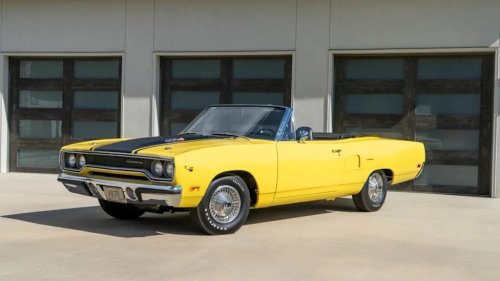
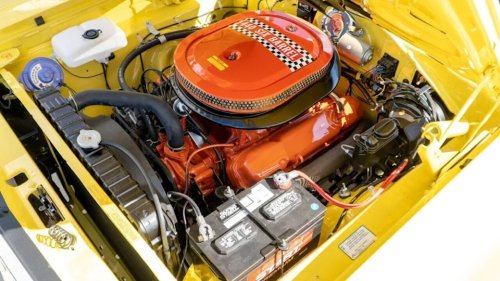
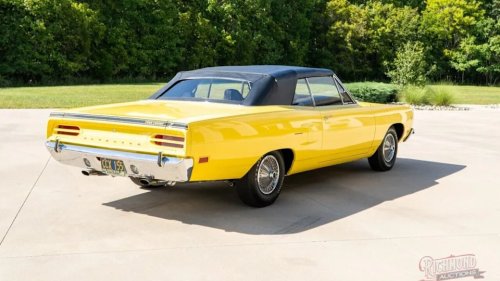
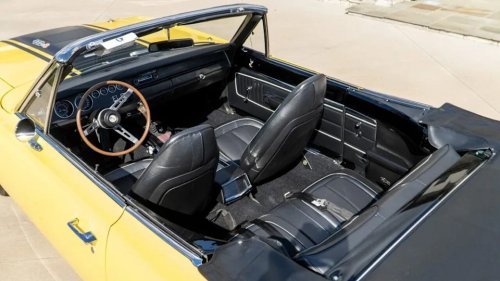
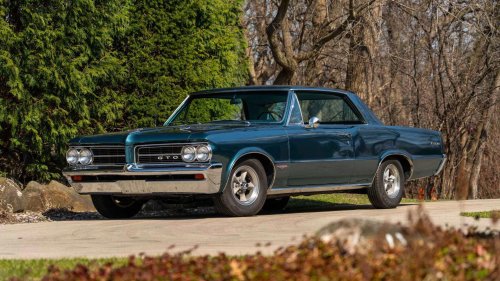
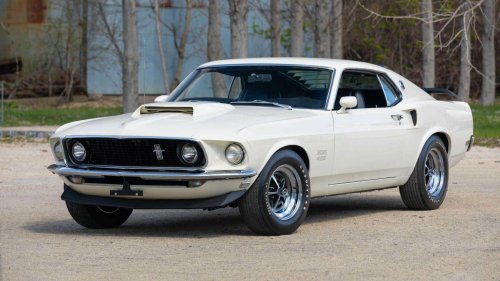
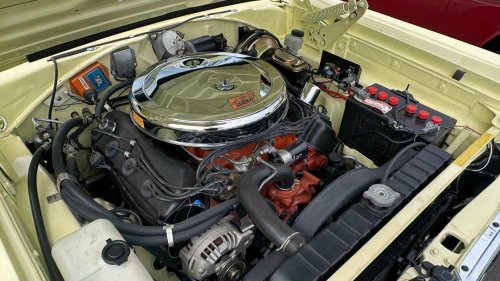
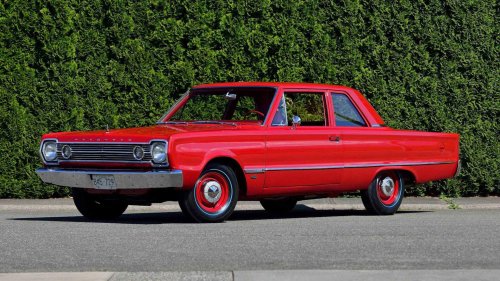
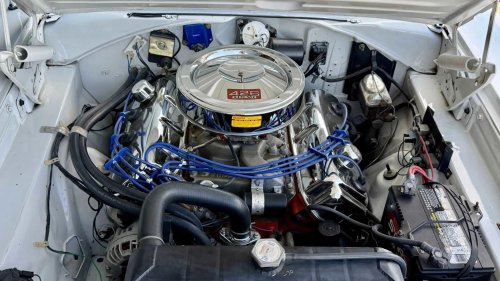
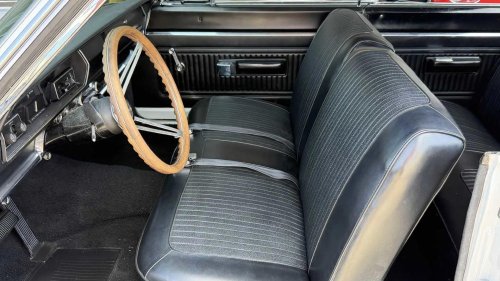
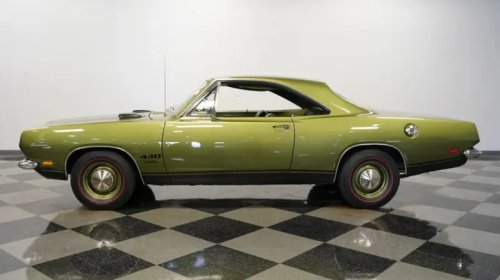
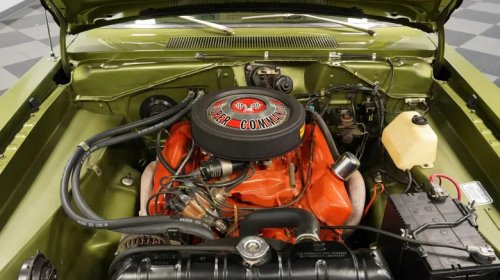
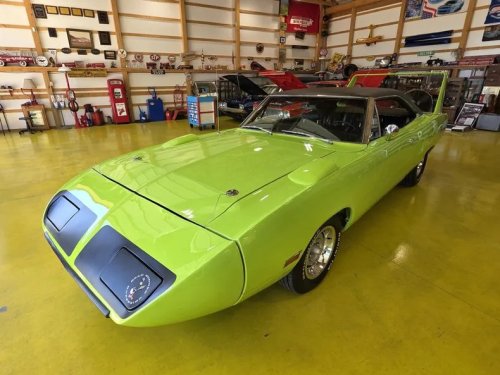
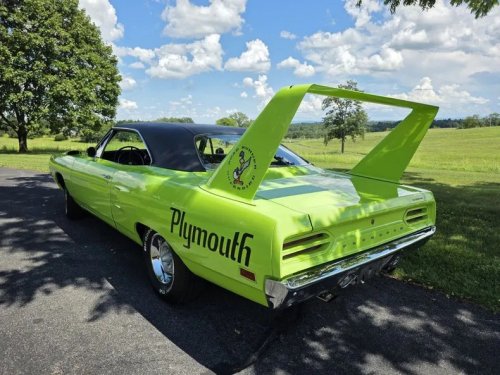
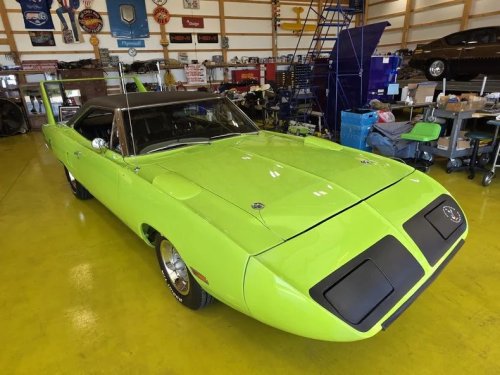
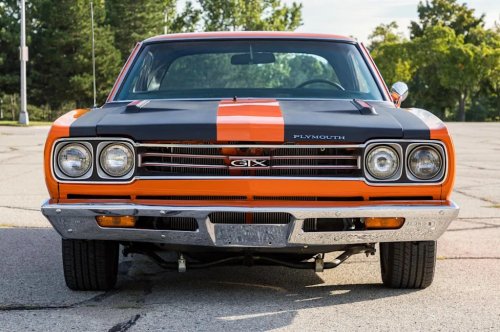
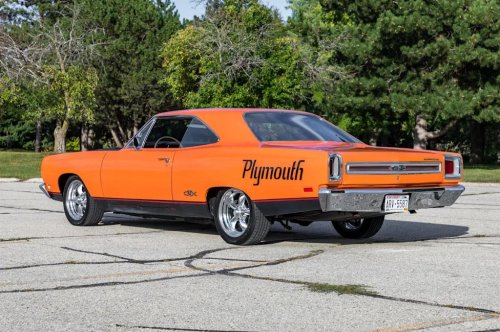
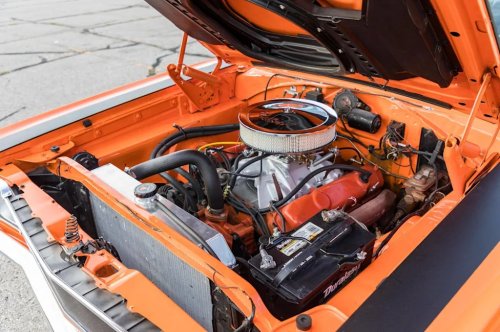
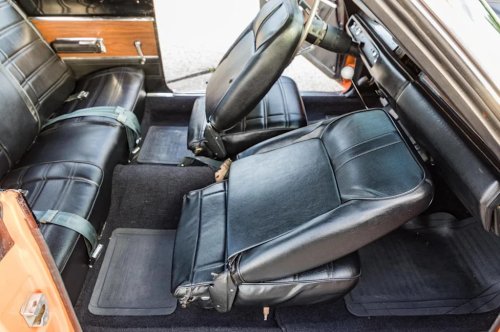
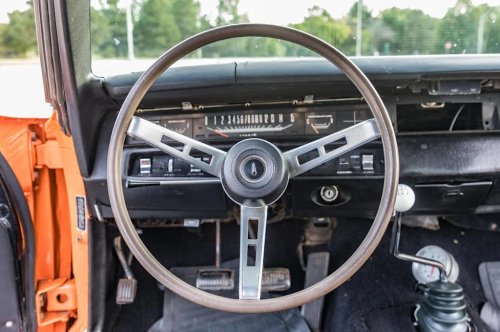
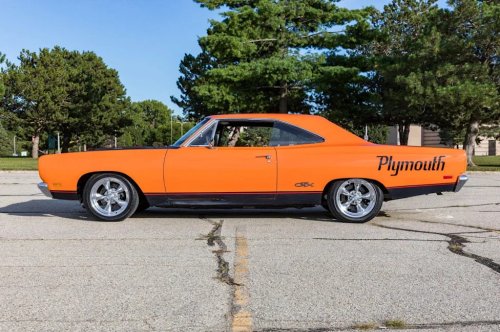
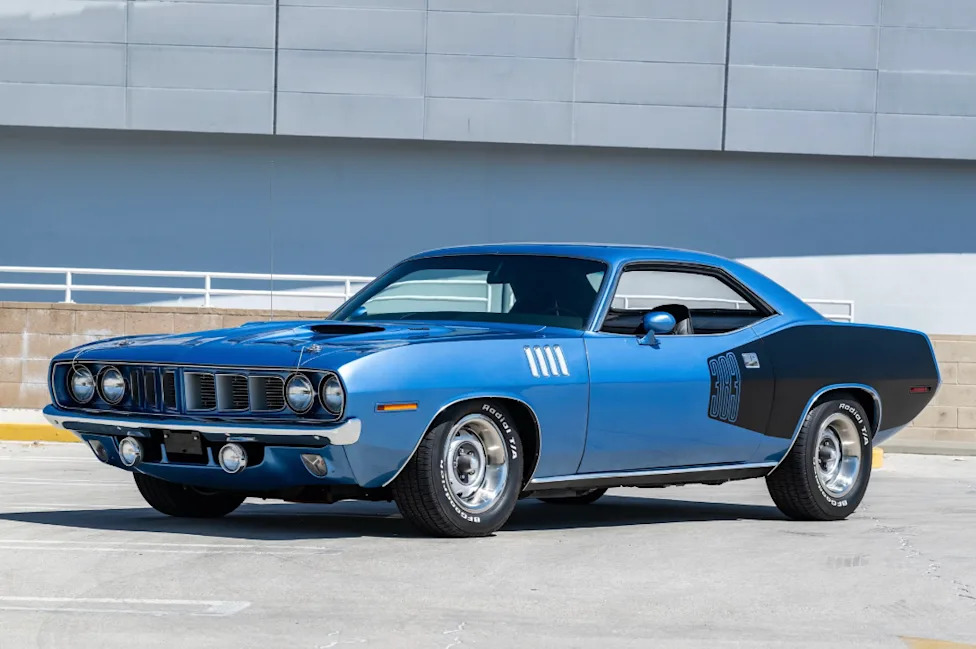
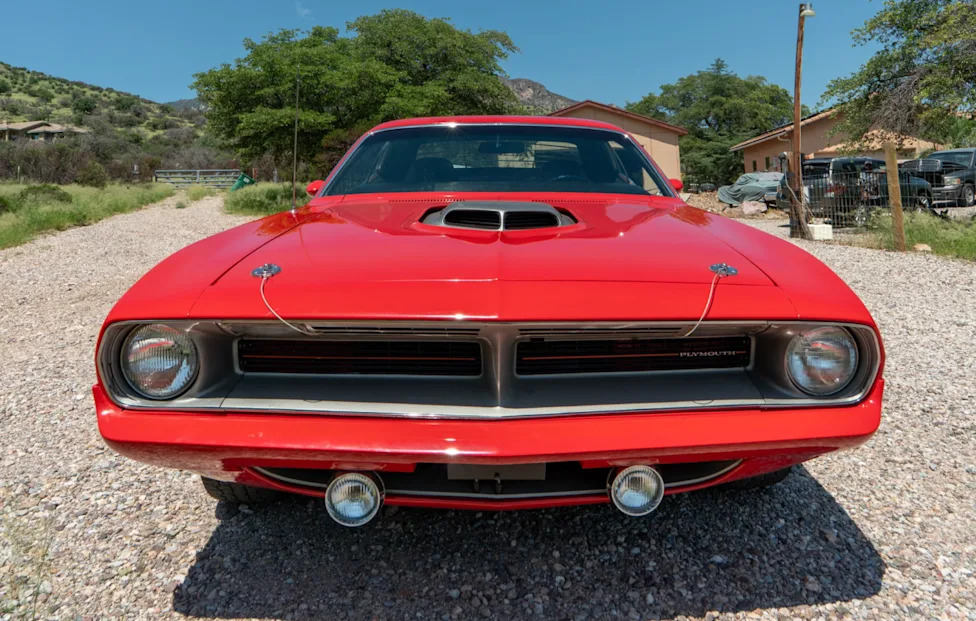
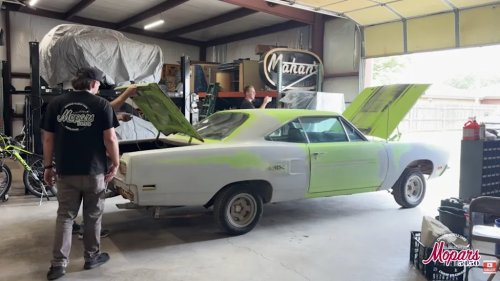
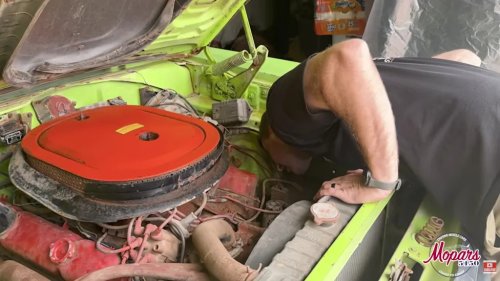
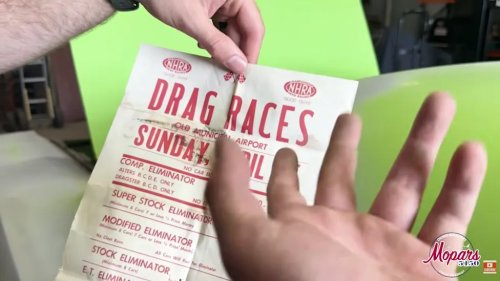
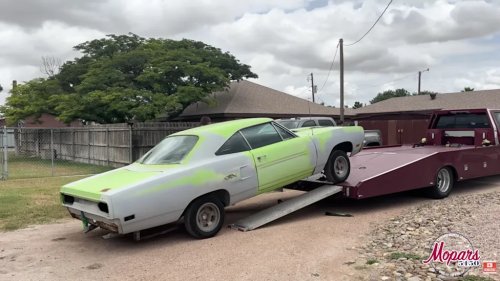
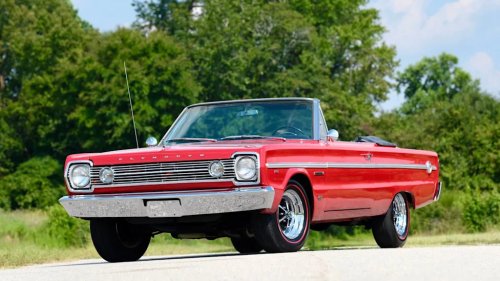
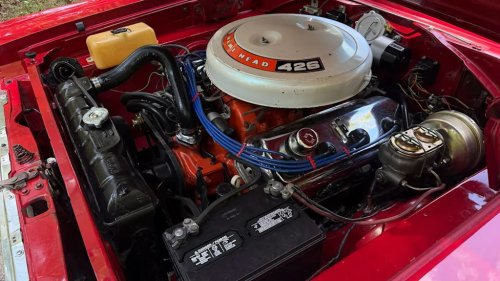
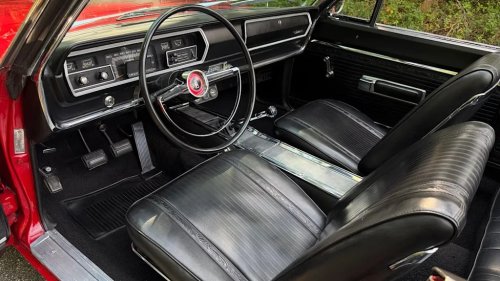
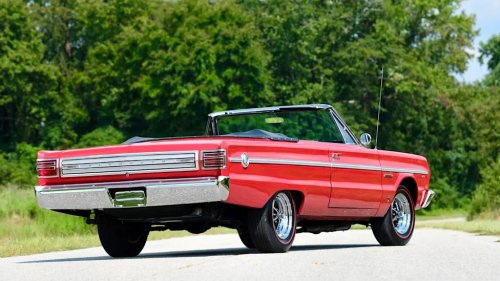
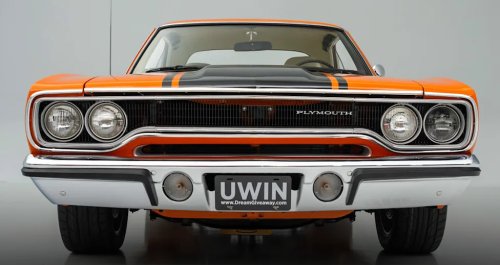
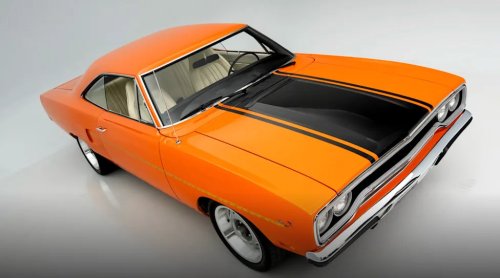
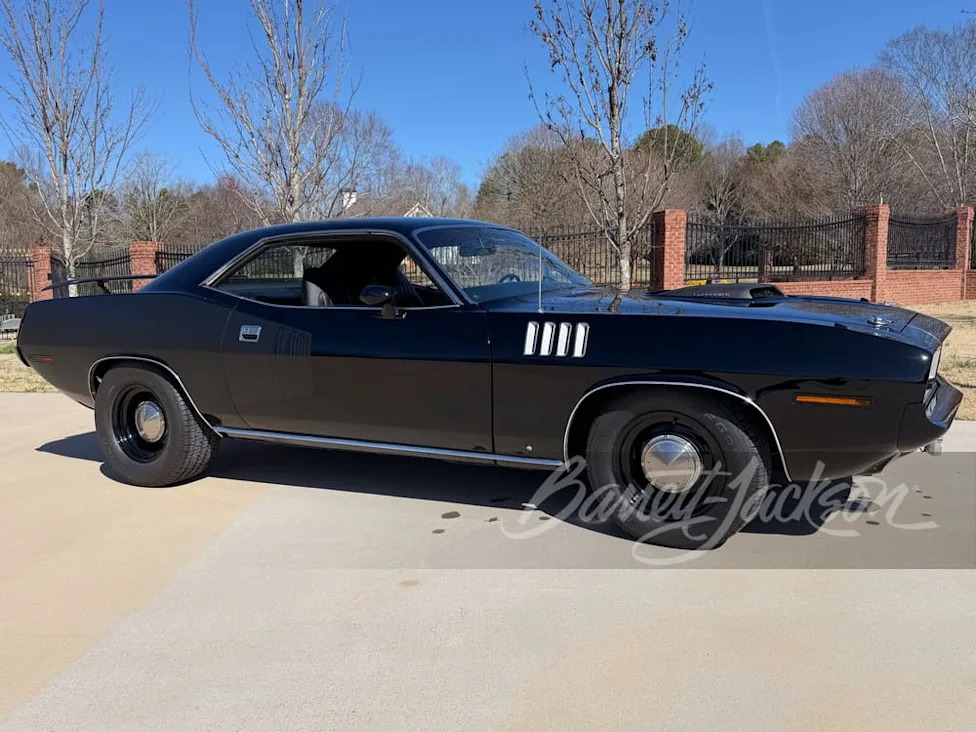
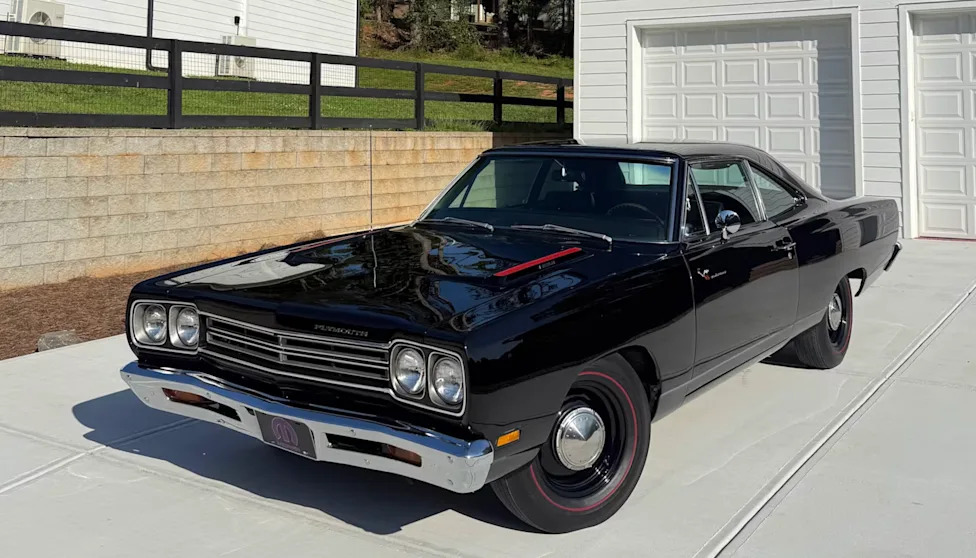
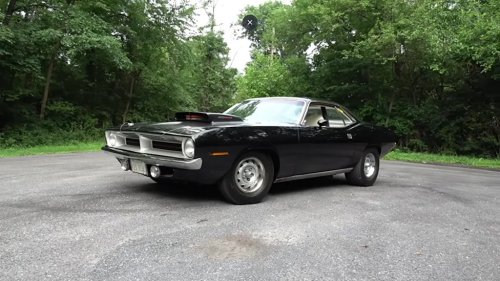
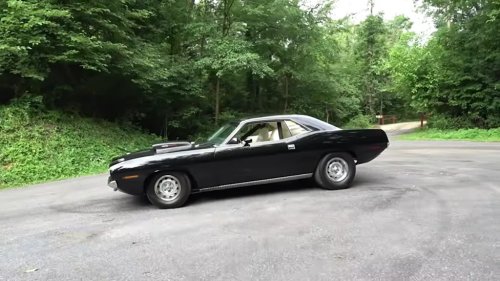
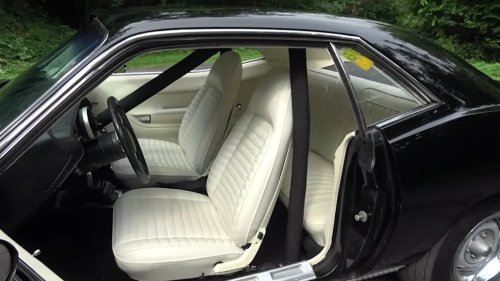
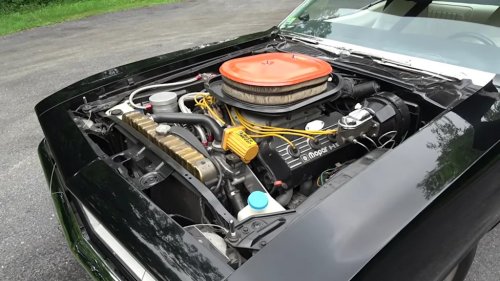
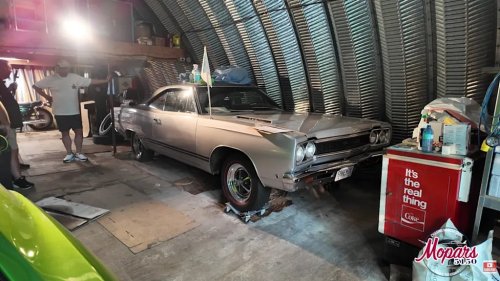
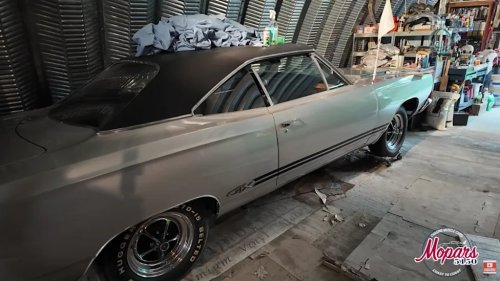
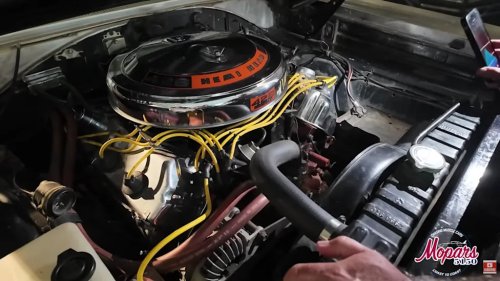
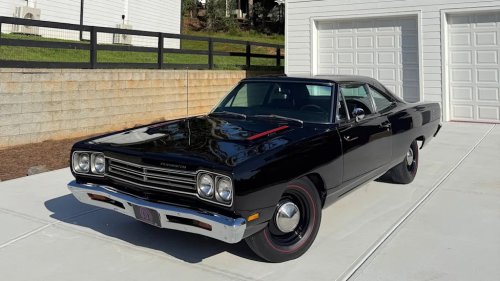
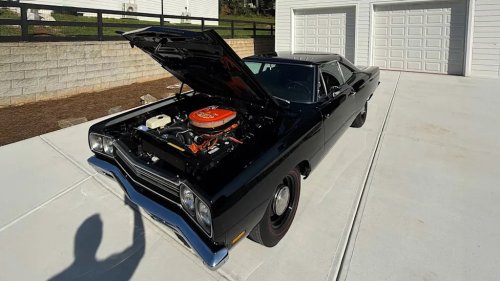
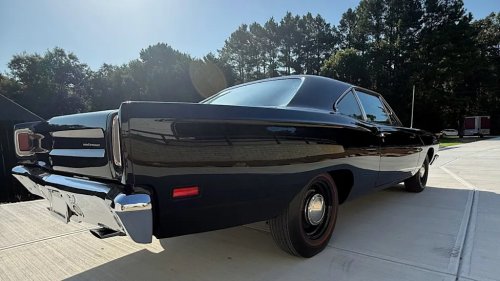
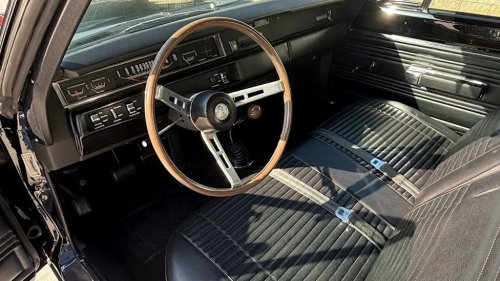
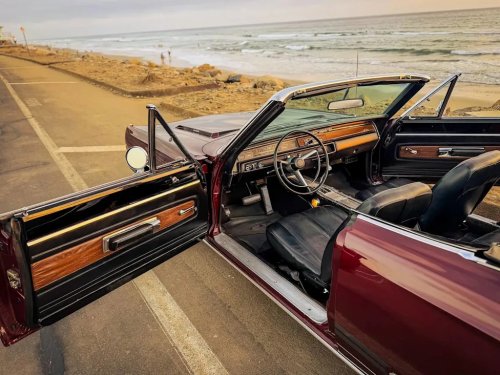
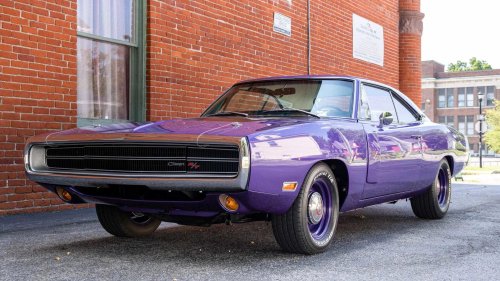
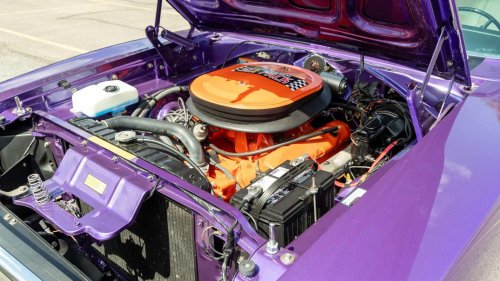
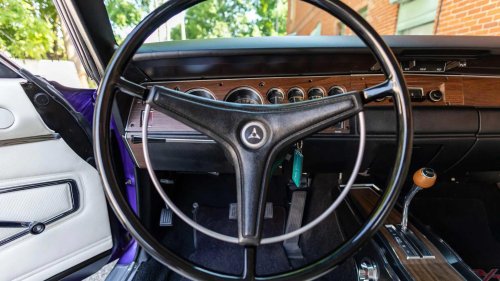
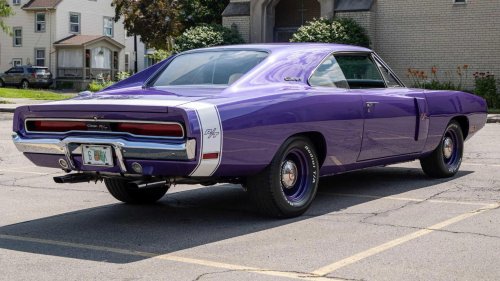
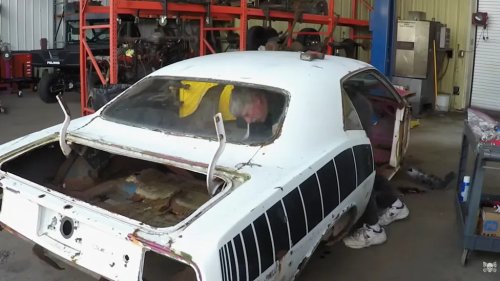
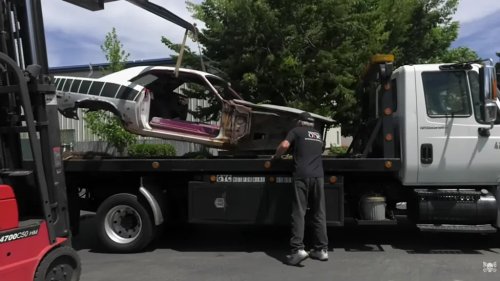
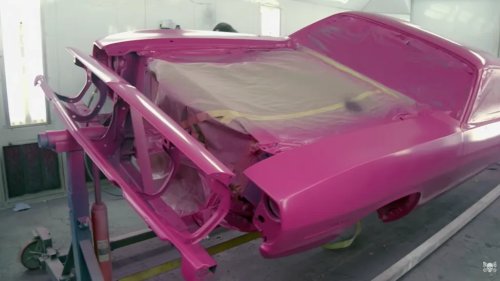
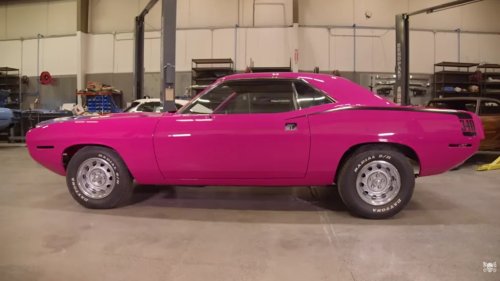
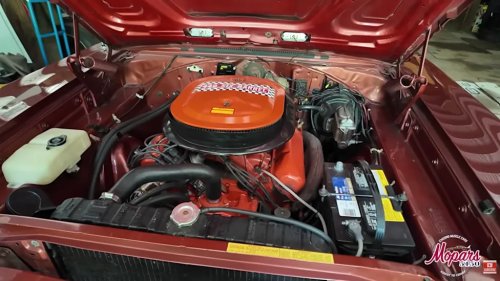
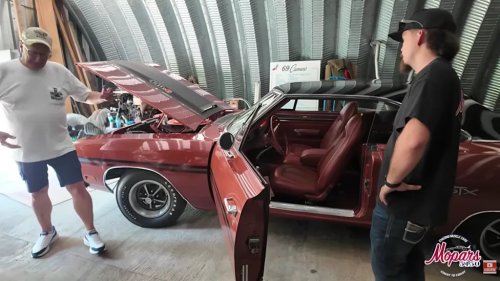
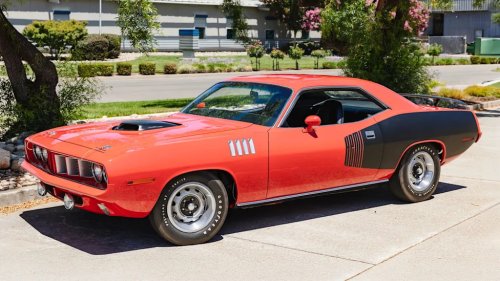
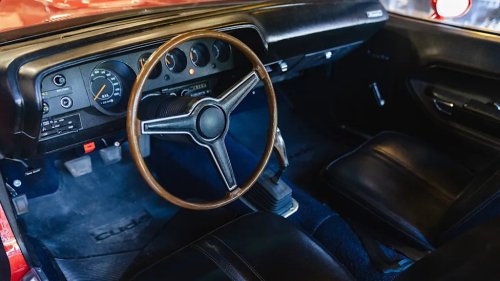
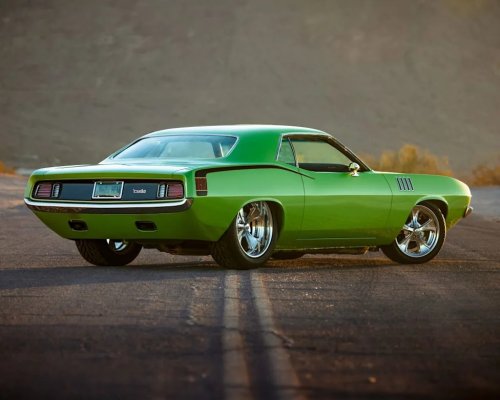
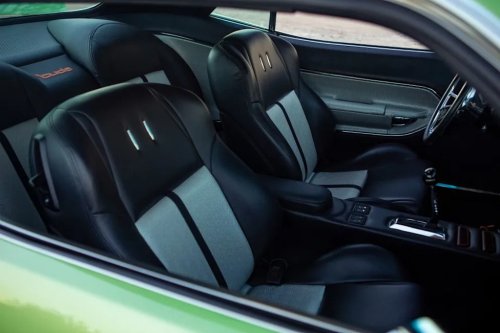
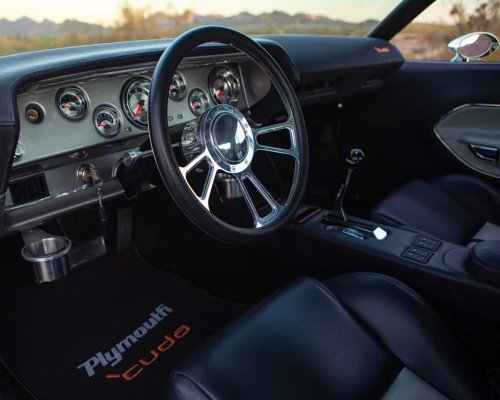
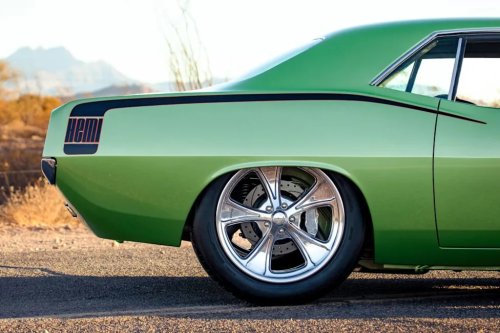
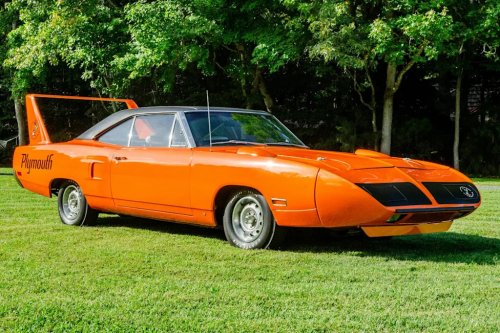
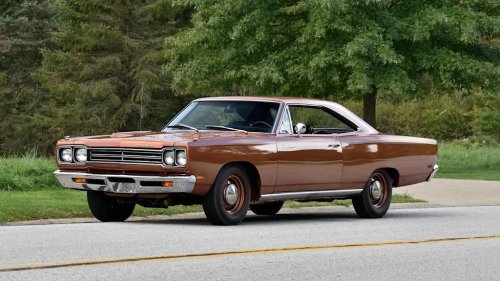
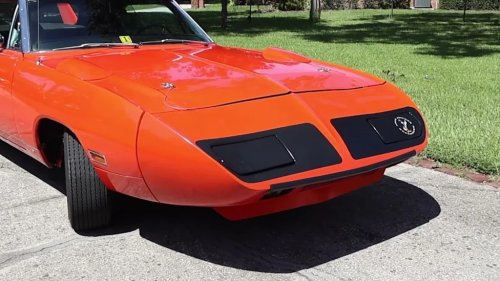
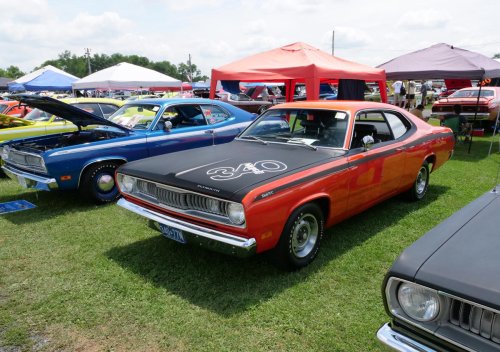
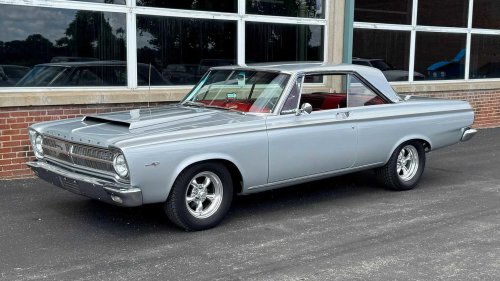
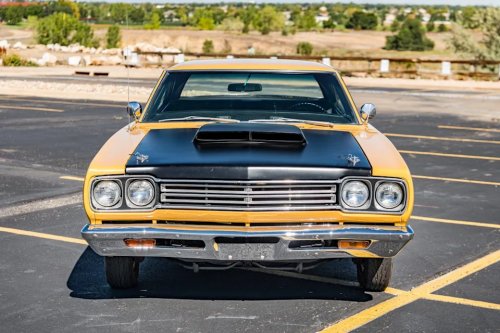
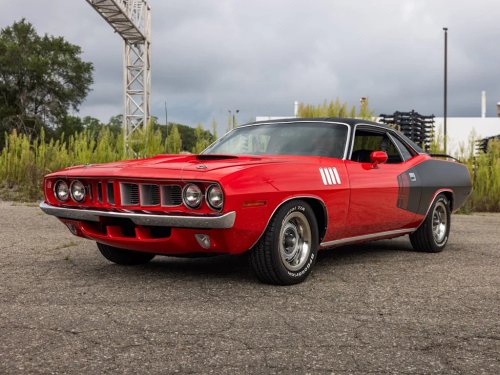
If the Golden Age of American Muscle had been a monarchy, the Dodge Charger and Plymouth Hemi 'Cuda would most certainly be perched upon the thrones, with the Challenger, Coronet, and GTX filling out the royal court. The no-frills Super Bee and Road Runner would make up the commoners, but the thing is, they actually outsold the muscle car nobility. The Road Runner is the best-selling classic Mopar by a wide margin, and the car is most likely to have been equipped with a 426 Street Hemi.Being the Top Banana Mopar muscle car means enthusiasts don't desperately need a refresher course on the Road Runner, but could stand to brush up on its second-gen manifestation. In 1971, the Mopar B-Body cars got a radical restyling that, with the Road Runner, made for the baddest-looking ride of the entire classic era. It was also the last chance at a Hemi V-8 or any kind of performance engine as the detuned Dead Horsepower Era would begin the next year. The 1971 Road Runner was the exclamation point of the Golden Age and deserves some props.To give you the most up-to-date and accurate information possible, the data used to compile this article was sourced from various manufacturers and other authoritative sources, including Mecum and Classic.com. 1971 Plymouth Road Runner Mecum The original Road Runner, introduced in 1968, was kind of like a crate of TNT in that it was boxy and packed with explosive power. Its complete lack of style fit in with its stripped-down speed machine persona, and while it wasn't an eyesore, it didn't have the sizzle of the other Mopar street predators. For 1970, the B-Body platform saw a major shakeup, leaving the Road Runner and Charger as the last two dedicated muscle car models. Unlike previous B-Body generations, there was no sharing of sheet metal or design, which meant, for the first time in its existence, the Road Runner wasn't based on another car. It wore this new independence well with an absolutely stunning exterior. 1971 Road Runner Power And Performance The Dodge Challenger and third-gen Plymouth Barracuda did, however, serve as inspiration for the new Road Runner. It featured a long hood, short decklid, and tapered, rounded sides. It was far more aerodynamic than the previous gen, and with a steep raked windshield, looked like it was going 100 MPH when it was parked. It was sort of like a pony car that grew up, resentful of its childhood, and looking to unleash some unresolved aggression. It was also a bit longer and wider, giving it a bold stance, dripping with attitude. Capping off the transformation was the deep inset grille, framed in chrome or body color, that gave this car a scowl to match its surly nature. Road Runner Low-End Power Options Mecum The greatest thing about the original Road Runner was that it came standard with a 335-horsepower 383-cubic-inch V-8, meaning there were no wussy engine options. That all changed in 1971, with the 383 being detuned to 300 ponies and the introduction of the 340 4BBL, both of which helped buyers get cheaper insurance rates. There were extra costs associated with muscle cars, so it was possible to save a few bucks while still driving a hot ride. It doesn't make a lot of sense to us now as to why anyone would want a slow muscle car, but folks used to be a lot thriftier back then. Last Call For Ass-Kicking Mecum A car as smoking-hot as the '71 Road Runner needed an equally smoking engine, and both the 426-cubic-inch Hemi, as well as the triple deuce 440 6BBL, were available. It was, however, the last year that these two legendary Mopar engines would be offered. Had people known that Chrysler was going to discontinue these awesome V-8s, they might have ordered more of them, but as it stands, these cars are extremely rare. Only 246 lucky buyers drove off the lot with a Road Runner 440 6BBL, and just 55 got a Hemi car. The four-barrel 440 wasn't exactly awful at 375-horsepower, but the 390 ponies of the 6BBL or 425 horsepower of the Hemi really made this car cook. Road Runner Mission Statement Mecum The 1964 Pontiac GTO kicked off the classic muscle car era as an affordable performance vehicle, but in the following years, rides got more luxurious and expensive, which was a betrayal of the original intent. Plymouth sought to correct the course in 1969 with the Belvedere-based Road Runner. Conceived as a back-to-basics car that would pack a tremendous punch without pinching the wallet too much, the Road Runner was a return to a pure muscle car. The car could be ordered with a bench front seat, no back seats, no carpet, and plain steel wheels for those super-thrifty speed hounds who wanted to save a few more dollars on this already cheap car. Road Runner Production Numbers 1968–44,303 units 1969–81,105 units 1970–43,404 units 1971–14,218 units Total Killer Engine Production 426 Street Hemi - 2,014 units 440 6BBL - 4,189 units As was mentioned, the base engine was the 383, which is a hell of a powerful engine to start off with. The 383 produced 330 horsepower in every other Mopar, but thanks to a hotter cam, the Road Runner's version pumped out five more ponies. That is, unless AC was optioned, because the cam specs of the 335-horsepower version didn't create enough vacuum to facilitate air conditioning. That's okay, as most people looking for an inexpensive street machine probably didn't load up on the luxury, and maybe applied that savings to a 440 or 426 Hemi engine upgrade. Mid-model year, the 440 6BBL V-8 became available and offered Hemi-like performance for a fraction of the price. Plymouth Super Bird Breaks Loose Mecum Auctions In 1969, Dodge built the radical Charger Daytona aerocar to dominate NASCAR, which it most certainly did. In 1970, Plymouth got its own version in the form of the Super Bird, which was based on the first-gen Road Runner. The car was essentially built to lure racing legend Richard Petty back to Plymouth, which it also most certainly did. The Superbird was equally an ass-kicker on the NASCAR circuit, but its race career was short as it and the Daytona were banned for being too freakishly fast. In another thing that seems bizarre now, the Super Bird was not all that popular at the time, with many going unsold for years, gathering dust on dealer lots. 1971 Road Runner Luxury Mecum In stark contrast to the minimal equipment packages of the original Road Runner, the second-gen '71 could be made as luxe as a Cadillac Eldorado. Six-way power leather seats, deep-pile carpeting, power windows, tilt steering wheel, and an AM/FM 8-track stereo system with a microphone were just some of the upgrades available. A/C was also an option except with the Hemi, because there was no room under the hood for the condenser. Additional soundproofing and a high-performance suspension were standard comforts in '71, and really, this was the smoothest driving Mopar of the entire classic era. The 1971 B-Body Revolution Steps In Barrett-Jackson 1971 saw a radical shift for the Chrysler B-Body cars, but since they came at the tail-end of the Golden Age of American muscle, they didn't get a lot of attention. The Coronet R/T ceased to exist, and the once mighty muscle car was repositioned as a four-door family ride. The Plymouth Belvedere was also nixed, while the Satellite and GTX carried on in the Road Runner's shadow. In addition to being the final year for the 440 6BBL and 426 Hemi, this was the last time the GTX was available before discontinuation. For the first time since the beginning of the classic era, Mopar Muscle was in a recession. 1971 Road Runner Production Numbers Total Production - 14,218 units 340 - 1,681 units 383 - 11,682 units 440 - 554 units 440 6BBL - 246 units 426 Hemi - 55 units All of this sounds kind of sad, but the new designs for the remaining muscle cars were utterly thrilling. Not only was the '71 Road Runner's style a visual feast, but Plymouth went overboard in the presentation. It was available in all the High-Impact colors, like Moulin Rouge and Limelight, plus the "ladder stripes" on the C-pillar were seriously cool. There were also available hood blackout, pinstripes, and rear valance graphics to really make that sucker pop. Lastly, Cragar S/S wheels were a dealer option, and no car has ever looked more wicked than one with those iconic five-spoke chrome bad boys on all four corners. The Super Bee Stings On Mecum The Coronet-based Dodge Super Bee was also a victim of the 1971 B-Body purge, but it did live on as a trim on the third-gen Charger. Like the original purpose of the no-frills speedster, the '71 Super Bee was the affordable variant, but it could certainly be optioned to near luxury. Like the '71 Road Runner, the Charger Super Bee had the detuned 340 and 383 engines, but was still eligible for the 440, 440 Six Pack, and 426 Street Hemi. There were only 22 Super Bee Hemis produced, making it one of the most elusive Mopar muscle cars of the classic era. In terms of styling, Dodge took the Coke bottle shape to the extreme, with a style that Charger fans either love or hate, but this editor actually owns one and adores it. Road Runner Collectibility Mecum For the longest time, '71 B-Body Mopars weren't considered collectible, but they have come back with a vengeance. The most expensive classic non-Daytona Dodge Charger is a 1971 Hemi R/T that sold for over half a million bucks at a Mecum auction in 2023. The second-gen Road Runner is no slouch either, with that Hemi-equipped black beauty pictured above fetching exactly $500,000 at Mecum Indy 2023. The highest-selling first-gen Road Runner is a one-of-13 Bahama Yellow Hemi four-speed '69 that went for $275,000 earlier this year, so the '71 really is the Top Banana, which is actually a Dodge paint code, and called Lemon Twist in Plymouthville. Top Recent Second-gen Road Runner Auction Sales 1971 Black Hemi Road Runner - $500,000 1971 Sassy Grass Hemi Road Runner - $242,000 1971 Black Hemi Road Runner - $196,000 1971 Tor Red 440 6BBL Road Runner - $110,000 1971 Lemon Twist 440 6BBL Road Runner - $97,500 The '71 Road Runner has a lot going for it in terms of a classic collectible muscle car. It wasn't produced in great numbers, and the killer engine options are extremely rare. Also, it doesn't hurt that it is an amazing-looking ride that is guaranteed to turn heads and start conversations. Just the fact that it outperformed at the auction block over its more famous first-gen model is a testament to its importance among the classic muscle car line-up. Additionally, this car is magical as it can be relatively anonymous while, at the same time, being a top collector's draw, which is something no other car can claim.



























 +66 others