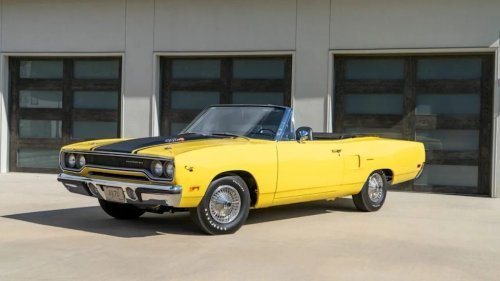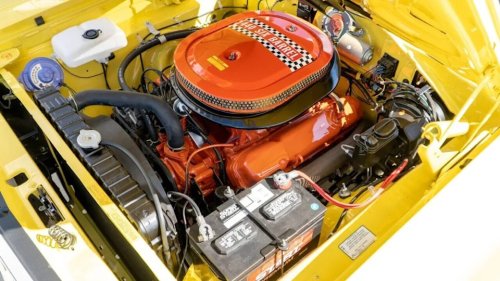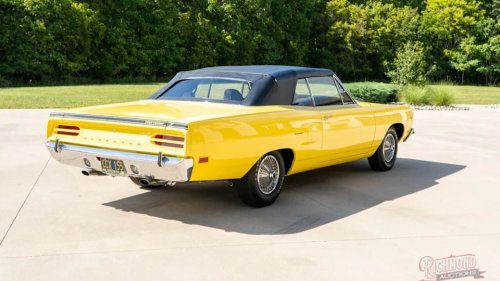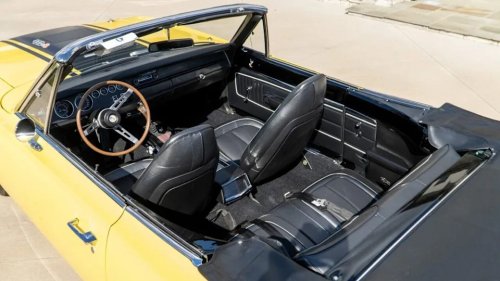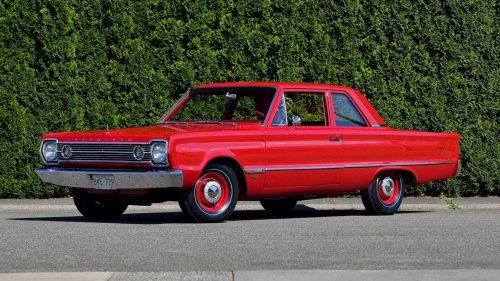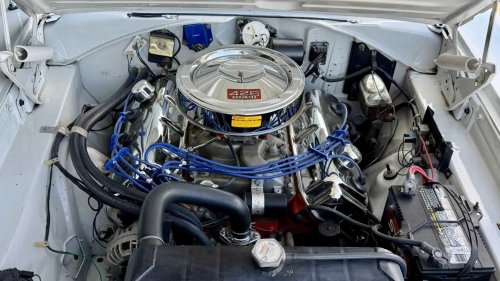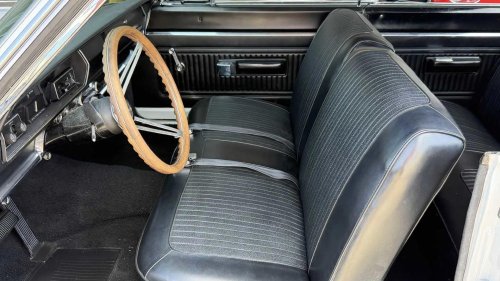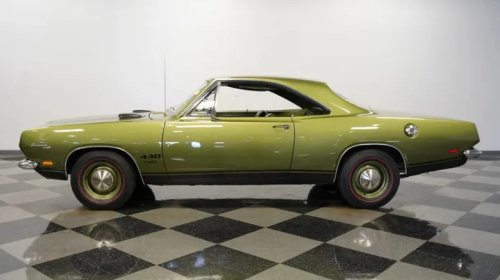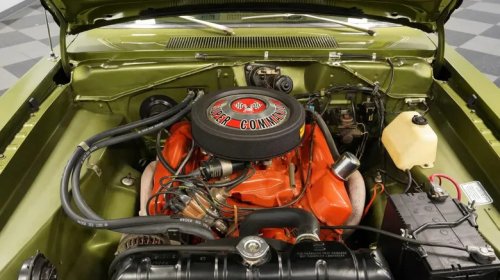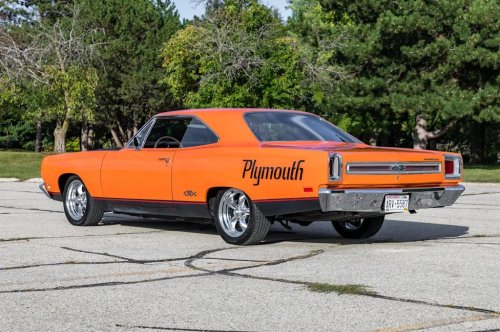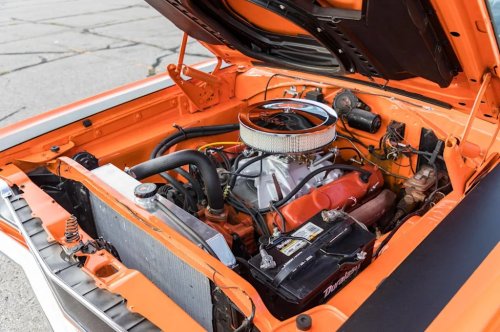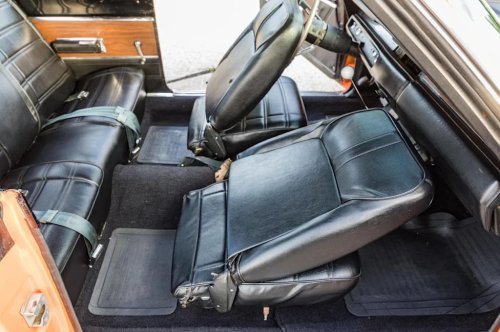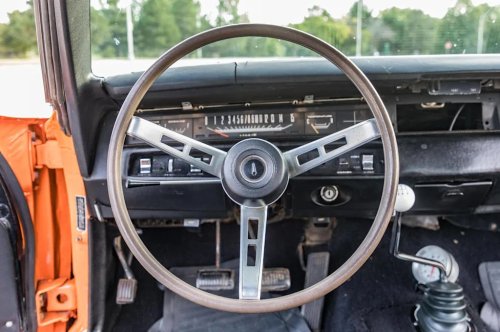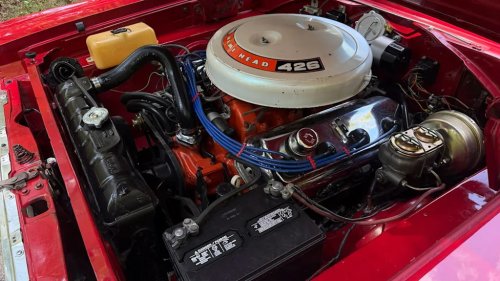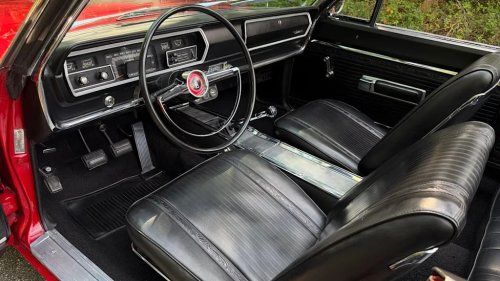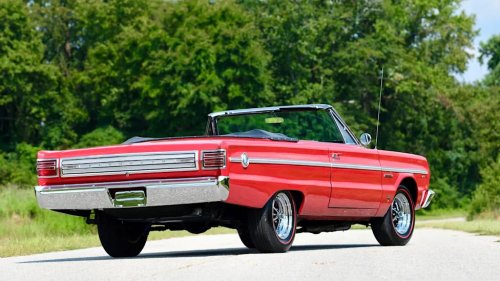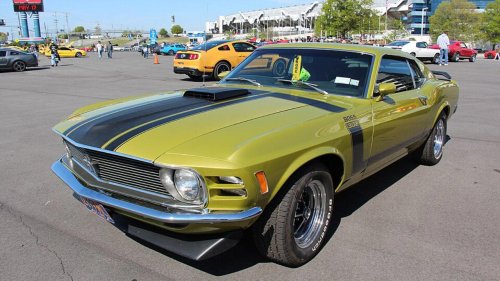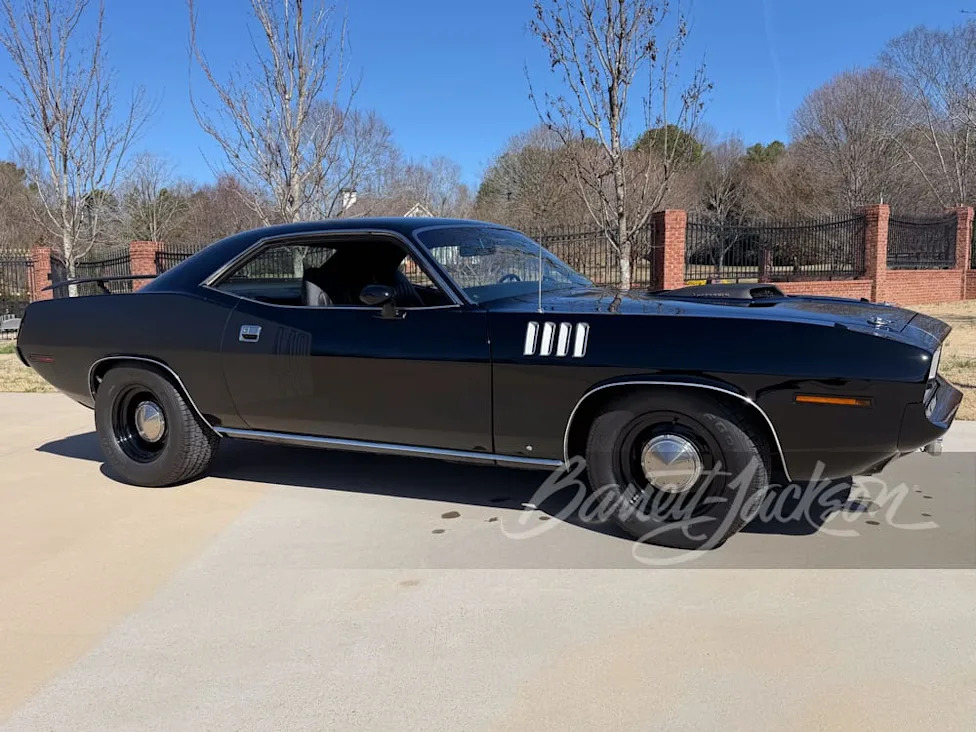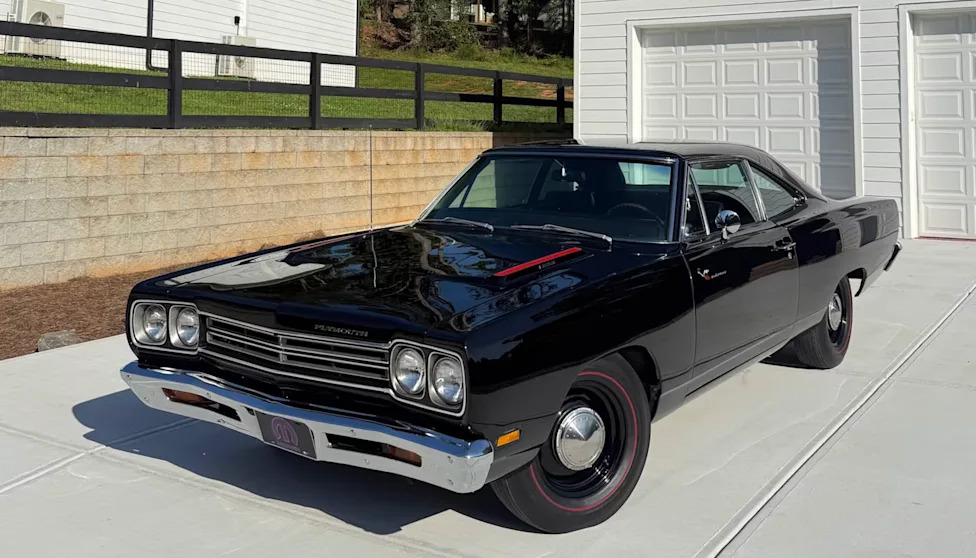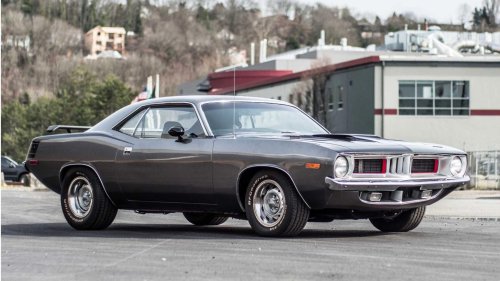























The early '70s were a time in the muscle car era when the lights started to dim, and the oil crisis and stricter emissions regulations snuffed all the fun out of muscle cars. It happened gradually. Horsepower ratings got dialed back. Hood scoops disappeared. Rear wings got chopped down or deleted altogether. And suddenly, all-American muscle machines started looking more like family cars with a louder exhaust.That’s the crossroads where Plymouth found itself in the early ’70s. Muscle cars were still around, but the clock was ticking. And just before the genre got watered down beyond recognition, one car rolled off the assembly line with enough firepower to leave a dent in history. It didn’t stay long, but it went out with a bang. The ’74 Road Runner Was Plymouth's Last True Muscle Car 1974 Plymouth Road Runner 440 1974 Plymouth Road Runner 440 Key Specs Source: HagertyThe 440 V8 kept the '74 Road Runner in muscle car territory. With 275 hp in standard trim or 290 hp with the six-barrel setup (which was actually dropped by 1972, but people still tried to clone them), the 440 was Plymouth’s last real stab at keeping the muscle car dream alive. The thing is, 1974 was a turning point. That’s the year the insurance companies, government regulations, and gas prices all started to really hammer the final nails into the muscle car coffin. Sure, you could still get a Road Runner in ’75 and ’76, but by then, it was more about stripe packages and trim than street dominance.Just look at the numbers. In 1970, the Road Runner was still a terror. By 1974, it had gone from muscle monster to sports coupe with attitude. But when you added the 440, you were still getting a legit performance machine. Later Plymouth “Muscle Cars” Weren’t The Same—And Everyone Knew It Bring A TrailerTo be fair, Plymouth kept building cars with sporty badges well after 1974. The problem is, they just didn’t feel like proper muscle cars anymore.Take the 1975–1976 Road Runner. It was now based on the Fury, which was bigger, heavier, and far more sedate. The styling had lost its edge, and the performance was a shadow of what it once was. Even the 400 cubic-inch V8 couldn’t resurrect the vibe. It was more of a GT cruiser than a muscle machine. Subsequent Attempts Just Didn't Hit The Spot Then came the Volare-based Road Runners in 1977 and beyond. Yeah, they had decals. Sure, they offered the 360 small-block with some performance parts. But nobody was cross-shopping a Volare with a big-block Chevelle or a Trans Am. That era was over, and everyone in the room knew it.Even Plymouth’s other attempts at sportiness—like the Duster 360 or the Scamp GT—were never quite muscle cars in the pure sense. They were compact coupes with attitude, maybe even fun to drive, but not cut from the same cloth as the fire-breathing machines of the late '60s and early '70s. How Much Is A 1974 Hemi Road Runner Worth Today? Bring A TrailerIf you happen to stumble across a legit ’74 Road Runner with a Hemi under the hood today, hold onto your wallet—these things are almost priceless. The 426 Hemi was technically discontinued for the Road Runner after 1971, but Chrysler was still fulfilling special orders for certain customers in ’72–’74. That makes real-deal Hemi-equipped ’74 models so rare that pricing them is a challenge.That said, even a non-Hemi ’74 Road Runner with the 440 big-block can fetch solid money today, especially in great condition. According to Hagerty’s Valuation Tool, here’s what you can expect. Used '74 Plymouth Road Runner Values (Hagerty) Fair Condition (Driver): Around $15,400 Good Condition: Roughly $21,600 Excellent Condition: Close to $33,100 Concours Condition: Topping $47,600 Those values are for standard models, but a documented Hemi car—if you can even find one—is worth far more. Think six figures, easy. Add in original paperwork and matching numbers, and you’re in collector-car heaven. Why The ’74 Road Runner Deserves More Respect Than It Gets Bring A TrailerEveryone talks about the ’68–’70 Road Runners, and for good reason. They were raw, loud, affordable muscle cars that you could take to the strip or cruise through town. But the ’74 Hemi car? That was the final, fleeting gasp of a formula that was about to disappear forever.Sure, it had to deal with a bulkier body, crash bumpers, and the early signs of federal neutering. But deep down, the ’74 Road Runner with a big-block was still a legit muscle car. It just happened to show up to the party a little late.Maybe that's why it doesn't get the love it deserves. It’s the last kid on the block to throw a punch before the fight got shut down. It wasn’t flashy, it wasn’t as lean as its earlier siblings, and it didn’t stick around long. But it mattered. The End Of The Line For Plymouth Performance Bring A TrailerPlymouth would keep making cars for another three decades, but the muscle car spirit died out after 1974. The writing was on the wall, and no amount of tape stripes or sport trim could hide the fact that the fire was gone.The 1974 Road Runner wasn’t just another muscle car. It was the last real one to wear a Plymouth badge. The later cars? Nice try, but the soul wasn’t there.So if you ever see one of these cars in the wild—or better yet, hear one—it’s worth stopping for a minute. That sound, that stance, that feeling… it’s all a reminder of a time when muscle still meant something, and Plymouth hadn’t yet faded into memory.