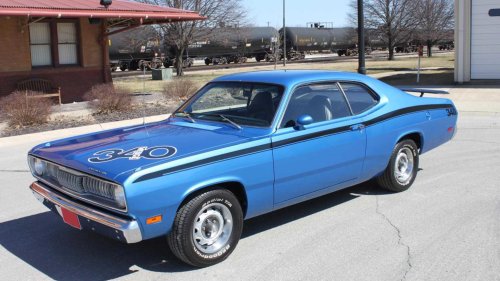
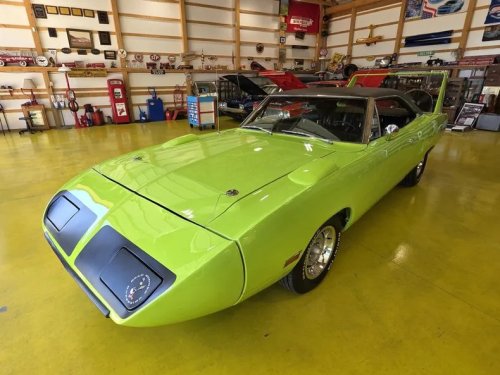
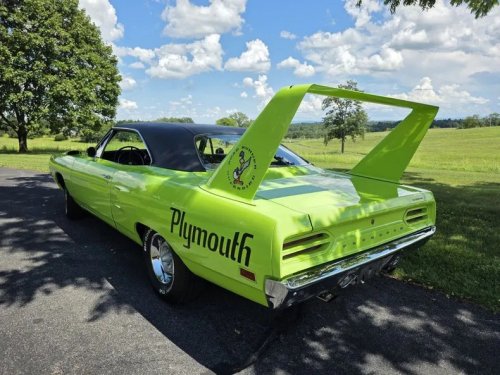
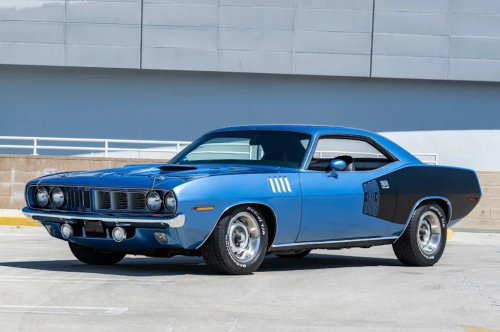
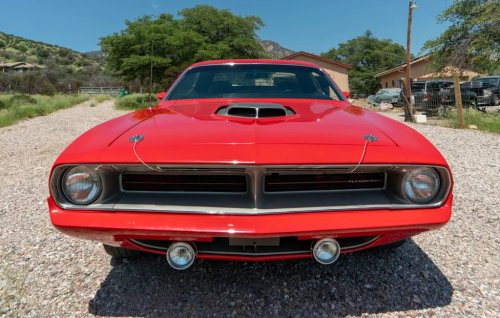
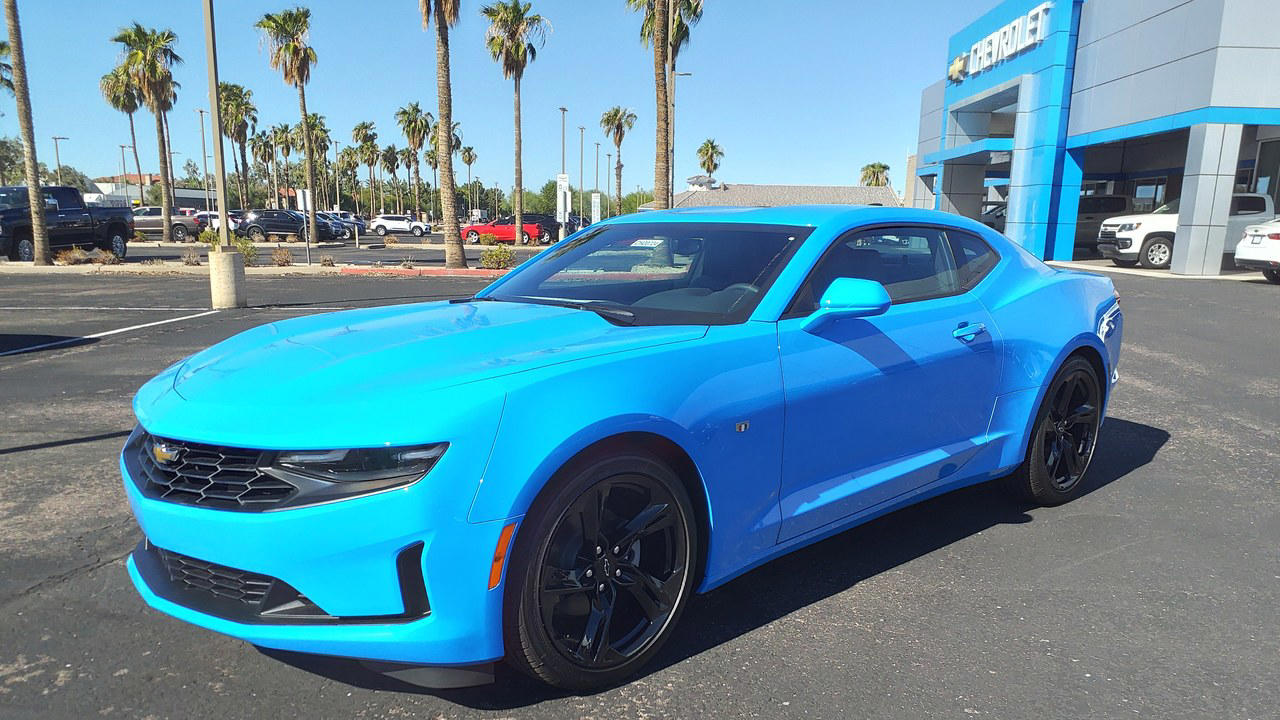
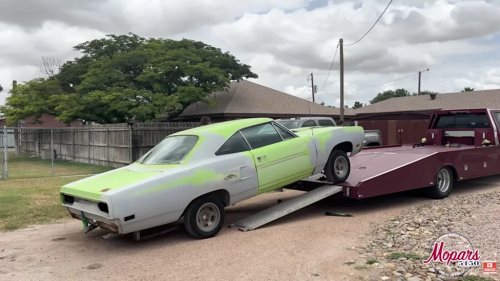
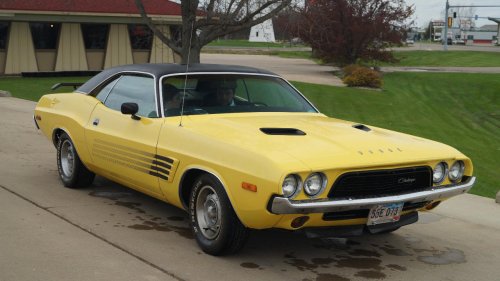
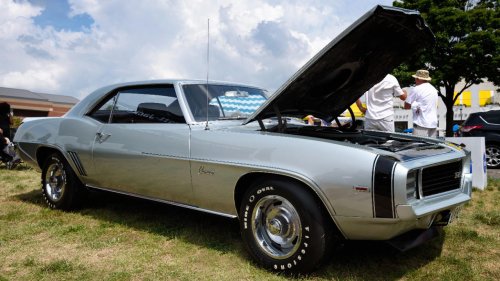
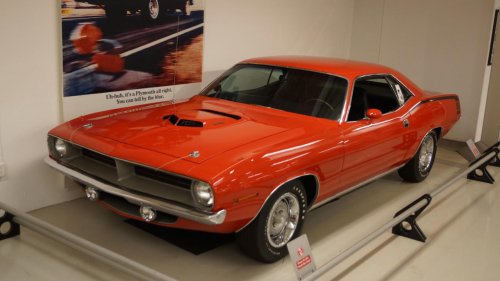
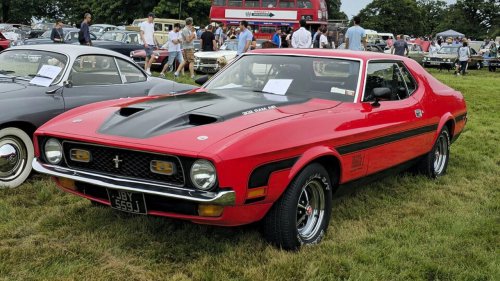
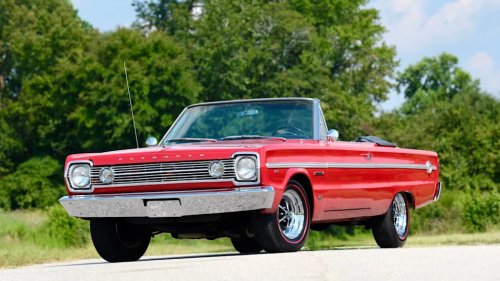
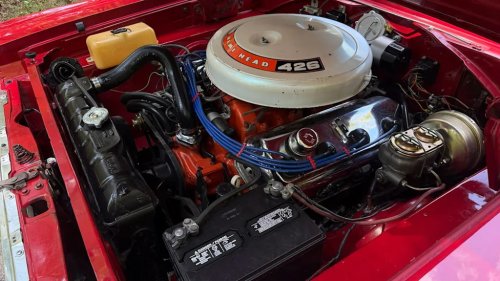
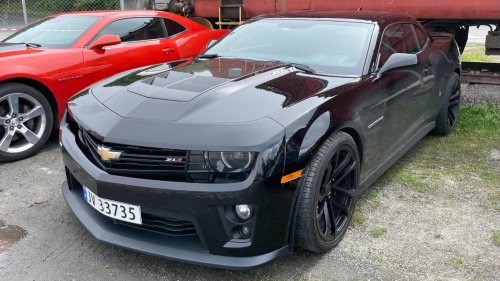
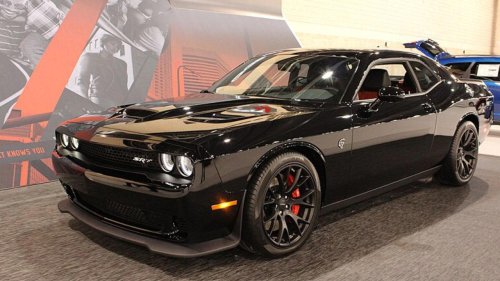
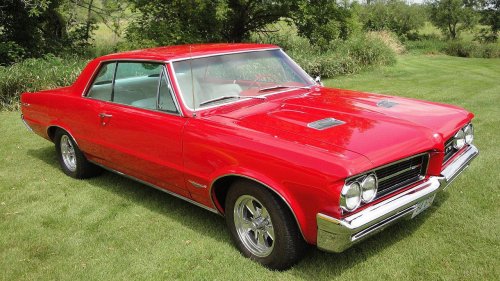
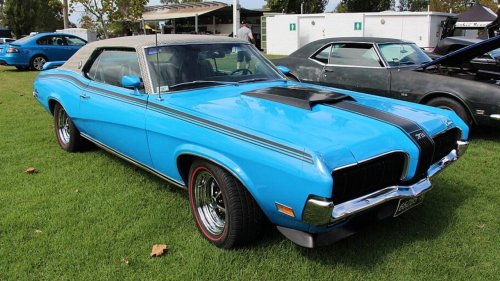
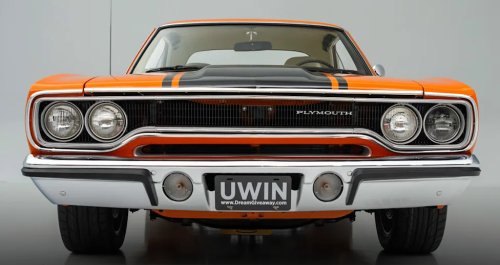
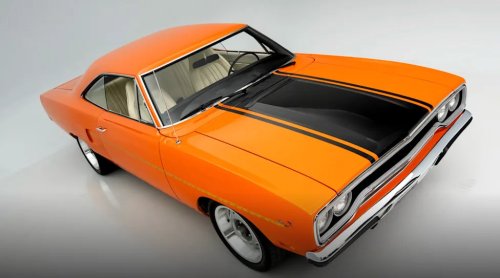
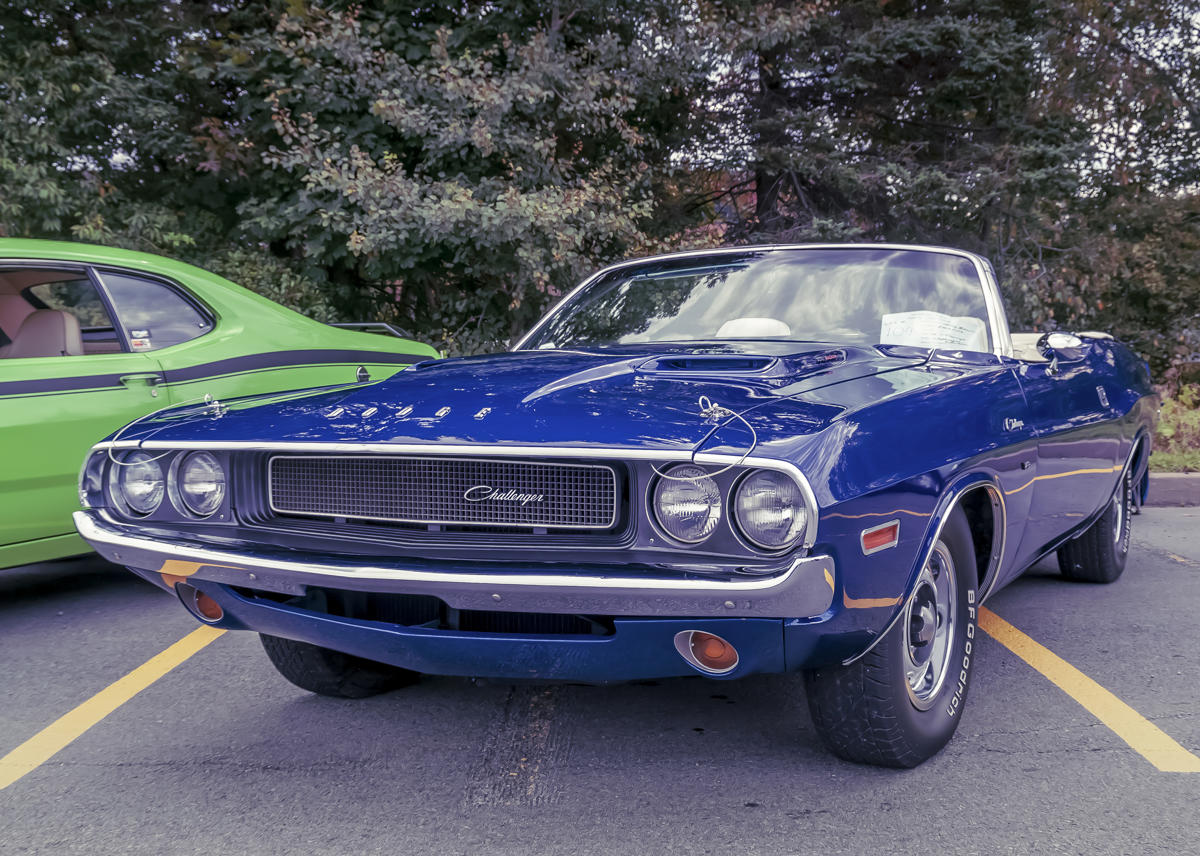
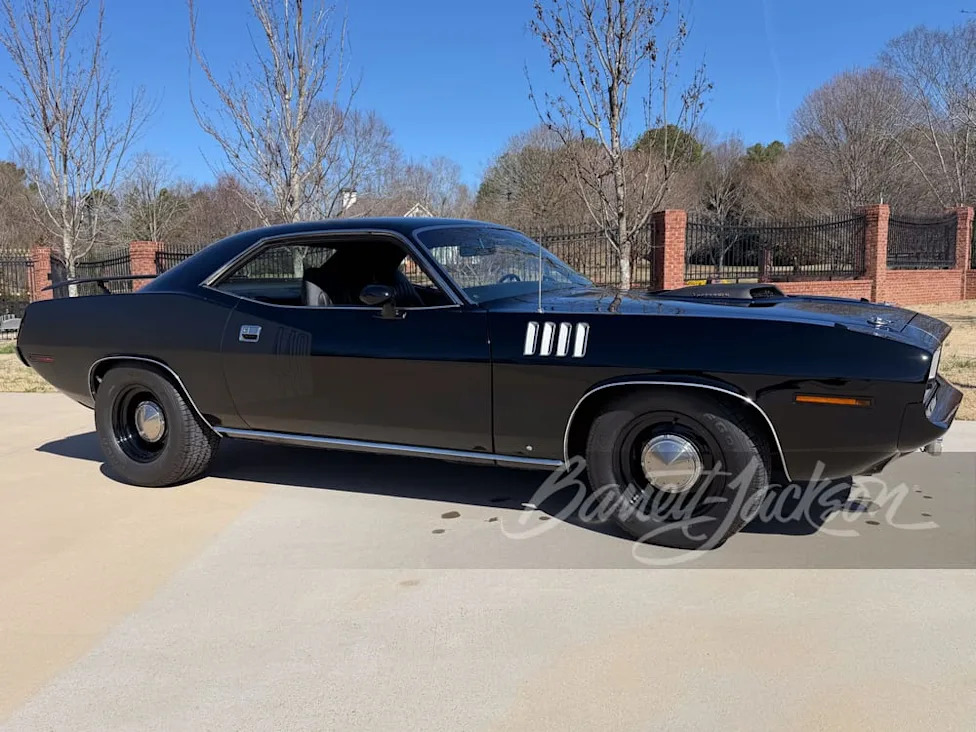
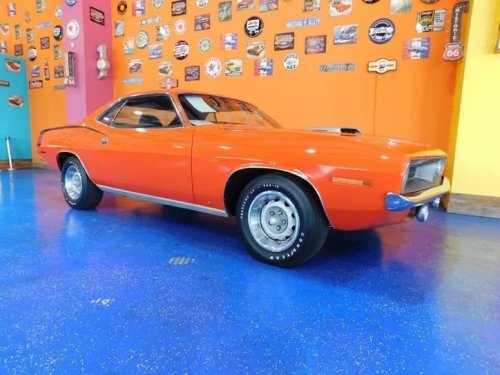
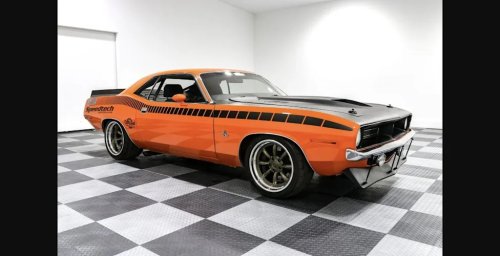
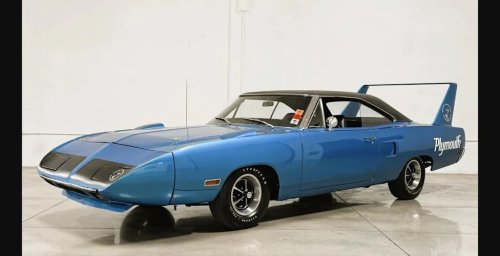
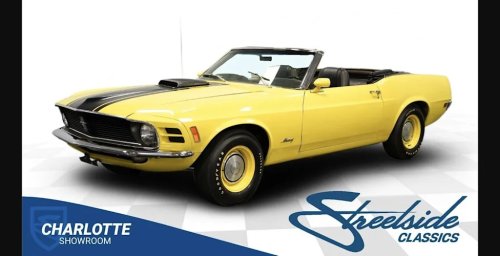
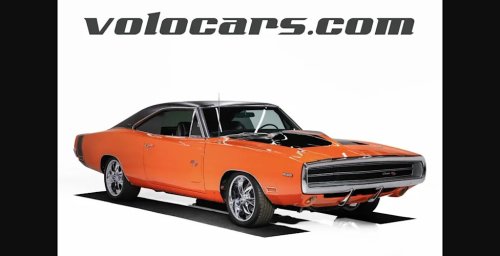
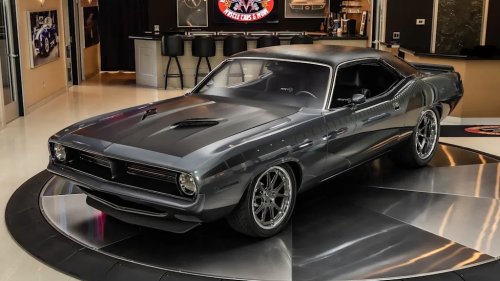
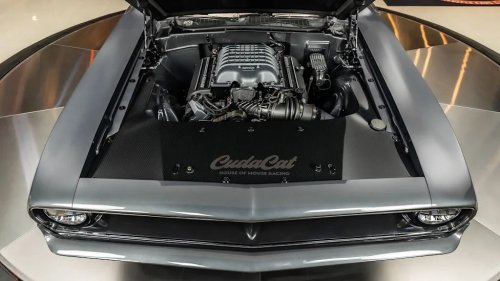
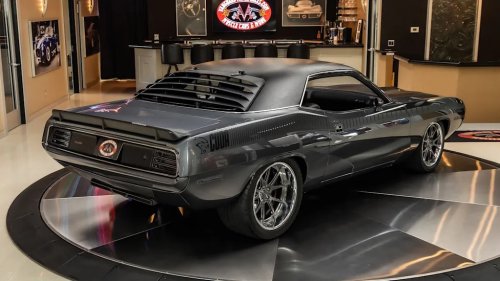
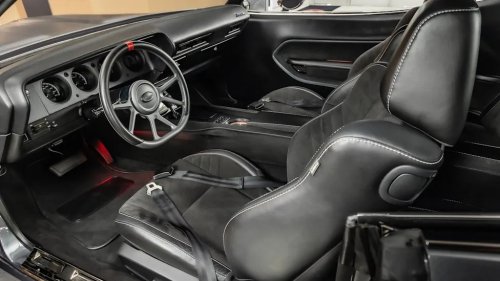
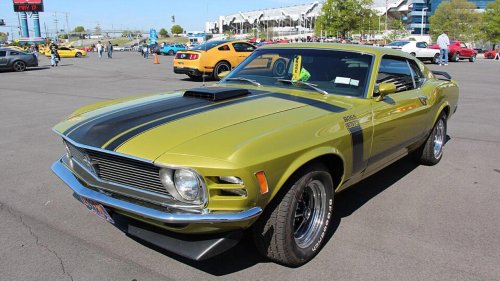
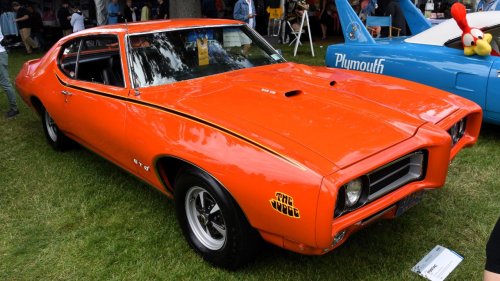
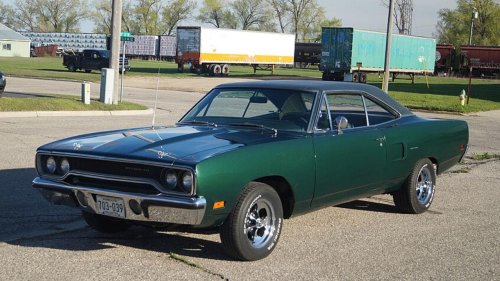
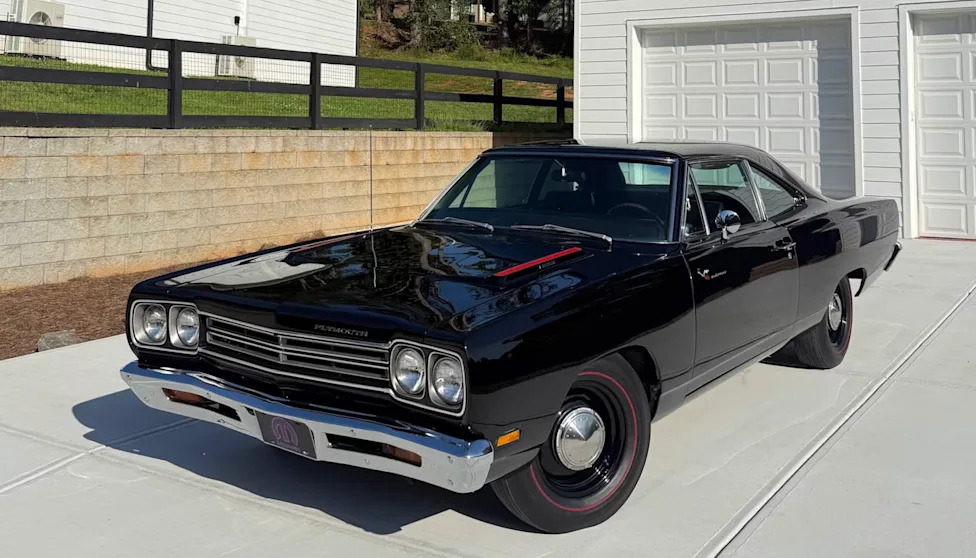
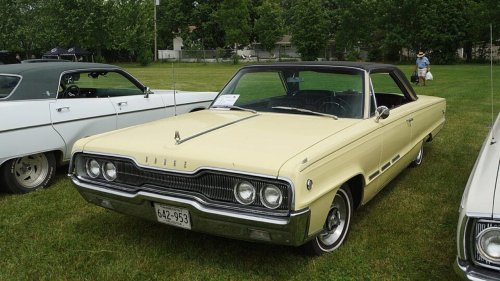
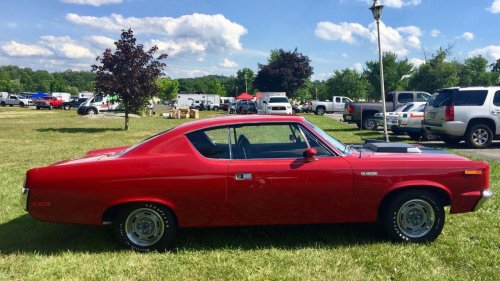
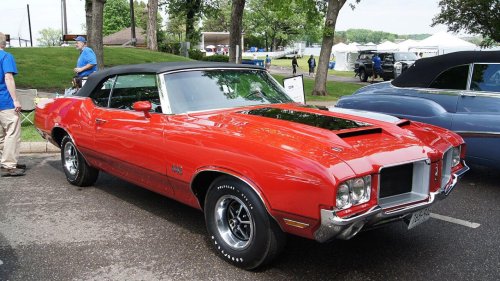
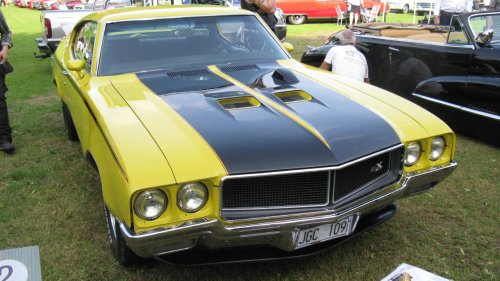
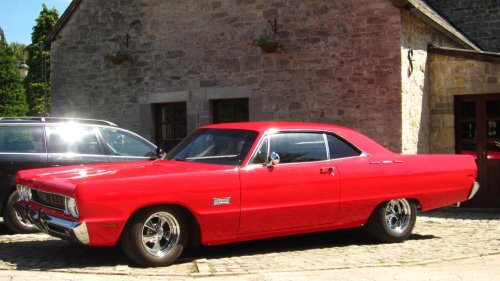
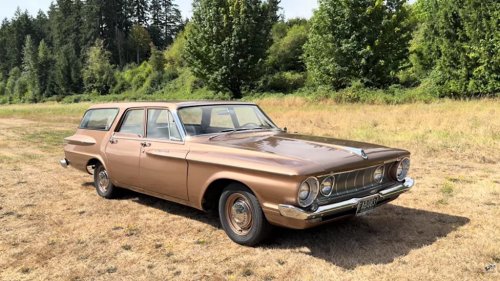
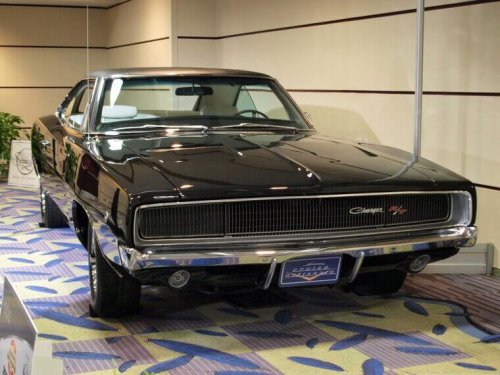
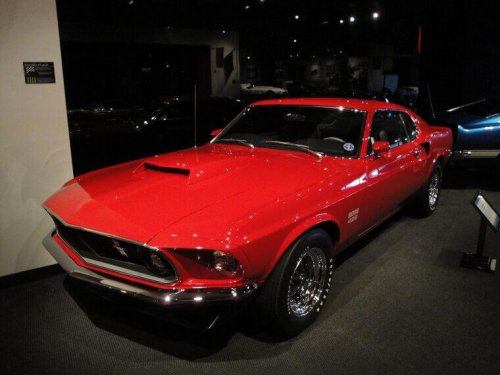
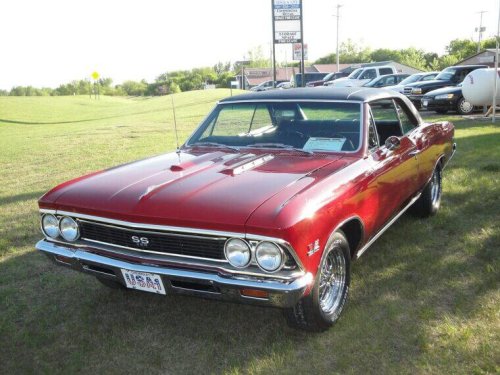
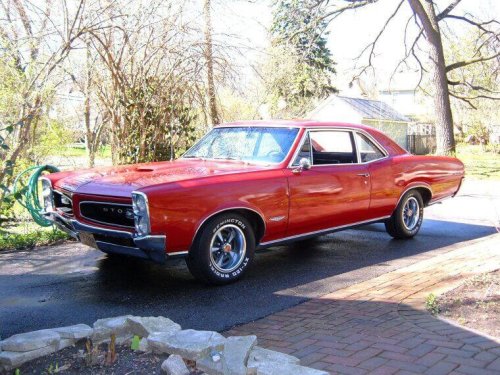
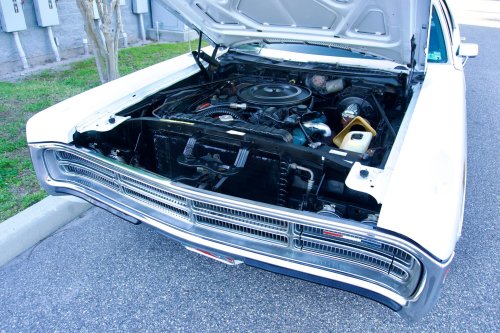
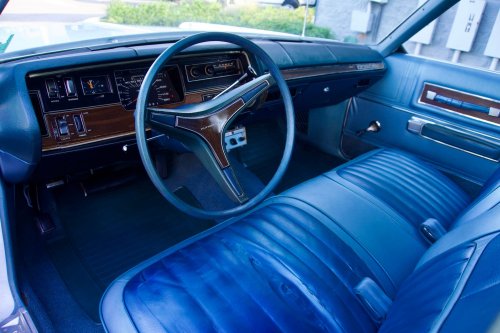
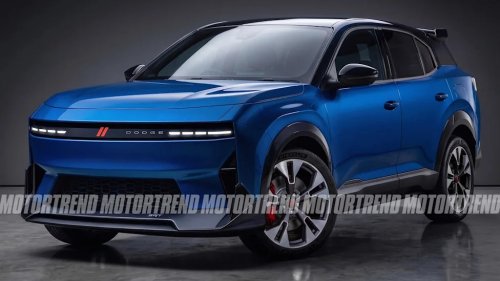
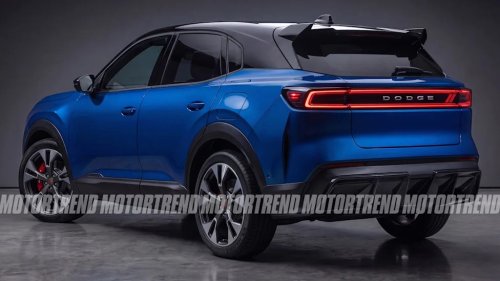
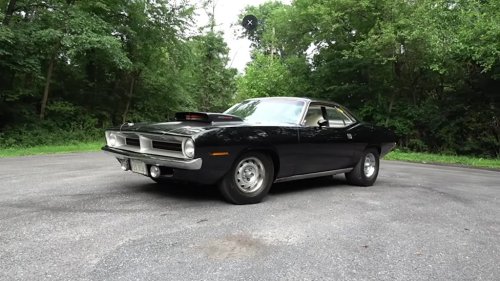
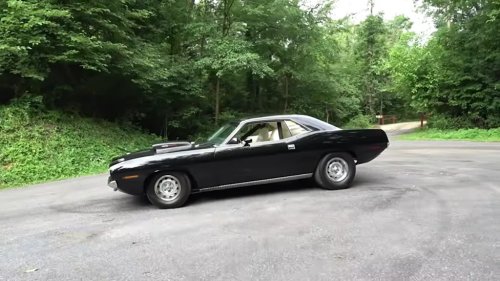
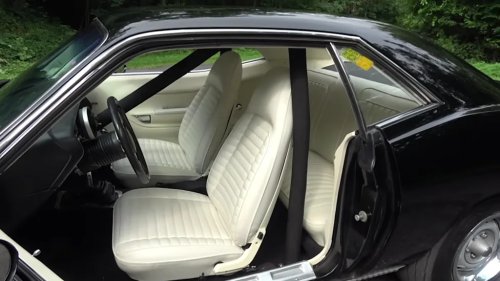
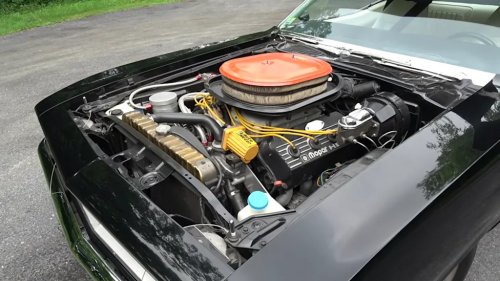
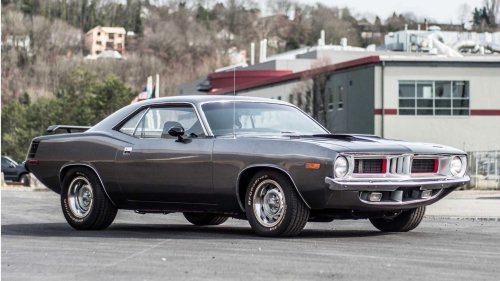
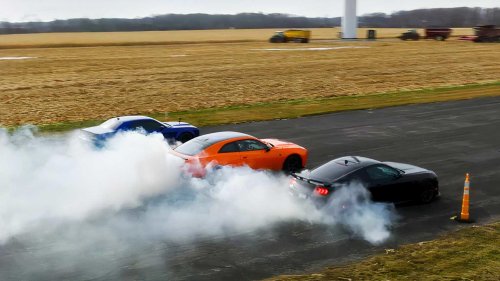
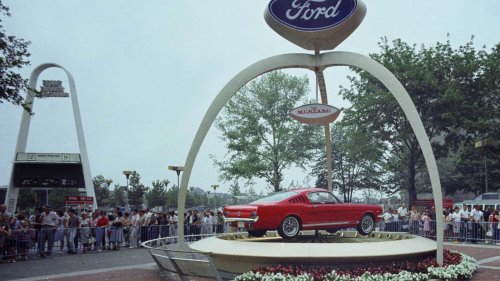
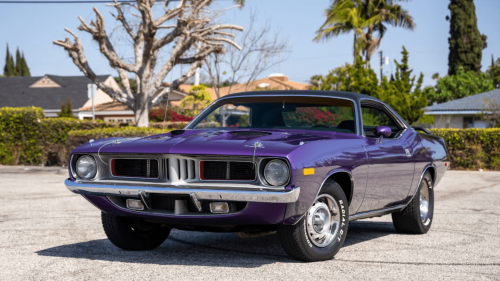
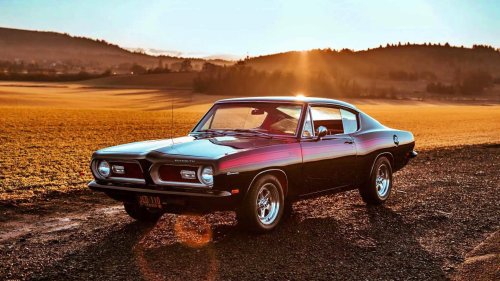
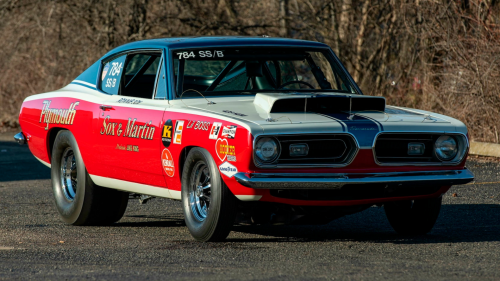
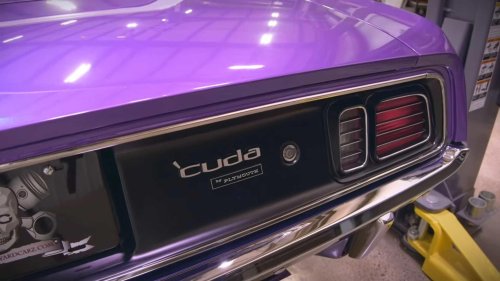
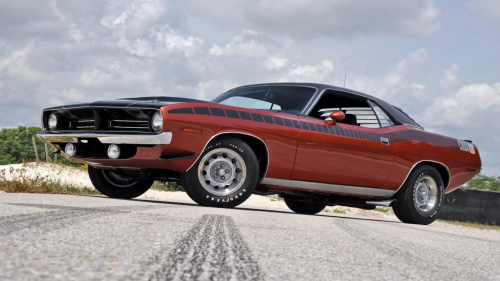
One muscle car nameplate stands above the rest: with racing success, a devoted fan base for five decades, and record-setting auction prices, it's the quintessential muscle car. According to motorheads and collectors alike. But when every other major nameplate made a comeback, the most deserving muscle car was left out. Things didn’t have to be this way.While Ford, Chevrolet, and Dodge all found ways to revive their icons for a new generation, one legendary badge never got its second act. Not for lack of demand, and not because it lacked the pedigree. In fact, the case for its return has only grown stronger with time, making its absence from the modern muscle car revival all the more puzzling. Muscle Cars Came Roaring Back But One Of The Most Important Nameplates Is Stuck In Limbo Throttle House, YouTube What is a muscle car? Originally, they were sports cars with supercar power, made affordable through Detroit's manufacturing innovations, and sheer sales volume. They oozed what you might call aura, with youthful, sporty styling and the rumbling menace of available V8 engines. Most models went out of production, but never out of style. The Modern Muscle Car Revival The same formula still works today. Muscle car nameplates resurrected by all the Detroit Three have sold like hotcakes for the past two decades. Ford never stopped making the Mustang, the affordable “pony car” synonymous with the muscle car movement. But in 2003, Ford returned to its roots with a retro-styled concept car: the Mustang GT Coupe. Critics and customers loved it, and the retro Mustang went into production for 2005.General Motors actually beat Ford to the punch with its 2004 resurrection of the Pontiac GTO nameplate. But GM didn't go all-in on retro styling until its 2010 Chevrolet Camaro.Dodge first piled onto the trend in 2005 with its four-door Charger (officially a 2006 model year car). Then it doubled down with its ultra-retro Challenger coupe in 2008. The Challenger and its supercharged Hellcat engine (which debuted in 2015) proved so popular that it replaced the high-end Viper as Dodge’s halo car. But the muscle car nameplate most deserving of a comeback has (thus far) been left out of all the fun. The Quintessential Muscle Car Was A Masterpiece Ford To define the most “muscle car” of all nameplates, we need to go back to the beginning: back to how muscle cars came to be. During the 1950s, the Detroit Three shifted from luxurious touring cars to speed machines for their halo cars. But these V8-powered sedans and coupes were still opulent and expensive “personal luxury cars.” Think of the Ford Thunderbird, the original Chrysler 300, and the Hudson Hornet. Buyers were hooked, not just on raw horsepower but on performance numbers. Automakers knew they could improve those numbers by going smaller. And they might also be able to make their most desirable cars cheaper, opening up multiple new market segments.Ford debuted its Mustang on April 17, 1964. It used Falcon running gear to save costs. With a six-cylinder base engine, it boasted a $2,368 MSRP. That meant hip young people could buy them. But drivers with some extra cash could opt for a powerful V8. The formula proved so popular that Ford sold 559,451 Mustangs in 1965. It's no surprise that Chevrolet hustled to launch its competitor — the Camaro — in September 1966. Plymouth Found The Perfect Muscle Car Formula Chrysler Corporation had perfected big block power by the early 1960s — namely with its NASCAR-dominating Hemi V8. But its big block engines were far too heavy for a pony car competitor. Its nimble A-body cars had to make do with smaller V8s. For the 1970 model year, the engineers at Plymouth finally found the perfect formula: the E-body chassis was just large enough to house a big block. But it was small enough to still compete with a Mustang or Camaro in the corners. The quintessential muscle car was born. The Plymouth Barracuda The Muscle Car Nameplate Most Deserving Of A Comeback Bring A Trailer No car brand personified the muscle car era better than Plymouth. The division’s zany and gutsy personality was evident in its products: budget-friendly, stylish, and fast as anything else on the road.The automaker was Chrysler’s budget division, and the company brass ordered it to make cheap, boring vehicles. Multiple generations of Plymouth engineers had other ideas. Plymouth fired up the original horsepower wars with theSport Fury, later made famous in Stephen King's Christine. It helped Richard Petty dominate NASCAR with its Hemi-powered Superbird. It created one of the most iconic A-body "compacts" of all time: the scrappy Duster. And Plymouth even kicked off the pony car segment — not Ford. The Barracuda Beat The Mustang To Market That’s right, Plymouth debuted its Barracuda on April 1, 1964. Two weeks before Ford revealed the Mustang. Great minds think alike, and Plymouth was pursuing the same strategy as Ford. The original Barracuda had low development costs because it was just a fastback version of the budget-friendly Valiant compact. It turned heads with a dramatic fastback design, featuring the largest piece of rear glass ever available on any mass-produced vehicle at the time. It also offered an available V8 and track-ready “Formula S” suspension. Plymouth redesigned its Barracuda for the 1967 model year, keeping the vehicle on its compact A-body chassis. In 1970, it launched the all-new E-body chassis to accommodate big-block engines.The third-generation Plymouth Barracuda wasn’t the only Mopar on the E-Body chassis. To recoup development costs, Chrysler Corporation stretched the Barracuda’s wheelbase slightly and built the larger Dodge Challenger on the same chassis. The Barracuda Became A Legend After It Disappeared via Bring A TrailerThe E-Body twins from Mopar absolutely dominated racing in 1970, taking home trophies at tracks as diverse as the 1970 AHRA GT1 World Championship and NHRA Summer Nationals drag strips to the road courses of the 1970 Trans-Am series.Unfortunately, the gas crisis and stricter EPA emissions standards ended the muscle car era shortly after the debut of the third-gen Plymouth Barracuda. 1974 was the final year for the nameplate.Motorheads have long considered the third-generation Plymouth Barracuda a high-water mark of the muscle car era. Collectors began to take notice, and with the car’s shortened production run, surviving examples rapidly gained value. In 2006, a rare 1970 convertible Plymouth 'Cuda shattered muscle car records when it sold during a Barrett-Jackson auction for $2.2 million. The sale signaled to the world that muscle cars had become collectible. Detroit took notice, and automakers began seriously considering bringing some old nameplates back. The rest is history. But the Plymouth Barracuda — the car that arguably started it all — has been left out. Until now. How The Plymouth Barracuda Nameplate Could Have Been Resurrected 1968 Plymouth Barracuda B029 ‘Sox & Martin’ Super StockThe resurrected, retro-looking muscle cars of the 2000s capitalized on a trend. That trend was retro-looking vehicles of all kinds. From the Plymouth Prowler to the PT Cruiser to the Chevy HHR to the new Beetle to the Mini Cooper, Y2K-era buyers couldn’t get enough of these old-school machines. But the trend could have been a short-lived fad. Then Dodge bet it all on retro.Graveyard CarzChrysler Corporation tasked its SRT division with transforming its big, heavy Charger and Challenger into its new halo cars. The result was the company’s first factory-supercharged beast: the Hellcat lineup. The Charger and Challenger Hellcats transcended the retro-looking muscle car segment and became cultural icons. They sold hand-over-foot for more than a decade. Meanwhile, Ford and GM were forced to offer cars with increasingly powerful V8s just to keep up.To keep buyers coming back, Dodge released a series of gloriously overpowered special editions. First, there was the regular Dodge Charger/Challenger SRT Hellcat. Then there was the Dodge Charger/Challenger Hellcat Redeye. The Hellcat and Redeye widebodies. The Dodge Challenger SRT Demon. The Jailbreak editions. And finally, the Dodge Challenger SRT Demon 170. That's a ton of badges to haul around, even with 1,000 horsepower. Naming any of these last-call special edition Challengers the fourth-gen "Plymouth Barracuda" would have been a much simpler choice. Slap on a classic “cheese grater” grill and some fresh graphics, and you’re good to go. Classic Mopar fans would have lost their minds. The company would have had an instant collectible car. And the brief resurrection of the Plymouth brand would have made headlines worldwide. But the Plymouth ship hasn't sailed for good. Stellantis, Please Bring Back The Plymouth Barracuda MecumIs it too late to resurrect the Plymouth Barracuda? Absolutely not!Stellantis may have missed a golden opportunity to badge its Challenger Demon or Demon 170 as a limited-edition, fourth-generation Plymouth Barracuda. But an even better opportunity looms on the horizon.Stellantis — like many automakers — is struggling to differentiate its EV and traditional ICE offerings. Why not resurrect Plymouth as an electric sub-brand? This would allow Dodge to continue building ICE muscle cars as long as buyers want them, without watering down the brand. But it would also allow Stellantis to offer inexpensive and efficient EVs in North America: a modern “Rapid Transit System.” And with EVs quickly becoming the cheapest option for pavement-punishing horsepower, a resurrected (electric) Barracuda halo car would just be a matter of time.



















 +22 others