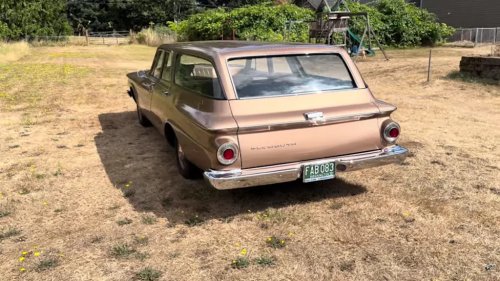
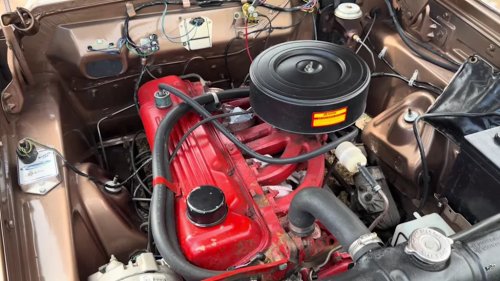
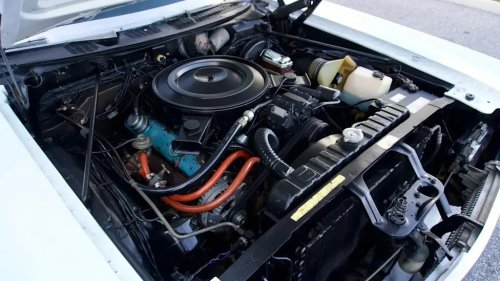
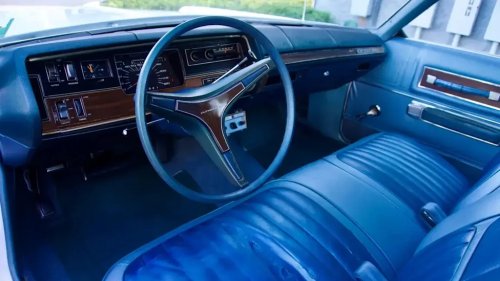
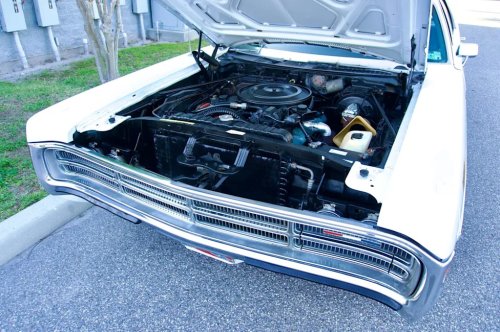
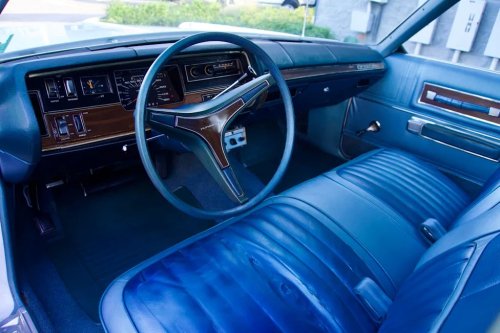
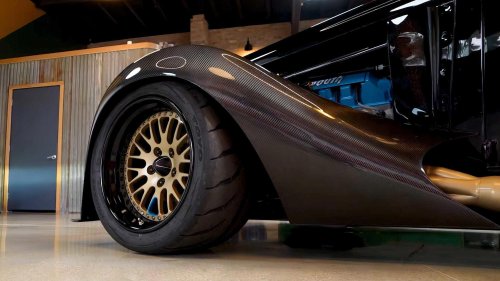
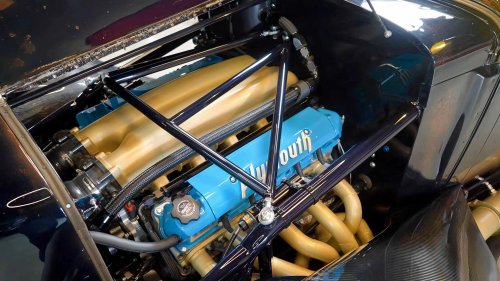
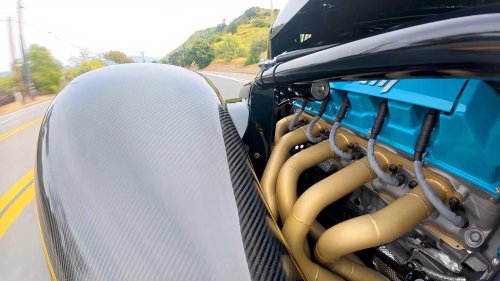
A pre-war Plymouth coupe should feel like a museum piece with door handles. This one, however, sounds like a science experiment that escaped tech inspection. Built by Chris Ashton and the Ruffian Cars team, the 1935 Plymouth two-door keeps its original steel body, original paint, old trim, and weathered personality, then throws all common sense into a wood chipper by sitting on a full GT1 tube chassis with a 9.0-liter Viper V10 making a little over 800 horsepower on 93-octane pump gas. It weighs around 3,100 pounds with fuel, runs 335-section front tires and 345s at the rear, and somehow still has enough vintage charm inside to keep old marbles in the ashtray. This 1935 Plymouth Hides A Full Race Car Underneath Autotopia LA YouTubeOne of the best parts of this build is that the Plymouth body still wears its age honestly, with original paint, original trim, and a shape that clearly started life in an era when 35 mph felt ambitious.Underneath, though, it’s a different century entirely. The chassis came from a GT1 race car built by Riggins Engineering, a car that previously won three championships and more than 30 races. The team cut and stretched it by about seven inches to suit the Plymouth’s wheelbase, while keeping the race-car suspension pickup points intact. Splash Of Common Sense Autotopia LA YouTubeThat explains the stance, then. The car is 11 inches wider than a stock Plymouth, with massive carbon-fiber fenders shaped around race-car-sized rubber. It originally ran slicks on the street, which sounds hilarious until cold race tires turn every errand into a legal consultation. Street tires finally made the thing usable. An 800-HP Viper V10 Makes This Plymouth Properly Uncivilized Autotopia LA YouTubeThe engine is the sort of part you don’t accidentally install. It’s a Gen 4 Viper V10 built by Prefix, stretched into a 9.0-liter “9.0X” setup that makes more than 800 horsepower and roughly 750 lb-ft of torque.The V10 had originally been bought for another project, but its length made it difficult to fit into a traditional muscle car. A 1935 Plymouth, with its long hood and old-school proportions, made a weird amount of sense. That sentence probably shouldn’t be true, but here we are.The exhaust is where the build gets properly nerdy. Vipers have an odd, uneven sound because of the firing pattern, so the team built unequal-length exhaust routing to delay one bank and make the V10 sound more exotic at certain revs. It’s tuned around 3,500 rpm, which means the car can sound far busier than the tach suggests. That’s wonderfully ridiculous engineering for a car that also has a hood ornament’s worth of old-school attitude. The Details Make This Thing Even Better Autotopia LA YouTubeThe Plymouth’s carbon fenders, rear diffuser, belly pan, grille pieces, and custom aero work could’ve made it look like a kit-car fever dream. Instead, they work because the rough original body balances all that new material. The carbon almost becomes another texture, sitting next to the patina rather than fighting it."We're talking about C5 Z06 weight with a full cage in the car." - Chris Ashton (Ruffian)Inside, the same mix continues. It has carbon seats, a full cage, modern data displays, brake-bias adjustment, a quick-release steering wheel, fire suppression, and a GPS speedometer hidden behind the original gauge face. Then you look up and see original wood, chicken wire, old insulation, and a windshield that still cranks open. Properly 'Streetable' Autotopia LA YouTubeIt’s also properly streetable, in the most extreme possible use of that word. The car has working lights, street brake pads in race calipers, a rear-mounted radiator disguised around the spare-tire area, functional cooling fans, a Viper transmission, and a Torsen-style rear differential. On the road, it reportedly has around 200 miles on it and hooks far better than expected.A Viper-powered pre-war Plymouth on race-car bones should be terrifying, clumsy, or both. Instead, it sounds like it grips, turns, and stops with the confidence of something far newer. It’s still silly, obviously. But it’s the kind of silly that makes sense once enough very talented people decide the joke deserves proper engineering.Source: Autotopia LA (YouTube).





















 +67 others