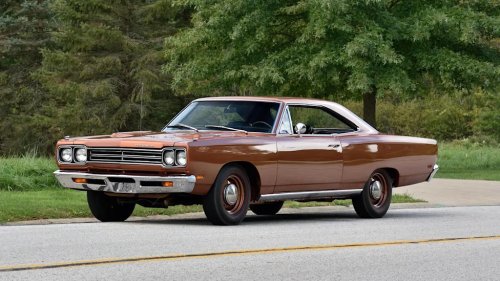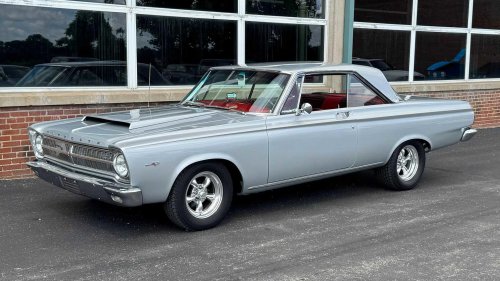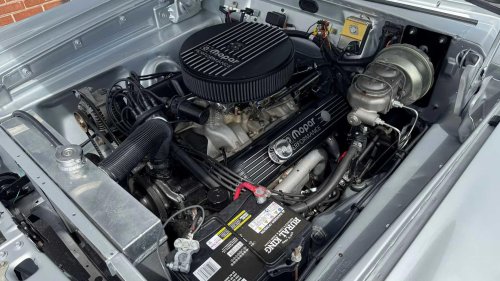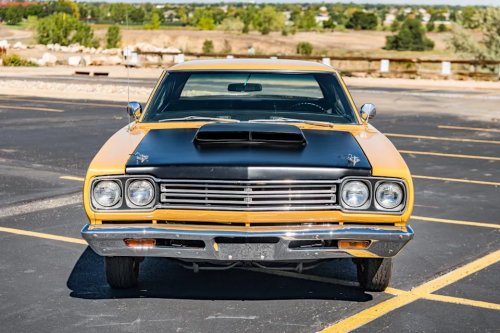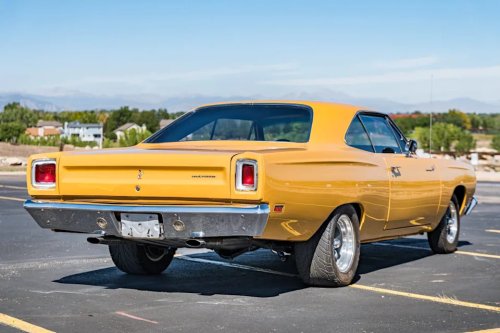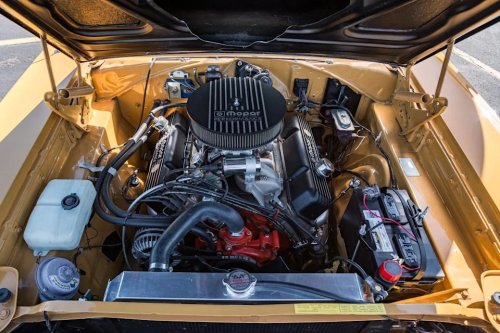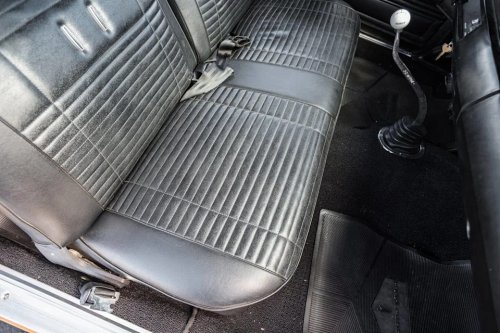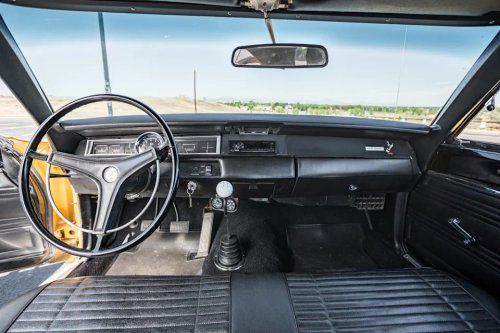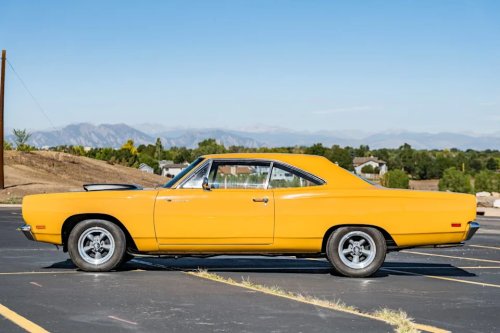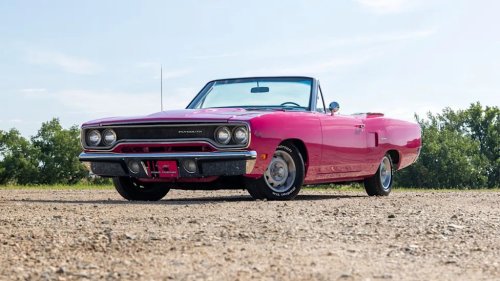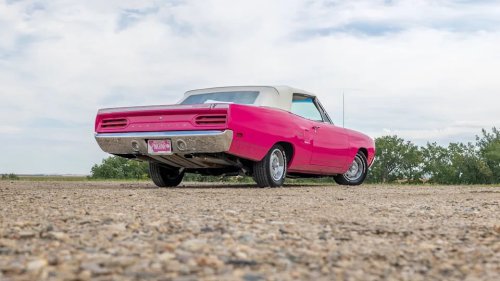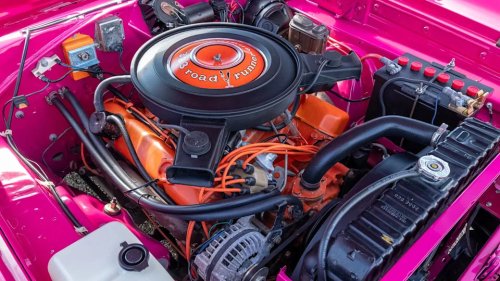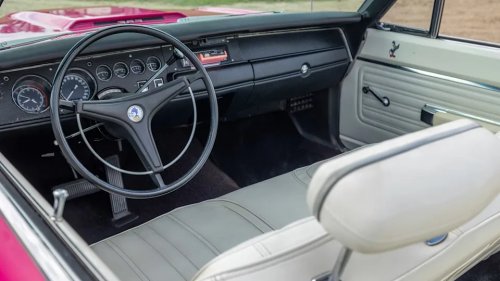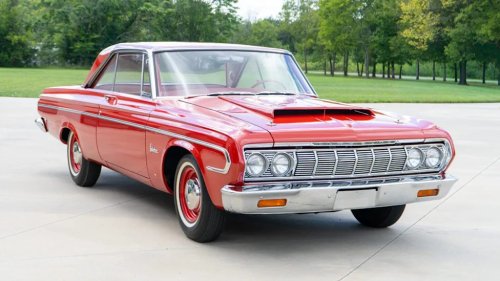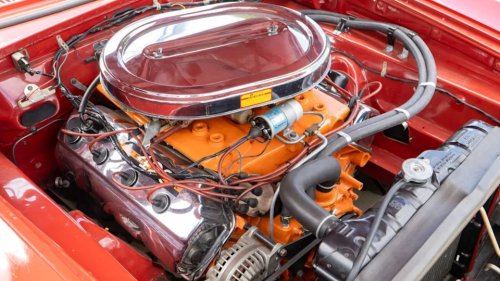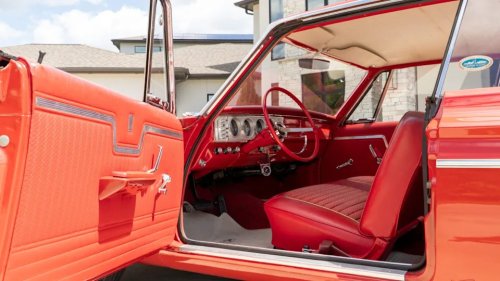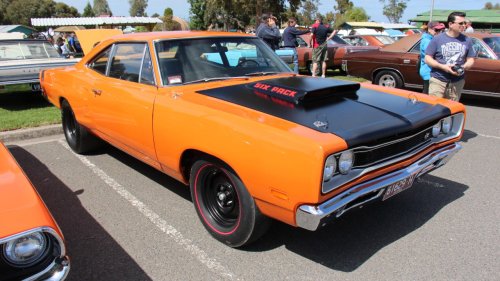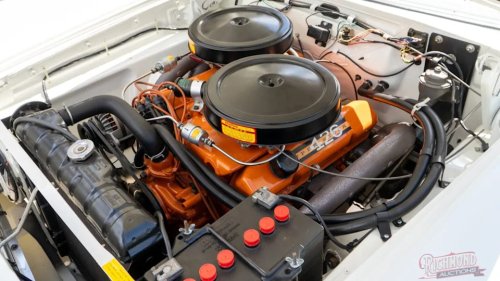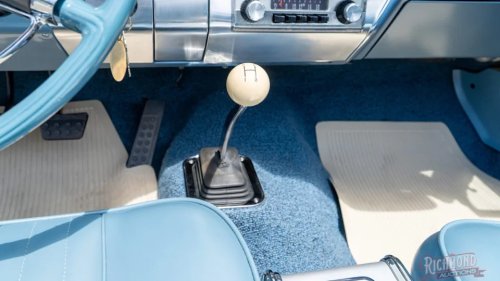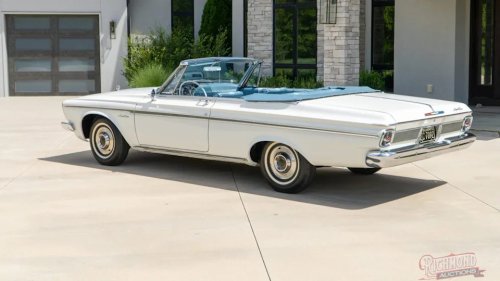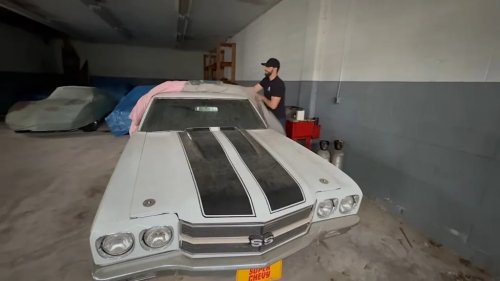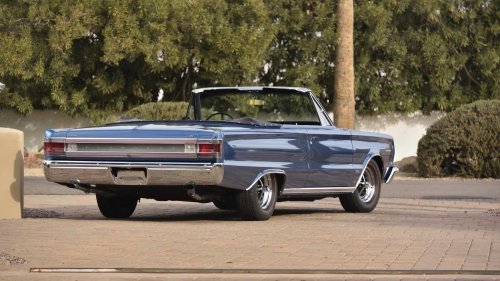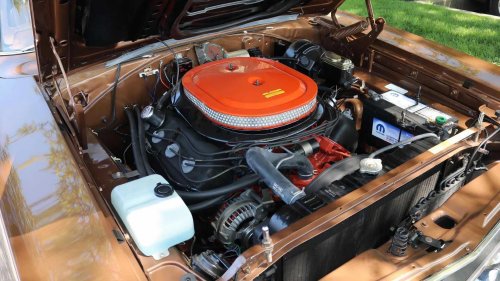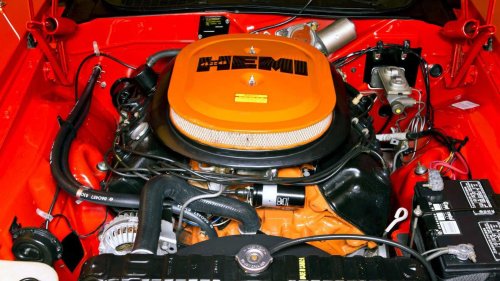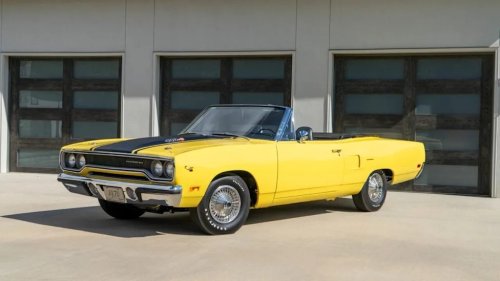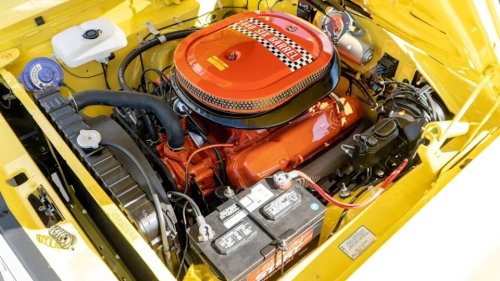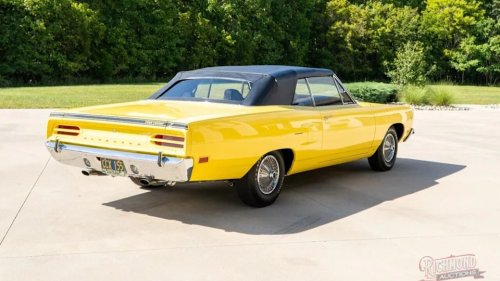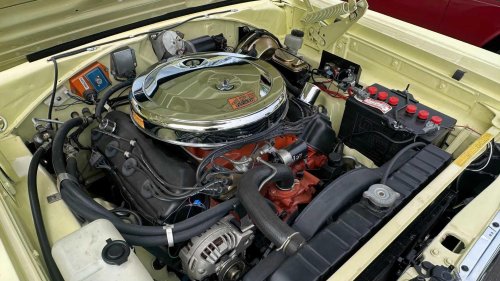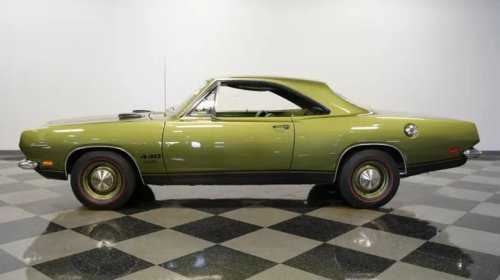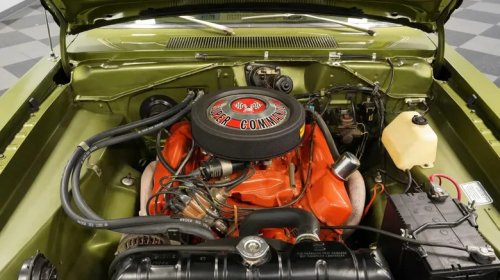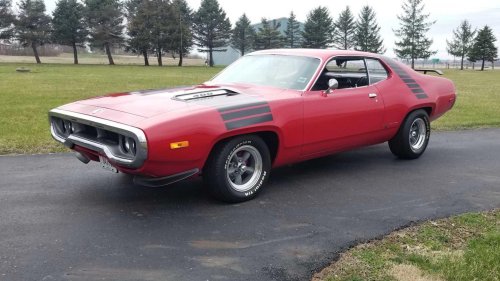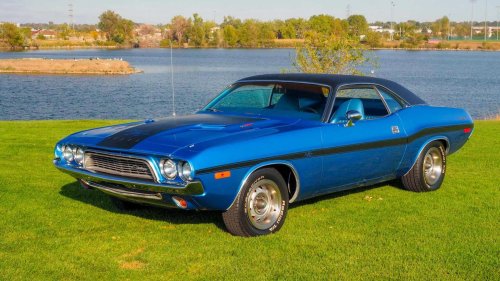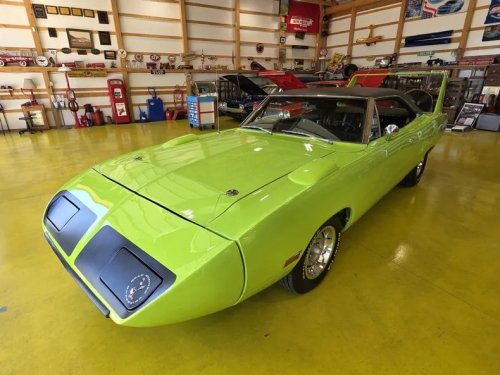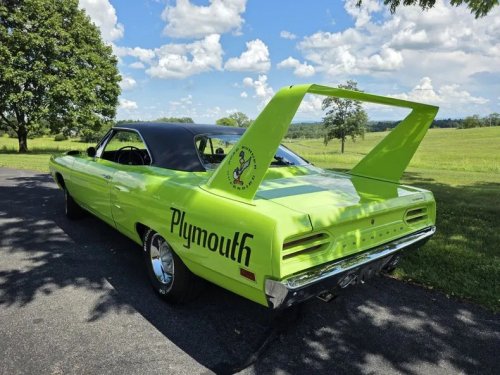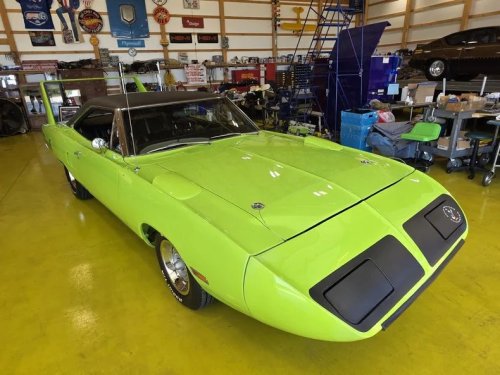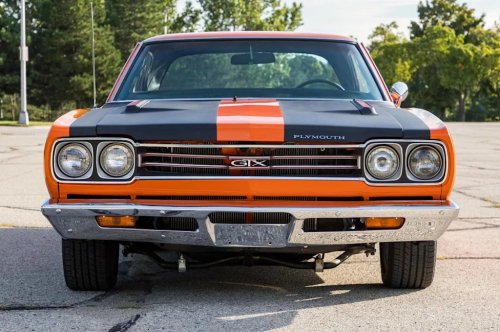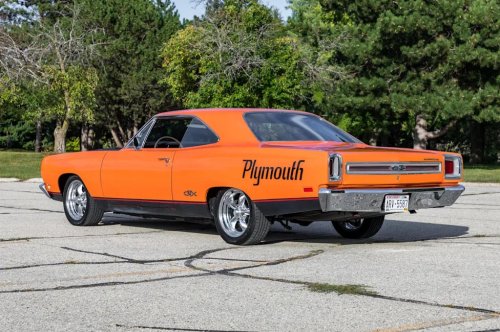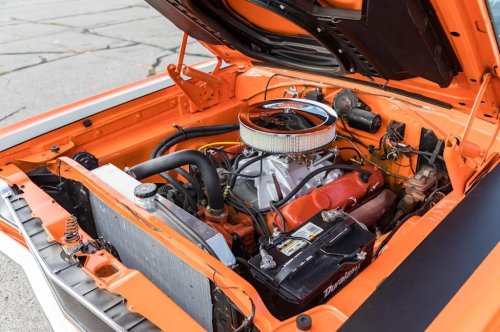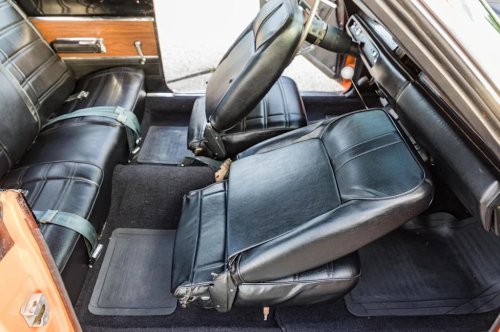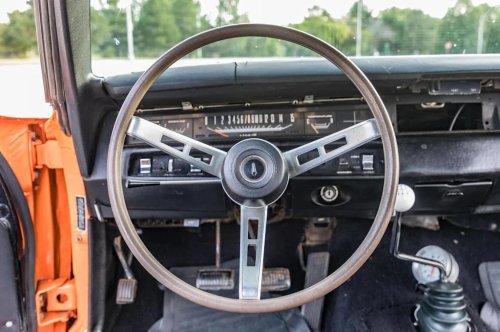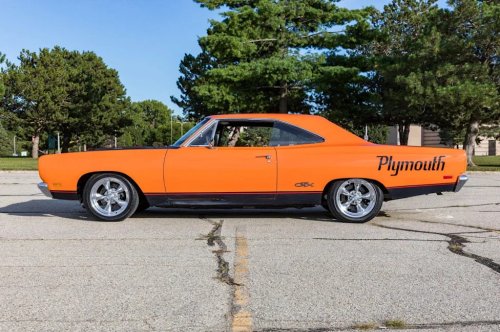
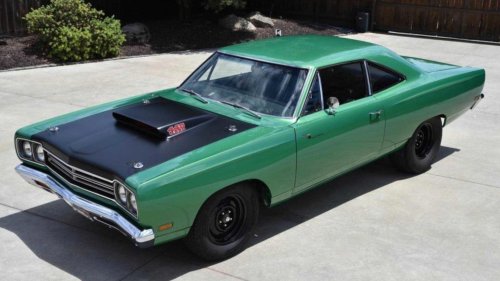




















The 1960s are a decade remembered for the outrageous horsepower wars that pitted the Big Three and their sister brands against one another. They all competed ruthlessly to produce the fastest cars possible. Things came to a head in 1969 as each really upped the potency of their muscle cars. With the impending oil crisis breathing down their necks, they all went full-bore and began wringing every bit of power they could out of their big blocks to settle the score once and for all.Who won the battle? The modest PlymouthRoad Runner. A car known for being affordable enough for kids ditched the gloves and beat the brakes off everything in its path, claiming the prestigious title of being the quickest muscle car of the era. And it didn't even have a Hemi. The 1969 Road Runner A12's 12-Second Run That Settled The Score A12 Road Runner 1969-1/2 A12 Plymouth Road Runner Specs The car in question is the legendary 1969-1/2 A12 Plymouth Road Runner or, as it's also known, the Six-Barrel Road Runner. These were the first of their kind to be outfitted with the 440. But Plymouth didn't cram any regular old Super Commando under the hood. These came with the notorious 440 Six-Barrel engine that would reconfigure the world's take on which Mopar engine was the top dog in the 1960s.With a factory tune, these motors were advertised to produce 390 horsepower and 490 ft-lb of torque. However, this was a bit conservative, and you could easily pull more out of them with the right touch, which a drag racing legend proved as soon as these cars arrived. 1969-½ A12 Road Runner Vs Leading Mopars In The Quarter Out of the box, the A12 Road Runner could cut a 13-second quarter-mile pass. By any metric, that's impressive for a carbureted car running with a soft tune and bias ply tires. Ronnie Sox of the Sox and Martin racing team was given the chance to drive one of these cars to its full potential. He rolled up his sleeves, put some of his best speed tricks to work, and then did what he did best. In an official test for Super Stock & Drag Illustrated, he pulled a 12.91-second quarter-mile pass out of the car, which was better than any factory muscle car of the time. The Birth Of A Legend: The 1969-1/2 A12 Road Runner Bring A Trailer The 1969-1/2 A12 was not your run-of-the-mill Road Runner. While it still retained a fairly affordable price point and a no-nonsense list of standard features, it did break the mold a bit.When the Road Runner arrived in 1968, it was a high-performance, low-trim car designed and marketed so that teenagers could afford it with a modest salary. They even used the Road Runner cartoon as its mascot to appeal to the youth. When you ordered one, you could get one of only two engine options: the 383 Commando and the 426 Hemi. And though they weren't exactly a stripped car, you couldn't expect more than a bench seat without asking. It was a stark contrast to the GTX, Plymouth's high-performance, high-trim cars that came standard with 440s and 426s, along with an interior fit for a king. 1969-½ A12 Plymouth Road Runner Fast Facts It was the first Road Runner to come factory-equipped with a 440. The 440 featured an Edelbrock intake manifold and three Holley two-barrel carburetors, referred to as a Six-Barrel by Plymouth, and a Six-Pack by Dodge. The A12 cars also featured Dana 60 differentials with 4.10 gears, a fiberglass lift-off hood, 15-inch steel wheels, and a reinforced chassis. fiberglass lift-off hood. The A12 package was offered for one year only, and the 440 Six-Barrel was updated with different hardware for later years. Ronnie Sox famously made a 12.91-second pass with the 1969-½ A12 Plymouth Road Runner, making it the quickest factory-spec muscle car. This was the case for the beginning of the 1969 model year. Things changed halfway through, however, when Plymouth decided it was time to finally stuff the 440 under the Road Runner's hood and make it more competitive in drag racing. Again, it was no basic 440, but it's not the only thing that made the A12 car special. For those wondering, “A12” refers to coding in the fender tag that designates the special package.Plymouth also set the A12 cars up with lift-off fiberglass hoods, they put heavy-duty Dana 60 differentials out back complete with 4:10 gears, and they came exclusively with 15-inch stamped steel wheels. Because the 440's torque now matched the Hemi's largely thanks to its massive induction system, they equipped these cars with torque boxes to give the chassis the rigidity it needed.Dodge matched Plymouth’s madness with its own A12 version of the Super Bee, which was nearly identical in every way, with changes to the nomenclature. Most notably, Plymouth called the induction system a Six-Barrel, while Dodge called it the Six-Pack. The world primarily sticks to the latter, but there is technically a difference. The 440 Six-Barrel: Wedge PerfectedBring A Trailer So, what made a 440 Six-Barrel so special? Why did it produce more power than a regular 440?The answer lies in some minor but significant changes to the 440s DNA. Most notable was the introduction of an aluminum Edelbrock intake manifold that let the V8 breathe through three Holley two-barrel carburetors. It had a 350 CFM center carb with two vacuum-operated 500 CFM outboard carburetors. Basic math suggests these would come together to flow 1,350 CFM in total, but, in reality, they flow more like a 950 CFM 4-barrel, which ends up being perfect for the 440. These engines also had a slight boost in compression, which always helps make a little more power.It's important to note that the 1969-1/2 440 Six-Barrel engines are different from the versions that appeared for the 1970 model year. These later engines were actually equipped with thicker connecting rods due to the earlier version's common issue of throwing rods at high engine speeds. The new rods changed the balance requirements of the engines, and the distinct harmonic balancer easily distinguishes the two. The later motors also switched to a cast-iron intake manifold.Regardless, the 440 Six-Barrel engine worked really well out of the box. However, the carburetor tune was generally off. Tuning the Six-Barrel is something of an art form, but when the right mechanic tunes them up, they're known to be brutally fast—which Ronnie Sox clearly demonstrated. Some describe the sensation of launching a well-tuned Six-Pack car like being hit with a hammer. Just One Example Of Mopar’s Over-The-Top Muscle Cars Bring A Trailer The story of the 1969 Plymouth Road Runner A12 and its sister car, the Dodge Super Bee will be told for many years to come. Not just because it was incredibly fast for its time, though. It's an absolutely killer piece of Mopar history, featuring some of the best factory equipment of the era.The Fiberglass hoods and 15-inch black wheels made for an absolutely menacing appearance that really brought the Mopar B-body new life. It went from boxy and plain to a full-on factory racer appearance. They also only made a few of them for the model year. Plymouth produced around 1,400 A12 Road Runners, and Dodge built roughly 1,900 A12 Super Bees, making them highly sought-after cars for collectors. The fact that they really were absolute monsters on the strip just makes them even cooler.A12 cars are just one example of Mopar's over-the-top muscle cars of the era. They fit right in alongside other legends, like the Superbird and Daytona, or AAR 'Cuda andT/A Challenger. Speaking of which, they also defy conventional logic when it comes to carburetion. While many will argue these things were way over-carbureted, the Six-Pack setup has decades of proof to show that not only will these engines produce seriously good power with them, but they remain plenty drivable and can even get decent fuel economy. That's not just the case for the 440s, though; the exact same carburetors were matched to the 340 LA engines featured in the aforementioned E-body homologation cars. Simply put, Mopar's iconic Six-Pack setup is the magic ingredient.