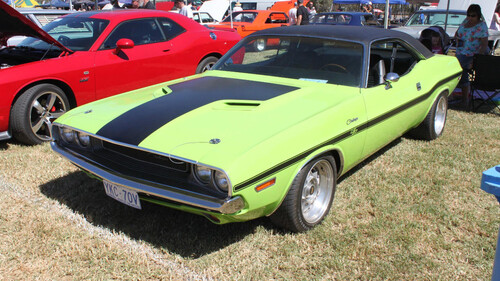
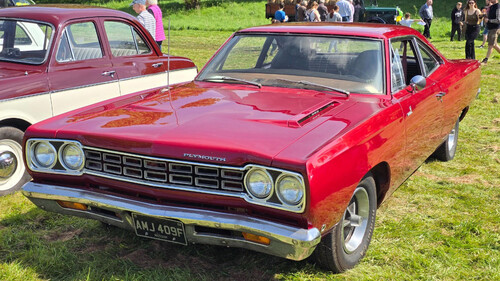
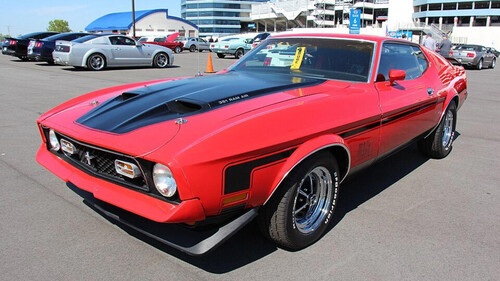
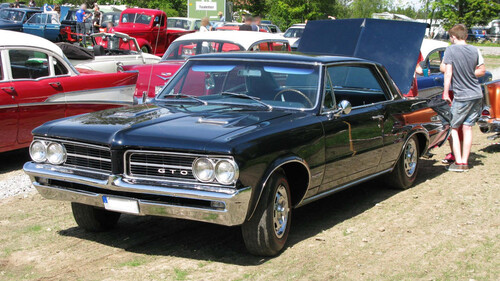
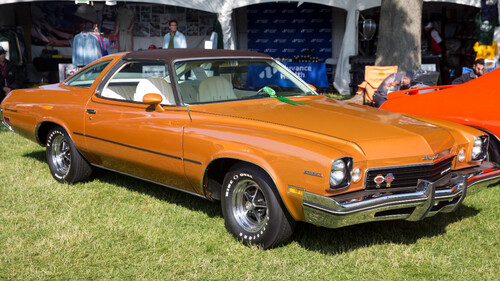
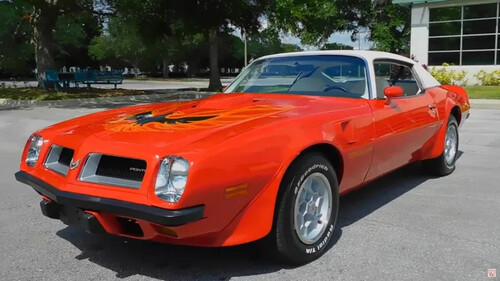
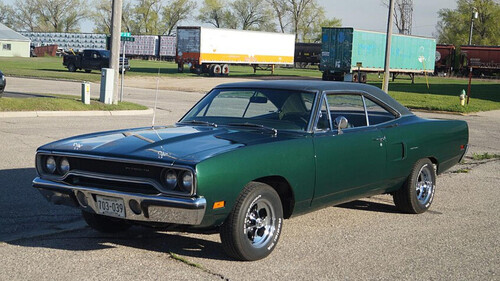
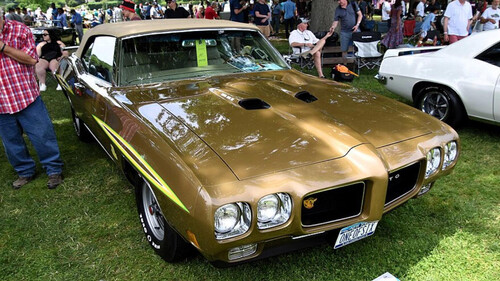
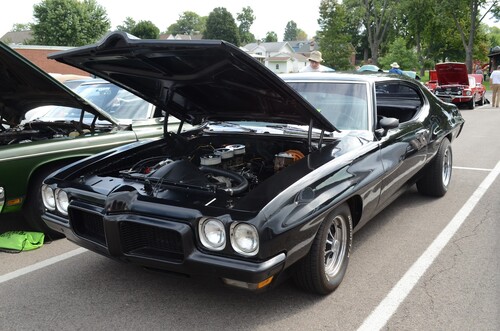
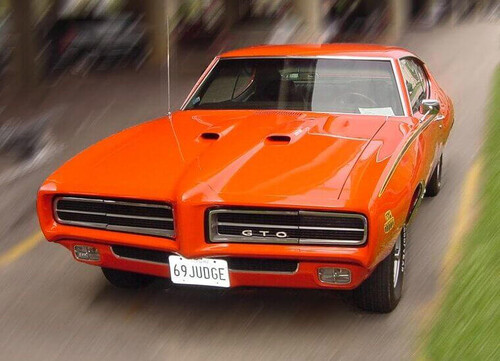
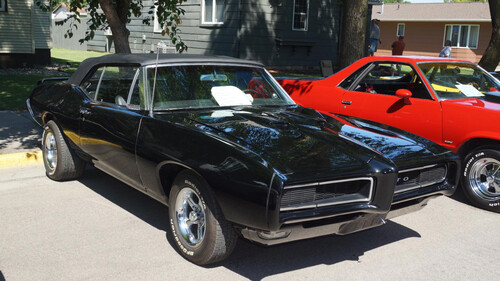
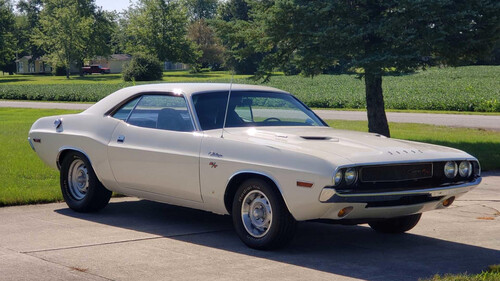
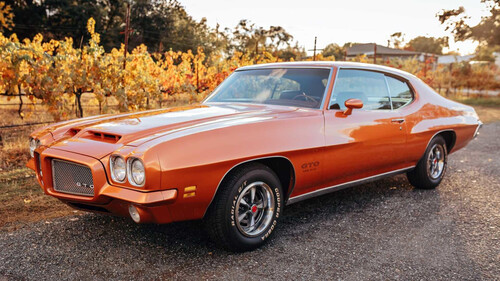
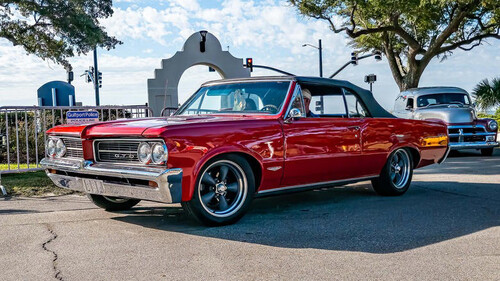
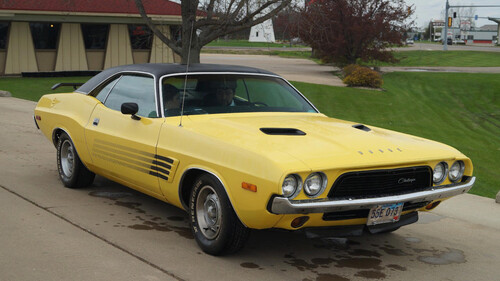
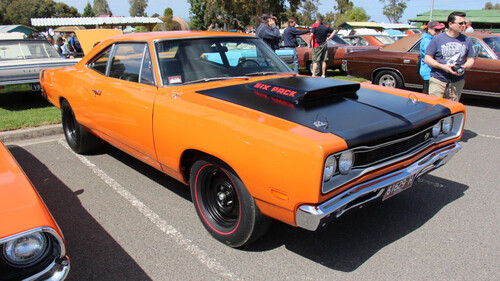
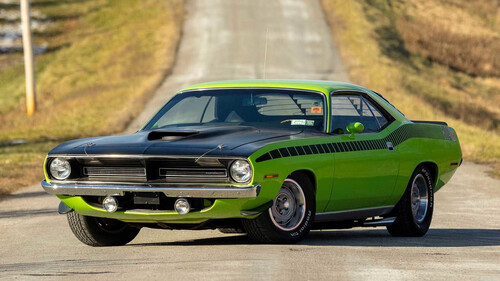
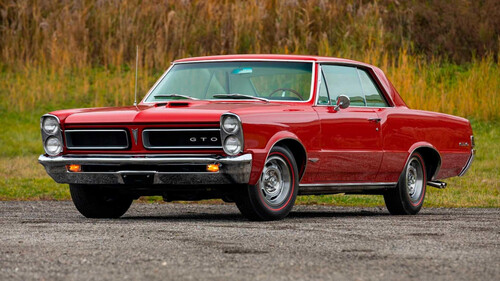
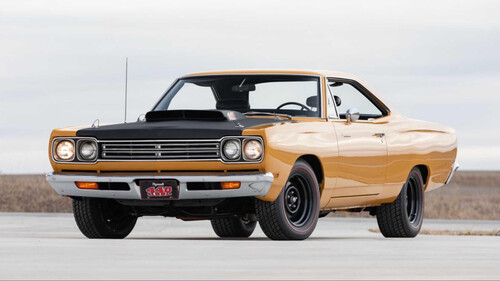
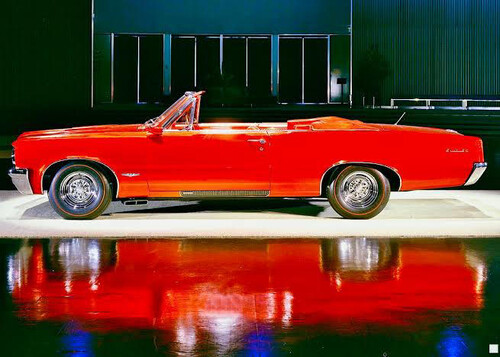
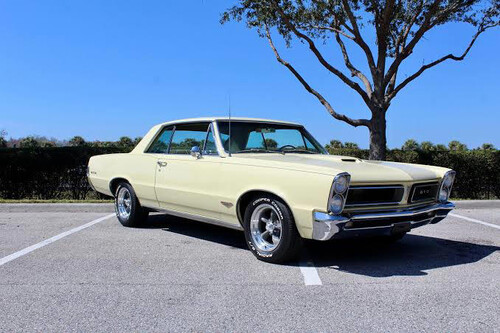
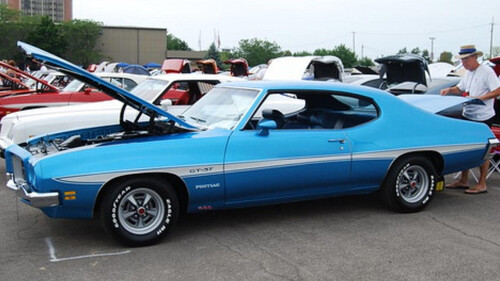
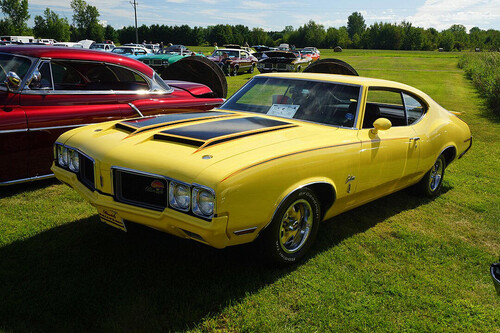
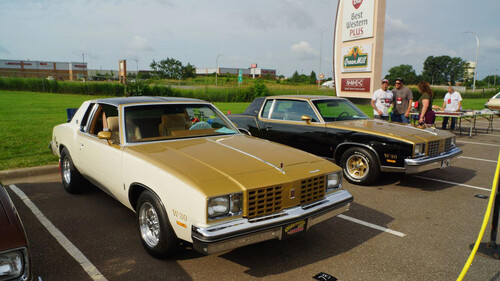
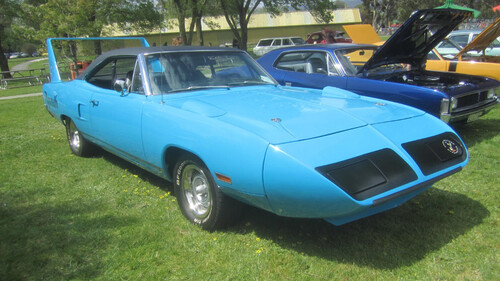
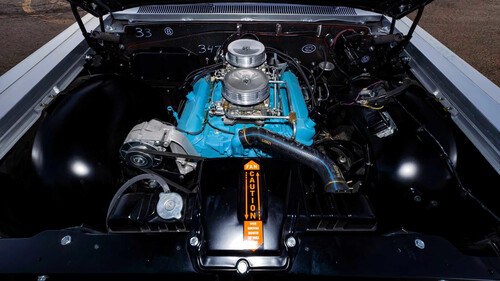
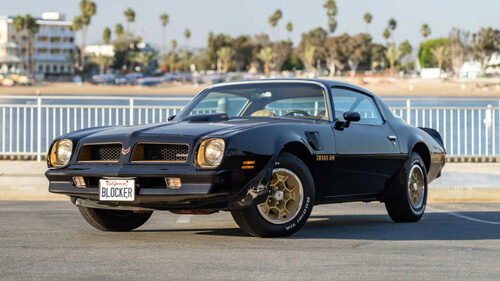
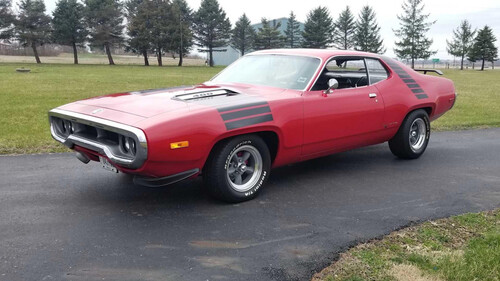
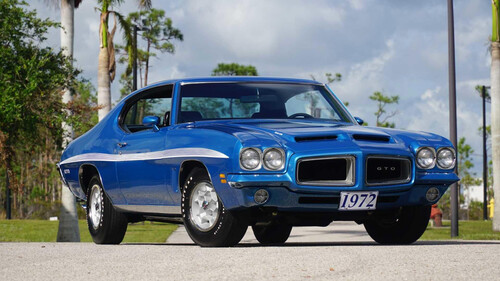
Pontiac GTO vs Plymouth Road Runner which one defined the muscle eraThe Pontiac GTO and the Plymouth Road Runner did more than light up quarter miles. Together, they rewrote what American performance could be, first by creating the muscle formula and then by stripping it back to its bare essentials. Decades later, the argument over which one truly defined the muscle era still splits garages and show fields. The answer lies in how each car reshaped the market, the culture, and the expectations of an entire generation of drivers. The car that lit the fuse When enthusiasts talk about the birth of the muscle car, they usually start with the Pontiac GTO. The 1964 Pontiac GTO is often credited as the very first true muscle car, a mid-size coupe with a big V8 that sparked a revolution in American performance culture. That early GTO did not just offer more power. It showed that a relatively ordinary family car could be transformed into a street brawler with the right engine and attitude, and it did it in a way that connected directly with young American buyers. The GTO concept did not appear by accident. It was conceived by Pontiac engineer John DeLorean and his team, who wanted a powerful performance vehicle built from a mid-sized platform. They took a stylish yet relatively conservative Pontiac and turned it into the GTO by focusing on engine displacement and straight-line speed. That formula, a big V8 in a mid-size body with a relatively attainable price, became the template that other manufacturers rushed to copy. By the time Oct reporting revisited the model, the Pontiac GTO was being described as the car that kick-started the automotive revolution that was the muscle car era. With that in mind, the GTO clearly defined the starting point of the movement. It set expectations for what a muscle car should be and how it should feel, and it linked the Pontiac name with American performance in a way that still resonates. The GTO became a symbol of what Detroit could do when engineers were allowed to chase speed first and everything else second. Road Runner: the budget brawler If the GTO wrote the playbook, the Plymouth Road Runner tore out the luxury pages. Conceived by Plymouth as an affordable powerhouse, the Road Runner was designed as a back-to-basics entry in the muscle car field. The company wanted a car that was fast and affordable, something that stripped away frills and focused on quarter-mile performance at a price point accessible to the everyday driver. In that sense, the Road Runner was a deliberate reaction to the way muscle cars had been drifting upmarket. Descriptions of the model emphasize that the Road Runner broke away from the trend of increasingly luxurious and expensive performance cars. According to one account, this was Plymouth’s back-to-basics entry in the muscle car field, meaning it (Plymouth Road Runner) was fast and affordable. Options such as multiple carburetors added cost, but the core idea was simplicity and value. That philosophy made the Road Runner a kind of reset button for the segment, pulling attention back to raw performance instead of chrome and comfort. The Plymouth Road Runner quickly became a fixture in discussions of Iconic American muscle. It wore its cartoon badging and stripped-down interior as a badge of honor. Buyers who had watched prices climb on other muscle models now had a car that delivered big block power without the premium trimmings. In doing so, the Road Runner helped keep the muscle market grounded in accessibility, a trait that many enthusiasts see as central to the era’s identity. Two icons, two eras The 1970 Plymouth Road Runner and the 1967 Pontiac GTO are often held up as snapshots of two distinct but equally iconic eras in muscle history. The 1967 GTO represented the refined, upscale side of performance, with more comfort and style layered on top of the original go-fast formula. The 1970 Road Runner, on the other hand, leaned into its role as a no-nonsense performance machine with a focus on straight-line speed. Together, they show how quickly the market evolved from the early to the peak years of the muscle boom. That contrast is part of why enthusiasts still argue over which car better captures the spirit of the time. One camp points to the way the GTO married power with an almost European sense of style. Another point is the Road Runner’s unapologetic focus on value and speed. A comparison of the 1970 Plymouth Road Runner and the 1967 Pontiac GTO highlights how each car expressed a different philosophy while still chasing the same audience of young American drivers. In that sense, the debate is not just about horsepower or styling cues. It is really about which definition of muscle car feels more authentic. Is it the slightly more mature, polished image of the late sixties GTO, or the stripped-down, budget bruiser identity of the early seventies Road Runner? Both cars have strong cases, and both carry stories that extend beyond their spec sheets. Engines and raw numbers Under the hood, both cars backed up their reputations. The Road Runner was famous for its big block options, starting with a base 383-cubic-inch V8 and later offering the fearsome 426 Hemi version. That combination of displacement and cylinder head design gave the car the raw power to dominate drag strips, making it a true force in straight-line performance. When fans recall classic drag racing matchups, a Plymouth with a 426 Hemi often features in the conversation. The Pontiac GTO answered with its own catalog of serious hardware. In 1971, Pontiac offered the 1971 Pontiac GTO 455 HO Ram Air and the 1971 Plymouth Road Runner 4-Speed as direct competitors, a pairing that still fuels debates in enthusiast groups. The figure 455 stands out because it illustrates how far engine displacement had grown in just a few years as manufacturers chased bragging rights. Big torque and aggressive gearing turned these mid-size bodies into weapons at the stoplight. Earlier in the decade, the matchup between the 1964 Pontiac GTO and the 1968 Plymouth Road Runner Hemi framed the same rivalry. A detailed comparison of those two models notes that both of these vehicles are significant muscle cars. During the 1960s, they shifted the market back to its original focus on straight line performance and value. That assessment captures why these cars still loom so large in discussions of the era. They represent not just impressive engines, but a philosophy of accessible speed that defined the segment. Styling and personality Power alone never tells the whole story. Enthusiasts are equally passionate about how these cars look and feel. A discussion titled Comparing the Legends highlights that Styling was one of the clearest dividing lines between the two. Each of the cars had a distinct design language. The GTO was more refined and upscale, with smoother lines and a sense that it could double as a family car during the week and a street racer on the weekend. The GTO carried a certain sophistication that matched Pontiac’s broader brand image. The Road Runner, by contrast, embraced a more utilitarian aesthetic. Its bodywork was clean and purposeful, with less emphasis on luxury details. The cartoon Road Runner graphics and horn gave it a playful personality, but underneath, the message was serious. This was a car built to go fast without apology. Fans who preferred the Road Runner often say that its look matches its mission in a way that some more dressed-up muscle cars did not. Special variants added even more character. The Pontiac GTO The Judge package, introduced for 1969, amped up the visual drama with bold colors and graphics. Slogans like Here comes the Judge and All rise for the Judge linked directly to the Pontiac GTO, the Judge identity, and turned the car into a rolling pop culture reference. On the Road Runner side, high-impact paint and aggressive hood treatments made sure the car looked as wild as it felt. Collectors such as Joey, who appears with a 1970 Ram Air GTO Judge and a 1970 440 6 Barrel Plymouth in video footage, illustrate how these halo versions have become centerpieces of serious muscle collections. Market impact and rivalry The rivalry between the GTO and the Road Runner was not just about bragging rights at the drag strip. It had real consequences inside Detroit boardrooms. When the Plymouth Roadrunner made its debut in 1968, it sent shockwaves through Detroit and directly threatened the GTO’s market share. For the first time in the GTO’s history, Pontiac found it facing a competitor that undercut it on price while matching or beating it in straight-line performance. Everyone at Pontiac knew that the game had changed. The response from Pontiac involved both product adjustments and marketing. The GTO (Pontiac GTO) option could be specified for the Le Mans hardtop and other body styles, which gave buyers more flexibility. By making the GTO easier to order and offering it on the Le Mans platform, Pontiac tried to keep the model accessible even as insurance costs and regulations started to bite. That strategy acknowledged the Road Runner’s success in attracting budget-minded performance buyers. On the Plymouth side, the company doubled down on the Road Runner’s core values. Descriptions of the Plymouth Road Runner stress that it was fast and affordable, and that it was conceived as an affordable powerhouse. That positioning resonated with younger drivers who were more interested in quarter-mile times than in leather seats. The result was a genuine two-way fight for the soul of the muscle market, with each brand sharpening its identity in response to the other. Cultural memory and late era models As the muscle era waned in the early seventies, both nameplates faced new pressures. Emissions regulations, insurance surcharges and changing buyer tastes forced manufacturers to dial back performance. Some later GTO models, such as a sleek colonnade A-body GTO coupe described in the Dec reporting, were relegated as a footnote in Pontiac’s role as creator of the muscle car. That car never gained the legendary status of its sixties predecessors, even though it carried the same GTO badge. The Road Runner also evolved, adding comfort and options that would have been unthinkable on the original bare bones versions. Enthusiasts still debate whether those later cars belong in the same conversation as the early 383-cubic-inch and 426 Hemi machines. A social media discussion that asks Which Car Is Better between the early GTO and Road Runner Hemi models underscores how strongly fans feel about preserving the purity of the original formula. Despite these late-era compromises, both cars maintained a strong presence in American car culture. The Pontiac GTO continued to be celebrated in retrospective reviews that track its design history, performance milestones, and impact on American enthusiasts. The Road Runner, for its part, is frequently singled out as one of the classic models that collectors should seek out, especially in its early, unadorned form. The fact that both names still command attention in auctions and car shows speaks to the depth of their influence. More from Fast Lane Only Unboxing the WWII Jeep in a Crate 15 rare Chevys collectors are quietly buying 10 underrated V8s still worth hunting down Police notice this before you even roll window down