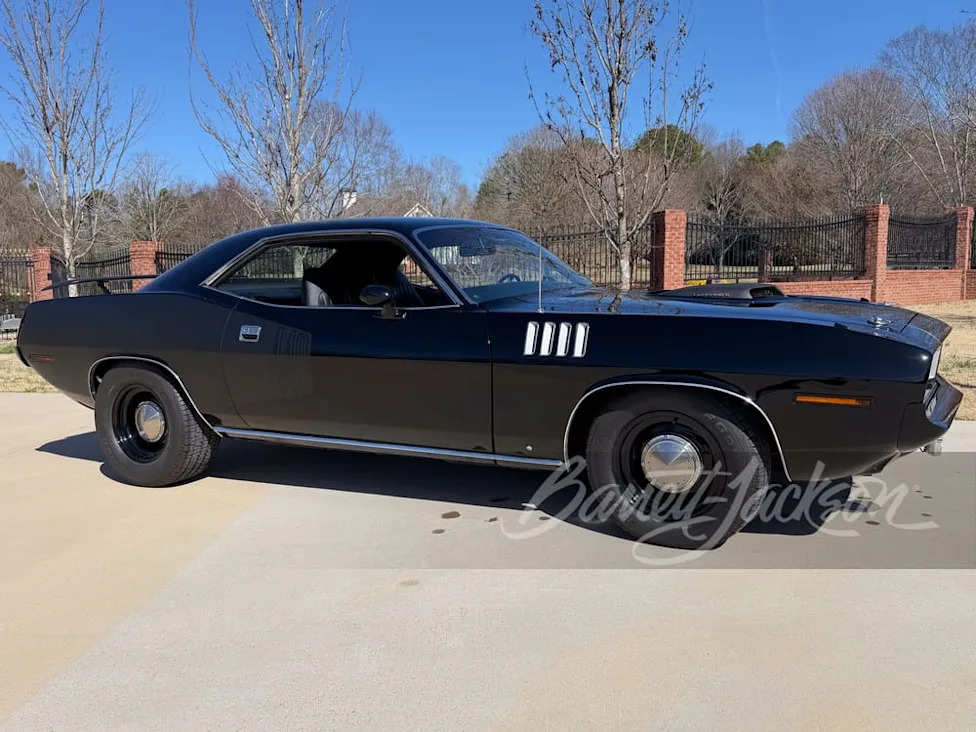
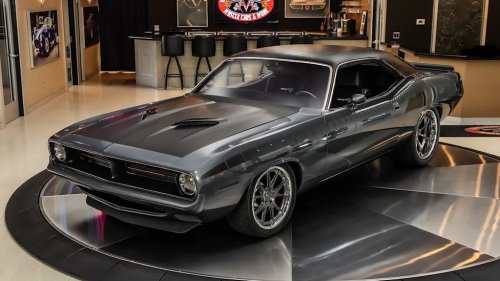
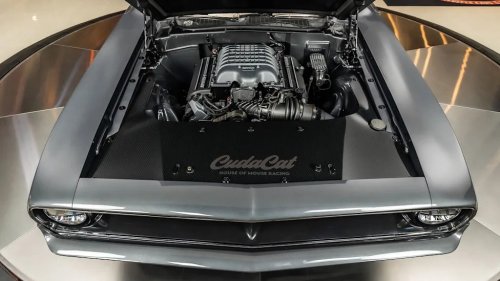
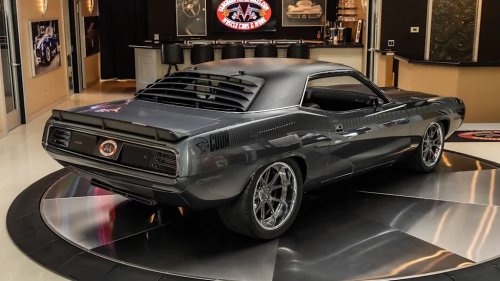
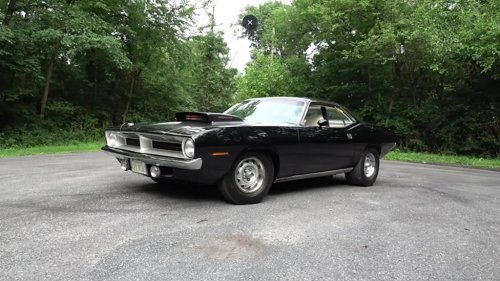
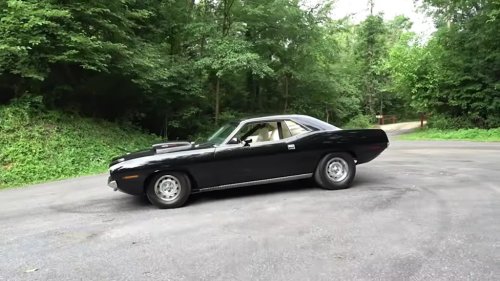
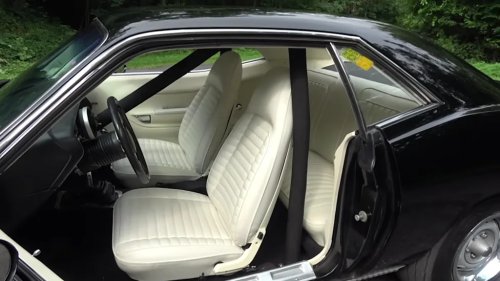
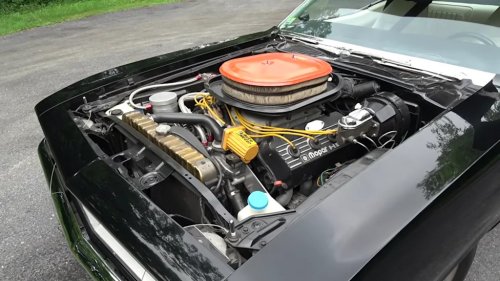
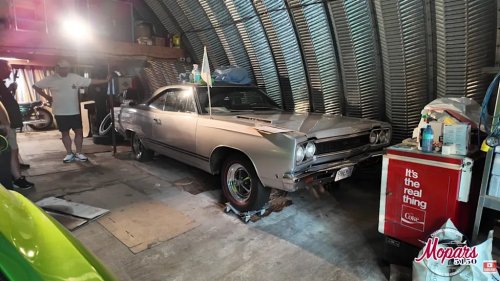
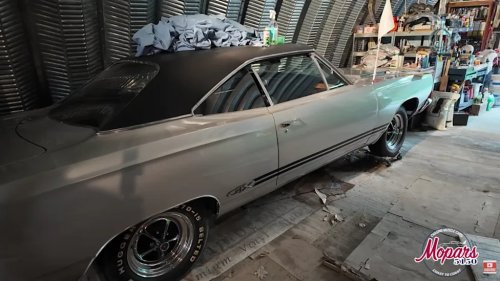
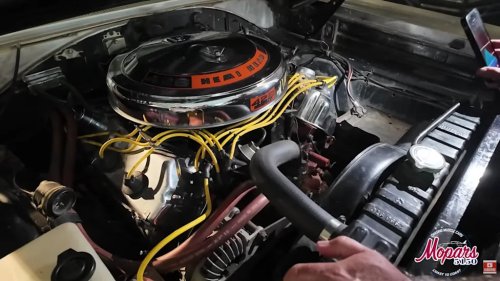
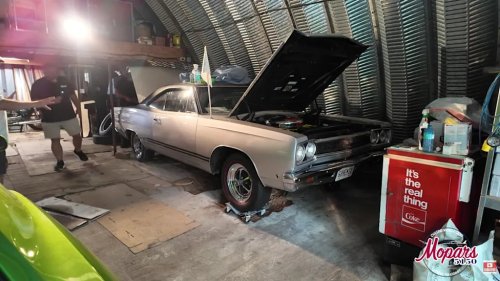
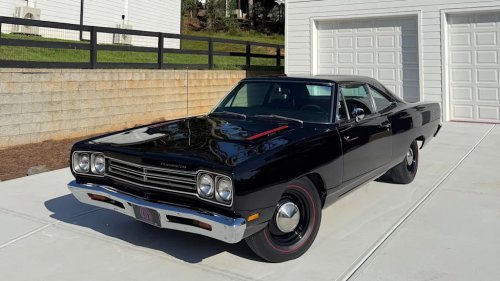
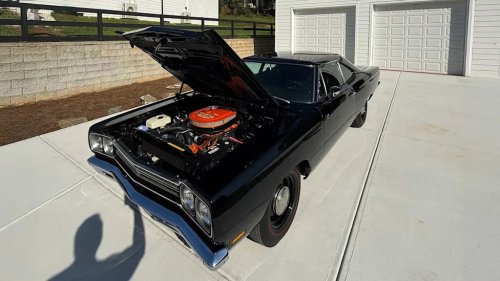
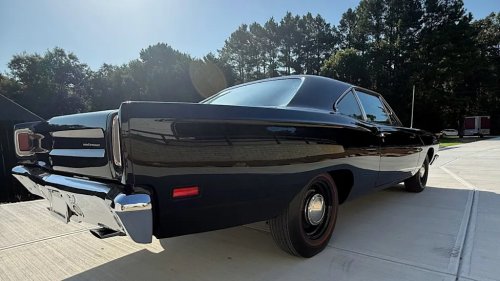
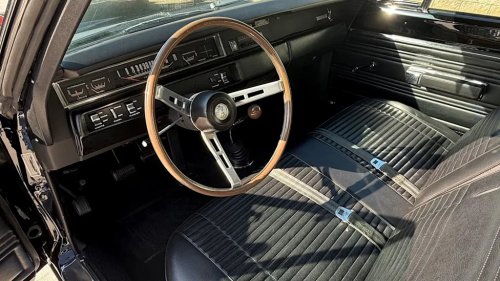
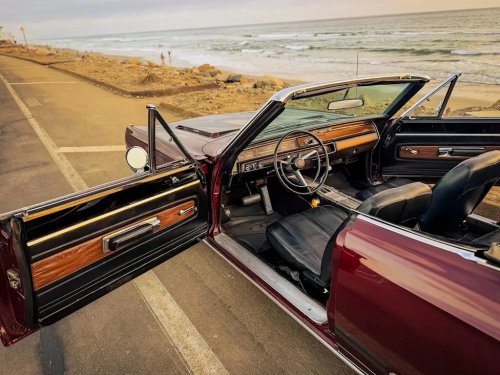
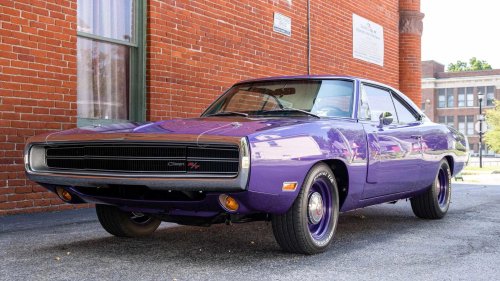
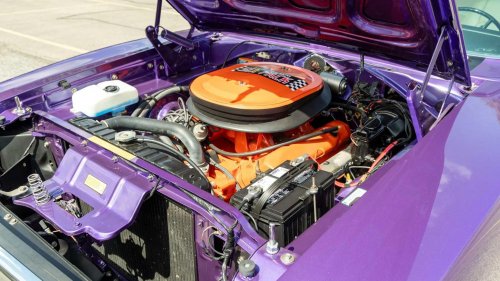
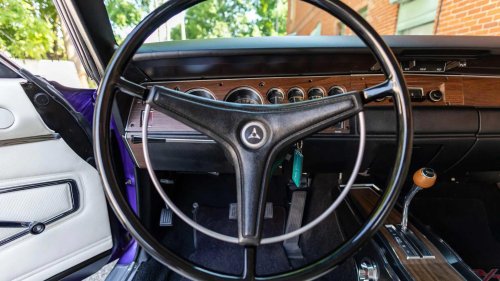
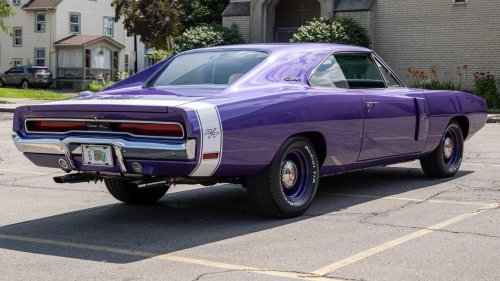
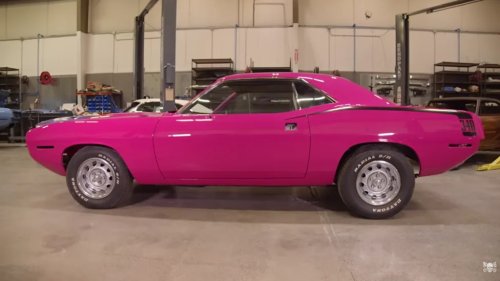
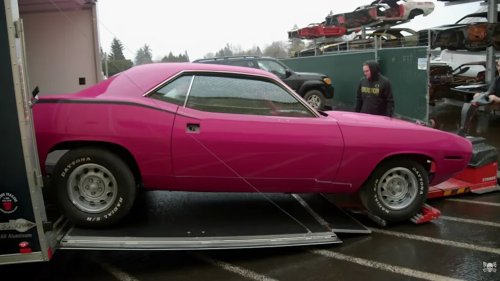
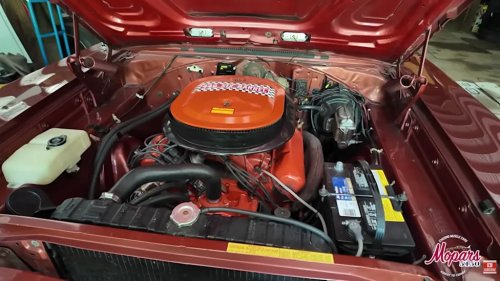
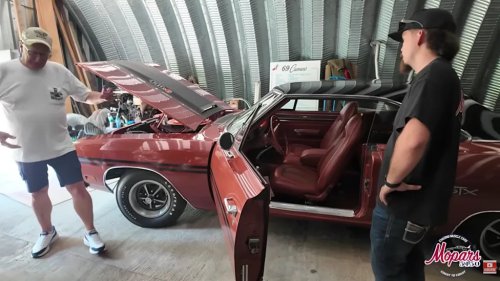
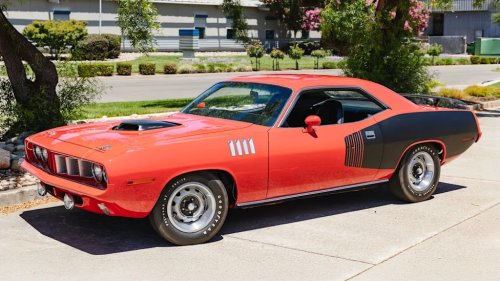
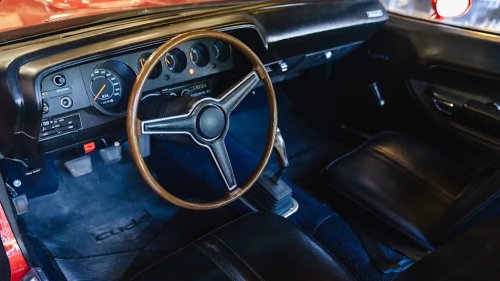
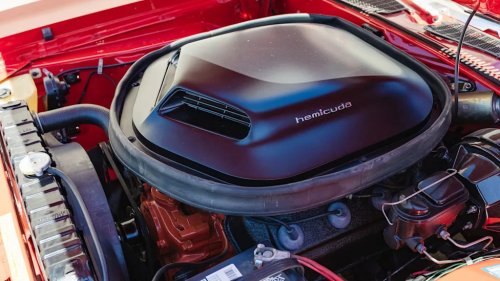
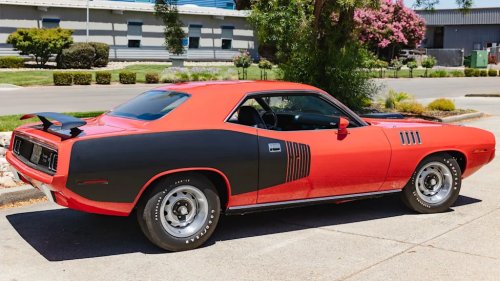
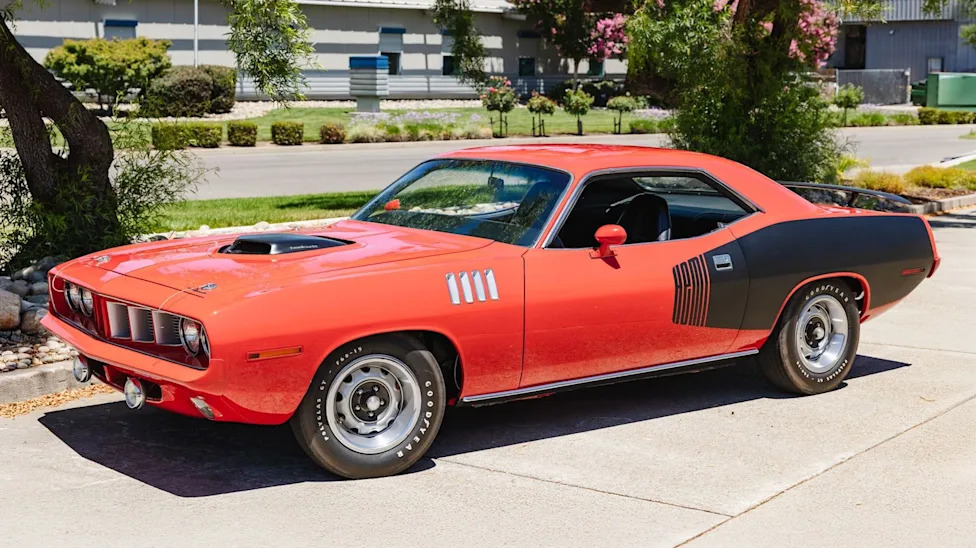
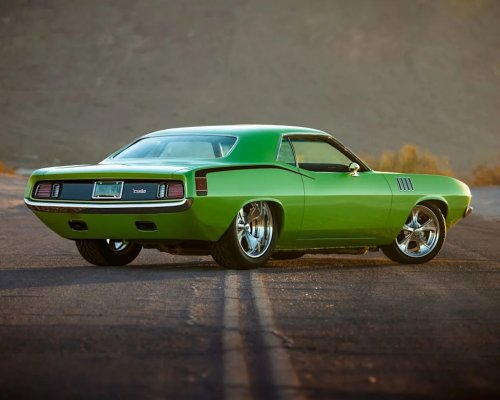
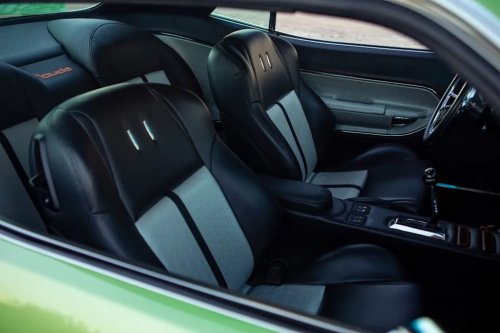
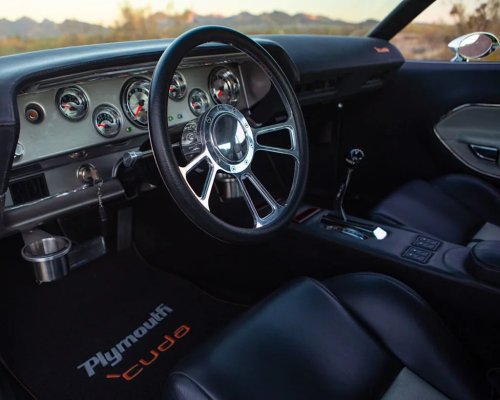
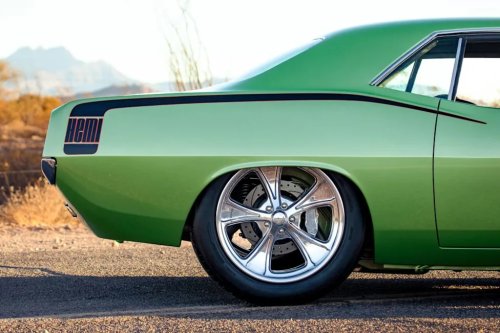
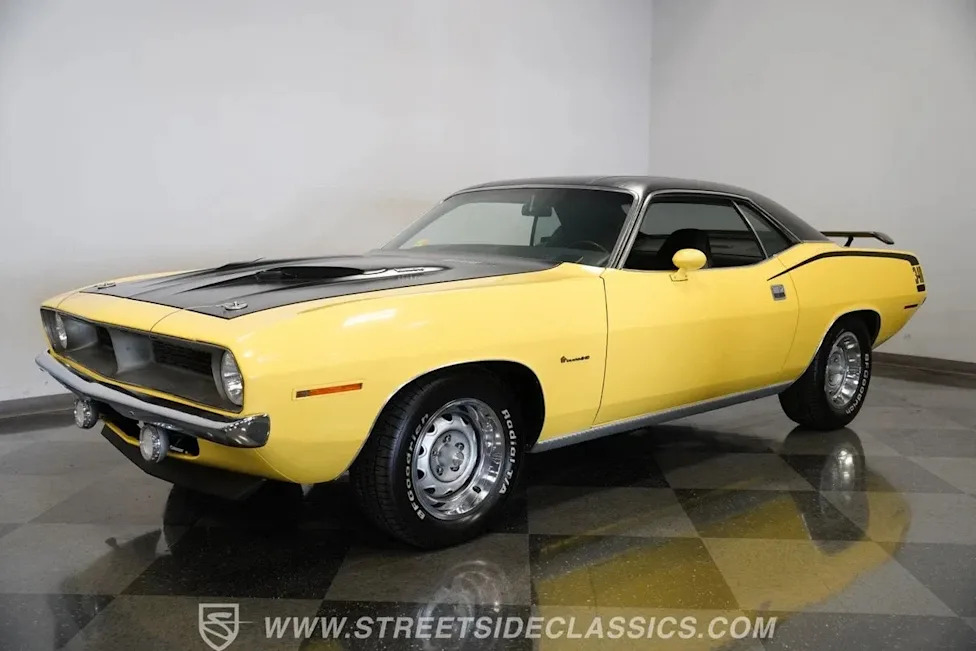
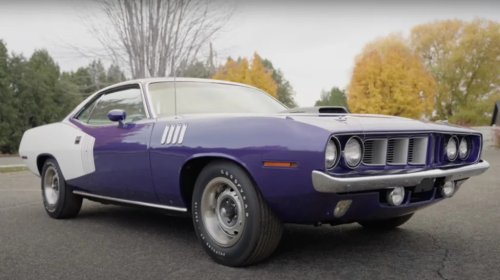
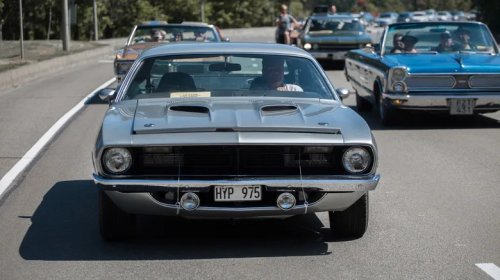
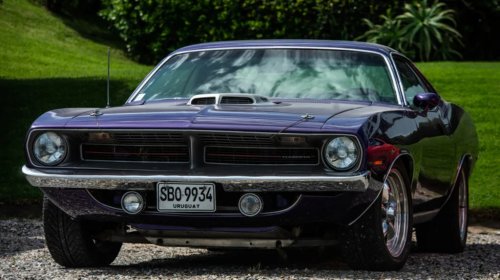
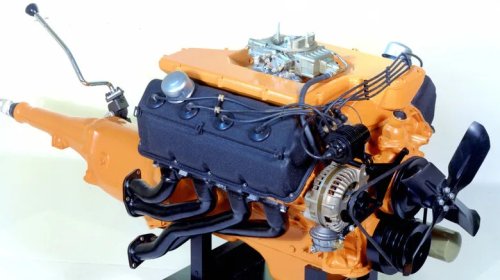
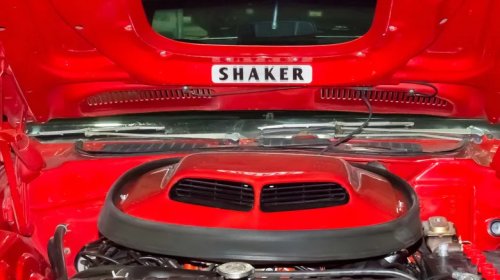
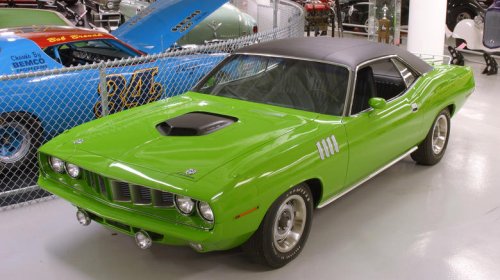
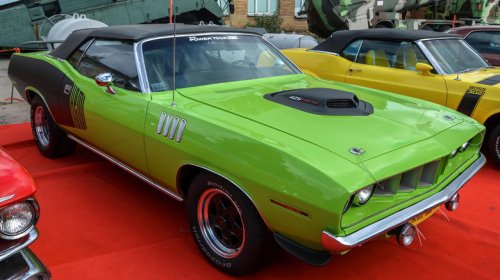
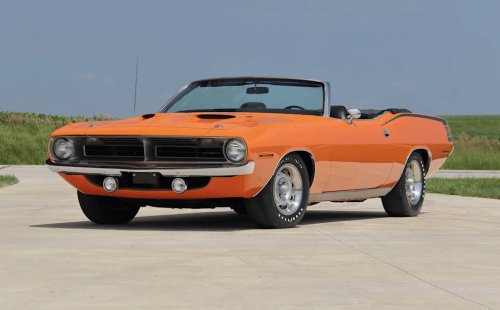
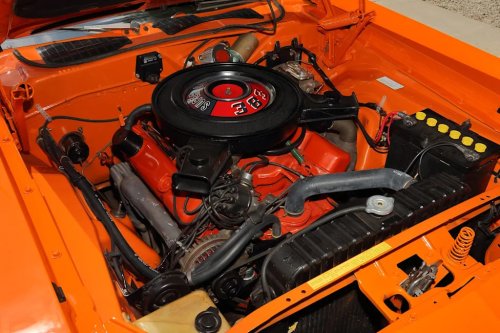
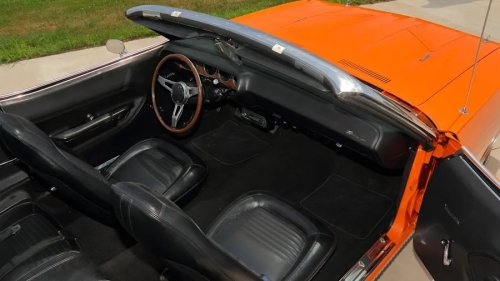
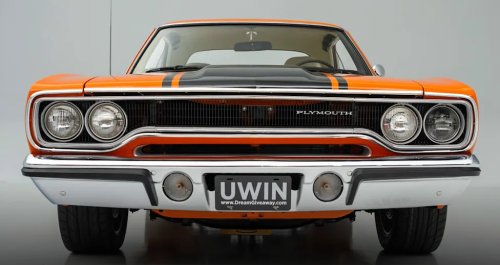
The 1971 Plymouth Hemi ’Cuda arrived just as regulations began choking performanceThe 1971 Plymouth Hemi ’Cuda arrived just as America began to lose its appetite for unfiltered horsepower. Regulations, insurance surcharges, and shifting tastes were already squeezing the life out of big-cube performance, yet Plymouth answered with one of the wildest muscle cars ever to reach showrooms. That tension between peak power and looming restriction is what makes the Hemi ’Cuda’s single model year so fascinating today. Built around the fearsome 426 Hemi V8 and wrapped in some of the most aggressive sheetmetal of the era, the car has since become a symbol of what muscle cars were just before the rules changed. It served as both a last stand and a preview of the forces that would reshape performance for decades. The Hemi ’Cuda as late-stage muscle icon Among American performance cars, the 1971 Plymouth Hemi ’Cuda has achieved near-mythic status. Enthusiasts routinely single it out as one of the most iconic American muscle machines, with its combination of factory racing hardware and cartoonishly menacing styling. One enthusiast group describes the Plymouth Hemi Cuda as a true legend in the American performance world, a sentiment echoed across clubs and auction catalogs. Part of that aura comes from the engine that defined it. The 426 Hemi was already a legend in NASCAR and drag racing, and in street trim it remained brutally understressed and overbuilt. Collectors and historians point to the Hemi ’Cuda as the moment when race-bred engineering and showroom bravado aligned perfectly, even as outside forces were preparing to shut the party down. Later analysis has described the Plymouth Hemi Cuda as one of the last true muscle cars, a model that packed insane muscle among classic cars of the era. That reputation rests not only on its raw performance but also on the timing of its launch, just as regulators and insurers were closing in. Regulation, insurance and the shrinking performance window By the time the 1971 model year arrived, the muscle car era was already losing momentum. Analysts of the period point out that by the early seventies, insurance companies had started to hammer owners of big-displacement cars with surcharges, effectively pricing younger buyers out of top-spec engines. High-compression V8s that had been affordable just a few years earlier suddenly carried premiums that rivaled monthly car payments. Federal emissions rules were tightening at the same time. Following the introduction of the Clean Air Act in 1970, the writing on the wall became clear for high-compression, high-overlap cam profiles that defined engines like the 426 Hemi. Manufacturers faced pressure to lower compression ratios, add exhaust gas recirculation, and prepare for catalytic converters, all of which worked against the brute-force power formula that had created the muscle boom. One retrospective on the 1971 Plymouth Barracuda line notes that the 1971 model year saw the beginning of the end of the muscle car, tying that shift directly to high insurance rates for big-cube motors and the coming of emissions controls. The Hemi ’Cuda, therefore, landed in showrooms just as regulators and insurers were starting to choke performance, yet it refused to compromise on its core identity. The E-body canvas and the Hemi hardware The foundation for the Hemi ’Cuda was Chrysler’s E-body platform, shared with the Dodge Challenger. Contemporary accounts describe the Cuda and Challenger siblings as broad-shouldered and squat-stanced, with proportions that looked like a factory-built street racer even in base trim. The Hemi version simply turned that attitude up to eleven, with functional scoops, bold graphics, and optional Shaker hood hardware that vibrated with every blip of the throttle. Under the hood sat the famous 426 Hemi. Technical breakdowns of the engine emphasize its hemispherical combustion chambers, huge valves, and massive ports, along with a bore of 4.25 inches and a short stroke that encouraged high rpm. Factory literature and later heritage pieces consistently refer to this package as the 426 HEMI, a name that has become shorthand among enthusiasts for peak Mopar performance. Unlike some muscle cars that excelled only in straight-line blasts, period evaluations suggest that the Hemi Cuda was not just fast in a straight line. Compared to handling standards of muscle cars at the time, the Hemi package could be ordered with suspension and tire upgrades that made it more capable through corners than its reputation might suggest. It remained a heavy, front-engined bruiser, yet it did not completely fall apart once the road turned. Production scarcity and the 1971 changes The Hemi ’Cuda was never built in large numbers, and that scarcity is central to its mystique. A detailed enthusiast breakdown describes how the Rare and Collectible 426 Hemi ’Cuda was, noting that only 119 hardtops and 11 convertibles were produced with the Hemi in 1971. Those figures are astonishingly low for a mass-market brand, and they help explain why surviving cars now command multi-million-dollar prices. Changes for the 1971 model year were relatively modest, but they sharpened the car’s visual aggression. One analysis of the Why It Ended 1971 notes that changes for the Plymouth Hemi ’Cuda were minimal, yet they included distinctive fender gills and revised grille treatments that make a 1971 car easy to spot. These details, combined with the looming end of the model, turned the 1971 Hemi ’Cuda into a one-year-only statement. At the base of the lineup sat the standard Barracuda. Fact sheets describe how the Barracuda was the base car, with Standard equipment in Barracudas including high-back buckets with all-vinyl trim and interior appointments aimed at younger buyers. The Hemi ’Cuda sat at the opposite end of that spectrum, transforming the same shell into a street-legal race car that only a tiny fraction of customers could afford to own and insure. Why Plymouth pulled the plug after 1971 The Hemi ’Cuda’s short production run was not an accident or a simple marketing decision. Analysts of the period outline three main pressures that converged on cars like this. A summary of the 1971 Plymouth Cuda Convertible explains that the 1971 model was effectively the end of the line for the Hemi package, listing rising insurance rates on muscle cars, Stricter emissions regulations, and declining performance market demand as key reasons. Those forces hit the Hemi harder than most. The engine’s high compression and aggressive cam profiles made it difficult to adapt to cleaner-burning requirements without gutting its performance advantage. At the same time, its reputation for speed made it an easy target for insurers who were already wary of high-claim young drivers. Plymouth could see that the market for such an uncompromising package was shrinking fast. Enthusiast retrospectives sometimes describe the corporate mood with phrases like Plymouth Wasn’t Having It, suggesting that the brand was not ready to abandon performance entirely. Yet the combination of federal rules, insurance penalties, and a broader shift toward comfort and economy made a full-bore Hemi ’Cuda increasingly untenable. By the early seventies, Plymouth had little choice but to retire the package and pivot toward more compliant engines. Street terror, then museum piece On the street, the 1971 Hemi ’Cuda had a reputation that bordered on intimidating. Period accounts and later features describe cars that were once Jersey street racers, using their Hemi power to dominate local scenes. One feature on a surviving example recalls that the 1971 model year saw the beginning of the end of the muscle car, yet owners still prized these cars for their good looks and King Kong motors. Today, the same traits that made the Hemi ’Cuda a handful on public roads have turned it into a centerpiece for museums. The Audrain Auto Museum lists a Hemi Cuda in its collection, describing its Specifications as a longitudinal front engine layout with rear-wheel drive and a configuration that reflects pure performance intent. Curators present the car not just as an object of nostalgia but as a snapshot of American engineering priorities before emissions and fuel economy took over. Enthusiast clubs continue to celebrate the Plymouth Hemi Cuda with detailed breakdowns of its specifications and history. These communities help document individual cars, track original build sheets, and preserve knowledge that might otherwise be lost as surviving examples disappear into private collections. The convertible holy grail and auction fireworks If the standard Hemi ’Cuda coupe is rare, the convertible borders on mythical. Production figures show that in 1971, Plymouth only made a tiny run of Barracuda convertibles, with a mere seven equipped with the Hemi engine, according to one breakdown of auction history. Another enthusiast tally notes that only 119 hardtops and 11 convertibles carried the 426 Hemi, a reminder of just how few buyers were willing or able to order the most extreme version. That scarcity has had dramatic consequences in the auction world. A feature on a record-breaking sale describes a Record Breaking 71 Hemi Cuda Convertible that set a high-water mark for Hemi-powered cars at auction. Another highlight comes from a listing of the seven most expensive Plymouth models, which includes a 1971 Plymouth Cuda 440 Six-Barrel Convertible that sold for $1,155,000 at Mecum Indy, a reminder that even non-Hemi E-bodies from this year can command seven-figure prices. That car combined a 440 Six Barrel engine with convertible bodywork, making it unique among the 71 lineup. The sums attached to Hemi convertibles are even more staggering. A social post from an auction house notes a Fun Fact about a Plymouth Hemi Cuda Convertible that crossed the block at a valuation of $3.3 million, described as the ultimate holy grail of muscle car collecting. Another auction preview calls a similar car a million-dollar holy grail and highlights its N96 Shaker hood with J45 hood pins, a partial broadcast sheet, and original drivetrain components, all of which feed into the sky-high bids. These numbers reinforce how the regulatory squeeze of the early seventies accidentally created some of the rarest and most valuable American performance cars ever built. What was once a hard sell on the showroom floor has become a blue-chip asset. Why the Hemi ’Cuda still matters Enthusiast writers continue to frame the Hemi ’Cuda as a benchmark for American performance. Analyses of the era argue that the 1971 Plymouth Hemi Cuda still reigns supreme among its peers, even though 429 SCJ Mustangs and 455 Firebirds remained on the menu at the time. One auction description explicitly states that, yes, though 429 SCJ Mustangs and 455 Firebirds were still available, the Plymouth Hemi Cuda still reigns supreme, tying that supremacy to its combination of styling, power, and scarcity. That ongoing reverence is not just nostalgia. Modern market tracking shows that certain classic American muscle cars are appreciating faster than some Ferraris, and the Hemi ’Cuda sits near the top of that group. Analysts connect that growth directly to the car’s status as one of the last true muscle cars, its tiny production numbers, and its role as a symbol of unregulated performance. More from Fast Lane Only Unboxing the WWII Jeep in a Crate 15 rare Chevys collectors are quietly buying 10 underrated V8s still worth hunting down Police notice this before you even roll window down



















 +24 others