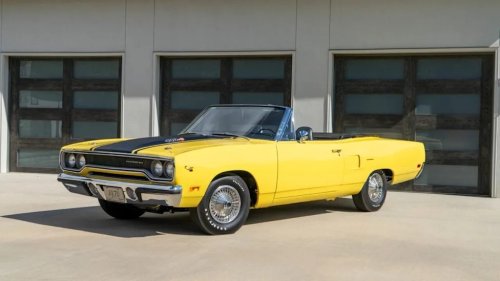
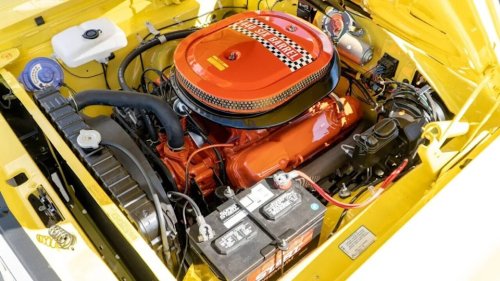
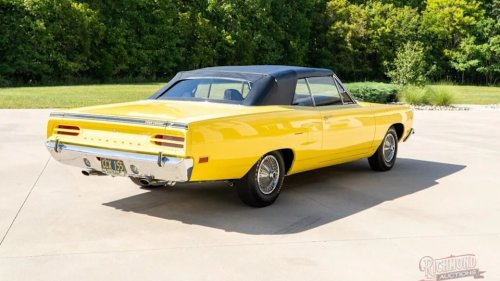
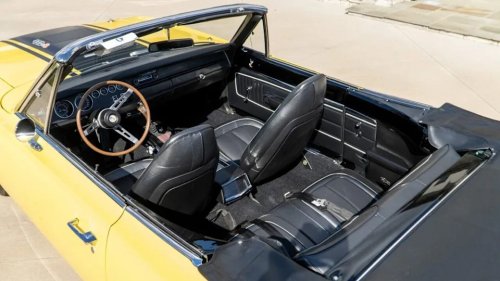
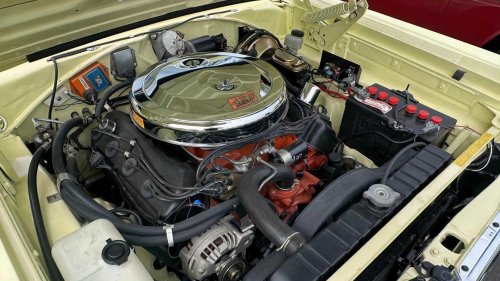
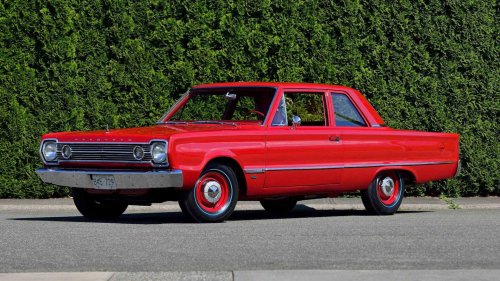
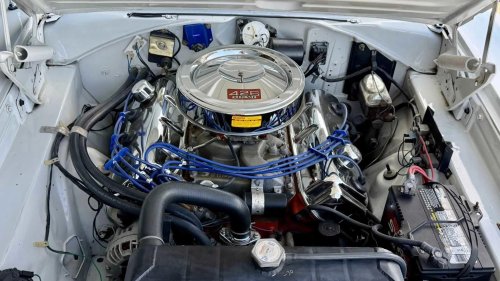
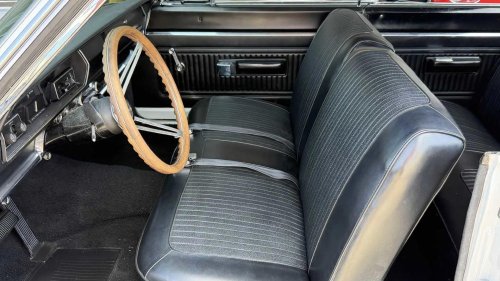
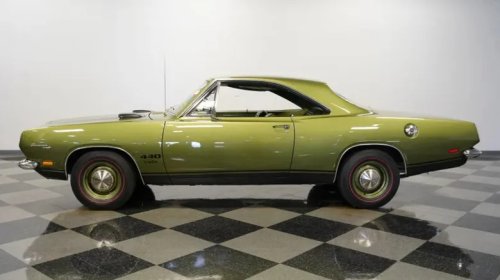
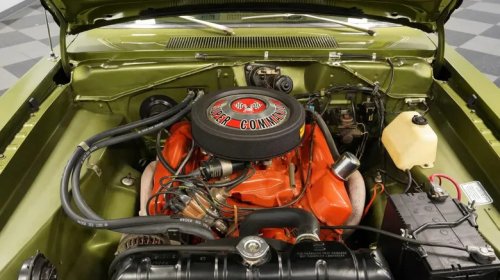
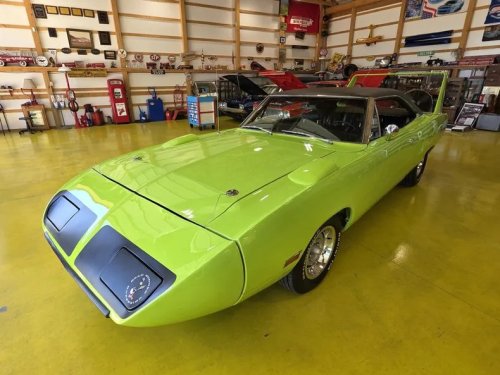
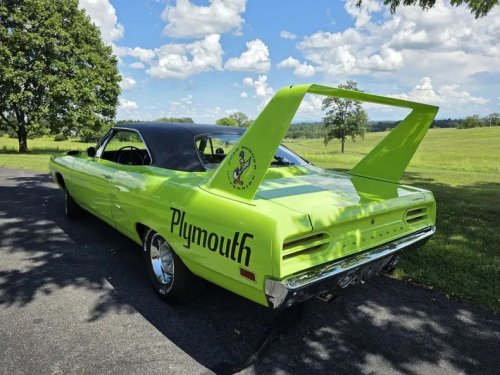
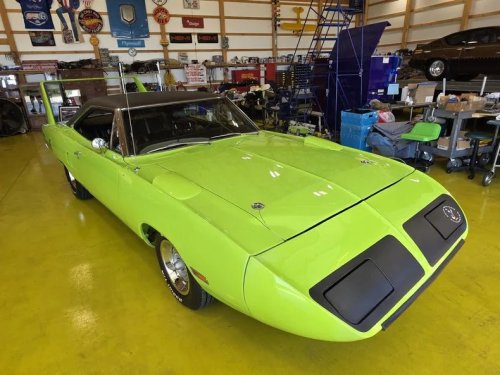
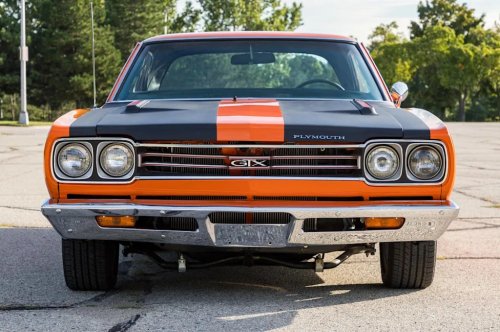
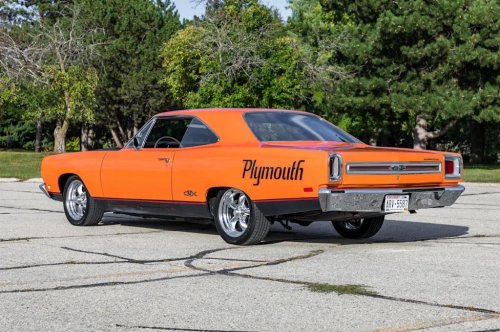
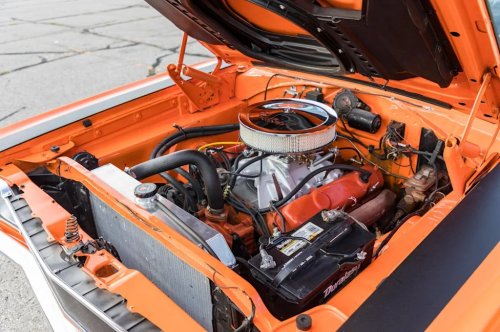
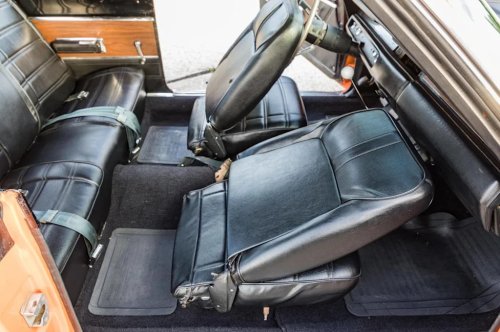
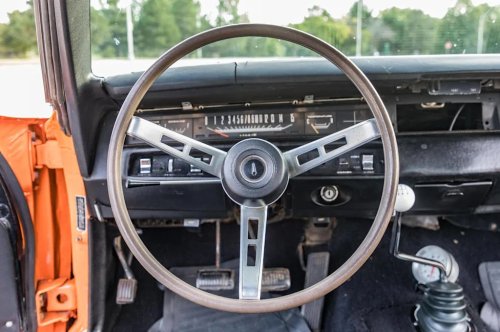
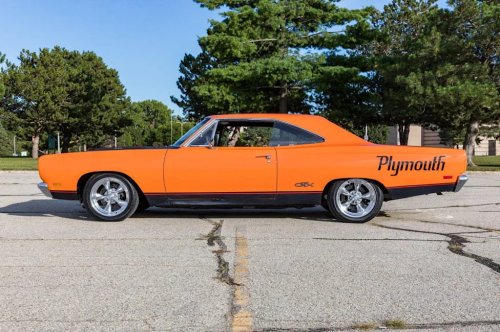
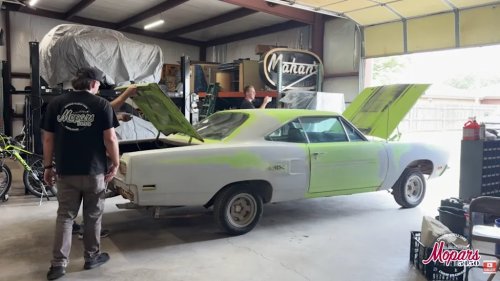
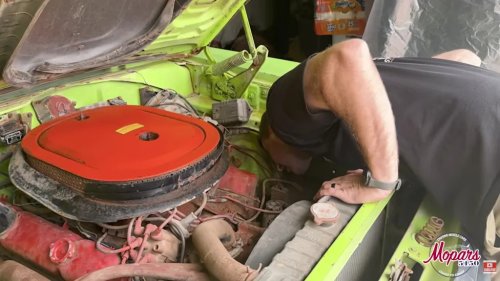
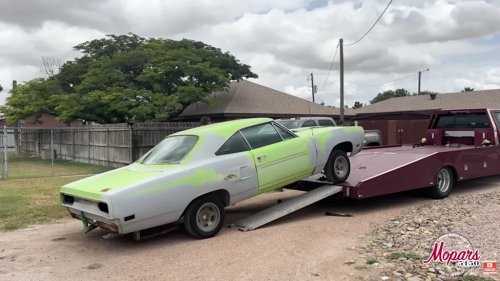
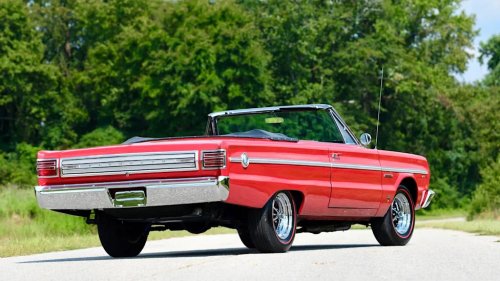
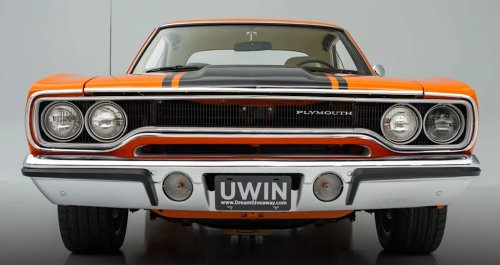
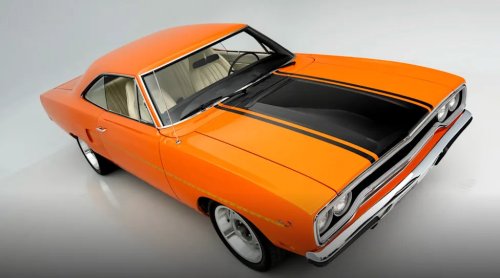
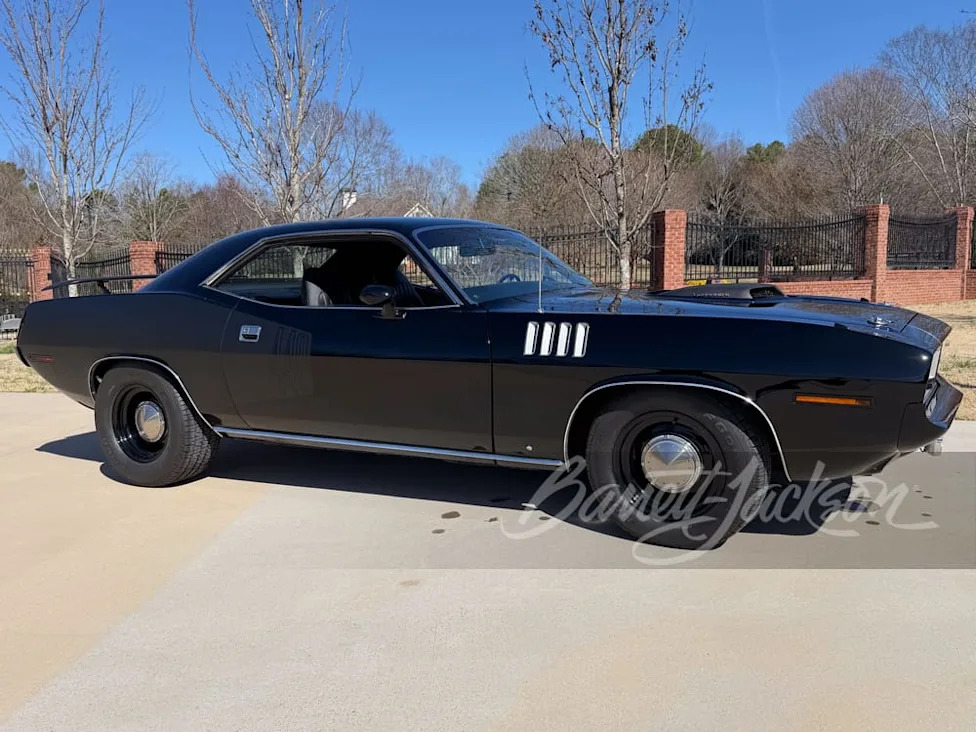
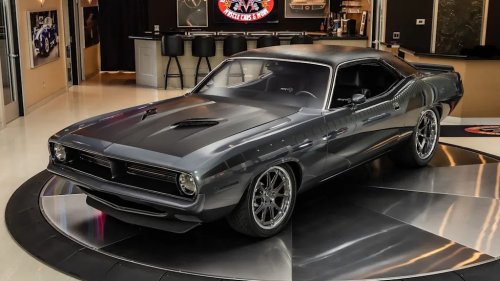
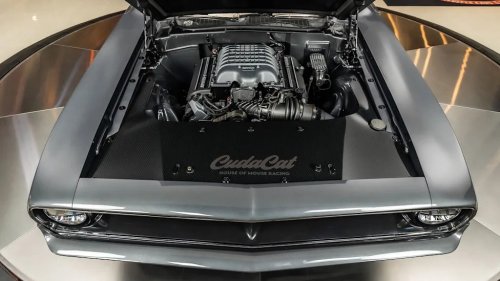
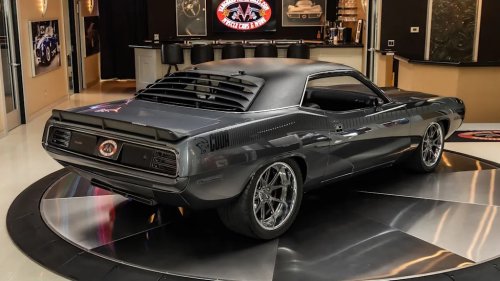
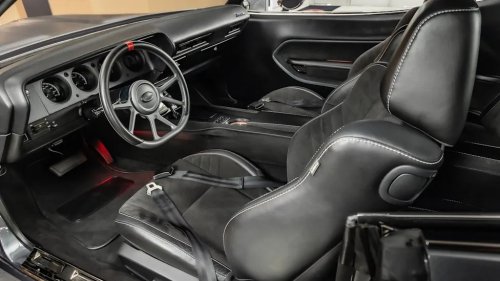
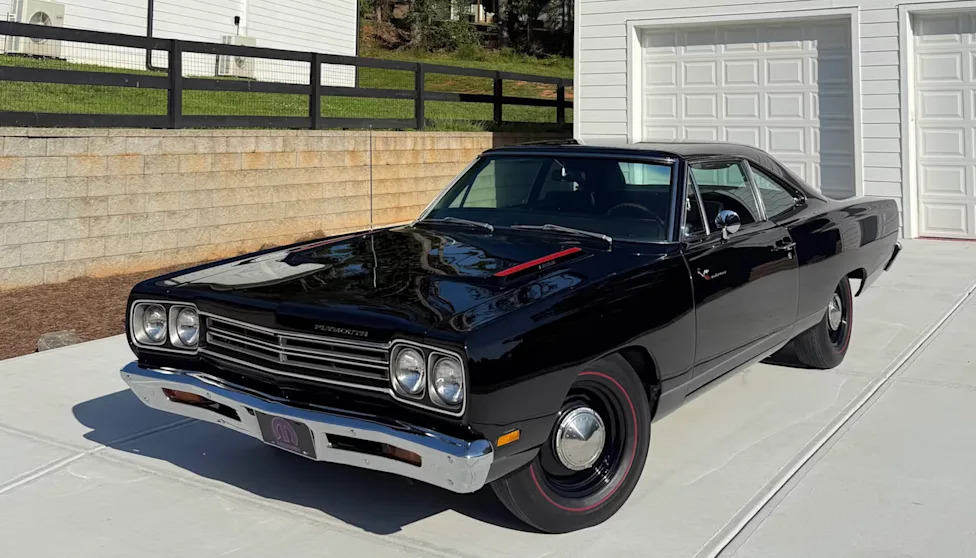
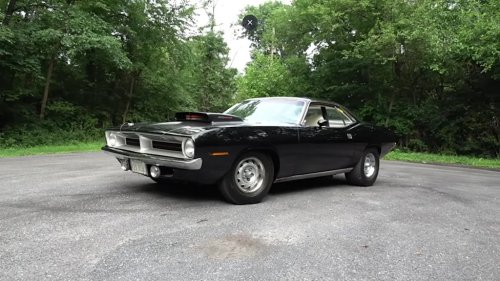
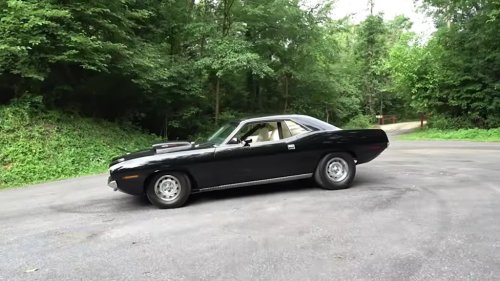
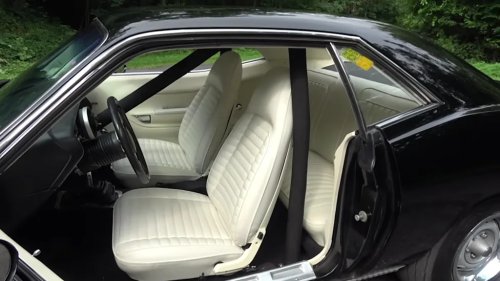
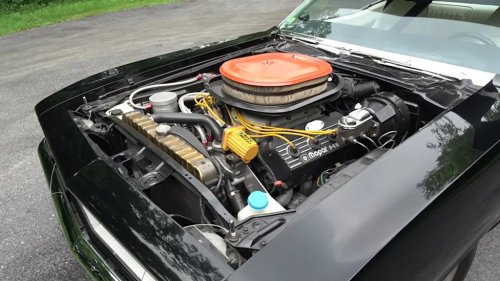
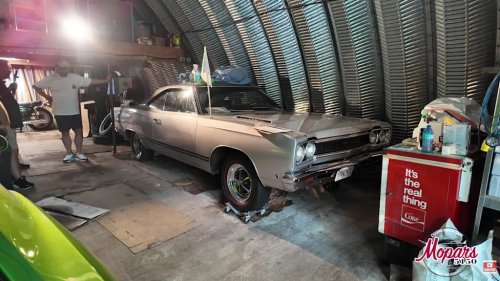
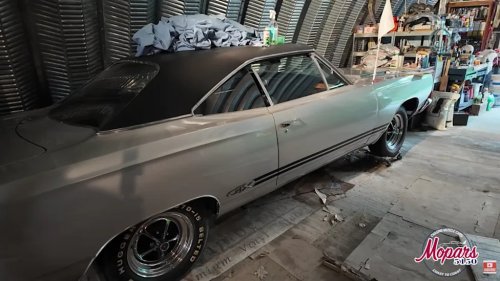
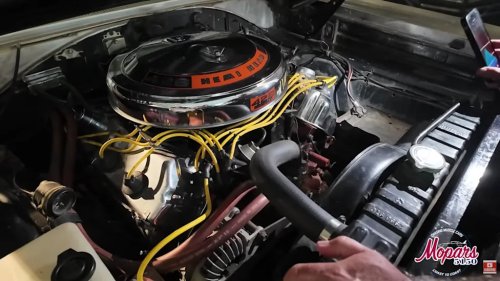
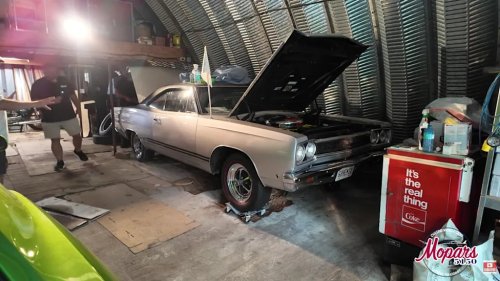
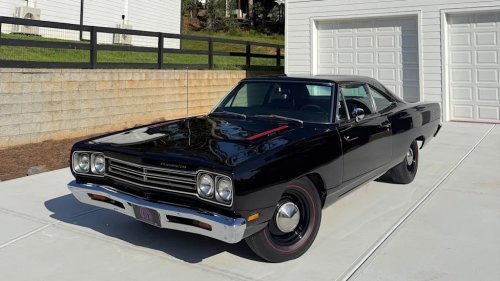
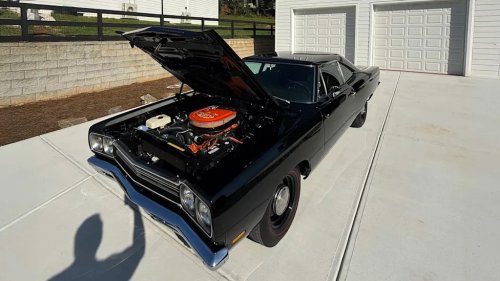
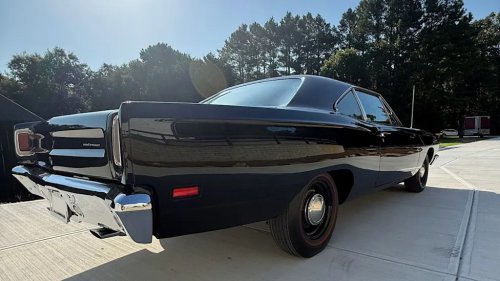
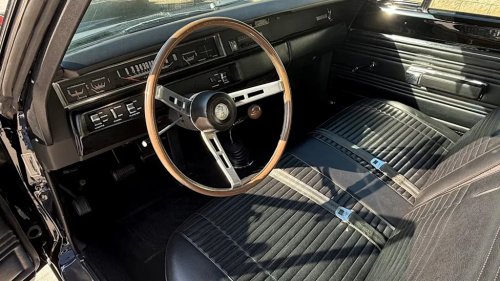
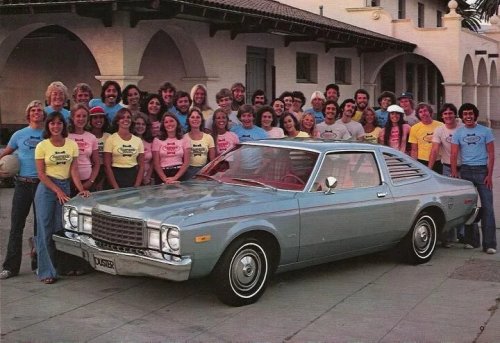
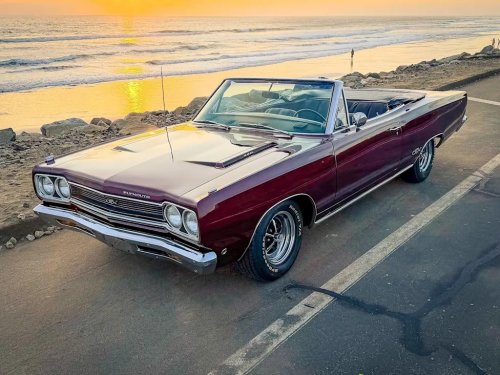
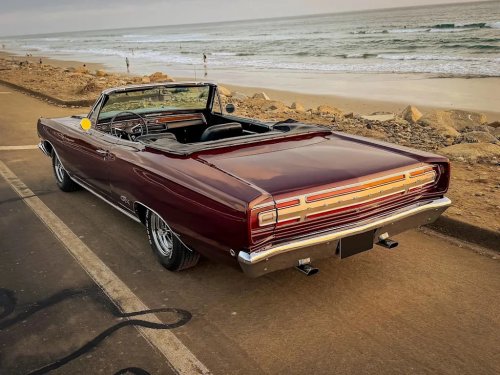
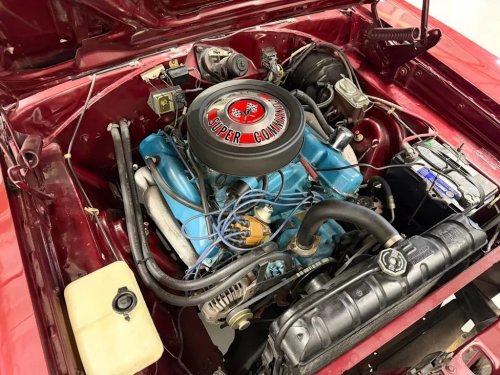
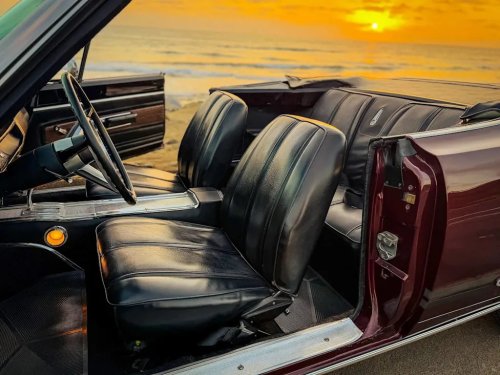
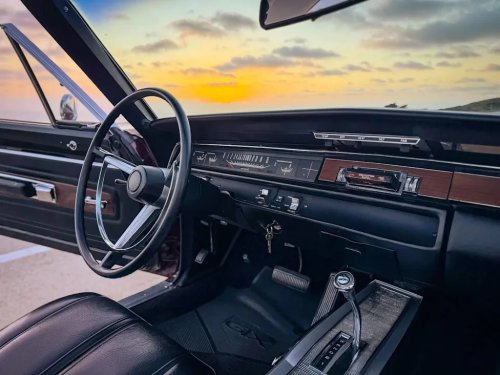
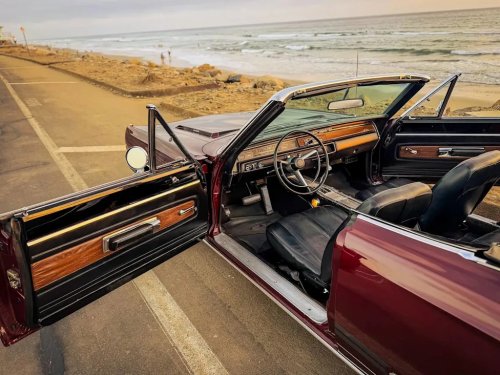
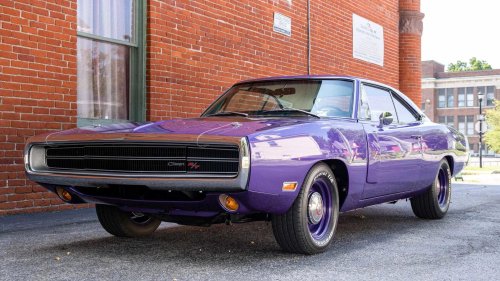
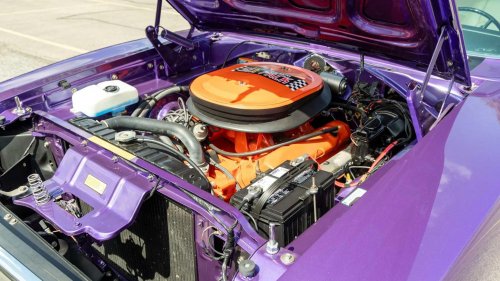
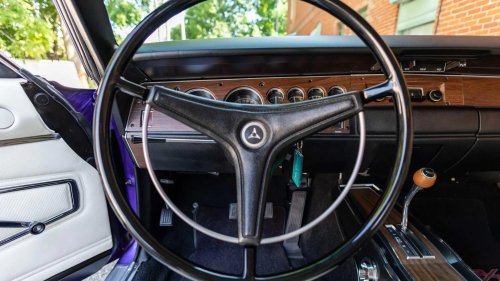
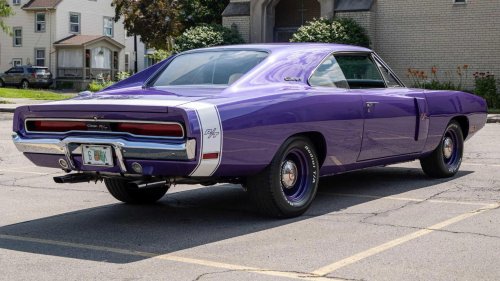
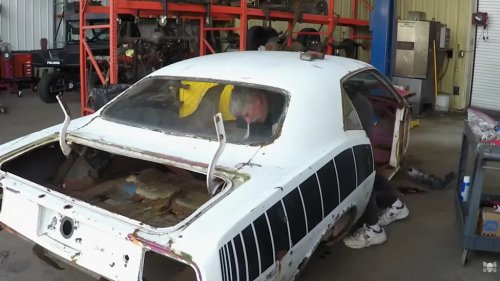
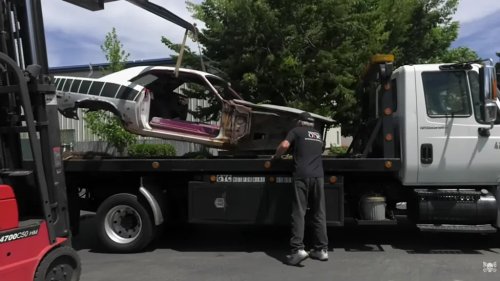
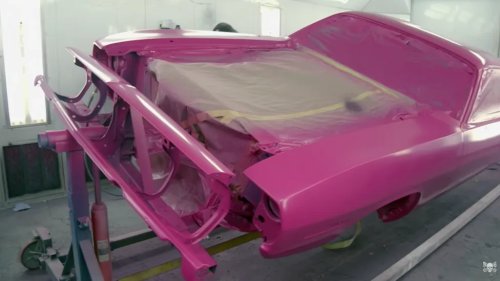
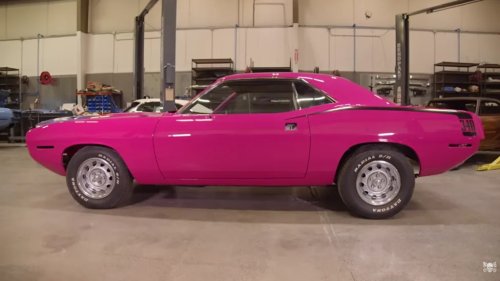
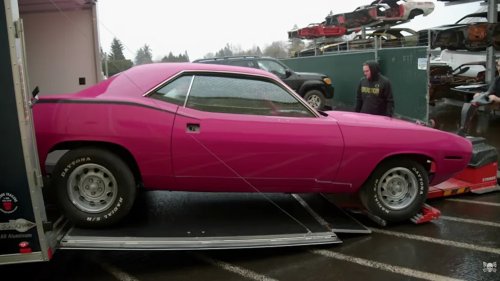
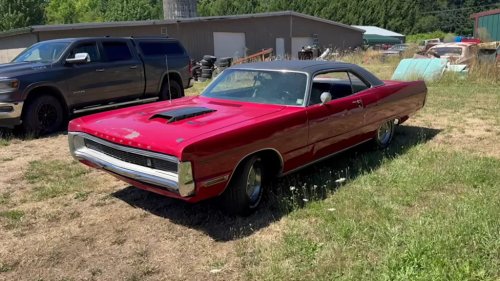
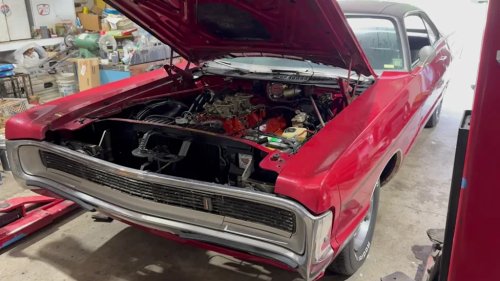
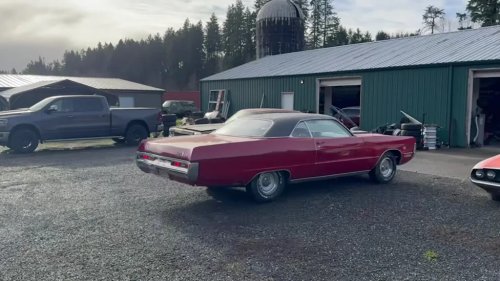
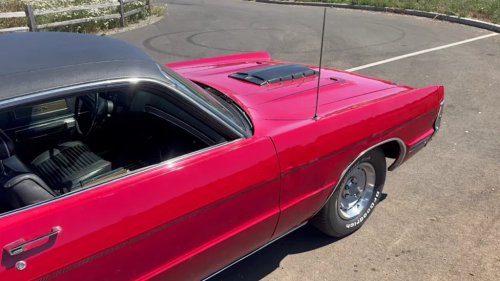
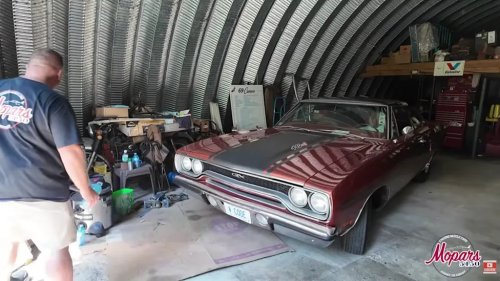
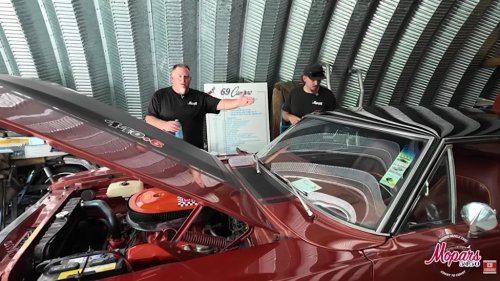
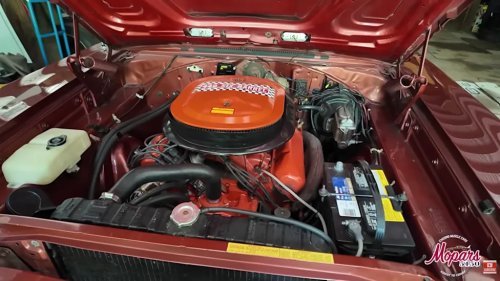
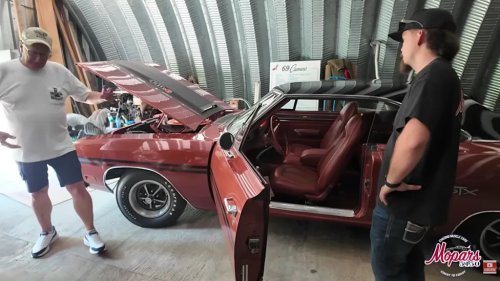
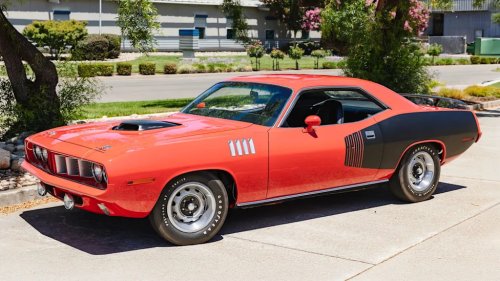
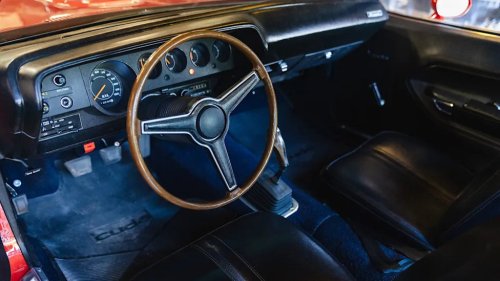
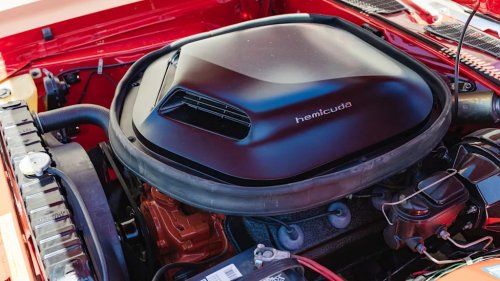
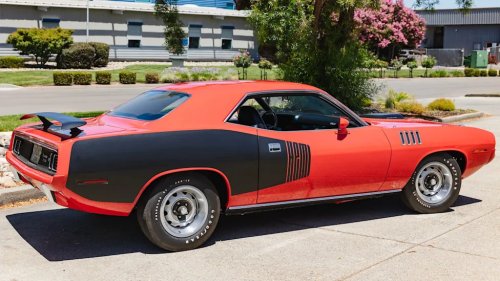
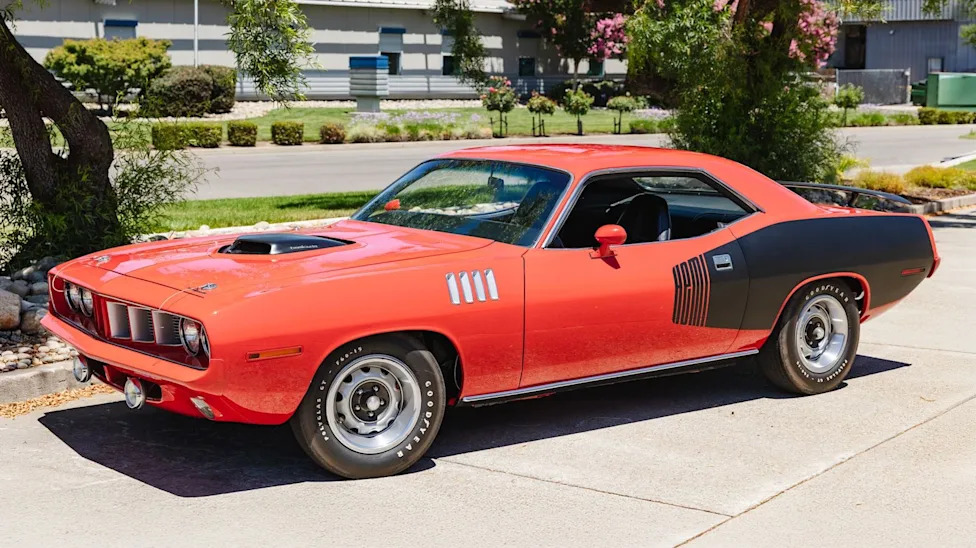
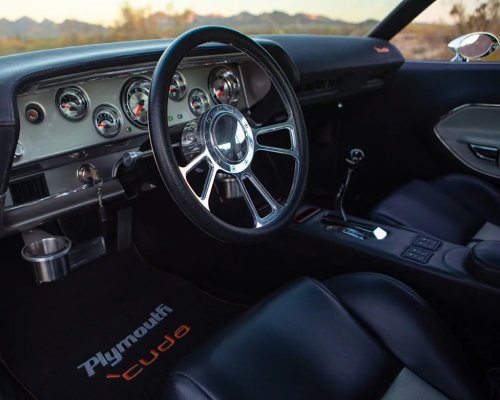
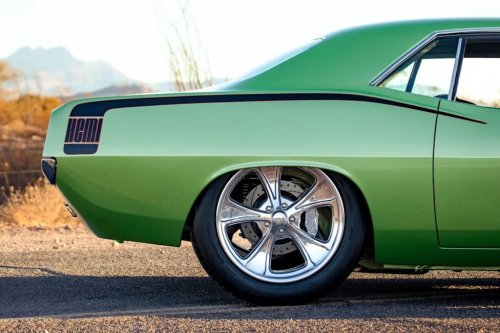
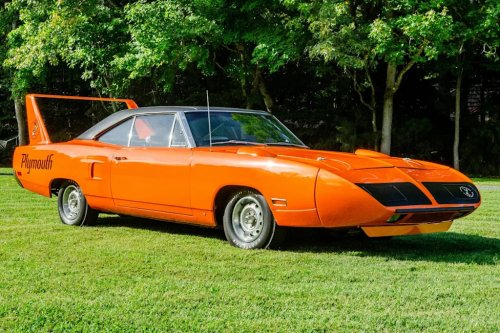
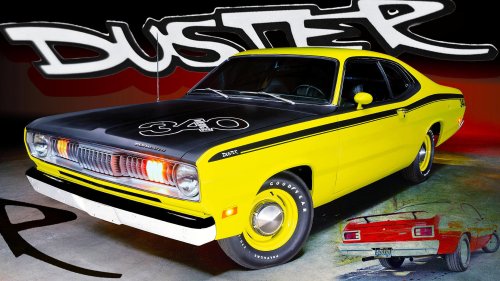
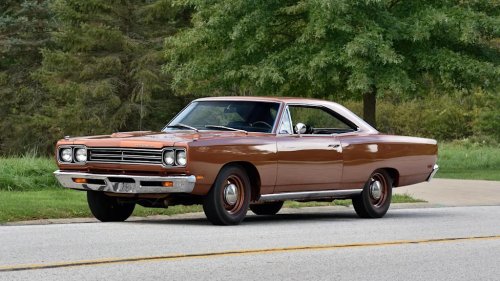
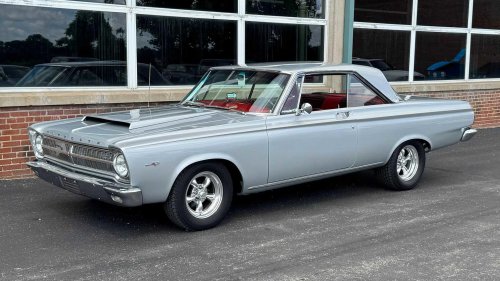
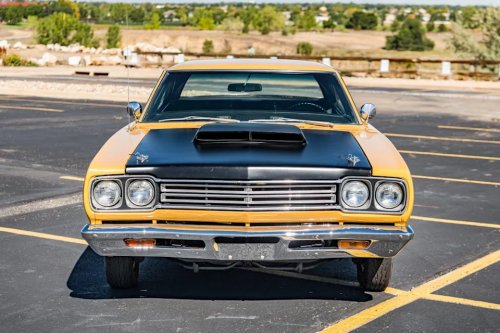
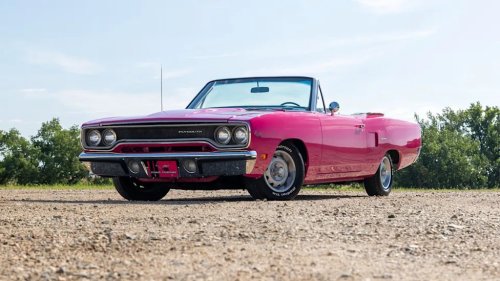
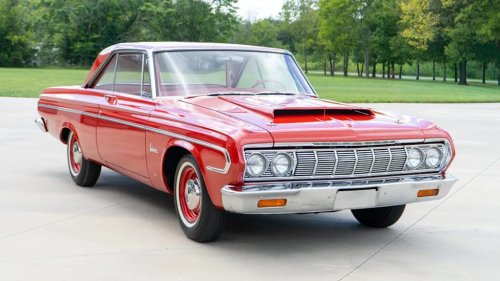
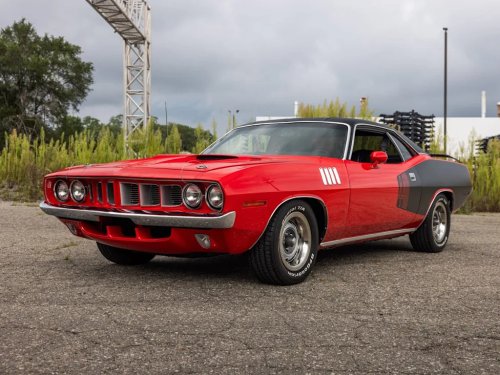
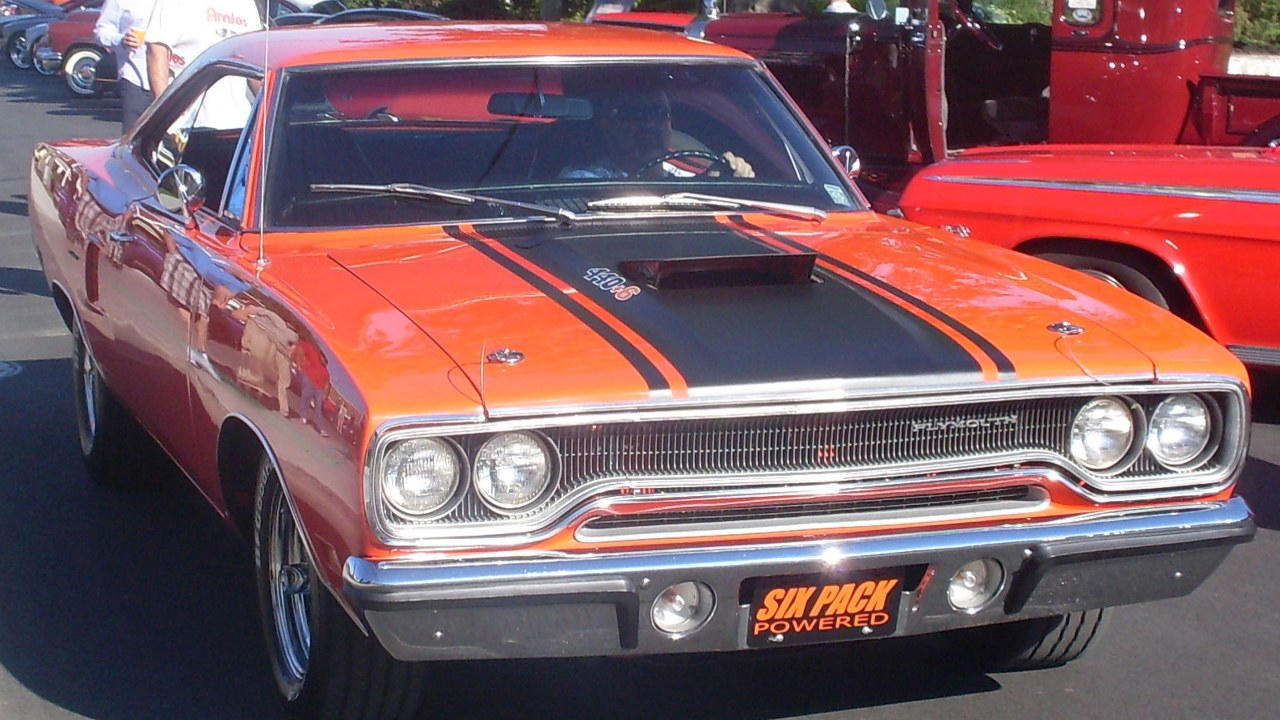
The 1970 Plymouth Road Runner arrived at the height of the muscle car wars and refused to get sophisticated. While rivals piled on luxury trim and complex options, this B-body bruiser stayed loud, simple, and unapologetically focused on speed. Its raw character was not an accident but a deliberate strategy to keep performance accessible and unfiltered. That approach turned the 1970 model into a kind of fork in the road for American performance cars. Where others drifted toward grand touring comfort, the Road Runner doubled down on bare‑bones hardware, cartoon bravado, and big‑block torque. I see that mix as the key reason the car still feels elemental today, even when restored to show quality. Back-to-basics on the Chrysler B platform The Road Runner started life as a deliberate throwback, built on the Chrysler B platform that also underpinned the Belvedere and Satellite. Instead of treating that mid-size chassis as a stepping stone to luxury, Plymouth used it as the foundation for a stripped, budget performance car that prioritized speed over status. By 1970, that philosophy was firmly baked in, so even as styling and options evolved, the core idea remained a back-to-basics mid-size performance car that ordinary buyers could afford. That decision to stay with the B-body architecture mattered for how the car felt. The platform was sturdy, relatively simple to service, and already proven in everyday duty under the Belvedere and Satellite. Rather than reinventing the wheel, Plymouth focused on tuning, gearing, and engine choices to turn a workhorse chassis into a street brawler. According to descriptions of The Road Runner, that B-platform lineage was central to its identity as a no-frills performance machine rather than a delicate specialty car. Design that shouted speed, not luxury Visually, the 1970 Road Runner did not try to look refined. Its sheet metal was muscular and straightforward, with broad surfaces and sharp character lines that made the car look more like a clenched fist than a flowing sculpture. The graphics and badging leaned into the cartoon tie-in, turning the Road Runner name into a playful but pointed statement that this car was built to run hard, not to impress valet stands. That aesthetic choice kept the car from drifting into the softer, more formal look that some competitors adopted as they chased upscale buyers. Even when restored to a high standard, the car’s design still reads as purposeful rather than ornate. A ground up restoration of a Classic Mopar Muscle Car like a 1970 Plymouth Roadrunner 440 4-Speed highlights how the basic lines and proportions do most of the talking, with bright colors and simple stripes amplifying the aggression rather than masking it. Enthusiast coverage of a Classic Mopar Muscle Car restoration underscores that even when every panel is laser straight and every piece of trim is perfect, the car still feels raw because the underlying design was never about subtlety or luxury cues. Engines and hardware that favored brute force Image Credit: Bull-Doser, via Wikimedia Commons, Public domain Under the hood, the 1970 Road Runner kept its priorities simple: big displacement, straightforward tuning, and hardware that could take abuse. The model’s reputation centers on engines like the 440 and other high performance Chrysler big-blocks that delivered massive torque without relying on exotic technology. In period, that meant a driver could feel the car’s character in the first quarter turn of the throttle, with the engine responding more like a sledgehammer than a scalpel. The intake and induction hardware reinforced that attitude. Enthusiasts discussing the Plymouth Roadrunner Coyote Duster setup describe an air cleaner that was a big oval, similar to what you would see on a six-pack arrangement, paired with a large fibrous seal attached to the hood. That configuration, as recounted in a Jul discussion, was not about hiding the mechanicals under plastic covers or chasing refinement. It was about ramming as much air as possible into a big carburetor, with the side effect that every stab of the throttle came with a deep intake roar that made the car feel even more unfiltered. Inside the cabin, function over polish The interior of the 1970 Road Runner walked a careful line between new features and old-school simplicity. New for Road Runner in 1970 was the addition of the RALLYE dashboard, essentially the 1968 Dod performance cluster adapted to this model. That meant the driver faced clear, round gauges and a layout that prioritized engine information over decorative trim. The RALLYE DASH was a nod to enthusiasts who wanted a cockpit that felt like a tool, not a lounge. Even with that upgrade, the cabin stayed focused on function. Reports on a particularly Pristine “1 of 59” 1970 Plymouth Road Runner note how the RALLYE DASH pairs naturally with a Hurst Pistol Grip shifter, a piece of hardware that literally puts a mechanical lever in the driver’s hand instead of a soft, insulated selector. That combination, highlighted in coverage of a Pristine “1 of 59” example, shows how Plymouth updated the Road Runner without diluting its raw feel. The gauges became more performance oriented, the shifter more precise, but the overall environment remained sparse and driver centric rather than plush. Why the 1970 Road Runner still feels unfiltered today Viewed from today’s world of drive modes and digital dashboards, the 1970 Plymouth Road Runner stands out because it never tried to hide its mechanical nature. The Chrysler B platform roots, the big-block engines with aggressive induction like the Coyote Duster setup, and the RALLYE DASH with its Hurst Pistol Grip hardware all point in the same direction. They create a car that communicates constantly through noise, vibration, and direct controls, instead of smoothing those sensations away. That is why restored cars, even when they are as immaculate as a Pristine “1 of 59” example or a carefully rebuilt Classic Mopar Muscle Car, still come across as raw rather than genteel. The restoration process can perfect paint and panel gaps, but it cannot change the fact that the Road Runner was conceived as a back-to-basics mid-size performance car on the Chrysler B platform shared with the Belvedere and Satellite. As long as the big oval air cleaner, the RALLYE DASH, and the mechanical shifter remain, the 1970 Road Runner will continue to feel like a direct line to an era when speed was loud, simple, and proudly unrefined. More from Fast Lane Only: 10 underrated V8s still worth hunting down Police notice this before you even roll window down


















 +16 others